
Reviewed · FOOD & DRINK
Osaka: Guided Food Tour with 12 Dishes at 4 Local Eateries
Osaka eats best after dark. This 2.5-hour food walk gives you a handy way to sample 12 local dishes at four eateries, with stops for fresh fish, grilled skewers, dumplings, takoyaki, and drinks. It begins near Don Quijote Dotonbori Midosuji in Nishishinsaibashi and finishes back at the same meeting point.
I like the mix of foods and the local focus. You are not simply handed a plate at one restaurant, then sent home. You move through several places, including sake bars favored by locals, while your guide handles the route and explains what you are eating. The chance to ask about other restaurants in Osaka is another real plus.
The main consideration is the group size, which can reach 30 people. That is large for an intimate food crawl, and the dishes and restaurants change by day. You get variety, but not a fixed tasting menu or a completely predictable evening.
In This Review
- Key points to know before booking
- Starting near Dotonbori and Nishishinsaibashi
- The first bites: dumplings and takoyaki
- An izakaya stop and the role of sake
- Fresh fish, grilled skewers, and changing menus
- Four restaurants in 150 minutes
- The guides make the difference
- Is $83.57 good value?
- Who will enjoy this Osaka food tour?
- Booking, timing, and cancellation details
- Should you book it?
- FAQ
- Where does the Osaka food tour start?
- Where does the experience finish?
- How long does the food tour last?
- How many dishes are included?
- How large can the group be?
- Can I cancel for a full refund?
Key points to know before booking
- Four eateries in about 150 minutes: The quick pace lets you sample several Osaka specialties without giving up a full evening.
- Twelve dishes, with the menu changing by day: You may try dumplings, takoyaki, fresh fish, grilled skewers, and other local favorites.
- A local-food focus: The route includes sake bars and restaurants popular with local diners rather than only the bright main streets of Dotonbori.
- Guides who add useful Osaka advice: Ken, Mao, Spike, Ukyo, and Nori have all been praised for friendly hosting and practical suggestions.
- A group of up to 30 people: This keeps the price below many private food tours, but it may feel less personal at the maximum size.
Starting near Dotonbori and Nishishinsaibashi
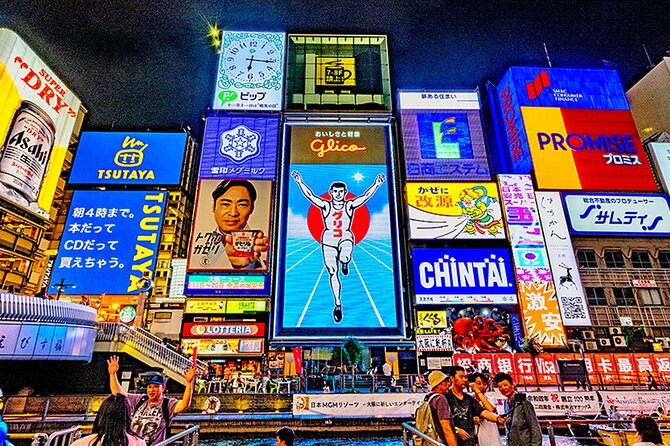
The meeting point is outside Don Quijote Dotonbori Midosuji at 2-chome-5-9 Nishishinsaibashi, in Osaka’s Chuo Ward. This puts you close to one of the city’s best-known food districts, but the experience is not limited to taking photos beneath the giant signs and eating at the most obvious storefronts.
That is important in Osaka. Dotonbori offers plenty of easy choices, yet the sheer number of restaurants can make a first evening awkward. You may not know which places are worth the wait, how much food to order, or how to read a menu that has little English. Starting with a guide removes much of that guesswork.
You should arrive ready to walk between stops and eat in several rounds. The route finishes at the original meeting point, which is useful if you want to continue exploring Dotonbori afterward or make your own way back to your accommodation.
The meeting area is close to public transportation, so it is practical for an evening arrival. Still, allow enough time to locate the exact meeting point. A large store in a busy entertainment district is not the sort of place where you want to be searching for your group at the last minute.
More Food Tours in Osaka
- Osaka: Shinsekai Food Tour with 13-15 Dishes at 5 Eateries
★ 4.8 · 2,204 reviews - Osaka Food Tour: 13 Dishes at 5 Local Eateries
★ 5.0 · 2,149 reviews - Hungry Osaka Street Food Tour:15 Tastings & 3 Drinks with a Local
★ 5.0 · 1,727 reviews
The first bites: dumplings and takoyaki
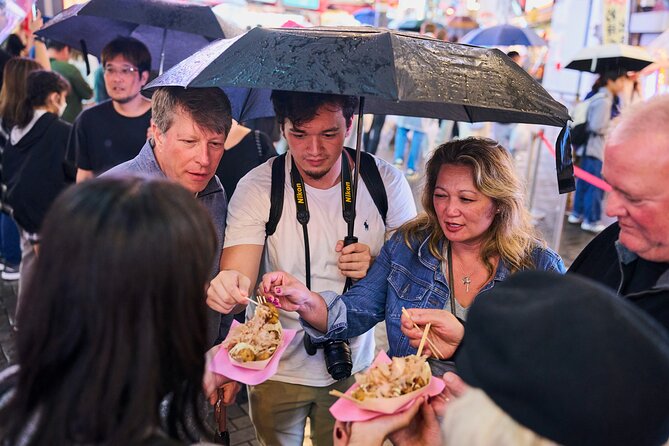
The opening food stop may include fresh, crisp dumplings and takoyaki. One account of the experience describes Ken beginning with both, a smart introduction to Osaka’s casual food culture.
Takoyaki are small batter balls filled with octopus and usually finished with sauce and other toppings. They are hot, soft, and easy to underestimate. The center can stay extremely hot, so take a small first bite rather than rushing in. Dumplings offer a different texture and a useful contrast, especially when they arrive crisp on the outside.
These first dishes work well because they are familiar enough for most people to try without much explanation, yet they still show how Osaka treats quick street-style food as a serious part of daily life. You get a taste of the city’s eat now, keep moving rhythm right away.
The possible drawback is that the precise dishes are not guaranteed. The operator visits different restaurants on different days, so you should see the menu as a sampling of Osaka staples rather than a promised checklist. If takoyaki is your main reason for booking, ask about the current route before you pay.
An izakaya stop and the role of sake
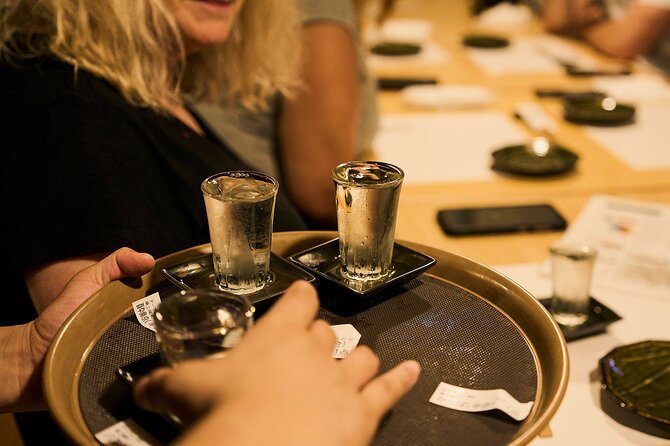
After the early bites, the route may continue to an izakaya tucked away from the most obvious streets. An izakaya is a casual Japanese bar-restaurant where people order several small plates to share with drinks. This style suits a food tour because you can try more items than you could comfortably order alone.
The evening may also include sake bars that local diners favor. The appeal is not just the drink. These places give you a look at a more ordinary Osaka night, where food, conversation, and small orders stretch over time instead of arriving as one large meal.
The provided details do not specify exactly which drinks are included or how much you receive at each stop. The tour description refers to dishes and drinks, while the title promises 12 dishes, so read the booking details carefully if alcohol is a major part of your decision. You should also tell the guide about any preference for nonalcoholic options as soon as the tour begins.
A sake bar can be a fine place to ask questions. You might learn which foods pair well with sake, how locals order at an izakaya, or which nearby places are worth returning to later. The value here comes from context as much as from the tasting itself.
Fresh fish, grilled skewers, and changing menus
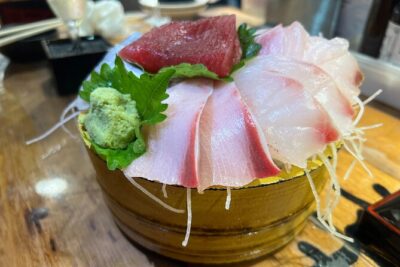
The food selection is designed to move beyond one Osaka specialty. Fresh fish dishes and grilled skewers are specifically part of the expected range, giving the meal some variety in flavor and texture.
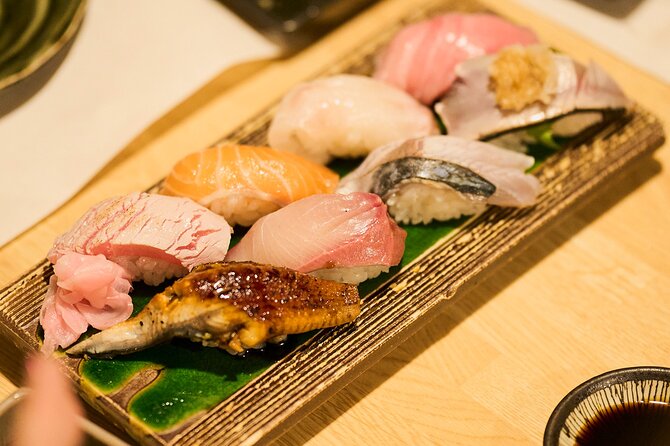
Fresh fish can show you a lighter side of Japanese dining after the richer batter and sauce of takoyaki. Grilled skewers bring smoke, salt, and a more filling bite. Depending on the day, you may find other dishes as well, since the four restaurants and menu can change.
That changing plan has two sides. It helps the operator use restaurants that are serving well on a given evening, and it gives you a different route if you return to Osaka more than once. On the other hand, you cannot count on a fixed sequence or a particular fish, skewer, or bar.
I see this as a food orientation rather than a formal culinary lesson. You are sampling a broad range of local food in a short period, not sitting down for a detailed explanation of every ingredient. If you want a tightly organized menu with exact courses, a private tasting would suit you better. If you want help deciding what to eat during your first days in Osaka, the flexible approach makes sense.
A completely different kind of day out in Osaka:
- Osaka Go Karting Tour with Funny Costume
★ 5.0 · 2,658 reviews - Osaka Castle: Museum and Tower Entry Ticket
★ 4.5 · 2,380 reviews - Osaka: teamLab Botanical Garden Entry Ticket
★ 4.5 · 1,710 reviews - Osaka: Tea Ceremony Experience
★ 4.9 · 1,426 reviews
Four restaurants in 150 minutes
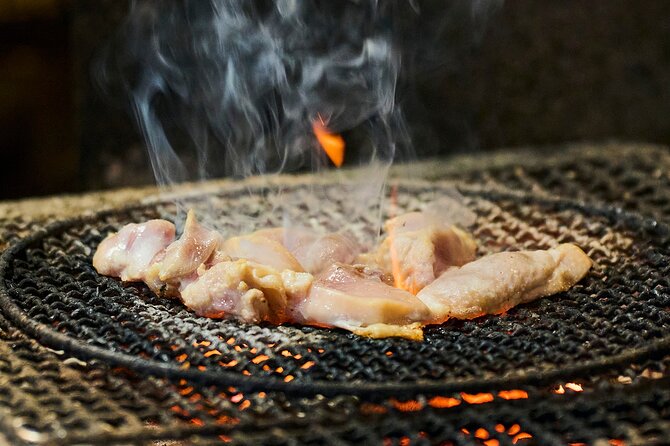
Four eateries in roughly two and a half hours means each stop is fairly brief. That is the tradeoff for reaching 12 dishes in one evening. You should expect a series of small tastings, movement between locations, and enough time to meet the other people in the group, rather than long, relaxed meals at each restaurant.
The pace can be an advantage on a first night. You quickly get a sense of several food styles and neighborhoods, then return to the places you liked best later. It also prevents you from spending your entire evening in a single restaurant before discovering that another part of Osaka offers something more appealing.
The format works best if you arrive hungry but not starving. A completely empty stomach can make a quick sequence of rich dishes uncomfortable, while eating a large meal beforehand defeats the purpose of booking. Since the exact food changes by day, anyone with strict dietary needs should ask in advance rather than assume the group route can be altered.
The maximum group size is 30 people. A group that large may need extra time to move, order, and gather outside each restaurant. It can also make conversation with the guide harder at busy moments. The benefit is a social evening with fellow visitors and a likely lower cost than a private experience.
The guides make the difference
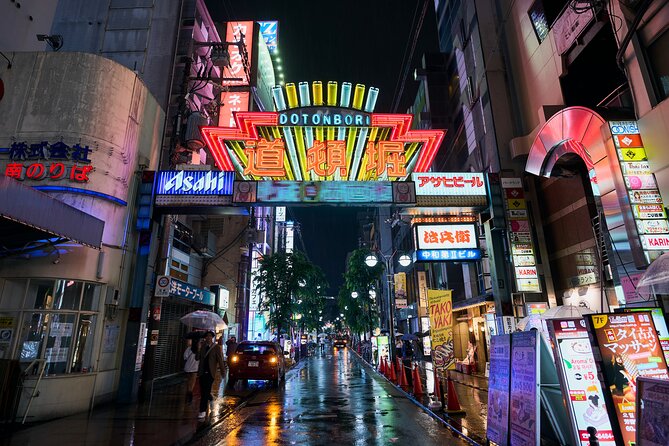
The strongest part of this experience is the human side. Ken is described as a delightful host who chose restaurants with good variety. Mao has been praised for her energy, care, and advice about other places in Osaka and beyond. Spike is noted for being friendly, enthusiastic, and generous with tips for the rest of the stay.
Ukyo and Nori have also been singled out as strong hosts who knew the area and showed the group around. Their role matters because a food tour can easily become a simple procession from one purchase to the next. A good guide explains how to approach each place, keeps the group moving, and helps you see the neighborhood beyond its famous signs.
You should not expect every guide to have the same personality or follow an identical script. The names associated with the experience suggest a rotating guide team, and the restaurants change by day as well. Still, the consistent praise centers on friendliness, enthusiasm, food knowledge, and useful local suggestions.
Ask questions while you have the guide beside you. Osaka is a city where a short recommendation can save you from a poor meal later. Ask for a ramen shop, a breakfast idea, another izakaya, or a place to visit outside the Dotonbori area. The tour becomes much more valuable when you use it to plan the next few days.
Is $83.57 good value?
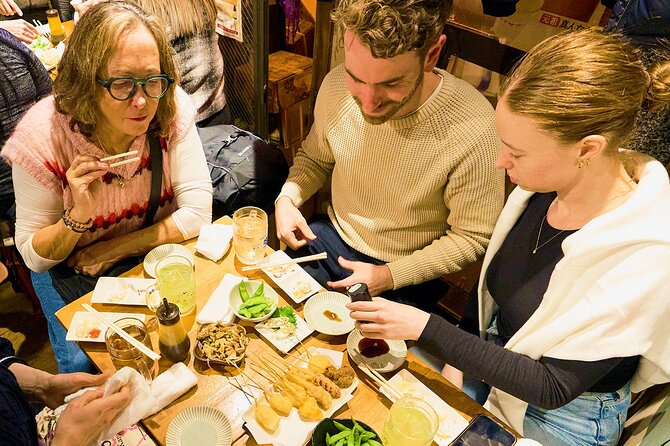
At $83.57 per person, this is not the cheapest way to eat in Osaka. You could buy inexpensive takoyaki, noodles, or skewers on your own for much less. But the comparison is not quite fair, because the fee also pays for route planning, four restaurant visits, a guide, and the chance to try 12 different dishes without ordering full portions everywhere.
For a first visit, I think the price can be fair if you value convenience and variety. You avoid spending time researching restaurants, guessing what to order, and navigating an unfamiliar evening route. You also get an introduction to sake bars and casual restaurants that you might not find by sticking to the most visible Dotonbori venues.
The value is weaker for confident Osaka diners who already know where they want to eat. It is also less attractive if you prefer full meals rather than several small servings. Because the exact drinks and dishes are not fully listed, check what the fee includes before booking, especially if you are comparing it with a self-guided food budget.
With more than 500 ratings at five stars and a 100 percent recommendation figure shown in the supplied information, the experience has a strong record. I would still keep expectations sensible: restaurant quality can vary by day, and a large group can affect the pace.
Who will enjoy this Osaka food tour?

I would recommend it most to first-time visitors who want a fast introduction to Osaka’s food culture. It is also a good fit if you are staying near Namba, Dotonbori, or Nishishinsaibashi and want an easy first evening without making every dining decision yourself.
Solo visitors may appreciate the built-in company. The format gives you a natural way to meet people while sharing small dishes. Couples and friends can also use the tour as a sampler, then return to the foods they liked most on their own.
It may not suit you if you need a quiet, private meal, have serious food allergies, or want a guaranteed list of dishes. The operator gives a maximum group size of 30, and menus vary by day. Those are not minor points, so treat them as part of the decision rather than fine print.
The experience is also a practical choice for anyone who wants neighborhood advice. Mao, Spike, Ken, Ukyo, and Nori have all been praised for giving suggestions beyond the tour itself. A guide who helps shape the rest of your Osaka stay can be worth as much as one extra dish.
Booking, timing, and cancellation details
There are two evening tour times, which gives you some flexibility when fitting the experience around a day of sightseeing. The activity lasts about 2 hours and 30 minutes, and it returns to the starting point.
You receive confirmation when you book, and the experience uses a mobile ticket. Most people can participate, and the meeting point is near public transportation. The group can include up to 30 people.
Free cancellation is available if you cancel at least 24 hours before the local start time. Cancellations or changes made less than 24 hours ahead are not accepted for a refund. Keep that deadline in mind before booking around uncertain plans.
Should you book it?
Book this tour if you want a guided first taste of Osaka, especially if you like small plates, casual bars, and trying many foods instead of ordering one large dinner. The four-stop format, changing menu, and local restaurant focus give you a useful start without requiring hours of research.
Skip it if you already have a carefully planned food itinerary, need a private setting, or want exact control over every dish. For everyone else, $83.57 is a reasonable price for 12 tastings, a guided route, and a chance to ask a local what to eat next. Just accept the changing menu and possible 30-person group, then arrive hungry enough to enjoy the full trail.
FAQ
Where does the Osaka food tour start?
It starts at Don Quijote Dotonbori Midosuji, located at 2-chome-5-9 Nishishinsaibashi, Chuo Ward, Osaka, 542-0086, Japan.
Where does the experience finish?
The activity ends back at the original meeting point.
How long does the food tour last?
The tour lasts approximately 2 hours and 30 minutes.
How many dishes are included?
The experience includes 12 dishes, though the exact dishes may change depending on the day and the restaurants visited.
How large can the group be?
The maximum group size is 30 people.
Can I cancel for a full refund?
Yes. You can receive a full refund if you cancel at least 24 hours before the local start time. Changes or cancellations made less than 24 hours in advance are not accepted for a refund.
Just added around Osaka
- Osaka Food Tour with 10 Classic Japanese Tastings & Drinks★ 5.0 · 38 reviews
- Osaka: Highlights & Hidden Gems Private Walking Tour★ 4.7 · 38 reviews
- Kyoto private tour (Shore excursion available from Osaka or Kobe port)★ 5.0 · 39 reviews
- Osaka Private Day Trip – Enjoy Your First-Time Visit to Osaka!★ 5.0 · 39 reviews
- Kyoto & Nara & Uji: Full Day Sightseeing Tour from Osaka or Kyoto★ 4.5 · 39 reviews
- Authentic SUSHI Course Cooking Class★ 5.0 · 39 reviews
- Osaka: Mind & Spirit Balance Temple Reiki Healing★ 5.0 · 41 reviews
- Osaka Afternoon Walking Tour with Osaka River Cruise★ 3.5 · 42 reviews
Food & Drink, compared.
Shinjuku Food Tour (13 Dishes at 4 Local Eateries)
Read our review →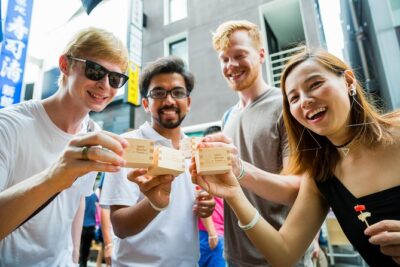
Tokyo Tsukiji Fish Market Food and Culture Walking Tour
Read our review →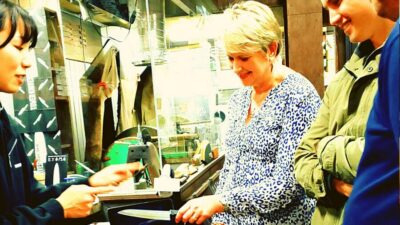
Shinsekai Food Tour with 13-15 Dishes at 5 Eateries
Read our review →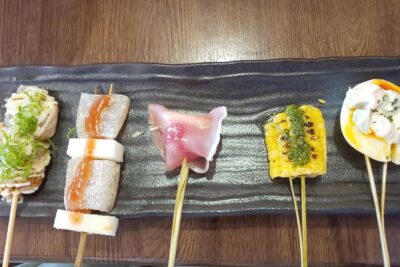
Osaka Food Tour: 13 Dishes at 5 Local Eateries
Read our review →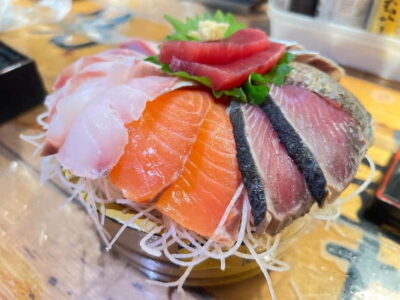
Shinjuku Food Tour (15 Dishes and 4 Eateries)
Read our review →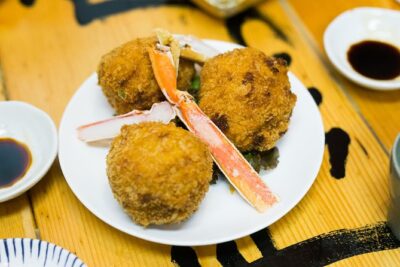
Best of Shinjuku: Izakaya Food Tour (4 Stops, 14+ Tastings)
Read our review →
Kyoto Night Foodie Tour in Gion (9+ dishes + 6 Sake tastings)
Read our review →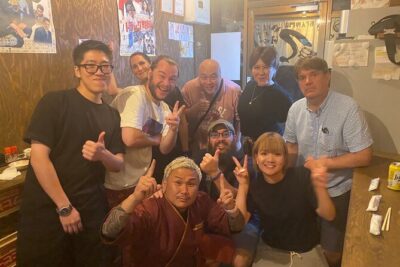
Hungry Osaka Street Food Tour:15 Tastings & 3 Drinks with a Local
Read our review →Browse the lists this tour appears in