Reviewed · KYOTO TOURS
Private Highlights of Kyoto Tour
Kyoto rewards a well-planned first day. This private tour gives you a smart way to see major sights without wrestling with the city’s trains and buses alone. You choose between a northwest route and a southeast route, then spend about seven hours with a personal English-speaking guide.
I like the choice of two routes, since you can focus on bamboo groves and Zen gardens or on red torii gates, sake, temples, and Gion. I also like the private format, which lets the guide adjust the pace, explain details, and help with public transport. The main drawback is the price, $151.20 per person, which some people may find high for a day that does not include lunch or hotel pickup.
Guides named Mie, Mia, Chako, Choko, Mai, and Hiseko have earned especially warm praise for clear English, humor, cultural insight, and patience with children. One important practical point: the tour begins at Hotel Granvia Kyoto at 9 a.m., not at your hotel, and you will walk quite a bit.
In This Review
- Key points at a glance
- Meeting your guide at Kyoto Station
- The northwest route: bamboo, Zen, gold, and food
- Arashiyama and the Bamboo Forest Street
- Ryoan-ji and its famous rock garden
- Kinkaku-ji, the Golden Pavilion
- Nishiki Food Market or Nijo Castle
- The southeast route: sake, torii gates, and old Kyoto streets
- Gekkeikan Okura Sake Museum
- Fushimi Inari-taisha and the red torii gates
- Sanjusangendo and its 1,001 statues
- Kiyomizu-dera, Ninenzaka, and Sannenzaka
- Ending in Gion, with Kyoto still ahead
- What the private guide adds
- Walking, weather, and the pace of seven hours
- Is $151.20 per person good value?
- Who should book this Kyoto day?
- Final verdict: book it for guidance, not just sightseeing
- FAQ
- Where does the Kyoto highlights tour begin?
- How long does the tour last?
- Is the tour private?
- What routes can I choose from?
- Is lunch included?
- Is transportation included?
- Are admission fees included?
- Can I cancel for a refund?
Key points at a glance
- Two very different routes: Choose northwest for Arashiyama, Ryoan-ji, Kinkaku-ji, and Nishiki or Nijo Castle. Choose southeast for Fushimi Inari, sake, Sanjusangendo, Kiyomizu-dera, and Gion.
- Private attention for up to eight people: The small maximum makes it easier to ask questions, adjust the pace, and keep the day personal.
- Public transport is part of the experience: You travel by local buses and trains, with a one-day city bus pass included for continued sightseeing after the tour.
- The guides are the strongest feature: Mie and Chako are praised for history, cultural explanations, good humor, and helping families stay engaged.
- Lunch is flexible but not included: You pay for your own meal, and the guide may suggest a local restaurant suited to your interests.
- Expect temples, steps, and crowds: The tour covers a lot in seven hours, but the major sights can be busy and several stops require walking uphill.
Meeting your guide at Kyoto Station
The day begins at 9 a.m. at the Central Entrance of Hotel Granvia Kyoto, beside Kyoto Station. This is a practical meeting point because Kyoto Station is the city’s main transport hub, but you need to allow time to find the hotel entrance if you are unfamiliar with the station.
There is no hotel pickup or drop-off. That keeps the price lower than a private car tour, but it also means you are responsible for reaching the starting point. From there, your guide handles the public transportation used during the day.
I see this as one of the tour’s real benefits. Kyoto’s bus system can feel confusing on a first visit, particularly when you are trying to match a crowded stop with the correct direction. A good guide can turn that small daily challenge into part of your introduction to the city.
The tour has a maximum of eight people, though private bookings may be much smaller. One couple found themselves alone with Mie, while other bookings included families and small groups. That gives the guide room to answer questions instead of delivering a fixed speech from a distance.
A few more Kyoto experiences worth weighing up
- PERFECT KYOTO 1-Day Bus Tour
★ 5.0 · 13,518 reviews - Kyoto: Fushimi Inari, Kinkakuji, Bamboo Grove 1 Day Bus Tour
★ 4.8 · 4,316 reviews - Kyoto: Tea Ceremony in a Traditional Tea House in Kiyomizu
★ 4.9 · 3,519 reviews
The northwest route: bamboo, Zen, gold, and food
The northwest itinerary is the better choice if you want Kyoto’s most familiar postcard scenes. It combines Arashiyama Park, the Bamboo Forest Street, Ryoan-ji, Kinkaku-ji, and a choice between Nishiki Food Market and Nijo Castle.
Arashiyama and the Bamboo Forest Street
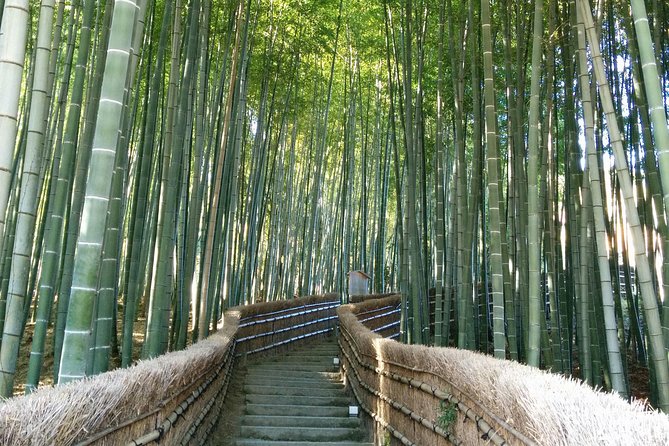
Arashiyama begins the day with a walk through one of Kyoto’s best-known settings. The bamboo grove is impressive, though the path can be crowded, and the 30-minute time allowance means you should not expect a long, wandering visit.
The area also includes temples and the Togetsukyo Bridge, a large wooden bridge near the bamboo forest. Your guide can help connect the scenic views with the wider character of Arashiyama rather than leaving you to take a few photographs and move on.
This is a good first stop because it gives you an immediate sense of Kyoto’s visual appeal. Tall bamboo, old temple grounds, and the bridge create a strong opening to the day. The tradeoff is that a short stop cannot cover every corner of the district.
Ryoan-ji and its famous rock garden
Ryoan-ji offers a quieter change of mood. Its Zen rock garden is represented by 15 stones, arranged so that you cannot see all of them at once from the traditional viewing position.
You get about 30 minutes here. That is enough to see the garden and listen to an explanation of its design, but not enough for a slow visit to every part of the temple grounds. If you prefer calm spaces and visual details over a long list of attractions, this stop may be one of the day’s most satisfying.
The guide adds value here because the garden can look simple at first glance. The meaning comes from the layout, the use of empty space, and the discipline of the setting. Without context, you might spend less time here than it deserves.
A completely different kind of day out in Kyoto:
- Kyoto Geisha Walking Tour: Gion District & Hidden Gems
★ 4.7 · 3,273 reviews - Kyoto: Tea Ceremony Ju-An at Jotokuji Temple
★ 4.9 · 3,207 reviews - Kyoto: Gion Magical Night Walking Tour with Geisha Trivia
★ 4.9 · 2,393 reviews - Kyoto: 45-Minute Tea Ceremony Lesson Experience
★ 4.3 · 2,378 reviews
Kinkaku-ji, the Golden Pavilion
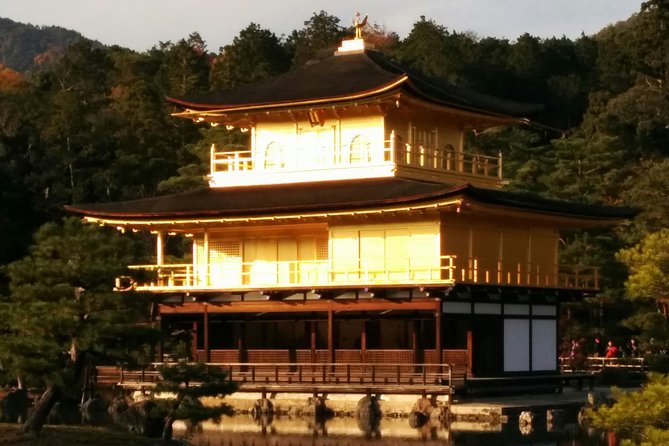
Kinkaku-ji, often called the Golden Pavilion, is one of Kyoto’s most recognizable temples. Its gold-leaf-covered structure reflects in a pond surrounded by trees, creating the classic image that appears in guidebooks and postcards.
The planned visit lasts about 50 minutes, with admission included. That is a useful amount of time for the approach, the pond view, photographs, and an explanation of the site.
The pavilion is beautiful, but it is also one of Kyoto’s most popular stops. You should expect crowds, especially around the best viewing points. This is not a quiet, private temple visit. The advantage of coming with a guide is that you can learn what you are seeing and move through the grounds efficiently.
Nishiki Food Market or Nijo Castle
After lunch, the northwest route gives you a choice between Nishiki Food Market and Nijo Castle. Lunch is at your own expense, and the food market can be a natural place to combine sightseeing with eating if your guide recommends an appropriate stop.
Nishiki is a good pick if you want to see Kyoto’s food culture. It offers a chance to look at local ingredients and market stalls, though you should treat it as a sightseeing stop rather than assume every stall provides a full meal.
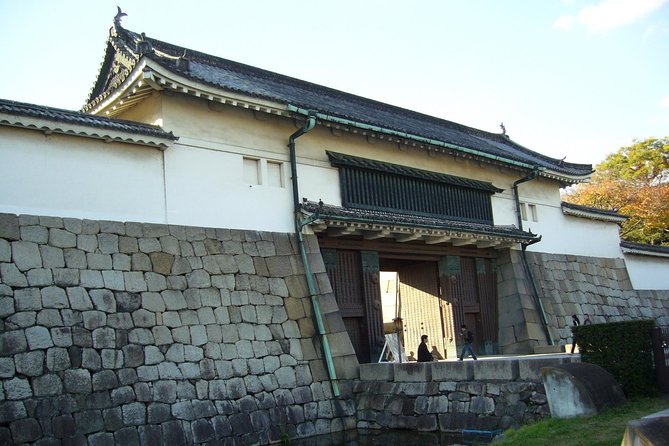
Nijo Castle suits you better if you want architecture and political history. Built during the Tokugawa Shogunate period in the early 17th century, it is the only castle in Kyoto associated with that period. The original living quarters of the Shogun are the main draw, with gold leaf and elaborate artwork inside.
The choice matters because these stops offer very different experiences. Nishiki is sensory and casual. Nijo Castle is structured and historical. Ask your guide which fits your interests and the day’s timing.
The southeast route: sake, torii gates, and old Kyoto streets
The southeast itinerary focuses on Fushimi Inari-taisha, the Gekkeikan Okura Sake Museum, Sanjusangendo, Kiyomizu-dera, Ninenzaka, Sannenzaka, and Gion. Pick this route if red torii gates and traditional neighborhoods appeal more than bamboo and the Golden Pavilion.
Gekkeikan Okura Sake Museum
The Gekkeikan Okura Sake Museum introduces the production of sake, Japan’s well-known rice wine. Admission is included, and the stop lasts about 50 minutes.
This is a useful addition because it gives the day a subject beyond temples. You learn about a traditional drink and the work behind it, rather than simply moving from one famous building to the next. One itinerary experience included sake tasting, which may be available depending on the visit, but the supplied details do not guarantee it for every booking.
Fushimi Inari-taisha and the red torii gates
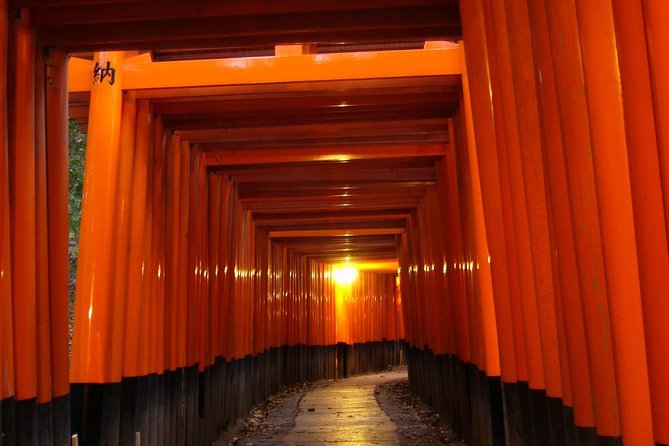
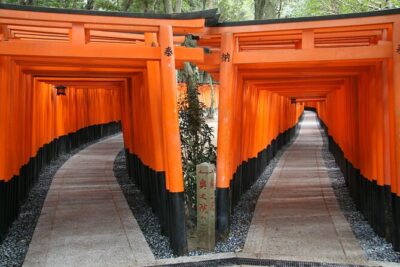
Fushimi Inari is known for thousands of red torii gates covering the mountain. Stone fox figures and smaller shrines add to the setting, since foxes are associated with the shrine’s tradition.
The tour allows about 50 minutes. That is enough to walk through part of the gates and get a feel for the site, but it is not a full climb across the mountain. Wear comfortable shoes, since the route involves steps and uphill walking.
Fushimi Inari is also a place where your guide’s timing matters. The entrance area can be crowded, while the paths farther in may feel less compressed. A private guide can explain the shrine customs and help you decide how far to walk before moving on.
Sanjusangendo and its 1,001 statues
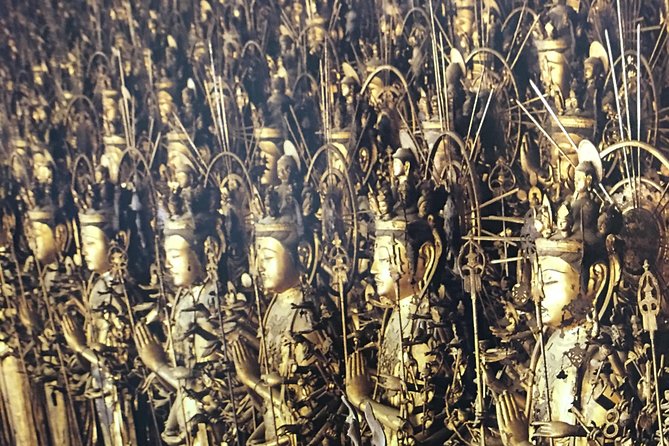
Sanjusangendo provides one of the day’s most striking indoor visits. The temple is known for its 1,001 Kannon statues, creating a long, repeated row of figures that is very different from the open gardens at Ryoan-ji or Kinkaku-ji.
The scheduled visit is about 50 minutes, followed by lunch at your own cost. This stop is particularly useful for anyone who wants to understand Buddhist sculpture and temple design. It also offers a break from the exposed paths and hills of the southeast route.
Kiyomizu-dera, Ninenzaka, and Sannenzaka
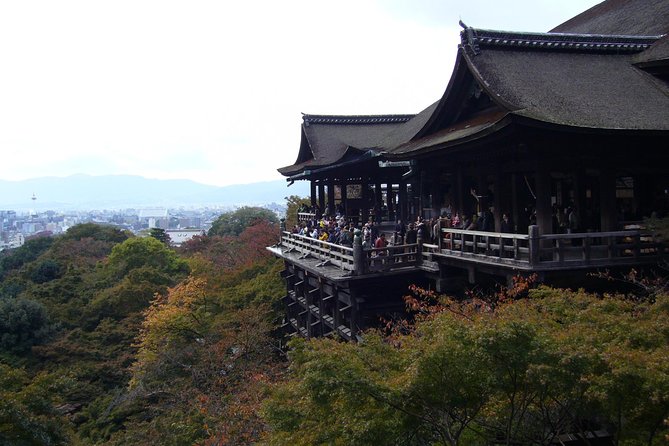
Kiyomizu-dera is a hilltop temple dating to the 8th century. Its balcony gives broad views over Kyoto, and the scene is often used in postcards.
The temple visit lasts about 50 minutes and includes admission. You then continue through Ninenzaka and Sannenzaka, historic paths leading up toward Kiyomizu-dera. These steep streets are part of the experience, but they can be demanding in hot weather, rain, or for anyone with limited walking ability.
This portion of the route feels more like old Kyoto than a single museum visit. The slopes, traditional streets, temple views, and small shops create a connected walking experience. You should still keep expectations realistic: seven hours covers highlights, not every lane and building in the district.
Ending in Gion, with Kyoto still ahead
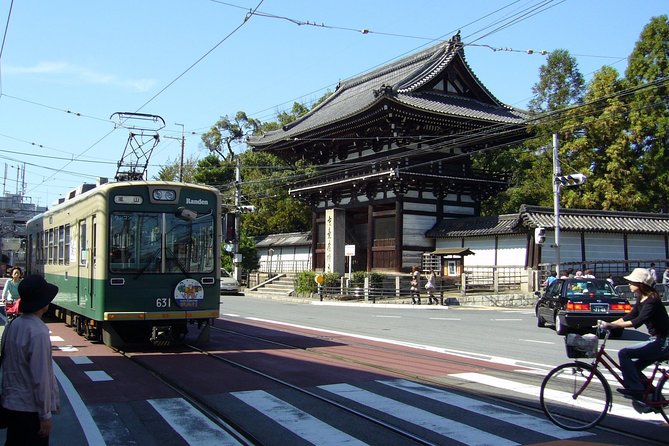
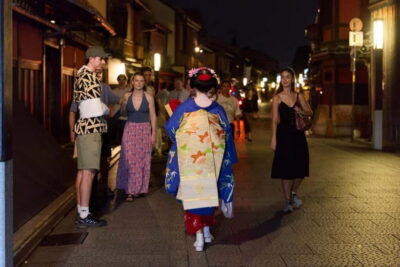
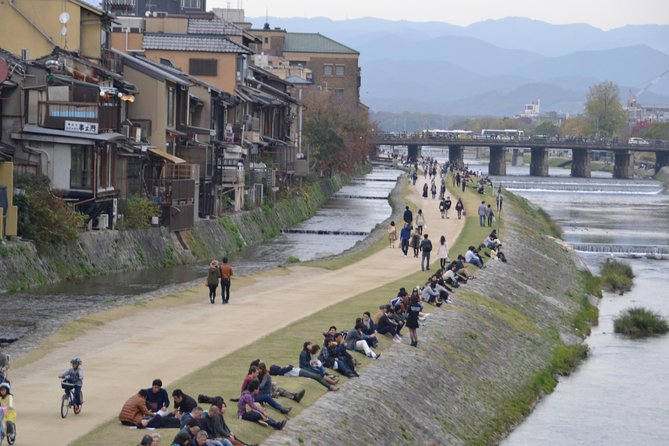
Both routes finish in Gion, Kyoto’s best-known geisha district. The area is associated with traditional entertainment and historic streets, and it is a fitting place to end a first day in the city.
The tour includes about 50 minutes in Gion, with no admission fee. The guide can help you understand the neighborhood’s cultural role, but do not expect a guaranteed geisha sighting. The value is in seeing the streets and learning how the district fits into Kyoto’s traditions.
The end point also gives you a useful option for the evening. A separate Gion-focused tour begins at 6 p.m. through the same booking platform, so you could continue if you want a longer look at the area. That would make for a full day and evening, so consider your energy before adding another activity.
What the private guide adds
The guide is the main reason to choose this experience instead of simply visiting the sights independently. Mie is repeatedly praised for strong historical explanations, preparation, flexibility, and a warm sense of humor. Chako, also written as Choko in some accounts, is praised for cultural knowledge, translation help, photography, and keeping the day enjoyable in rainy weather.
Mia has been especially well received by couples and families. She has helped visitors understand both ancient and modern Japan, kept a 12-year-old engaged, and adjusted the day for families with young children. Mai is also praised for adding thoughtful explanations and accepting a custom stop at a Ghibli store.
These details point to the tour’s best use. You are not paying only to be escorted to temple gates. You are paying for interpretation, navigation, conversation, and the ability to adapt the day to your group.
There is one caution. One booking described the guide as mainly moving the group from place to place without enough explanation. That appears to be an exception among the supplied feedback, but it is a useful reminder to ask questions. Tell your guide early what interests you, whether that is temple symbolism, food, sake, Japanese history, children’s activities, or photography.
Walking, weather, and the pace of seven hours
Seven hours is enough to cover a strong first set of Kyoto sights, but the day is active. You will use buses and trains, walk through temple grounds, climb steps, and handle sloped streets around Kiyomizu-dera and Fushimi Inari.
Rain does not necessarily ruin the experience. A couple enjoyed the northwest route in wet weather, especially the bamboo forest, and another group found the day worthwhile despite rain. Still, the activity requires good weather under its operating terms. If poor weather causes cancellation, you can choose another date or receive a full refund.
Bring shoes suitable for extended walking and plan for changing conditions. Lunch is not included, so you should budget for food and drinks. Guides have recommended ramen and okonomiyaki restaurants, including an off-the-main-path ramen shop and a restaurant where diners cook okonomiyaki on a built-in table grill. Those suggestions can make lunch a memorable part of the day, but the meal cost is yours.
The included one-day city bus pass is another practical advantage. You can continue using it after the tour, so the day does not have to end when you reach Gion. Ask your guide how the pass works before separating, then use the remaining daylight for another Kyoto neighborhood if you still have energy.
Is $151.20 per person good value?
At $151.20 per person, this is not the cheapest way to see Kyoto. Food, drinks, and hotel transport are extra, and the tour relies on public transportation rather than a private vehicle.
The value improves if you are visiting Kyoto for the first time, have limited time, or feel unsure about the transport system. Admission to the listed paid temples is included, public transportation is included, and you receive a full day of one-on-one guidance. A private booking also lets you ask questions freely and adjust the pace more easily than on a large scheduled group tour.
The price is less attractive if you already know Kyoto well, enjoy planning bus routes, or prefer spending a long time at one temple. You may also feel rushed if you want extended visits at every stop. Group discounts may help reduce the per-person cost, especially when several people share the booking.
Who should book this Kyoto day?
I would recommend it most strongly for first-time visitors, couples, families, and small groups that want a broad introduction without managing every transport connection. Families may particularly appreciate a guide who can keep younger children involved and adjust the rhythm of the day.
It is also a good fit for visitors making a day trip from Tokyo. One booking specifically used the tour to make a long trip to Kyoto worthwhile, with the guide organizing a full day around the city’s key sights.
I would be more cautious if you have difficulty with hills, steps, or extended walking. The tour is generally suitable for most people, and service animals are allowed, but the route itself includes active walking and crowded public places.
Final verdict: book it for guidance, not just sightseeing
Book this tour if you want Kyoto’s major sights explained by a friendly private guide and you value an efficient first day. Choose northwest for bamboo, Zen, the Golden Pavilion, and food or castle culture. Choose southeast for sake, Fushimi Inari, Buddhist statues, Kiyomizu-dera, and Gion.
The strongest reason to book is the human element. Guides such as Mie, Mia, Chako, Mai, and Hiseko have helped make temple details, Japanese customs, food, and history easier to understand. The main reasons to hesitate are the price, the lack of included lunch, and the brisk walking pace.
For most first-time visitors with only one full day in Kyoto, I think the cost is justified, especially when the group is small and the guide adapts the day to your interests.
FAQ
Where does the Kyoto highlights tour begin?
The tour begins at Hotel Granvia Kyoto, near the Central Entrance of Kyoto Station, at 9 a.m.
How long does the tour last?
The experience lasts approximately seven hours.
Is the tour private?
Yes. The activity is private and has a maximum of eight travelers.
What routes can I choose from?
You can choose a northwest-bound route covering Arashiyama, the Bamboo Forest, Ryoan-ji, Kinkaku-ji, and either Nishiki Food Market or Nijo Castle. The southeast-bound route covers the Gekkeikan Okura Sake Museum, Fushimi Inari, Sanjusangendo, Kiyomizu-dera, Ninenzaka, Sannenzaka, and Gion.
Is lunch included?
No. Lunch, food, and drinks are not included. You pay for your own meal.
Is transportation included?
Public transportation and a one-day city bus pass are included. Hotel pickup and drop-off are not included.
Are admission fees included?
Admission is included for Kinkaku-ji, Nijo Castle, Sanjusangendo, Ryoan-ji, the Gekkeikan Okura Sake Museum, and Kiyomizu-dera. There is no admission fee listed for Gion, the Bamboo Forest Street, or Fushimi Inari-taisha.
Can I cancel for a refund?
You can cancel at least 24 hours before the start time for a full refund. Changes or cancellations made less than 24 hours before the start time are not accepted for a refund. If poor weather cancels the tour, you are offered another date or a full refund.
Just added around Kyoto
- Kyoto: Private Customizable Day Trip by Car★ 5.0 · 38 reviews
- Kyoto: Gion Night Walking Tour with Geisha Insight★ 5.0 · 39 reviews
- Kyoto: Full Day Bike Tour★ 4.9 · 39 reviews
- Private Japanese Calligraphy in Kyoto – Learn Shodō with a Master★ 5.0 · 39 reviews
- Kyoto: Gion Evening Walk with Hidden Gems, Geisha & Sake★ 5.0 · 41 reviews
- Experience a tea ceremony in an authentic tearoom, in Kyoto!★ 4.5 · 41 reviews
- Kyoto Private Photo Shoot & Tour by SnapKyoto★ 5.0 · 41 reviews
- The Way of Tea: Kyoto Crafts, Hidden Temples & Wabi-Sabi Walk★ 5.0 · 41 reviews
Kyoto Tours, compared.
Fushimi Inari, Kinkakuji, Bamboo Grove 1 Day Bus Tour
Read our review →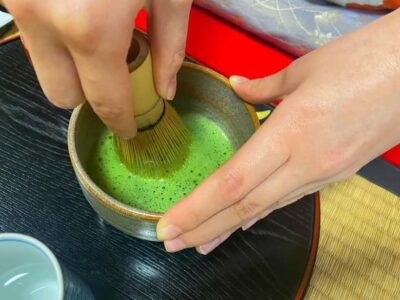
Tea Ceremony in a Traditional Tea House in Kiyomizu
Read our review →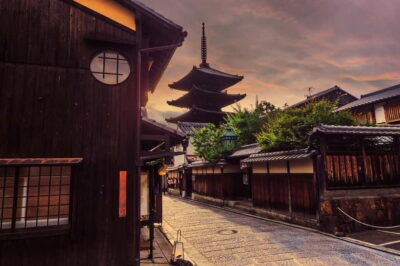
Kyoto Geisha Walking Tour: Gion District & Hidden Gems
Read our review →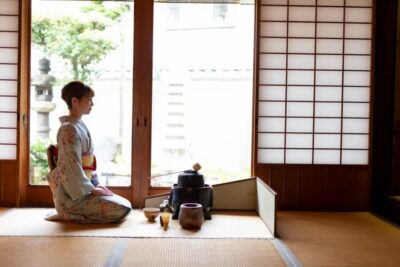
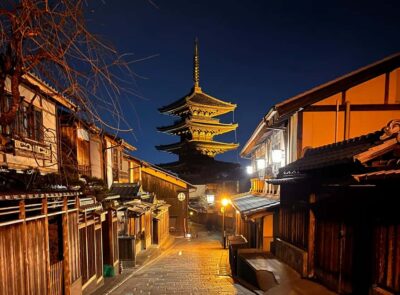
Gion Magical Night Walking Tour with Geisha Trivia
Read our review →