Reviewed · KYOTO TOURS
Shamisen Experience in Kyoto 【Private】
Traditional music makes a trip memorable. This private shamisen lesson gives you 90 minutes with Jack, a professional player who teaches in English, rather than placing you in a crowded class. I like the personal instruction and the chance to play a traditional Japanese song in one visit. The included tea break adds a calm, human touch.
I also like that beginners can start from zero, while more experienced musicians can ask for extra guidance. Left-handed players can use a lefty shamisen. The main consideration is price: at $99.10 per person, this is not a cheap sightseeing stop, though the private format and hands-on teaching make it better value for people who truly want to learn.
In This Review
- Key points at a glance
- Why this Kyoto music lesson is worth your time
- Arriving in Murasakino, in northern Kyoto
- Starting with posture, seating, and the shamisen basics
- Learning a traditional Japanese melody
- Tea, conversation, and a more personal look at Japanese music
- Finishing with a traditional-scale jam session
- A small souvenir and a useful memory
- How the $99.10 price compares with the experience
- Who will enjoy this private shamisen lesson most
- Booking timing, cancellation, and practical planning
- Should you book the Kyoto shamisen experience?
- FAQ
- Where does the shamisen experience take place?
- Where does the activity end?
- How long does the lesson last?
- How much does the experience cost?
- Is the shamisen lesson private?
- Do I need previous musical experience?
- Is the lesson taught in English?
- Is tea included?
- Can left-handed players participate?
- Can I cancel for a full refund?
Key points at a glance

- Private lesson with Jack: Your group receives direct guidance from an English-speaking professional shamisen player.
- A song in about one hour: The beginner curriculum aims to get you playing a traditional Japanese melody during the session.
- Real technique, not just a photo opportunity: You learn posture, seating, tuning, and basic playing methods.
- A relaxed tea break: Japanese tea gives you time to talk with Jack about the instrument and Japanese music.
- A guided jam session: Jack accompanies you using traditional Japanese scales, helping you play freely.
- Left-handed players are welcome: Lefty shamisen are available on request or when needed.
Why this Kyoto music lesson is worth your time
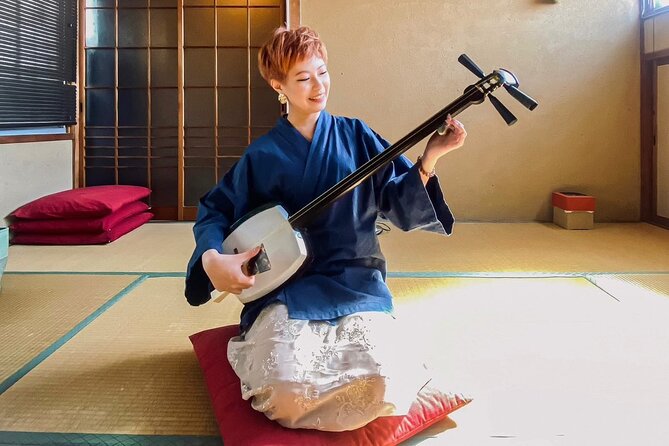
Kyoto offers temples, gardens, markets, and plenty of polished cultural shows. This experience gives you something different: a chance to make the sound yourself. The shamisen is a traditional Japanese three-stringed instrument, played with a large plectrum called a bachi. You do not need musical training to take part.
I like the fact that the lesson is built around participation. You are not simply watching a performer play a beautiful instrument. You hold the shamisen, learn how to sit with it, work through the basics, and try a melody under the teacher’s direction.
The private format matters. A shared class can be fun, but it can also mean waiting for a turn or losing track of the teacher’s instructions. Here, Jack can adjust the pace to your group. If you need more time with posture or hand position, you can ask. If you already play an instrument, you may be able to move beyond the most basic material.
The experience has earned a perfect five-star rating from 82 reviews, with 100 percent recommending it. That strong response makes sense when you look at what the lesson offers: individual teaching, English-language instruction, a traditional song, conversation over tea, and a small gift to take home.
A few more Kyoto experiences worth weighing up
- PERFECT KYOTO 1-Day Bus Tour
★ 5.0 · 13,518 reviews - Kyoto: Fushimi Inari, Kinkakuji, Bamboo Grove 1 Day Bus Tour
★ 4.8 · 4,316 reviews - Kyoto: Tea Ceremony in a Traditional Tea House in Kiyomizu
★ 4.9 · 3,519 reviews
Arriving in Murasakino, in northern Kyoto
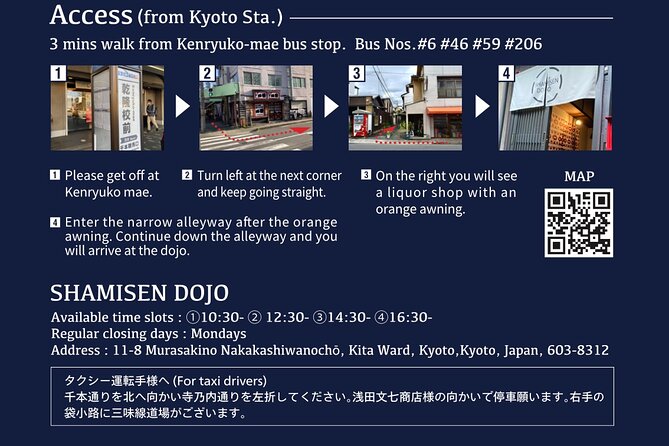
The lesson begins in Murasakino Nakakashiwanocho in Kyoto’s Kita Ward, postal code 603-8312. The meeting point is near public transportation, but the supplied information does not name a particular station or give walking directions, so you should check the exact location carefully after booking.
This part of the city is away from the most concentrated sightseeing routes. That can be useful if you want a break from temple-hopping and central Kyoto crowds, but you should allow enough time to reach the meeting point. Kyoto’s transport connections can require a combination of train, bus, or walking, depending on where you are staying.
The activity ends where it begins. That simple arrangement makes it easier to plan the rest of your day. You can pair it with another nearby stop, or treat it as a self-contained cultural appointment rather than trying to squeeze it between tightly timed attractions.
Confirmation arrives when you book, and the experience uses a mobile ticket. Keep the booking details easy to access on your phone.
Starting with posture, seating, and the shamisen basics
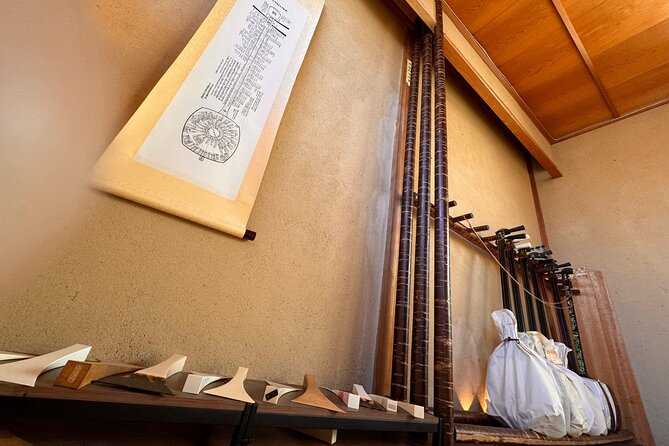
The first part of the session focuses on getting comfortable with the instrument. This includes seating and posture, both of which matter more than you might expect. A traditional instrument can feel unfamiliar in your hands, and good positioning makes the lesson less frustrating.
You also learn how to tune the shamisen. That is a useful detail because tuning is part of playing any string instrument, not just a technical extra. One participant specifically valued learning how to tune the instrument, along with the correct posture and seating needed to play properly.
Jack’s teaching style appears to be patient and flexible. He has been praised for taking time with the basics and, in some cases, offering more advanced material than expected. That suggests the lesson is not locked into one rigid script. Still, the core plan is clearly beginner-friendly, so you should not expect a full conservatory course in 90 minutes.
The shamisen can look simple at first glance, but producing a controlled sound takes coordination. You may find that the right hand, left hand, bachi, and posture all demand attention at once. That is exactly where private teaching earns its keep. Jack can watch your technique closely and correct small problems before they become habits.
Learning a traditional Japanese melody
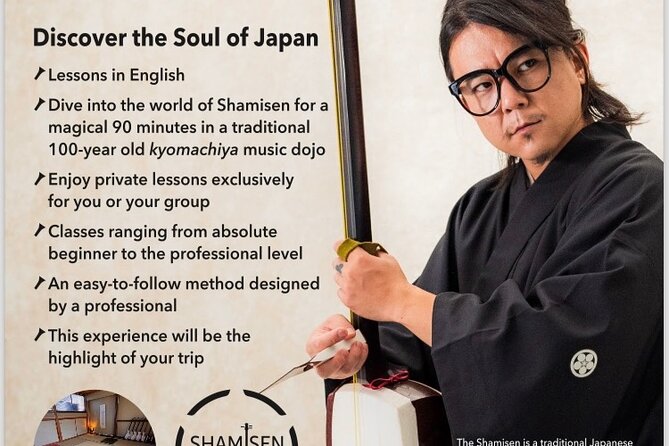
The central goal is to learn a traditional Japanese song. The lesson is designed so that even someone who has never held a shamisen can work toward playing a recognizable melody within the session.
This is the point where the experience shifts from instruction to achievement. You are no longer only practicing isolated movements. You are combining them into music. For many people, that makes the lesson more satisfying than a general cultural demonstration.
Your progress will depend on your pace, but the lesson’s structure gives you a clear target. The information provided does not name the song, so do not book it expecting a particular famous tune. The value is in learning a traditional melody on the instrument, with Jack guiding you through the process.
Musicians and complete beginners can both find something useful here. If you play another instrument, you may appreciate the Japanese scales and the different feel of the bachi. If you do not play music, the teaching is meant to help you take part without prior experience.
The best approach is to treat the song as a goal, not a performance test. You are there to try something new. A wrong note is part of the lesson, not a disaster.
A completely different kind of day out in Kyoto:
- Kyoto Geisha Walking Tour: Gion District & Hidden Gems
★ 4.7 · 3,273 reviews - Kyoto: Tea Ceremony Ju-An at Jotokuji Temple
★ 4.9 · 3,207 reviews - Kyoto: Gion Magical Night Walking Tour with Geisha Trivia
★ 4.9 · 2,393 reviews - Kyoto: 45-Minute Tea Ceremony Lesson Experience
★ 4.3 · 2,378 reviews
Tea, conversation, and a more personal look at Japanese music
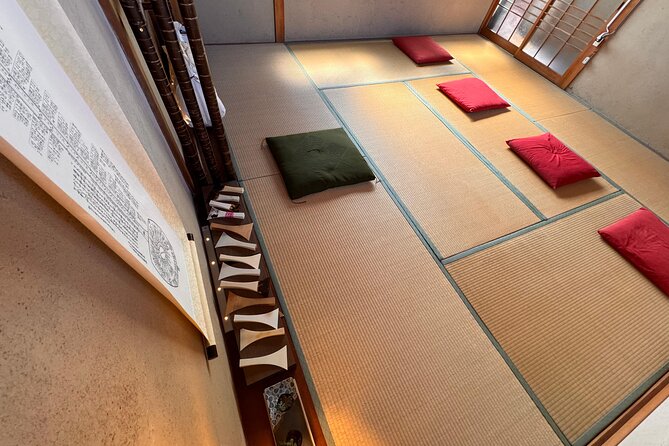
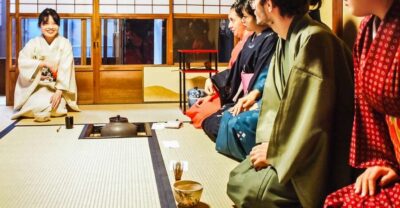
The Japanese tea break gives the 90-minute session a pleasant pause. It is not just a drink included in the price. It creates time for relaxed conversation with Jack, who is both the owner and a professional shamisen player.
This personal contact is one of the strongest parts of the experience. You can ask questions about the instrument, the music, or the practical side of learning shamisen. Jack speaks English well enough to teach and hold conversation, which removes a major barrier for international visitors.
The tea also keeps the lesson from feeling like a rushed technical class. Kyoto culture is often best understood through small personal encounters, and sitting down with a working musician can give the instrument more meaning than a quick stage show.
You should not expect a full cultural lecture or a formal tea ceremony. The tea is described as a break during the lesson, paired with conversation. Its value is its relaxed setting and the chance to connect the music with the person who plays it.
Finishing with a traditional-scale jam session
The session’s most unusual feature is the closing jam with Jack. He accompanies you using traditional Japanese scales, while you are encouraged to play melodies and express yourself on the shamisen.
That may sound ambitious after a beginner lesson, but the guided format keeps it approachable. Jack is there to support your playing, not to leave you alone with a difficult instrument. The jam gives you a chance to use the techniques you have just learned in a musical setting.
This is also where the private setup makes the biggest difference. You can experiment without worrying about an entire class waiting for you. The session can feel personal rather than rehearsed, and the music becomes a shared activity between you and the teacher.
The lesson has received recognition from specialists in the shamisen community, according to the experience details. That adds credibility to the program, but the more important point for you is practical: the class goes beyond a tourist photo and includes actual playing, accompaniment, and traditional scales.
A small souvenir and a useful memory
You receive a special gift at the end. The exact souvenir is not specified, so you should think of it as a pleasant reminder rather than booking the experience for a particular item.
The real keepsake is the skill. After 90 minutes, you may not be ready for a concert, but you will have learned enough to understand the instrument’s basic setup and sound. You may also leave with the urge to continue practicing. One participant said the lesson encouraged a desire to keep studying shamisen, while another found the instruction useful for learning on a personal instrument later.
That is a good sign for anyone considering buying or already owning a shamisen. You can ask about technique and avoid beginning with poor posture or incorrect handling. The teacher may even provide extra advice if your questions go beyond the standard beginner plan.
How the $99.10 price compares with the experience
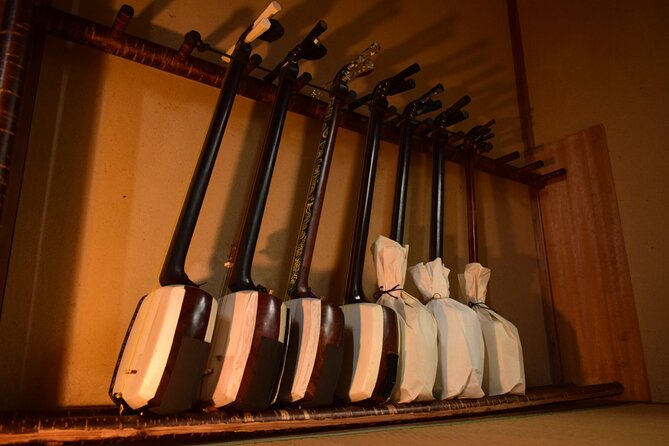
At $99.10 per person, this is a premium short activity. It costs more than a large group demonstration, but it offers something those shows cannot: direct access to a professional player and time at the instrument.
The price makes the most sense for a private group that values personal instruction. You are paying for the teacher’s attention, not just admission to a venue. If you are curious about Japanese music but only want to watch, a concert or cultural performance may offer better value.
For someone who wants to learn, the calculation changes. The lesson includes the shamisen, English teaching, tea, the jam session, and a souvenir. You do not need prior experience, and left-handed players can use a lefty instrument. Those details reduce the usual barriers to trying a traditional instrument abroad.
Because the activity is private, the per-person cost may feel easier to justify for a small group. It is still worth asking yourself how much you value hands-on learning before booking. The experience is not a bargain add-on. It is a focused cultural lesson.
Who will enjoy this private shamisen lesson most
I would recommend this activity to:
- First-time shamisen players who want patient instruction
- Music lovers interested in Japanese scales and traditional melodies
- Visitors looking for a rainy-day activity in Kyoto
- Couples, families, or friends who prefer a private class
- People who want a meaningful cultural experience instead of another viewing stop
- Left-handed players who often struggle to find suitable instruments
- Anyone considering continued shamisen practice after the trip
It is also a good choice if you want a flexible conversation with a local professional. Jack has been praised for his friendly manner, positive attitude, clear English, and willingness to answer questions sincerely.
I would be more cautious if your main goal is a long performance, a detailed history of the shamisen, or a low-cost activity. The lesson is centered on doing, not watching. The exact song is not named, and the format is too short to develop advanced skill.
Most people can participate, and the activity is private for your group only. The duration is approximately one hour and 30 minutes, so it fits neatly into a Kyoto day without taking over your schedule.
Booking timing, cancellation, and practical planning
This experience is commonly booked about 35 days ahead. That is a useful planning clue, especially if your Kyoto dates are fixed. I would reserve early if the lesson is important to your itinerary.
Free cancellation is available up to 24 hours before the local start time for a full refund. Cancellations or changes made inside that 24-hour window are not accepted for a refund, so check your plans before the deadline.
The activity is near public transportation, but exact route details are not provided here. Use the confirmed meeting-point information after booking and avoid arriving at the last minute. Since the lesson begins and ends at the same place, you can plan your onward route with reasonable ease.
Bring a charged phone for the mobile ticket. Wear something that allows you to sit comfortably and use both hands, although no special clothing or prior equipment is required.
Should you book the Kyoto shamisen experience?
Book it if you want to take part in Japanese culture rather than only look at it. The private format, English instruction, tea break, traditional song, and final jam create a thoughtful 90-minute introduction to the shamisen.
The price is the main hurdle. At $99.10, this is best for people who value direct teaching and a personal encounter with a musician. If that sounds like you, the lesson offers more than a quick novelty. You will learn basic technique, try a traditional melody, and leave with both a souvenir and a clearer sense of how the instrument works.
If you prefer inexpensive group activities or formal performances, spend your budget elsewhere. For music lovers, curious beginners, and anyone wanting a different side of Kyoto, Shamisen Dojo is a strong choice.
FAQ
Where does the shamisen experience take place?
The lesson starts in Murasakino Nakakashiwanocho, Kita Ward, Kyoto, 603-8312, Japan.
Where does the activity end?
The experience ends back at the meeting point.
How long does the lesson last?
The lesson lasts approximately one hour and 30 minutes.
How much does the experience cost?
The listed price is $99.10 per person.
Is the shamisen lesson private?
Yes. Only your group participates in the private activity.
Do I need previous musical experience?
No. The curriculum is designed for beginners, and no previous shamisen experience is required.
Is the lesson taught in English?
Yes. The program provides English-language shamisen instruction.
Is tea included?
Yes. The lesson includes a Japanese tea break and relaxed conversation with the owner and teacher.
Can left-handed players participate?
Yes. Left-handed players can use the available lefty shamisen.
Can I cancel for a full refund?
Yes. You can cancel at least 24 hours before the local start time for a full refund. Changes or cancellations made less than 24 hours before the start are not accepted for a refund.
Just added around Kyoto
- Kyoto: Private Customizable Day Trip by Car★ 5.0 · 38 reviews
- Kyoto: Gion Night Walking Tour with Geisha Insight★ 5.0 · 39 reviews
- Kyoto: Full Day Bike Tour★ 4.9 · 39 reviews
- Private Japanese Calligraphy in Kyoto – Learn Shodō with a Master★ 5.0 · 39 reviews
- Experience a tea ceremony in an authentic tearoom, in Kyoto!★ 4.5 · 41 reviews
- Kyoto: Gion Evening Walk with Hidden Gems, Geisha & Sake★ 5.0 · 41 reviews
- Kyoto Private Photo Shoot & Tour by SnapKyoto★ 5.0 · 41 reviews
- The Way of Tea: Kyoto Crafts, Hidden Temples & Wabi-Sabi Walk★ 5.0 · 41 reviews
Kyoto Tours, compared.
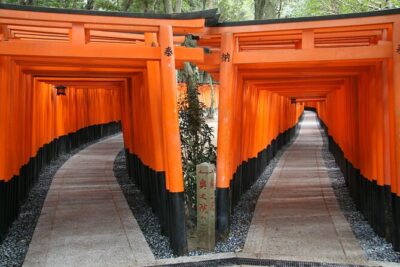

Fushimi Inari, Kinkakuji, Bamboo Grove 1 Day Bus Tour
Read our review →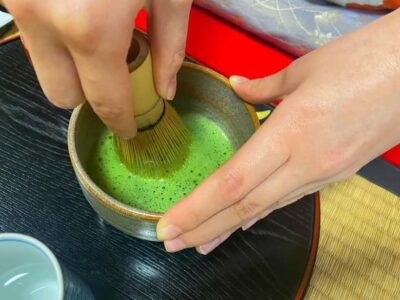
Tea Ceremony in a Traditional Tea House in Kiyomizu
Read our review →
Kyoto Geisha Walking Tour: Gion District & Hidden Gems
Read our review →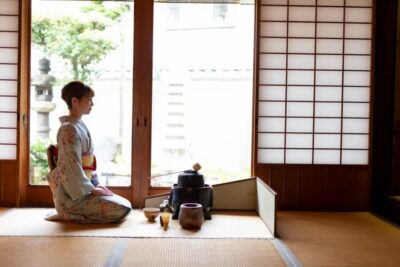

Gion Magical Night Walking Tour with Geisha Trivia
Read our review →