Reviewed · KYOTO TOURS
TAIKO, Japanese Drum Experience from Kyoto
Make some noise in Kyoto. This hands-on taiko drumming session takes you beyond temple visits and into a working Japanese musical tradition. I like the step-by-step teaching for beginners, and I like that the class includes a professional demonstration, simple calligraphy, and a final performance in happi coats and hachimaki headbands. The main drawback is the strict meeting time at Kyoto Station: miss the train, and you cannot join or receive a refund.
The experience costs $115.62 per person and lasts about two and a half hours, including transport. The small-group format, with a maximum of 15 people, gives you useful access to the instructor. English-speaking guides such as Michiko, Kumi, Akemi, and Akiko have been praised for keeping the journey organized and helping with translation.
In This Review
- Key Points Before You Book
- Why This Taiko Class Is Worth Your Time
- Meeting Michiko at Kyoto Station
- A Short Introduction to Taiko
- Writing Your Wish on a Hachimaki
- Watching the Professional Taiko Demonstration
- Learning the Basic Movements
- Playing a Group Piece
- The Costume Photo and Farewell
- Price, Group Size, and Overall Value
- Who Should Book This Experience
- Timing, Weather, and Cancellation Details
- Should You Book the Kyoto Taiko Class?
- FAQ
- Where does the taiko experience begin?
- How do I get to the taiko studio?
- How long does the experience last?
- Do I need previous musical experience?
- Are children allowed to participate?
- Can I attend without playing the drums?
- What happens if I need to cancel?
Key Points Before You Book
- A real taiko lesson, not just a photo stop: You learn basic movements, rhythms, and a simple piece with the group.
- The train ride is part of the plan: From Kyoto Station, you take a roughly 12-minute JR train to Takatsuki, then a cab to the studio.
- A professional demonstration sets the tone: The instructor shows the power and precision of taiko before you pick up the sticks.
- You make a wish headband: Simple kanji calligraphy on a hachimaki adds a personal craft to the drumming lesson.
- The finale is hands-on: You play together, then take a commemorative photograph in traditional costume.
- Timing matters more than usual: Arrive 15 minutes early at Kyoto Station’s Central Exit area, not the Shinkansen Central Ticket Gate.
Why This Taiko Class Is Worth Your Time
Kyoto offers no shortage of beautiful places to look at. Taiko gives you something different: a chance to use your hands, listen closely, and take part in a group performance. You are not expected to read music or have a musical background. The instruction is designed for first-timers, and the movements are adjusted to your fitness level.
I especially like the way the session combines several parts of Japanese culture without turning into a rushed sampler. You learn about taiko, make a headband, watch a skilled performer, practice the basics, and then use what you learned in a short group piece.
The strongest praise has gone to the guides and instructors. Michiko has met participants at Kyoto Station and helped with English translation throughout the class. Kumi has also been noted for being punctual and friendly, sharing information about the towns and sights along the train route. At the studio, instructors including Aoi and Mr. Sakurai have been described as patient, encouraging, and easy to follow.
That support matters. Taiko looks simple from a distance, but the timing, posture, arm movement, and force all need attention. A patient teacher can turn what might feel awkward at first into a satisfying group rhythm.
A few more Kyoto experiences worth weighing up
- PERFECT KYOTO 1-Day Bus Tour
★ 5.0 · 13,518 reviews - Kyoto: Fushimi Inari, Kinkakuji, Bamboo Grove 1 Day Bus Tour
★ 4.8 · 4,316 reviews - Kyoto: Tea Ceremony in a Traditional Tea House in Kiyomizu
★ 4.9 · 3,519 reviews
Meeting Michiko at Kyoto Station
The meeting point is Kyoto Station, at Higashishiokoji Kamadonocho in Shimogyo Ward. The station is large, so you should not treat the 15-minute early arrival request as a suggestion. Give yourself time to find the correct area and check the route before the start time.
The instructions specifically distinguish the Central Exit from the Shinkansen Central Ticket Gate. If you get turned around, ask station staff where the Central Exit is. That small bit of preparation can save the whole activity.
Your guide may be holding a sign near the Central Exit kiosk. Once the group is together, you take a JR train toward Takatsuki. The train ride is about 12 minutes, followed by roughly 10 minutes by cab to the studio. The transport is arranged as part of the experience, with about 2,000 yen allocated for the car transfer and up to four people able to share one cab.
Do not take a taxi directly from Kyoto Station unless you have a very good reason. The direct trip can take more than an hour, and traffic may make it longer and much more expensive. The train is faster and forms an important part of the practical plan.
The ride also gives the guide time to explain the local area and answer questions. It is not a sightseeing train tour, but guides have used the journey to share small cultural and geographic details. You return to Kyoto Station at the end, usually about two and a half to three hours after the start.
A Short Introduction to Taiko
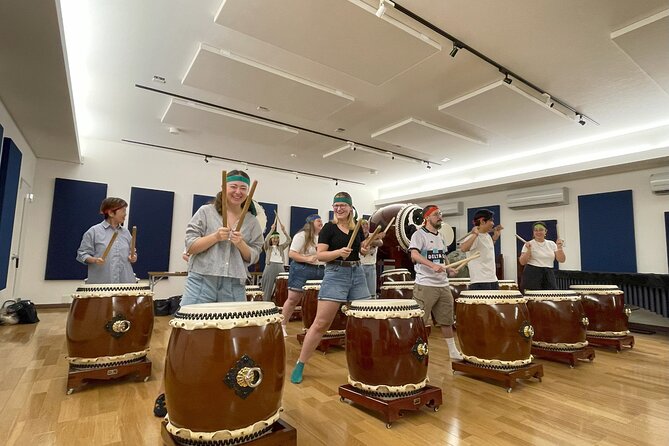
At the studio, you begin with an explanation of taiko and its place in Japanese culture. This gives the physical lesson some context. You are not simply learning a sequence of beats without knowing why the instrument matters.
Taiko means Japanese drum, and the word covers several types and uses. The session focuses on playing rather than offering a long lecture, so expect a brief, practical introduction before the demonstration and lesson begin.
This balance works well for most people. You get enough background to understand the cultural role of the drum, then move quickly to the part you came to do. Parents and children have found the format easy to follow, and the activity has worked for people with no musical training.
The explanation also helps you understand the difference between making noise and playing with purpose. Taiko uses rhythm, body movement, posture, and group timing. You begin to see why the performance requires more than simply striking the drum.
Writing Your Wish on a Hachimaki
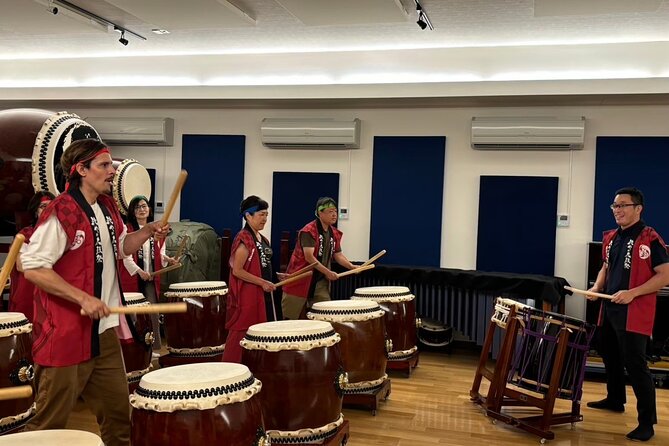
Before the drumming starts, you have the chance to decorate a traditional hachimaki headband with simple calligraphy. You write a wish or chosen words in kanji, with assistance available from the guide.
This is a small part of the program, but it gives you something personal to take into the lesson. The headband later becomes part of your costume for the final photograph.
Do not expect a formal calligraphy workshop. The activity is simple and suitable for beginners. Its value is in the connection between your own written wish, the traditional headband, and the group performance that follows.
It also breaks up the physical portion of the class. If you are traveling with children or someone who is less confident about music, the calligraphy adds another way to participate.
A completely different kind of day out in Kyoto:
- Kyoto Geisha Walking Tour: Gion District & Hidden Gems
★ 4.7 · 3,273 reviews - Kyoto: Tea Ceremony Ju-An at Jotokuji Temple
★ 4.9 · 3,207 reviews - Kyoto: Gion Magical Night Walking Tour with Geisha Trivia
★ 4.9 · 2,393 reviews - Kyoto: 45-Minute Tea Ceremony Lesson Experience
★ 4.3 · 2,378 reviews
Watching the Professional Taiko Demonstration
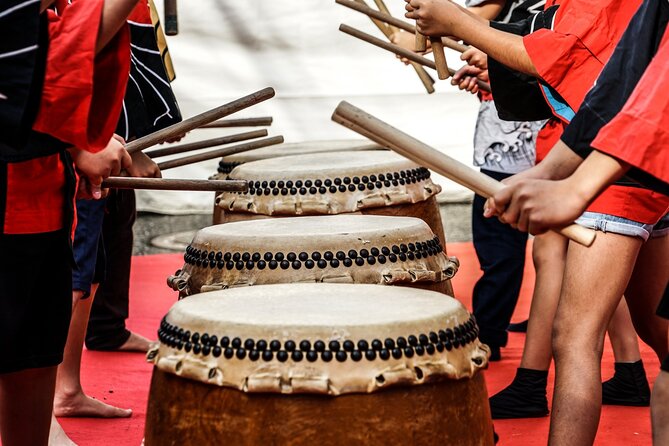
Next comes the demonstration. A professional instructor performs before teaching you the basic movements. This is an important moment because taiko has a physical force that is hard to understand from written instructions alone.
The performance shows how posture, arm movement, rhythm, and volume work together. Aoi has received particular praise for making a strong impression during the demonstration. One session included a live drummer alongside a recorded performer, which created a powerful effect, though you should understand that the exact demonstration setup can vary.
This is not a polished theater production with a long stage show. It is a short introduction to what an experienced drummer can do in the studio. That makes it useful rather than distracting. You see the goal, then get to try the first steps yourself.
The demonstration also sets realistic expectations. You will not become a professional drummer in one class. You will, however, learn enough to play a basic pattern and understand the concentration behind the performance.
Learning the Basic Movements
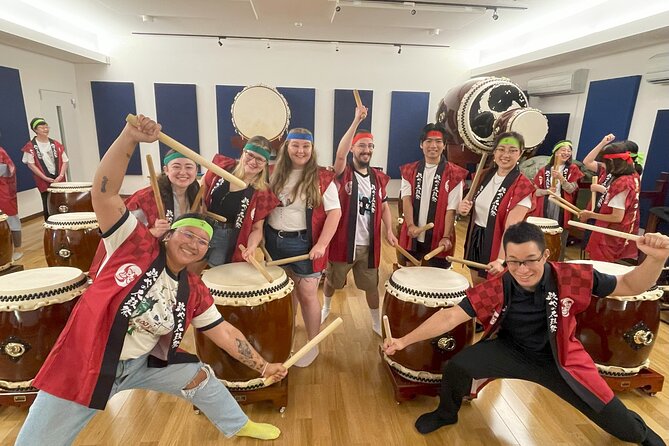
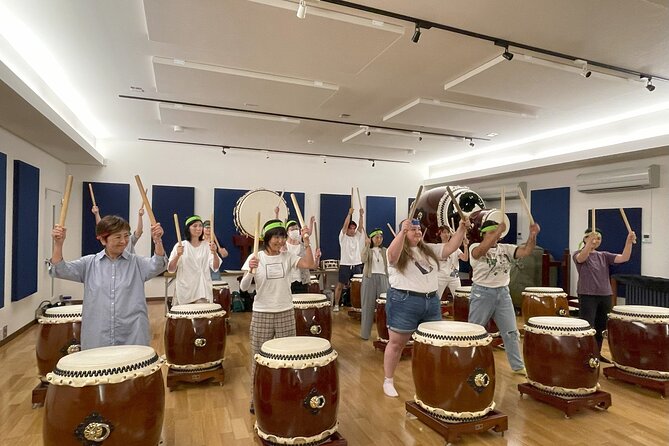
The teaching portion is friendly and progressive. The instructor shows you how to hold the sticks, position your body, and make the basic strikes. You then repeat the movements until the group can keep a shared rhythm.
The class is tailored to your ability and fitness level. Most people can participate, but taiko is still physical activity. You use your arms and upper body, and playing for a sustained period can feel like a modest cardiovascular workout.
The instructors have been praised for encouraging participation without putting people on the spot. That is helpful if you are nervous about performing in front of strangers. The focus is on following the rhythm and enjoying the process, not on judging musical talent.
You may find the simplest patterns more demanding than expected. The challenge is not only strength. You must watch the instructor, listen to the group, remember the sequence, and strike at the right moment. That gives the session a satisfying mental side as well as a physical one.
Playing a Group Piece
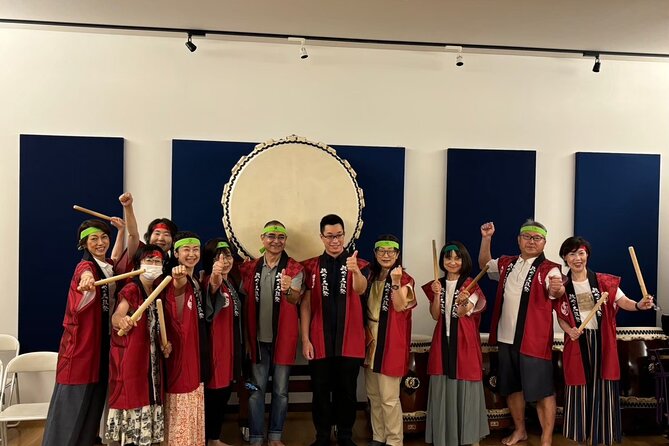
The class ends with everyone playing a simple piece together. This is the payoff for the earlier practice. Even if you have never touched a taiko drum, you get the feeling of contributing to a shared performance.
The group format is important. You are not asked to carry the entire piece alone, and the other participants help create the overall sound. At the same time, you need to pay attention because one mistimed strike can be surprisingly noticeable.
This final piece is where the small-group limit helps. With no more than 15 participants, the instructor can keep an eye on the group and offer corrections. The exact number may be smaller, depending on the date.
You should allow the session to run its full length. Leaving early is discouraged, and the return time depends partly on the train schedule. Plan any later activity with a buffer rather than booking a tight restaurant reservation or timed attraction immediately afterward.
The Costume Photo and Farewell
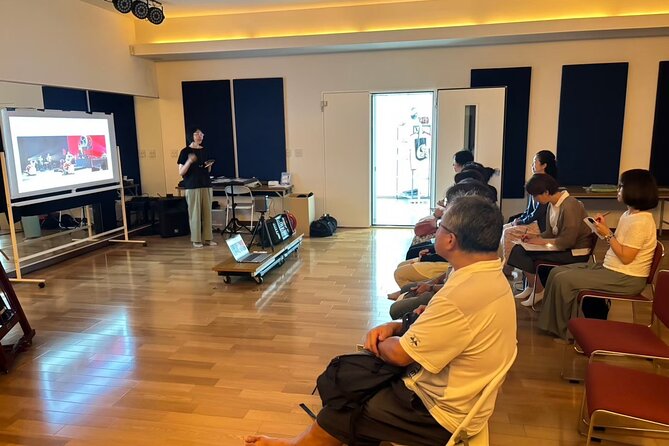
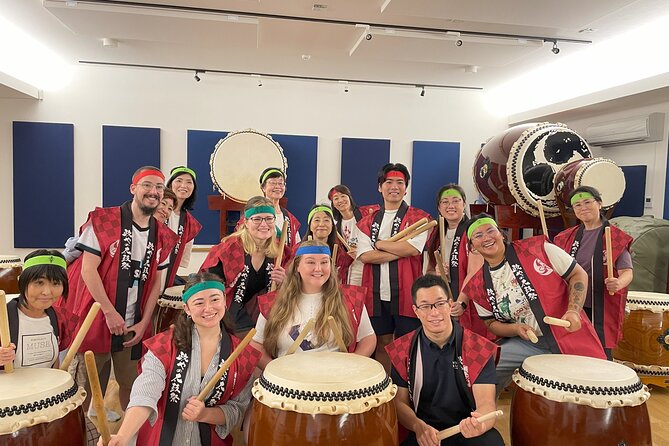
After the performance, you put on traditional clothing for a commemorative photo. The costume includes a happi coat and hachimaki headband. This gives the experience a clear ending and leaves you with a visual reminder of what you did.
The photo is not the main reason to book the class, but it rounds out the afternoon. You have learned a rhythm, written a headband, played with a group, and then recorded the moment in costume.
The photo also works well for families and friends who want a shared keepsake. The activity is not only about observing a Japanese tradition. You get to take part in a carefully guided version of it.
Price, Group Size, and Overall Value
At $115.62 per person, this is not a budget activity. The price includes the taiko lesson, English-language guidance, an instructor, a hachimaki, a one-way JR ticket to Takatsuki, and car transport to and from the studio. You are paying for instruction and coordination, not just entry to a room with drums.
I think the value is strongest if you want a personal cultural activity rather than another sightseeing stop. The professional demonstration, translation help, transport, and structured lesson make the experience more useful than trying to arrange a taiko class independently.
The maximum group size is 15, though some sessions may be smaller. A small group gives you better access to the teacher, but it does not guarantee private instruction. You are still part of a shared lesson.
There is an unusual rule for solo bookings. On certain dates, one-person reservations are not available. You may be able to join by paying for two participants, so check the booking conditions before you make plans.
People observing without playing must pay 9,000 yen per person in cash at the studio. You need to notify the provider in advance because transportation may not be arranged for an observer who has not been declared. If someone in your party wants to watch only, settle this before the day of the class.
Who Should Book This Experience
I would recommend this activity to first-time visitors who want to do more than photograph traditional Japan. It suits couples, families with children aged seven and older, friends, and solo participants who enjoy group activities.
It is also a good choice for people who like music but do not consider themselves musicians. The instruction starts at the beginning, and the teacher guides you through the patterns.
Families should note the age rule: children under seven cannot participate. Older children have enjoyed the class, including children aged eight and 11. Parents should still consider whether their children can follow instructions and stay engaged during the history talk and practice.
This may not suit you if you want a quiet cultural visit, dislike timed group activities, or have very limited time in Kyoto. The transfer is efficient, but the class takes about two and a half to three hours from station meeting to return.
You should also think about the physical side. The class is designed for different fitness levels, but taiko involves repeated arm movements and active participation. If you observe instead, you pay an additional cash fee, so this is best booked by people who genuinely want to play.
Timing, Weather, and Cancellation Details
Arrive at least 15 minutes before the stated start time. The guide cannot wait because the group must catch a scheduled train. Calling ahead will not change that rule, and late arrivals cannot participate or receive a refund.
The experience offers free cancellation if you cancel at least 24 hours before the local start time. Changes or cancellations made within 24 hours are not refunded. The activity may also be canceled in poor weather, in which case you are offered another date or a full refund.
The weather condition is worth noting because the lesson itself takes place in a studio. Still, you should follow the stated policy and avoid assuming the class will operate in every condition.
Should You Book the Kyoto Taiko Class?
Book it if you want a lively, hands-on activity with clear instruction and a genuine connection to Japanese performance culture. The best parts are the professional demonstration, the supportive English-speaking guides, the chance to play a full group piece, and the simple hachimaki calligraphy.
Think twice if your schedule is tight or you are unwilling to arrive early at Kyoto Station. The price is fairly high, but it covers transport, instruction, cultural explanation, and a structured experience that is difficult to reproduce on your own.
For most people, the deciding question is simple: do you want to watch Japanese culture, or do you want to make part of it yourself? If you choose the second option, this taiko class is a strong use of an afternoon near Kyoto.
FAQ
Where does the taiko experience begin?
It begins at Kyoto Station in the Higashishiokoji Kamadonocho area of Shimogyo Ward, Kyoto. You should arrive 15 minutes before the start time.
How do I get to the taiko studio?
You take a JR train from Kyoto Station to Takatsuki Station, a journey of about 12 minutes. From Takatsuki, the arranged transfer to the studio takes about 10 minutes by cab.
How long does the experience last?
The activity lasts approximately two and a half hours, including transfers. You can expect to return to Kyoto Station about two and a half to three hours after the start time.
Do I need previous musical experience?
No. The class is designed for all levels, including complete beginners. The instructor teaches the basic movements and techniques step by step.
Are children allowed to participate?
Children under seven years old are not allowed to participate. Children aged seven and older may join, subject to the general activity requirements.
Can I attend without playing the drums?
Yes, but observers must pay 9,000 yen per person in cash at the studio. You must notify the provider in advance so transportation can be arranged.
What happens if I need to cancel?
You can receive a full refund if you cancel at least 24 hours before the experience start time. Cancellations or changes made less than 24 hours before the start are not refunded.
Just added around Kyoto
- Kyoto: Gion Night Walking Tour with Geisha Insight★ 5.0 · 39 reviews
- Kyoto: Private Customizable Day Trip by Car★ 5.0 · 38 reviews
- Kyoto: Full Day Bike Tour★ 4.9 · 39 reviews
- Private Japanese Calligraphy in Kyoto – Learn Shodō with a Master★ 5.0 · 39 reviews
- Kyoto: Gion Evening Walk with Hidden Gems, Geisha & Sake★ 5.0 · 41 reviews
- Experience a tea ceremony in an authentic tearoom, in Kyoto!★ 4.5 · 41 reviews
- Kyoto Private Photo Shoot & Tour by SnapKyoto★ 5.0 · 41 reviews
- The Way of Tea: Kyoto Crafts, Hidden Temples & Wabi-Sabi Walk★ 5.0 · 41 reviews
Kyoto Tours, compared.
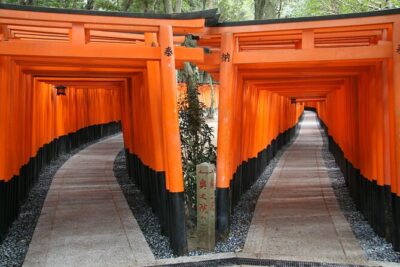
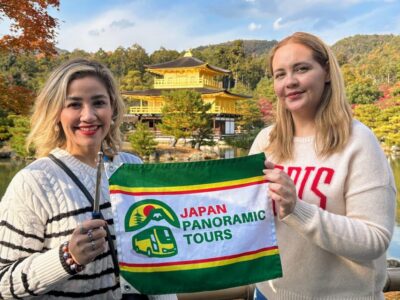
Fushimi Inari, Kinkakuji, Bamboo Grove 1 Day Bus Tour
Read our review →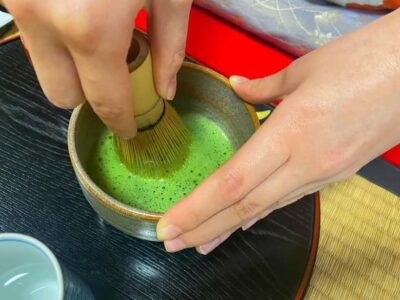
Tea Ceremony in a Traditional Tea House in Kiyomizu
Read our review →
Kyoto Geisha Walking Tour: Gion District & Hidden Gems
Read our review →

Gion Magical Night Walking Tour with Geisha Trivia
Read our review →