Reviewed · KYOTO TOURS
The right way to know Kyoto
Kyoto rewards curious walkers. This private tour gives you a guide, a flexible day, and a practical way to connect the city’s famous shrines and temples. I like the private format, which lets your group of up to six set the pace and request places that matter to you. I also like the chance to learn how to use Kyoto’s trains and buses instead of simply being driven past the city.
The main catch is time. The advertised experience lasts about six hours, yet the suggested sights are spread across Kyoto. You cannot linger at every stop and still see them all. Transportation, meals, and entrance fees are extra, and the day may involve a lot of walking and crowded public transit.
The strongest guides, including Tom, Jose, Esteban, Peter, Laura, Cristobal, and Kyoto native Maki, have been praised for adapting the day to families, older adults, tight schedules, and specific interests. The experience is best for you if you want history, culture, and city navigation along with the standard sights.
In This Review
- Key points to know before booking
- Why a private guide helps in Kyoto
- Starting at Fushimi Inari’s orange gates
- Walking through the Bamboo Forest Trail
- Seeing Kinkaku-ji, Kyoto’s Golden Pavilion
- Finding quiet beauty at Ginkaku-ji
- What the day feels like on foot
- How much flexibility should you expect?
- Guide quality can shape the whole experience
- Is $371.41 good value for up to six people?
- Who should book this Kyoto walking day?
- Should you book The Right Way to Know Kyoto?
- FAQ
- How long does the tour last?
- How many people can join the private tour?
- Which places are suggested during the tour?
- Is transportation included?
- Are temple entrance tickets included?
- Where does the tour start and finish?
- Can I cancel for a full refund?
Key points to know before booking
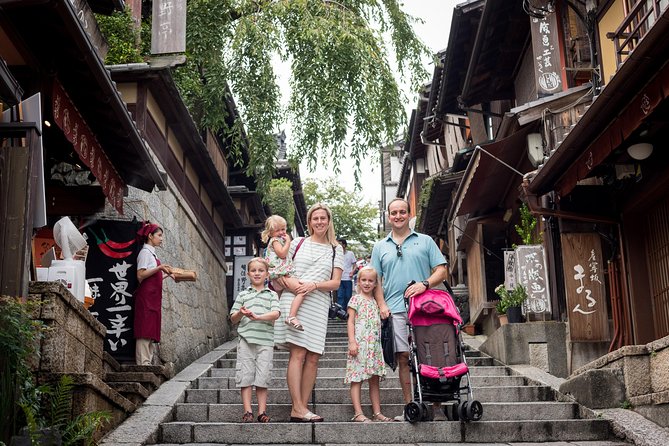
- A private group of up to six: You do not share the guide with strangers, and the route can be adjusted to your interests.
- Four major Kyoto stops: The suggested plan includes Fushimi Inari, the Bamboo Forest Trail, Kinkaku-ji, and Ginkaku-ji.
- Walking plus public transportation: Despite the walking-tour label, you should expect trains, buses, or local taxis to connect distant parts of the city.
- A strong cultural focus: Guides explain shrine customs, Buddhist and Shinto traditions, Japanese life, and Kyoto’s past.
- Good for families and mixed abilities: Guides have adjusted the pace for children, teenagers, and a 77-year-old parent.
- Extra costs add up: Temple admission, transport, food, and any other personal expenses are not included in the $371.41 group price.
Why a private guide helps in Kyoto

Kyoto is not difficult because its streets are confusing at every turn. It is difficult because its best sights are scattered across several districts, each with its own train, bus, and walking connections. A private guide can save you from spending half the day studying route maps.
The value here is not only finding the entrance gates. A guide can explain why you bow at a shrine, how offerings work, and what behavior is respectful at a Buddhist temple. One guide even offered coins so a group could take part in a shrine offering. Small moments like that can make a visit feel less like a photo stop and more like an introduction to Japanese customs.
Your guide also has room to respond to the people in front of them. Families with teenagers have enjoyed guides who connected the city’s culture with manga and everyday life. Another guide slowed the pace for an older participant and mixed walking with local taxis. If your group has different ages or energy levels, this flexibility is worth paying for.
The company uses several guides, so the experience may vary. Some guides are Kyoto natives, such as Maki, while others are international guides with strong academic or personal knowledge of Japan. If having a Japanese-born guide matters to you, ask about this before booking.
A few more Kyoto experiences worth weighing up
- PERFECT KYOTO 1-Day Bus Tour
★ 5.0 · 13,518 reviews - Kyoto: Fushimi Inari, Kinkakuji, Bamboo Grove 1 Day Bus Tour
★ 4.8 · 4,316 reviews - Kyoto: Tea Ceremony in a Traditional Tea House in Kiyomizu
★ 4.9 · 3,519 reviews
Starting at Fushimi Inari’s orange gates
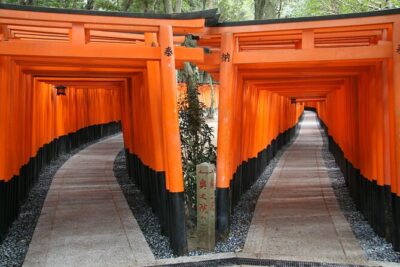
Fushimi Inari-taisha is the suggested first stop, with about an hour set aside. Its long rows of orange torii gates create one of Kyoto’s most recognizable sights. The gates climb into the wooded hills behind the shrine, and the route gives your guide plenty of chances to explain Shinto beliefs and shrine etiquette.
An hour is enough to see the lower shrine grounds and walk through a meaningful section of the torii path. It is not enough to explore every upper trail at a relaxed pace. If you care most about reaching quieter sections, tell your guide early so the visit does not get swallowed by the other stops.
This is also a place where timing matters. The lower gates can feel crowded, and a guide who knows the area may help you move beyond the first photo spots. The experience is not promising an empty shrine, but the private format lets you ask for a slower walk or a better balance between photographs and explanation.
Fushimi Inari is an excellent opening stop because it introduces a living religious place before the day shifts to Zen temples, gardens, and the Arashiyama area.
Walking through the Bamboo Forest Trail
The Bamboo Forest Trail receives about 45 minutes. The tall bamboo creates a striking corridor, and it is easy to see why this section of Arashiyama is one of Kyoto’s most photographed places.
The short visit is practical but limited. You can walk through the main grove, take photographs, and get a taste of Arashiyama, but you will not have much time for a wider exploration unless the guide adjusts the plan. In other private tours, guides have added Nomomiya Shrine, Okochi Sanso Garden, Togetsukyo Bridge, Horin-ji Buddhist Temple, and Monkey Park when the group selected an Arashiyama-focused day.
That example is useful because it shows what customization really means. You may be able to trade one major temple for a fuller Arashiyama visit, but you cannot reasonably fit every attraction into six hours. Okochi Sanso Garden has a small entry fee, and the walk to Monkey Park is a real uphill hike. Those choices suit an active group, not a day built around minimal walking.
Ask your guide to clarify the plan for Arashiyama. The Bamboo Forest Trail alone is a quick stop. The wider district can easily fill several hours.
Seeing Kinkaku-ji, Kyoto’s Golden Pavilion
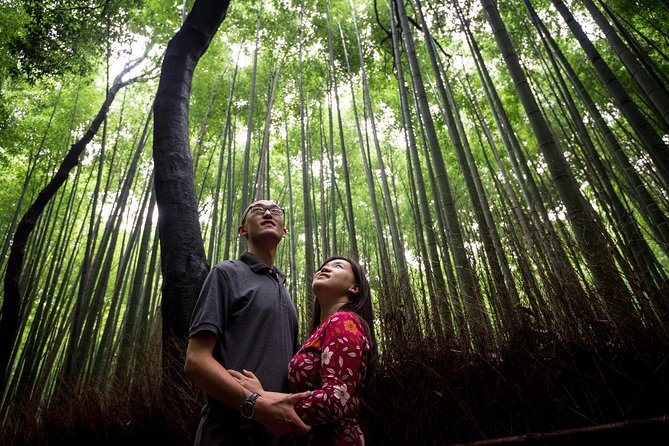
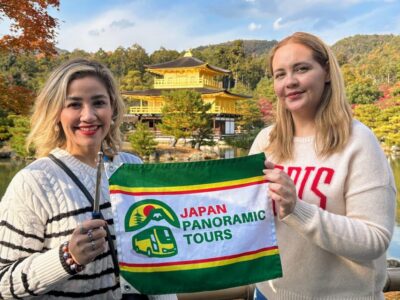
Kinkaku-ji, the Golden Pavilion, receives about an hour. The temple’s gold-covered exterior reflects in the pond, making this one of Kyoto’s most immediately impressive sights. The surrounding grounds add garden views and give you a chance to see how the pavilion fits into a larger temple setting.
Admission is not included, so plan to pay separately at the entrance. The supplied information does not give a current ticket price, so check the amount when you book or arrive.
An hour works well for the main route through the grounds, photographs, and a guided explanation. It may feel brief if you want to linger in every garden corner. Kinkaku-ji is also a popular stop, so the pace can be shaped by crowds and by how quickly your group wants to move.
This is where a guide adds context. Without help, you may see a beautiful gold building and move on. With a good explanation, you can better understand the temple’s place in Japanese religious and cultural life. The quality of that explanation depends on your assigned guide, so share your interests in advance if you want more focus on history, architecture, or religion.
A completely different kind of day out in Kyoto:
- Kyoto Geisha Walking Tour: Gion District & Hidden Gems
★ 4.7 · 3,273 reviews - Kyoto: Tea Ceremony Ju-An at Jotokuji Temple
★ 4.9 · 3,207 reviews - Kyoto: Gion Magical Night Walking Tour with Geisha Trivia
★ 4.9 · 2,393 reviews - Kyoto: 45-Minute Tea Ceremony Lesson Experience
★ 4.3 · 2,378 reviews
Finding quiet beauty at Ginkaku-ji
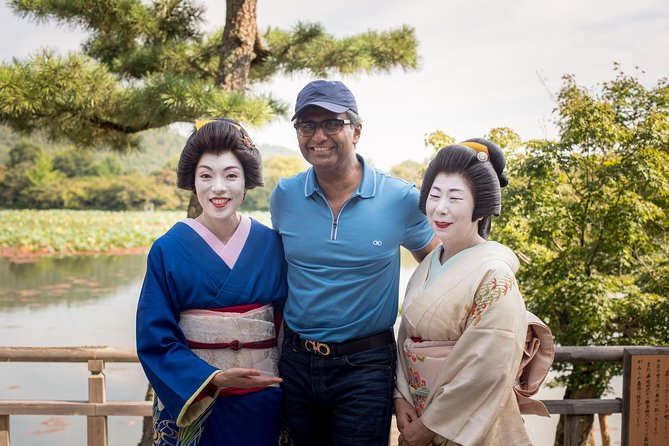
Ginkaku-ji, the Silver Pavilion, also receives about an hour, with admission extra. Despite its name, the pavilion is not covered in silver. Its appeal lies more in the calm Zen gardens, restrained design, and weathered beauty often associated with wabi-sabi.
I would not treat Ginkaku-ji as a lesser version of Kinkaku-ji. The two temples offer different moods. Kinkaku-ji makes its impression quickly through color and reflection, while Ginkaku-ji rewards attention to texture, garden design, and quiet spaces.
The one-hour slot allows time for the main garden route and commentary, but not an unhurried study of every detail. If gardens are your priority, say so before the tour begins. Several successful private days have shifted attention toward less familiar gardens, and one group named the gardens as a favorite part of the experience.
The distance between these major sights is important. Fushimi Inari, Arashiyama, Kinkaku-ji, and Ginkaku-ji are not one compact walking circuit. You will rely on public transportation or taxis, and the time spent changing areas reduces the time available inside each temple.
What the day feels like on foot
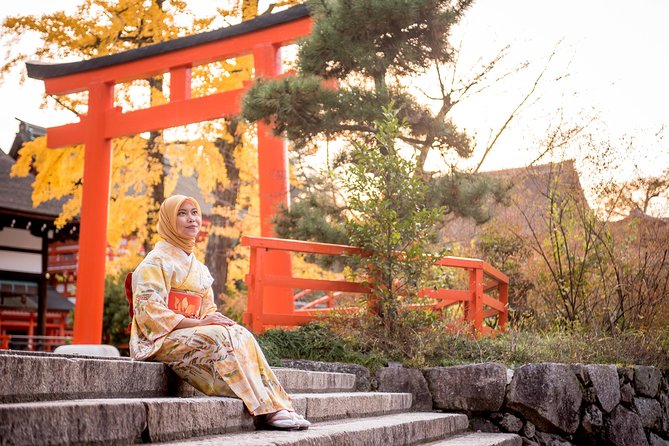
The tour is described as a walking experience, but it is more accurate to think of it as a walking and public-transit day. You walk through shrine grounds, temple gardens, market streets, and station areas, then use trains or buses to reach the next district. Local taxis may also be used, depending on your guide and preferences.
That arrangement is one of the tour’s best features. A guide can show you how Kyoto’s transport system works, which helps you move around independently after the tour. Several people valued being taken from place to place without having to plan every connection themselves.
It is also the main physical demand. One family reported walking close to 28,000 steps during a full day. That figure is not a promise for this shorter version, but it shows how quickly the distance can add up. Wear shoes you trust, bring water, and tell the guide if your group needs regular pauses.
Public transportation can be crowded. If you dislike standing on trains or buses, ask about using taxis for some connections, knowing that transportation is not included in the price. The guide can help with navigation, but the city cannot be made private once you board a busy train.
How much flexibility should you expect?
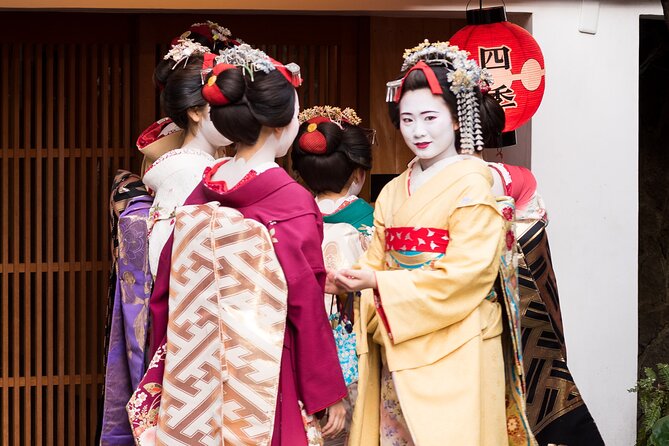
The tour is designed around suggested stops rather than a fixed, guaranteed route. Before the day, guides may ask what you want to see. During the tour, they can often change the order, adjust the pace, or replace a sight with something that better matches your interests.
This has worked especially well for people with limited time. A visitor arriving by Shinkansen from Tokyo and leaving Kyoto the same evening had an adjusted plan that covered major sights within a tight schedule. That kind of planning can make a day trip possible, but it requires realistic expectations.
You should tell the guide about your priorities before the start. Choose one of these approaches:
- Focus on classic sights: Fushimi Inari, Kinkaku-ji, and Ginkaku-ji.
- Focus on Arashiyama: Bamboo Forest, nearby temples, gardens, the bridge, and Monkey Park.
- Focus on culture: fewer sights, more time for explanations and customs.
- Focus on efficiency: major highlights with less time at each stop.
Trying to do everything is the least satisfying option. One complaint about the experience was that there was not enough time to cover all the suggested places. That is a fair concern. The route works best when you choose priorities rather than treating every listed site as guaranteed.
Guide quality can shape the whole experience
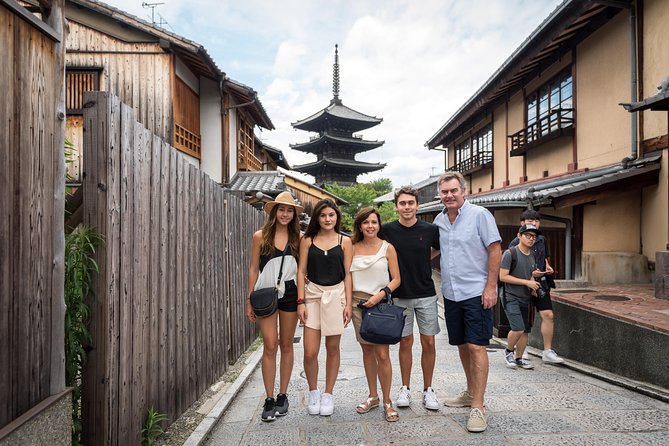
The guide is the heart of this tour. The most praised guides are described as warm, flexible, well informed, and good at keeping different ages engaged. Tom worked well with teenagers and also adjusted the pace for a 77-year-old participant. Jose and Jose David were praised for history, cultural explanations, public-transit help, and quick responses to questions. Peter and Laura received strong praise for planning and adapting the day.
Esteban was especially appreciated for adding practical help, taking photos and videos, and explaining how to participate respectfully at Fushimi Inari. Cristobal helped a group move through the train system and also took photographs. These details matter because a private guide is not just a walking encyclopedia. You are paying for judgment, company, and help making decisions in real time.
Still, expectations should be measured. One participant felt that a guide was pleasant but did not offer enough substance, and found the English accent difficult to follow. The company’s guide pool includes people with different backgrounds and communication styles. If detailed historical commentary is your main reason for booking, state that clearly when arranging the experience.
Is $371.41 good value for up to six people?
At $371.41 per group, the price works out to about $62 per person if six people join. For a couple, the per-person cost is much higher, but you are still buying a private day rather than a standard group outing.
The value is strongest for a group of four to six people who want help with transport and planning. Splitting the cost among family or friends makes the guide more reasonable, especially if you would otherwise pay for several taxis or lose time navigating unfamiliar routes.
Remember the add-ons. Temple entrance fees are not included. Neither are trains, buses, taxis, meals, or other personal costs. A careful budget should include those expenses before you decide.
I would not book this mainly to save money. Kyoto’s major sights can be visited independently. I would book it to save planning time, gain cultural explanation, adjust the pace, and see more in a short stay. The high 5.0 rating from 257 ratings and 99 percent recommendation suggest that the private format has worked very well for many people, though the guide and the chosen route remain important.
Who should book this Kyoto walking day?
This experience suits first-time visitors who find Kyoto’s size intimidating. It also fits families, small friend groups, business visitors with one free day, and people who want to learn the transport system while sightseeing.
It is a particularly good match if you want to ask many questions. A private guide can spend more time on Japanese history, religion, customs, or daily life instead of following a group-wide script.
You should think twice if you want a slow, single-neighborhood walk. The four suggested areas are spread out, and the day can become a brisk sequence of temples, trains, and walking routes. It may also be a poor fit if your group has difficulty walking for several hours or dislikes crowded transit.
Pickup information needs care. The tour offers pickup, but the stated meeting point is Kyoto Station, and the activity ends back there. Confirm the exact pickup arrangement before the day begins rather than assuming hotel pickup is automatic.
Free cancellation is available if you cancel at least 24 hours before the start time. Changes or cancellations made inside that window are not accepted for a refund.
Should you book The Right Way to Know Kyoto?
Book this tour if you want a private guide who can shape the day around your group, especially during a short stay. Its best moments come from the mix of famous sights, cultural explanation, and practical help with trains and buses.
Choose your priorities before you start, expect plenty of walking, and budget for transport and temple admission. If you do that, the $371.41 group price can be a sensible splurge, particularly for six people who want to see Kyoto with less stress and more understanding.
If you prefer to linger quietly at one temple, explore at your own pace, or keep costs low, visit the sights independently instead. Kyoto is rewarding either way. This tour earns its price when your time is short and you want a thoughtful person beside you to make the big city easier to read.
FAQ
How long does the tour last?
The experience is listed as approximately six hours, with operating hours shown from 9:00 AM to 3:00 PM.
How many people can join the private tour?
The price covers one private group of up to six people. Only your group participates.
Which places are suggested during the tour?
The suggested stops are Fushimi Inari-taisha Shrine, the Bamboo Forest Trail, Kinkaku-ji Temple, and Ginkaku-ji Temple.
Is transportation included?
No. Transportation is not included. You may use public trains, buses, or local taxis during the day, and those costs are separate.
Are temple entrance tickets included?
No. Entrance tickets for Kinkaku-ji and Ginkaku-ji are not included. Meals are also not included.
Where does the tour start and finish?
The stated meeting point is Kyoto Station. The activity ends back at the meeting point.
Can I cancel for a full refund?
Yes. You can receive a full refund if you cancel at least 24 hours before the experience start time. Cancellations or changes made less than 24 hours before the start are not refunded or accepted.
Just added around Kyoto
- Kyoto: Private Customizable Day Trip by Car★ 5.0 · 38 reviews
- Kyoto: Gion Night Walking Tour with Geisha Insight★ 5.0 · 39 reviews
- Kyoto: Full Day Bike Tour★ 4.9 · 39 reviews
- Private Japanese Calligraphy in Kyoto – Learn Shodō with a Master★ 5.0 · 39 reviews
- Experience a tea ceremony in an authentic tearoom, in Kyoto!★ 4.5 · 41 reviews
- Kyoto: Gion Evening Walk with Hidden Gems, Geisha & Sake★ 5.0 · 41 reviews
- Kyoto Private Photo Shoot & Tour by SnapKyoto★ 5.0 · 41 reviews
- The Way of Tea: Kyoto Crafts, Hidden Temples & Wabi-Sabi Walk★ 5.0 · 41 reviews
Kyoto Tours, compared.
Fushimi Inari, Kinkakuji, Bamboo Grove 1 Day Bus Tour
Read our review →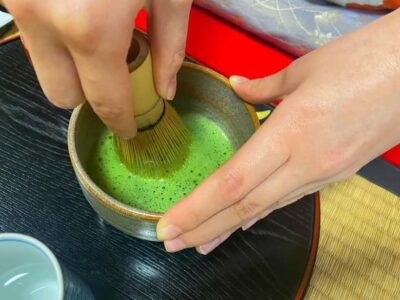
Tea Ceremony in a Traditional Tea House in Kiyomizu
Read our review →
Kyoto Geisha Walking Tour: Gion District & Hidden Gems
Read our review →
Gion Magical Night Walking Tour with Geisha Trivia
Read our review →