
Reviewed · SAMURAI & NINJA EXPERIENCES
Tokyo: Best Samurai Experience
Samurai training makes a short Tokyo stop memorable. You dress in a kimono and hakama, learn how to draw and swing a safe practice sword, then perform a staged fight with costumed samurai. I like the personal attention in the small groups, and I especially like that assistants help capture photos and videos on your phone. The main drawback is the one-hour length. You get a lively introduction, not a full martial arts course.
This is playful rather than a serious combat lesson. The sword cannot cut, and the fight is carefully choreographed. That makes it a good choice for families, couples, solo visitors, and anyone who wants a hands-on cultural activity without committing half a day.
At $63 per person, the experience costs more than a simple museum visit but gives you a costume, instruction, a staged performance, and personal photos. If you enjoy dressing up or samurai films, the price feels fair. If you want quiet historical study, this may feel too theatrical.
In This Review
- What makes this one-hour experience special
- Choosing a kimono before the sword lesson
- Learning the sword one movement at a time
- From practice swings to a staged chanbara fight
- Photos and videos that are part of the value
- How the one-hour schedule feels
- Is $63 a fair price?
- Who should book this experience?
- Practical things to know before you go
- My call: book it if you want to be part of the show
- FAQ
- Where does the samurai experience take place?
- How long does the experience last?
- How much does it cost?
- What is included in the price?
- Can I wear the armor on display?
- Is the sword real?
- Can I take photos and videos?
- Is the activity available in English?
- Can I join alone?
- What is the cancellation policy?
What makes this one-hour experience special
- Choose your own kimono and hakama: You begin by selecting the outfit you will wear for the session, rather than watching a demonstration from the sidelines.
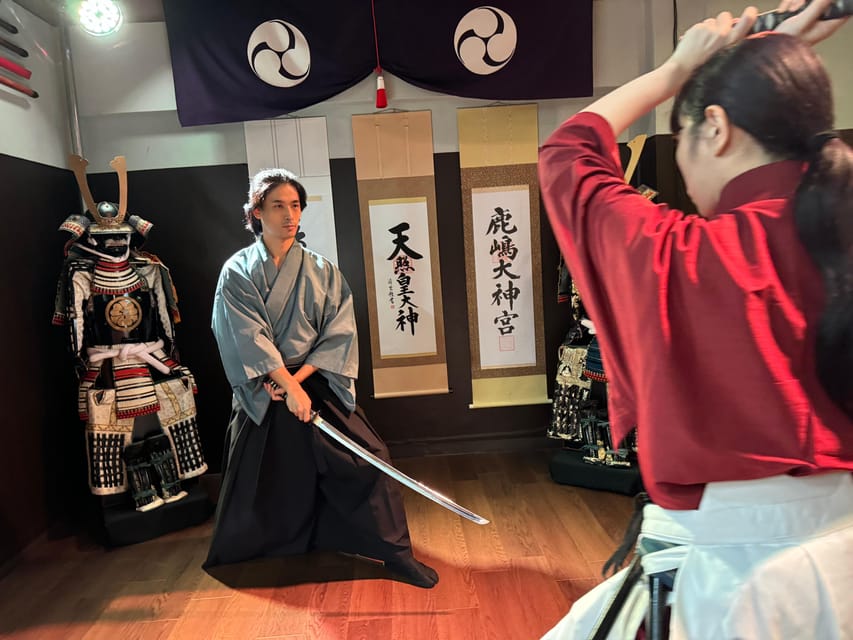
- Learn the sword in clear stages: The instructor explains the parts of the blade, then teaches drawing, holding, swinging, and retracting.
- Practice a real routine: You learn named stances and movements before putting them together in a simple chanbara sword fight.
- Fight to music and lights: The final performance adds energy, sound, and stage action to the basic training.
- Get help with your phone: Assistants take photos and videos so you can focus on the movements instead of managing your camera.
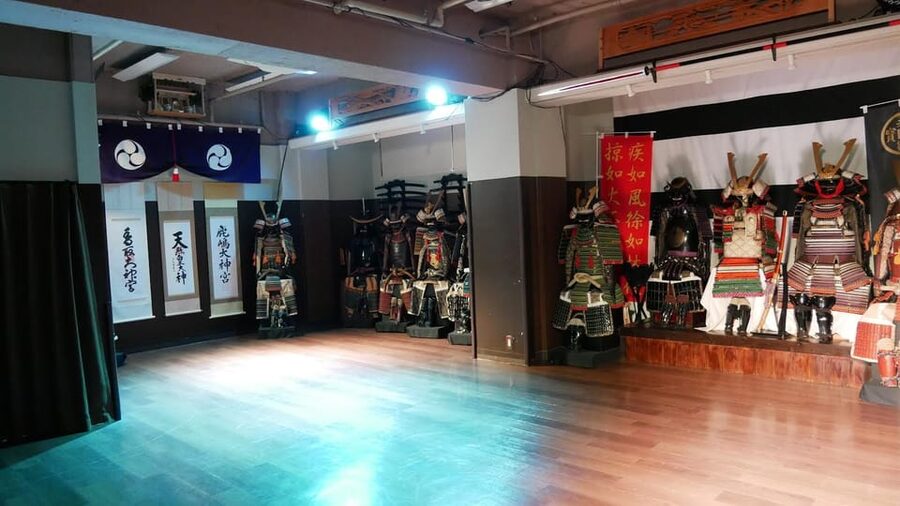
- See a period-style dojo: Swords, spears, and armor decorate the space, giving the session more atmosphere than a plain studio.
Choosing a kimono before the sword lesson
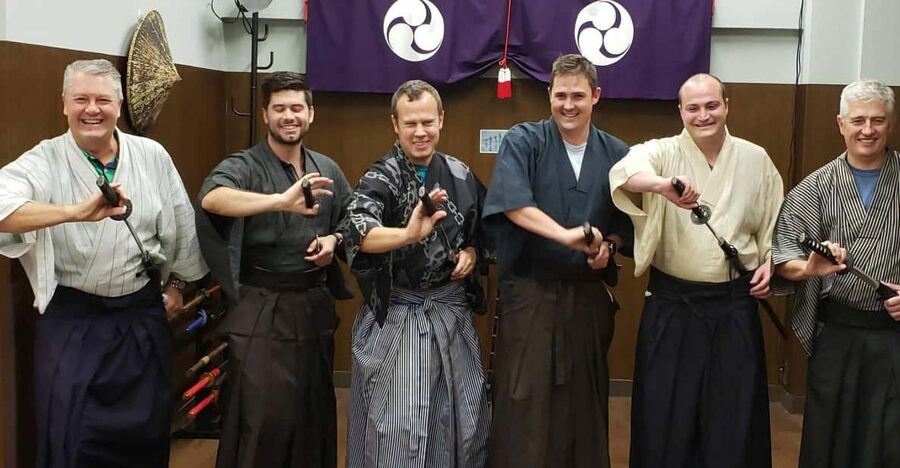
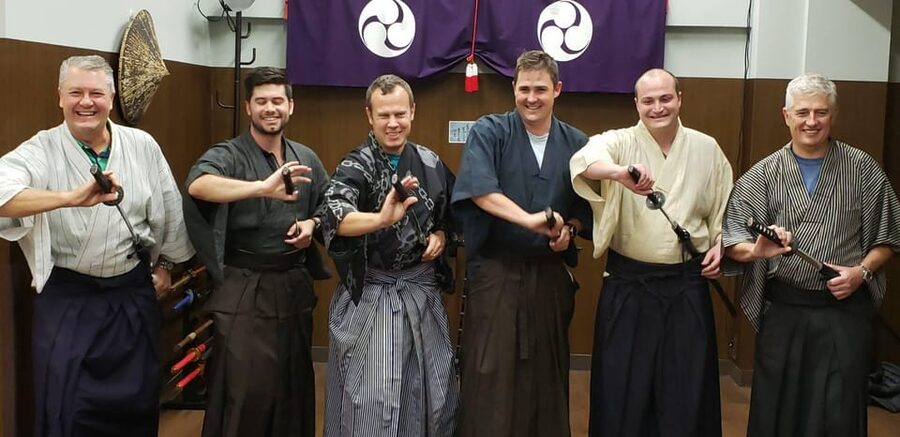
The experience begins with a costume change. You choose a favorite kimono and hakama, then receive help getting dressed. The outfit matters more than it might seem. It changes your posture, gives the activity a ceremonial feel, and makes the final photos look like part of a performance rather than a quick tourist snapshot.
You do not simply put on a costume and wait for the show. The clothing becomes part of the lesson. You move in it, pose in it, and use it while learning the sword routine. If you are shy about performing, the costume helps remove some of that awkwardness. Everyone is taking part in the same playful scene.
The dojo is decorated with weapons and armor. Swords and spears are displayed around the room, and the setting is designed to feel removed from modern Tokyo. That visual detail gives you something to look at between activities and helps frame the photographs.
There is an optional fee if you want to wear the armor on display. Armor is not included in the $63 price, so ask about the extra cost before changing if that option interests you. The included kimono and hakama are enough for the main activity.
More Samurai & Ninja Experiences in Tokyo
- Tokyo: Samurai Restaurant Show Ticket with 2 Drinks
★ 4.5 · 1,307 reviews - Tokyo: Samurai Ninja Museum Guided tour and Experience
★ 4.6 · 1,010 reviews - Tokyo: Samurai Sword & Archery Class from Samurai Descendant
★ 5.0 · 603 reviews
Learning the sword one movement at a time
The instructor starts with the basic parts of the sword. You learn some terms in Japanese, then practice the correct grip and stance. The lesson covers how to draw the sword, hold it, swing it, and return it safely.
This step gives the session more substance than a costume photo opportunity. You are not handed a prop and told to wave it around. The teacher demonstrates each movement, and you repeat it. One participant described learning stance names and how to execute them properly, while another praised the balance between learning a skill and having fun.
The sword is a fake weapon that cannot cut. That is an important safety detail, especially for families and first-time participants. You still need to follow instructions and control your movement, but the activity is built around theatrical technique, not real combat.
The teachers are described as authentic instructors who have appeared in major Japanese dramas and movies. Their background helps explain the strong performance element. Expect clear demonstrations, energetic coaching, and a lesson shaped for an international audience. Instruction is available in English and Japanese.
The group is limited to 10 people. That size gives the instructor room to watch the movements and correct the routine. It also means you are likely to be active for much of the hour instead of sitting in a large crowd.
From practice swings to a staged chanbara fight
Once you know the basic actions, the class moves into a simple chanbara routine. Chanbara is staged sword fighting, so think controlled choreography rather than a contest to see who can hit hardest.
You learn offensive and defensive moves, then practice a short fight scene. The teacher and assistants guide the timing. The goal is to make the action look convincing while keeping every movement safe and predictable.
This is where the session becomes especially appealing for people who enjoy old samurai films. The instructor brings energy to the mock fight, and the theatrical style makes even simple movements feel dramatic. You might arrive with no martial arts experience and still take part in the final scene.
The activity is interactive, but it does ask you to perform in front of other people. That can be a plus if you like playful activities. If you dislike posing, copying movements, or being part of a staged fight, the experience may feel uncomfortable. The staff receives strong praise for making quieter participants feel welcome, but the format still involves public participation.
The final section may add music, lights, and a performance-style finish. One detailed account described a full finale with a soundtrack and lighting. This is not just a class that ends after the last practice swing. It is shaped like a small show, with you inside the action.
Photos and videos that are part of the value
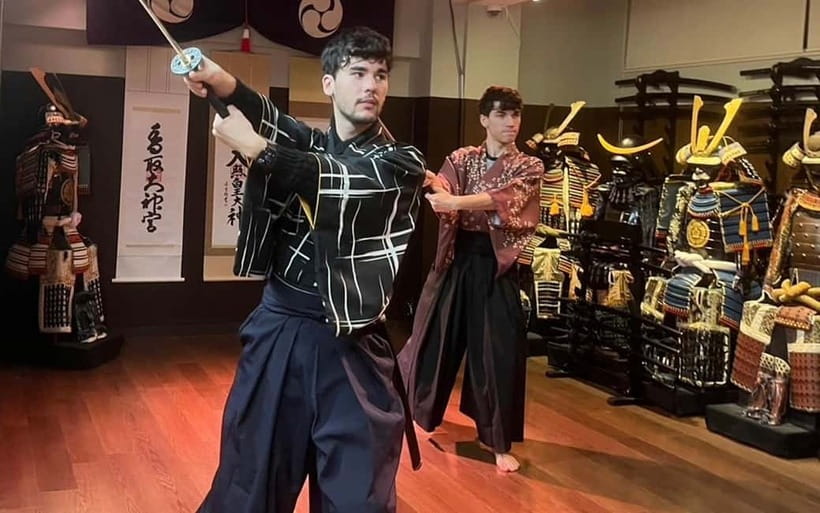
A useful feature is the help with your smartphone. Assistants take photos and videos while you practice, pose with the samurai, and perform the fight. You do not have to hand your phone to a stranger in the street or stop in the middle of a movement to record yourself.
That support also improves the group experience. You can concentrate on the teacher, the sword, and your timing. The resulting images capture more than a posed costume portrait because they show the lesson and the mock fight.
You should still check your phone has enough storage and battery before arriving. The activity specifically allows photos and videos with your smartphone, and the staff helps record the moments, but the supplied details do not promise professional photography or a separate photo package.
The photo with a samurai is included. If you want a dramatic keepsake, plan to ask for both a still image and a short video during the performance. Staff members have been praised for capturing the action from several moments of the session.
A completely different kind of day out in Tokyo:
- Mt Fuji and Hakone 1-Day Bus Tour Return by Bullet Train
★ 5.0 · 26,383 reviews - 1-Day Tokyo Bus Tour
★ 5.0 · 14,250 reviews - Tokyo: TOKYO SKYTREE® Admission ticket
★ 4.5 · 11,192 reviews - Tokyo: teamLab Planets TOKYO Digital Art Museum Entry Ticket
★ 4.6 · 9,779 reviews
How the one-hour schedule feels
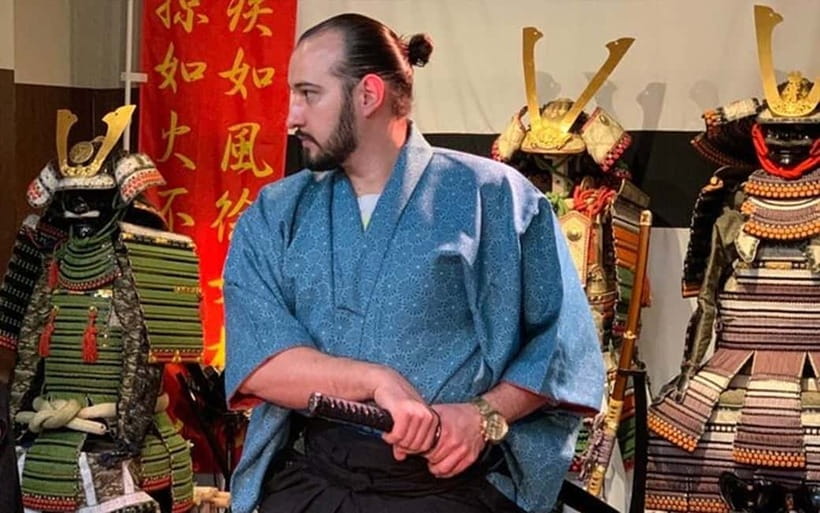
One hour goes quickly. The time includes changing into the kimono and hakama, learning about the sword, practicing movements, performing the fight, and taking photos. You get a compact experience with very little dead time.
A likely flow is:
- Costume selection and changing
- Explanation of the sword and its parts
- Practice with drawing, holding, swinging, and retracting
- Instruction in stances and basic offensive and defensive actions
- A choreographed fight with the samurai
- Photos, videos, and a final performance moment
The exact order can vary, and the supplied details do not provide a minute-by-minute schedule. Plan to arrive ready to take part from the beginning. Same-day reservations may be possible, and one person can join alone, but checking availability is still sensible because the group has a 10-person limit.
The meeting point is found by searching Google Maps for Samurai Theater Tokyo. Use that exact search term when planning your route. The activity takes place on Honshu, in Tokyo, at a dojo-style venue designed to feel unlike a modern studio.
One useful point for people connecting from elsewhere in Japan: a participant who arrived late after a direct transfer from Kyoto said the samurai were expecting them and helped them join without missing the whole experience. I would not treat that as a guarantee. Contact the provider if transport problems threaten your arrival.
Is $63 a fair price?
At $63, you are paying for more than an hour of instruction. The price includes changing into a kimono and hakama, the sword lesson, a safe practice sword, a staged fight, and a photo with a samurai. The atmosphere, costuming, and staff assistance with phone photos add to the value.
The strongest value comes if you want a memory you can share. Families can take home action videos. Couples can create unusual holiday photos. Solo visitors can join without needing to organize a private group.
The price is less appealing if you only want to see samurai costumes. A photo-only activity would not justify the same cost for everyone. Here, the value depends on your willingness to participate in the lesson and the performance.
The small group helps make the fee easier to accept. A maximum of 10 participants allows for individual guidance and makes it less likely that you will disappear into a crowd. The experience also has a 4.9 rating from 124 reviews, with repeated praise for the instructors, friendly atmosphere, interactivity, and video support.
Who should book this experience?
I would recommend it to:
- First-time visitors who want a fun cultural activity
- Fans of samurai films and martial arts
- Families with children tall and old enough to participate
- Couples looking for unusual photos
- Solo visitors who want an activity where joining alone is fine
- People who prefer doing something rather than only sightseeing
- Anyone who enjoys costumes, stage action, and light physical activity
The experience also suits older adults who can participate comfortably. A 61-year-old participant described having a great time with the family. That does not mean every person will find the movements easy, but age alone should not discourage you if you are mobile and comfortable following instructions.
It is not suitable for pregnant women, wheelchair users, visually impaired people, children under 4, babies, people under 90 centimeters tall, or people over 95. The supplied restrictions list children under 2, under 3, and under 4 separately, so the safest reading is that children younger than 4 should not attend.
Practical things to know before you go
Wear something that makes changing easy, even though the main outer costume is provided. The class includes movement, so choose clothing that will not make changing or walking difficult.
Do not expect to use a sharp sword. The included weapon is a non-cutting practice sword, and the fight is a staged routine. This is good for safety, but anyone expecting a serious swordsmanship course should adjust their expectations.
The experience is available in English and Japanese. You do not need to speak Japanese to follow the class, though you will hear Japanese names for sword parts and stances.
The instructors and assistants are a major part of the experience. Their patience and energy are repeatedly praised, especially during demonstrations and filming. If you feel unsure about performing, follow the teacher closely and let the staff guide the timing.
Free cancellation is available up to 24 hours before the start time for a full refund. You can also reserve and pay later, which helps if your Tokyo schedule is still changing.
My call: book it if you want to be part of the show
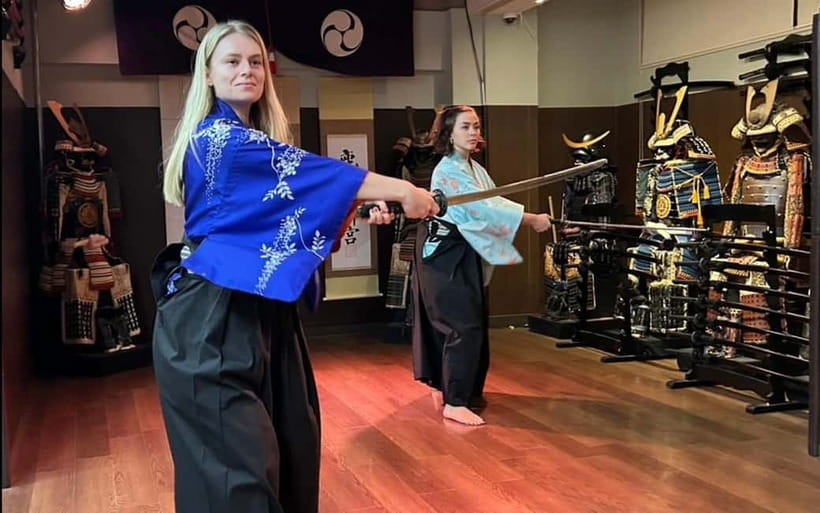
I would book this for a lively, photo-friendly introduction to samurai culture. The costume, safe sword lesson, small group, staged fight, and helpful filming make the hour feel full. You get to learn something, perform something, and leave with a visual record of it.
I would skip it only if you want a quiet museum experience, a serious martial arts lesson, or an activity with no performance element. For everyone else, especially families and film fans, this is a strong use of one hour in Tokyo. Search for Samurai Theater Tokyo on Google Maps, allow time to arrive, and come ready to swing, pose, and play the part.
FAQ
Where does the samurai experience take place?
The meeting point is found by searching Google Maps for Samurai Theater Tokyo. The experience is in Tokyo on Honshu, Japan.
How long does the experience last?
The activity lasts one hour.
How much does it cost?
The listed price is $63 per person.
What is included in the price?
The price includes changing into a kimono and hakama, an explanation of sword parts, use of a non-cutting practice sword, a staged sword fight with samurai, and a photo with a samurai.
Can I wear the armor on display?
Armor can be worn for an optional extra fee. It is not included in the standard price.
Is the sword real?
No. The included sword is a fake practice sword that cannot cut.
Can I take photos and videos?
Yes. You can use your smartphone to take photos and videos, and assistants help record the activity. A photo with a samurai is included.
Is the activity available in English?
Yes. Instruction is available in English and Japanese.
Can I join alone?
Yes. One person can join the tour.
What is the cancellation policy?
You can cancel up to 24 hours in advance for a full refund. Reserve now and pay later is also available.
Just added around Tokyo
- Tokyo Small Group Tour with Guide★ 4.5 · 38 reviews
- Tokyo 6hr Instagram Highlights Private Tour with Licensed Guide★ 5.0 · 38 reviews
- Tokyo Sumo Experience with Live Show & Audience Challenge★ 5.0 · 38 reviews
- Very popular in Harajuku♡Animal petting zoo★ 4.6 · 39 reviews
- Japanese Food Cooking Class in Asakusa, Tokyo★ 5.0 · 39 reviews
- Ramen Making from Scratch with Tokyo Mom(Vegan Option Available)★ 5.0 · 39 reviews
- Tokyo: Kimono Rental inside Shinjuku Gyoen National Garden★ 4.9 · 39 reviews
- Tokyo JDM Night: 600hp C63s AMG Edition 1 (Private)★ 4.9 · 39 reviews
Samurai & Ninja Experiences, compared.
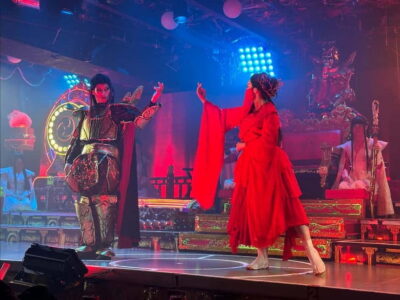
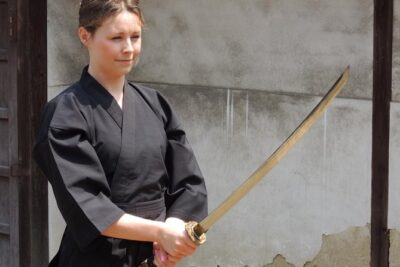
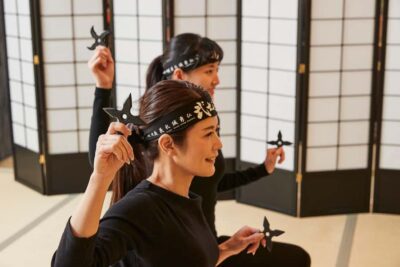
Samurai Ninja Museum Guided tour and Experience
Read our review →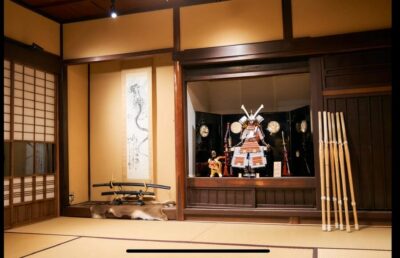
Kendo and Samurai Experience with Uniform and Gear
Read our review →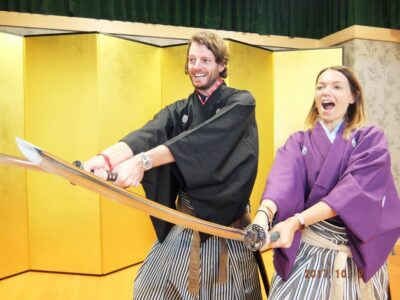
Samurai Sword Class by Experts in Traditional Arts
Read our review →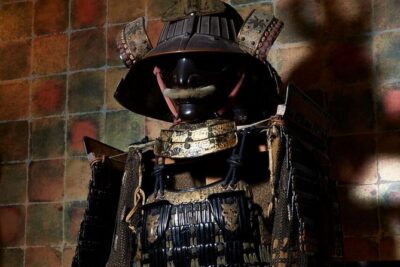
Skip the lines Basic Ticket at SAMURAI NINJA MUSEUM KYOTO
Read our review →
Samurai Sword & Archery Class from Samurai Descendant
Read our review →
Browse the lists this tour appears in