
Reviewed · COOKING CLASSES
Tokyo Cute Bento Cooking Class – Make a Kawaii Character Lunchbox
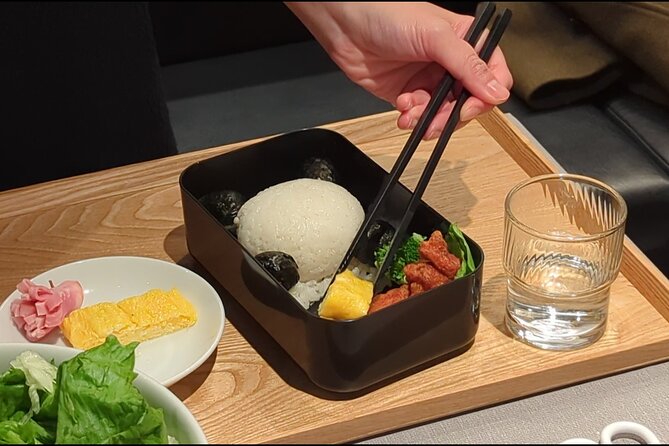
Cute food is serious business in Japan. This two-hour Akasaka workshop lets you make it yourself, using prepared ingredients, simple tools, and clear guidance from instructors such as Kenji and Mami. You shape a character bento, photograph it, then eat the result.
I like the hands-on format, which turns a Japanese food tradition into something you can repeat at home. I also like the patient teaching and photo setup, including backdrops and lights for finished-bento pictures. The main drawback is finding the basement venue, which sits beneath a ramen shop and has caused some people to miss it on the first try.
In This Review
- Key points before you book
- Why a kawaii bento class works in Tokyo
- Arriving at the Akasaka basement studio
- The 15-minute introduction to bento culture
- Sixty minutes of making pandas, dogs, and more
- Patient instruction in English
- A 15-minute photo session for your finished bento
- Thirty minutes to eat your creation
- Vegetarian, vegan, and allergy requests
- What the $66.07 price gets you
- Who will enjoy this class most
- What could be better
- Booking and timing advice
- Should you book Tokyo Cute Bento?
- FAQ
- How long does the Tokyo Cute Bento cooking class last?
- Where does the class meet?
- Is the class taught in English?
- Can vegetarian or vegan participants join?
- What is the maximum group size?
- Can I cancel for a full refund?
Key points before you book
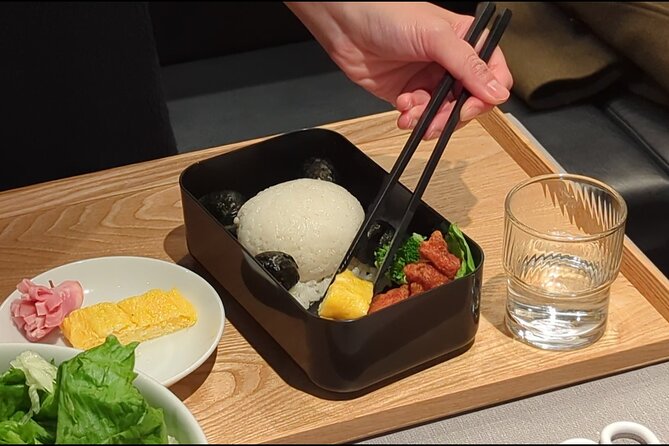
- Make several tiny food characters: Depending on the session, you may create pandas, dogs, bears, frogs, hearts, flowers, or seasonal designs.
- English instruction is available: Kenji and his team use clear steps, examples, and prepared ingredient sets, making the class friendly for beginners.
- The meal is part of the lesson: You do not simply decorate a box. You learn food-art techniques, including details such as Japanese rolled omelet.
- Photos are built into the experience: A dedicated backdrop and lighting setup gives you better pictures than a quick phone shot at the table.
- Dietary needs can be discussed in advance: Vegetarian and vegan options are available, and the class can accommodate no-nut and no-milk requests.
- The group is small: The maximum is 12 people, which helps the instructors offer individual help.
Why a kawaii bento class works in Tokyo
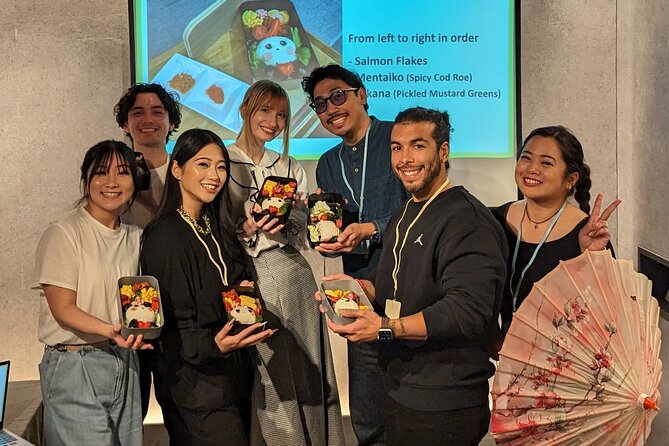
Tokyo offers endless food tours, but many are built around eating something prepared for you. Here, you make the meal with your own hands. That changes the pace and gives you a better sense of the care packed into an ordinary Japanese lunchbox.
Bento is not only a practical container for rice and side dishes. Shape, color, balance, and portion all matter. A panda face may look playful, but creating it calls for careful cutting, arranging, and attention to small details. The class gives you a friendly introduction to that food-art tradition without requiring serious cooking skills.
I see this as a good break from Tokyo’s long walking days. You sit down, work at a steady pace, and leave with something edible rather than another souvenir that gathers dust. It also makes a useful rainy-day activity.
The class has earned a perfect 5.0 rating from 126 reviews, with 100 percent recommending it. That is a strong signal, especially because the praise is consistent: clear instruction, kind hosts, careful organization, tasty food, and an enjoyable atmosphere.
More Cooking Classes in Tokyo
- Ramen & Gyoza Cooking Class in Tokyo with Local Supermarket Visit
★ 5.0 · 823 reviews - Tokyo: Easy Ramen Cooking Experience in Kabukicho, Shinjuku
★ 4.6 · 321 reviews - Ramen and Sushi Cooking Class with Sake Pairing Set in Tokyo
★ 5.0 · 291 reviews
Arriving at the Akasaka basement studio
The meeting point is Tokyo Cute Bento at 2-2-21 Akasaka, Minato City, Tokyo 107-0052. The workshop is near public transportation, but the space is below street level. Look for the ramen shop above it and allow extra time to get your bearings.
This is the one practical weakness I would take seriously. The address can be hard to spot, and one family lost time looking for the entrance. Your mobile ticket confirms the booking, but it does not remove the need to check the exact entrance before setting out.
The room itself is described as modern and well kept. You are given the needed tools and ingredients, so you do not have to arrive with cooking equipment or special supplies. The small maximum group of 12 keeps the setup from feeling like a large demonstration where you are left to copy from the back row.
The 15-minute introduction to bento culture
The class begins with about 15 minutes on Japanese bento culture. This short talk matters because it gives the craft some context before you start cutting and arranging food.
Expect an accessible explanation rather than a long lecture. The focus is on how bento combines a complete meal with visual appeal. The character designs help children connect with the activity, while adults can appreciate the planning behind a well-packed box.
This opening also gives you a chance to understand the day’s design and the basic process. The instructors use examples and step-by-step images, which makes the lesson easier to follow if you have never made a character bento before.
The class is particularly strong for beginners. You do not need prior Japanese cooking experience, artistic training, or a talent for making tiny food faces. Kenji is repeatedly praised for being patient and encouraging, and the team stays available when you need help.
Sixty minutes of making pandas, dogs, and more
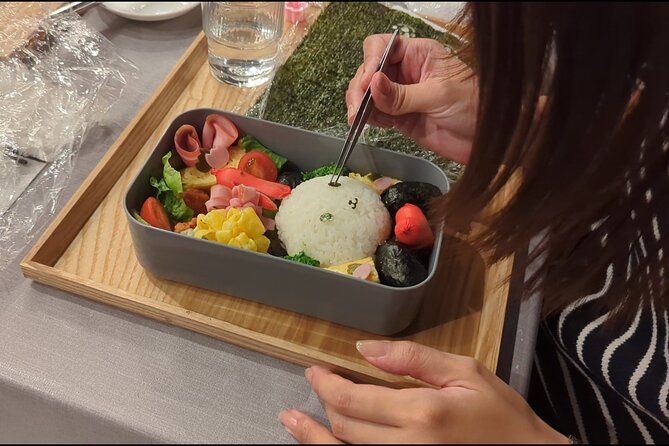
The main part of the workshop lasts about an hour. You work with prepared ingredient sets and tools, then follow the instructors through the construction of your character lunchbox.
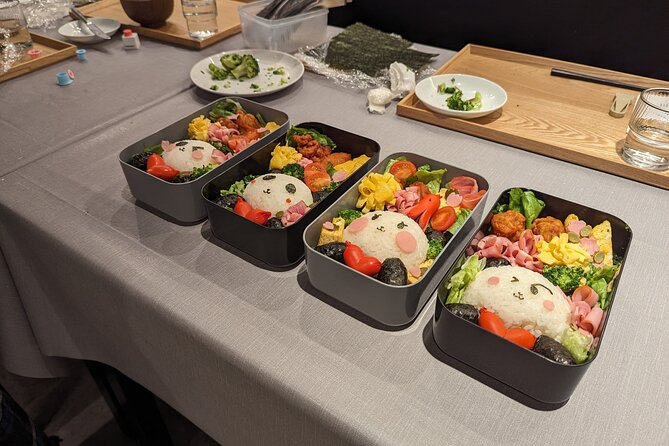
The designs vary, but past sessions have included panda, dog, bear, and frog bentos, along with hearts and flowers. This variety is useful for families or couples who want different characters rather than identical boxes. You may also get seasonal designs, depending on the class.
The food is arranged in small sections, with the character as the visual focus. You learn how to shape and place the parts so the finished bento looks balanced. It is a little like edible craft work, but the result still needs to taste good.
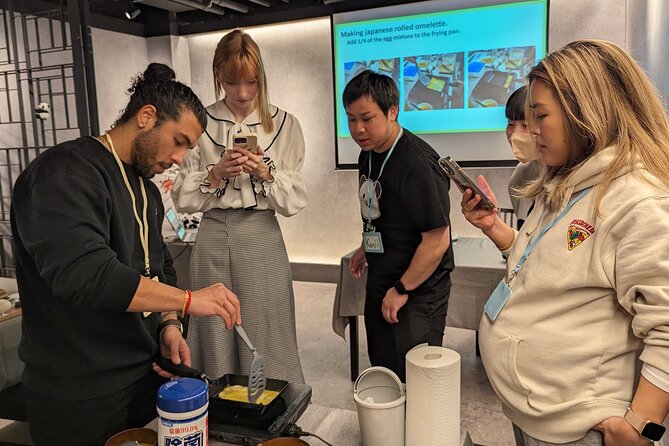
One especially useful technique is Japanese rolled omelet, known as tamagoyaki. A class participant described making it for the first time and finding the result far easier than expected with instruction. The food-art lesson may also include decorative flowers and other small shapes.
The ingredients are prepared ahead of time, which keeps the class within two hours. This means you are learning assembly, shaping, and presentation rather than preparing every dish from raw ingredients. That is worth understanding before you book. If you want a full Japanese cooking lesson with extensive chopping and stovetop work, this is not that kind of class.
Instead, it focuses on the part most people find difficult at home: turning familiar food into something cute and well arranged. The prepared format also makes the activity more manageable for children and first-time cooks.
A completely different kind of day out in Tokyo:
- Mt Fuji and Hakone 1-Day Bus Tour Return by Bullet Train
★ 5.0 · 26,383 reviews - 1-Day Tokyo Bus Tour
★ 5.0 · 14,250 reviews - Tokyo: TOKYO SKYTREE® Admission ticket
★ 4.5 · 11,192 reviews - Tokyo: teamLab Planets TOKYO Digital Art Museum Entry Ticket
★ 4.6 · 9,779 reviews
Patient instruction in English
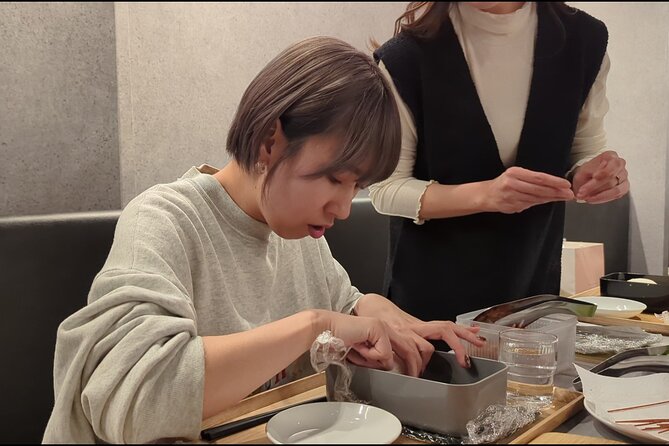
The workshop can be conducted entirely in English. That is important here because tiny food details are easier when directions are clear. The instructors use demonstrations, screen examples, prepared sets, and individual assistance.
Kenji is the name that appears most often in connection with the teaching, and Mami, Yuzu, and Saori are also mentioned as friendly, helpful members of the team. The teaching style is warm rather than formal. You are encouraged to be creative, but you are not left alone when your panda begins to look more like an abstract rice ball.
This balance is one of the class’s best qualities. You get enough direction to succeed, with enough freedom to make the bento feel like your own. For children, the food becomes a craft project. For adults, it becomes a surprisingly relaxing exercise in patience.
Solo participants can also fit comfortably into the format. The group may be small enough for a more personal lesson, and all tools and ingredients are prepared before you begin.
A 15-minute photo session for your finished bento

After the construction work, the class sets aside about 15 minutes for photographs. This is more than a quick snapshot beside your lunch.
The studio has backdrops and lighting, and instructors photograph both the finished food and the people who made it. Some sessions include several background options. That gives you a proper record of the character you built, which is helpful because you may hesitate before eating something that took an hour to assemble.
Photography also gives the class a clear finish line. You can tidy the presentation, place the bento in position, and enjoy a few minutes of celebration before the meal. If you are making the class part of a family holiday, these pictures may become more useful than another standard group photo in front of a Tokyo landmark.
Thirty minutes to eat your creation
The final half hour is set aside for eating. This is where the class proves that the bento is not just decoration.
The food is prepared to be tasty as well as cute. Several descriptions praise the meal itself, including the surprise of discovering how good it was after spending so much time admiring it. You can enjoy the finished box at the venue, and the activity also gives you skills for making breakfast or lunch at home.
Some participants have been able to keep the bento box as a souvenir. The supplied information describes taking home your creation, but the exact packaging or box arrangement may vary, so check with the provider if keeping the container matters to you.
The eating period is not rushed. Thirty minutes gives you time to look at the details, take final pictures, and enjoy the food. It also brings the experience back to its practical roots: a bento is made to be eaten.
Vegetarian, vegan, and allergy requests
Dietary flexibility is one of the strongest practical features. Vegetarian and vegan menus are available, and the class can accommodate requests such as no nuts and no milk.
Tell the provider about your needs at the time of booking. Do not wait until you arrive. The team has already handled vegetarian and vegan requests successfully, and one family received particular care around food allergies.
Still, it is sensible to state every restriction clearly before the class. The available information confirms several accommodations, but it does not provide a full ingredient list or promise that every possible allergy can be handled. If your restriction is serious, contact the provider by email before booking.
What the $66.07 price gets you
At $66.07 per person, this is not the cheapest way to get lunch in Tokyo. It is also not priced like a simple meal. The fee covers a two-hour guided activity, ingredients, tools, instruction in English, photography, and the chance to eat what you make.
The value depends on what you want from your afternoon. If you only want a quick meal, spend less at a local restaurant. If you want a cultural activity that works for adults, children, families, and solo participants, the price is easier to justify.
You are also paying for preparation. The instructor has arranged the ingredient sets, organized the steps, created examples, and built a photo area. That structure removes much of the frustration that comes with trying to recreate character food from a picture at home.
I think the price works best for people who will use the skill afterward. Learn how to shape rice, arrange small decorations, and make a Japanese rolled omelet, then try a simpler bento in your own kitchen. The class becomes more valuable when it continues beyond the two-hour session.
Who will enjoy this class most
This is a strong choice for families with creative children, though the activity is not limited to kids. Teenagers, young adults, couples, and adults traveling alone can all find something to enjoy here.
Book it if you like:
- Japanese food and home cooking
- Anime-style cuteness and character design
- Hands-on activities instead of passive sightseeing
- Taking photos of your holiday experiences
- Learning a skill you can repeat at home
- A relaxed indoor activity after a busy day
Very small children may need close help with the tools and detailed shaping. One account specifically suggested the class was not ideal for small kids, while several family groups had an excellent time with children and teenagers. The safest choice is to consider your child’s patience, attention span, and ability to follow step-by-step directions.
The class also suits people who do not think of themselves as cooks. The process is organized, ingredients are ready, and instructors help when a shape goes wrong. You are making food art, but nobody expects professional results.
What could be better
The address deserves clearer directions. The studio is below street level under a ramen shop, and that setup can be easy to overlook in an unfamiliar Tokyo neighborhood. I would save the address, check the map in advance, and arrive early enough to search without stress.
The other consideration is the prepared-food format. You will learn useful bento assembly and decoration, but you will not spend the whole session cooking every component from scratch. That is a benefit for speed and beginners, but a limitation for anyone seeking a detailed washoku cooking course.
Finally, the character design is cute by nature. If kawaii food is not your thing, the class may feel more like a craft workshop than a serious culinary lesson. For the right audience, that is exactly the point.
Booking and timing advice
The session lasts about two hours, so it fits neatly between other Akasaka plans. I would avoid placing it immediately before a time-sensitive reservation, since finding the basement entrance may take longer than expected.
The activity ends at the same meeting point. Confirmation arrives when you book, and free cancellation is available if you cancel at least 24 hours before the local start time. Changes or cancellations inside that window are not accepted for a refund.
Service animals are allowed, and the location is near public transportation. The mobile ticket is convenient, but keep the address available on your phone because the entrance is not necessarily obvious from the street.
Should you book Tokyo Cute Bento?
Book this class if you want a cheerful, practical Tokyo activity with a real cultural angle. The best reasons are the patient English instruction, the careful setup, the photo session, and the chance to eat a meal you made yourself.
I would especially recommend it for families, food-loving adults, couples, solo visitors, and anyone needing a calm indoor break from sightseeing. It offers more than a cute picture, but less than a full from-scratch cooking course.
Skip it if you want advanced Japanese cuisine, a large menu, or serious knife and stovetop training. Otherwise, $66.07 buys two hours of guided creativity, a character bento, useful food-art skills, and a souvenir that may actually get used at home.
FAQ
How long does the Tokyo Cute Bento cooking class last?
The class lasts approximately two hours. The schedule includes a 15-minute introduction, about 60 minutes of bento making, 15 minutes for photographs, and 30 minutes to eat.
Where does the class meet?
The meeting point is Tokyo Cute Bento at 2-2-21 Akasaka, Minato City, Tokyo 107-0052. The venue is below street level beneath a ramen shop.
Is the class taught in English?
Yes. The workshop can be conducted entirely in English, with clear instructions, examples, and assistance from the instructors.
Can vegetarian or vegan participants join?
Yes. Vegetarian and vegan options are available. The class can also accommodate requests such as no nuts and no milk, but you should provide all dietary information when booking.
What is the maximum group size?
The class accepts a maximum of 12 people.
Can I cancel for a full refund?
Yes, if you cancel at least 24 hours before the experience start time. Cancellations or changes made less than 24 hours before the start time are not refunded or accepted.
Just added around Tokyo
- Tokyo 6hr Instagram Highlights Private Tour with Licensed Guide★ 5.0 · 38 reviews
- Tokyo Small Group Tour with Guide★ 4.5 · 38 reviews
- Tokyo Sumo Experience with Live Show & Audience Challenge★ 5.0 · 38 reviews
- Very popular in Harajuku♡Animal petting zoo★ 4.6 · 39 reviews
- Japanese Food Cooking Class in Asakusa, Tokyo★ 5.0 · 39 reviews
- Ramen Making from Scratch with Tokyo Mom(Vegan Option Available)★ 5.0 · 39 reviews
- Tokyo: Kimono Rental inside Shinjuku Gyoen National Garden★ 4.9 · 39 reviews
- Tokyo JDM Night: 600hp C63s AMG Edition 1 (Private)★ 4.9 · 39 reviews
Cooking Classes, compared.
Ramen Cooking Class at Ramen Factory in Kyoto
Read our review →
Ramen & Gyoza Cooking Class in Tokyo with Local Supermarket Visit
Read our review →
Ramen Cooking Class at a Ramen Factory with Souvenir
Read our review →
Japanese Washoku Bento Small Group Cooking Class
Read our review →

Easy Ramen Cooking Experience in Kabukicho, Shinjuku
Read our review →
Ramen and Sushi Cooking Class with Sake Pairing Set in Tokyo
Read our review →Browse the lists this tour appears in