Reviewed · SHOW
Tokyo: KABUKI Show at Kabukiza Theatre Admission Ticket
Kabuki turns theater into a feast for the eyes. At Tokyo’s Kabukiza Theatre, you get an authentic performance in the only theater in the world dedicated solely to Kabuki. I especially like the live music and elaborate costumes, which make the show feel unlike a standard stage production, and the English or simplified Chinese caption service makes the action far easier to follow. The main drawback is the length: plan on about four hours, with several intervals and old-style seats that some people may find tight or uncomfortable.
This is not a quick cultural stop you squeeze between shopping and dinner. It is an afternoon or evening appointment in Ginza. I like that the program changes every month, so the experience feels tied to the current Kabuki season rather than packaged for tourists. Still, you should read the monthly program before booking, since the stories, dances, and running time can change.
In This Review
- Key points to know before booking
- Why Kabukiza is worth your evening
- What the four-hour schedule really means
- Understanding the performance without Japanese
- The matinee and evening programs
- The stage, costumes, music, and movement
- Exploring Kabukiza before the curtain rises
- Comfort, food, and the old-style seats
- Is $106 good value?
- Who will enjoy this most?
- Booking and cancellation details
- Should you book Kabukiza?
- FAQ
- How long does the Kabukiza performance last?
- Are English captions included?
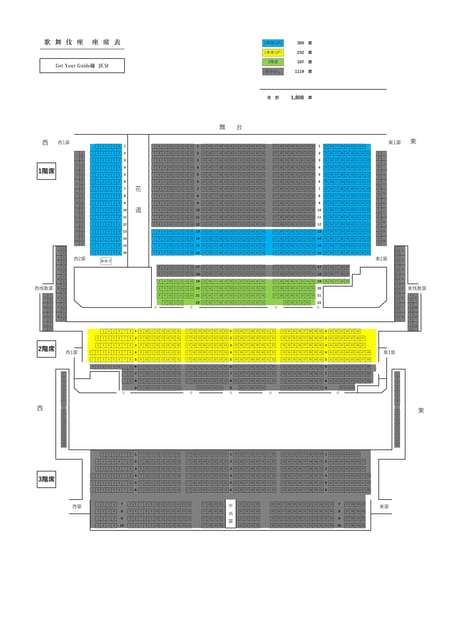
- Can I choose my seat?
- Where do I collect the ticket?
- Can I bring food and drinks?
- Do Kabuki programs change?
Key points to know before booking
- Four hours of authentic Kabuki: Performances include plays, dances, music, and intervals rather than one short stage show.
- A new program each month: February and March, for example, feature different historical dramas, domestic plays, modern Kabuki, and dance pieces.
- English or simplified Chinese captions included: The caption service helps you follow unfamiliar stories and traditional Japanese language.
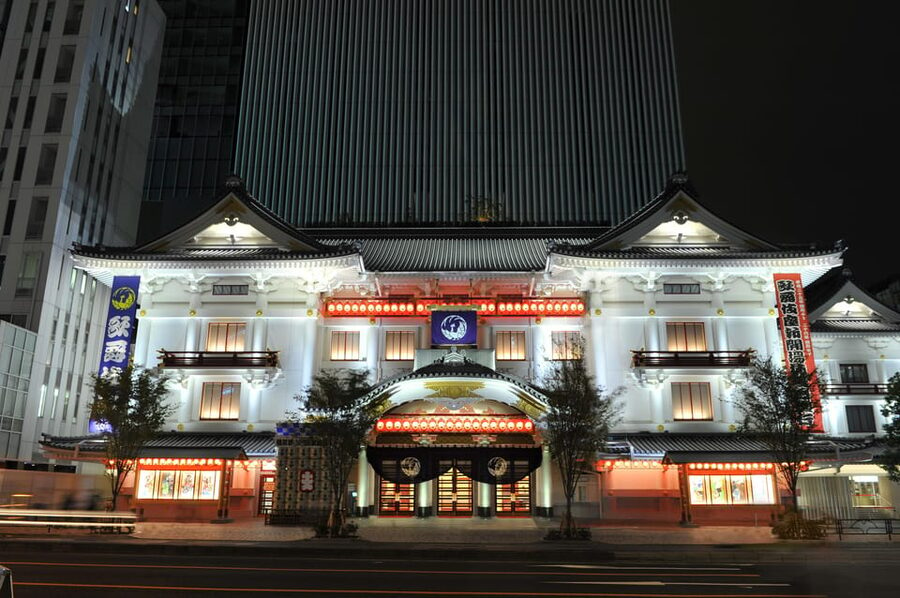
- Kabukiza is in central Ginza: The theater is at Ginza 4-12-15, Chuo-ku, close to one of Tokyo’s easiest shopping and dining areas.
- Ticket collection is essential: Exchange your PDF or mobile GYG Voucher for a physical ticket at the Basement Level 2 box office.
- Seats cannot be selected: The reservation does not allow you to choose your exact seat, and some seats may feel narrow during the long performance.
Why Kabukiza is worth your evening
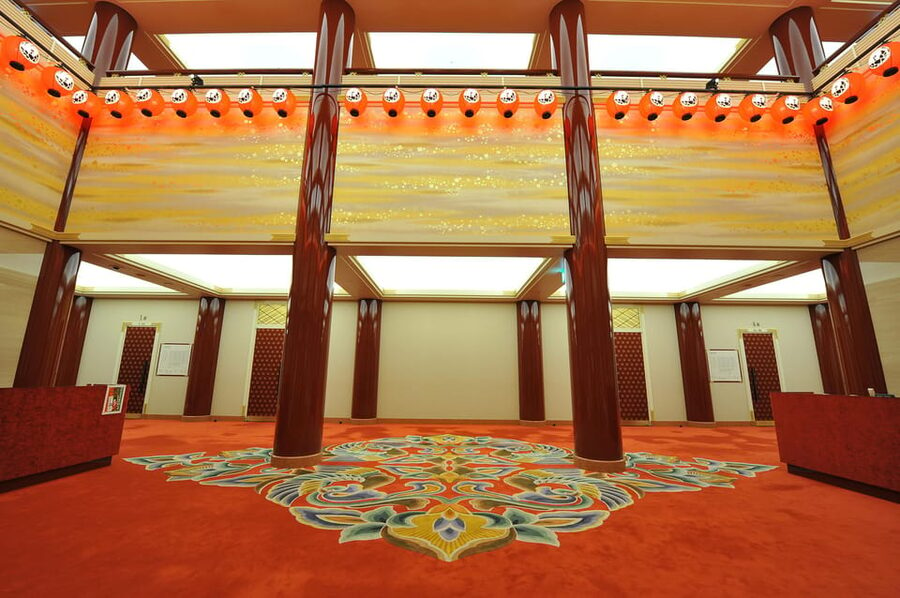
Kabuki is not simply Japanese theater with unusual makeup. It combines stylized acting, singing, dance, live music, elaborate movement, formal poses, colorful costumes, and carefully designed scenery. The result can feel part opera, part ballet, part pantomime, and yet it follows its own rules.
That unfamiliarity is part of the appeal. You are not watching a modern drama translated into Japanese. You are seeing a traditional art form in its own home, presented by professional performers at a theater built around Kabuki.
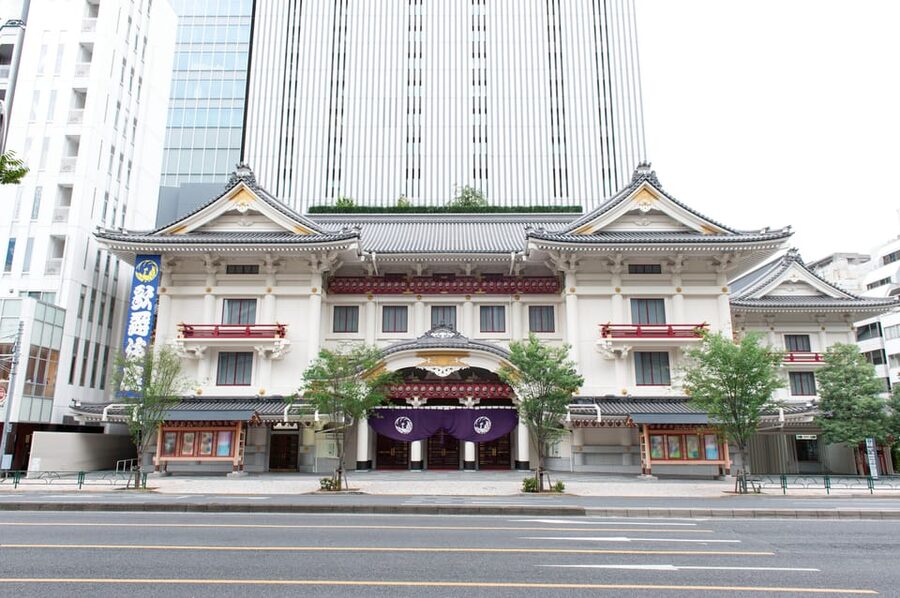
Several people describe the experience as a highlight of their time in Tokyo, and I can understand why. The appeal comes from the complete setting: the historic Kabukiza building, the stage curtains, the screens, the scenery, the music, and the audience’s attention. The performance is not just something happening in front of you. The theater itself helps create the occasion.
The show may also include performers from long Kabuki family traditions. That gives the work a sense of continuity that is difficult to find in a standard cultural demonstration. You are seeing an art form carried forward through generations, not a brief introduction arranged only for overseas audiences.
A few more Tokyo experiences worth weighing up
- Mt Fuji & Hakone Cruise, Drum Show Bullet Train 1 Day from Tokyo
★ 4.0 · 7,413 reviews - Tokyo: Sumo Show Experience with Chicken Hot Pot and a Photo
★ 4.8 · 6,678 reviews - Tokyo: Sumo Show and Dining Experience
★ 4.8 · 2,742 reviews
What the four-hour schedule really means
The advertised duration is about four hours, but the structure matters. This is generally not one uninterrupted story lasting four hours. A program may contain several separate pieces, with intervals between them.
One performance schedule, for example, included four sections:
- A modern Kabuki work
- A dance about a footman and a kite
- A domestic play set in front of a theater
- A dance centered on a snowbound barrier
An evening program in the same month included historical drama, dance, and a modern love triangle. Another month offered a long historical play in the matinee, while the evening included a spring dance and a domestic drama involving three thieves.
This variety helps the time pass. Each piece has its own mood, characters, costumes, and stage rhythm. One work may focus on a dramatic confrontation, while the next is built around dance and formal movement. You are not asked to follow one complex plot from beginning to end.
The intervals are useful. You can stretch your legs, check your captions, use the facilities, or buy something to eat and drink. The breaks also give you a chance to reset if the highly stylized performance takes concentration.
The length can still surprise you. One four-star experience came from someone who had not realized the visit would run from about 4:15 to 8:00 p.m. Another person enjoyed the show but had to leave before the final act because of plans the next day. I recommend treating the performance as the main event of your afternoon or evening, not as a small addition to a crowded schedule.
Understanding the performance without Japanese
The included caption service is one of the strongest reasons to book this experience if you do not speak Japanese. English or simplified Chinese captions help explain the dialogue and story, especially in historical pieces where names, relationships, and formal language may be difficult to catch by ear.
The caption device is valuable, but it does add a small task. You need to divide your attention between the stage and the screen. One person found it difficult when the text changed without a clear vibration or signal, since it was not always obvious when to look down.
I suggest using the captions as a guide rather than trying to read every word. Watch the actor’s movement, facial expression, costume, and position on stage first. Then glance at the text to confirm what is happening. Kabuki communicates through visual patterns as much as through dialogue.
The captions are particularly helpful for the older stories. A historical play may involve characters, loyalties, and events that are unfamiliar to you. Even a basic understanding of the scene can change the experience from a series of striking gestures into a drama with emotional stakes.
You should also know that this package includes English or simplified Chinese captions. If you decide not to use the caption service, the caption portion is not refundable and cannot be exchanged for a Japanese earphone guide. That matters if you are booking from within Japan and would prefer Japanese support.
The matinee and evening programs
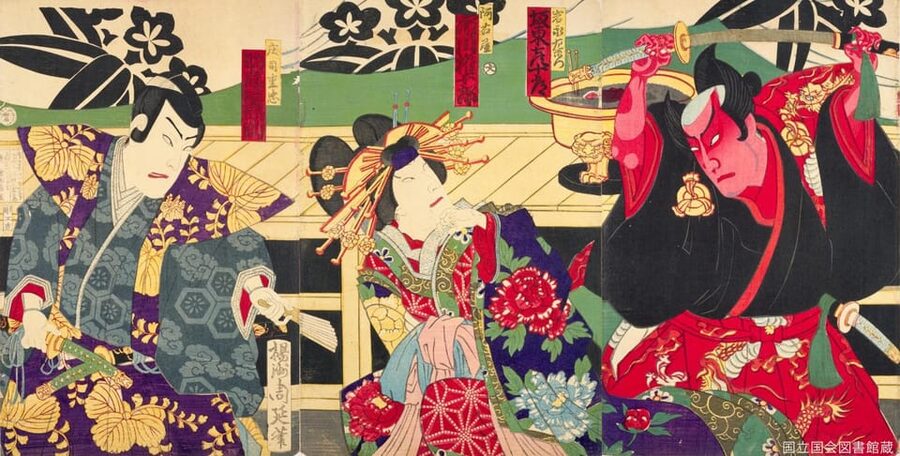
Kabukiza usually presents both matinee and evening performances. The exact times depend on the monthly schedule, so check the official Kabuki website before committing to other plans.
A listed matinee began at 11:00 a.m. and was planned to finish around 3:21 p.m. A listed evening show began at 4:30 p.m. and was planned to finish around 9:02 p.m. Another month’s matinee ended around 3:08 p.m., while the evening program finished around 8:21 p.m.
These times show why planning matters. The evening show may take up your dinner period, while the matinee occupies most of the middle of the day. You can buy snacks and alcohol inside the theater, and food and drinks are allowed during the performance. Bringing something to eat can make the long schedule more comfortable, particularly if you do not want to spend the entire interval searching for a restaurant in Ginza.
The program names can look intimidating at first. You may see English translations such as The Snowbound Barrier, The Fox Praying for Rain, or The Return of the Evil Lady-in-Waiting Iwafuji. These translations give you a useful starting point, but they do not tell you exactly how the piece will feel. A dance may be quiet and formal, while another section may rely on comic movement, drama, or action.
The best approach is to read the current program description and accept that some sections will make more immediate sense than others. One person loved the traditional theater sections but liked the dance less. That is a reasonable expectation. Kabuki programs deliberately mix forms.
A completely different kind of day out in Tokyo:
- Mt Fuji and Hakone 1-Day Bus Tour Return by Bullet Train
★ 5.0 · 26,383 reviews - 1-Day Tokyo Bus Tour
★ 5.0 · 14,250 reviews - Tokyo: TOKYO SKYTREE® Admission ticket
★ 4.5 · 11,192 reviews - Tokyo: teamLab Planets TOKYO Digital Art Museum Entry Ticket
★ 4.6 · 9,779 reviews
The stage, costumes, music, and movement
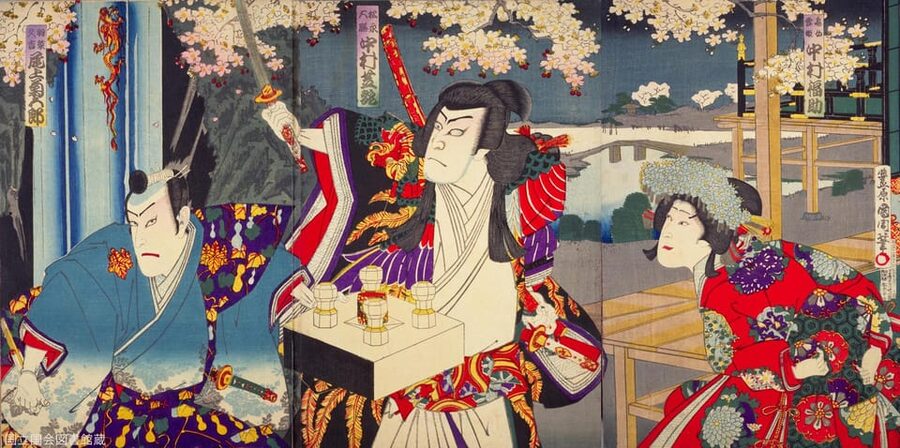
The visual design may be the part you remember most clearly. Costumes are sumptuous, stage sets are carefully arranged, and curtains and screens receive as much attention as the performers. The effect can resemble a painting that has started moving.
Kabuki acting is highly controlled. Facial expressions, gestures, pauses, and body positions carry meaning. One person wished for a seat closer to the stage because facial expressions are important to the art. That is worth considering when you receive your assigned seat.
Since exact seats cannot be selected through this reservation, you should not book expecting a particular location. If seeing fine facial detail is your top priority, check other official ticket options before purchase. At the same time, a broader view can help you appreciate the full composition of the stage, especially during dances and scenes involving several performers.
Live music is another central part of the experience. Depending on the piece, you may hear traditional instruments such as shamisen, along with narration and other musical support. The sound is not background decoration. It shapes the pace, tension, and mood of the scene.
You will also see how Kabuki makes an event out of entrances, exits, costume changes, and formal poses. Some moments may feel slow if you expect modern film-style pacing. Give the performers time to establish the mood. Kabuki rewards attention to detail more than impatience for quick plot development.
Exploring Kabukiza before the curtain rises
The theater doors open 30 minutes before the performance. I recommend arriving early, especially because you must collect your physical ticket before entering.
The ticket collection point is the venue box office on Basement Level 2. Bring the PDF or mobile GYG Voucher and exchange it there. The voucher itself does not permit entry into the theater. The box office is listed as open from 10:00 a.m. to 6:00 p.m. If you arrive after 6:00 p.m., go directly to the theater entrance as instructed.
Arriving early gives you time to find the box office, collect your ticket, locate your seat, and get familiar with the caption service. It also leaves room to visit the permanent interactive Kabuki exhibition before the show.
The exhibition is useful if you have never seen Kabuki. It introduces some of the art form’s history and stage techniques, giving you a little context before the curtain rises. You do not need to become a Kabuki expert first. Even a short visit can help you recognize why the costumes, movement, music, and stage conventions matter.
The theater’s shopping center is on the second basement floor. It sells Kabuki-related gifts and souvenirs. If you want to browse, do it before the performance or during an early break. One person found the souvenir shop closed after the show, which is a good reminder that closing times may not match the end of your program.
Comfort, food, and the old-style seats
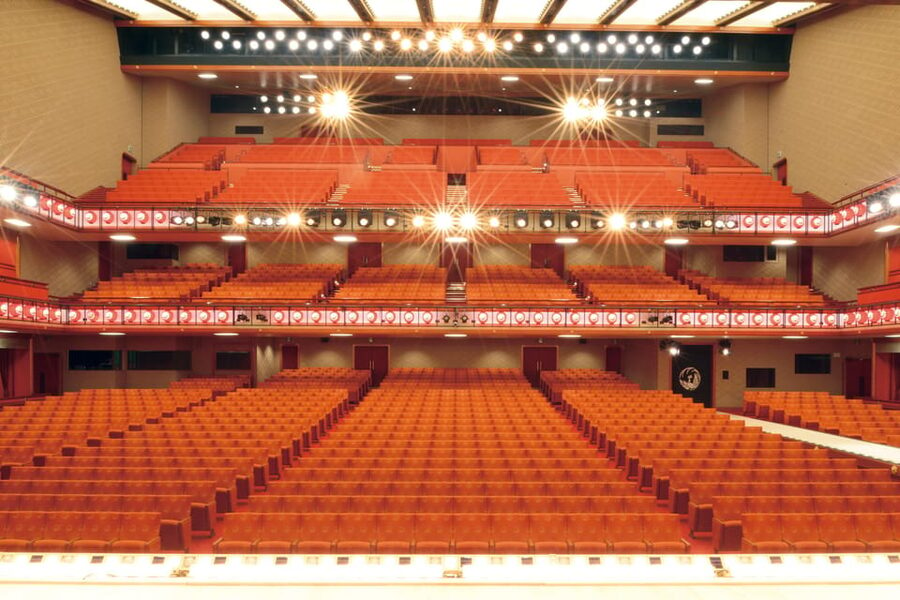
Kabuki is a formal art form, but the practical side of a four-hour theater visit is less glamorous. Some seats have been described as tight, and one person recommended bringing a cushion for the old-style chairs.
If you are sensitive to firm seating or limited legroom, prepare accordingly. The performance includes intervals, which help, but you will still spend a long time seated. Arrive rested, wear comfortable clothing, and consider bringing a small cushion if that would improve your comfort.
Food and drinks are permitted, and snacks and alcohol are available for purchase inside. This is a useful difference from many theater experiences where eating at your seat is discouraged. A small meal or snack plan can make the schedule easier, particularly for an evening performance that runs past 8:00 p.m.
You should keep food quiet and tidy, since Kabuki depends on careful listening. The intervals are the natural time to eat more substantial food, while a small snack during the performance can help you stay comfortable.
Is $106 good value?
At about $106 per person, this is not a casual, low-cost night out. The value depends on what you want from Tokyo.
If you only want to see a short sample of traditional Japanese performance, the price may feel high. The long running time, changing monthly program, professional cast, historic theater, live music, caption service, and full production design make it more than a simple introductory demonstration. You are paying for a substantial theater event.
I think the price makes the most sense for someone who wants to see Kabuki at Kabukiza itself. The venue is not an incidental room used for a temporary show. It is dedicated to this art form, and the monthly programming gives the visit a connection to the theater’s regular calendar.
The ticket is also easier to justify if you plan to use the full four hours. Arriving late, leaving early, or treating the show as background entertainment lowers the value. If you already know you dislike classical theater, long performances, or highly formal dance, spend the money elsewhere.
The ticket includes the English or simplified Chinese caption service, which is important for many international visitors. Without that support, the artistic experience would still be visual, but the plots could be much harder to follow.
Who will enjoy this most?
I recommend Kabukiza to you if you enjoy theater, music, dance, costume design, Japanese culture, or unusual live performances. It also suits anyone who wants a serious cultural evening rather than another view from a tower or a quick stop at a museum.
You do not need prior Kabuki experience. In fact, the first visit may be the most memorable because the forms are so unfamiliar. The exhibition and captions help, and the different pieces allow you to experience several sides of Kabuki in one visit.
This may not suit young children. Children under four are not permitted. Older children may enjoy the colors and movement, but the long duration and formal pace require patience.
I would also think twice if you have a packed Tokyo itinerary. The show takes four hours, and the evening program can run until around 9:00 p.m. You need to be willing to give Kabuki the time it deserves.
Booking and cancellation details
Programs change every month, so check the official Kabuki website for the current schedule before booking. Reservations for the following month begin on the 14th of each month.
You cannot choose your exact seat with this reservation. On the day of the performance, exchange your mobile or printed voucher for a physical ticket at the Basement Level 2 box office. Plan extra time for this step, since you cannot enter with the voucher alone.
Free cancellation is available up to two days in advance for a full refund. The theater is at Ginza 4-12-15, Chuo-ku, Tokyo, in the Ginza area.
Should you book Kabukiza?
Book it if you want the real Kabuki experience, not a shortened tourist sample. The strongest reasons are the dedicated theater, changing monthly programs, live music, striking costumes and scenery, and the caption service that lets you follow the story.
Skip it if you dislike long theater performances, need highly comfortable seating, or want a flexible evening. For everyone else, I would reserve it as a major cultural event in Tokyo, check the exact monthly program, arrive early for the ticket exchange, and bring a little patience along with your curiosity.
FAQ
How long does the Kabukiza performance last?
The experience is planned for about four hours. Depending on the month and show, listed programs run from about 11:00 a.m. to 3:08 or 3:21 p.m. for matinees, and from about 4:30 p.m. to 8:21 or 9:02 p.m. for evening shows.
Are English captions included?
Yes. The ticket includes English or simplified Chinese captioning. The caption service helps you follow the dialogue and stories, especially in historical and traditional plays.
Can I choose my seat?
No. Exact seats cannot be specified with this reservation. One person found the seats tight, and another wished for a position closer to the stage to better see facial expressions.
Where do I collect the ticket?
Collect the physical ticket at the Kabukiza box office on Basement Level 2. Bring your PDF or mobile GYG Voucher. The voucher itself cannot be used for theater entry.
Can I bring food and drinks?
Yes. Food and drinks are permitted, and snacks and alcohol are also available for purchase inside the theater. The intermissions provide a good time to eat and stretch.
Do Kabuki programs change?
Yes. Kabuki programs change monthly. Check the official Kabuki website for the latest matinee and evening schedules, titles, and planned running times before booking.
Just added around Tokyo
- Tokyo 6hr Instagram Highlights Private Tour with Licensed Guide★ 5.0 · 38 reviews
- Tokyo Small Group Tour with Guide★ 4.5 · 38 reviews
- Tokyo Sumo Experience with Live Show & Audience Challenge★ 5.0 · 38 reviews
- Japanese Food Cooking Class in Asakusa, Tokyo★ 5.0 · 39 reviews
- Very popular in Harajuku♡Animal petting zoo★ 4.6 · 39 reviews
- Ramen Making from Scratch with Tokyo Mom(Vegan Option Available)★ 5.0 · 39 reviews
- Tokyo JDM Night: 600hp C63s AMG Edition 1 (Private)★ 4.9 · 39 reviews
- Tokyo: Kimono Rental inside Shinjuku Gyoen National Garden★ 4.9 · 39 reviews
Show, compared.

Mt Fuji & Hakone Cruise, Drum Show Bullet Train 1 Day from Tokyo
Read our review →
Tokyo Shinjuku Sumo Show & Experience with Photo
Read our review →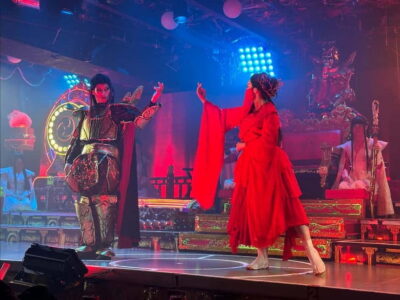

Mt Fuji & Hakone Cruise, Drum Show Bus 1 Day from Tokyo
Read our review →