
Reviewed · COOKING CLASSES
Tokyo Night Cooking Class: 5 Home-Cooked Japanese Dishes
Come hungry, leave with recipes. This three-hour Tokyo evening class gives you a hands-on taste of izakaya cooking, with five small plates, dinner, and three alcoholic or soft drinks included. I like the supermarket shopping stop, which makes the food feel connected to everyday Tokyo life, and I like that the recipes are practical enough to repeat at home. The main drawback is dietary flexibility: the class is not suitable for vegans or gluten-free diners, and allergies cannot be guaranteed safe.
You meet at 5:30 p.m. outside the FamilyMart Iriya store in Taito City, then return to the same point at the end. I also like the small maximum of seven people, which should give you a better chance to cook rather than simply watch. Still, arrive early. If you miss the group, you cannot join later, reschedule, or receive a refund.
In This Review
- Key details before you book
- Meeting in Iriya for a home-style Tokyo evening
- The supermarket stop makes the class more useful
- Five dishes, from sushi rolls to Japanese omelette
- Cooking with Alice, Fuji, or another guide
- Three included drinks change the value calculation
- What families should know about the cooking setup
- Vegetarian diners can join, but check every restriction
- Practical timing, weather, and group size
- Who will get the most from this Tokyo cooking class
- Should you book the five-dish Tokyo class?
- FAQ
- Where does the Tokyo cooking class begin?
- What time does the class start?
- How many people can join the class?
- Are drinks included?
- Can vegetarians take part?
- Can children join the cooking class?
Key details before you book
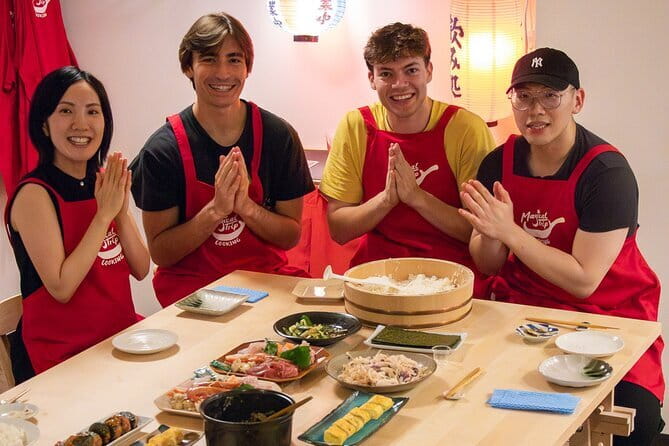
- Five izakaya-style dishes: Prepare a full spread that may include sushi rolls, teriyaki chicken, chicken balls with shiso, eggplant with miso sauce, and Japanese omelette.
- A supermarket stop first: Shop for ingredients before cooking, adding a useful look at ordinary Japanese food shopping.
- Three drinks included: Choose from alcoholic or soft drinks, with options such as sake and beer available for adults.
- Small group of up to seven: The size suits people who want direct help and an easy way to meet others.
- Family-friendly with limits: Children age six and up may attend, but knife and hot cooking steps are limited to those age 12 and older with a parent or guardian.
- Not ideal for every diet: Vegetarians can be accommodated, but vegan and gluten-free diets are not accepted.
Meeting in Iriya for a home-style Tokyo evening
The class begins at 5:30 p.m. at the FamilyMart Iriya store, 2-chome Shitaya, Taito City. The meeting point is near public transportation, but the address is precise enough that I would still allow extra time to find the correct store and group.
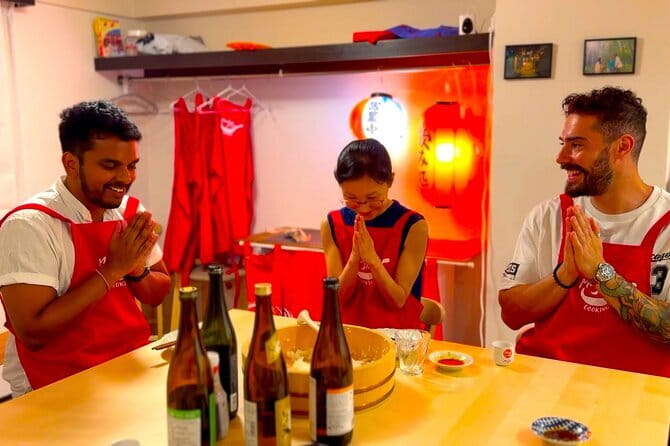
Iriya gives the evening a more local setting than a class in a major sightseeing district. You are not simply entering a polished demonstration kitchen built for tourists. The plan includes shopping for ingredients, then preparing a Japanese-style drinking meal in a relaxed home-party setting.
That format matters. Izakaya food is made for sharing, snacking, and pairing with a drink. Instead of learning one impressive dish and then sitting down, you work toward several smaller plates that together make dinner.
The timing also works well for a Tokyo sightseeing day. You can spend the afternoon exploring, meet the group before dinner, and finish back at the same location around three hours later. Since the activity ends where it starts, you do not need to arrange a separate pickup.
More Cooking Classes in Tokyo
- Ramen & Gyoza Cooking Class in Tokyo with Local Supermarket Visit
★ 5.0 · 823 reviews - Tokyo: Easy Ramen Cooking Experience in Kabukicho, Shinjuku
★ 4.6 · 321 reviews - Ramen and Sushi Cooking Class with Sake Pairing Set in Tokyo
★ 5.0 · 291 reviews
The supermarket stop makes the class more useful
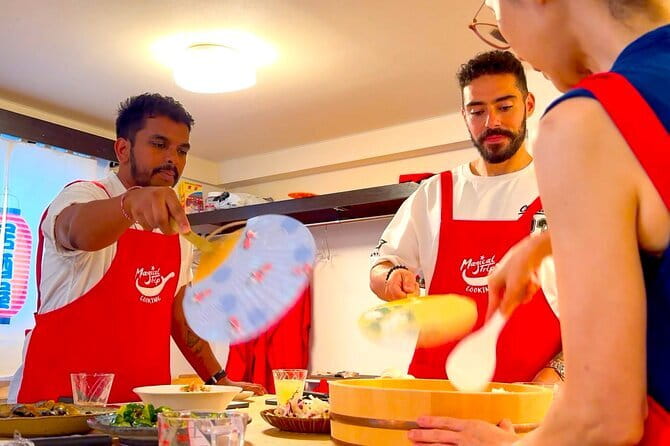
One of the best parts is the shopping experience before the cooking begins. You help choose ingredients rather than finding everything measured and waiting on a counter.
That small step gives you context. You see the sort of ingredients used in casual Japanese meals and get a better sense of what you might look for when shopping at home. A cooking class can feel detached from daily life when every item is preselected. Here, the supermarket visit helps connect the recipes to ordinary food buying in Japan.
I would pay attention to the ingredients and ask questions during this part. If you want to recreate the meal later, remembering the actual products and package types may be as useful as remembering the recipe itself.
The shopping stop also adds movement to the evening, so this is not three hours spent standing in one kitchen. If walking is difficult, take the mobility warning seriously. The class is not recommended for people with mobility issues, and a private activity is suggested for anyone who has trouble walking.
Five dishes, from sushi rolls to Japanese omelette
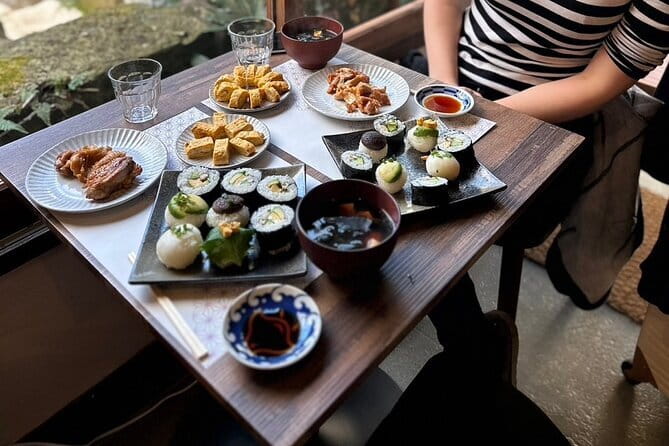
The central promise is a five-dish meal of food commonly associated with izakayas and home drinking gatherings. The exact sequence is not specified, but the featured dishes include hand-rolled sushi, chicken balls with shiso leaves, eggplant with miso sauce, teriyaki chicken, and Japanese omelette.
That mix gives you a nice spread of techniques. Sushi rolls involve assembly and handling rice. Chicken balls with shiso introduce a fragrant Japanese herb. Eggplant with miso shows how a simple vegetable can become a savory side dish, while teriyaki chicken provides a familiar sweet-salty flavor. Japanese omelette adds a different kind of control, since egg dishes depend on timing and careful handling.
You are not just cooking for practice. The food you make becomes your dinner, which is a strong part of the value. You can taste the results while the instructions are still fresh, and you get a better feel for how the dishes work together on a table.
The menu also suits a mixed cooking group. Beginners can follow straightforward steps, while more experienced cooks can focus on technique and seasoning. The hosts, including guides named Alice and Fuji, have been praised for clear explanations, easy recipes, and useful tips to take home.
I would not expect a formal culinary-school lesson. This is a social cooking evening built around food, drinks, and conversation. That is a benefit if you want a relaxed activity, but it may feel too casual if your main goal is advanced knife work or detailed professional training.
Cooking with Alice, Fuji, or another guide
The guide is a certified MagicalTrip guide, and the class can include different hosts. Alice has been praised for helping a family enjoy the evening, while Fuji received strong praise for explaining each step and making the recipes easy to follow.
Those details point to an important strength: the guide shapes the experience. You want someone who can keep the cooking moving, explain unfamiliar ingredients, and make room for questions. The small group limit of seven should help here, since a guide has fewer people to watch than in a large workshop.
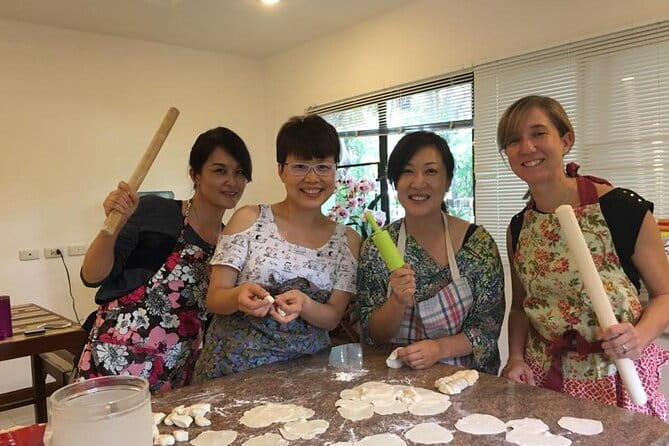
The atmosphere is meant to feel like a Japanese nomikai, a social home-drinking gathering. You cook, sip, and eat rather than moving through a strict classroom lecture. That makes the class a good choice for couples, friends, solo participants, and families who want a shared evening.
Solo visitors may find the format especially useful. Cooking at a shared table gives you an easy way to meet other people without having to force conversation over a restaurant meal. At the same time, you should know that other participants may join your group, so this is not a private dinner.
A completely different kind of day out in Tokyo:
- Mt Fuji and Hakone 1-Day Bus Tour Return by Bullet Train
★ 5.0 · 26,383 reviews - 1-Day Tokyo Bus Tour
★ 5.0 · 14,250 reviews - Tokyo: TOKYO SKYTREE® Admission ticket
★ 4.5 · 11,192 reviews - Tokyo: teamLab Planets TOKYO Digital Art Museum Entry Ticket
★ 4.6 · 9,779 reviews
Three included drinks change the value calculation
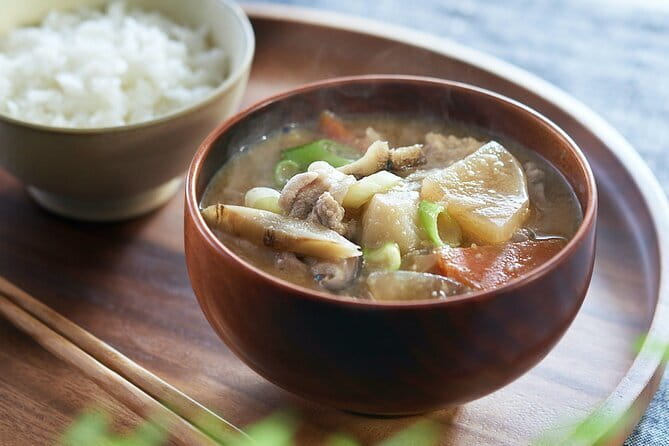
The price is $79.28 per person. That is not a bargain basement cooking lesson, but the fee covers the cooking activity, all ingredients, dinner, tour photos, the shopping experience, a certified guide, and three cans of alcoholic or soft drinks.
For me, the dinner is the key value. You are not paying for a lesson and then buying a separate meal afterward. You prepare five dishes and eat what you make, so the class replaces an evening meal as well as providing the activity.
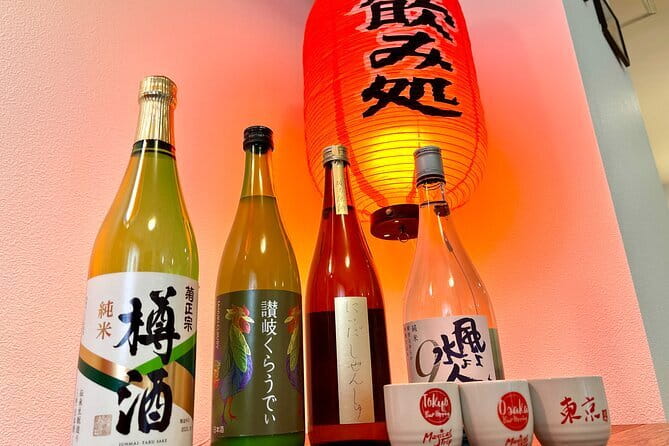
The drinks add to the social feel. Sake and beer may be available, along with soft drinks, and three drinks are included. Additional food and drinks cost extra, so keep that in mind if you expect to continue eating or drinking after the included portion.
Alcohol follows Japanese law. Sake and other alcoholic drinks are only available to people age 20 and older. If you are under 20, the soft-drink option lets you take part in the same meal without the alcohol.
I would compare this price with what you would spend on dinner, drinks, and a separate activity in Tokyo. If you mainly want a cheap meal, a casual restaurant will likely cost less. If you want recipes, participation, shopping, and a social evening, the fee is easier to justify.
What families should know about the cooking setup
Children age six and older can join, and a kids’ playroom is available. That makes the class more workable for families than many evening cooking programs.
There are clear safety limits. Knife and hot cooking steps are only permitted for participants age 12 and older, under the supervision of a parent or guardian. Younger children can still be part of the evening, but the experience may be less hands-on for them.
Families should also consider the menu. If someone cannot eat meat and eggs, the meal is reduced from five dishes to three. If someone can eat meat but not eggs, it is reduced from five dishes to four.
That is more than a minor adjustment. The variety of the meal is one of the class’s main attractions, so make sure everyone in your party can enjoy enough of the menu before booking.
Vegetarian diners can join, but check every restriction
Vegetarians are welcome, and the ingredients and cooking process can be arranged for them. That is useful, but it does not mean the class can handle every dietary need.
The experience is not available for vegans or people who require gluten-free food. Allergy-free preparation also cannot be guaranteed because the food is prepared in kitchens that do not belong to MagicalTrip.
Substitutions may not be possible at every stop, although efforts are made to compensate at other parts of the meal. If you have a serious allergy or several restrictions, I would choose a private food experience with confirmed kitchen controls instead.
For a standard vegetarian diet, this class may work well. For strict medical or religious requirements, the uncertainty is a real reason to skip it.
Practical timing, weather, and group size
The activity lasts about three hours and starts at 5:30 p.m. It ends back at the FamilyMart meeting point. A maximum of seven participants keeps the group compact, but the class may still include people you have never met.
Tokyo summers are hot and humid. Bring water and wear a hat, especially during the walk and shopping portion. The cooking itself takes place indoors, but heat can still make the start of the evening tiring.
Punctuality is essential. The group starts on time, and arriving late means you may lose the entire activity without a refund or rescheduling option. I would aim to reach the meeting point early rather than trying to arrive exactly at 5:30.
The tour offers a mobile ticket, and confirmation is provided at booking. Free cancellation is available if you cancel at least 24 hours before the start time. Within 24 hours, refunds and changes are not accepted.
Who will get the most from this Tokyo cooking class
I would recommend this experience to you if you want to:
- Learn dishes you can repeat at home
- Eat a complete dinner while taking part in the preparation
- Try Japanese drinks in a relaxed setting
- Meet a small group of people
- Add an evening activity to a day of sightseeing
- Travel with children age six or older
- Cook with a partner or friend instead of watching a demonstration
It is also a good match for solo visitors who enjoy social activities. The class gives you a shared task, which tends to make conversation easier than sitting alone at a restaurant counter.
I would be more cautious if you want a private experience, have limited mobility, need vegan or gluten-free food, or have serious allergies. The cooking is practical and social, not an advanced professional course.
Should you book the five-dish Tokyo class?
Book it if you want dinner to be part of the activity, not just a reward afterward. The supermarket stop, five home-style dishes, three drinks, and small group make this a useful way to spend a Tokyo evening, especially if you want recipes you can use back home.
The strongest reasons to choose it are the hands-on format and the friendly teaching style associated with hosts such as Alice and Fuji. The biggest reasons to pass are the fixed dietary limits, shared-group setting, and strict no-late policy.
At $79.28, I see solid value for someone who wants food, instruction, drinks, and a social night in one booking. Check your dietary needs first, plan to arrive early at Iriya, and you should be set for a tasty introduction to Japanese izakaya cooking.
FAQ
Where does the Tokyo cooking class begin?
The class begins at the FamilyMart Iriya store at 2-chome Shitaya, Taito City, Tokyo 110-0004. It ends back at the same meeting point.
What time does the class start?
The start time is 5:30 p.m. The group starts on time, and late arrivals who miss the group cannot join, reschedule, or receive a refund.
How many people can join the class?
The maximum group size is seven participants. Other participants may be included in your group.
Are drinks included?
Yes. Three cans of alcoholic or soft drinks are included. Sake and other alcoholic drinks are available only to people age 20 and older under Japanese law. Additional food and drinks are not included.
Can vegetarians take part?
Yes. Vegetarians are welcome, and the ingredients and cooking process can be arranged for them. The class is not available for vegans or people who need gluten-free food.
Can children join the cooking class?
Yes. The class accepts participants age six and older, and a kids’ playroom is available. Knife and hot cooking steps are limited to participants age 12 and older under parent or guardian supervision.
Just added around Tokyo
- Tokyo 6hr Instagram Highlights Private Tour with Licensed Guide★ 5.0 · 38 reviews
- Tokyo Small Group Tour with Guide★ 4.5 · 38 reviews
- Tokyo Sumo Experience with Live Show & Audience Challenge★ 5.0 · 38 reviews
- Very popular in Harajuku♡Animal petting zoo★ 4.6 · 39 reviews
- Japanese Food Cooking Class in Asakusa, Tokyo★ 5.0 · 39 reviews
- Ramen Making from Scratch with Tokyo Mom(Vegan Option Available)★ 5.0 · 39 reviews
- Tokyo: Kimono Rental inside Shinjuku Gyoen National Garden★ 4.9 · 39 reviews
- Tokyo JDM Night: 600hp C63s AMG Edition 1 (Private)★ 4.9 · 39 reviews
Cooking Classes, compared.
Ramen Cooking Class at Ramen Factory in Kyoto
Read our review →
Ramen & Gyoza Cooking Class in Tokyo with Local Supermarket Visit
Read our review →
Ramen Cooking Class at a Ramen Factory with Souvenir
Read our review →
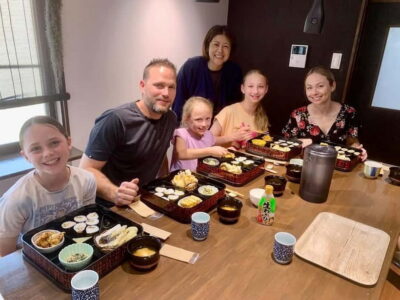
Japanese Washoku Bento Small Group Cooking Class
Read our review →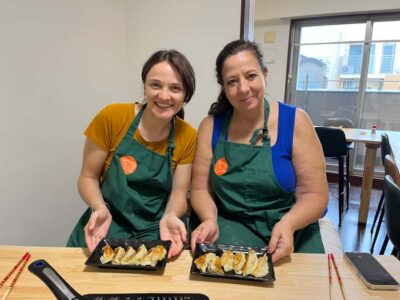
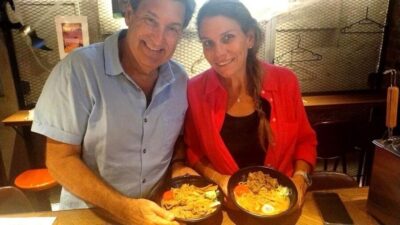
Easy Ramen Cooking Experience in Kabukicho, Shinjuku
Read our review →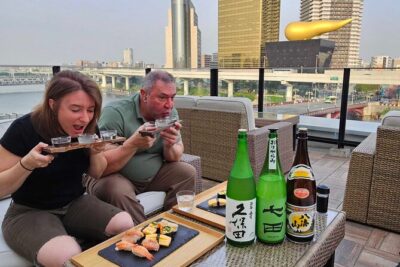
Ramen and Sushi Cooking Class with Sake Pairing Set in Tokyo
Read our review →Browse the lists this tour appears in