
Reviewed · GOVERNMENT-LICENSED GUIDE TOURS
Tokyo Off the Beaten Path 6hr Private Tour with Licensed Guide
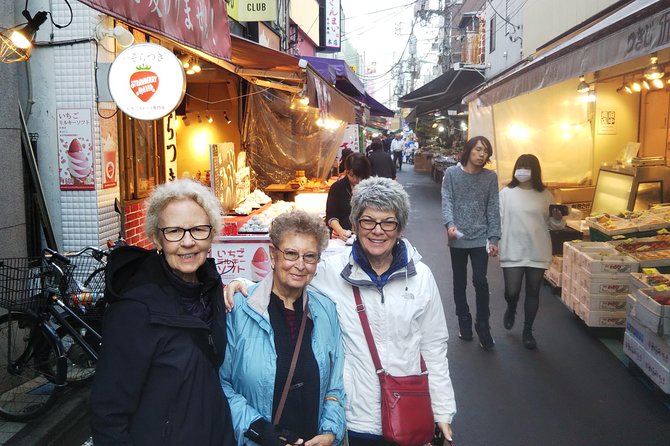
Tokyo’s quiet corners tell the better story. This private six-hour outing lets you shape the day around three or four places, rather than follow a fixed route through the usual major sights. I like the choice of old neighborhoods such as Yanaka and Nezu, and I like that a licensed English-speaking guide can help you use Tokyo’s trains and streets with confidence. The main catch is that transportation, meals, and admission fees cost extra, and the tour can feel rushed if too many stops are packed into six hours.
I also like the hotel meeting service, though it is a walking pickup, not a private car. The guide can arrange taxis or public transport, but you pay those fares yourself. Past experiences have been especially strong when guides such as Yoshi, Tatsu, Hideki, Masa, Taka, and Kris took time to adjust the day to personal interests. One practical warning: confirm the end time and pace in advance, since one customer reported being returned early.
In This Review
- Five things to know before you book
- Why this tour works for curious first-time visitors
- Yanaka, Nezu, and Sendagi: old Tokyo on foot
- Shibamata and Taishakuten: a slower eastern Tokyo
- Fukagawa: Edo culture, temples, gardens, and sumo
- Asakusa, Kappabashi, and the old shopping streets
- Gotokuji and the maneki-neko connection
- How the six hours really work
- Is $155.22 per person good value?
- Who should book this Tokyo day?
- Should you book it?
- FAQ
- How long does the tour last?
- How many places can I choose?
- Where does the guide meet me?
- Is transportation included?
- Is a private vehicle provided?
- Are entrance fees included?
- Is lunch included?
- Can I cancel for a full refund?
Five things to know before you book
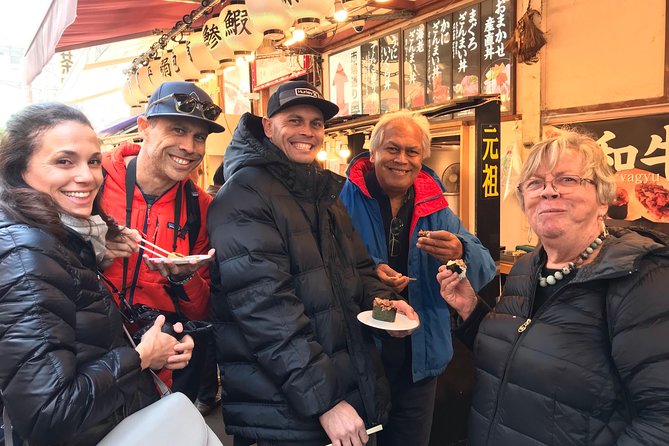
- Choose only three or four sites: The long menu includes Yanaka, Shibamata, Fukagawa, Asakusa, Tsukiji, Gotokuji, and more, but you will not see all 20 stops in one day.
- Your guide meets you on foot: Pickup is offered within a designated area of Tokyo, usually at your hotel lobby or another agreed meeting point.
- Public transport is part of the experience: Train and subway rides are not included, but guides can plan the route and explain how Tokyo’s system works.
- The best areas feel far from central Tokyo: Yanaka, Nezu, Sendagi, and Shibamata offer quiet streets, old wooden buildings, local shops, and a slower pace.
- The price buys flexibility, not an all-inclusive day: At $155.22 per person, the private guiding is useful for a small group, but fares, food, and entry tickets are extra.
Why this tour works for curious first-time visitors
Most first visits to Tokyo revolve around Shibuya, Shinjuku, Asakusa, and the Imperial Palace. Those places have their rewards, but Tokyo becomes more understandable when you spend time in districts that still feel like neighborhoods.
This experience is built around that idea. You tell the guide what interests you, then select three or four places from a broad menu. You might focus on temple architecture, local food streets, Edo-period culture, gardens, small museums, or traditional residential districts.
The private format matters. A guide can slow down for a shrine, change the plan when a site is closed, or help you reach a different final destination. One guide, Hiro, adjusted the day after some planned stops were unavailable. Another guide, Kris, arranged transport in advance and even changed the ending when the group changed its plans.
That flexibility is the tour’s greatest strength. It also creates its main risk. Six hours sounds generous, but Tokyo is enormous. A plan combining Shibamata, Fukagawa, and Gotokuji may spend a large part of the day on trains. Ask your guide to build a sensible geographic route instead of chasing too many points on the map.
More Hidden Gem Tours in Tokyo
- 3h Tokyo E-Bike Tour: Hidden Gems, and Local Life with guide
★ 5.0 · 670 reviews - Tokyo: Custom Hidden Gems & Highlights Tour with Local Guide
★ 4.7 · 272 reviews - Tokyo: 3-hour Guided E-Bike Tour of the City’s Hidden Gems
★ 4.8 · 251 reviews
Yanaka, Nezu, and Sendagi: old Tokyo on foot
Yanaka, Nezu, and Sendagi are often grouped together as Yanesen. These districts escaped much of the destruction caused by earthquakes, war, and later redevelopment, so their streets preserve a more traditional feel than many central parts of Tokyo.
A walk through Nezu may include narrow lanes, modest homes, small workshops, local shrines, and glimpses of everyday life. This is not a district where every corner is a major attraction. Its value comes from the atmosphere and the chance to see how Tokyo works away from the giant shopping centers.
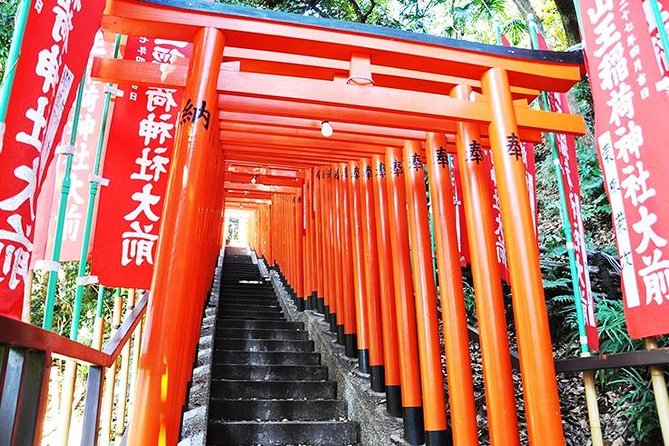
Nezu Shrine is the area’s main architectural prize. Dating from 1706, it features the elaborate vermilion and gold lacquered style associated with large Edo-period shrine construction. The admission cost is listed as free, and the visit fits well with a walking route through the surrounding neighborhood.
Yanaka Ginza Shopping Street gives the walk a more social and food-focused feel. The street is known for small shops and a calm local character. You might find snacks, household goods, and ordinary Tokyo shopping rather than luxury brands or international chains.
Yanaka Cemetery is another unusual stop. It is one of Tokyo’s larger graveyards and is known for its quiet central avenue and attractive setting. Your guide can explain how cemeteries fit into the city’s older districts, though you should treat the area as a working religious site, not simply a photo stop.
SCAI The Bathhouse adds an art option. The gallery occupies a former bathhouse in a building more than 200 years old and presents contemporary Japanese and international artists. Admission is not included, and the gallery may suit you best if modern art interests you. If you prefer temples, street life, or gardens, use your limited time elsewhere.
My advice: Choose Yanaka, Nezu Shrine, and Yanaka Ginza as one connected cluster. Adding Sendagi or the cemetery can make a pleasant half-day, but trying to combine this area with a distant district may leave you more familiar with train platforms than Tokyo’s back streets.
Shibamata and Taishakuten: a slower eastern Tokyo
Shibamata sits on Tokyo’s eastern edge near the Edogawa River and the border with Chiba Prefecture. It feels separate from the glass towers and giant stations of central Tokyo, which is precisely the appeal.
Taishakuten-Sando leads toward Shibamata Taishakuten Temple. This roughly 200-meter street is lined with small shops and food stalls, many retaining traditional wooden signs and older façades. It gives you an easy place to browse, eat a snack, and watch local activity without needing a formal attraction at every step.
Shibamata Taishakuten, also called Taishakuten Daikyoji Temple, is a Nichiren Buddhist temple with an impressive Nitenmon Gate. Its carved wood gallery is a major reason to visit. The carvings, made between 1922 and 1934, depict scenes connected with the Lotus Sutra.
Shibamata is a good choice if you want a complete neighborhood visit rather than a quick photograph. You get a street, a temple, local food, and a sense of distance from the central city. It is less suitable if you want to cover several famous Tokyo landmarks in one day.
One guide, Tatsu, received praise for careful advance planning and strong English. His route included both Shibamata and Yanaka, showing that the combination is possible, but you should expect substantial walking and public transport between the two areas.
Fukagawa: Edo culture, temples, gardens, and sumo
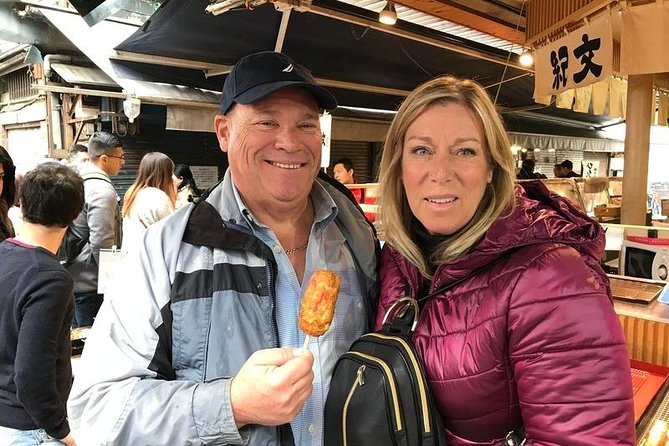
Fukagawa offers several stops that work well together. The Fukagawa Edo Museum recreates a late Edo-period village, complete with houses, a canal, and a fire watchtower. This is one of the more interpretive stops on the menu, so it can help you understand what older Tokyo looked and felt like instead of simply viewing another temple gate.
Admission is not included. The museum is most useful if you enjoy social history and reconstructed settings. It may be less appealing if you prefer open-air neighborhoods or gardens.
Fukagawa Fudodo is a Shingon Buddhist temple. Its main building has attractive wood carvings, although the overall structure is described as a mix of styles rather than a refined architectural showpiece. The temple’s religious activity may be more interesting than its appearance, but admission is also extra.
Tomioka Hachimangu has strong connections to sumo wrestling and hosts one of Tokyo’s largest Shinto festivals. The shrine was damaged during the Second World War, and the current building dates from 1956. That combination of older tradition and postwar rebuilding gives the stop useful context.
Kiyosumi Teien provides a change of pace. The garden has roots connected with Edo-period merchant Kinokuniya Bunzaemon and is one of the better choices for quiet paths, water, and carefully arranged scenery. Admission is not included.
The Basho Memorial Museum is the longest listed stop, with an estimated one hour. It focuses on Matsuo Basho, the best-known poet of the Edo period, who lived and wrote in Fukagawa and began several journeys from the area. If you enjoy literature, this is a worthwhile anchor for the day. If poetry is not your interest, the guide can use that hour at another site.
A strong Fukagawa plan might include the Edo Museum, Kiyosumi Teien, and Tomioka Hachimangu. Add the Basho museum only if you are happy to give it real time. The repeated 15-minute estimates shown for many other stops are best treated as brief orientation visits, not full sightseeing sessions.
More Licensed Guide Tours in Tokyo
- Tokyo 6hr Private Tour with Government-Licensed Guide
★ 5.0 · 3,902 reviews - Tokyo 4hr Private Tour with Government-Licensed Guide
★ 5.0 · 1,394 reviews - Tsukiji Food and Toyosu Market with Government-Licensed Guide
★ 5.0 · 158 reviews - Toyosu Market Morning Tuna Auction and Tsukiji Food Tour with Licensed Guide
★ 4.5 · 146 reviews
Asakusa, Kappabashi, and the old shopping streets
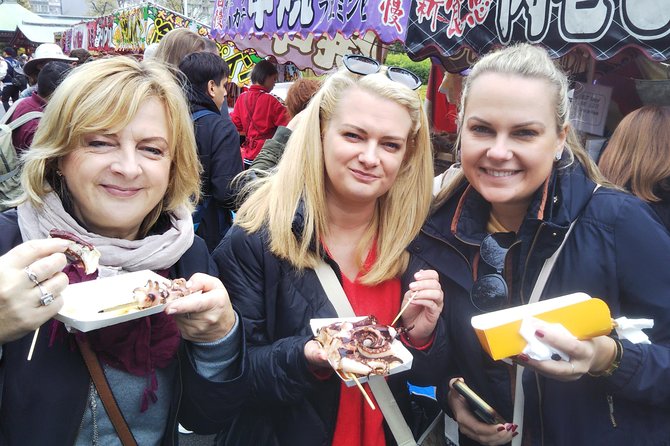
Asakusa is not exactly unknown, but you can explore it in a less standard way. Instead of limiting the visit to Sensoji Temple, use the guide to connect the area’s food, shopping, and entertainment districts.
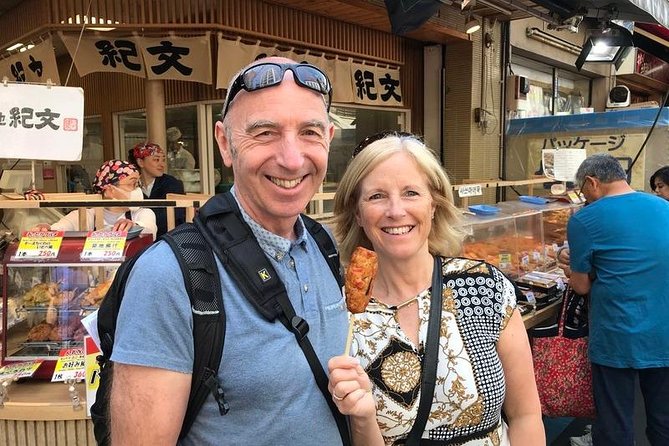
Kappabashi Street is the place for Japanese kitchen goods. Vendors sell knives, chopsticks, dishes, restaurant equipment, and other cooking supplies at fair prices. This is a practical stop if you want a useful souvenir, though knife purchases may require attention to airline and baggage rules that are not covered by the tour.
Asakusa Hanayashiki dates from 1853 and is one of Japan’s oldest amusement parks. It has about 25 attractions and offers a very different mood from the nearby temple grounds. Admission is extra, and it is best for families or anyone interested in old-fashioned amusement parks.
Asakusa Nishisando is a covered shopping street near Sensoji. Its unusual structure and traditional character make it a quick, easy addition to a temple-centered route. It does not require a separate ticket.
Tsukiji Fish Market is another possible choice. The description supplied for this tour gives no fixed food plan, so lunch remains your responsibility. One guide-led day included a seafood lunch and warm sake, but that should be understood as a past arrangement, not a guaranteed part of the booking.
The Asakusa and Tsukiji combination can work well for a first day because it mixes food, shopping, and major cultural sights. Still, Asakusa itself can take much of your six hours if you stop often. Tell your guide if you want time to browse rather than simply collect locations.
Gotokuji and the maneki-neko connection
Gotokuji Temple in Setagaya is associated with the origin of the maneki-neko, the raised-paw cat figurine thought to invite good fortune. The temple is a strong choice if you are interested in popular Japanese customs and want a specific story behind the site.
It is listed as a short visit of about 10 minutes and has no admission charge. That timing may be enough for a quick look, but you should ask whether the guide expects to spend longer there if the figurines and temple grounds are central to your interest.
Gotokuji is not close to every other choice on the menu. Pairing it with a nearby personal interest makes more sense than adding it to a route that already crosses the city. The guide’s job here is less about showing you a famous landmark and more about turning a small visit into a useful cultural explanation.
How the six hours really work
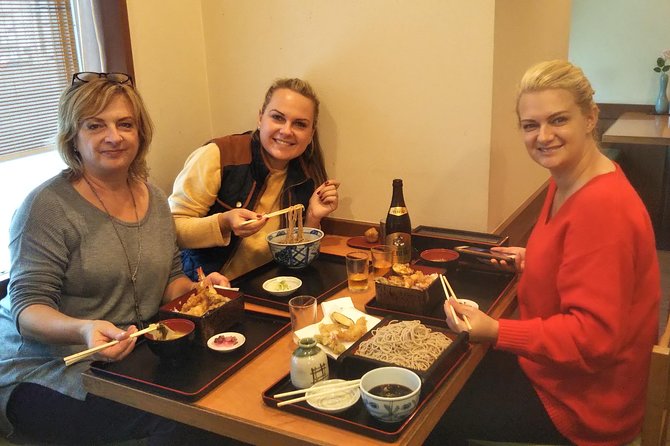
The tour lasts about six hours, but the clock includes movement between places. Tokyo’s rail system is fast yet complex, and stations can involve long walks, multiple levels, and confusing exits. The guide handles route planning, and several past customers valued the practical subway instruction as much as the sightseeing.
You should expect a walking day. The operator describes it as a walking tour, with pickup on foot. Wear comfortable shoes and avoid building a plan that requires crossing Tokyo several times.
Your guide may arrange a taxi or public transport. Those fares are extra, and there is no private vehicle included. Lunch and personal spending are also extra. Entrance costs apply at places such as SCAI The Bathhouse, Fukagawa Edo Museum, Fukagawa Fudodo, Kiyosumi Teien, Basho Memorial Museum, and Hanayashiki.
The private format means only your own group participates. That is useful for families, couples, and small groups with different energy levels. Group discounts are available, but you cannot combine separate tour groups.
Guide quality matters a great deal here. Past guide names associated with strong days include Yoshi, Tatsu, Hideki, Masa, Taka, Kris, and Michio. Their strengths included route planning, subway help, personal stories, patience with children, and willingness to adjust the final destination.
There have also been uneven experiences. One customer felt the guide walked too far ahead and gave too little explanation. Another found the pace too fast, while a separate complaint involved ending roughly an hour early after lunch was skipped. Confirm these points before you set off:
- Which three or four sites are the priority?
- How much time will you spend at each?
- Is lunch included in the schedule?
- What is the agreed finish time?
- Which transport fares and admissions should you budget for?
Is $155.22 per person good value?
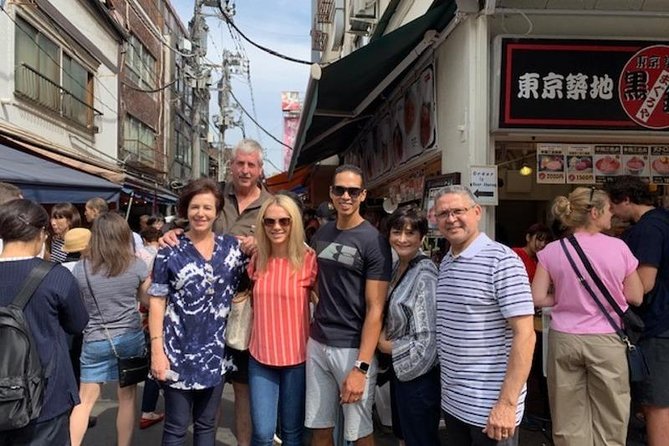
At $155.22 per person, this is not a cheap way to move around Tokyo. You are paying for private attention, local route planning, English-language guiding, and the freedom to build a day around your own interests.
The value improves for a small group that would otherwise struggle with Tokyo’s rail network or waste time connecting distant districts. It is also useful if you have already seen the standard sights and want a more personal day in neighborhoods such as Yanaka, Shibamata, or Fukagawa.
The value drops if you want a fixed, highly scripted tour with all expenses included. You still pay for trains or taxis, meals, and several entry fees. You also need to make your own choices, so the experience depends on how clearly you communicate your priorities.
The free cancellation policy allows a full refund when you cancel at least 24 hours before the start time. Changes or cancellations inside that window are not accepted for a refund.
Who should book this Tokyo day?
I would choose this tour for a first-time visitor who wants help with trains, a family that needs a flexible pace, or a repeat visitor seeking districts outside the standard circuit. It also suits anyone who prefers temples, gardens, small shopping streets, local history, and neighborhood walks over giant city views.
I would skip it if you dislike walking, want a private car, or prefer to see a long list of major attractions quickly. The tour is at its best when you select a few connected places and allow the guide to explain what you are seeing.
Should you book it?
Book it if you want a private, flexible introduction to less familiar Tokyo and are willing to pay extra for transport, food, and admissions. Start with one area, such as Yanaka and Nezu, Shibamata, or Fukagawa, rather than asking for four disconnected parts of the city.
Before booking, write down your top three interests and request a route that protects your walking time. If the guide matches your pace and explains the local setting, $155.22 can buy a useful, personal day that a standard sightseeing loop cannot provide.
FAQ
How long does the tour last?
The tour lasts approximately six hours.
How many places can I choose?
You can customize the experience by choosing three or four sites from the available options.
Where does the guide meet me?
The guide meets you on foot within a designated area of Tokyo. Hotel pickup can be arranged for ease.
Is transportation included?
No. Your guide can organize travel by taxi or public transport, but those transportation fees are extra.
Is a private vehicle provided?
No. A private vehicle is not included.
Are entrance fees included?
Guide entry fees are covered only for sights listed under the tour’s included expectations. Several attractions, including SCAI The Bathhouse, Fukagawa Edo Museum, Kiyosumi Teien, Basho Memorial Museum, and Hanayashiki, list admission as extra.
Is lunch included?
No. Lunch is not included, and personal expenses are extra.
Can I cancel for a full refund?
Yes. You can receive a full refund if you cancel at least 24 hours before the experience start time. Cancellations or changes made less than 24 hours ahead are not accepted for a refund.
Just added around Tokyo
- Tokyo 6hr Instagram Highlights Private Tour with Licensed Guide★ 5.0 · 38 reviews
- Tokyo Small Group Tour with Guide★ 4.5 · 38 reviews
- Tokyo Sumo Experience with Live Show & Audience Challenge★ 5.0 · 38 reviews
- Japanese Food Cooking Class in Asakusa, Tokyo★ 5.0 · 39 reviews
- Very popular in Harajuku♡Animal petting zoo★ 4.6 · 39 reviews
- Ramen Making from Scratch with Tokyo Mom(Vegan Option Available)★ 5.0 · 39 reviews
- Tokyo JDM Night: 600hp C63s AMG Edition 1 (Private)★ 4.9 · 39 reviews
- Tokyo: Kimono Rental inside Shinjuku Gyoen National Garden★ 4.9 · 39 reviews
Government-Licensed Guide Tours, compared.
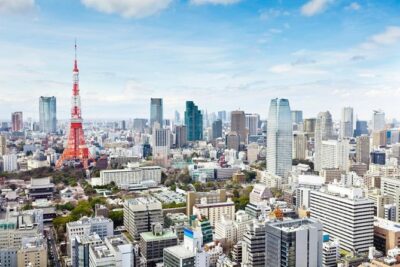
Tokyo 6hr Private Tour with Government-Licensed Guide
Read our review →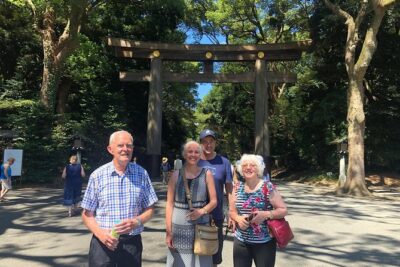
Tokyo 4hr Private Tour with Government-Licensed Guide
Read our review →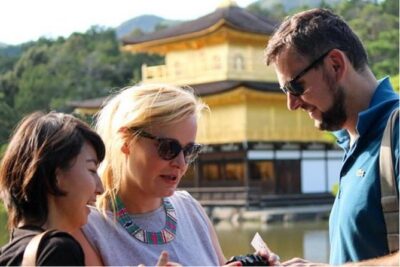
Kyoto 6hr Private Tour with Government-Licensed Guide
Read our review →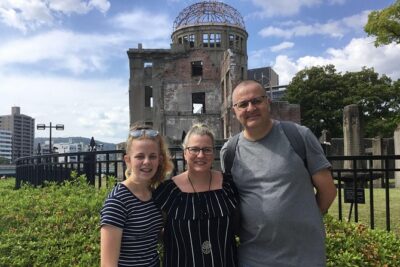
Hiroshima / Miyajima Full-day Private Tour with Government Licensed Guide
Read our review →
Kyoto 4hr Private Tour with Government-Licensed Guide
Read our review →
Hiroshima City 4hr Private Walking Tour with Licensed Guide
Read our review →
Private Kyoto Tour with Licensed Guide & Vehicle (Max 15 persons)
Read our review →Browse the lists this tour appears in