
Reviewed · COOKING CLASSES
Tokyo: Private Japanese Cooking Class with a Local Chef
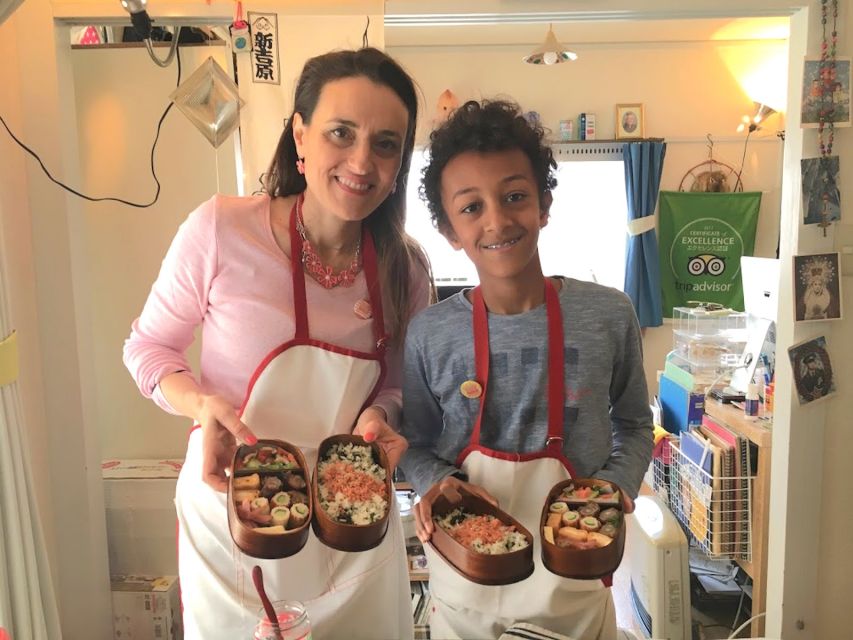
Good food opens Tokyo’s door. This private class with Chef Sato combines hands-on Japanese cooking, a home meal, and time in a real Shinjuku apartment. I especially like the seasonal menus and the friendly, personal teaching style. The main consideration is that the menu depends on the weekday, so you should check the schedule before booking if you have your heart set on ramen or gyoza.
You meet at the Shinjuku Station east exit police box, then walk to Sato’s apartment for a relaxed lesson in English. I also like the optional afternoon walk, which can take you through parts of Shinjuku and Nakano that you might not find on your own. The class is private, but the apartment setting means this is a personal home experience rather than a polished cooking school.
In This Review
- Key points to know before booking
- Meeting Chef Sato at Shinjuku Station
- Choosing the right weekday menu
- Cooking instead of simply watching
- From ingredients to a full Japanese meal
- What the home meal adds to the experience
- Adding the 1 PM to 3:30 PM local walk
- Is $120 per person good value?
- Who will enjoy this class most?
- Practical details that matter
- Should you book Chef Sato’s cooking class?
- FAQ
- Where does the cooking class meet?
- How long does the experience last?
- What time are the classes held?
- What food will I cook?
- Is the class taught in English?
- Is the afternoon walk included?
- What is included in the price?
Key points to know before booking
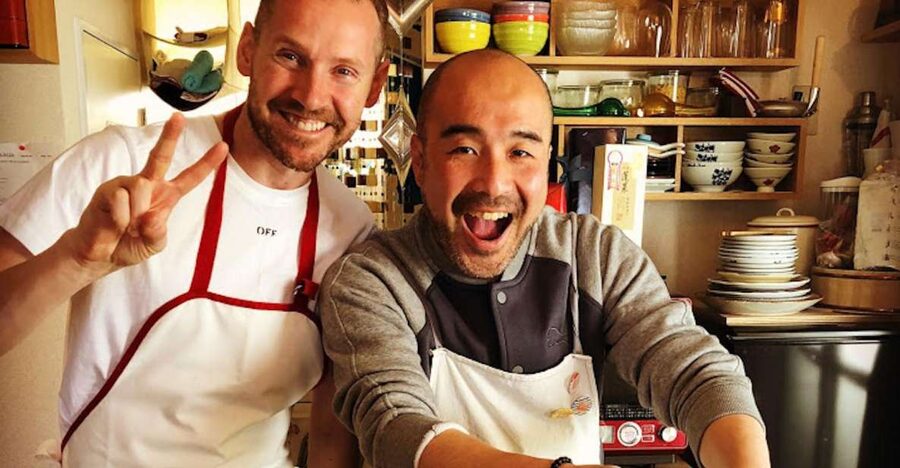
- Chef Sato teaches from family tradition: He learned traditional Japanese cooking from his parents from a very young age and shares the family background behind his food.
- The weekday controls the menu: Saturday through Tuesday focus on standard Japanese meals, while Wednesday through Friday feature popular dishes such as ramen, gyoza, curry rice, and okonomiyaki.
- You do the actual preparation: You chop, season, stuff, cook, and arrange the food instead of simply watching a demonstration.
- The meal uses seasonal ingredients: Seasonal cooking is presented as a basic principle of Japanese food, not just a decorative theme.
- The apartment setting feels personal: You are welcomed into Sato’s home for both the lesson and the meal.
- The morning class can lead into a local walk: From 1 PM to 3:30 PM, you can add a short trip to places in the area that are not usually found in guidebooks.
Meeting Chef Sato at Shinjuku Station
Your meeting point is the police box at the east exit of Shinjuku Station, listed at 3-38-38-1, Shinjuku, Shinjuku-ku, Tokyo, 160-0022. This gives you a clear public landmark rather than asking you to find a private apartment by yourself.
From there, Sato leads you to his apartment. The walk is part of the transition from famous Tokyo to ordinary Tokyo life. You are not heading into a restaurant kitchen or a school designed for tourists. You are going to a local home, where the cooking lesson takes place in a small, cute apartment.
That setting is a major part of the experience. Sato’s home has personal items and stories connected to his life and family, which gives the class a more intimate feel. Several people who booked the class described it as similar to being invited into a friend’s home. That is a useful way to picture it.
The tradeoff is simple: a home kitchen may feel less formal than a professional culinary studio. If you want restaurant-style equipment, a large work surface, or a highly structured chef demonstration, this may not be your ideal class. If you want conversation, participation, and a look at everyday Japanese cooking, the apartment is the point.
More Cooking Classes in Tokyo
- Ramen & Gyoza Cooking Class in Tokyo with Local Supermarket Visit
★ 5.0 · 823 reviews - Tokyo: Easy Ramen Cooking Experience in Kabukicho, Shinjuku
★ 4.6 · 321 reviews - Ramen and Sushi Cooking Class with Sake Pairing Set in Tokyo
★ 5.0 · 291 reviews
Choosing the right weekday menu
The menu changes according to the day of the week. This is important because the class is not one fixed recipe session.
From Saturday through Tuesday, the class follows a standard traditional meal format. You might prepare a teishoku, or set meal, with rice, a seasonal main dish, and two seasonal side dishes. Other possibilities include donburi, obento, tonjiru with rice, and rice balls.
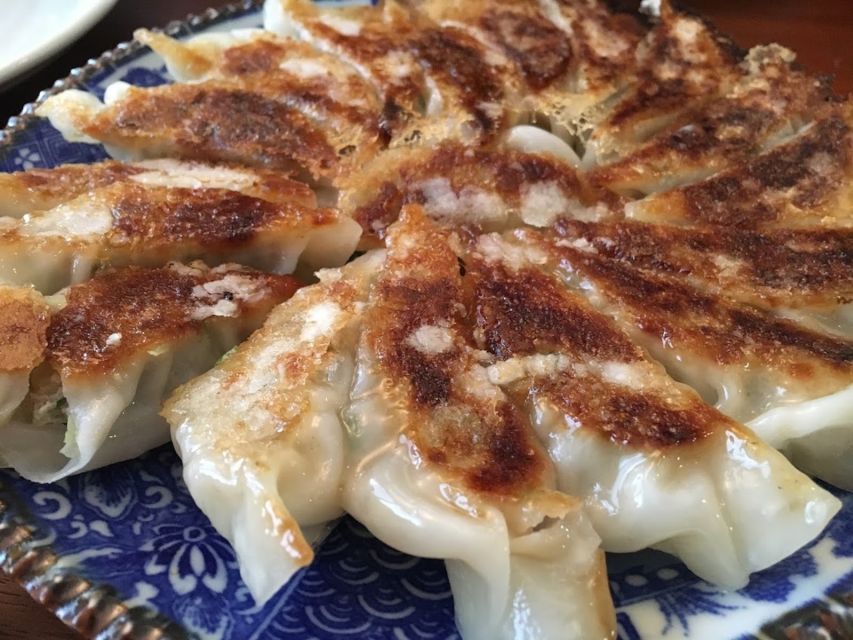
From Wednesday through Friday, the focus shifts to popular Japanese foods. Possible dishes include curry rice, okonomiyaki, gyoza, ramen, rice burgers, kara-age, and yakisoba. The popular-food days still include the idea of a complete meal, with rice or noodles, a main dish, and side dishes where appropriate.
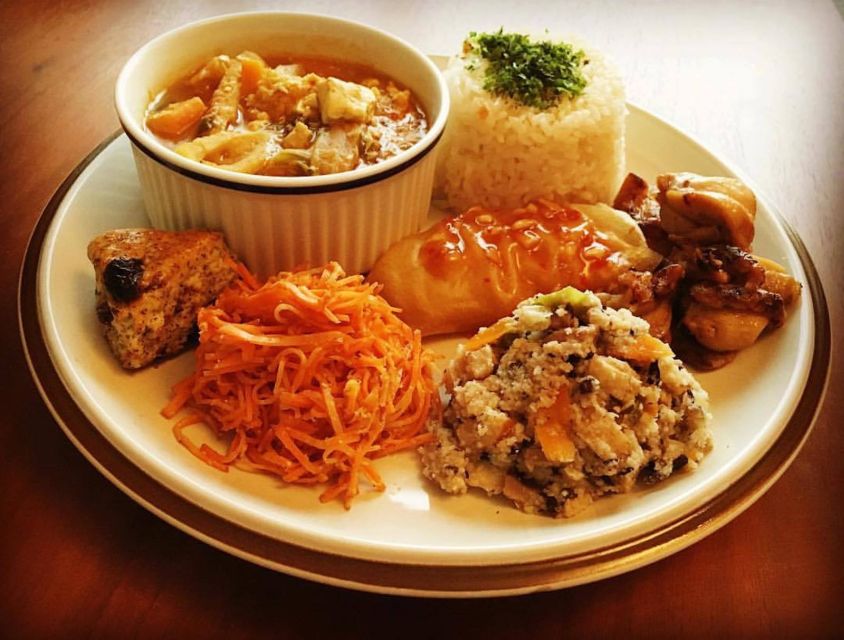
If you want ramen and gyoza, choose carefully. The class does not promise those dishes every day. Past menus have included miso ramen and gyoza made from scratch, katsu curry over rice, teriyaki chicken, miso soup, seasonal salads, stuffed fishcake, and vegetable appetizers.
Sato may also ask about food preferences before the class. One couple requested katsu curry, spring tofu salad, chikuwa vegetable appetizers, and a taste of his family’s homemade miso. This suggests that menu conversation can matter, though you should not assume every request can be accommodated.
Cooking instead of simply watching
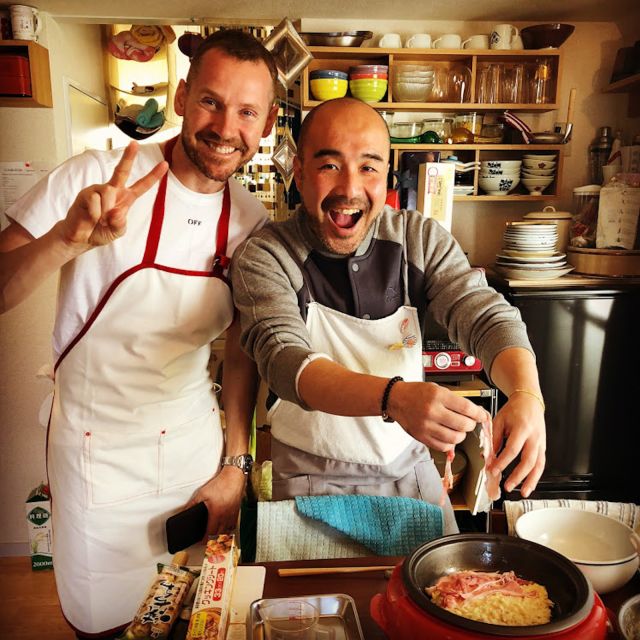
The strongest feature here is participation. You do not sit at a counter while someone prepares lunch for you. You help chop, season, prepare, cook, and arrange the dishes.
Sato explains ingredients and shows you how they are used in Japanese home cooking. The teaching is practical. One lesson included tips on cutting dark spots out of potatoes, while another covered how to present the finished dishes attractively. These are small details, but they are the kind you can use after returning home.
The class also gives you a clearer sense of how several Japanese foods fit together. A meal may include rice, soup, a main dish, and small side dishes rather than one large plate. Seasonal vegetables are not treated as an afterthought. They help determine what belongs on the table at that time of year.
Sato’s cooking background adds another layer. He learned traditional food from his parents from the age of two, and he talks about his family’s influence and the importance of cooking with the seasons. You are not just following a recipe. You are learning why certain ingredients, combinations, and presentation choices matter.
The class is taught in English. Sato’s English is described as excellent, and the lesson includes room for questions and conversation. That makes this a good choice for beginners and home cooks who want explanations rather than a fast, technical lesson.
From ingredients to a full Japanese meal
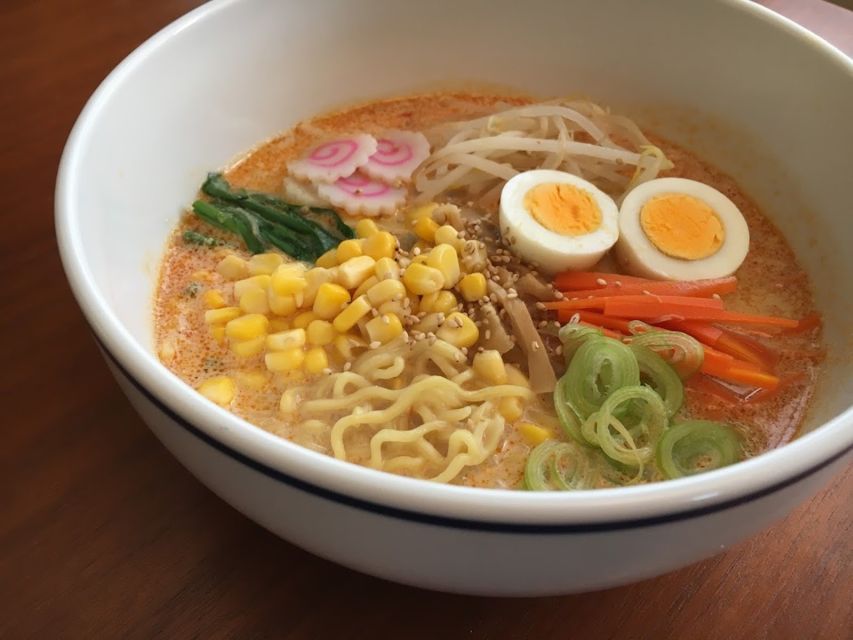
The exact meal depends on the day, but the examples give you a good idea of the range.
A ramen and gyoza session can teach you both a noodle dish and a filled dumpling in one sitting. That combination is especially appealing if you enjoy popular Japanese food and want recipes you can try at home. One class produced homemade miso ramen and gyoza from scratch, with the participants taking part in the preparation.
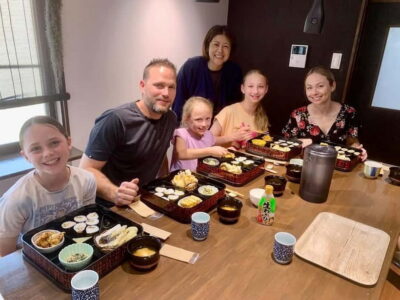
A traditional meal may feel more revealing than a single famous dish. You could work on rice, miso soup, teriyaki chicken, salad, and vegetable sides. One session included all of those elements and also focused on arranging the food attractively.
Katsu curry offers another angle. You learn a familiar Japanese comfort food while also preparing a tofu salad and small appetizer. Other possible meals include donburi, obento, tonjiru, rice balls, okonomiyaki, kara-age, and yakisoba.
The class includes the meal and a free drink of Japanese barley tea. After cooking, you sit down and eat what you helped prepare. This shared meal is not rushed into a restaurant bill or a separate dining reservation. It is the natural finish to the lesson.
I would not book this class expecting a professional chef qualification or a detailed study of every regional cuisine in Japan. The value is in learning a few useful dishes, understanding seasonal principles, and sharing food in a local home.
A completely different kind of day out in Tokyo:
- Mt Fuji and Hakone 1-Day Bus Tour Return by Bullet Train
★ 5.0 · 26,383 reviews - 1-Day Tokyo Bus Tour
★ 5.0 · 14,250 reviews - Tokyo: TOKYO SKYTREE® Admission ticket
★ 4.5 · 11,192 reviews - Tokyo: teamLab Planets TOKYO Digital Art Museum Entry Ticket
★ 4.6 · 9,779 reviews
What the home meal adds to the experience
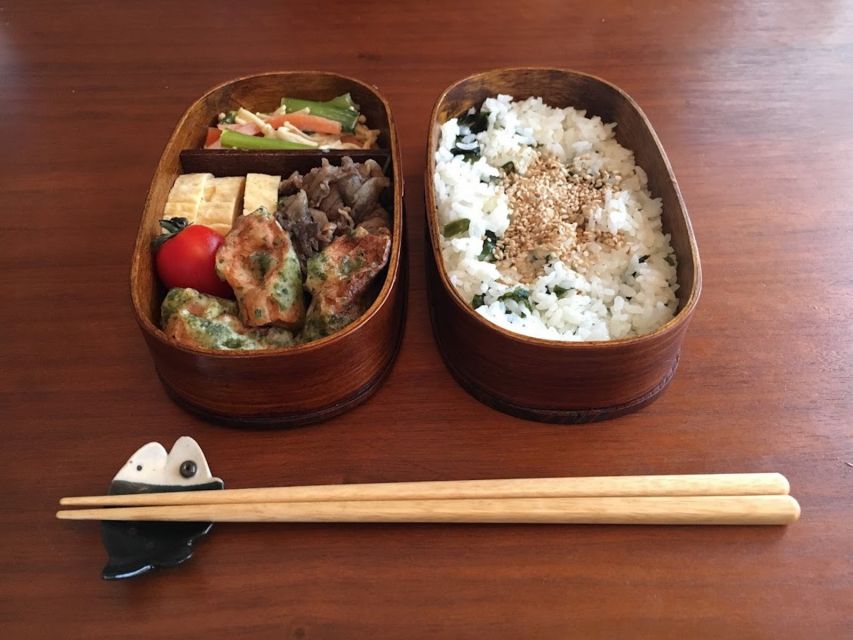
Tokyo is full of excellent restaurants, but restaurant dining rarely shows you how food is handled in an ordinary home. Here, you see the ingredients, preparation, cooking, and presentation before sitting down to eat.
That makes the meal feel personal. You may talk about Sato’s family, his life, your own home country, and your time in Japan. Past sessions included long conversations during the cooking and meal, with the atmosphere described as natural even though the participants had only just met.
Sato’s role matters as much as the recipes. He is patient with questions, encourages everyone to take part, and keeps the atmosphere relaxed. The lesson is not presented as a strict test. You can make mistakes, ask for clarification, and still enjoy the food.
This warmth is why the class works especially well for couples, families, and small private groups. It also suits people who like meeting local residents and hearing personal stories. The private format gives you more space for questions than a large group class would.
Still, the personal setting requires the right attitude. You are entering someone’s home, so this is not a drop-in food attraction. You should be comfortable with a quieter, more social experience and with following household instructions.
Adding the 1 PM to 3:30 PM local walk
The optional short trip runs every day after the morning class, from 1 PM to 3:30 PM. It is an extra part of the experience, not the main cooking session.
The walk can show you parts of the area that are easy to miss. Sato has taken people through Shinjuku and Nakano, pointing out places they would probably not have found alone. The supplied details do not name every stop, so you should think of this as a flexible local outing rather than a fixed sightseeing route.
That flexibility can be useful. After eating together, you can ask about the neighborhood and see Tokyo through Sato’s local knowledge. It also gives you a way to understand the area beyond major attractions and shopping streets.
There is one timing issue to watch. The morning class is listed from 10:30 AM to 1 PM, and the optional walk starts at 1 PM. The experience is also described as lasting three hours, or 270 minutes, while the class schedule itself covers two and a half hours. Confirm the exact timing when you book, especially if you have a reservation immediately afterward.
The optional walk is best for you if you enjoy unplanned discoveries and local conversation. If your Tokyo schedule is packed, the cooking class alone is the main event and should be enough.
Is $120 per person good value?
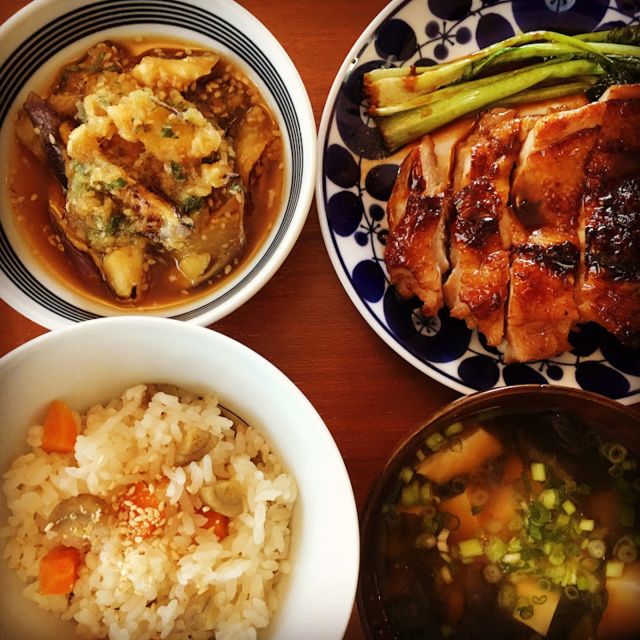
At $120 per person, this is not a cheap meal. You can eat many Japanese dishes for less, especially at casual restaurants. The price makes more sense when you count the private instruction, food, drink, home setting, and time with Sato.
You are receiving a three-hour experience rather than a plate of food. You help prepare several dishes, eat the finished meal, and learn techniques you can repeat at home. The personal stories and local walk add value that you would not get from ordering ramen at a restaurant.
The private group format is another reason the price can work for couples or small groups. You are not paying for a large production with many participants. You get direct attention and a chance to shape the conversation around your interests.
I would call it good value for people who care about food, culture, and personal contact. It is less appealing if you only want to eat famous Japanese dishes quickly or if you already have a full schedule of food tours.
Recipe handouts may be provided, as one class included them, but this is not clearly promised for every session. Treat the recipes as a possible bonus, not a guaranteed inclusion.
Who will enjoy this class most?
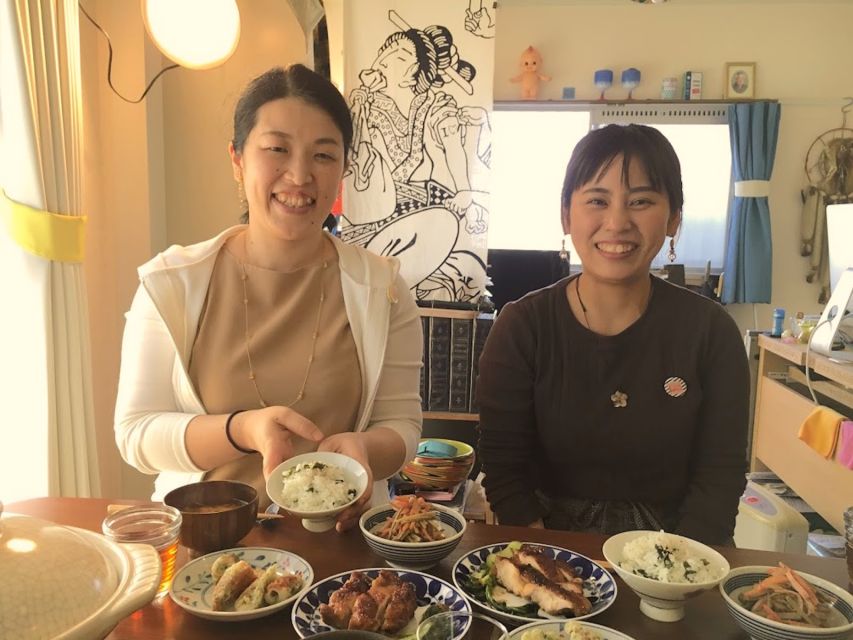
I would recommend this experience to:
- Beginners who want a calm introduction to Japanese cooking
- Home cooks looking for recipes they can recreate after Japan
- Couples wanting a private activity with plenty of conversation
- Families or small groups who enjoy preparing food together
- People interested in seasonal ingredients and Japanese meal structure
- Visitors who want to see ordinary Tokyo life beyond major sights
You should think twice if you dislike cooking, need a very formal classroom, or want to select one exact dish without checking the weekday menu. The apartment setting is intimate, so it suits people who appreciate a social home visit more than a large, polished attraction.
Food preferences should be discussed in advance. Sato has tailored menus when asked, but the published schedule remains the best guide to what you are likely to cook.
Practical details that matter
The class is available in the morning or evening. Morning sessions run from 10:30 AM to 1 PM, and evening sessions run from 6 PM to 8:30 PM. The optional short trip is available after the morning class, not after the evening session.
The meeting point is the Shinjuku Station east exit police box. Sato provides pickup at that meeting point, then leads you to the apartment.
English instruction is included, and the group is private. Meals and Japanese barley tea are included in the price.
You can cancel up to 24 hours ahead for a full refund, and you can reserve now and pay later. Those policies help if your Tokyo schedule is still shifting, though you should still verify the exact time and menu before finalizing your day.
The experience has a perfect 5 rating from 81 reviews, with especially strong praise for Sato’s warmth, patience, English, cooking ability, and personal stories. I would put the greatest weight on the repeated pattern: people enjoyed not only eating the food, but also feeling welcomed into his home and leaving with ideas to try in their own kitchens.
Should you book Chef Sato’s cooking class?
Yes, if you want a personal food experience rather than another restaurant meal. The strongest reasons are the home setting, hands-on preparation, seasonal cooking, and Sato’s ability to connect recipes with family and Japanese culture.
Book with care if you have a specific menu in mind. Check the weekday schedule, ask about food preferences, and confirm the class duration because the listed timing varies between two and a half and three hours.
For most food-loving visitors, $120 is justified by the private format and the amount of personal attention. Add the afternoon walk if you want extra time with Sato and a look at less obvious parts of Shinjuku and Nakano. Skip it if your schedule is tight. The cooking, meal, and conversation already make this one of Tokyo’s more personal food activities.
FAQ
Where does the cooking class meet?
You meet at the police box at the east exit of Shinjuku Station, listed at 3-38-38-1, Shinjuku, Shinjuku-ku, Tokyo, 160-0022, Japan.
How long does the experience last?
The experience is listed as three hours, or 270 minutes. The scheduled morning and evening cooking classes run for two and a half hours, so confirm the exact timing when booking.
What time are the classes held?
Morning classes run from 10:30 AM to 1 PM. Evening classes run from 6 PM to 8:30 PM.
What food will I cook?
The menu changes by weekday. Saturday through Tuesday focus on traditional meals such as teishoku, donburi, obento, tonjiru, and rice balls. Wednesday through Friday may include curry rice, okonomiyaki, gyoza, ramen, rice burgers, kara-age, and yakisoba.
Is the class taught in English?
Yes. The instructor is Chef Sato, and English is the listed class language.
Is the afternoon walk included?
An optional short trip takes place every day from 1 PM to 3:30 PM after the morning class. It visits local places that may not appear in guidebooks.
What is included in the price?
The price includes the meal, a free drink of Japanese barley tea, and pickup at the meeting point.
Just added around Tokyo
- Tokyo 6hr Instagram Highlights Private Tour with Licensed Guide★ 5.0 · 38 reviews
- Tokyo Small Group Tour with Guide★ 4.5 · 38 reviews
- Tokyo Sumo Experience with Live Show & Audience Challenge★ 5.0 · 38 reviews
- Very popular in Harajuku♡Animal petting zoo★ 4.6 · 39 reviews
- Japanese Food Cooking Class in Asakusa, Tokyo★ 5.0 · 39 reviews
- Ramen Making from Scratch with Tokyo Mom(Vegan Option Available)★ 5.0 · 39 reviews
- Tokyo: Kimono Rental inside Shinjuku Gyoen National Garden★ 4.9 · 39 reviews
- Tokyo JDM Night: 600hp C63s AMG Edition 1 (Private)★ 4.9 · 39 reviews
Cooking Classes, compared.
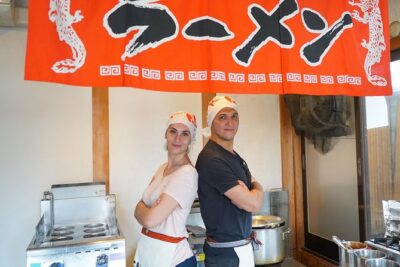
Ramen Cooking Class at Ramen Factory in Kyoto
Read our review →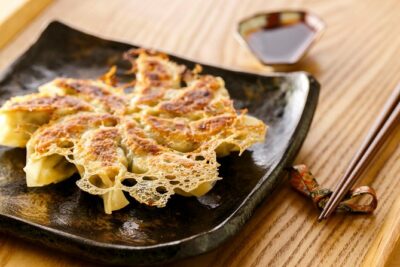
Ramen & Gyoza Cooking Class in Tokyo with Local Supermarket Visit
Read our review →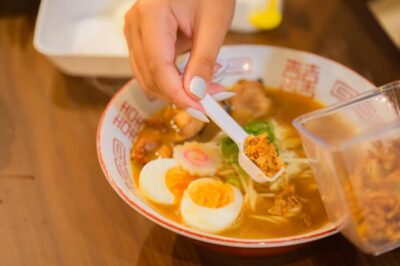
Ramen Cooking Class at a Ramen Factory with Souvenir
Read our review →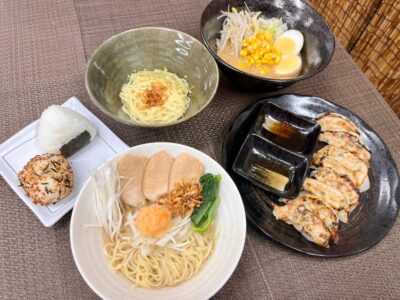
Japanese Washoku Bento Small Group Cooking Class
Read our review →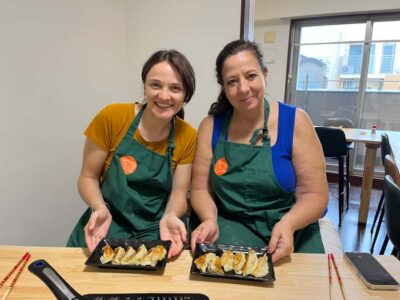
Easy Ramen Cooking Experience in Kabukicho, Shinjuku
Read our review →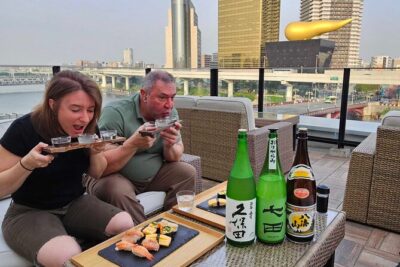
Ramen and Sushi Cooking Class with Sake Pairing Set in Tokyo
Read our review →Browse the lists this tour appears in