Reviewed · GUIDED
Tokyo: Private Tailored Tour with a Local Guide
Tokyo rewards a good first move. This private one-day tour gives you a local guide and a flexible route through major sights, old neighborhoods, and modern Tokyo. I like the personal format, especially if you want help choosing what matters to you instead of following a fixed bus route. I also like that the day can connect very different parts of the city, from Meiji Shrine to Nakano Broadway.
The main caution is value. At $63 per person, you still pay for subway travel, meals, drinks, and attraction fees. One particularly candid review found the price hard to justify when the guide mainly explained where to go and the group handled its own transport.
In This Review
- Key points at a glance
- Why this private Tokyo tour can be useful
- Starting from Harajuku or Asakusa
- Meiji Shrine and the wooded approach
- Harajuku, Takeshita Street, and Tokyo style
- Shibuya Crossing and the Hachiko statue
- Nakano Broadway and a different side of shopping
- Asakusa and Sensō-ji Temple
- Yanaka and the old shitamachi character
- Shinjuku views and Omoide Yokocho
- What the $63 price really includes
- Walking, comfort, and practical limits
- Who will get the most from this experience?
- Should you book this Tokyo day?
- FAQ
- Where does the private Tokyo tour start?
- How long does the experience last?
- Is the tour private?
- Which languages are available?
- Are transportation costs included?
- What should I bring?
- Is the tour suitable for wheelchair users?
Key points at a glance
- A private day built around your interests: The guide can adjust the experience to your preferences instead of leading a large group.
- Tokyo’s biggest contrasts in one outing: You can see Shibuya Crossing, Meiji Shrine, Sensō-ji Temple, Yanaka, Harajuku, Shinjuku, and Nakano Broadway.
- A useful first-day option: The tour can help you understand Tokyo’s rail system and decide which areas deserve more of your time.
- Walking is a major part of the day: Comfortable shoes, water, and weather-ready clothing are essential.
- A personal guide can make the difference: Feedback praises Marleen, Tassilo, Isaac, and other guides for warmth, care, and clear explanations, though guide experience may vary.
- Private does not mean all-inclusive: Transportation, food, drinks, and entrance fees are extra.
Why this private Tokyo tour can be useful
Tokyo is too large to understand from a single district. You can spend a morning at a Shinto shrine, cross a street with hundreds of people, eat or shop around a department-store district, and end the day among old wooden homes and small galleries. This tour tries to give you that broad picture in one day.
I see its best use as an orientation day. If you have just arrived and want to get your bearings fast, a local guide can help connect the neighborhoods on a map and explain how they differ. You can also ask for a focus on food, history, fashion, shopping, photography, or everyday city life, although the supplied details do not promise a specialist guide in any one subject.
The private format matters for families, couples, and small groups with different energy levels. You can ask for more time at a shrine, less time shopping, or extra help using public transport. The experience is offered in English, German, Italian, Spanish, and French.
There is also a practical limit. The listed day includes many areas spread across Tokyo. Since subway costs are not included and the route involves substantial walking, you should ask how much of the suggested program can realistically fit into your available starting time.
A few more Tokyo experiences worth weighing up
- Mt Fuji and Hakone 1-Day Bus Tour Return by Bullet Train
★ 5.0 · 26,383 reviews - 1-Day Tokyo Bus Tour
★ 5.0 · 14,250 reviews - Tokyo: TOKYO SKYTREE® Admission ticket
★ 4.5 · 11,192 reviews
Starting from Harajuku or Asakusa
You can arrange pickup from Asakusa Station or Harajuku Station. If hotel pickup is not wanted, Harajuku Station is one meeting choice, while Asakusa Station is the other stated option.
That gives you two useful starting points. Harajuku places you near Meiji Shrine, Takeshita Street, and Shibuya. Asakusa starts you near Sensō-ji Temple and the older side of Tokyo. I would choose the meeting point closest to your hotel or the area you most want to see first, since avoiding an unnecessary cross-city trip can save time.
The route is not presented as a chauffeured tour. You pay your own transport costs, and the guide helps you move between districts by public transit. One positive piece of feedback specifically praised a guide for showing how to use Tokyo’s public transportation. That can be worth a great deal on a first visit, but it also means you should budget for fares and expect to walk between stations and sights.
Meiji Shrine and the wooded approach
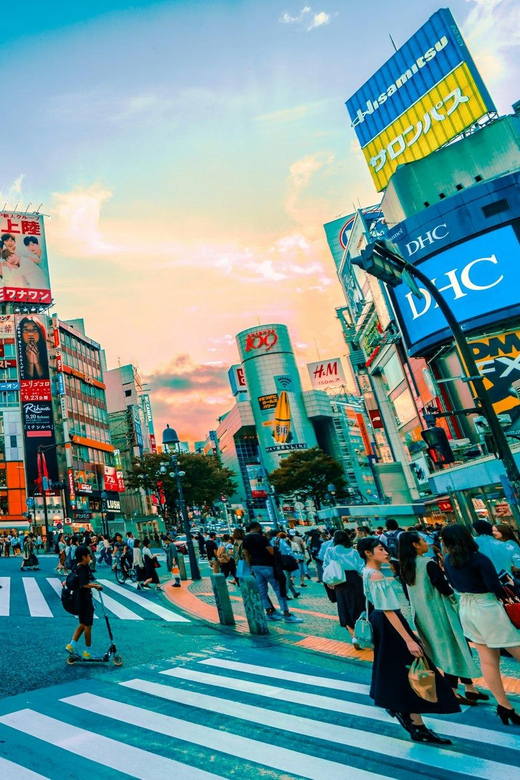
Meiji Jingu offers a calm opening to a busy Tokyo day. The shrine honors Emperor Meiji and Empress Shoken, and you walk along broad, well-used paths to reach the main sanctuary.
The contrast is the point. Harajuku sits nearby, yet the shrine approach feels removed from the surrounding city. Your guide can explain the Shinto setting and help you understand the customs around the sanctuary. The visit is more about atmosphere, ritual, and space than checking off a single monument.
Plan for walking from the entrance paths to the shrine area. The information provided describes the paths as well-worn, but it also warns that the activity may not suit people with mobility impairments. If you need a particular route or level of assistance, ask before booking rather than relying on the general accessibility label.
Harajuku, Takeshita Street, and Tokyo style
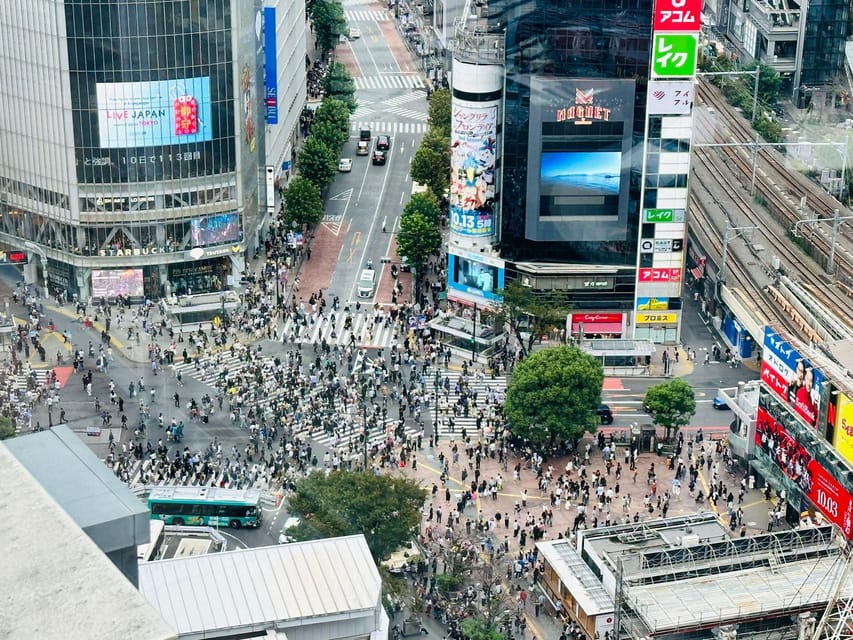
Harajuku changes the mood quickly. Takeshita Street is known for youth fashion, sweets, unusual clothing, and colorful street style. It is a lively place to see how Tokyo turns shopping into entertainment.
I like this stop because it gives you a look at a side of Tokyo that a temple visit cannot provide. Your guide can point out local places and explain the area rather than leaving you to wander without context. The exact shops and stops depend on your interests, so you should tell the guide if you care more about fashion, snacks, people-watching, or quieter side streets.
Takeshita Street can also feel crowded and intense. You may have less room to walk at your own pace, and personal purchases are not included. Keep your expectations practical: this is an urban shopping street, not a museum visit.
A completely different kind of day out in Tokyo:
- Tokyo: teamLab Planets TOKYO Digital Art Museum Entry Ticket
★ 4.6 · 9,779 reviews - Mt Fuji & Hakone Cruise, Drum Show Bullet Train 1 Day from Tokyo
★ 4.0 · 7,413 reviews - Tokyo: Sumo Show Experience with Chicken Hot Pot and a Photo
★ 4.8 · 6,678 reviews - Tokyo: Shinjuku Food Tour (13 Dishes at 4 Local Eateries)
★ 5.0 · 6,603 reviews
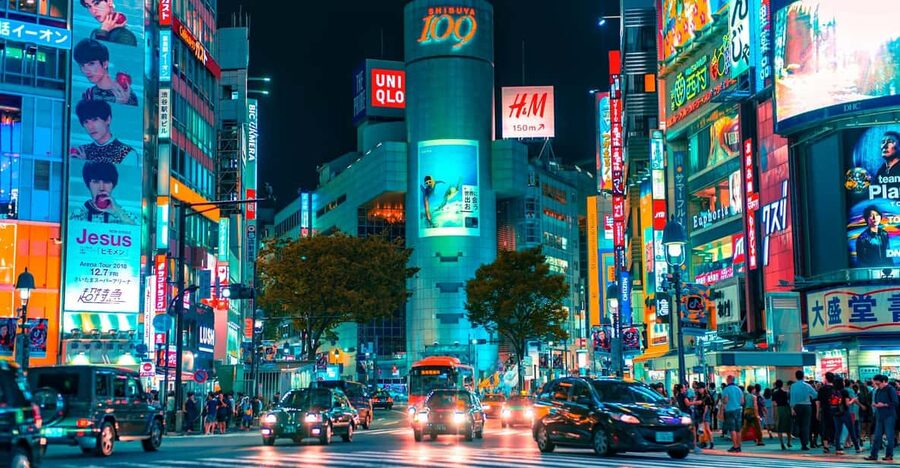
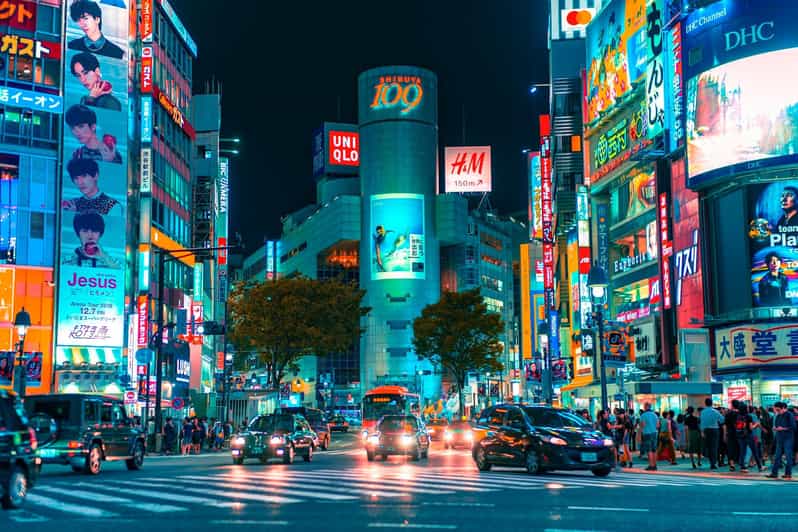
Shibuya Crossing and the Hachiko statue
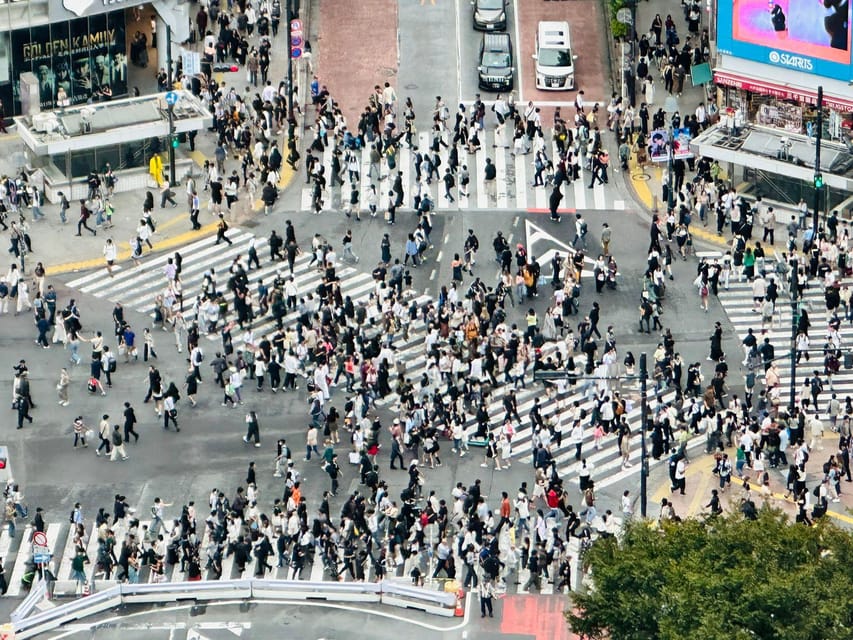
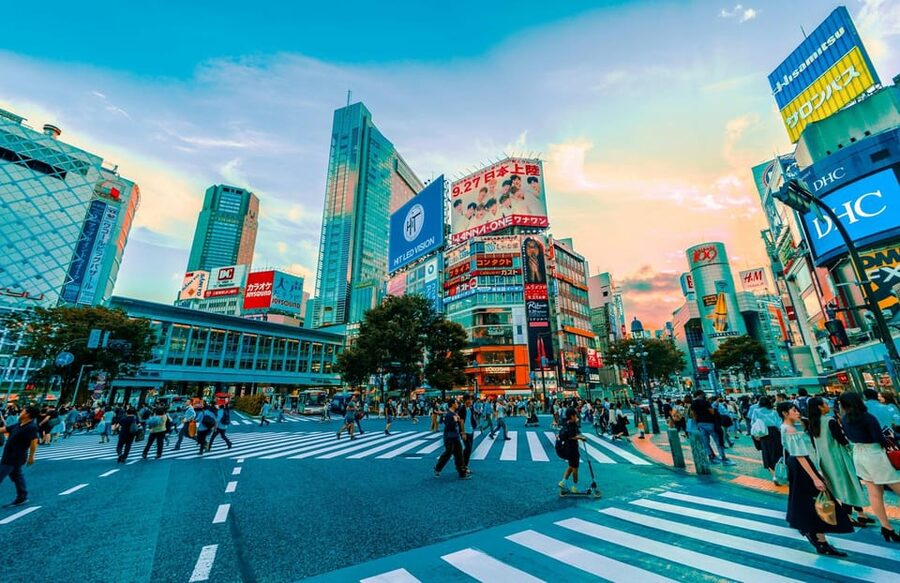
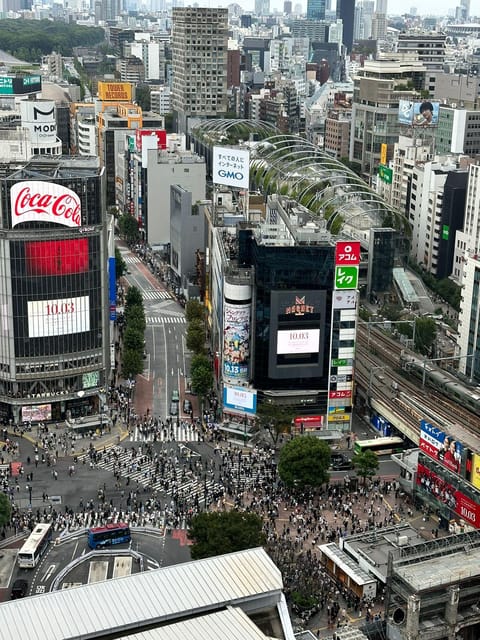
Shibuya gives you Tokyo at full speed. The famous crossing is the headline attraction, but the surrounding area also helps you see how the city handles crowds, signs, shopping, and public space.
The Hachiko statue is included along the way. Its location near the crossing makes it an easy pairing, and your guide can provide context before you join the flow of people at the intersection.
This is a good stop for first-time visitors because the scene is instantly recognizable. It is also a place where a guide’s role may be fairly light if you mainly want to take photos and watch the crossing. I would value the guide most here for helping you orient yourself and connecting Shibuya to the other districts on the day.
Nakano Broadway and a different side of shopping
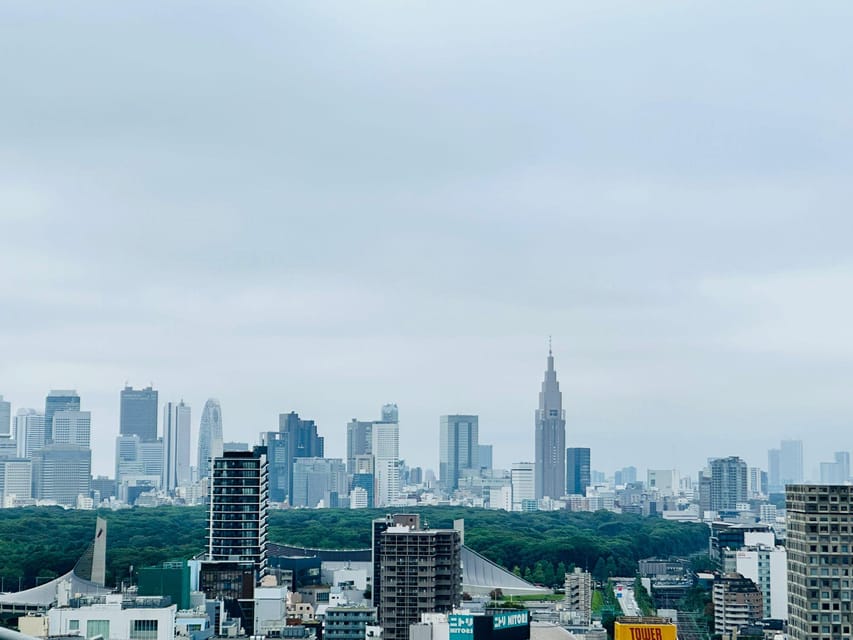
Nakano Broadway takes the tour away from Tokyo’s best-known center. The area is associated with distinctive shopping and gives you a different look at the city than Harajuku’s youth fashion streets or Shibuya’s large commercial blocks.
The supplied details do not specify particular stores, collections, or purchases, so you should treat this as a flexible stop. If you like browsing unusual shops, pop culture, or local commercial streets, tell your guide in advance. If shopping is not important to you, ask whether this stop can be shortened in favor of more time in Yanaka or Asakusa.
That flexibility is one of the strongest reasons to book privately. A fixed group tour may spend a set amount of time here. With this experience, the usefulness depends on how clearly you communicate your interests.
Asakusa and Sensō-ji Temple
Asakusa brings you into old Tokyo. Sensō-ji Temple is the major draw, with its famous red lanterns and long-established religious setting. The visit includes guided time and walking around the temple area.
A good guide should help you see more than the entrance and the main hall. The experience promises explanations about Sensō-ji and the surrounding area, along with help finding less obvious places nearby. I like that combination because Asakusa works best when you slow down enough to notice its streets and traditional feel.
Expect other people around the temple. This is one of Tokyo’s best-known sights, so it is not a quiet private visit. The guide can give the setting meaning, but the temple itself does not require an admission fee according to the supplied information. You should still carry cash for personal expenses because not every place accepts cards.
Yanaka and the old shitamachi character
Yanaka is the most appealing stop for anyone who wants a gentler view of Tokyo. The neighborhood keeps a traditional shitamachi character, with a strong sense of old Tokyo and a warm community feel.
The experience focuses on small shops, galleries, and local corners. Unlike the major sights, Yanaka is less about one famous structure and more about the way the neighborhood fits together. You can ask your guide to point out places that are easy to miss and to explain how the area differs from modern districts such as Shibuya and Shinjuku.
I would give this stop real weight when choosing the tour. Tokyo’s famous crossings and shrines are easy to find on your own. A local guide is more useful in a neighborhood where the appeal comes from details, side streets, and context.
Shinjuku views and Omoide Yokocho
The day also includes Shinjuku, with a visit to the Metropolitan Government Building for city views and time around Omoide Yokocho. The government building is a useful high point, while Omoide Yokocho offers a nostalgic Showa-era mood associated with old Japan.
These two stops make a strong pair. From above, you get a sense of Tokyo’s vast scale. At street level, Omoide Yokocho presents a much tighter, older-feeling setting. The information does not state that a paid observation deck or meal is included, so confirm any entrance costs and food plans with the guide.
The number of districts covered means you should not expect long, unhurried visits everywhere. The tour is trying to show you Tokyo’s range. If you would rather spend a whole day in one or two areas, request a narrower plan before the meeting.
What the $63 price really includes
The price is $63 per person for a private, customized experience lasting one day. That is a reasonable starting price if your group values personal attention and wants help building a route across Tokyo.
You are paying for the guide’s time, planning, and company, not for a package of admissions or transport. Meals, drinks, subway fares, and entrance fees are excluded. Since the day crosses several districts, those extra costs matter more than they would on a short neighborhood walk.
I would judge the price this way:
- Good value: You want a private guide, need help with Tokyo’s public transport, and will actively ask questions and adjust the route.
- Mixed value: You already know the subway system and mainly want someone to point out famous sights.
- Less suitable: You want included transport, a fixed schedule, or a tour with guaranteed specialist commentary at every stop.
The feedback is mostly strong, with an overall rating of 4.6 from 55 reviews. Praise centers on personal attention, clear explanations, warmth, and flexibility. Marleen was praised for arranging a very individual tour and making contact before the day. Tassilo was described as warm and approachable, while Isaac received praise for being attentive and passionate.
There is one useful warning in the feedback. A guide who had only recently arrived in Japan was friendly and polite but less sure how to shape the day. That tells me you should send your interests in advance and ask what the guide plans to cover. A little preparation can make a private tour much better.
Walking, comfort, and practical limits
Wear comfortable walking shoes. The program includes shrine paths, temple grounds, station transfers, shopping streets, and neighborhood walks. You should also bring a refillable water bottle and clothing suited to the weather.
Carry cash for personal spending. Some places may not accept credit cards, and food, drinks, shopping, and transport are your responsibility.
The activity information contains mixed accessibility guidance. It says the experience is wheelchair accessible, but it also lists wheelchair users and people with mobility impairments as unsuitable. That contradiction needs direct clarification before you reserve. The same warning lists pregnant women as unsuitable.
Cancellation is flexible, with a full refund available if you cancel at least 24 hours ahead. You can also reserve and pay later, which helps if your Tokyo schedule is still changing.
Who will get the most from this experience?
I would recommend it most to first-time Tokyo visitors who want a broad introduction without joining a large group. It also suits people who enjoy asking questions, changing plans, and seeing both major sights and less obvious neighborhoods.
Families and private groups may appreciate the ability to set their own priorities. A person interested in fashion can give more attention to Harajuku and Takeshita Street. Someone drawn to temples and older Tokyo can request more time around Asakusa and Yanaka.
I would be more cautious if you are an independent city expert. You can visit Shibuya Crossing, Meiji Shrine, Sensō-ji, and many other stops on your own. In that case, the tour only earns its price if the guide provides useful context, helps with transport, and creates a route you could not easily organize yourself.
Should you book this Tokyo day?
Book it if you want a private orientation to Tokyo with room to shape the day around your interests. The strongest parts are the variety of districts, the chance to learn public transport, and the personal attention praised in comments about Marleen, Tassilo, and Isaac.
Before paying, send the guide a short list of priorities and ask how the many stops will fit into one day. Confirm the accessibility issue, clarify which attractions require fees, and budget separately for trains and meals. If you do that, this can be a useful and friendly introduction to Tokyo. If you want an all-inclusive tour or a slow visit to just one area, choose something more focused.
FAQ
Where does the private Tokyo tour start?
Pickup options are Asakusa Station and Harajuku Station. A meeting at Harajuku Station can be arranged if you do not want hotel pickup. The information also states that pickup can be arranged at Asakusa Station.
How long does the experience last?
The experience is valid for one day. Starting times depend on availability.
Is the tour private?
Yes. It is offered as a private group experience with a local guide and a customized plan.
Which languages are available?
Guides are available in English, German, Italian, Spanish, and French.
Are transportation costs included?
No. You pay transportation costs separately. Meals, drinks, and entrance fees are also not included.
What should I bring?
Wear comfortable walking shoes, bring a refillable water bottle, and dress for the weather. Cash is recommended for personal expenses because some places may not accept credit cards.
Is the tour suitable for wheelchair users?
The information is inconsistent. It describes the activity as wheelchair accessible but also lists wheelchair users and people with mobility impairments as unsuitable. Contact the provider to confirm your specific needs before booking.
Just added around Tokyo
- Tokyo 6hr Instagram Highlights Private Tour with Licensed Guide★ 5.0 · 38 reviews
- Tokyo Small Group Tour with Guide★ 4.5 · 38 reviews
- Tokyo Sumo Experience with Live Show & Audience Challenge★ 5.0 · 38 reviews
- Japanese Food Cooking Class in Asakusa, Tokyo★ 5.0 · 39 reviews
- Very popular in Harajuku♡Animal petting zoo★ 4.6 · 39 reviews
- Ramen Making from Scratch with Tokyo Mom(Vegan Option Available)★ 5.0 · 39 reviews
- Tokyo JDM Night: 600hp C63s AMG Edition 1 (Private)★ 4.9 · 39 reviews
- Tokyo: Kimono Rental inside Shinjuku Gyoen National Garden★ 4.9 · 39 reviews
Guided, compared.
Tokyo 6hr Private Tour with Government-Licensed Guide
Read our review →
Shinjuku Local Bar and Izakaya Guided Walking Tour
Read our review →
Private City Highlights Tour with Local Guide
Read our review →
Kyoto Early Morning Tour with English-Speaking Guide
Read our review →
Tokyo 4hr Private Tour with Government-Licensed Guide
Read our review →
Kyoto 6hr Private Tour with Government-Licensed Guide
Read our review →