
Reviewed · SUSHI-MAKING CLASSES
Tokyo: Sushi Making Class
Sushi gets easier when someone shows you how. This three-hour class in Tokyo’s Shinjuku area combines hands-on cooking with clear lessons on Japanese ingredients, sushi rice, miso soup, and several sushi styles. I like the small class size, limited to nine people, and the warm English-speaking instructors who give beginners plenty of help. The main consideration is that the fish arrives pre-sliced, so you will not learn how to cut raw fish.
You will make a surprisingly large meal: nigiri, inari, hosomaki, California rolls, tamagoyaki, and miso soup. I also like that the class includes recipes, an apron, a towel, all ingredients, and all utensils. At $67, it costs more than a quick sushi lesson, but the three-hour format, small group, cultural background, and full meal make it a strong value for families, couples, and food lovers.
In This Review
- Key things to know before you book
- A local-style cooking afternoon in Shinjuku
- Starting with dashi, seasonings, and miso soup
- Making tamagoyaki without panic
- The real lesson is sushi rice
- Four sushi styles, four different techniques
- A calm, well-supported class for beginners
- Dietary needs are handled in advance
- Is $67 a fair price?
- Who will enjoy this class most?
- Cancellation and booking details
- FAQ
- How long does the Tokyo sushi class last?
- What sushi will I learn to make?
- Is the class taught in English?
- Does the class teach how to cut raw fish?
- Can dietary requirements be accommodated?
- What is included in the $67 price?
- Should you book Cooking Sun Tokyo?
Key things to know before you book
- You make four kinds of sushi: Practice hand-pressed nigiri, sweet tofu pouch inari, thin hosomaki rolls, and California rolls.
- The class teaches sushi rice properly: Rice preparation receives careful attention, which is often the difference between tidy sushi and a sticky kitchen mystery.
- You also prepare tamagoyaki and miso soup: This is more than a rolling lesson, giving you a wider taste of Japanese home cooking.
- The group is small: With no more than nine participants, instructors can correct your technique and answer questions.
- Dietary substitutions are available: Tell the provider about allergies, gluten-free needs, vegetarian preferences, or religious restrictions when booking.
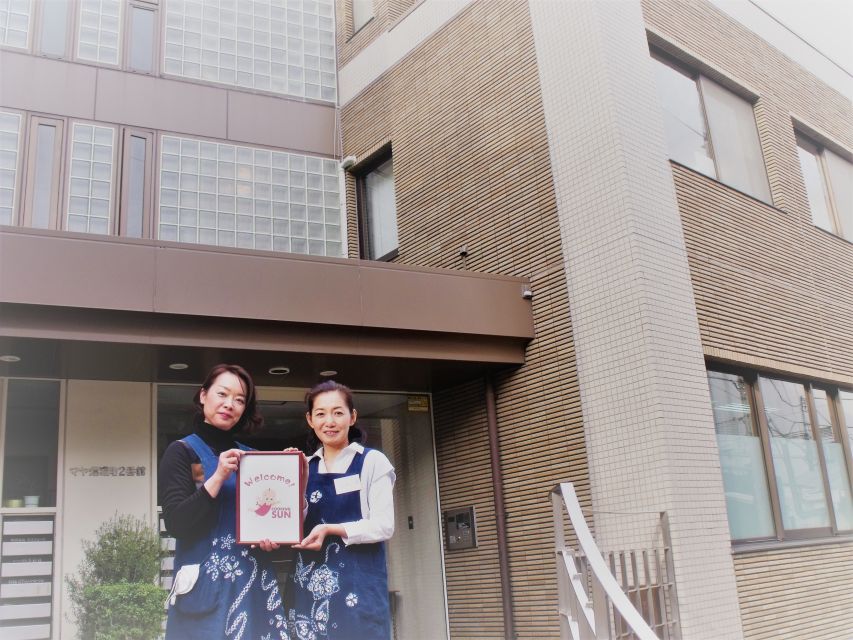
- The studio takes some finding: It is on the second floor of a beige residential building, with the right entrance door and intercom number 314.
A local-style cooking afternoon in Shinjuku
This class takes place at Cooking Sun Tokyo, in a residential part of Shinjuku at Shinanomachi 18-39. That setting matters. You are not being rushed through a display kitchen in a busy sightseeing district. You are heading into a quieter neighborhood, entering a working cooking studio, and spending an afternoon with local instructors.
The studio can be tricky to identify at first. It is on the second floor of a beige residential building. At the entrance, you will see two doors. Use the door on the right, then press 314 on the intercom to call the studio.
If you have mobile data or Wi-Fi, search Google Maps for Cooking Sun Tokyo. If you do not, prepare the route before leaving your hotel. The detailed directions are worth checking in advance, since a few extra minutes spent searching can make an otherwise relaxed class feel hurried.
The activity lasts three hours, although one participant described spending about three and a half hours there. Starting times vary, so check availability when you book. There is no hotel pickup or transportation, and a private driver should not wait outside the building. If you arrive by car, the driver should use a nearby coin-operated parking lot.
More Sushi-Making Classes in Tokyo
- Sushi Making Tokyo Roll and Authentic Japanese Sushi Class
★ 5.0 · 3,971 reviews - Tokyo: Roll and Authentic Sushi Making Class in Asakusa
★ 4.9 · 1,957 reviews - Make Sushi and Create Unforgettable Memories in Tokyo
★ 5.0 · 1,413 reviews
Starting with dashi, seasonings, and miso soup
The class begins with an introduction to Japanese ingredients and everyday flavors. You learn about dashi, the soup stock that gives many Japanese dishes their savory base, along with traditional seasonings and the role of miso.
This opening is useful because it gives the food some context before you start assembling it. Sushi can look simple on the plate, but its flavor depends on small details: balanced rice seasoning, good ingredients, careful handling, and the right amount of topping. Learning about dashi and miso also makes the class broader than a single sushi recipe.
You prepare miso soup as part of the meal. It is a modest dish, but it helps show how Japanese cooking builds flavor without relying on heavy sauces. You then eat it alongside the sushi you make, so the class finishes as a proper meal rather than a series of disconnected samples.
The cultural information is one of the class’s most praised features. Instructors add background about Japanese food traditions, dish origins, and even some language points while you work. That makes the afternoon useful for you if you want more than a recipe to take home.
Making tamagoyaki without panic
Next comes tamagoyaki, the fluffy Japanese rolled omelet. The instructors demonstrate the process step by step, then let you try it yourself.
Tamagoyaki looks neat when finished, but the rolling process can seem fussy if you have never made it. That is where this class earns its beginner-friendly reputation. You see the method first, then repeat it with help nearby. If your omelet is not perfect on the first attempt, the point is to learn the movement and texture, not to produce a television-ready rectangle.
This part also adds variety. You are not spending three hours doing only one type of sushi roll. You work with a cooked egg dish, soup, seasoned rice, seafood toppings, tofu pouches, and seaweed. That variety keeps the class active and gives you techniques you can use in other Japanese meals.
The real lesson is sushi rice
The class places special attention on preparing sushi rice. That is good news, because rice is the foundation of nearly everything you make afterward.
You learn how to prepare the rice and handle it for different sushi styles. The technique changes depending on what you are making. Nigiri needs rice that can be shaped gently by hand. Hosomaki needs rice spread evenly over seaweed. California rolls require enough structure to hold their shape without becoming dense.
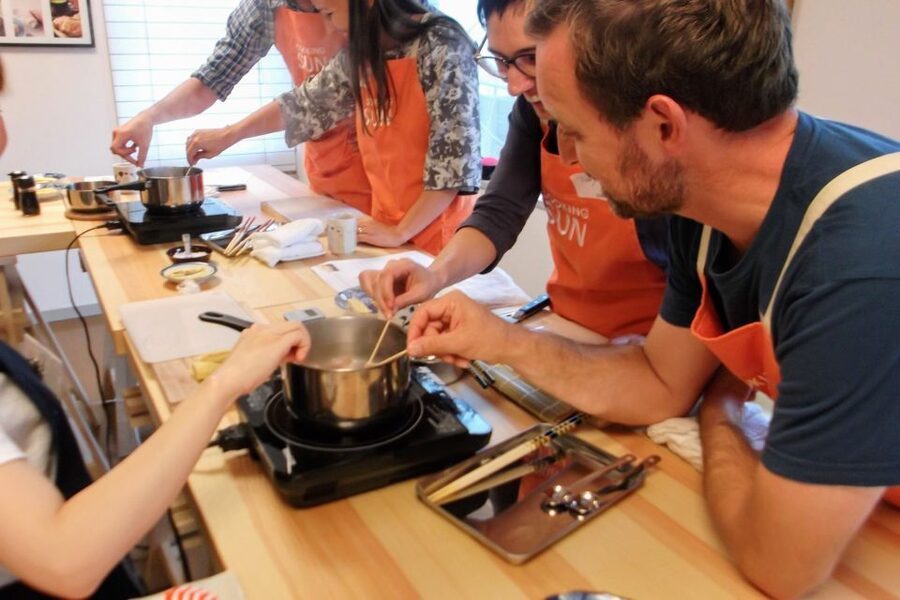
You watch demonstrations before trying the steps yourself. The instructors then move around the small group, offering corrections and help. This approach works for mixed ability levels. If you cook often, you can focus on the finer points of handling and shaping. If you rarely cook, you get a clear path through each stage rather than being left to guess.
Several people who had already made sushi at home still found useful new tips here. That tells me the class is not only for complete beginners. You will not leave as a professional sushi chef, but you should understand why your home rolls sometimes split, sag, or turn into rice-heavy blocks.
A completely different kind of day out in Tokyo:
- Mt Fuji and Hakone 1-Day Bus Tour Return by Bullet Train
★ 5.0 · 26,383 reviews - 1-Day Tokyo Bus Tour
★ 5.0 · 14,250 reviews - Tokyo: TOKYO SKYTREE® Admission ticket
★ 4.5 · 11,192 reviews - Tokyo: teamLab Planets TOKYO Digital Art Museum Entry Ticket
★ 4.6 · 9,779 reviews
Four sushi styles, four different techniques
Once the rice and toppings are ready, you make the main sushi selection. The class covers four forms:
- Nigiri: You shape sushi rice by hand and place a topping on it.
- Inari: You fill a sweet tofu pouch with sushi rice.
- Hosomaki: You make a thin rolled sushi using seaweed and a compact filling.
- California roll: You practice a wider roll with a different structure and presentation.
This range is a major strength. Nigiri teaches control and light handling. Inari is more forgiving and brings a sweet contrast to the meal. Hosomaki teaches even filling and firm rolling. California rolls give you another format and a chance to be more creative.
The class encourages you to try your own ideas after learning the basics. That balance is sensible. First you learn the standard method, then you can experiment with local ingredients and combinations. You get both a reliable starting point and room to play.
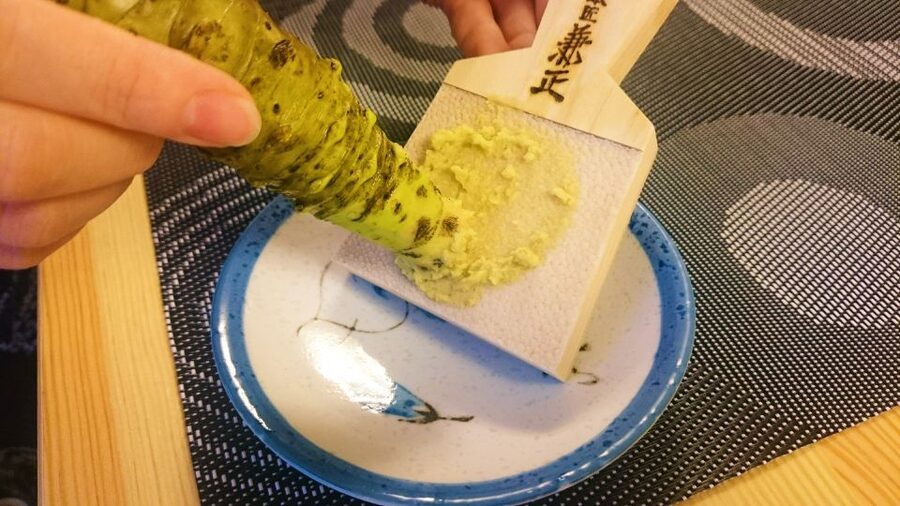
Fresh wasabi and pickled ginger are served with the finished meal. These are not just decorations. The wasabi adds heat, while pickled ginger refreshes your palate between different pieces. You can use them as much or as little as you like.
One important limit is worth repeating: the fish is pre-sliced. You will learn how to prepare the rice, toppings, rolls, and hand-pressed sushi, but not how to break down or slice raw fish. If fish-cutting technique is your main goal, choose a more specialized class.
A calm, well-supported class for beginners
The instructors teach in English and are praised for clear communication, patience, and good timing. Their method is simple: demonstrate each part, let you try it, then step in when you need help.
That structure prevents the common problem with cooking classes, where one fast demonstration is followed by twenty people trying to remember what happened. Here, the group is capped at nine. Some sessions may be smaller, which gives you even more personal attention.
The instructors also keep the kitchen organized and provide hand-washing breaks and pauses as needed. Those details matter during a practical class. You are handling food, tools, and several ingredients, so a tidy work area helps you focus on the cooking.
The atmosphere is informal and friendly. You might cook alongside a family, a couple, or people from different countries. The shared meal at the end gives the class a social finish without turning it into a forced group activity.
Families receive particular value here. A seven-year-old sushi fan was able to take part with patient guidance, and the class has also worked well for teenagers and toddlers. Young children still need supervision, of course, especially around utensils and food preparation, but the instructors are used to helping beginners.
Dietary needs are handled in advance
The provider can substitute ingredients for food allergies, gluten-free diets, vegetarian preferences, religious restrictions, and other dietary needs. You must give this information when booking.
That timing is important. Do not wait until you arrive and hope the kitchen can adjust everything on the spot. Clear advance notice gives the instructors time to explain what has been changed and which ingredients are safe.
People with celiac disease and other serious allergies have received careful explanations and substitutions. Still, you should communicate your needs precisely when reserving. A cooking class involves many individual ingredients, so you need to know what is being used in your portion.
If you eat seafood, the standard menu includes toppings such as shrimp and pre-sliced fish. If you prefer vegetarian food, request substitutions ahead of time rather than assuming the regular ingredients will suit you.
Is $67 a fair price?
At $67 per person, this is not the cheapest food activity in Tokyo. Shorter sushi workshops are available at lower prices, but they may provide less time, a larger group, or fewer dishes.
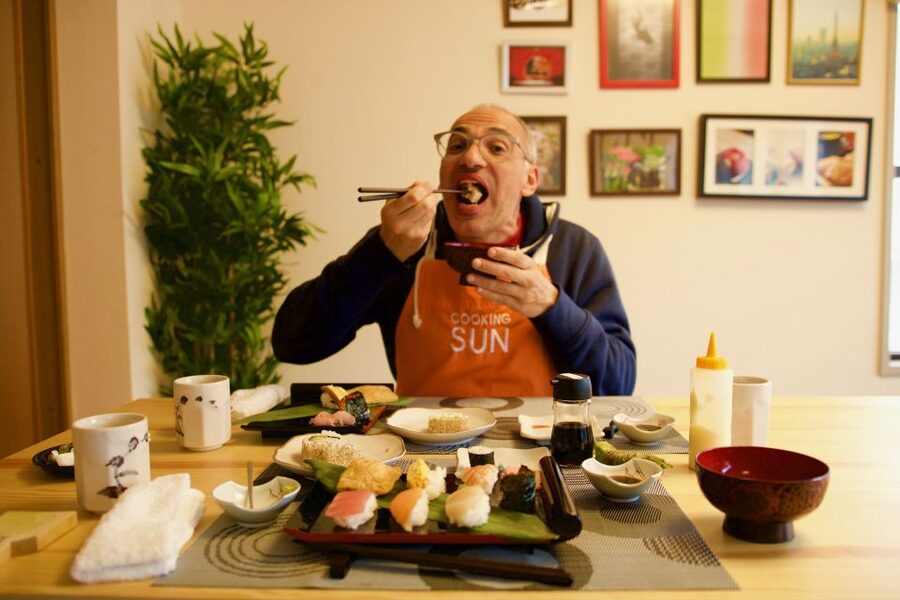
Here, your payment covers three hours of instruction, all ingredients, utensils, an apron and towel rental, recipes, cultural explanation, and the food you prepare. The final meal is substantial. One participant specifically advised arriving hungry, and another said the amount was enough to replace dinner.
The recipes add value after your trip. You can remake the sushi and other dishes at home, and at least one participant had already repeated the recipes after returning home. That makes this more than a one-time photo opportunity.
I would call the price fair for a small-group cooking lesson in Tokyo, especially if you compare it with the cost of buying a large sushi meal in many countries. It is less compelling if you only want to eat sushi or watch a chef. In that case, a restaurant will be simpler and possibly cheaper.
Who will enjoy this class most?
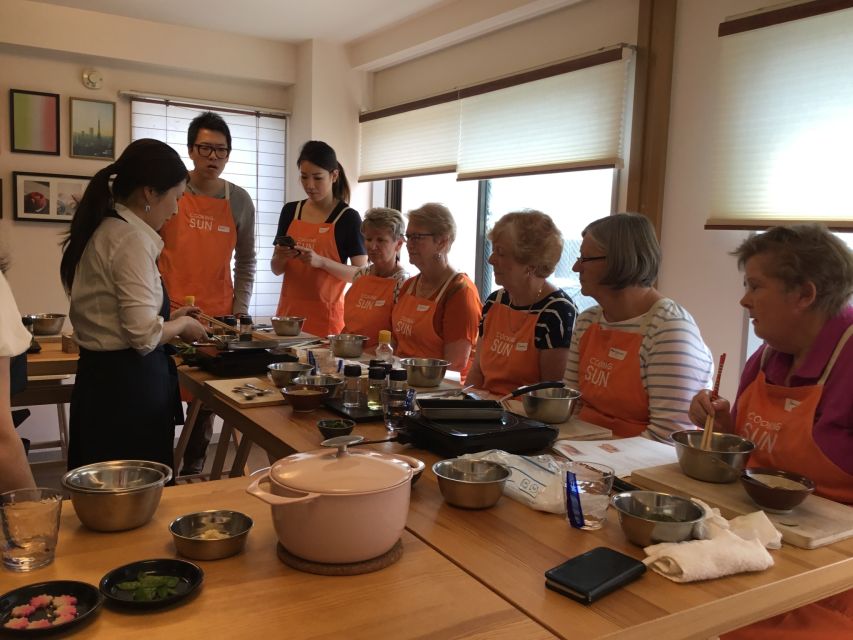
This is a strong choice for you if you want an active afternoon rather than another sightseeing stop. It suits first-time sushi makers, home cooks looking to improve their technique, families, couples, and anyone curious about Japanese food beyond restaurant menus.
It also works well on a rainy afternoon or during winter, when an indoor activity gives your schedule a welcome change. The class has a relaxed pace, but you still spend most of the time doing something with your hands.
You should think twice if you dislike group activities, have no interest in cooking, or specifically want to learn professional fish preparation. The class is social, practical, and beginner-focused. It is not a knife-skills course or a formal chef-training session.
Bring your appetite and arrive with the directions already sorted. The quiet residential location is part of the local feel, but it is not the kind of place where you want to lose ten minutes hunting for the correct doorway.
Cancellation and booking details
You can cancel up to 24 hours before the class for a full refund. The reserve-now, pay-later option lets you hold a place without paying immediately, which is useful if your Tokyo plans are still shifting.
The class is limited to nine participants and taught in English. Starting times depend on availability, so check the schedule before choosing it as the anchor for a busy sightseeing day.
FAQ
How long does the Tokyo sushi class last?
The listed duration is three hours. Some sessions may run a little longer, so allow extra time before planning your next activity.
What sushi will I learn to make?
You will learn nigiri, inari, thin hosomaki rolls, and California rolls. You will also prepare sushi rice, toppings, tamagoyaki, and miso soup.
Is the class taught in English?
Yes. The instructors teach in English and provide demonstrations and step-by-step guidance.
Does the class teach how to cut raw fish?
No. The fish is pre-sliced, and the class does not include instruction on cutting raw fish.
Can dietary requirements be accommodated?
Yes. Ingredient substitutions are available for allergies, gluten-free diets, vegetarian preferences, religious restrictions, and other dietary needs. Tell the provider when booking.
What is included in the $67 price?
The price includes recipes, ingredients, utensils, towel and apron rental, instruction, and the meal you prepare. Hotel pickup and transportation are not included.
Should you book Cooking Sun Tokyo?
I would book this class if you want to understand how sushi is made, not simply eat it. The small group, patient English-speaking instruction, broad menu, cultural background, and generous final meal give you good value for three hours.
The best reason to choose it is the teaching style. You get a demonstration, a chance to practice, and help when your roll or rice needs correction. The only real limitation is the pre-sliced fish, so serious knife enthusiasts should choose another lesson.
For families, couples, first-time cooks, and food-minded visitors, this is an easy recommendation. Plan your route carefully, notify the studio about dietary needs in advance, and leave room afterward for a walk through this quieter corner of Shinjuku.
Just added around Tokyo
- Tokyo 6hr Instagram Highlights Private Tour with Licensed Guide★ 5.0 · 38 reviews
- Tokyo Small Group Tour with Guide★ 4.5 · 38 reviews
- Tokyo Sumo Experience with Live Show & Audience Challenge★ 5.0 · 38 reviews
- Japanese Food Cooking Class in Asakusa, Tokyo★ 5.0 · 39 reviews
- Very popular in Harajuku♡Animal petting zoo★ 4.6 · 39 reviews
- Ramen Making from Scratch with Tokyo Mom(Vegan Option Available)★ 5.0 · 39 reviews
- Tokyo JDM Night: 600hp C63s AMG Edition 1 (Private)★ 4.9 · 39 reviews
- Tokyo: Kimono Rental inside Shinjuku Gyoen National Garden★ 4.9 · 39 reviews
Sushi-Making Classes, compared.
Sushi Making Tokyo Roll and Authentic Japanese Sushi Class
Read our review →
Roll and Authentic Sushi Making Class in Asakusa
Read our review →
Make Sushi and Create Unforgettable Memories in Tokyo
Read our review →
Sushi Making Class in a Happi Coat near a Famous Spot
Read our review →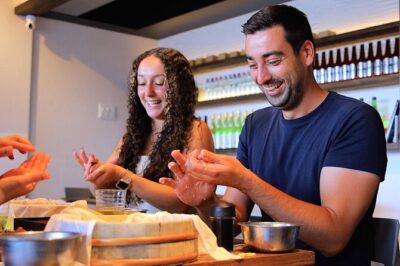
Sushi Making Osaka Roll and Authentic Japanese Sushi Class
Read our review →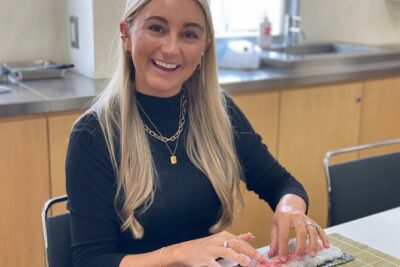
Tokyo Sushi Making Class in Tsukiji with Professional Chef
Read our review →
Tsukiji Fish Market Guided Tour and Sushi Making with Pro Chef
Read our review →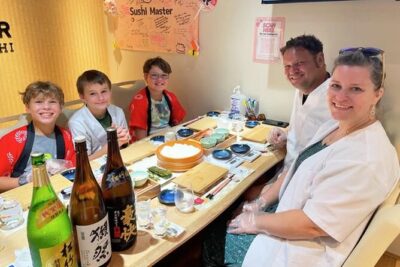
Sushi Making in Kyoto! Same-day bookings welcome!
Read our review →Browse the lists this tour appears in