
Reviewed · TEMPLE & SHRINE TOURS
Uji: Green Tea Tour with Byodoin and Koshoji Temple Visits
Tea tells Uji’s story. This four-hour outing pairs high-grade Gyokuro tasting with Byodo-in, Koshoji, and quiet riverside paths, making the town feel like far more than a quick Kyoto side trip. I like the strong mix of tea culture and temple history, and I like that the route reaches peaceful places beyond Uji’s busiest shopping street. The main catch is the walking: stairs, uneven paths, and mountain slopes make this a poor choice if you have mobility, back, or heart problems.
You meet at the only exit of Keihan Uji Station and return there at the end. The $111 price is fair if you value a guide who can explain Buddhist and Shinto customs, connect samurai politics to tea production, and handle the details at several major sites. It is less attractive if you only want a simple tea tasting or prefer to explore at your own pace.
In This Review
- Key points at a glance
- Why Uji makes a better tea trip than a quick matcha stop
- Meeting at Keihan Uji Station
- Starting with Japan’s oldest operating teahouse
- The Gyokuro tasting, from brewing to eating the leaves
- Ujigami Shrine and the spring at the foot of the hills
- Crossing the Uji River toward Byodo-in
- Byodo-in and the Phoenix Hall
- Koshoji Temple and a quieter finish
- What the guides add to the experience
- Is $111 a fair price?
- Who should book this Uji experience?
- FAQ
- How long does the Uji green tea tour last?
- Where does the tour start?
- Where does the tour finish?
- Are Byodo-in and Koshoji entrance fees included?
- What type of tea is included?
- Which languages are available?
- Is the tour suitable for people with limited mobility?
- Should you book it?
Key points at a glance
- Gyokuro is the star of the tasting: You learn how this prized green tea is grown, brewed, and changed in flavor, then eat the softened leaves with ponzu sauce.
- Uji sits about 30 minutes from central Kyoto: The short local-train ride leads to river views, mountains, temples, and fewer crowds than central Kyoto.
- Byodo-in admission is included: You see the Phoenix Hall and the modern museum, with context that ties religion, war, and tea together.
- Ujigami Shrine adds a rare nature stop: Its spring water is linked to Uji’s tea-making tradition, and the shrine is recognized as a UNESCO World Heritage Site.
- Koshoji gives the tour a quiet finish: The temple runs along the mountainside and offers a calmer setting for reflection.
- Guide quality matters here: Damien, Ferdinand, Brian, Bryan, David, Kevin, Lito, and Mardi received especially warm praise for their explanations, flexibility, humor, and help with local customs.
Why Uji makes a better tea trip than a quick matcha stop
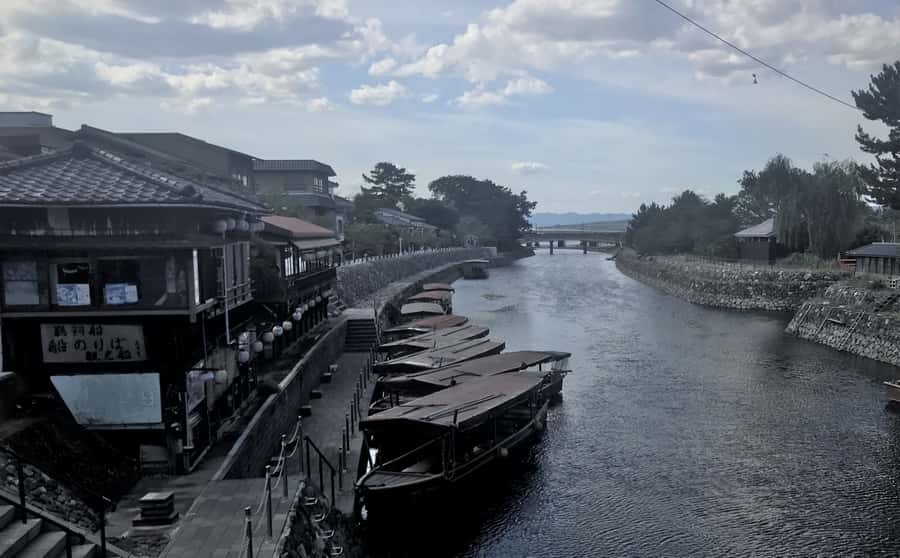
Uji is close enough to Kyoto for an easy half-day, but it feels like a change of pace. You still get temples, old streets, and plenty of tea shops, yet the Uji River and surrounding hills give the town breathing room.
The route helps explain why tea became so important here. Uji’s tea culture did not grow in isolation. Samurai power, Buddhist practice, trade, and religious life all shaped the town. A good guide turns those separate facts into one understandable story.
That context is the real value of the experience. You are not simply handed a cup of green tea and told that it is special. You learn why production methods matter, how brewing affects taste, and how tea fits into the identity of Uji.
The tour also takes you to two UNESCO World Heritage sites within roughly a 10-minute walk of each other, along with Ujigami Shrine and Koshoji. That is a lot of cultural ground in four hours, so the pace is purposeful rather than slow and idle.
More Temple & Shrine Tours in Kyoto
- Kyoto: Fushimi Inari, Kinkakuji, Bamboo Grove 1 Day Bus Tour
★ 4.8 · 4,316 reviews - Kyoto: Tea Ceremony in a Traditional Tea House in Kiyomizu
★ 4.9 · 3,519 reviews - Kyoto: Tea Ceremony Ju-An at Jotokuji Temple
★ 4.9 · 3,207 reviews
Meeting at Keihan Uji Station
The starting point is simple: meet at the only exit of Keihan Uji Station. An escalator reaches ground level, which helps you avoid wandering around a large station looking for the guide.
Uji is about 30 minutes by local train from central Kyoto areas such as Kyoto Station or Gion. Your own journey to the meeting point is not listed as part of the tour, so plan that connection carefully and arrive with enough time to spare.
The activity ends back at the same station. That makes it easy to continue your day in Kyoto, return to your hotel, or connect with another local train.
You should wear comfortable shoes. The route includes walking, stairs, a mountain path, and temple grounds. The tour runs in rain as well as clear weather, so a wet forecast should not surprise you.
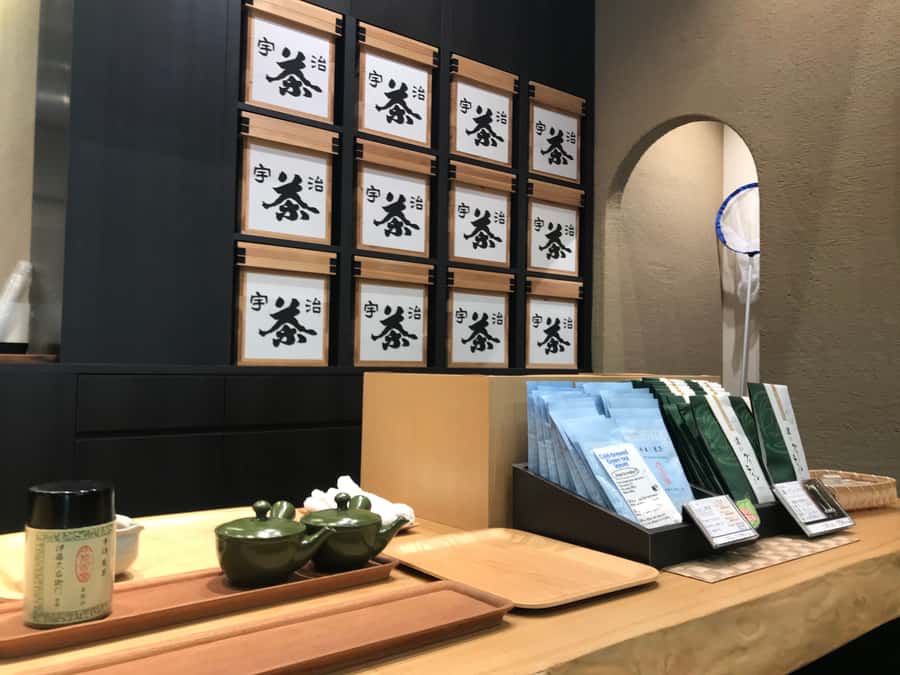
Starting with Japan’s oldest operating teahouse
One of the tour’s most unusual details comes first. You visit a teahouse said to have operated since 1160, making it the oldest continuously operating teahouse in the world.
The story is tied to a vassal of a famous samurai warrior. That man became the head of a family that has run the shop for 24 generations. This detail gives the tea tradition a human face. You are not just looking at a pretty storefront. You are hearing how a business, a family, and a local craft survived across centuries of political and social change.
This is also where the guide can help you read Uji properly. The old tea shops along the route are not random souvenir stops. They reflect the town’s long relationship with pilgrims, temple visitors, trade, and tea production.
The shop’s age is impressive, but do not expect the entire tour to revolve around shopping. The main focus is learning how Uji’s tea culture developed and tasting the product itself.
The Gyokuro tasting, from brewing to eating the leaves

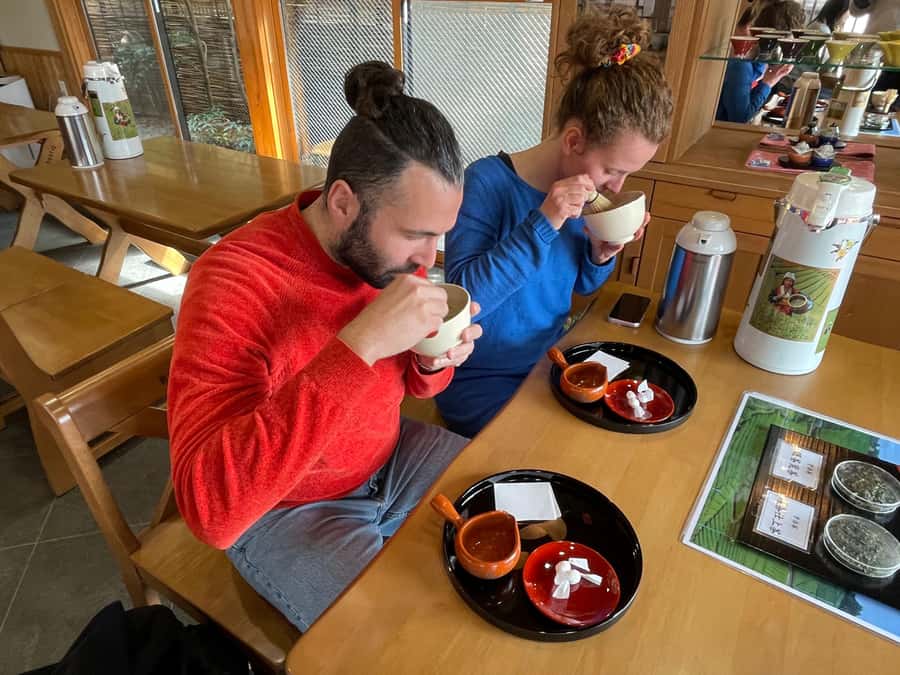
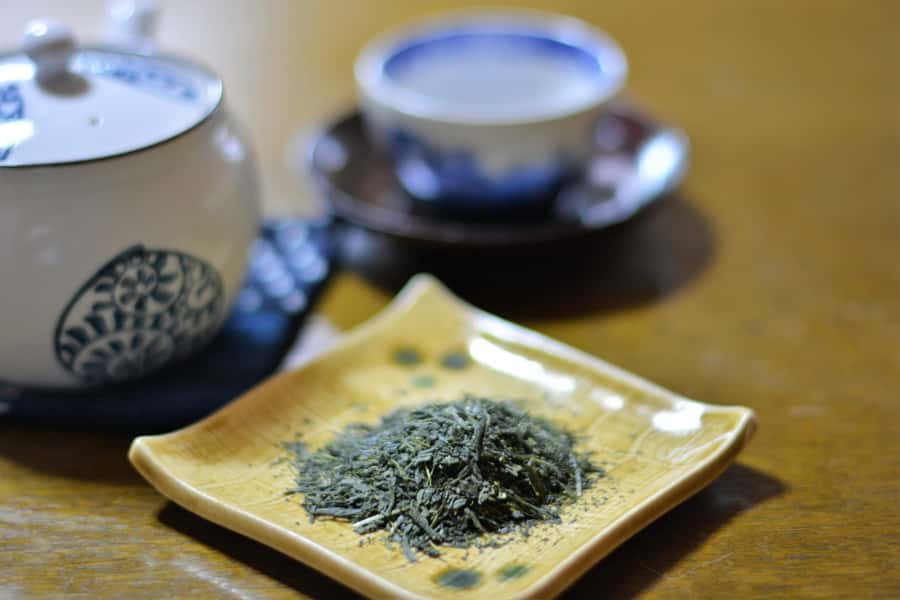
The tea experience is the heart of the morning. You taste Japanese Gyokuro, a high-grade green tea, and learn how it is grown and prepared.
Gyokuro is not treated like an ordinary quick cup. The guide explains what makes it special before showing you how to brew it and how brewing choices alter the flavor. That hands-on element makes the tasting more useful than simply sampling several drinks without explanation.
You may notice that the tea changes as you go. The first cup, later brews, water temperature, and steeping time can produce different impressions. The point is not to memorize technical terms. It is to understand that green tea has layers, and preparation can bring out different qualities.
A particularly memorable part comes after the liquid is finished. The remaining tea leaves are mixed with ponzu sauce and eaten. This is a clever way to make the tasting feel less wasteful and more connected to Japanese food culture.
The experience is praised repeatedly for broadening people’s understanding of tea. It also gives you a practical lesson you can use later in Japan: tea served in a small cup may deserve time and attention, not an automatic gulp between temple visits.
Food and drinks beyond the tea experience are not included. If you want a full meal, matcha noodles, sweets, or ice cream, you will need to budget separately along the route.
A completely different kind of day out in Kyoto:
- PERFECT KYOTO 1-Day Bus Tour
★ 5.0 · 13,518 reviews - Kyoto Geisha Walking Tour: Gion District & Hidden Gems
★ 4.7 · 3,273 reviews - Kyoto: Gion Magical Night Walking Tour with Geisha Trivia
★ 4.9 · 2,393 reviews - Kyoto: 45-Minute Tea Ceremony Lesson Experience
★ 4.3 · 2,378 reviews
Ujigami Shrine and the spring at the foot of the hills
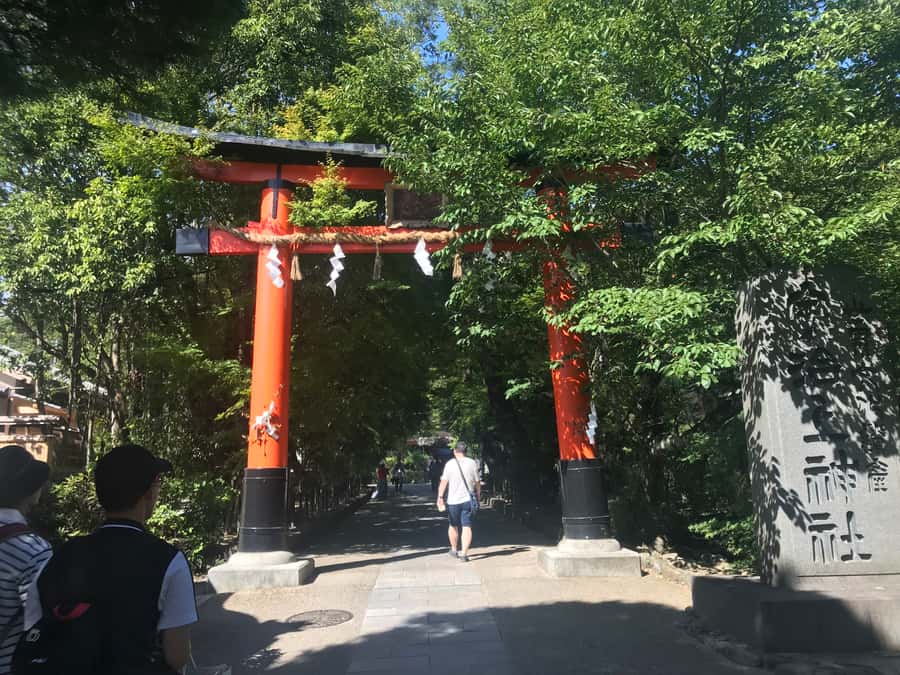
After the tasting, the route moves into greener surroundings and heads toward Ujigami Shrine. The shrine is associated with Uji’s guardian deities and is presented as the oldest original Shinto shrine in Japan. It is also a UNESCO World Heritage Site.
The setting matters as much as the age. Instead of another dense urban temple approach, you walk into the mountain greenery. That change gives the tour a welcome pause after the tea shops and town streets.
The shrine also has a direct link to tea. It contains the last remaining source of natural spring water in Uji, and tea houses still collect water there for brewing. You can step into a stone grotto and purify yourself with the spring water.
This is where a guide adds real value. Shinto rituals can be easy to copy without understanding. Guides such as Brian and Bryan were praised for teaching visitors how to make a blessing and behave respectfully at shrines and temples. That kind of instruction is useful for the rest of your Japan trip, not just this stop.
The route is not designed for anyone who needs a flat, fully accessible path. Stairs and walking surfaces are part of the experience, and the tour is specifically not recommended for people with limited mobility, back problems, mobility impairments, or heart problems.
Crossing the Uji River toward Byodo-in

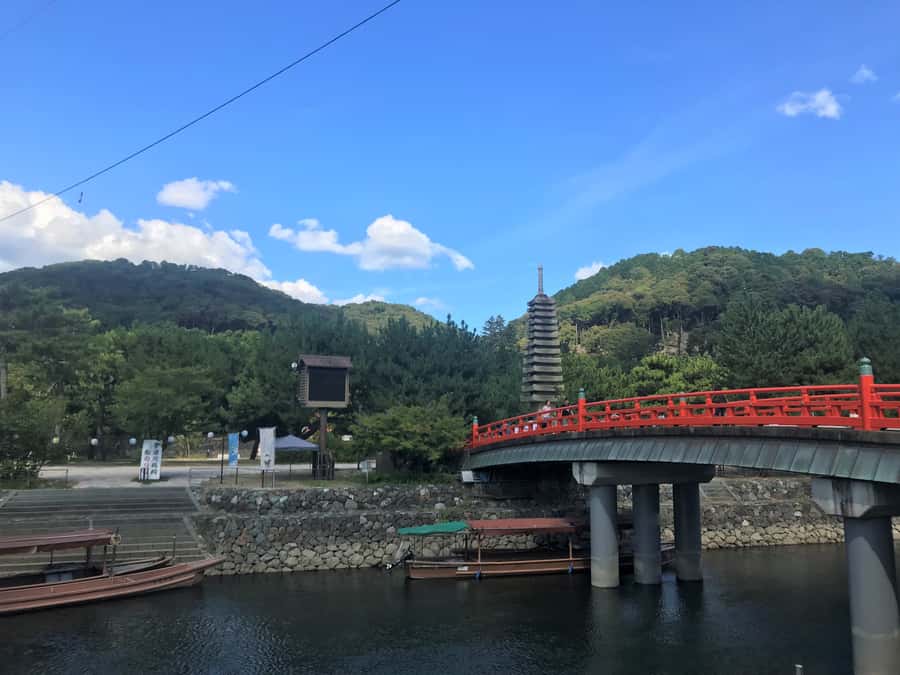
The walk then crosses the Uji River and follows the pilgrimage route toward Byodo-in. The river and mountains give you some of Uji’s best views, and the crossing creates a natural shift from quiet shrine grounds to a more active temple approach.
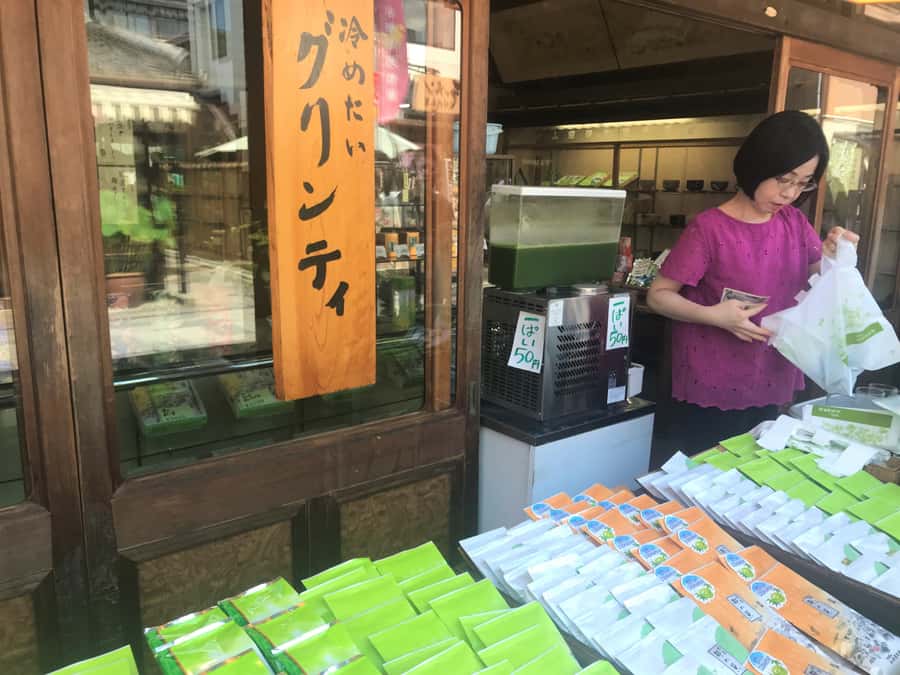
The street leading to Byodo-in is lined with tea shops, some tracing their roots back to the medieval period. You will find tea products, sweets, and other foods along the way, including matcha-flavored treats and, according to the tour description, options such as matcha noodles and matcha ice cream.
This part can feel more commercial than Ujigami Shrine or Koshoji. That is not necessarily a flaw. It shows how pilgrimage routes continue to serve both religious and commercial life. Still, if you dislike shopping streets, you may prefer the quieter sections of the route.
The guide helps keep the focus on history rather than purchases. You can enjoy the sights and smells of the street without treating every shop as a required stop.
Byodo-in and the Phoenix Hall
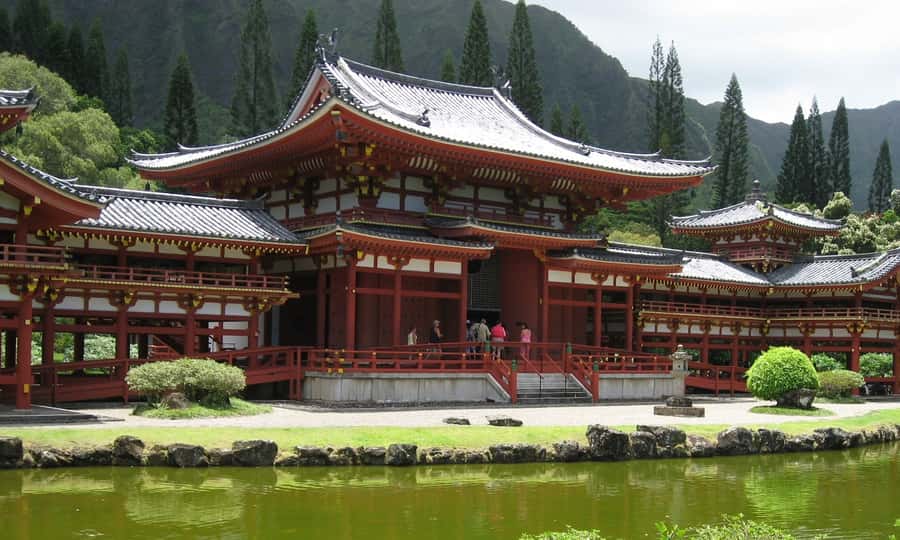
Byodo-in is the major visual prize. Admission is included, so you do not need to pay another entrance fee when you reach the temple.
The Phoenix Hall is the image most associated with the site. Its architecture reflects the Heian period, which lasted from 794 to 1185, and its design carries strong Buddhist meaning. The tour uses the building to connect religion, aristocratic culture, samurai power, and Uji’s tea trade.
That explanation helps you see more than an elegant structure beside water. You begin to understand why the building has survived as such a powerful symbol and why Uji became a place where spiritual practice and elite culture met.
Byodo-in also has a modern museum. It presents Buddhist objects and other material connected to the temple, giving you a closer look at details that can be missed outside. Admission to both the temple grounds and museum is included in the tour price.
The guide’s commentary is especially useful here. Ferdinand was praised for explaining sites, traditions, and cultural details as the group walked. Other guides, including David and Damien, were appreciated for offering clear explanations and answering questions about Shinto and Buddhist practice.
Keep in mind that Byodo-in is a major attraction, so it may feel busier than the mountain-side stops. The timing can make a difference. One group had an especially quiet visit by starting early, while another guide adjusted the pace when the group needed more time.
Koshoji Temple and a quieter finish
Koshoji brings the tour back toward nature. The temple hugs the mountainside in a dramatic setting, and the atmosphere is more subdued than the tea street near Byodo-in.
This is a good final stop because it gives you time to let the morning settle. After the history of war, religion, trade, and tea, the temple offers a chance to slow down and take in the setting.
Do not read Zen as a promise of complete silence or a formal meditation session. The description says the temple invites you to get in some Zen, meaning that the setting offers a peaceful closing mood. Your guide remains an important part of the visit, adding context as needed.
Koshoji also makes the physical demands of the tour clear. You are walking through a mountain-side site, not just moving between nearby city buildings. Comfortable shoes are essential, and anyone with serious mobility concerns should choose another Uji plan.
What the guides add to the experience
This tour depends heavily on the guide. The route is good on its own, but the connections between tea, samurai history, Buddhist temples, and Shinto shrines are not always obvious.
Damien received praise for being flexible, explaining religious practices clearly, and keeping the morning fuss-free. Ferdinand was singled out for wide-ranging explanations and for helping visitors understand Japanese cultural details from a Western point of view.
Brian and Bryan were praised for their passion, storytelling, humor, and practical guidance at shrines and temples. David was appreciated for detailed explanations, a relaxed pace, help with questions, and flexibility when options needed adjusting.
Kevin helped one visitor get onto the correct train after the tour. Lito was described as personable, helpful with photographs, and generous with local recommendations. Mardi adapted a private group’s plan, allowing more time to relax and eat at an old teahouse while skipping one temple.
These examples point to a useful strength: the guide can shape the day around the group. That matters on a four-hour schedule, especially if you want to ask questions or need a slightly slower pace.
There is one practical warning. The tea tasting has occasionally been unavailable or sold out, and a guide had to adapt. The tour still worked well in that case, but if the tasting is the main reason you are booking, it is worth confirming the current arrangement before you go.
Is $111 a fair price?
At $111 per person, this is not the cheapest way to see Uji. You can reach the town independently and visit some sights on your own for less.
The price becomes easier to justify when you count what is bundled together: a four-hour English or Spanish-speaking guide, Gyokuro instruction, a tea tasting, Byodo-in admission, Koshoji admission, and guided visits to Ujigami Shrine and other cultural sites.
You are also paying for interpretation. Without a guide, you might admire Byodo-in, sip matcha, and take photos along the river. With the right guide, you understand why the places belong together and how Uji’s tea tradition developed.
Private and small-group options are available. A smaller group should suit you if you want more questions, a flexible pace, or help with photography and local customs. If you are mainly looking for independent wandering, the added cost may not feel worthwhile.
The strong rating of 4.8 from 72 reviews supports the value, but the most useful lesson is not the number. The repeated praise centers on guide quality, cultural explanations, peaceful walking routes, and the tea session. Those are the parts you are paying for.
Who should book this Uji experience?
I would recommend it to you if you want more than a standard temple checklist. Tea drinkers, first-time visitors to Japan, and anyone curious about the difference between Shinto and Buddhism should get a lot from the format.
It also works well as a Kyoto side trip. Uji is close enough to fit into a half-day, yet the river, hills, and quieter temple paths give you a break from central Kyoto’s packed routes.
Families can enjoy it, as one family of five did, provided everyone can manage the walking and stairs. The tour also suits couples and small private groups who want a calm, educational morning rather than a rushed photo stop.
I would skip it if you have back, heart, or mobility issues, or if you dislike walking in rain. I would also skip it if your only goal is to buy matcha. You can find tea shops without paying for a four-hour guided route.
For everyone else, the best reason to book is the combination. Uji tea alone is worthwhile, and Byodo-in alone is worthwhile, but the guide’s explanations show how the two belong to the same story.
FAQ
How long does the Uji green tea tour last?
The tour lasts four hours. Starting times vary, so you need to check availability when booking.
Where does the tour start?
The meeting point is at the only exit of Keihan Uji Station. An escalator goes all the way up to ground level.
Where does the tour finish?
The activity ends back at the meeting point at Keihan Uji Station.
Are Byodo-in and Koshoji entrance fees included?
Yes. Admission to both Byodo-in Temple and Koshoji Temple is included.
What type of tea is included?
The experience includes Japanese Gyokuro green tea and a tea tasting. You learn how the tea is grown, how to brew it, and how brewing changes its flavor.
Which languages are available?
Live guides are available in English and Spanish.
Is the tour suitable for people with limited mobility?
No. The route includes stairs and mountain-side walking, and the activity is not recommended for people with limited mobility, mobility impairments, back problems, or heart problems.
Should you book it?
Book this tour if you want Uji explained rather than simply photographed. The combination of Gyokuro tasting, the 1160-era teahouse, Ujigami Shrine’s spring, Byodo-in’s Phoenix Hall, and mountain-side Koshoji gives you a fuller view of the town than a quick matcha stop.
The strongest choice is to go with an open morning, comfortable shoes, and enough curiosity to ask questions. If you can handle the walking, $111 buys a thoughtful cultural outing with admissions and a guide who can make the connections clear.
Just added around Kyoto
- Kyoto: Gion Night Walking Tour with Geisha Insight★ 5.0 · 39 reviews
- Kyoto: Private Customizable Day Trip by Car★ 5.0 · 38 reviews
- Kyoto: Full Day Bike Tour★ 4.9 · 39 reviews
- Private Japanese Calligraphy in Kyoto – Learn Shodō with a Master★ 5.0 · 39 reviews
- Kyoto: Gion Evening Walk with Hidden Gems, Geisha & Sake★ 5.0 · 41 reviews
- Experience a tea ceremony in an authentic tearoom, in Kyoto!★ 4.5 · 41 reviews
- Kyoto Private Photo Shoot & Tour by SnapKyoto★ 5.0 · 41 reviews
- The Way of Tea: Kyoto Crafts, Hidden Temples & Wabi-Sabi Walk★ 5.0 · 41 reviews
Temple & Shrine Tours, compared.
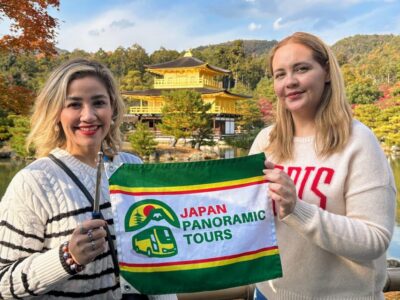
Fushimi Inari, Kinkakuji, Bamboo Grove 1 Day Bus Tour
Read our review →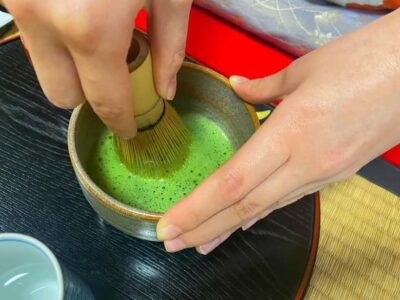
Tea Ceremony in a Traditional Tea House in Kiyomizu
Read our review →

Meiji Shrine, Asakusa, Skytree Bus Tour and Cruise
Read our review →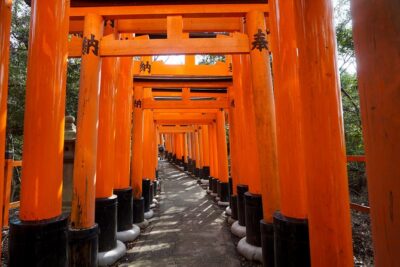
Fushimi Inari Hidden Hiking Tour (Private Option Available)
Read our review →
Osaka/Kyoto:Kinkakuji,Arashiyama,FushimiInariShrine,NaraPark
Read our review →
Asakusa Walking Tour with Sensoji Temple Visit
Read our review →
Nikko: Kegon Falls, Lake Chuzenji & Toshogu Temple
Read our review →Browse the lists this tour appears in