
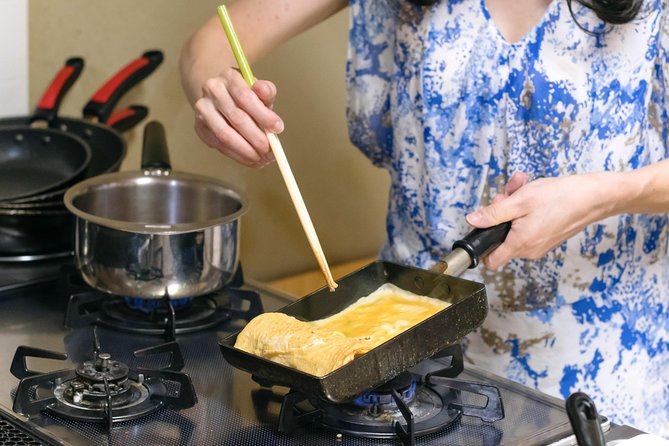
Reviewed · COOKING CLASSES
Unique Private Cooking Class with a Tokyo Local Emi
Tokyo tastes better at home. Emi’s three-hour private cooking class gives you something most food tours cannot: hands-on time in a local kitchen, making three Japanese dishes and then eating them together. I like the personal format and the recipes you can use after your trip. The main caution is that everyone in your group must eat the same selected main dish.
This $99 experience includes the food, tea, and sake, so it offers solid value if you want both a meal and a cultural activity. I also like that Emi can adapt the menu for allergies, vegetarian needs, and cooking preferences, as long as you contact her early.
The setting changes with the group and day. Two or three people on a weekend may cook in Emi’s home, while larger groups and weekday bookings use her studio. The kitchen space can be small, and the studio has about 10 steps, so check these details before booking.
In This Review
- Key points about cooking with Emi in Tokyo
- Why a home cooking class adds something restaurants cannot
- Meeting Emi near Nerima City Hall
- Starting with mugi-cha and choosing your menu
- One and a half to two hours of hands-on cooking
- Sitting down to eat with sake and tea
- Recipes you can actually use at home
- The optional Nerima stop after the meal
- Is $99 a good value for three hours?
- Who will enjoy this class most?
- Practical booking advice before you commit
- Should you book cooking with Emi?
- FAQ
- Where does the cooking class begin?
- How long does the experience last?
- How many dishes will I make?
- Can Emi accommodate vegetarian diets and allergies?
- Does everyone in the group prepare the same food?
- Are food and drinks included?
- Are children allowed to join?
Key points about cooking with Emi in Tokyo
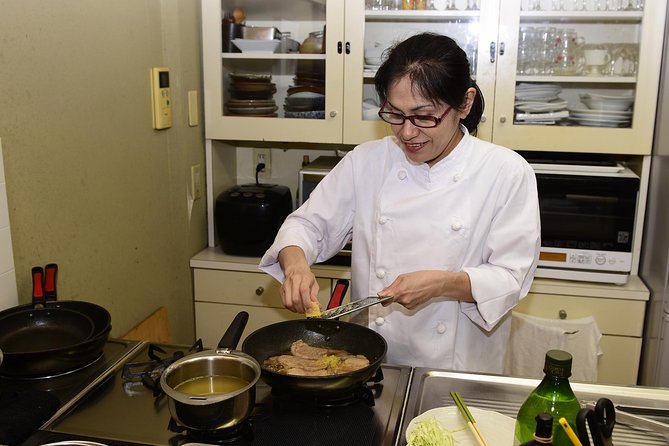
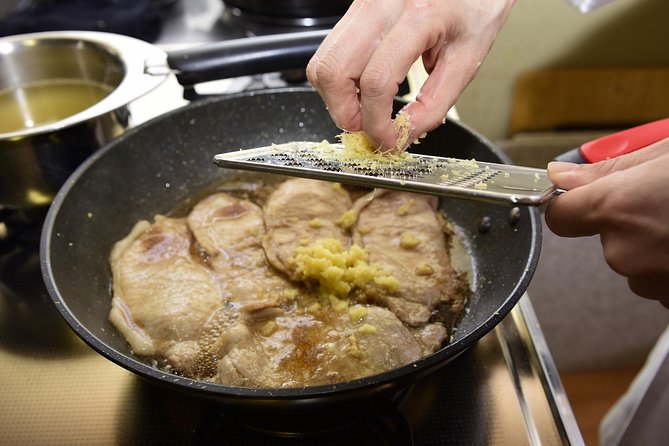
- Choose three dishes: Select from Japanese home-style dishes such as gyoza, ginger pork, tempura, tonkatsu, onigiri, karaage, miso soup, and more.
- Eat what you make: The class includes a shared meal, green tea, barley tea, and sake after the cooking.
- Plan your menu early: Send your choice at least four days before the class, or Emi will select a menu for you.
- Private and personal: Only your own group takes part, allowing plenty of questions and one-on-one help.
- Expect a local neighborhood setting: The meeting point is near Nerima City Hall, with the experience ending back at the starting point.
- Add a short local stop: With advance notice, Emi can take you to one Japanese sweet shop, tea and pottery shop, or supermarket near Nerima Station.
Why a home cooking class adds something restaurants cannot
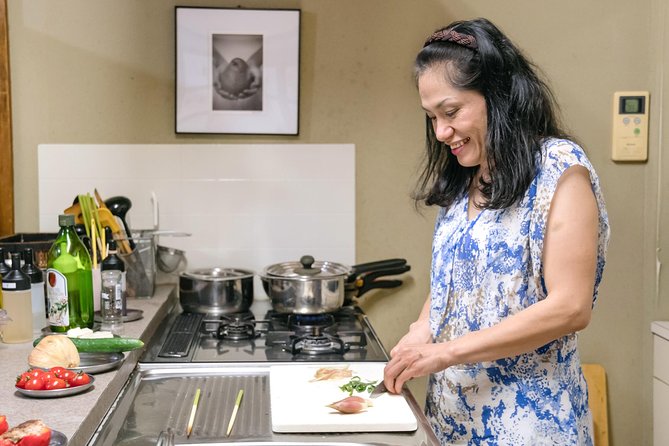
Tokyo can feed you beautifully from morning until midnight. Yet restaurant meals often leave you admiring the finished dish without learning how it came together. This class turns the kitchen into the main attraction.
You do not simply watch Emi prepare dinner. You chop, mix, shape, season, and cook under her direction. Several dishes mentioned by participants include shrimp gyoza, vegetarian yakisoba, ginger-fried pork, salmon with hijiki seaweed, miso soup, tempura, tonkatsu, karaage, and onigiri.
That range matters. Japanese cooking is not one narrow style. You may work with a familiar comfort food such as gyoza, learn the timing needed for tempura, or see how simple ingredients become a complete home meal. The point is not restaurant presentation. It is learning the practical habits of Japanese home cooking.
I especially like the chance to ask questions while working. Emi also talks about food customs, Japanese dining manners, and daily life in Tokyo. That conversation gives the meal context without turning the class into a formal lecture.
The class has earned a 5 out of 5 rating from 131 reviews, with 100 percent recommending it. That does not mean every group will have the exact same menu or setting, but it does show a very consistent response to Emi’s warmth, patience, and teaching style.
More Cooking Classes in Tokyo
- Ramen & Gyoza Cooking Class in Tokyo with Local Supermarket Visit
★ 5.0 · 823 reviews - Tokyo: Easy Ramen Cooking Experience in Kabukicho, Shinjuku
★ 4.6 · 321 reviews - Ramen and Sushi Cooking Class with Sake Pairing Set in Tokyo
★ 5.0 · 291 reviews
Meeting Emi near Nerima City Hall
The official starting point is Nerima City Hall at 6-chōme-12-1 Toyotamakita, Nerima City, Tokyo 176-8501. The experience is near public transportation, and it ends back at the meeting point.
Read the directions carefully before setting out. Tokyo’s rail system is easy to use once you know the route, but station exits and neighborhood streets can still slow you down. One participant arrived late after getting lost, and Emi waited at the station, so it is worth allowing extra time rather than racing across Nerima.
Depending on the booking, Emi may meet you at a station or arrange instructions for reaching the studio. Follow her specific directions after booking. This is not a central Tokyo restaurant outing, and that is part of the appeal. Nerima gives the class a more residential setting than the major sightseeing districts.
The location can also fit into a larger day. The Harry Potter Museum in Tokyo is about a 20-minute walk from Emi’s apartment. If you plan to visit TeamLab Borderless in Azabudai Hills, the Oedo Line connects Azabu-Juban Station with Nerima without a transfer. Those connections do not turn the class into a sightseeing tour, but they can help you build a sensible day around it.
Starting with mugi-cha and choosing your menu
The class begins with mugi-cha, a refreshing Japanese barley tea. Green tea is also included, along with sake for the meal. These small touches help set the tone before the work begins.
You choose three dishes from Emi’s available menu. The menu can be adjusted for your group, but everyone prepares the same main dish. That rule is practical in a small kitchen and keeps the lesson focused. It also means you should discuss food restrictions with your entire group before selecting.
Send your preferred menu at least four days ahead. If Emi does not hear from you, she chooses the dishes herself. That is not a problem if you are happy to be surprised, but it is an avoidable disappointment for someone with strong preferences.
Vegetarian cooking is possible, though the whole group’s menu may change. Allergies, dietary restrictions, and cooking preferences should be shared when you book, followed by a direct message to Emi once the reservation is confirmed.
Pay special attention to okonomiyaki. The dish contains fish granule soup stock, so it may not suit strict vegetarians or anyone avoiding fish. Ask about the exact ingredients before settling on it.
The three-dish format is a good compromise. You learn enough to feel involved without spending the entire day in a kitchen. Depending on the menu, you may prepare a main dish, a side, and soup or another small plate. Some past combinations have included gyoza, ginger pork, and tempura, while others included karaage, miso soup, and salmon with hijiki seaweed.
One and a half to two hours of hands-on cooking
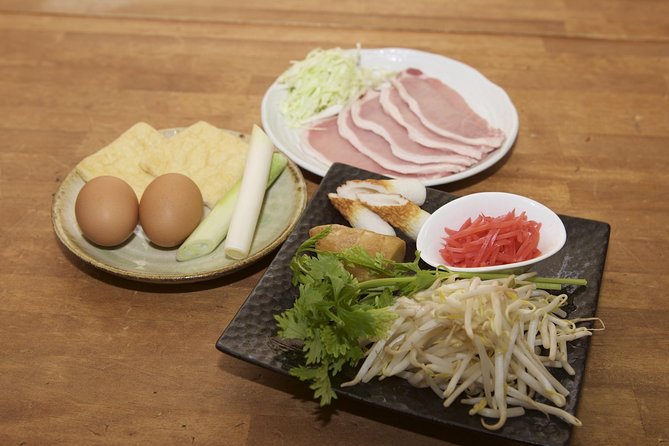
The cooking portion lasts about 1.5 to 2 hours. That gives Emi time to explain techniques, demonstrate steps, and let you do the work.
This is important: you should not expect a cooking demonstration where you sit back and take notes. The strongest part of the class is the hands-on practice. You may struggle a little with folding gyoza, handling tempura, or managing several ingredients at once. Emi’s patient style helps turn mistakes into part of the lesson.
For gyoza, the folding alone can become a memorable challenge. One couple appreciated Emi’s patience while they worked out the pleats. That sort of small task teaches more than a polished demonstration because you leave knowing what your own hands need to do.
Emi also explains useful kitchen tricks rather than only giving a recipe. You learn how to prepare familiar dishes in a home kitchen, using planning and a few well-handled ingredients. That makes the recipes more useful after you return home.
The class works particularly well for people who enjoy conversation. Emi speaks English well, and the cooking creates natural openings to ask about Japanese ingredients, customs, and life in Tokyo. One participant described listening to music and chatting about places to visit while preparing the food. Another appreciated Emi’s help with finding a cake shop for a birthday.
Do not expect a large professional kitchen. When the class takes place in Emi’s home, the cooking area is small. In one account, one person cooked while another watched and took pictures. A group of two or three is likely to find the home format more comfortable than a larger party.
A completely different kind of day out in Tokyo:
- Mt Fuji and Hakone 1-Day Bus Tour Return by Bullet Train
★ 5.0 · 26,383 reviews - 1-Day Tokyo Bus Tour
★ 5.0 · 14,250 reviews - Tokyo: TOKYO SKYTREE® Admission ticket
★ 4.5 · 11,192 reviews - Tokyo: teamLab Planets TOKYO Digital Art Museum Entry Ticket
★ 4.6 · 9,779 reviews
Sitting down to eat with sake and tea
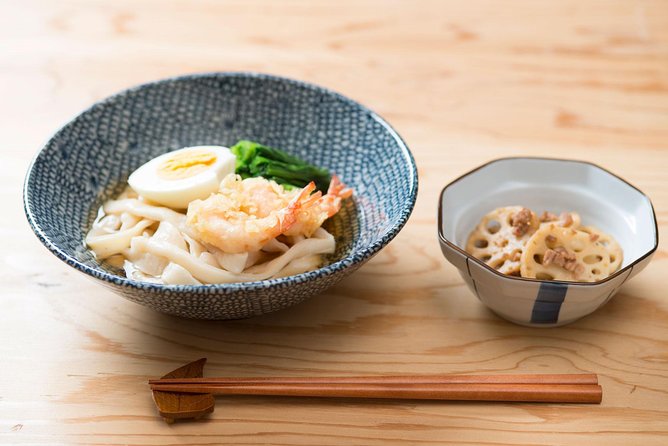
After cooking, you sit down and eat the meal you prepared. Sake, green tea, and barley tea are included, and the food is part of the booking rather than an extra cost.
This shared meal is where the class feels most personal. You can taste the results while the techniques are still fresh in your mind. A dish that seemed difficult during preparation often makes more sense once you see how the flavors work together.
The portions can be generous. One couple prepared food for two and found they had more than enough, even inviting Emi to eat with them. You should arrive hungry because all food and drink are included. Eating a large meal beforehand would waste part of the value.
The meal also introduces Japanese dining etiquette and customs. That is useful if you want more than a recipe card. You may learn not only how to make a dish, but also how it fits into a home meal and how it is traditionally enjoyed.
The sake makes the ending feel relaxed, though anyone who does not drink can focus on the teas. Coffee or tea is listed as included, with green tea and barley tea specifically provided.
Recipes you can actually use at home
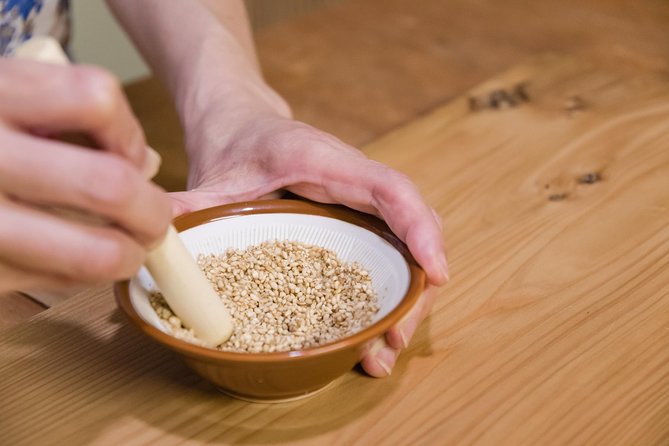
Emi shares recipes for the dishes you prepare. This is one of the strongest reasons to choose the class over a standard food tasting.
A food tour gives you memories and restaurant suggestions. Here, you return with instructions for dishes such as ginger pork, karaage, gyoza, tempura, tonkatsu, onigiri, or miso soup, depending on your menu. Several people valued having a practical way to recreate the meal at home.
The recipes also provide a reminder of the trip. You may not find every Japanese ingredient at your local supermarket, but the lesson helps you understand substitutions, preparation order, and the basic balance of flavors.
I would save the recipes immediately and take clear photographs during the class, if Emi permits it. You will remember more when the process is fresh, especially if you cooked several dishes in one sitting.
The optional Nerima stop after the meal
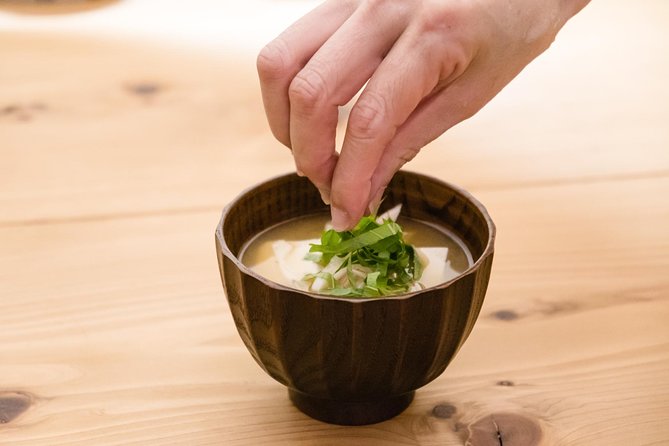
After the meal, Emi can take you to one local stop before dropping you at Nerima Station. You can choose a Japanese sweet shop, a Japanese tea and pottery shop, or a supermarket. You need to request this in advance and select only one.
This is a useful extra because it extends the local feel of the class without adding a full sightseeing program. A supermarket visit can help you identify snacks and packaged ingredients. A sweet shop offers a quick taste of Japanese confectionery. A tea and pottery shop may appeal if you want a practical souvenir connected to the meal.
One person visited a pottery and tea shop with Emi, while others stopped at a supermarket and tried yaki imo, or roasted sweet potato. These are modest stops, not major attractions, but they can be just the right ending after a three-hour class.
Do not count on adding several shops at the last minute. Pick one and tell Emi ahead of time.
Is $99 a good value for three hours?
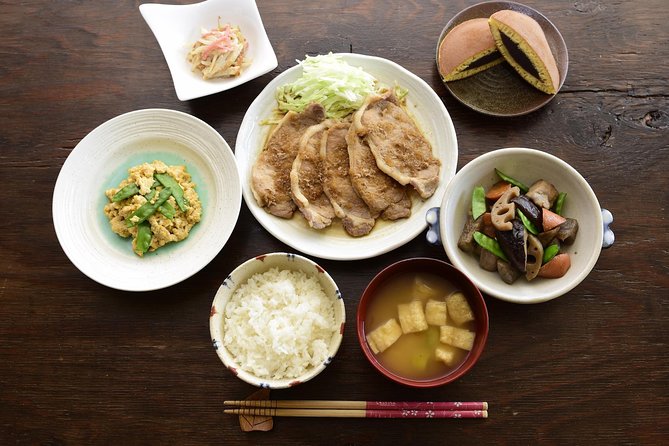
At $99 per person, this is not the cheapest meal in Tokyo. You can eat well for much less, especially at a casual noodle shop or neighborhood restaurant.
The comparison is not really fair, though. The price includes a private class, all ingredients, a full meal, tea, sake, personal instruction, cultural conversation, and recipes to take home. For a couple or small group that wants a personal activity, the price is reasonable.
You also avoid paying for a separate food tour and cooking lesson. The private format means your time is not shared with strangers, and you can ask questions at your own pace. That is a real benefit for first-time cooks or anyone interested in Japanese food beyond sushi and ramen.
Group discounts are available, though the exact savings are not specified. Larger groups should reserve two or three months ahead because the studio may not have space. The booking is usually made around 42 days before the class, so popular dates can disappear well before your trip.
For me, the value improves if you enjoy cooking and plan to use the recipes. If you only want to eat, a restaurant is cheaper and faster. If you want a meal plus a personal lesson and a connection with a Tokyo resident, the cost makes more sense.
Who will enjoy this class most?
I would recommend it most to couples, families with older children, and small groups of friends who enjoy food and conversation. Children aged 10 and older can take part at the adult price. Children 9 and under are not permitted.
This is also a good pick for repeat visitors who have already covered Tokyo’s major sights. You get a look at ordinary home cooking rather than another famous shopping street or observation deck.
It suits people who want to ask questions. Emi’s friendly, talkative style is a major part of the experience, and past classes included conversations about Japanese culture, food, etiquette, local markets, and places to visit.
It may not suit you if you need a large, spacious commercial kitchen or if your group wants several different main dishes. Everyone must prepare the same main dish, and the home kitchen can feel tight for more than three people.
For accessibility, note that there are about 10 steps leading to the studio. Hotel pickup and drop-off are not included. You make your own way to the meeting point and return there at the end.
Practical booking advice before you commit
Contact Emi promptly after booking. Confirm the menu, list every allergy or dietary restriction, and mention vegetarian preferences. Do not wait until the day before, since the menu needs to be set at least four days in advance.
Reserve larger groups early. Groups of four or more need two or three months of lead time, particularly if you want a specific date. A private class is appealing, but it also means there is no larger class to absorb extra people if the studio is full.
Wear clothes you can cook in and arrive ready to eat. The food and drinks are included, so skip the big lunch beforehand. Allow extra time for the trip to Nerima and follow Emi’s meeting instructions closely.
The cancellation policy is flexible up to 24 hours before the start time, when you can receive a full refund. Changes or cancellations inside that 24-hour window are not accepted for a refund.
Should you book cooking with Emi?
Book it if you want a warm, personal look at Japanese home cooking and like the idea of making your own dinner. Emi’s patient teaching, English conversation, menu flexibility, recipes, and optional local stop give the class more substance than a simple meal.
I would choose it especially for two or three people on a weekend, when the class may take place in Emi’s home. Larger groups can still enjoy it, but they should plan far ahead and expect the studio setting.
Skip it if your group cannot agree on one main dish, if you prefer a polished restaurant meal, or if stairs and a compact kitchen create problems. For everyone else, this is a practical way to take a piece of Tokyo home with you, one recipe at a time.
FAQ
Where does the cooking class begin?
The listed meeting point is Nerima City Hall at 6-chōme-12-1 Toyotamakita, Nerima City, Tokyo 176-8501, Japan. For studio sessions, you meet directly at the cooking studio according to Emi’s instructions.
How long does the experience last?
The full experience lasts about three hours. Cooking takes approximately 1.5 to 2 hours, followed by the meal.
How many dishes will I make?
You choose three dishes from Emi’s menu. The overview also describes making three to four authentic home-style dishes, depending on the selected menu.
Can Emi accommodate vegetarian diets and allergies?
Yes. Emi is happy to discuss allergies, dietary restrictions, vegetarian requests, and cooking preferences. Contact her after booking, and send your menu preference at least four days before the experience.
Does everyone in the group prepare the same food?
Yes. The menu can be tailored to your group, but everyone must prepare the same main dish.
Are food and drinks included?
Yes. The class includes the food you prepare and eat, green tea, barley tea, and sake. Hotel pickup and drop-off are not included.
Are children allowed to join?
Children aged 10 and older can join and are charged the adult price. The experience is not suitable for children aged 9 and under.
Just added around Tokyo
- Tokyo Small Group Tour with Guide★ 4.5 · 38 reviews
- Tokyo 6hr Instagram Highlights Private Tour with Licensed Guide★ 5.0 · 38 reviews
- Tokyo Sumo Experience with Live Show & Audience Challenge★ 5.0 · 38 reviews
- Very popular in Harajuku♡Animal petting zoo★ 4.6 · 39 reviews
- Japanese Food Cooking Class in Asakusa, Tokyo★ 5.0 · 39 reviews
- Ramen Making from Scratch with Tokyo Mom(Vegan Option Available)★ 5.0 · 39 reviews
- Tokyo: Kimono Rental inside Shinjuku Gyoen National Garden★ 4.9 · 39 reviews
- Tokyo JDM Night: 600hp C63s AMG Edition 1 (Private)★ 4.9 · 39 reviews
Cooking Classes, compared.
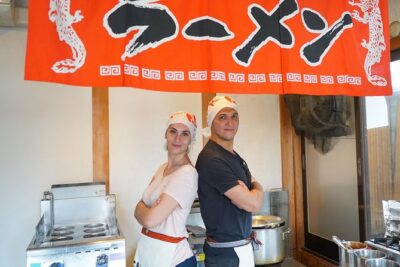
Ramen Cooking Class at Ramen Factory in Kyoto
Read our review →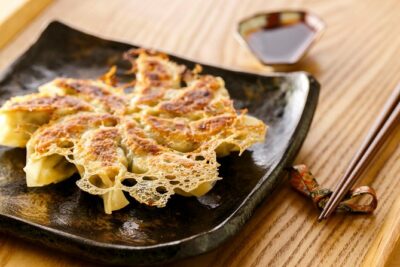
Ramen & Gyoza Cooking Class in Tokyo with Local Supermarket Visit
Read our review →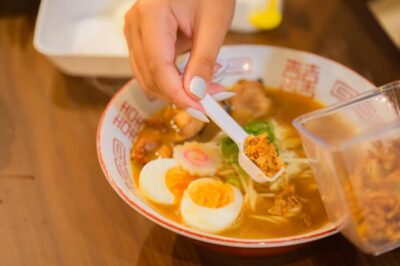
Ramen Cooking Class at a Ramen Factory with Souvenir
Read our review →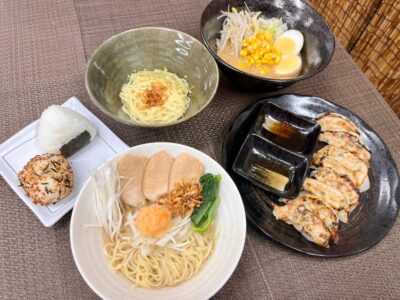
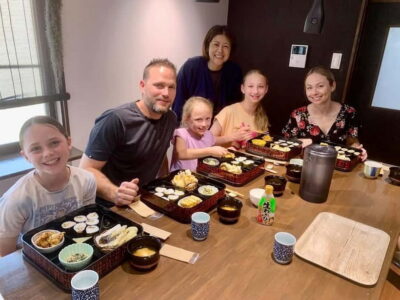
Japanese Washoku Bento Small Group Cooking Class
Read our review →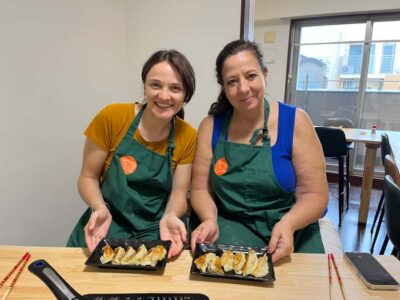

Easy Ramen Cooking Experience in Kabukicho, Shinjuku
Read our review →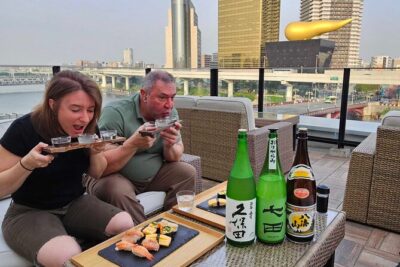
Ramen and Sushi Cooking Class with Sake Pairing Set in Tokyo
Read our review →Browse the lists this tour appears in