Reviewed · KYOTO TOURS
Concerts Played with Traditional Instruments in Kyoto
Kyoto has a quieter musical side. This intimate home concert lets you hear the koto and shamisen in a setting that feels far more personal than a large theater. I like the clear introduction to both instruments, and I like that the program includes classical, modern, and original pieces rather than treating Japanese music as a museum display.
The 50-minute format is easy to fit into a busy Kyoto day, with several start times available. The main consideration is that transportation is not included, and the concert may feel brief if you want a full evening performance rather than a focused introduction.
- A private home becomes the concert hall: Hear traditional instruments in an intimate Kyoto setting rather than a large public venue.
- Two instruments, two very different voices: Learn how the koto and shamisen shape the program before the music begins.
- Classical and modern music share the program: Pieces include Chidori no Kyoku, Rokudan no Shirabe, Kajimakura, modern works, and original compositions.
- The concert ends with access to the musicians: Use the Q&A and photo session to ask questions and look more closely at the instruments.
- An optional hands-on lesson adds value: Upgrade to try the koto and play a simple piece yourself.
- Several times are offered during the day: You can fit the performance around temples, meals, or other Kyoto plans.
In This Review
- A Kyoto concert inside a real home
- What happens before the first note
- Classical pieces, modern works, and original music
- The Q&A and photo session add real value
- The optional koto lesson for hands-on participation
- Why 50 minutes works well in Kyoto
- Is $39.63 a fair price?
- Getting there and planning your visit
- Who will enjoy this experience most
- Should you book the Kyoto koto and shamisen concert?
- FAQ
- Where does the concert take place?
- How long does the experience last?
- What instruments will I hear?
- What music is performed?
- Can I try playing the koto?
- Is transportation included?
- Can I cancel for a refund?
A Kyoto concert inside a real home
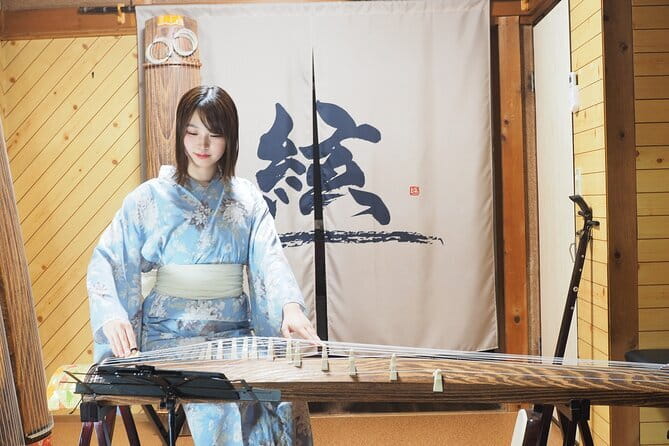
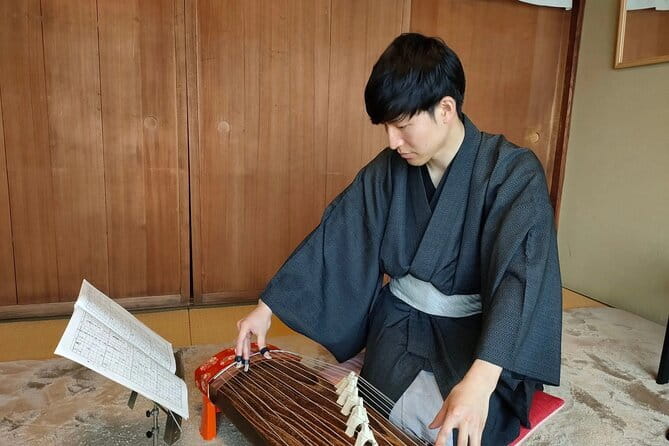
The setting is the heart of this experience. At Gen Home Saiin, a traditional Japanese home is arranged as a small performance space. You are not simply watching musicians on a distant stage. You are close enough to pay attention to the instruments, the performers’ hand movements, and the quiet details of the music.
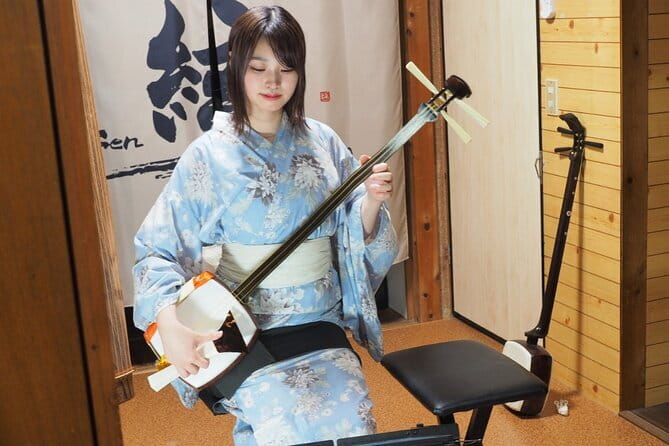
That closeness matters with the koto and shamisen. The koto is a long zither with strings played using picks, while the shamisen is a three-stringed instrument with a distinct, percussive sound. Hearing both in the same room helps you notice how they differ. The koto can sound delicate and spacious, while the shamisen brings sharper rhythm and bite.
The room also gives the concert a sense of place. Kyoto has plenty of opportunities to visit temples, gardens, and old streets, but a musical visit inside a Japanese home offers a different kind of contact with local culture. You are spending less than an hour with an art form that has developed through long performance traditions, yet the presentation is designed to be approachable.
I would not expect a grand stage production. This is a small-scale concert, and that is exactly its appeal. If you enjoy quiet settings and close observation, the home environment should feel special. If you prefer large ensembles, theatrical lighting, or a long evening program, this may seem modest.
What happens before the first note
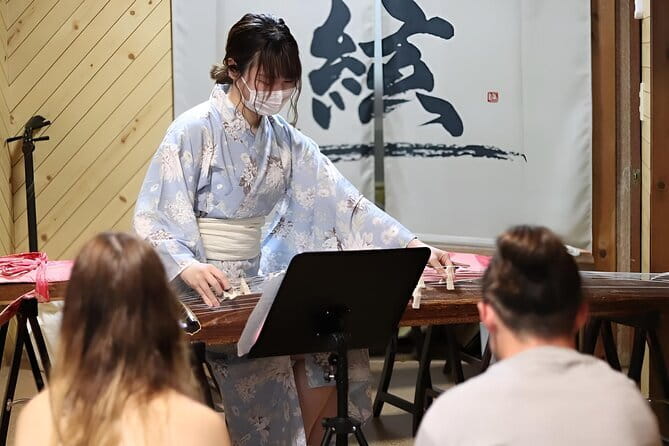
The program begins with a brief explanation of the koto and shamisen. This introduction is important because the instruments may be unfamiliar, and the sound can be easier to appreciate once you understand how each one is played.
You will learn about the instruments before hearing the main performance. The explanation gives you something to listen for, rather than asking you to sit through unfamiliar music with no context. That makes this a good choice if you are curious about Japanese music but do not already know the difference between the two instruments.
The presentation is available in English, and the organization is described as clear and detailed. That removes one common problem with cultural performances: seeing something beautiful but leaving without knowing what you heard. Here, the music comes with enough background to give the pieces meaning.
The concert includes classical works connected with musicians such as Yoshizawa Kengyo, Yatsuhashi Kengyo, and Kikuoka Kengyo. These names may not mean much to you at first, but they help show that the program is connected to established Japanese musical traditions rather than being a general cultural demonstration.
A few more Kyoto experiences worth weighing up
- Kyoto: Traditional Concert at Townhouse or Bathhouse
★ 4.9 · 224 reviews
Classical pieces, modern works, and original music
The performance includes pieces such as Chidori no Kyoku, Rokudan no Shirabe, and Kajimakura. These works offer a window into the classical side of the program, while modern and original compositions keep the concert from feeling stuck in the past.
That mixture is one of the strongest reasons to book. A program made only of historical pieces might appeal mainly to people who already enjoy traditional music. By including newer compositions, the performers show that the koto and shamisen are living instruments, not props from an earlier age.
Chidori no Kyoku appears to be a particularly moving part of the performance. One account of the experience described an emotional reaction to the piece, which makes sense given the koto’s ability to create long, ringing tones. You should not expect every selection to affect you in the same way, but the program clearly has more feeling than a simple demonstration of technique.
The music may also include tunes you recognize. The performance invites you to listen for familiar melodies among the traditional and modern pieces. That small element of recognition can help bridge the gap between an unfamiliar musical style and your own listening experience.
I appreciate that the concert does not present Japanese music as one fixed sound. The program moves between older compositions, newer works, and music created by the performers. You get a short lesson in tradition, but you also see how the instruments can still be used creatively.
The Q&A and photo session add real value
After the music, you have an opportunity to ask questions and take photos with the professional musicians. This is more than a polite ending. It gives you a chance to clarify what you heard and learn details that may not fit into the opening explanation.
You might ask about the construction of the instruments, the playing technique, the meaning of a particular piece, or the difference between classical and modern arrangements. The supplied information does not list specific questions or a fixed Q&A length, so the amount of discussion may vary. Still, direct contact with the musicians is a useful part of such a small performance.
The photo session is also worth noting. Many cultural shows keep performers at a distance, and photography may be limited. Here, the experience specifically includes a chance for photos after the concert. If you want a personal reminder of the visit, this is a practical benefit.
Keep your expectations sensible. This is not described as a private conversation with each person or an extended workshop. Think of the Q&A as a short chance to speak with the performers after the music, not as a separate lecture.
The optional koto lesson for hands-on participation

You can upgrade your booking to include a hands-on koto session. During that add-on, you try the instrument and play a simple piece.
This option changes the experience from watching to participating. Even a short attempt can help you understand how much control is needed to produce a clean sound. The koto may look simple from a distance, but touching the strings gives you a better sense of its physical demands.
I would choose the upgrade if you enjoy craft demonstrations, music lessons, or activities that let you do more than take photos. It is also a smart pick for families or groups with mixed interests, since the concert can appeal to adults while the playing session gives younger participants something active to do.
The supplied details do not state the extra cost, lesson length, or group size for the hands-on session. Check those details when choosing your option. The basic concert still includes the introduction, performance, and Q&A, so you do not need the upgrade to receive the central experience.
A completely different kind of day out in Kyoto:
- PERFECT KYOTO 1-Day Bus Tour
★ 5.0 · 13,518 reviews - Kyoto: Fushimi Inari, Kinkakuji, Bamboo Grove 1 Day Bus Tour
★ 4.8 · 4,316 reviews - Kyoto: Tea Ceremony in a Traditional Tea House in Kiyomizu
★ 4.9 · 3,519 reviews - Kyoto Geisha Walking Tour: Gion District & Hidden Gems
★ 4.7 · 3,273 reviews
Why 50 minutes works well in Kyoto
The performance lasts about 50 minutes. That is long enough to hear several pieces and receive an introduction, but short enough to fit between other plans.
Kyoto itineraries can become crowded quickly. A morning temple visit, lunch, a walk through a historic district, and an evening meal can fill a day before you notice. A 50-minute concert gives you a structured cultural break without taking over the schedule.
The shorter format also suits people who are unsure about traditional music. You can give the koto and shamisen a fair hearing without committing to a multi-hour concert. If you love the performance, you leave wanting more. If the style is not for you, the time commitment remains manageable.
Several options are offered during the day, which gives you useful control over timing. You can place the concert before sightseeing, between activities, or later in the day. Since the experience is booked an average of 33 days ahead, I would reserve early if your Kyoto schedule is tight, especially if you need a specific time.
The drawback is simple: 50 minutes may feel short for the price if you want a major cultural event. The value comes from the intimacy, explanation, and access to the musicians, not from the length of the show.
Is $39.63 a fair price?
At $39.63 per person, this is not the cheapest way to spend 50 minutes in Kyoto. Yet the comparison should not be with a free temple visit. You are paying for live professional music, a guided introduction, use of a traditional home as a performance space, a Q&A, and a photo opportunity.
I see the strongest value in the setting and the access. A large concert can offer more music, but it may not let you sit close to the instruments or speak with the performers afterward. A cultural show designed for large crowds can be polished, but it may feel less personal.
The price is easier to justify if you want a focused cultural activity rather than another sightseeing stop. It is also more attractive if you select the hands-on option and make use of the question period. If you plan only to sit quietly for 50 minutes and leave, the cost may feel higher.
Coffee and tea are not included, so do not count on refreshments as part of the booking. Private transportation is also not included. The experience is near public transportation, which helps keep the overall cost under control, but you will need to arrange your own way there.
Getting there and planning your visit
The location is Gen Home Saiin in Kyoto, and the venue is near public transportation. Since private transportation is not included, check the route before your concert time and allow enough time to find the home.
The mobile ticket makes entry convenient. Booking confirmation is received at the time of booking, so you can keep the ticket on your phone rather than arranging a printed voucher.
The information does not provide a detailed meeting-point description, exact station directions, or a required arrival time. Read the booking instructions carefully after confirmation. A traditional home may not look like a formal concert hall from the street, so do not rely on spotting a large theater sign.
Most people can participate, and the experience is listed as suitable for most participants. Specific accessibility features are not provided, so contact the provider if you need detailed information about steps, seating, or mobility access.
Free cancellation is available if you cancel at least 24 hours before the start time. Changes or cancellations made within 24 hours are not accepted for a refund, and the cut-off uses local Kyoto time.
Who will enjoy this experience most
I would recommend this concert to you if you want:
- A small and personal cultural activity
- An introduction to Japanese instruments in English
- A break from temple and garden sightseeing
- Live music in a home rather than a large venue
- A short activity that fits into a full day
- The option to try a traditional instrument
- A chance to ask performers questions after the concert
It should work especially well for first-time visitors who want context without taking a full day for a museum or formal lecture. Music lovers will appreciate the mix of classical, modern, and original pieces. Families and curious children may prefer the koto upgrade because it adds a practical activity.
I would hesitate if your main goal is a long concert with a large ensemble. I would also think twice if transportation is difficult for you and you need a fully arranged excursion, since private transport is not part of the booking.
Should you book the Kyoto koto and shamisen concert?
Book it if you want to hear Japanese music close up and understand what you are hearing. The strongest parts are the home setting, the clear introduction, the emotional range of the music, and the chance to speak with the musicians afterward.
The $39.63 price is fair for an intimate cultural experience, though the 50-minute length means you are paying for access and atmosphere as much as playing time. Choose the hands-on koto option if you want more participation, and reserve early if you need a particular time.
For a short, thoughtful addition to a Kyoto itinerary, I would book this experience. It gives you something temples cannot: a direct encounter with living music and the people who perform it.
FAQ
Where does the concert take place?
The concert takes place at Gen Home Saiin in Kyoto, inside a traditional Japanese home used as the performance space.
How long does the experience last?
The concert experience lasts approximately 50 minutes.
What instruments will I hear?
You will hear the koto and shamisen. The experience includes a brief introduction and explanation of both instruments.
What music is performed?
The program includes classical pieces such as Chidori no Kyoku, Rokudan no Shirabe, and Kajimakura, along with modern and original compositions.
Can I try playing the koto?
Yes. An upgrade is available that lets you participate in a hands-on koto session and try playing a simple piece.
Is transportation included?
No. Private transportation is not included, although the venue is near public transportation.
Can I cancel for a refund?
Yes. You can cancel up to 24 hours before the start time for a full refund. Cancellations or changes made less than 24 hours before the experience are not accepted for a refund.
Just added around Kyoto
- Kyoto: Private Customizable Day Trip by Car★ 5.0 · 38 reviews
- Kyoto: Gion Night Walking Tour with Geisha Insight★ 5.0 · 39 reviews
- Kyoto: Full Day Bike Tour★ 4.9 · 39 reviews
- Private Japanese Calligraphy in Kyoto – Learn Shodō with a Master★ 5.0 · 39 reviews
- Experience a tea ceremony in an authentic tearoom, in Kyoto!★ 4.5 · 41 reviews
- Kyoto: Gion Evening Walk with Hidden Gems, Geisha & Sake★ 5.0 · 41 reviews
- Kyoto Private Photo Shoot & Tour by SnapKyoto★ 5.0 · 41 reviews
- The Way of Tea: Kyoto Crafts, Hidden Temples & Wabi-Sabi Walk★ 5.0 · 41 reviews
Kyoto Tours, compared.
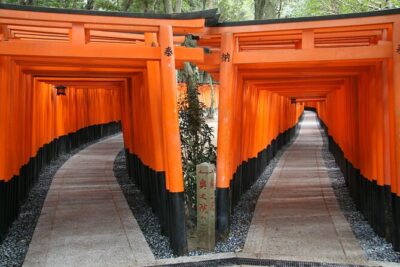

Fushimi Inari, Kinkakuji, Bamboo Grove 1 Day Bus Tour
Read our review →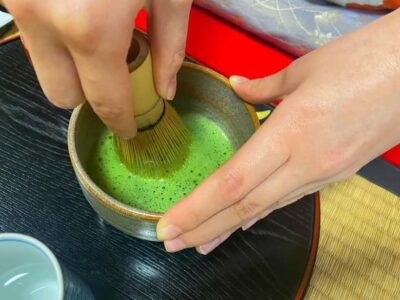
Tea Ceremony in a Traditional Tea House in Kiyomizu
Read our review →
Kyoto Geisha Walking Tour: Gion District & Hidden Gems
Read our review →

Gion Magical Night Walking Tour with Geisha Trivia
Read our review →