Reviewed · KYOTO TOURS
Kyoto: Traditional Concert at Townhouse or Bathhouse
Quiet music, close enough to feel every note. This Kyoto concert gives you a rare look at Japanese musical tradition through professional koto and shamisen performances, clear bilingual explanations, and direct contact with the artists. I especially like the small townhouse setting, where as few as 11 people sit close to the performer, and the chance to join a hands-on koto workshop afterward. The main drawback is that the meeting point can be tricky to find, and the larger bathhouse concert is offered only on selected Mondays.
You can choose a 45-minute concert at a traditional Japanese home or a longer program at a former bathhouse hall. Both are good choices, but they offer different moods: the townhouse feels personal and relaxed, while the tiled hall gives duet performances a wider, more dramatic sound.
In This Review
- Key points to know before booking
- Why this concert adds something different to Kyoto
- The traditional townhouse: Kyoto music at living-room distance
- The historic bathhouse hall: duets with a bigger sound
- What happens from check-in to the final note
- The optional koto workshop is worth considering
- How the music feels in each setting
- Is $32 a fair price?
- Fitting the concert into a day of sightseeing
- Who will enjoy this, and who may not
- Booking details that matter
- Should you book the Kyoto traditional concert?
- FAQ
- How much does the concert cost?
- How long does the experience last?
- Which instruments will I hear?
- Do I need to know anything about Japanese music?
- Is the performance in English?
- Can I try playing the koto?
- Is the workshop included in the ticket price?
- Is the bathhouse venue open for bathing?
- How often is the bathhouse concert offered?
- Can I cancel my booking?
Key points to know before booking
- A true small-room concert: The townhouse holds about 11 people, and some sessions may feel almost private.
- Two distinct venues: Choose the cozy home for solo koto and shamisen, or the historic bathhouse hall for duets and stronger reverberation.
- Music with useful context: A bilingual introduction explains the instruments, materials, notation, playing methods, and meaning of the pieces.
- A practical koto lesson: Townhouse bookings can include 35 to 40 minutes of guided playing with sanitized instruments.
- Programs change by performer: You may hear classical works, contemporary arrangements, singing, and original selections.
- Good value at $32: The price includes the performance, explanations, Q&A, photographs, and seating. The workshop may cost extra depending on the booking option.
Why this concert adds something different to Kyoto
Kyoto gives you temples, gardens, tea rooms, and plenty of formal cultural shows. This concert offers something less polished in the best sense: you sit in a real traditional home or an old bathhouse hall and spend time with musicians who explain what they are doing.
That matters because koto and shamisen music can seem mysterious if you only hear it from a distance. The short introduction makes the concert easier to follow. You learn about the strings, bridges, picks, materials, and unusual Japanese notation before the performance begins.
I like this format because it does not assume prior knowledge. Most people arrive as beginners. You do not need to know the difference between a koto and a shamisen, and you do not need to understand Japanese musical forms to enjoy the sound.
The performance itself usually includes four or five pieces. The selection may move from Japanese classical music to newer compositions, so you get a sense of how these instruments can sound both old and surprisingly modern. Some programs also include singing, which adds another layer to the koto and shamisen.
A few more Kyoto experiences worth weighing up
- Concerts Played with Traditional Instruments in Kyoto
★ 5.0 · 50 reviews
The traditional townhouse: Kyoto music at living-room distance
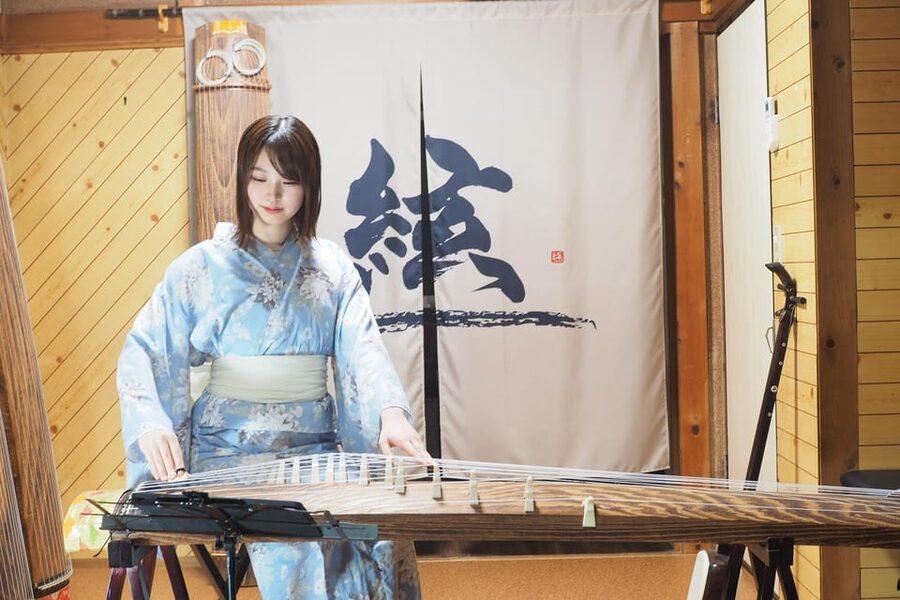
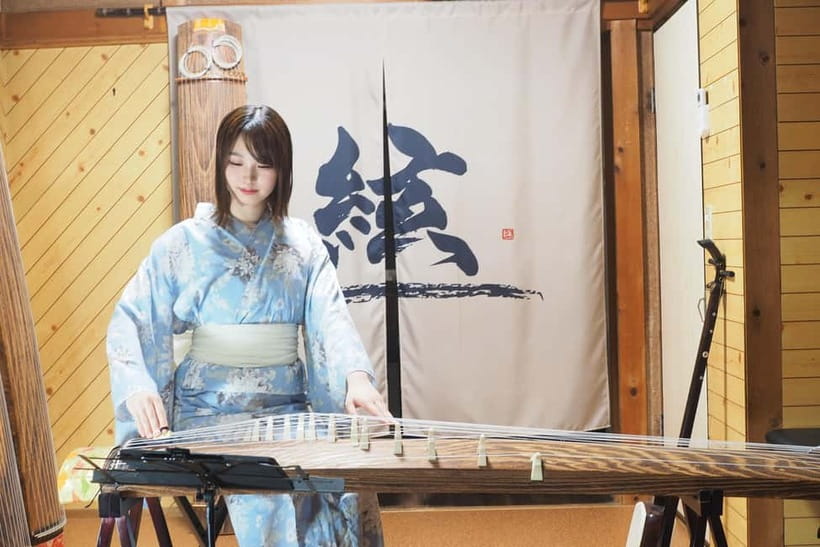
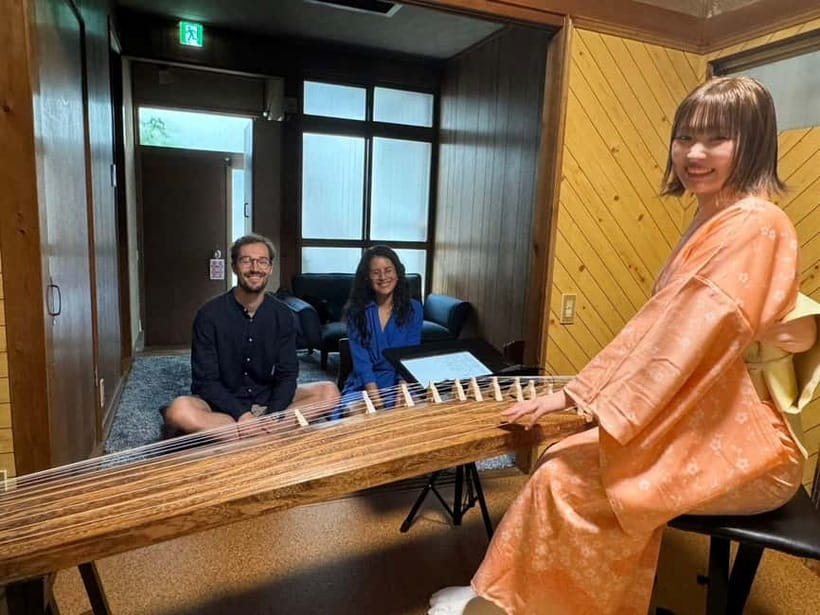
The townhouse is the most intimate option. It holds approximately 11 people, with cushions or chairs arranged in a small room. The setting feels more like an attentive gathering in a Japanese home than a standard concert hall.
That closeness is the main reason to choose it. You can watch the musician’s hands, see how the picks are used, and notice the movement of the strings. The sound is not softened by distance or a large room. A delicate passage on the koto can feel unusually direct.
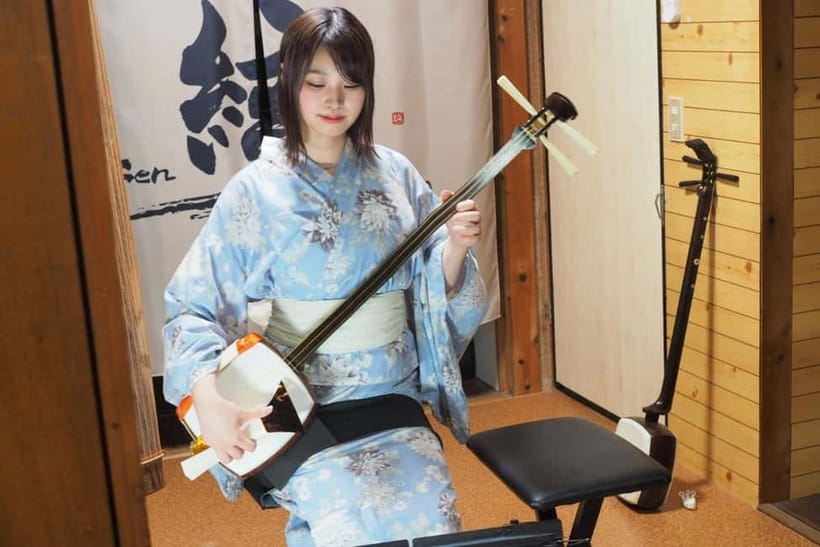
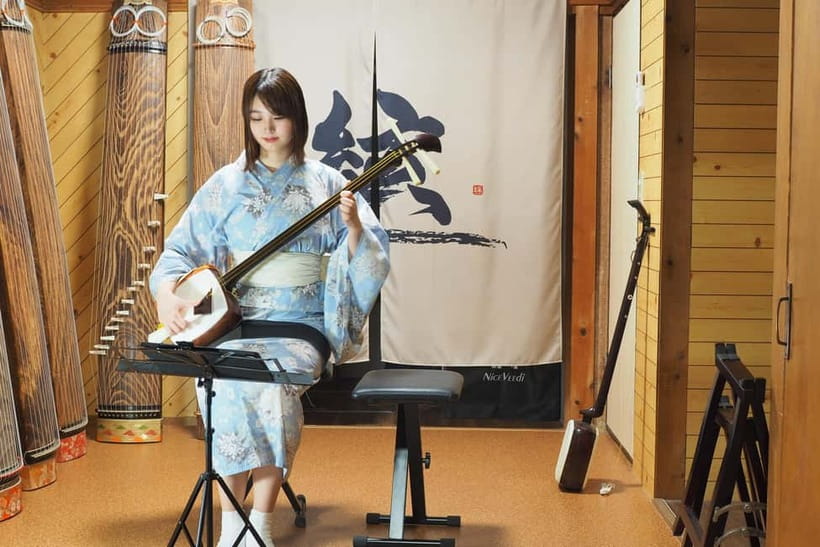
The program features a solo performer playing koto and shamisen, usually across four or five classical and contemporary pieces. The exact selection depends on the musician and the season. Names that may appear in the repertoire include Kajimakura, Chidorino Kyoku, and Kaede no Hana.
Do not expect the same fixed program every time. That is a benefit if you care more about hearing a skilled performer than checking off a particular song. It also means you should avoid booking only because you want one specific title.
The small room has a gentle, personal mood. Performers have included musicians such as Furan, Kyoko, Aoi, and others, and the presentation can include both playing and singing. The changing roster gives the concert a slightly different character from one date to another.
The townhouse sessions are held almost every day, so this is the easier option to fit into a Kyoto schedule. It works well after sightseeing in western Kyoto, or as a quiet evening activity after a busy day among temples and shopping streets.
The historic bathhouse hall: duets with a bigger sound
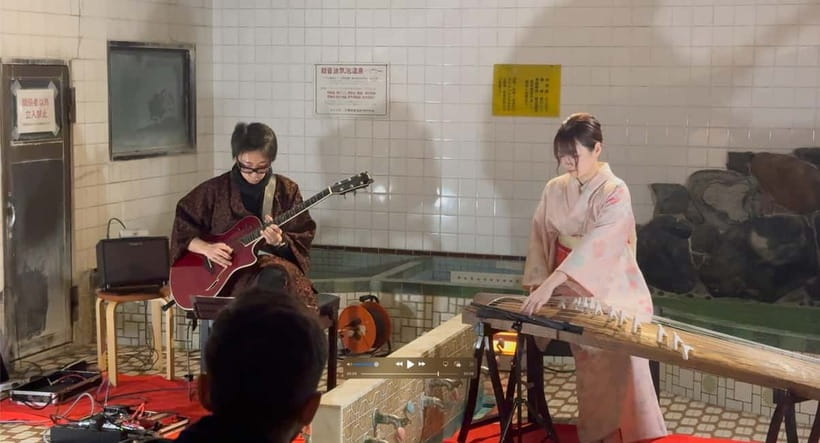
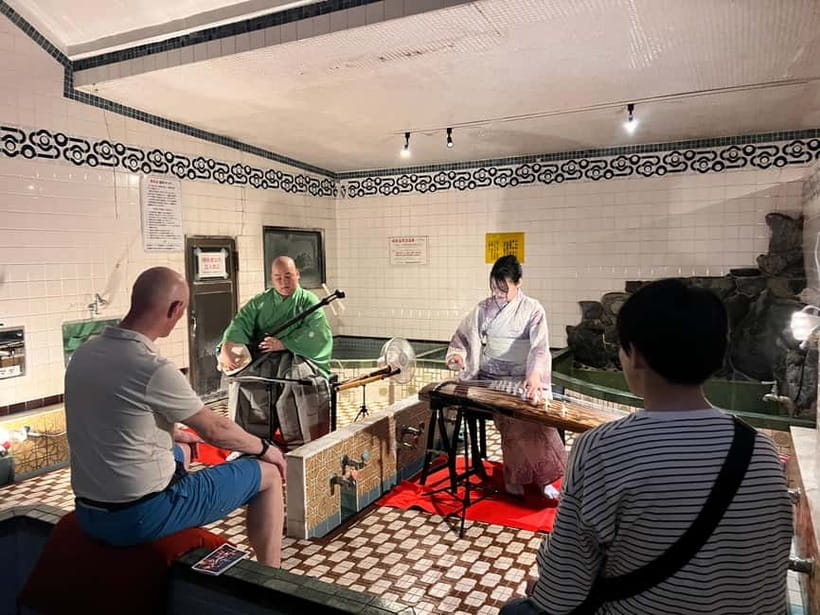
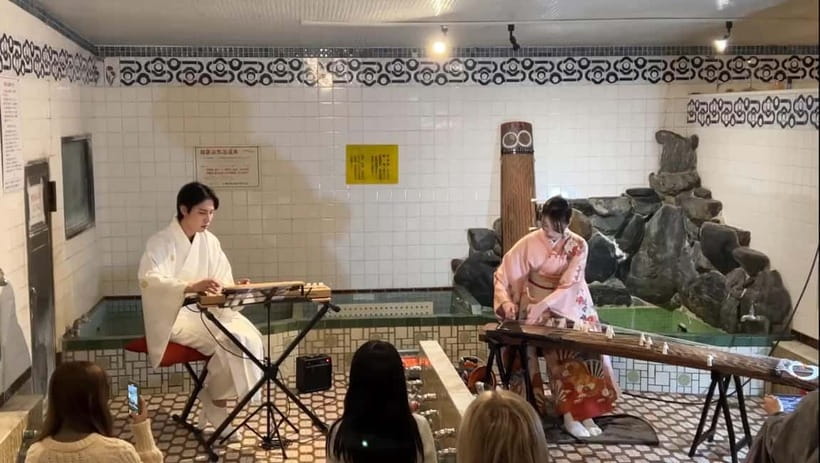
The bathhouse hall offers a different kind of concert. It holds about 30 people, with seating in rows, and its tiled walls create natural reverberation. You are not bathing here, and the ticket does not include access to bathhouse facilities. This is a performance venue only.
The hall is designed for duet programs. A koto may be paired with shamisen, shakuhachi, taishōgoto, flute, guitar, or another instrument. That variety makes this option appealing if you want to hear traditional Japanese music in conversation with another sound.
The program generally combines solo works and collaborative pieces across four or five selections, not counting the opener. The hall’s echo gives the instruments more room to ring out, so a duet can feel fuller and more dramatic than the townhouse performance.
I would choose the bathhouse for atmosphere and musical range. I would choose the townhouse if you want to ask many questions, see the technique up close, or try the koto yourself.
The tradeoff is scheduling. Bathhouse performances are held irregularly on Mondays, so you need to check the calendar carefully. It is not the flexible, almost-any-day option offered by the townhouse.
What happens from check-in to the final note
The experience follows a clear five-part format, though the workshop makes the total duration longer.
Check-in and seating take about five to ten minutes. You receive a welcome and a short explanation of venue etiquette. In the townhouse, seating may be on cushions or chairs. In the bathhouse hall, expect rows of seats.
The instrument introduction lasts about 10 to 15 minutes. This is more than a quick greeting. You learn how the koto and shamisen are made, how strings and bridges work, how performers use picks, and how Japanese notation differs from Western sheet music.
The bilingual presentation is given in Japanese and English. Hosts such as Gen, Shohei, Shima, and others have helped explain the instruments and translate questions. The exact host may vary, but English and Japanese support are part of the experience.
The concert runs about 25 to 30 minutes. Commentary helps connect the pieces to their style or background without interrupting the music too heavily. Four or five works give you enough variety without turning the event into a long lecture.
The Q&A and photo time take another five to ten minutes. This is one of the strongest parts of the format. You can ask about the instruments, the music, or the performer’s approach, then take photographs with the musicians.
Photography is permitted during the photo-opportunity period. If you want pictures of the playing itself, follow the host’s guidance so you do not distract the performer or other people in the room.
A completely different kind of day out in Kyoto:
- PERFECT KYOTO 1-Day Bus Tour
★ 5.0 · 13,518 reviews - Kyoto: Fushimi Inari, Kinkakuji, Bamboo Grove 1 Day Bus Tour
★ 4.8 · 4,316 reviews - Kyoto: Tea Ceremony in a Traditional Tea House in Kiyomizu
★ 4.9 · 3,519 reviews - Kyoto Geisha Walking Tour: Gion District & Hidden Gems
★ 4.7 · 3,273 reviews
The optional koto workshop is worth considering
The workshop is available only with traditional townhouse bookings. It adds approximately 35 to 40 minutes and gives you a chance to sit at the instrument, learn basic techniques, and play a short phrase.
This is not a full music lesson. It is a friendly introduction for beginners. Sanitized instruments and guidance are provided, and the focus is on helping you produce a simple tune rather than mastering the koto in one afternoon.
I think the workshop is especially worthwhile for families and curious first-time visitors. It turns the concert from something you watch into something you physically try. Children and adults can both take part, though babies under one year are not suitable for this activity.
The lesson also helps you appreciate the performer’s skill. After struggling to place your hands, pluck the strings, and follow a short musical line, you hear the concert with sharper ears. The instrument may look calm and simple, but controlled playing takes serious practice.
How the music feels in each setting
The townhouse favors detail. With only a handful of people in the room, you can notice the performer’s posture, hand position, and changes in tone. The mood is warm and reflective, and the small audience makes questions feel natural.
The bathhouse favors sound. Tiled walls reflect the notes and give the duet repertoire more force. A shakuhachi, flute, guitar, or second string instrument can fill the room in a way that would feel different in the townhouse.
Neither setting is automatically better. If you prefer calm, close contact with one musician, book the townhouse. If you want a more theatrical room and collaborative arrangements, watch for a bathhouse date.
The performers may wear traditional clothing, including kimono, which adds visual interest without turning the event into a staged costume display. The focus remains on musicianship and explanation.
Is $32 a fair price?
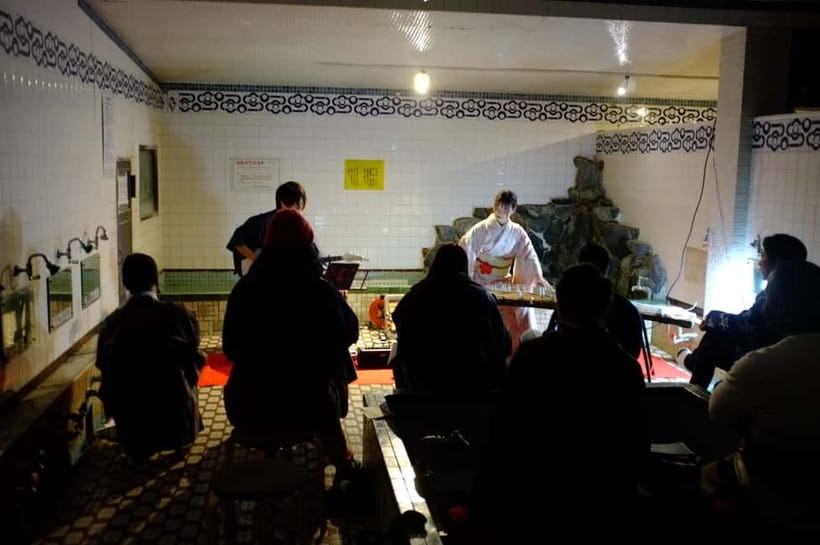
At $32 per person, the standard concert is a good-value cultural activity in Kyoto. You are paying for a professional live performance, instrument explanations in two languages, seating, a Q&A, and time for photographs.
The value is strongest in the townhouse. A group of 11 or fewer creates a level of access you rarely get at a large public concert. You can see the instrument clearly and ask questions without trying to catch a guide in a crowd.
The bathhouse offers a different kind of value. The larger room and duet program provide more musical scale, and the unusual venue adds atmosphere. Since dates are limited, the experience may require more planning, but it can be a memorable use of an evening.
The workshop is the part to check carefully when booking. It is optional and available only for townhouse sessions, and the supplied information does not state that it is included in every $32 ticket. Confirm the exact option before paying.
There is no food, drink, transport, or bathhouse admission included. That is not a problem if you see this as a focused music event, but you should plan a meal separately.
Fitting the concert into a day of sightseeing
The concert is located in western Kyoto, with useful connections from Saiin and Nishioji Sanjō.
Arashiyama is approximately 25 minutes away. A suggested route begins with a walk to Saiin Station, followed by the Hankyu line to Katsura and a transfer to the Randen Line. This makes the townhouse concert a possible early-evening addition after seeing the bamboo area and nearby sights.
Nijō Castle is about 20 minutes away. You can combine the concert with the castle before or afterward, depending on your start time. The route from Saiin is described as one stop on the Tozai subway line.
Kinkaku-ji takes about 20 minutes by bus from Nishioji Sanjō, followed by a short walk. This pairing works best if you leave enough time for the bus and for finding the venue, since several people have found the final location harder to identify than expected.
Nishiki Market is about 25 minutes away by direct Hankyu ride to Karasuma or Kawaramachi. It is a useful combination if you want to eat or shop before the concert.
Give yourself extra time to reach the meeting point. The address may not feel obvious, particularly at the townhouse. Using the supplied map location or longitude and latitude can be easier than relying on the street address alone.
Who will enjoy this, and who may not
I recommend this concert most strongly for:
- First-time visitors who want cultural context without a long lecture
- Music lovers interested in traditional instruments
- Couples seeking a quiet evening activity
- Families with older children who can sit through a short concert
- Anyone tired of crowded attractions and large group shows
- Visitors who want a small-group activity with time for questions
The townhouse is especially good for people who value personal contact and hands-on activities. The bathhouse is better for people who care about acoustics, duet arrangements, and an unusual performance room.
This may not suit you if you want a large stage production, a long concert, or a fixed program by one famous artist. It is also not a bathing experience, despite the bathhouse venue. Transport is not included, and the location may take some patience to find.
The format is generally calm and reflective. If your ideal Kyoto night involves loud entertainment and constant activity, this may feel too gentle. If you want 45 minutes of focused listening after a hectic day, that quiet pace is exactly the point.
Booking details that matter
The activity costs $32 per person, lasts from 45 to 105 minutes depending on the chosen format and workshop, and is available with English and Japanese instruction. Private and small-group options are available.
You can cancel up to 24 hours in advance for a full refund, and a reserve-now, pay-later option helps if your Kyoto schedule is still changing. The meeting point varies by venue, so check the selected option rather than assuming both concerts begin at the same address.
The bathhouse schedule is irregular and concentrated on Mondays. The townhouse is held almost every day, making it the safer choice if your dates are tight.
Should you book the Kyoto traditional concert?
Yes, if you want an intimate cultural experience rather than another crowded sightseeing stop. The strongest reasons are the high level of musicianship, the close seating, the bilingual explanations, and the chance to ask questions directly.
For the best all-around introduction, I would choose the traditional townhouse and add the koto workshop if your schedule allows. You get the most personal setting, a solo program featuring both koto and shamisen, and the rare chance to try the instrument yourself.
Choose the bathhouse hall if you are visiting on an available Monday and prefer duet performances with a broader acoustic effect. Just confirm the venue, start time, and transport plan before setting out.
At $32, this is a sensible splurge for Kyoto. It will not replace a full concert hall performance, but it offers something more personal: a short window into Japanese music, presented by skilled artists in rooms where the sound and conversation both matter.
FAQ
How much does the concert cost?
The listed price is $32 per person.
How long does the experience last?
The concert options range from 45 to 105 minutes. A standard performance includes the introduction, concert, Q&A, and photographs. The optional townhouse workshop adds about 35 to 40 minutes.
Which instruments will I hear?
The programs feature koto and shamisen. Bathhouse duet programs may also include shakuhachi, taishōgoto, flute, guitar, or another instrument.
Do I need to know anything about Japanese music?
No. The activity is designed for beginners, and the bilingual introduction explains the instruments, notation, playing methods, and repertoire.
Is the performance in English?
Instruction and commentary are available in English and Japanese.
Can I try playing the koto?
Yes, an optional hands-on koto workshop is available with traditional townhouse bookings. It includes basic guidance and a short phrase for beginners to play.
Is the workshop included in the ticket price?
The available information does not confirm that the workshop is included in every ticket. Check the exact townhouse booking option before reserving.
Is the bathhouse venue open for bathing?
No. The bathhouse is used as a concert hall for this activity. Bathing and access to the bathhouse facilities are not included.
How often is the bathhouse concert offered?
The bathhouse program is offered irregularly on Mondays. Check the calendar for available dates.
Can I cancel my booking?
Yes. You can cancel up to 24 hours in advance for a full refund. A reserve-now, pay-later option is also available.
Just added around Kyoto
- Kyoto: Private Customizable Day Trip by Car★ 5.0 · 38 reviews
- Kyoto: Gion Night Walking Tour with Geisha Insight★ 5.0 · 39 reviews
- Kyoto: Full Day Bike Tour★ 4.9 · 39 reviews
- Private Japanese Calligraphy in Kyoto – Learn Shodō with a Master★ 5.0 · 39 reviews
- Experience a tea ceremony in an authentic tearoom, in Kyoto!★ 4.5 · 41 reviews
- Kyoto: Gion Evening Walk with Hidden Gems, Geisha & Sake★ 5.0 · 41 reviews
- Kyoto Private Photo Shoot & Tour by SnapKyoto★ 5.0 · 41 reviews
- The Way of Tea: Kyoto Crafts, Hidden Temples & Wabi-Sabi Walk★ 5.0 · 41 reviews
Kyoto Tours, compared.
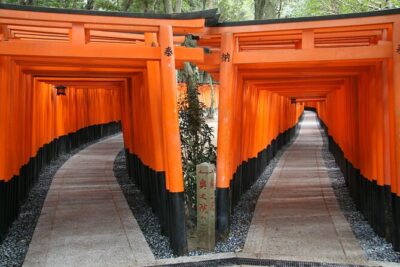
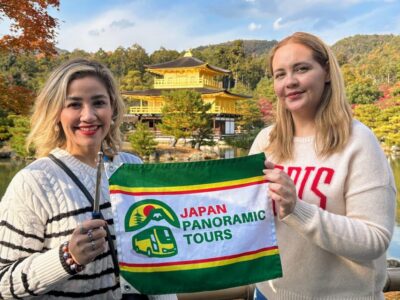
Fushimi Inari, Kinkakuji, Bamboo Grove 1 Day Bus Tour
Read our review →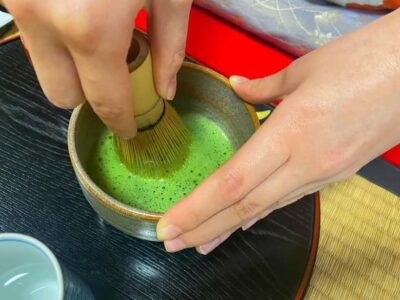
Tea Ceremony in a Traditional Tea House in Kiyomizu
Read our review →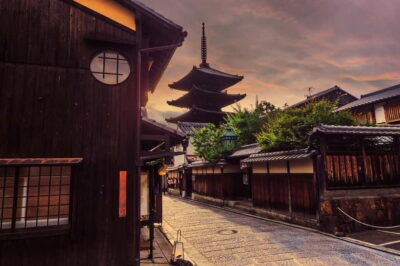
Kyoto Geisha Walking Tour: Gion District & Hidden Gems
Read our review →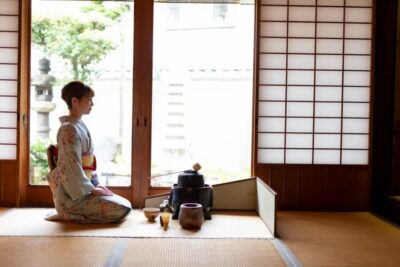
Gion Magical Night Walking Tour with Geisha Trivia
Read our review →