
Reviewed · GEISHA & GION DISTRICT TOURS
Gion Walking Tour, Geisha Show and Japanese Game in Kyoto
A maiko brings Gion to life. This two-hour Kyoto experience combines a guided walk through Gion with a private-style performance, conversation, tea, and a traditional fan game. I especially like the small groups of no more than six and the chance to ask a maiko about her daily life, rather than simply watching a staged dance from a distance. The walk also reaches quieter Gion streets, giving you more context than a quick photo stop.
The main consideration is the price: at $108 per person, this is not a budget walking tour. You should also know that some past participants disliked stops at designated shops, so the experience may include a little browsing alongside the cultural content.
In This Review
- Key points at a glance
- Starting at the Izumo-no-Okuni statue
- Walking through Gion beyond the main street
- Entering the maiko performance room
- The question-and-answer session
- Playing the traditional Japanese fan game
- How much value do you get for $108?
- The importance of the six-person limit
- Guides, interpretation, and the human touch
- Timing, meeting point, and practical planning
- Who should book this Gion experience?
- Should you book the Gion walking tour and maiko show?
- FAQ
- How long is the Gion walking and maiko experience?
- Where does the tour meet?
- Where does the experience finish?
- Is the tour conducted in English?
- How large is the group?
- Is tea included?
- Can I ask the maiko questions?
- Can I cancel for a refund?
Key points at a glance
- Two experiences in one: Spend the first hour learning about Gion, then the second hour watching and meeting a maiko.
- Very small group: With a maximum of six people, the guide can answer questions and help the conversation feel personal.
- A real cultural exchange: You can ask about the life of a maiko and geiko through an English-speaking guide.
- Traditional fan game: You do not just watch the performance. You take part in a playful Japanese game with the maiko.
- Tea and a Japanese snack included: These small touches help make the performance feel like a cultural gathering rather than a theater show.
- Strong guide feedback: Ai Iwata, Rin, Yoshino, Soichiro, Tang, and Hikaru Kuroki are among the guides praised for warmth, interpretation, and Gion knowledge.
Starting at the Izumo-no-Okuni statue
Your meeting point is the Statue of Izumo-no-Okuni, directly above Gion Shijo Station. Look for a guide holding a white board marked GuideMe Japan. This is a useful meeting place because it is easy to identify and sits beside a major Kyoto transport stop.
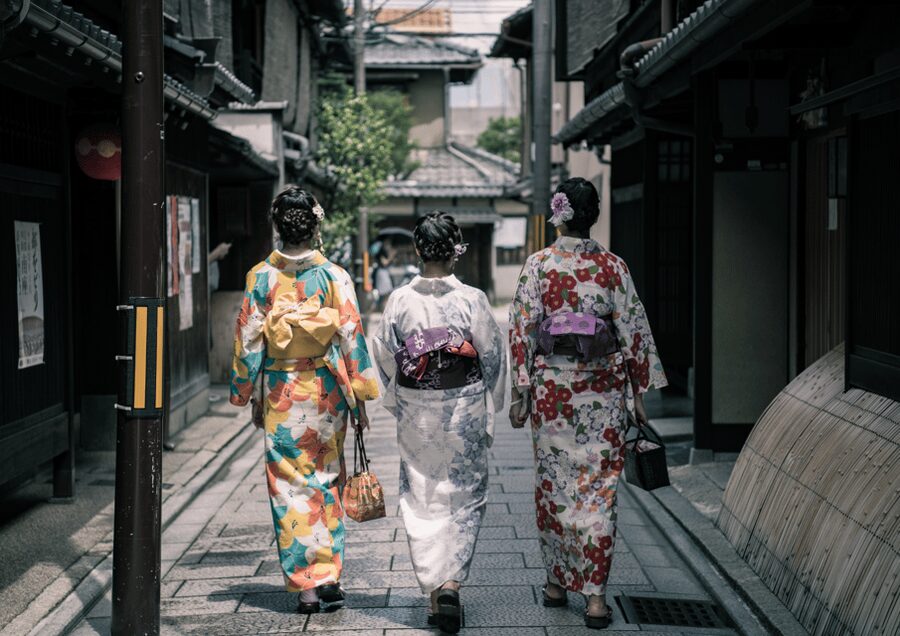
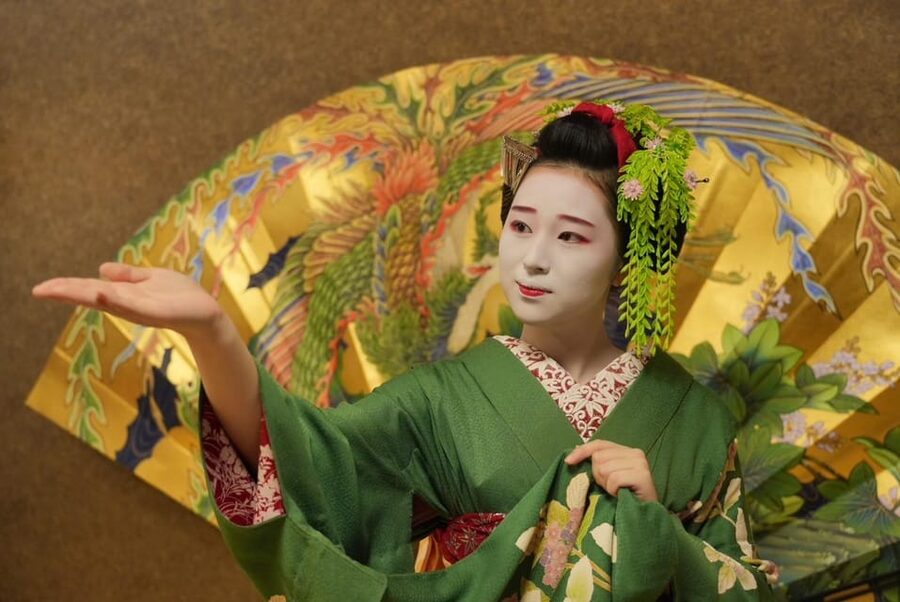
The tour begins on foot, so wear shoes you can walk in comfortably. The first hour takes you around Gion, Kyoto’s famous geisha district, with an English-speaking guide explaining the streets, customs, and history connected with maiko and geiko culture.
I like this opening because it gives the performance a setting. Without the walk, it would be easy to see a dance, take a photo, and leave without understanding the world behind the costume. The guide helps connect the elegant figures you may see in Gion with the neighborhood itself.
Past participants especially praised Ai Iwata for showing less obvious alleyways and explaining points that were not easy to find through independent research. Soichiro was also praised for discussing geiko culture and leading the group through quieter streets. These comments suggest that the quality of the walking portion depends partly on your assigned guide, but the guide team has earned strong marks for warmth and clear English.
More Walking Tours in Kyoto
- Kyoto Geisha Walking Tour: Gion District & Hidden Gems
★ 4.7 · 3,273 reviews - Kyoto: Gion Magical Night Walking Tour with Geisha Trivia
★ 4.9 · 2,393 reviews - Kyoto: Gion Geisha District Walking Tour – Stories of Geisha
★ 4.7 · 2,187 reviews
Walking through Gion beyond the main street
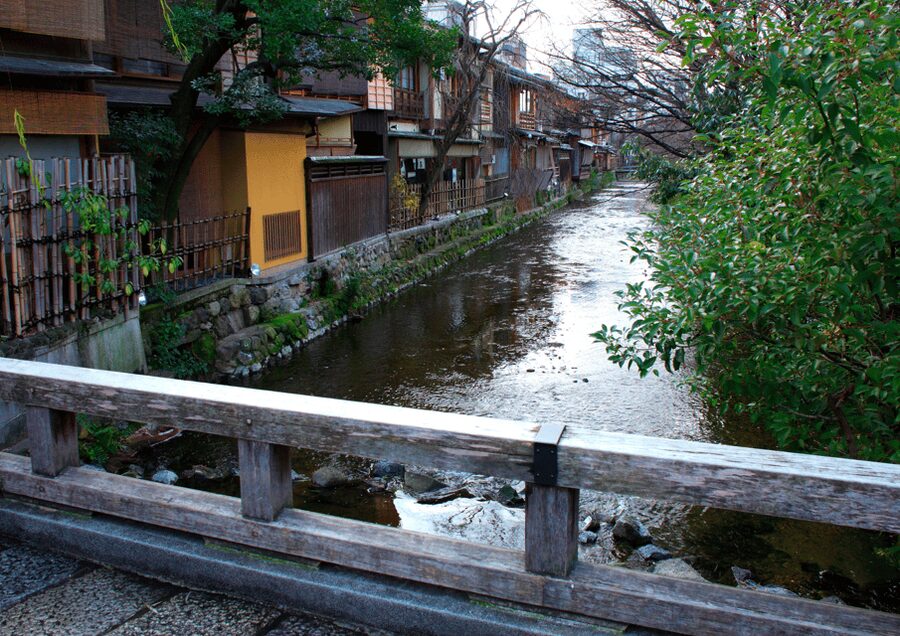
Gion can be crowded, especially around its best-known streets. The route is not described as a long hike, but you should expect an hour of walking through the main area and nearby lanes. The appeal is less about covering a large distance and more about learning how to read the neighborhood.
You might pass shops selling engraved chopsticks, traditional sweets, or other Japanese goods. One guide explained how certain products work as souvenirs for visitors but also have meaning for local families. That kind of explanation adds useful detail. A shop is no longer just a place to buy a gift, it becomes part of the daily culture of the area.
The walk may also include a temple and quieter sections of Gion. I find that contrast valuable. The busy streets give you the familiar Kyoto picture, while the side lanes help you slow down and notice the architecture, small entrances, and atmosphere of the district.
Your guide also helps with photography etiquette. Akshay from Hong Kong specifically praised Ai for explaining when it was appropriate to take pictures and how to behave respectfully. That advice matters in Gion, where visitors must remember that maiko and geiko are working people, not costumed attractions placed on the street for photographs.
The walking section is likely to suit you if you want context, not just a quick introduction. If you already know Gion well and want only the performance, the first hour may feel less essential. For most first-time visitors, though, it creates a better understanding of what comes next.
Entering the maiko performance room
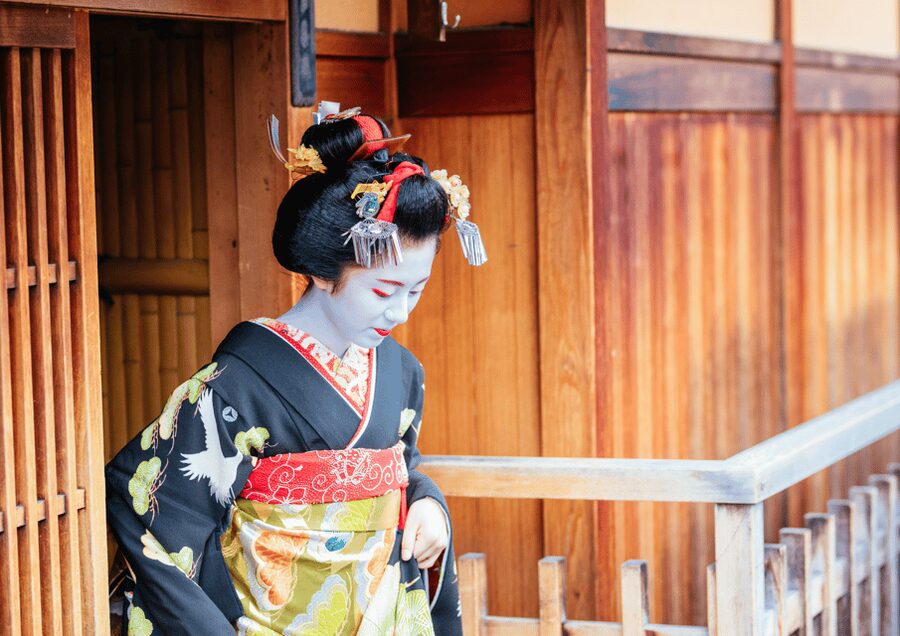
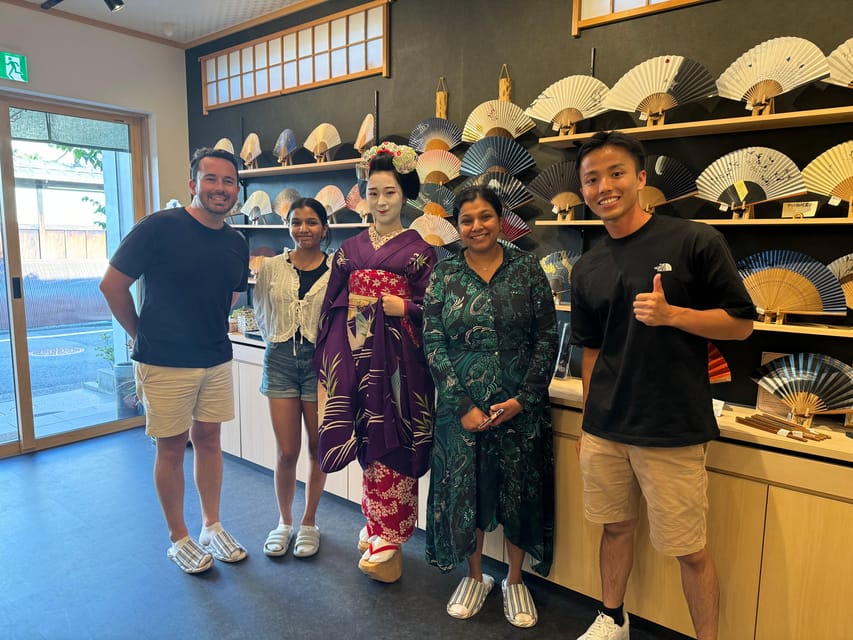
The second hour takes place at Hangesho, the finishing location listed for the experience. Past participants describe sitting on pillows inside a separate room connected with a fan shop. You receive tea and a Japanese snack, then watch a maiko perform a traditional dance.
The setting sounds intimate rather than theatrical. With a group capped at six, you are close enough to notice the details of the performance and still have a reasonable chance to ask questions afterward. This is a very different experience from watching a large public show where the audience remains at a distance.
A maiko is a geisha apprentice. In Kyoto, the terms maiko and geiko refer to different stages and traditions within the local entertainment culture. The tour uses the performance and conversation to explain that world in accessible terms, with your guide interpreting in English.
The dance is the visual heart of the experience. Several participants described the maiko as elegant, graceful, and mesmerizing. Those are predictable words for a performance like this, but they point to something practical: the appeal is not speed or spectacle. The enjoyment comes from watching controlled movement, formal presentation, costume, and expression at close range.
The show is also short enough to fit comfortably into a busy Kyoto evening. You are not giving up half a day, yet you still get a full hour with the maiko, including conversation and the game.
The question-and-answer session
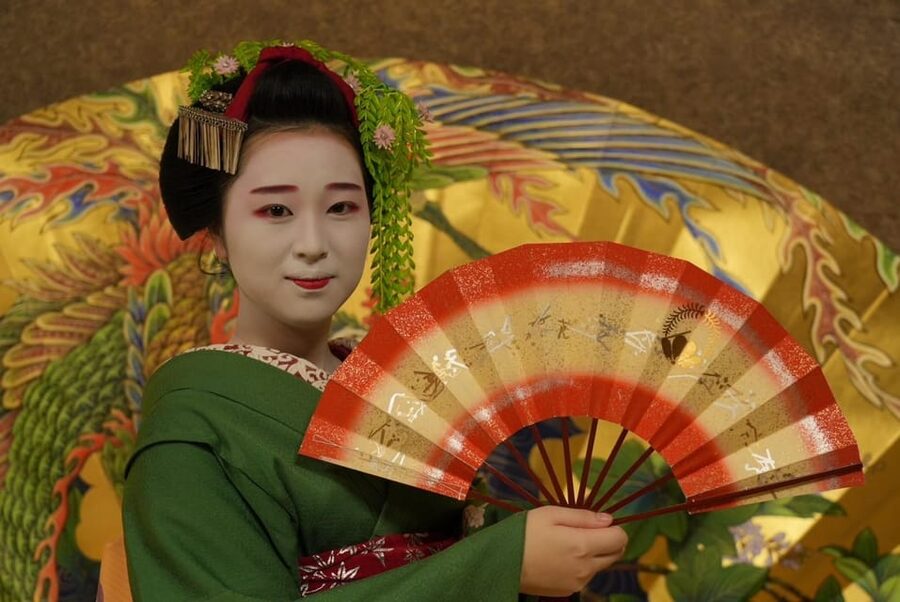
After the dance, you have time to ask the maiko about her life. This is one of the strongest reasons to choose this experience over a standard cultural performance.
The questions are handled through your English-speaking guide, who translates between you and the maiko. David from Ireland praised the guide’s interpretation for keeping the conversation comfortable and helping questions flow naturally. Claudia from Germany also highlighted patient translation and thoughtful answers.
That arrangement matters. A language barrier can make a cultural meeting feel distant, but an experienced interpreter lets you ask more than basic questions. You can learn about the training, routines, customs, and distinction between maiko and geiko, as long as your questions remain respectful.
I would arrive with a few questions prepared. The listed focus is the art of geisha and life in Gion, so consider asking about the dance, the meaning of the fan, daily work, performance preparation, or how maiko and geiko differ. The small group means you should have more room for individual questions than you would in a large organized show.
The conversation is also useful for families. Jenny from Australia said that both a tween and a teen in the family enjoyed the show and game. Children who can sit quietly and take part respectfully may find the question period more engaging than a purely historical lecture.
More geisha district walks in Kyoto:
- Best of Kyoto: Gion, Geisha, Pagodas & Cobblestones
★ 4.9 · 2,058 reviews - Night Walk in Gion: Kyoto’s Geisha District
★ 4.5 · 2,003 reviews - Kyoto Night Foodie Tour in Gion (9+ dishes + 6 Sake tastings)
★ 5.0 · 1,762 reviews - Kyoto Gion Geisha District Walking Tour – The Stories of Geisha
★ 5.0 · 1,441 reviews
Playing the traditional Japanese fan game
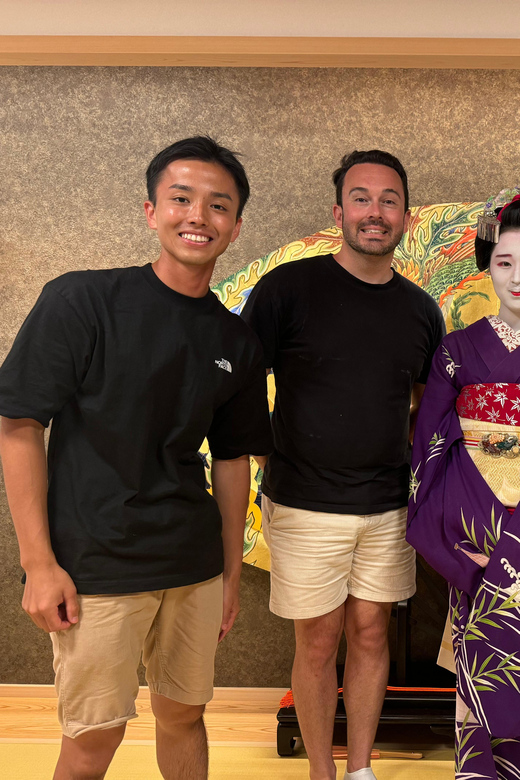
The tour becomes more interactive after the question-and-answer session. Each participant has the chance to play a traditional Japanese fan game with the maiko.
The game is a simple but memorable idea. You are not just sitting in the audience. You have to take part, laugh at your mistakes, and share a small activity with the performer. One participant admitted to scoring zero points but still described the game as fun. That is probably the right attitude: this is not a test of skill.
The game gives the evening an easygoing turn after the formal dance. It also helps break the barrier between audience and performer without losing the sense of respect that the setting requires.
You may also have an opportunity to take photographs with the maiko. The exact photo arrangements can depend on the session, so I would follow your guide’s instructions rather than assume that every pose or camera angle is appropriate. The guide’s role in explaining etiquette is especially useful here.
Tea and a Japanese snack are included. Food is not the focus, and additional food expenses are not included, but the refreshment helps complete the setting. Think of it as a small hospitality detail, not a meal.
How much value do you get for $108?
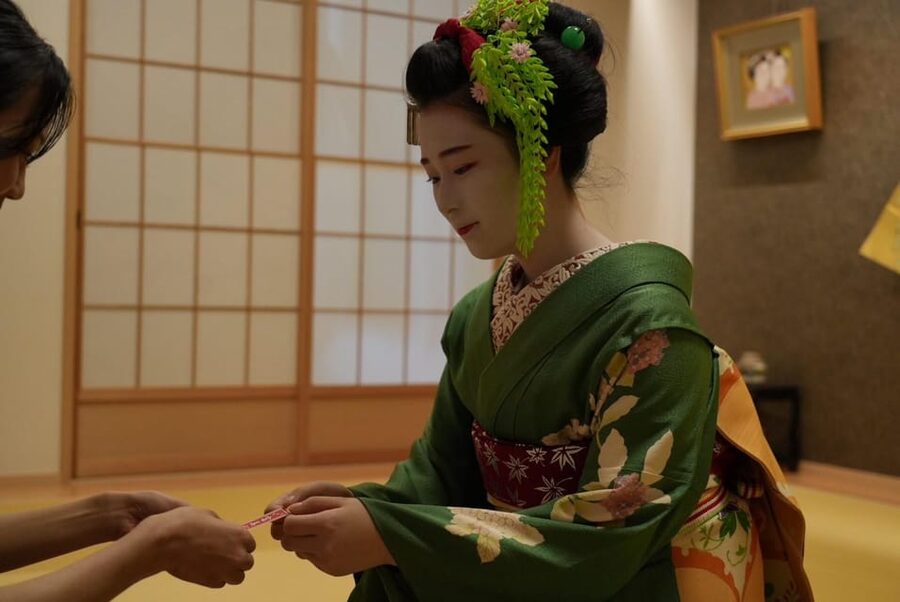
At $108 per person, the tour costs more than a basic Gion walk. You are paying for two hours, an English-speaking guide, a small group, tea and a snack, a live dance, translated questions, and participation in the fan game.
The value depends on what you want from Kyoto. If you want the cheapest possible introduction to Gion, this is not the right choice. You can walk through the district independently for little or no cost.
The paid portion becomes easier to justify if you value access and explanation. The maiko meeting is the part that changes the calculation. A private-style encounter for six or fewer people offers a level of attention that a large cultural show cannot provide. You also avoid having to arrange separate research, find a suitable performance, and work out how to ask questions in English.
I would call it good value for a special occasion, honeymoon, or first visit focused on Japanese arts. Anda-Mihaela described the experience as a highlight of a honeymoon, while David from Australia valued the intimate format and personalized care.
The main value warning is that the walking section may include stops at designated shops. Kayvan from the United States liked almost everything but did not care for those stops. If you dislike any retail element on a guided walk, ask about the route at the start and keep your expectations clear.
The importance of the six-person limit
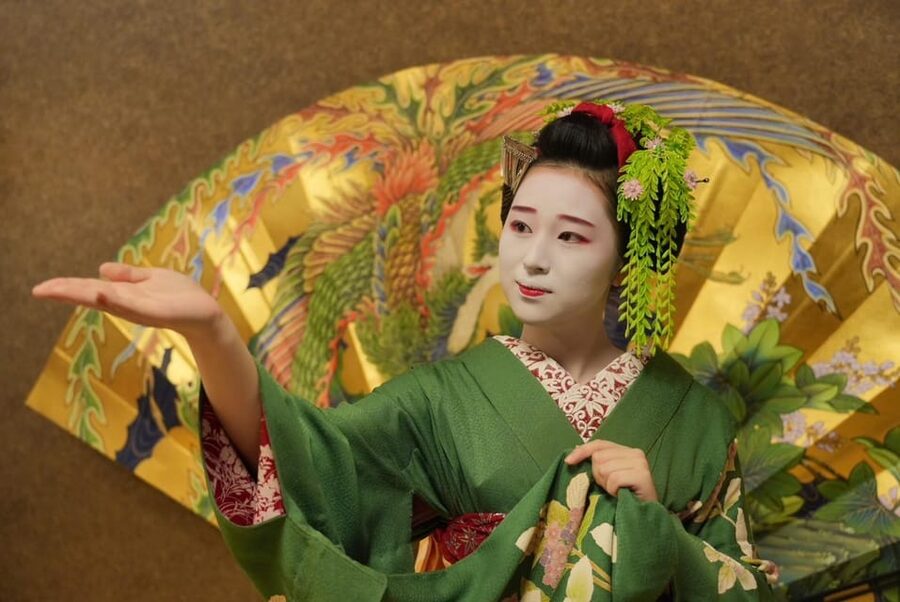
The group size is not a minor detail. A maximum of six people gives the guide room to explain Gion without shouting over a crowd. It also gives you a better chance to ask a personal question during the maiko session.
The small format can be especially helpful for families. A guide may have more time to include children, explain unfamiliar customs, and make sure everyone understands the translated conversation. Yoshino received warm praise for being patient with a young child and even giving her Japanese candy.
Small groups also make photography and the fan game less awkward. You are not waiting behind dozens of people for a turn. The experience still has a scheduled structure, but it has more breathing room than a large group outing.
There is one trade-off. A small group can feel more exposed if you are shy about asking questions or participating in the game. You should expect a personal experience, not a show where you quietly disappear into the audience.
Guides, interpretation, and the human touch
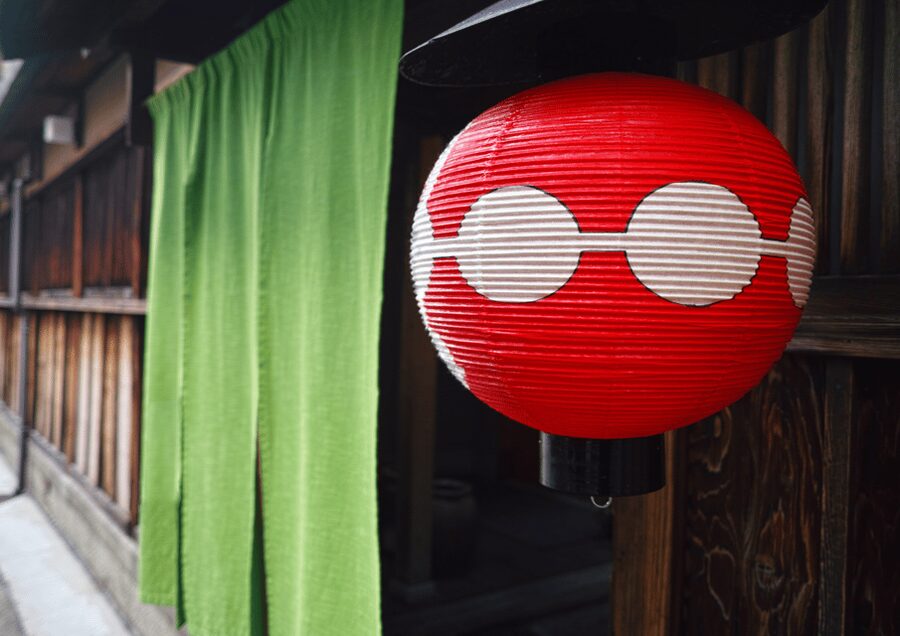
The guides are a major part of the experience. Ai Iwata is repeatedly praised for warmth, patience, and detailed explanations of Gion. Rin is praised for interpretation and for helping the evening feel special. Yoshino receives strong family-friendly feedback, while Soichiro is credited with explaining cultural background and finding quieter streets.
Other named guides include Tang and Hikaru Kuroki. Hikaru was praised for politeness and clear explanations, while Tang helped make an evening session feel special. The guide assigned to you will vary, but the repeated pattern is clear: the guide is not just leading the way. The guide translates, explains etiquette, answers questions, and keeps the meeting comfortable.
English is the listed language. The smoothness of the question period will depend on the guide’s interpretation, but the available feedback points to this being one of the better-supported parts of the experience.
Timing, meeting point, and practical planning
The activity lasts two hours. The first hour is the Gion walk, followed by an hour with the maiko. Starting times vary, so you need to check availability when booking.
Plan to arrive at the Izumo-no-Okuni statue with enough time to find the guide. The meeting point is above Gion Shijo Station, and the white GuideMe Japan board should make identification straightforward.
Because the activity ends at Hangesho rather than returning to the original statue, pay attention to the finish point when planning dinner or your next stop. The supplied details do not promise transportation between locations, so assume you will walk during the experience.
You can cancel up to 24 hours before the start for a full refund, and the reserve-now, pay-later option lets you hold a place without paying immediately. Those policies are useful if your Kyoto plans are still shifting.
Who should book this Gion experience?
I would recommend it to you if you:
- Want an introduction to geisha culture with both explanation and performance.
- Prefer small groups to large bus tours.
- Enjoy asking questions and taking part in cultural activities.
- Are visiting Gion for the first time.
- Are planning a honeymoon, family memory, or special evening.
- Want a guide to explain photography and local etiquette.
It may not suit you if you want a long historical tour, a full meal, or a completely independent walk. The experience is tightly focused on Gion, maiko and geiko culture, and personal interaction.
It is also not the best fit if you dislike shops being included in a walking route. That criticism appeared in an otherwise highly positive account, so it is worth keeping in mind.
Should you book the Gion walking tour and maiko show?
I would book this if meeting a maiko is high on your Kyoto wish list and you want more than a distant stage performance. The dance, translated conversation, and fan game create a full cultural experience in just two hours.
The price is fair for the access, group size, and guide support, though it is not a bargain activity. You are paying for a carefully arranged meeting, not simply an hour-long walk.
Choose it for a personal introduction to Gion, especially if you are traveling with family or marking a special occasion. Skip it if your budget is tight or if you prefer to explore without scheduled stops. For most visitors interested in Kyoto’s traditional arts, this is a memorable and well-focused way to spend an evening.
FAQ
How long is the Gion walking and maiko experience?
The experience lasts two hours. The first hour is a guided walk through Gion, and the second hour includes the maiko dance, questions, tea, a Japanese snack, and the traditional fan game.
Where does the tour meet?
The meeting point is at the Statue of Izumo-no-Okuni, directly above Gion Shijo Station. Your guide will hold a white board marked GuideMe Japan.
Where does the experience finish?
The tour finishes at Hangesho.
Is the tour conducted in English?
Yes. The listed tour language is English, and the guide translates during the conversation with the maiko.
How large is the group?
The group is limited to six participants.
Is tea included?
Yes. Tea and a Japanese snack are included in the experience.
Can I ask the maiko questions?
Yes. You have time to ask about the maiko’s current life and the traditions of maiko and geiko, with help from the English-speaking guide.
Can I cancel for a refund?
You can cancel up to 24 hours before the experience for a full refund. You can also reserve now and pay later.
Just added around Kyoto
- Kyoto: Private Customizable Day Trip by Car★ 5.0 · 38 reviews
- Kyoto: Gion Night Walking Tour with Geisha Insight★ 5.0 · 39 reviews
- Kyoto: Full Day Bike Tour★ 4.9 · 39 reviews
- Private Japanese Calligraphy in Kyoto – Learn Shodō with a Master★ 5.0 · 39 reviews
- Experience a tea ceremony in an authentic tearoom, in Kyoto!★ 4.5 · 41 reviews
- Kyoto: Gion Evening Walk with Hidden Gems, Geisha & Sake★ 5.0 · 41 reviews
- Kyoto Private Photo Shoot & Tour by SnapKyoto★ 5.0 · 41 reviews
- The Way of Tea: Kyoto Crafts, Hidden Temples & Wabi-Sabi Walk★ 5.0 · 41 reviews
Geisha & Gion District Tours, compared.

Kyoto Geisha Walking Tour: Gion District & Hidden Gems
Read our review →
Gion Magical Night Walking Tour with Geisha Trivia
Read our review →
Gion Geisha District Walking Tour – Stories of Geisha
Read our review →
Best of Kyoto: Gion, Geisha, Pagodas & Cobblestones
Read our review →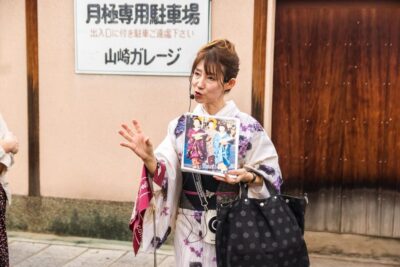

Kyoto Night Foodie Tour in Gion (9+ dishes + 6 Sake tastings)
Read our review →
Kyoto Gion Geisha District Walking Tour – The Stories of Geisha
Read our review →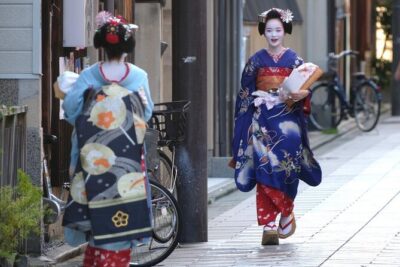
Kyoto Gion: 2-Hour Geisha Culture & History Walking Tour
Read our review →Browse the lists this tour appears in