
Reviewed · ARASHIYAMA & BAMBOO GROVE TOURS
Half Day Kyoto Sagano Bamboo Grove & Arashiyama Walking Tour
Kyoto’s bamboo paths are best with a plan. This four-hour outing pairs the Sagano Bamboo Grove with Tenryu-ji Temple, Jojakko-ji Temple, and Togetsukyo Bridge, giving you a useful first look at Arashiyama without having to handle the train, temple tickets, and route-finding alone. I especially like the mix of forest, Zen gardens, hillside views, and river scenery. I also like that you can often stay in Arashiyama afterward, rather than being forced straight back to Kyoto Station. The main drawback is crowd control: this may be called a small-group tour, but the maximum is 25 people, and some departures have felt too large for narrow paths and busy trains.
The English-speaking guides are a major part of the value. Guides including Sachiko, Donna, June, and Michiharu have been praised for clear explanations, local suggestions, and friendly help with transport. Still, you should expect a steady walking pace, roughly 3 kilometers of walking, stairs at Jojakko-ji, and non-reserved train seats that may require standing.
In This Review
- Key points at a glance
- Why this Arashiyama route works well
- Walking through the Sagano Bamboo Grove
- Jojakko-ji and the wooded slopes of Mount Ogura
- Tenryu-ji’s garden and Zen setting
- Togetsukyo Bridge and the river finish
- What the $79.26 price really buys you
- Guide quality can make or break the morning
- Who should book this half-day tour?
- Practical advice before you go
- Should you book the Arashiyama walking tour?
- FAQ
- How long does the Kyoto Arashiyama tour last?
- Where does the tour begin?
- Where does the tour end?
- Is transportation included?
- How much walking is involved?
- Is Jojakko-ji visited all year?
- What happens if the tour does not reach its minimum group size?
Key points at a glance
- The route links four classic Arashiyama sights: Sagano’s bamboo, Tenryu-ji’s garden, Jojakko-ji’s wooded hillside, and Togetsukyo Bridge.
- Guides add the most value: Sachiko has helped with directions and lunch ideas, while Michiharu has tailored suggestions to individual interests.
- The 4-hour schedule is efficient: You see a lot in one morning, but you will not have much time to linger at each temple.
- Admission and local transport are included: At $79.26 per person, the price is reasonable if you want structure and interpretation.
- The group can be larger than expected: Departures have ranged from three people to around 25, which changes the feel of the walk.
- Summer changes the plan: From July through September 22, Jojakko-ji is replaced by Okochi Sanso Villa Garden, and the start is earlier to avoid the worst heat.
Why this Arashiyama route works well
Arashiyama is easy to reach from Kyoto, but the area spreads beyond one famous bamboo path. You can certainly visit independently, yet a first-time morning here can become a small transportation puzzle. The tour takes you from the meeting point near Kyoto Station to Saga-Arashiyama Station, then handles the route through the principal sights.
That matters most if you want cultural background along the way. The walk is not simply a photo stop at the bamboo grove. You also get an introduction to Rinzai Zen at Tenryu-ji, the literary associations of Jojakko-ji, and the long-running connection between Arashiyama’s hills and the Hozu River.
The tour meets at the JTB Sunrise Tours Desk in the basement of AVANTI, close to Kyoto Station. From there, you use public transport with non-reserved seats. During busy periods, you may stand, so do not count on a quiet train ride or guaranteed seating.
The maximum group size is 25. That is manageable for a guide with headsets, but it is not intimate in the way a three-person departure is. The difference matters in Arashiyama, where narrow lanes, temple gates, and crowded photo spots can turn a simple walk into a stop-and-start procession.
More Walking Tours in Kyoto
- Kyoto Geisha Walking Tour: Gion District & Hidden Gems
★ 4.7 · 3,273 reviews - Kyoto: Gion Magical Night Walking Tour with Geisha Trivia
★ 4.9 · 2,393 reviews - Kyoto: Gion Geisha District Walking Tour – Stories of Geisha
★ 4.7 · 2,187 reviews
Walking through the Sagano Bamboo Grove
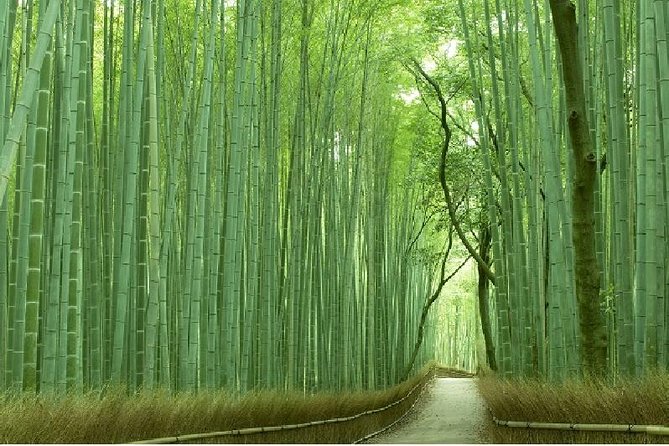
The bamboo grove is the visual centerpiece. Tall stalks rise on both sides of the path, filtering the light and giving the area its cool, hushed feel. The route covers about 3 kilometers in total, though the bamboo section itself is only one part of the walk.
I like that the tour places the grove within a larger setting. You are not just rushed in, given a few minutes for photographs, and moved on. The path connects the grove with temples, wooded slopes, and views toward the Arashiyama hills.
That said, the word tranquil needs a little context. Arashiyama is one of Kyoto’s most visited districts, and the bamboo path can be crowded, especially during cherry blossom season and autumn foliage. Rain can make the footing less pleasant, and a large group may need to pause while everyone catches up.
Your guide’s commentary can help you notice more than the bamboo itself. Several guides have been praised for combining historical explanations with personal stories and practical recommendations. That is useful here, because the grove is beautiful but does not require much time to walk through on its own.
If you want a slow, solitary forest walk, this tour may feel too structured. If you want to see the grove without wasting time finding the next temple, the route is efficient.
Jojakko-ji and the wooded slopes of Mount Ogura
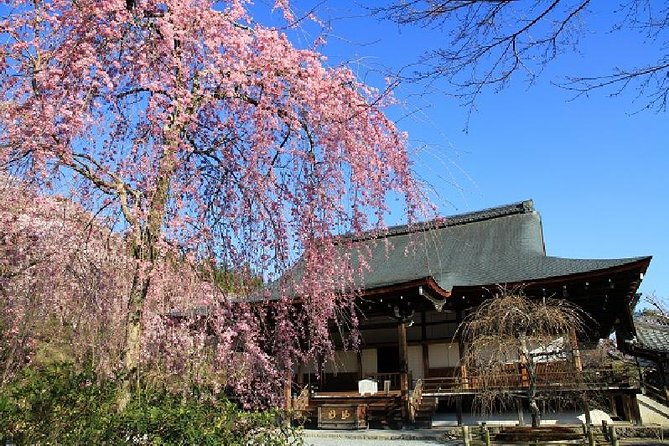
Jojakko-ji Temple gives the morning a more peaceful turn. Set on the slope of Mount Ogura, it offers wide views over Sagano and Kyoto. Its hillside setting also makes it one of the more scenic stops on the route.
The temple is associated with the Tale of the Heike, a major work of Japanese literature. The site is linked with Kenreimon-in, the former empress who is said to have lived there. You will also look for a Jizo statue and a pagoda among the maple trees.
This stop includes about 30 minutes, which is enough for an introduction and some views, but not enough for a leisurely exploration of every corner. The stairs are important to note. Several people have described the tour as easy to manage overall but pointed out that Jojakko-ji includes plenty of steps. Wear shoes with a firm grip and avoid treating this as a flat city stroll.
Autumn is likely the strongest season for this temple. The hillside maples turn red, orange, and yellow, and the elevated position gives you a broad seasonal panorama. Summer offers greener scenery but also more heat, which is why the tour begins earlier during the July to September 22 schedule.
During that summer period, Jojakko-ji is replaced by Okochi Sanso Villa Garden. The change is worth noting when you book, since you are not receiving the same temple visit year-round. The tour information also says that Jojakko-ji admission is not included during July and September, reinforcing that the seasonal plan differs.
Tenryu-ji’s garden and Zen setting
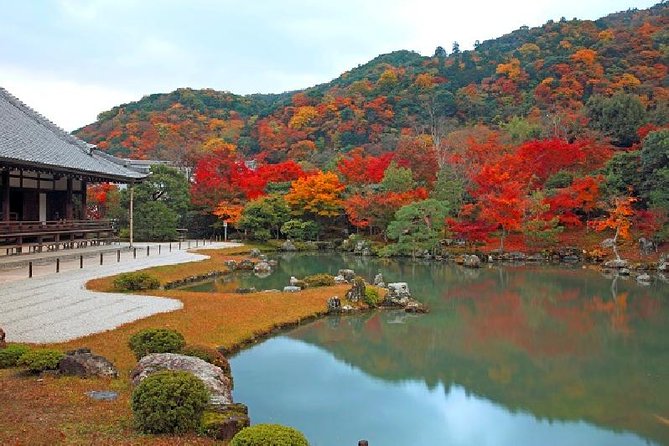
Tenryu-ji is the most important temple visit on the route. Founded in 1339 by Ashikaga Takauji, it is one of the leading Rinzai Zen temples and a World Heritage site. Its garden is the main attraction on this outing.
The garden is valued for its original design and for the way it uses the Arashiyama hills as a natural backdrop. Rather than viewing the pond, trees, rocks, and surrounding mountains as separate decorations, you see them working together as one composition.
The tour allows roughly 30 minutes here. That is enough to understand why Tenryu-ji matters and to enjoy the garden, but the schedule may disappoint you if you expect a long temple visit. One particularly important limitation is that the visit may focus on the garden rather than the interior temple buildings.
I see this as a fair trade for a half-day tour, but you should set your expectations correctly. Tenryu-ji is not being covered in depth. You are getting a guided introduction and entrance access, then moving on to the next part of Arashiyama.
The garden is also a good place to appreciate the contrast between the busy bamboo route and the calm order of a Zen setting. A guide can explain the religious and design elements while giving you enough space to look around. Some departures have been praised for a relaxed pace, while others have lost time gathering people who wandered away.
More Arashiyama and bamboo grove walks:
- Kyoto: Fushimi Inari, Kinkakuji, Bamboo Grove 1 Day Bus Tour
★ 4.8 · 4,316 reviews - Osaka/Kyoto:Kinkakuji,Arashiyama,FushimiInariShrine,NaraPark
★ 4.1 · 1,596 reviews - Kyoto/Osaka: Nara, Fushimi Inari Taisha, Arashiyama Bus Tour
★ 4.7 · 1,275 reviews - Kyoto Arashiyama Walking Tour: Bamboo, Monkeys, Gardens & Secrets
★ 5.0 · 1,216 reviews
Togetsukyo Bridge and the river finish
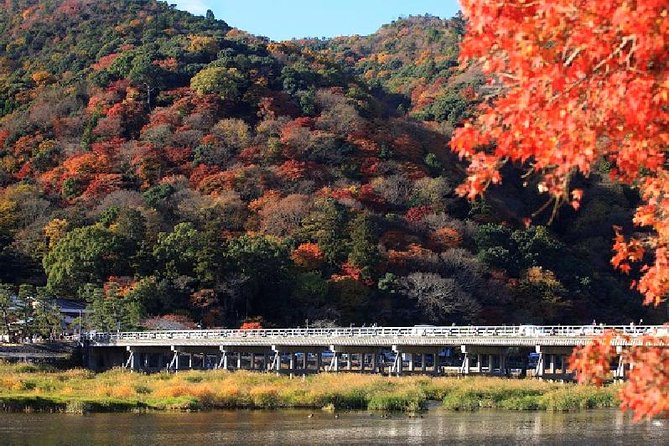
The final major sight is Togetsukyo Bridge, or the Crossing Moon Bridge. The present 250-meter bridge was reconstructed in 1934, though the crossing has a much older place in Arashiyama’s story.
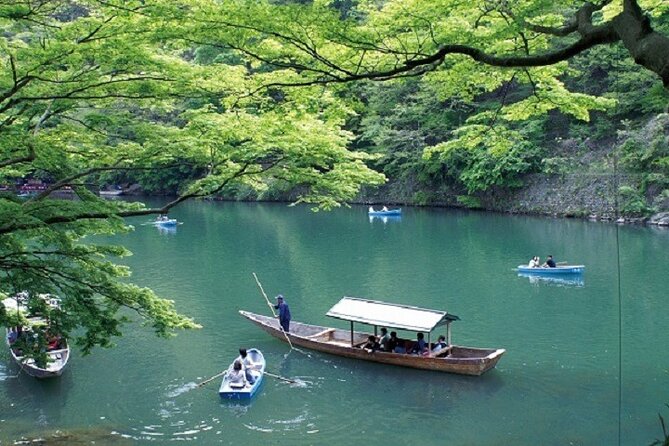
The bridge offers open views after the enclosed bamboo and temple paths. Below you is the Hozu River, with forest-covered hills beyond. Cherry blossoms and autumn color make this area especially attractive in spring and fall, but the open river setting gives the tour a welcome change of pace in any season.
The experience also includes river scenery from a yakatabune, a traditional-style pleasure boat. The boat portion gives you a chance to sit and rest after the walking route while taking in Arashiyama from the water. One guide specifically received praise for making the boat ride a comfortable break during the morning.
The exact order of the bridge, boat, and temple visits can change with congestion and local conditions. Keep that flexibility in mind. This is not a timed private itinerary where every stop happens at the same minute.
The tour ends at Kyoto Station. You can return with the group, or, depending on the departure and guide instructions, remain in Arashiyama to visit more sights on your own. That option is one of the strongest practical features of the experience.
What the $79.26 price really buys you
At $79.26 per person, this is not the cheapest way to see Arashiyama. The bamboo grove and public areas cost nothing, and you can reach Saga-Arashiyama on your own. If you are comfortable navigating Kyoto’s trains and temples, an independent day may give you more time and flexibility for less money.
The price becomes easier to justify because it includes the licensed English guide, entrance fees, and transportation costs listed for the tour. You are paying for a route that has already been organized, along with explanations that you would not get from simply following a map.
The value depends heavily on the guide and group size. With three or 12 people, the walking pace can feel personal and relaxed. With 20 to 25 people, the tour may become less nimble, especially when boarding a busy train or crossing a crowded temple approach.
I would book this if you want a focused introduction to Arashiyama and prefer not to manage the details yourself. I would skip it if you already know the area, want long temple visits, or would rather spend the entire day moving at your own pace.
One cost detail deserves attention: if you plan to use a JR Pass, confirm how the included transportation is handled before booking. One participant expected a price adjustment after using a pass and did not receive one.
Guide quality can make or break the morning
The strongest praise is aimed at the guides. Sachiko has been appreciated for clear explanations, personal stories, directions to the monkey park, and lunch suggestions. Donna has been described as warm and helpful while still giving people room to explore.
June has been praised for friendly commentary, while Michiharu has impressed people with detailed knowledge of Kyoto and Osaka and with suggestions shaped to personal interests. One useful example involved directing a martial arts enthusiast toward the Budo Centre after the tour.
That kind of help is more valuable than a constant stream of facts. A good guide can point out what deserves another hour, explain how to reach the monkey park, or tell you which part of Arashiyama suits your interests.
The experience is not guaranteed to feel equally personal every time. Some departures have had little commentary over headsets and spent too much time waiting for people who became separated. Your experience will depend on the guide, group size, weather, and crowd levels.
Who should book this half-day tour?
I would recommend it for a first visit to Kyoto, especially if Arashiyama is one of your priorities but you have only one morning available. It also suits people who want temple context, prefer guided transport, or are uneasy about finding the right route through a busy sightseeing district.
Families can use the tour, but the walking and stairs require a moderate fitness level. Children aged five and under are free if they do not occupy a separate seat. Anyone under 18 needs written parental permission, and anyone under 15 or not yet enrolled in middle school must be accompanied by a parent or guardian.
The tour is also a good choice for independent-minded visitors who want a guided start. You can follow the group back to Kyoto Station or use the end of the morning to continue exploring, including the monkey park if you have directions and enough energy.
I would be more cautious for anyone seeking solitude, a slow photographic walk, or a detailed interior temple tour. The grove can be crowded, the schedule is fairly tight, and the group may be larger than the phrase small group suggests.
Practical advice before you go
Wear comfortable walking shoes. The total distance is about 3 kilometers, but stairs and uneven temple paths can make the outing feel more demanding than the number suggests.
Allow for standing on the train during busy hours. Non-reserved seats are included, not guaranteed. Keep your phone charged since the tour uses a mobile ticket.
The tour usually lasts about four hours and finishes at Kyoto Station, but the order of stops and arrival time can change with road conditions and crowding. If you want lunch or the monkey park afterward, leave room in your day instead of scheduling a tight connection.
Free cancellation is available up to 24 hours before the start time. The tour also requires at least two adult participants, and it may be canceled if that minimum is not reached by four days before the date.
Should you book the Arashiyama walking tour?
Book it if you want a well-organized morning covering the bamboo grove, two important temples, the bridge, and river views, with transport and admission handled for you. The strongest reason to choose it is the guide, particularly if you receive the kind of clear, personal help associated with Sachiko, Donna, June, or Michiharu.
Skip it if you are comfortable using Kyoto’s trains and want to linger. Arashiyama rewards extra time, and an independent visit lets you explore shops, food stops, the monkey park, or the temples without waiting for a group.
For most first-time visitors, the tour is a solid introduction rather than a complete Arashiyama day. Think of it as a guided morning framework, then stay on after the official finish if the scenery has won you over.
FAQ
How long does the Kyoto Arashiyama tour last?
The tour lasts approximately four hours.
Where does the tour begin?
It begins at the JTB Sunrise Tours Desk in the basement of AVANTI near Kyoto Station, at 31 Higashikujō Nishisannōchō in Kyoto.
Where does the tour end?
The tour ends when the group arrives at Kyoto Station. You then continue to your next destination independently.
Is transportation included?
Yes. Public transportation and other transportation costs listed for the tour are included. The train uses non-reserved seats, so seating is not guaranteed and you may need to stand.
How much walking is involved?
The total walking distance is approximately 3 kilometers. You should wear shoes and clothing suitable for walking, and be prepared for stairs at Jojakko-ji.
Is Jojakko-ji visited all year?
From July through September 22, the itinerary changes. Okochi Sanso Villa Garden replaces Jojakko-ji, and the tour begins earlier to avoid peak heat.
What happens if the tour does not reach its minimum group size?
The tour requires at least two adult participants. If the minimum is not reached by four days before the scheduled date, the tour may be canceled and you will be offered another date or experience, or a full refund.
Just added around Kyoto
- Kyoto: Gion Night Walking Tour with Geisha Insight★ 5.0 · 39 reviews
- Kyoto: Private Customizable Day Trip by Car★ 5.0 · 38 reviews
- Kyoto: Full Day Bike Tour★ 4.9 · 39 reviews
- Private Japanese Calligraphy in Kyoto – Learn Shodō with a Master★ 5.0 · 39 reviews
- Experience a tea ceremony in an authentic tearoom, in Kyoto!★ 4.5 · 41 reviews
- Kyoto: Gion Evening Walk with Hidden Gems, Geisha & Sake★ 5.0 · 41 reviews
- Kyoto Private Photo Shoot & Tour by SnapKyoto★ 5.0 · 41 reviews
- The Way of Tea: Kyoto Crafts, Hidden Temples & Wabi-Sabi Walk★ 5.0 · 41 reviews
Arashiyama & Bamboo Grove Tours, compared.
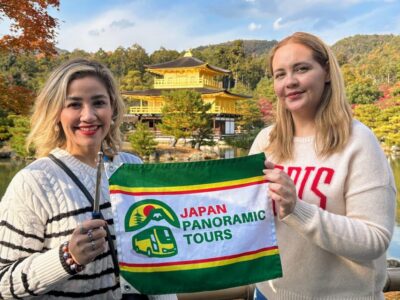
Fushimi Inari, Kinkakuji, Bamboo Grove 1 Day Bus Tour
Read our review →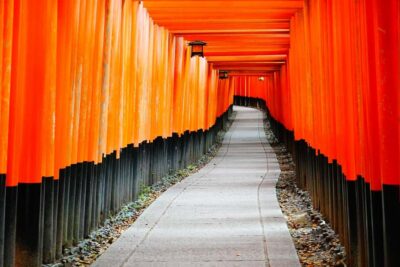
Osaka/Kyoto:Kinkakuji,Arashiyama,FushimiInariShrine,NaraPark
Read our review →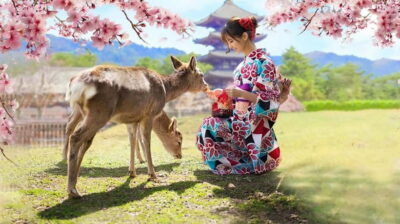
Kyoto/Osaka: Nara, Fushimi Inari Taisha, Arashiyama Bus Tour
Read our review →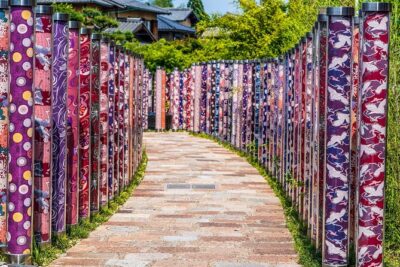
Kyoto Arashiyama Walking Tour: Bamboo, Monkeys, Gardens & Secrets
Read our review →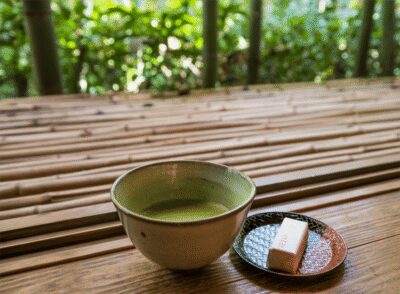
Arashiyama Bamboo, Temple, Monkeys, or Secret Sake Brewery
Read our review →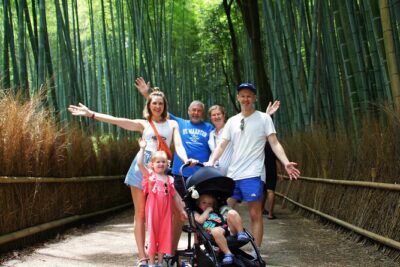
Arashiyama Bamboo Forest, Monkeys, Matcha & Temple Tour
Read our review →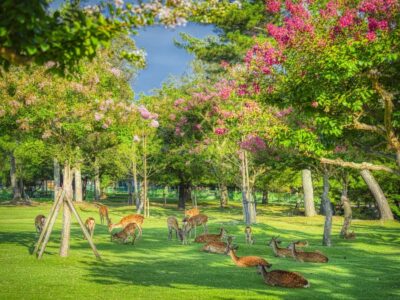
Osaka/Kyoto: Arashiyama, Nara & Fushimi Inari Shrine w/Lunch
Read our review →
Nijo, Kinkaku-ji, Arashiyama, Kiyomizu & Fushimi Inari
Read our review →Browse the lists this tour appears in