
Reviewed · MIYAJIMA ISLAND TOURS
Hiroshima and Miyajima by Bike and Boat
Two wheels reveal Hiroshima’s quieter side. This full-day outing combines easy city cycling with a ferry and train ride to Miyajima, giving you a broad look at Hiroshima without spending the whole day on foot. I like the small maximum of eight, and I like that lunch features local Hiroshima dishes rather than a generic tourist meal. The main catch is time: with Hiroshima, Miyajima, cycling, walking, train travel, and lunch packed into one day, the pace can feel full, especially in hot weather.
I also appreciate the human touch from guides such as Aimee, Alex, Ihsan, Sage, Melissa, and James. They have adapted routes, fitted bikes to shorter riders, added breaks during humid weather, and adjusted the order of stops when useful. Still, the Peace Memorial Museum is not included, and one longer outing ran close to 10 hours, so you should book this for broad coverage rather than a slow, detailed visit to every site.
In This Review
- Key points to know before booking
- Why this Hiroshima tour works so well
- Starting with bicycles in Hiroshima
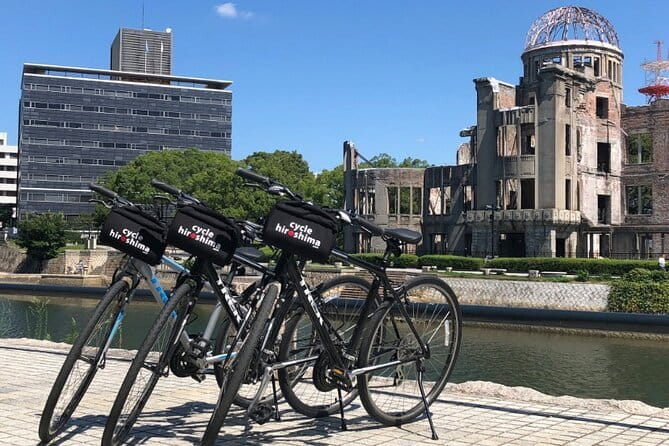
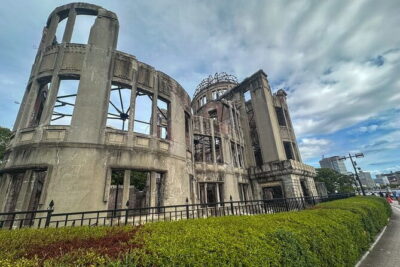
- Hiroshima Peace Memorial Park and the Cenotaph
- Hiroshima Castle and the city’s feudal past
- Taking the JR train and ferry to Miyajima
- Exploring Miyajima’s streets and deer
- Itsukushima Shrine and the included local lunch
- The final ride back to Cycle Hiroshima
- Heat, rain, bicycles, and the right level of fitness
- Who should book this experience
- Is $142.05 good value?
- Should you book Hiroshima and Miyajima by Bike and Boat?
- FAQ
- Where does the tour start and finish?
- What time does the tour start?
- How long does the experience last?
- How many people can join the tour?
- Is lunch included?
- Are bicycle rental costs included?
- Are the train and ferry rides included?
- Does the tour include the Peace Memorial Museum?
- What happens if the weather is poor?
Key points to know before booking
- River cycling gives you a better sense of Hiroshima: You ride through parks, along waterways, and across ordinary neighborhoods that are easy to miss on a standard walking route.
- The group is capped at eight: That makes it easier to ask questions, change the pace, and hear the guide at serious sites.
- Miyajima adds a second kind of Hiroshima experience: Expect shrine buildings, deer, island streets, mountain views, and local food after the city’s memorial sites.
- The tour uses three forms of transport: Bicycle, JR train, and ferry are all part of the day, with the train and ferry fare included.
- Lunch is part of the experience: The meal features regional food, with vegetarian choices available if arranged as needed.
- The day is active and emotionally varied: You move from rivers and cycling to the Cenotaph and Peace Park, then to the lighter mood of Miyajima.
Why this Hiroshima tour works so well
At $142.05 per person, this is not the cheapest way to see Hiroshima. But the price covers a bicycle, guide, lunch, train and ferry rides, and all listed fees. If you paid separately for transport, rented a bike, found lunch, and hired a guide for both Hiroshima and Miyajima, the cost would add up quickly.
The bigger value is time. Hiroshima and Miyajima are closely linked on a map, but they feel like different outings. Hiroshima calls for quiet attention and historical context. Miyajima calls for wandering, photographs, shrine visits, and time with the island’s deer. This tour connects them in one day, which is useful if you have limited time in the region.
The 4.9 rating from 172 reviews, with 98 percent recommending the experience, reflects the strongest feature of the tour: the guides. Aimee receives repeated praise for warmth, humor, flexibility, and care in extreme heat. Alex is valued for his long experience living in Japan and his ability to explain the city beyond the obvious monuments. Ihsan is praised for clear historical explanations and a well-managed route. James is noted for fitting bikes carefully and helping with food, photographs, and shopping.
That guide quality matters here. Hiroshima’s memorial sites are not places where a quick list of dates does the job. You need someone who can explain the setting with care, give you room to think, and answer questions without turning the visit into a lecture. Most guide feedback points to that balance, though one experience felt too light on the wartime discussion. Your experience will depend partly on who leads your group.
More Bike Tours in Hiroshima
- Hiroshima in a Nutshell: Morning Bike Adventure
★ 5.0 · 524 reviews - Hiroshima 2hr Peace Cycling Tour with Local Guide
★ 5.0 · 321 reviews - Hiroshima: Peace Cycling Tour with Local Guide
★ 4.8 · 286 reviews
Starting with bicycles in Hiroshima
The meeting point is Cycle Hiroshima at 4-chōme-5-4 Ōtemachi, in Naka Ward. The start time is 9:30 am, and the tour returns to this same location at the end.
The opening ride takes you along rivers, through parks, and into neighborhoods. This is a useful introduction because Hiroshima is more than its central memorial district. From a bicycle, you cover more ground than you would walking, but you still move slowly enough to notice bridges, waterways, green spaces, and the city’s everyday rhythm.
I like this part because it helps you understand Hiroshima as a living city before focusing on its most painful chapter. The route also reduces the amount of time spent waiting for urban transport. Guides have been praised for selecting comfortable bicycles and finding the right size, including for a rider who was 159 centimeters tall.
You do not need to be a serious cyclist for this experience. The ride is described as being set at a pace the group can manage, and guides have slowed down, scheduled rests, and made sure people drank enough during hot and humid conditions. Even so, you should be comfortable riding for part of a full day. The tour can also change from cycling to walking in heavy rain. One guest had that adjustment made because of a poor forecast, and still walked more than 10,000 steps.
Hiroshima Peace Memorial Park and the Cenotaph
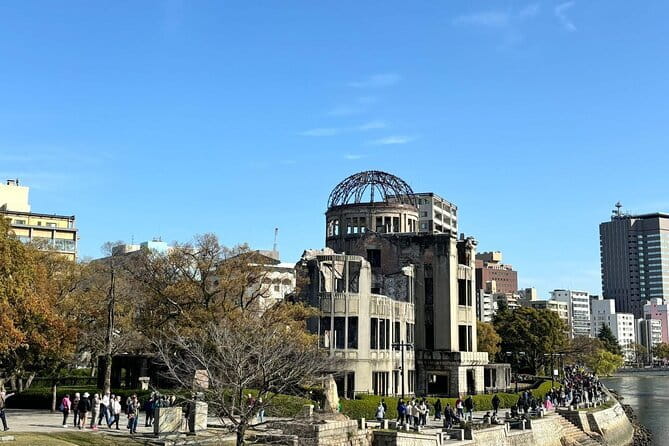
The Peace Memorial Park receives about an hour, followed by around 15 minutes at the Cenotaph for the Atomic Bomb Victims. Your guide provides commentary as you move through the park and explains the meaning of the memorials and statues.
This is where the tour asks for your full attention. Hiroshima’s story is not only about the atomic bombing itself, but also about the events leading up to it and the city’s recovery afterward. The strongest guide accounts describe the discussion as clear, balanced, and respectful, with enough explanation to make the places meaningful without taking over the moment.
The Cenotaph is a natural pause in the day. You arrive at the monument, listen, and have time to reflect before moving on. The short scheduled stop may feel brief if you want to study every nearby memorial or photograph several sculptures. A guide can point out details you might otherwise pass, but you may not have much independent time here.
The Peace Memorial Museum is not part of the tour. This is one of the most important practical points in the whole description. If the museum matters to you, plan a separate visit, perhaps before or after the cycling day, or ask whether your guide can help arrange tickets. One guest returned afterward to see the museum and revisit monuments that received only a quick look during the tour.
You should also understand the emotional shape of the day. The tour later shifts to food, deer, and island scenery, but the Peace Park deserves a serious frame of mind. Guides such as Melissa and Aimee have been praised for knowing when to be informative and when to let the subject remain quiet.
Hiroshima Castle and the city’s feudal past
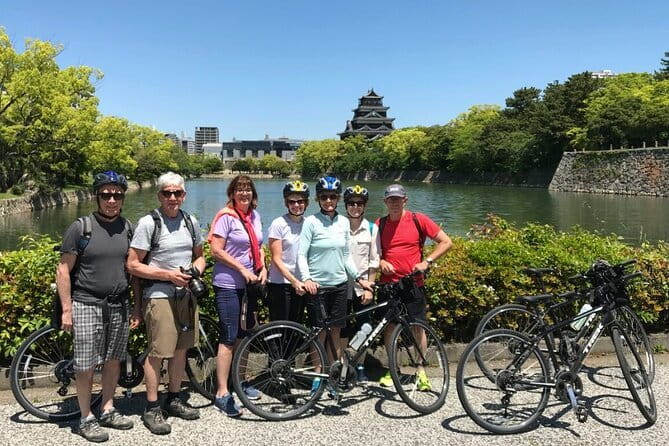
The stop at Hiroshima Castle lasts about 30 minutes. You see the moats and grounds, take photographs of the main tower, and learn about the castle’s role in the city’s earlier history.
This is a useful counterpoint to the Peace Park. Hiroshima is often viewed only through the events of 1945, yet the castle introduces the city’s feudal past and its place in Japanese history before the modern era. The grounds also provide a change of setting after the memorial district.
Thirty minutes is enough for the exterior, grounds, and a quick look at the restored castle. It is not enough for an unhurried museum visit inside the tower. If you are especially interested in samurai-era history, treat this as an introduction, not a full castle tour.
The order of the day can change. Some guides take the group to Miyajima first and visit the memorial sites later, while others follow the sequence described here. Going to Miyajima early can help you avoid some crowds and leave the more reflective Hiroshima stops for later, but a late return can put pressure on the castle and Peace Park. Ask your guide at the start how the timing is expected to work.
More Miyajima island trips:
- Peaceful Hiroshima & Miyajima UNESCO 1 Day Bus Tour
★ 5.0 · 5,309 reviews - Hiroshima: Hiroshima and Miyajima UNESCO Sites 1-Day Tour
★ 4.9 · 2,330 reviews - Hiroshima / Miyajima Full-day Private Tour with Government Licensed Guide
★ 5.0 · 1,298 reviews - From Hiroshima: Hiroshima & Miyajima 1 Day Tour with Lunch
★ 4.7 · 395 reviews
Taking the JR train and ferry to Miyajima
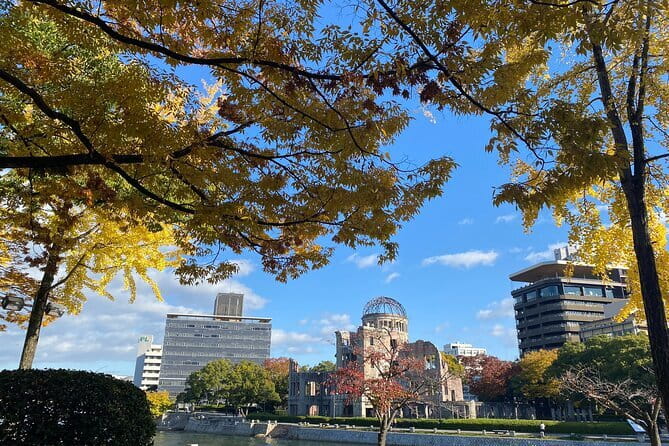
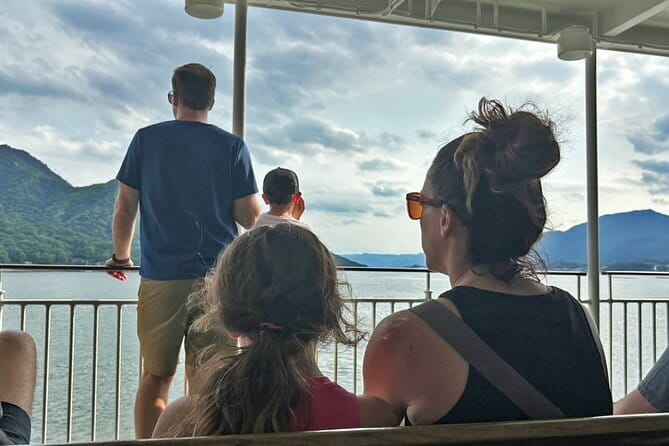
The journey to Miyajima is part of the appeal. You retrace some of the route by train and board the JR Miyajima Ferry, with the ferry fare included. The ferry ride takes about 30 minutes.
This is not a private sightseeing cruise. It is regular transport used to reach the island, but it adds a pleasant change from cycling and gives the day a sense of movement. After riding through Hiroshima, you cross the water and enter a very different setting.
The train and ferry connections also explain why the schedule can stretch. You are not simply moving from one nearby stop to another. You need to park or return bicycles, walk between transport points, wait for departures, and regroup. That is manageable in a small group, but it leaves less spare time than the headline seven to eight hours may suggest.
One report described a day that lasted about 10 hours, with too much time spent walking on Miyajima and eating lunch. That is not the usual picture, but it is a fair warning. If you have an evening reservation or a train to catch, allow a generous buffer after the stated end time.
Exploring Miyajima’s streets and deer
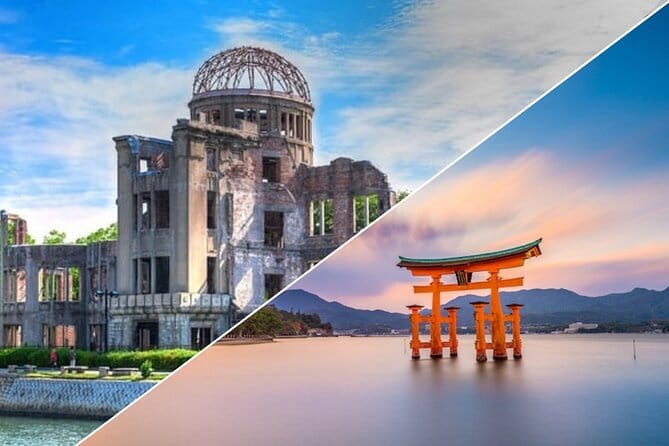
The Miyajima portion lasts about an hour and a half, followed by another hour and a half around Itsukushima Shrine and lunch. Your guide leads you through the island’s streets, explains local customs and stories, and points out the orange shrine buildings against the wooded hills.
Miyajima gives the tour a lighter and more scenic second act. You can greet the local deer, take photographs, browse the streets, and hear about the island’s religious and cultural importance. The deer are a memorable part of the visit, but they are still animals, so keep food and personal belongings under control.
The island can be busy, and much of this section is on foot. That is important for anyone choosing the tour mainly because of the bicycle. You do cycle through Hiroshima, but Miyajima itself is largely a walking experience. One critical account felt the tour became a walking tour with too little time left for Hiroshima. I would not choose this outing if your main goal is a long, quiet bike ride.
The benefit is range. In one day, you see a modern city, memorial sites, a castle, a ferry route, an island shrine, local wildlife, and regional food. If you have only one day for Hiroshima and Miyajima, that variety may be exactly what you need.
Itsukushima Shrine and the included local lunch
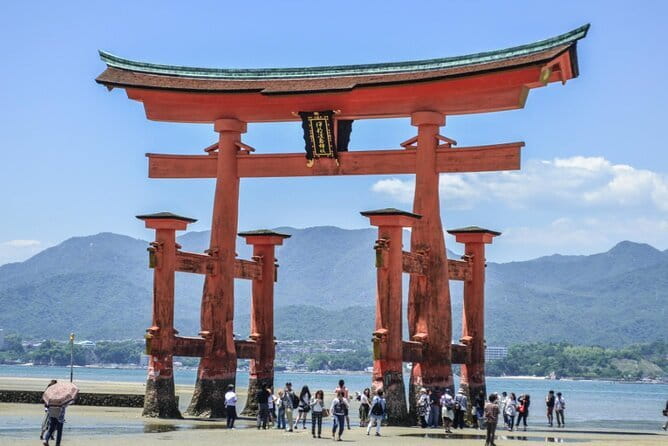
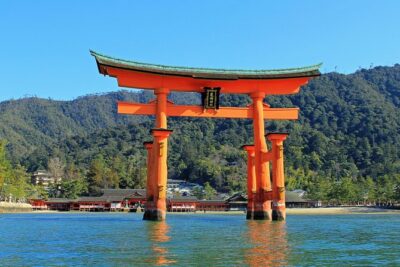
The Itsukushima Shrine area is the centerpiece of the island visit. The tour takes you through the monuments and landmarks around the shrine before settling in for lunch at a nearby restaurant.
The shrine is best appreciated with some context. Its orange buildings, water setting, and connection to the island’s religious traditions make it feel quite different from the memorial sites in Hiroshima. Your guide can explain the legends and history as you move through the area, then help you make sense of what you are seeing rather than leaving you with only photographs.
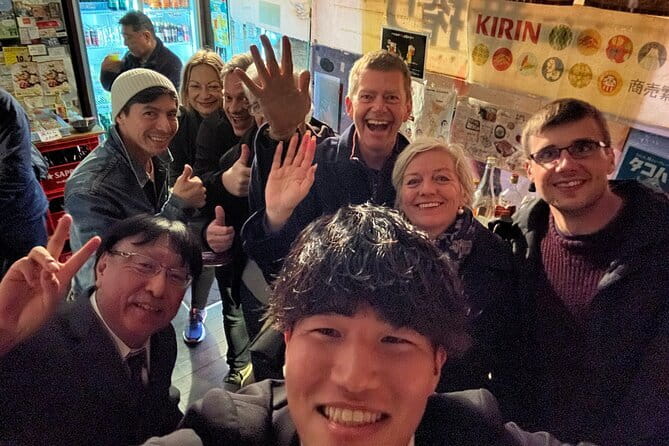
Lunch is included, and the food is regional. Hiroshima-style okonomiyaki receives special praise, and another meal was described as a good local Japanese spread. This is a real advantage because it removes the need to hunt for a restaurant during a packed day.
Vegetarian options are available. For other dietary restrictions, contact the operator before the tour. Do not wait until lunch to raise the issue. The meal can also take longer than expected, especially if the group is enjoying conversation, so keep your afternoon and evening plans flexible.
The final ride back to Cycle Hiroshima
After Miyajima, you return by ferry and train, then cycle back to Cycle Hiroshima for the final 20-minute ride. You can collect luggage stored at the starting point and ask your guide for suggestions about continuing your visit.
That last detail is handy if you are still deciding what to do in Hiroshima. The guide may be able to point you toward food, shopping, or another sight, although the supplied information does not promise a particular recommendation.
Because the tour ends where it begins, it is simple for you to retrieve belongings and continue from a familiar spot. Still, do not schedule a tight connection immediately afterward. The advertised duration is approximately seven to eight hours, but the route can take longer depending on weather, group pace, transport timing, and the amount of time spent on Miyajima.
Heat, rain, bicycles, and the right level of fitness
This is a good activity for most people who can ride a bicycle and walk through an island town for several hours. The operator says most people can participate, and guides have adjusted the pace for heat, provided extra water, and built in breaks.
Hiroshima summers can be hot and humid. The cycling itself may feel easy, but the combination of riding, walking, waiting, and standing outdoors can wear you down. Bring water, sun protection, and shoes suitable for both pedals and pavement. A guide may help with hydration and pacing, but you should still plan for the weather.
Rain can change the format. The experience requires good weather, and in poor conditions the operator may offer another date or a full refund. In one case, the guide and participant switched from cycling to a walking route because of heavy rain. That flexibility is useful, but a walking version will feel like a different product, so check the forecast before you go.
The small group makes a real difference. With a maximum of eight people, the guide can check bike fit, answer questions, and respond when someone needs a break. Some departures may be much smaller. One outing had only two participants, allowing the guide to shape the day closely around their interests.
Who should book this experience
I would recommend it to a first-time visitor who wants a solid introduction to both Hiroshima and Miyajima. It is especially suitable if you like active sightseeing, prefer local transport to a coach, and want historical explanation woven into the day.
It also suits solo visitors and couples who want company without joining a large group. The guides have been praised for welcoming people traveling alone and for making the day feel relaxed rather than formal.
You may want a different plan if the Peace Memorial Museum is your priority, if you want several quiet hours at the castle, or if you dislike a tightly packed schedule. You may also prefer separate days if you want to hike on Miyajima, spend a long time shopping, or examine every memorial at length.
For families and mixed-age groups, the tour can work if everyone is comfortable with bicycles and extended walking. The guide can set a gentle pace, but this is still a full day with several changes of scene.
Is $142.05 good value?
For one person, $142.05 is a fair price for the amount included, though not a bargain excursion. You receive the bike, guide service, lunch, train and ferry rides, and listed taxes and fees. You also avoid figuring out how to connect Hiroshima and Miyajima on your own.
The strongest value comes from the guide. A good guide turns ordinary cycling paths, memorials, and shrine buildings into a connected story. A less effective guide could make the same route feel rushed or overly shallow, particularly at the Peace Park. The many positive comments about Aimee, Alex, Ihsan, James, Sage, and Melissa suggest that guide performance is usually a major strength, but it can vary.
Free cancellation is available up to 24 hours before the start time. If the operator cancels because of weather or too few bookings, you can choose another date or receive a full refund. Changes made less than 24 hours before the start are not accepted, so make your plans early.
Should you book Hiroshima and Miyajima by Bike and Boat?
Book it if you want one active day that connects Hiroshima’s memorial sites with Miyajima’s shrine, deer, ferry ride, and local food. The cycling adds variety, the small group keeps the day personal, and the guides appear particularly good at making difficult history understandable and respectful.
Do not book it expecting a leisurely museum day or a long Miyajima hike. The Peace Memorial Museum is separate, much of Miyajima is explored on foot, and the full route may run longer than planned. Add time afterward for the museum, avoid a tight evening schedule, and tell the operator about dietary needs before departure.
For a first visit with limited time, I think the broad mix is worth the cost. You see more than you would on foot alone, learn why Hiroshima matters, and reach Miyajima without having to organize every train and ferry connection yourself.
FAQ
Where does the tour start and finish?
It starts and ends at Cycle Hiroshima, 4-chōme-5-4 Ōtemachi, Naka Ward, Hiroshima, 730-0051, Japan.
What time does the tour start?
The scheduled start time is 9:30 am.
How long does the experience last?
The stated duration is approximately seven to eight hours. The exact length can vary, and one reported outing lasted about 10 hours.
How many people can join the tour?
The tour has a maximum of eight participants.
Is lunch included?
Yes. Lunch featuring local Hiroshima dishes is included. Vegetarian options are available, while other dietary restrictions should be discussed before the tour.
Are bicycle rental costs included?
Yes. Use of a bicycle is included in the price.
Are the train and ferry rides included?
Yes. The tour includes the train and JR Miyajima Ferry ride, along with all listed fees and taxes.
Does the tour include the Peace Memorial Museum?
No. The tour visits Peace Memorial Park and the Cenotaph for the Atomic Bomb Victims, but the Peace Memorial Museum is not included.
What happens if the weather is poor?
The experience requires good weather. If it is canceled because of poor weather, you will be offered another date or a full refund.
More Boat Tours
- Mt Fuji & Hakone Cruise, Drum Show Bullet Train 1 Day from Tokyo
★ 4.0 · 7,413 reviews - Tokyo Mt Fuji 5th St & Hakone Cruise Bus Tour w/Bullet Train
★ 4.4 · 5,024 reviews - Tokyo: Mt. Fuji 5th Station & Hakone Cruise 1-Day Bus Tour
★ 4.2 · 2,381 reviews - Tokyo: Meiji Shrine, Asakusa, Skytree Bus Tour and Cruise
★ 4.7 · 1,986 reviews
Just added around Hiroshima
- Hiroshima & Miyajima: Private Full-Day Tour with a Local Guide★ 5.0 · 39 reviews
- Hiroshima and Miyajima 1 Day Walking Tour★ 5.0 · 43 reviews
- Hiroshima History Tour : A-Bomb Dome, Peace Memorial & City★ 5.0 · 43 reviews
- The Journey of Hiroshima from Tragedy to Peace★ 4.8 · 44 reviews
- Cultural Activities :Kimono, tea ceremony, Calligraphy and Amulet★ 5.0 · 44 reviews
- Miyajima: Private Rickshaw Tour to Itsukushima Shrine★ 4.9 · 45 reviews
- Hiroshima Private Tour: Best Highlights in a Day★ 5.0 · 49 reviews
- Hiroshima & Miyajima All-Inclusive Tour w/Licensed guide Pancho★ 5.0 · 54 reviews
Miyajima Island Tours, compared.
Peaceful Hiroshima & Miyajima UNESCO 1 Day Bus Tour
Read our review →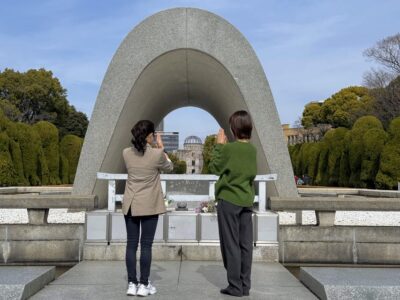
Hiroshima and Miyajima UNESCO Sites 1-Day Tour
Read our review →
Hiroshima / Miyajima Full-day Private Tour with Government Licensed Guide
Read our review →
Osaka/Kyoto: Hiroshima Miyajima Bus Tour & Shinkansen Ticket
Read our review →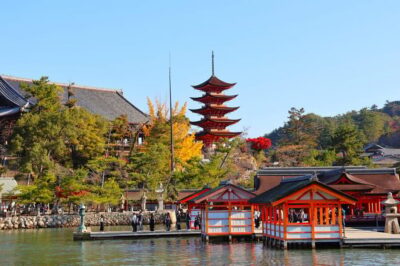
Hiroshima and Miyajima Day Trip with Itsukushima Shrine & Ferry
Read our review →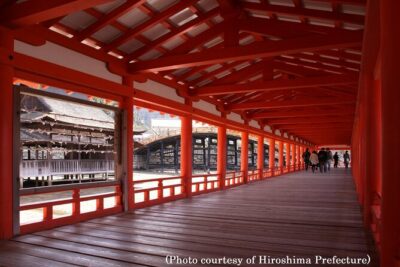
Full Day Hiroshima and Miyajima Bus Tour from Hiroshima
Read our review →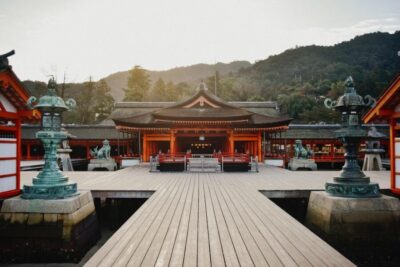
Miyajima Peace Memorial Icons of Peace and Beauty
Read our review →Browse the lists this tour appears in