
Reviewed · CYCLING TOURS
Hiroshima: Best of Hiroshima Guided Bike Tour
History comes alive on two wheels. This 3.5-hour Hiroshima bike tour links the Atomic Bomb Dome, Peace Memorial Park, Hiroshima Castle, Gokoku Jinja, and Shukkei-en Garden without asking you to spend the day on foot. I like the relaxed pace and the chance to reach quieter paths that cars and buses cannot use.
I also like the small group size, quality Trek bikes, helmet rental, bottled water, and English-speaking guides such as Awais, Aimee, Miyu, James, and Ehsan. The main consideration is weather: this is an outdoor activity, and the route can feel hot in summer or less pleasant in rain.
- A flat route of about 10 kilometers makes the ride manageable for anyone who can ride a bicycle.
- The Atomic Bomb Dome and Peace Memorial Park receive careful, respectful explanation rather than a rushed photo stop.
- Hiroshima Castle and Gokoku Jinja add local culture and samurai-era context beyond the bombing memorials.
- Shukkei-en Garden is included, giving the tour a quiet and beautiful final stop.
- Groups are capped at eight people, allowing time for questions, photos, and personal attention.
- Step-through bikes, e-bikes, and child-sized bikes are available, though children under 12 cannot join.
In This Review
- Why cycling works so well in Hiroshima
- Starting at Cycle Hiroshima HQ
- A gentle riverside ride to Peace Memorial Park
- Peace Memorial Park and the Atomic Bomb Dome
- Gokoku Jinja and Hiroshima Castle
- Shukkei-en Garden brings the ride to a quiet close
- Guides, group size, and the feel of the tour
- The practical value at $70
- Who should book this Hiroshima bike tour
- Final verdict: a strong first look at Hiroshima
- FAQ
- How long does the Hiroshima guided bike tour last?
- What sights are included on the route?
- Is the cycling route difficult?
- What is included in the price?
- Can children join the tour?
- What happens if the weather is poor?
Why cycling works so well in Hiroshima
Hiroshima’s central sights are close enough to connect by bike, but spread out enough that walking between them can eat up much of your day. Public transport works well in the city, yet it will not carry you along every riverside path or into every pleasant corner between major sights.
That is the practical strength of this tour. You keep moving, but the ride itself is not the main event. The bicycle is a useful way to link the important places while leaving your legs fresh enough for museums, meals, and more exploring later.
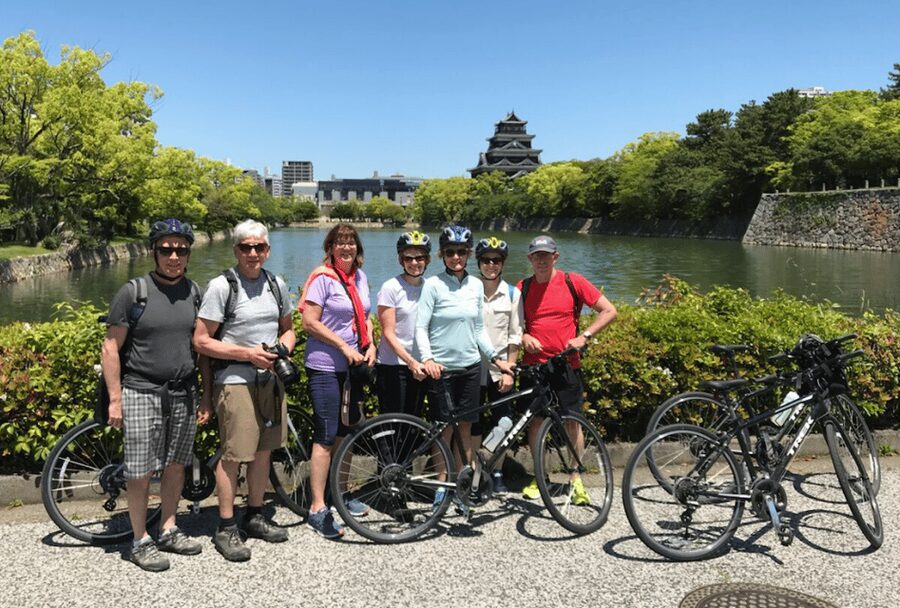
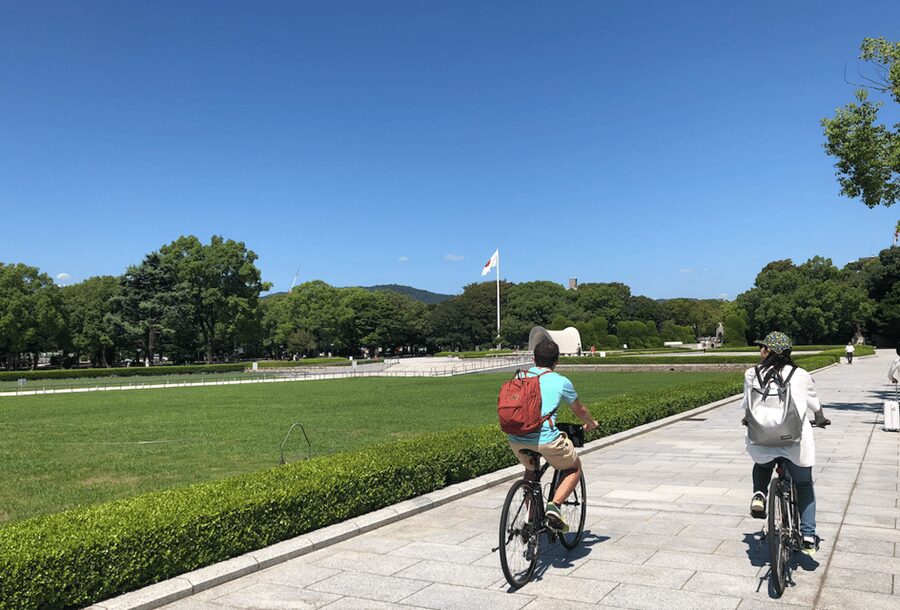
The route is described as completely flat, and several people found the pace easy even after years away from cycling. That makes this a good choice for casual riders, couples, older teens, and anyone who would rather not walk for hours. It is not a sporty cycling trip. You are riding from stop to stop, with frequent pauses for stories, photos, and questions.
The tour lasts 210 minutes, or three and a half hours. That is enough time to get a clear picture of central Hiroshima in one morning or afternoon, but not enough for a full visit to every museum in Peace Memorial Park. You should think of this as a guided city overview with meaningful stops, not as a substitute for a full day at the Hiroshima Peace Memorial Museum.
Starting at Cycle Hiroshima HQ
You meet at Cycle Hiroshima HQ, marked by a large sign at the front. The opening routine is simple but important: a short orientation, bike fitting, helmet selection, and a chance to get comfortable before setting off.
I would arrive a little early. One solo rider specifically found the early arrival useful for getting the bike fitted, and that advice makes sense. A properly adjusted saddle and handlebars can make a big difference, especially if you have not cycled recently.
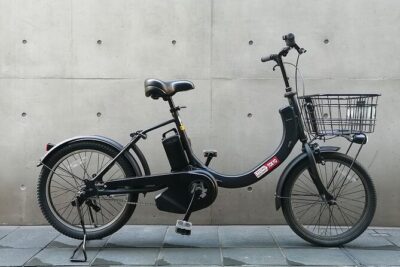
The fleet includes Trek bikes in several sizes, plus step-through models, e-bikes, and child-sized bicycles. The supplied information does not specify an extra charge for an e-bike, so check the current booking details if you want one. The route is nearly flat, so an e-bike should not be essential for most riders, but it can help if you prefer a little assistance.
A helmet and bottled water are included. Wear comfortable clothes and shoes you can pedal in without fuss. There is no hotel pickup, so you need to make your own way to the shop.
More Bike Tours in Hiroshima
- Hiroshima in a Nutshell: Morning Bike Adventure
★ 5.0 · 524 reviews - Hiroshima 2hr Peace Cycling Tour with Local Guide
★ 5.0 · 321 reviews - Hiroshima: Peace Cycling Tour with Local Guide
★ 4.8 · 286 reviews
A gentle riverside ride to Peace Memorial Park
The first section follows the river toward Peace Memorial Park. This is a smart opening because it lets you settle into the bicycle before the tour turns to the most serious part of Hiroshima’s story.
The ride also gives you an early look at Hiroshima as a living city, not only as a memorial site. You pass through ordinary urban spaces and along routes that are more pleasant by bicycle than by bus. The contrast matters. Hiroshima is a city shaped by catastrophe, but it is also a place where people work, commute, shop, and enjoy the water.
Guides tend to set a measured pace and stop often. On hot days, that rhythm becomes especially useful. One summer group appreciated regular breaks, and the guide even found time for a quick local food stop. That is not listed as a guaranteed part of every departure, so treat it as a possible bonus rather than part of the formal plan.
The cycling itself is rarely on busy roads, according to the detailed descriptions from several participants. That helps the ride feel calm and approachable. Still, you should be comfortable steering, stopping, and following a guide in an urban setting. This is not suitable for someone who cannot ride independently.
Peace Memorial Park and the Atomic Bomb Dome
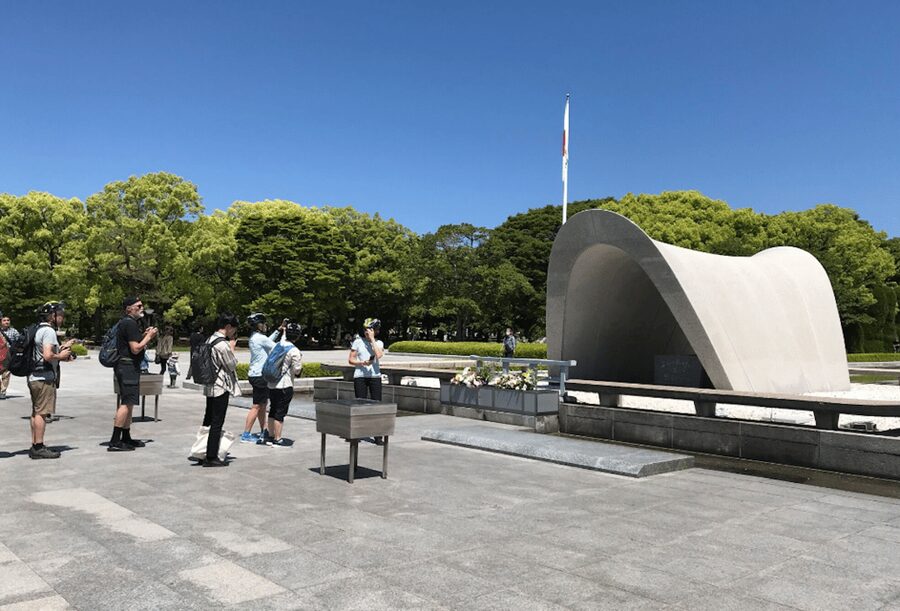
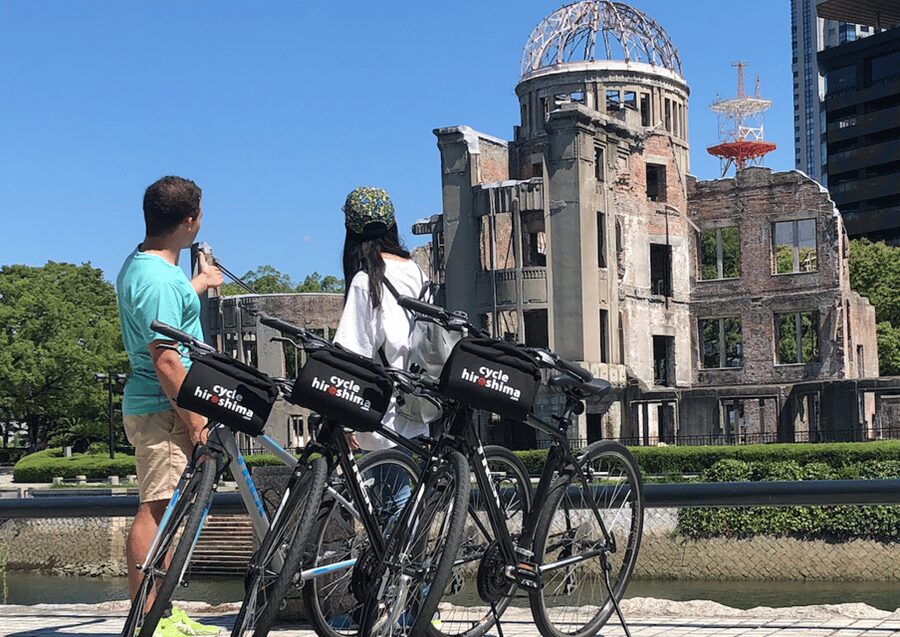
The emotional center of the tour is Peace Memorial Park. Here, the guide explains the atomic bombing of August 6, 1945, and the destruction and recovery of Hiroshima. You have time to ask questions and take in the monuments rather than simply stopping for a quick photograph.
The Atomic Bomb Dome is the best-known sight in the park and a UNESCO World Heritage Site. Its damaged structure is powerful partly because it is so direct. You are looking at a building that survived the blast, while almost everything around it was destroyed.
A good guide matters greatly here. Awais, Aimee, Miyu, James, Ehsan, Melissa, and others are praised for combining clear explanations with personal stories and local perspectives. Miyu, in particular, has shared family connections that helped bring the events of 1945 closer to the present. Melissa has also shared family experiences connected with Hiroshima.
That personal dimension can make the stop more affecting, but it should not turn the visit into a performance. The best parts of the tour appear to come from the guides’ respectful tone, careful storytelling, and willingness to let you pause. Aimee was praised for treating the subject with care, while Ehsan was noted for presenting more than one perspective and encouraging thought.
You may hear about Sadako Sasaki and the paper cranes, a story that connects individual loss with the wider memorial culture of Hiroshima. You will also learn how the city rebuilt and how it came to present itself as the City of Peace.
One limitation is time. The tour can explain the park and its main monuments, but it does not give you hours inside the Peace Memorial Museum. If the museum is a priority, schedule it separately before or after the bike tour.
Gokoku Jinja and Hiroshima Castle
After the Peace Memorial Park, the route heads north to Gokoku Jinja. This is described as the city’s most popular Shinto shrine, and it gives the tour a welcome change of mood.
At the shrine, you can shift from wartime memorials to Japanese religious tradition. The setting helps you understand that Hiroshima’s identity did not begin in 1945. The city has older layers, and this stop adds one of them without requiring a long detour.
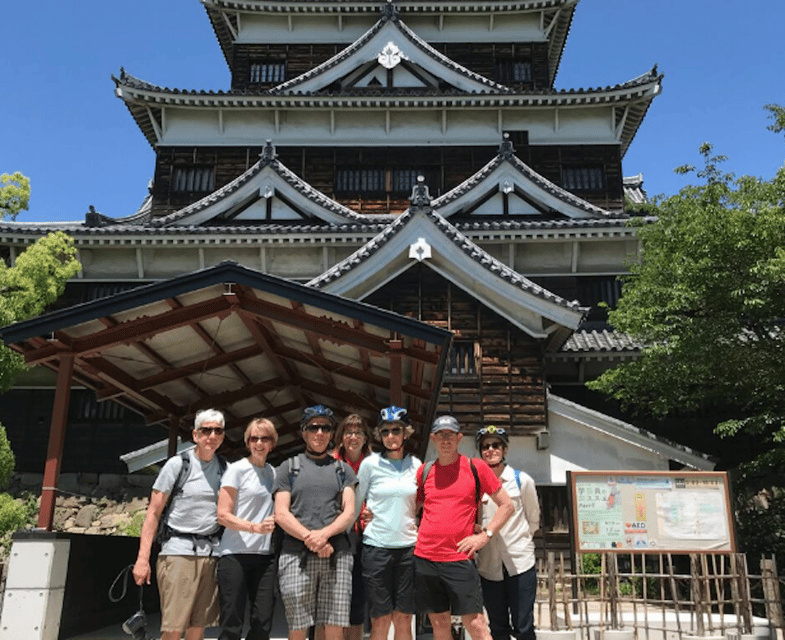
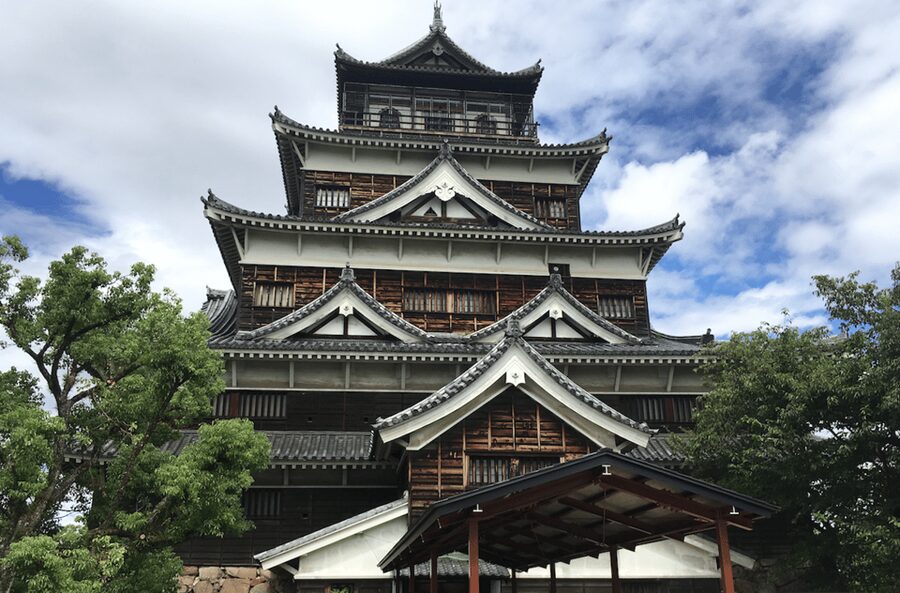
The ride continues through the grounds of Hiroshima Castle. The castle offers a glimpse into the samurai era and the city’s premodern past. Even if you do not spend time exploring every part of the castle, passing through the grounds helps widen the picture of Hiroshima.
This section is one reason I would choose the bike tour over a Peace Park visit alone. The bombing memorials are essential, but seeing only them can make Hiroshima feel like a single historical moment. The shrine and castle show a city with a much longer story and a present-day life beyond its memorial role.
The exact amount of time at each stop depends on the guide, group, weather, and questions. Several guides have been praised for extending the tour when schedules allowed, but you should not count on an extra hour. The advertised duration remains three and a half hours.
A completely different kind of day out in Hiroshima:
- Peaceful Hiroshima & Miyajima UNESCO 1 Day Bus Tour
★ 5.0 · 5,309 reviews - Hiroshima: Hiroshima and Miyajima UNESCO Sites 1-Day Tour
★ 4.9 · 2,330 reviews - Hiroshima / Miyajima Full-day Private Tour with Government Licensed Guide
★ 5.0 · 1,298 reviews - Hiroshima Historical Walking Tour – Why A-Bomb was Dropped
★ 4.8 · 893 reviews
Shukkei-en Garden brings the ride to a quiet close
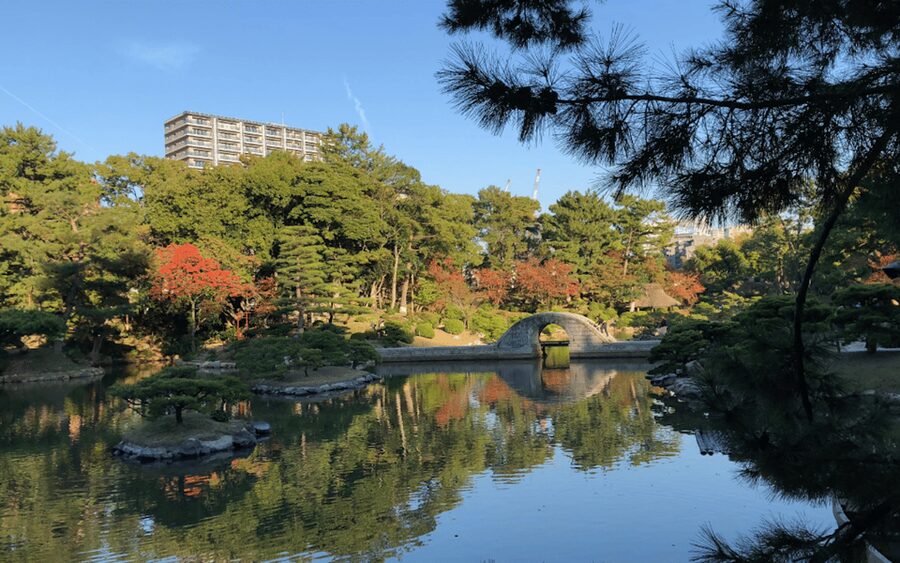
The final major stop is Shukkei-en Garden, built during the Edo Period and regarded as one of the finest traditional gardens in Western Japan. Entry is included, which is a useful addition to the tour’s value.
After the difficult subject matter of Peace Memorial Park and the formal setting of the castle and shrine, the garden changes the pace completely. You get stillness, carefully shaped scenery, and a chance to process what you have seen.
Several detailed accounts describe the garden as a highlight, and one called ending there perfect. I can see why. It provides a gentle finish rather than leaving you at the most emotionally intense site of the day.
Do not mistake the calm ending for a throwaway stop. Shukkei-en shows another part of Japanese culture, one built around proportion, water, paths, and quiet observation. If gardens are not a main interest, you may spend less time there, but the stop gives the itinerary useful balance.
Guides, group size, and the feel of the tour
The group is limited to eight people, which is a real advantage. A small group makes it easier to hear explanations, ask questions, keep a steady pace, and stop for photographs without creating a large crowd around each monument.
It also gives the guide room to adjust. Aimee has been praised for taking breaks during very hot weather and offering local food suggestions. James has taken extra time to explain sites and answer questions. Other guides, including Awais, Miyu, Hasan, Ihsan, Sage, Ali, Alex, and Levi, have been praised for friendly presentation and clear English.
The frequent use of different guides means your experience will depend partly on who leads your departure. The common strengths are strong English, good historical preparation, attention to safety, and an easygoing manner. Some guides add humor, family stories, or extra stops. That variety can be a plus, though the exact personality and storytelling style cannot be guaranteed.
The small group also suits solo visitors. One person traveling alone enjoyed meeting others during the ride, while couples and families appreciated the relaxed atmosphere. The route is suitable for riders with basic ability, but it is not appropriate for children under 12, pregnant women, people with back or heart problems, people under 140 centimeters, or anyone with a listed pre-existing medical condition.
The practical value at $70
At $70 per person, the tour sits in the reasonable range for a three-and-a-half-hour guided experience. You are paying for an English-speaking guide, a good bike, helmet rental, water, and entry to Shukkei-en Garden.
The stronger value comes from the time saved. You cover the Peace Memorial Park area, shrine, castle, and garden in one connected outing. Doing the same route alone could require careful planning, several transport connections, and plenty of walking.
The tour also gives you interpretation at places where context matters. The Atomic Bomb Dome is visually striking, but a guide can explain what you are seeing, how the bombing affected the city, and how Hiroshima rebuilt. That makes the fee more worthwhile than a simple bicycle rental.
The price is less attractive if you already plan to spend a full day with a private guide or if you want long, independent visits at each site. It is also not the cheapest way to get around if your only goal is transportation. You are paying for the combination of movement, explanation, and a carefully linked route.
Free cancellation up to 24 hours before the start and the option to reserve without paying immediately add useful flexibility. Bad weather can cancel the experience, with a different date or full refund offered. Hiroshima’s heat, rain, and seasonal conditions should be part of your planning.
Who should book this Hiroshima bike tour
I would recommend it most strongly to you if:
- You have one day in Hiroshima and want to cover several major sights.
- You learn more from a guide than from plaques alone.
- You can ride a bike but do not want a fast or demanding cycling trip.
- You prefer moving through a city rather than spending the day on buses.
- You want Peace Memorial Park, the castle, a shrine, and a garden in one outing.
- You are traveling solo, as a couple, or in a small family group with children aged 12 or older.
You may want another plan if you need extensive time inside the Peace Memorial Museum, cannot ride a bicycle, or have a medical condition that makes cycling unsuitable. Pregnant riders and people with back or heart problems should not book this activity.
For the best experience, bring comfortable shoes, comfortable clothes, and a willingness to listen. Ask questions at the memorial sites, allow the guide to set the pace, and keep some extra time in your Hiroshima schedule for the museum or additional quiet time in the Peace Memorial Park.
Final verdict: a strong first look at Hiroshima
I would book this tour early in a Hiroshima visit, ideally when you still have time afterward to return to any place that affected you. It gives you the city’s key memorial sites, but it does not stop there. The castle, shrine, riverside route, and Edo-period garden add needed context.
The most highly praised features are the guides, the calm pace, the comfortable bikes, and the respectful handling of the bombing’s story. The main trade-off is that three and a half hours cannot provide a full museum visit or a long stay at every monument.
At $70, the tour offers good value for a short visit. You see more than you could comfortably walk to, avoid the hassle of planning the route yourself, and gain a human explanation of Hiroshima’s past and present. If you can ride a bicycle and the weather looks good, this is one of the most efficient and thoughtful ways to meet the city.
FAQ
How long does the Hiroshima guided bike tour last?
The tour lasts 210 minutes, or three and a half hours.
What sights are included on the route?
The route includes Peace Memorial Park, the Atomic Bomb Dome, Gokoku Jinja, Hiroshima Castle, and Shukkei-en Garden.
Is the cycling route difficult?
The route is completely flat and designed for anyone who can ride a bicycle. The pace is described as relaxed, with regular stops.
What is included in the price?
The price includes an English-speaking guide, a high-quality bike, helmet rental, bottled water, and entry to Shukkei-en Garden.
Can children join the tour?
Children under 12 cannot join. Child-sized bikes are available for eligible participants, and the minimum height is 140 centimeters.
What happens if the weather is poor?
The tour requires good weather. If it is canceled because of poor conditions, you will be offered another date or a full refund.
Just added around Hiroshima
- Hiroshima & Miyajima: Private Full-Day Tour with a Local Guide★ 5.0 · 39 reviews
- Hiroshima and Miyajima 1 Day Walking Tour★ 5.0 · 43 reviews
- Hiroshima History Tour : A-Bomb Dome, Peace Memorial & City★ 5.0 · 43 reviews
- The Journey of Hiroshima from Tragedy to Peace★ 4.8 · 44 reviews
- Cultural Activities :Kimono, tea ceremony, Calligraphy and Amulet★ 5.0 · 44 reviews
- Miyajima: Private Rickshaw Tour to Itsukushima Shrine★ 4.9 · 45 reviews
- Hiroshima Private Tour: Best Highlights in a Day★ 5.0 · 49 reviews
- Hiroshima & Miyajima All-Inclusive Tour w/Licensed guide Pancho★ 5.0 · 54 reviews
Cycling Tours, compared.
3h Tokyo E-Bike Tour: Hidden Gems, and Local Life with guide
Read our review →
Arashiyama Bamboo Forest & Hidden Gems Bike Tour (Early Bird)
Read our review →
Hiroshima in a Nutshell: Morning Bike Adventure
Read our review →Browse the lists this tour appears in