
Reviewed · TRADITIONAL CRAFT WORKSHOPS
Japanese Pottery Class in Tokyo
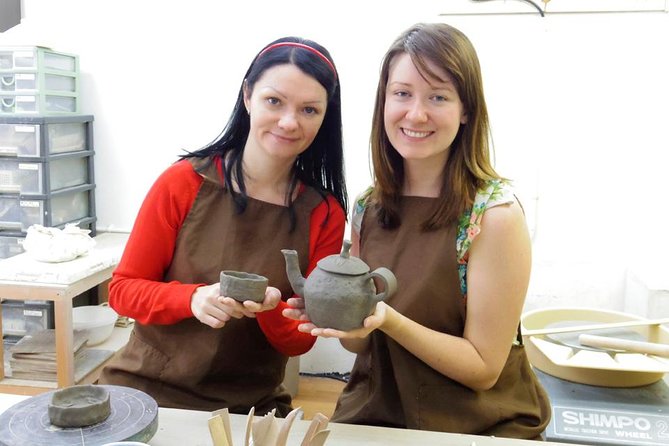
Make clay your Tokyo souvenir. This one-hour class lets you try a Japanese pottery wheel in a central studio near Tokyo Tower, with patient instruction and several pieces to shape. I like the small-group feel and the freedom to make plates, cups, bowls, or other forms instead of copying one fixed model. I also like the chance to create a useful keepsake rather than buy another mass-produced trinket. The main catch is that the listed $26.73 price covers only the basic class, not firing, glaze-related charges, or optional shipping.
You begin with a short demonstration, then make roughly two or three works within the hour, though some people have managed more. Instructors such as Ruth, Vicki, Stephen, and Hoshi have been praised for patient, clear help in English and Japanese. Your finished pottery is not ready that day. The studio needs about one month to fire and prepare it, so this works best if you can arrange delivery or have a plan for receiving it later.
In This Review
- Key points to know before you book
- A quiet hour with clay in central Tokyo
- What happens when you arrive
- Making your first plate, cup, or rice bowl
- Choosing colors and pieces to fire
- The real price: $26.73 plus the pottery costs
- A personal class without the pressure
- Why the Japanese setting adds value
- Waiting one month for the finished souvenir
- Who will get the most from this class
- Booking, cancellation, and useful planning tips
- Should you book the Japanese Pottery Class?
- FAQ
- Where is the Japanese pottery class held?
- How long does the pottery class last?
- How much does the basic class cost?
- Does the basic fee include firing?
- Is shipping included?
- When will the pottery be ready?
- How many pottery pieces can I make?
- Can I choose the pottery colors?
- Is the class suitable for beginners?
- Can I cancel for a full refund?
Key points to know before you book
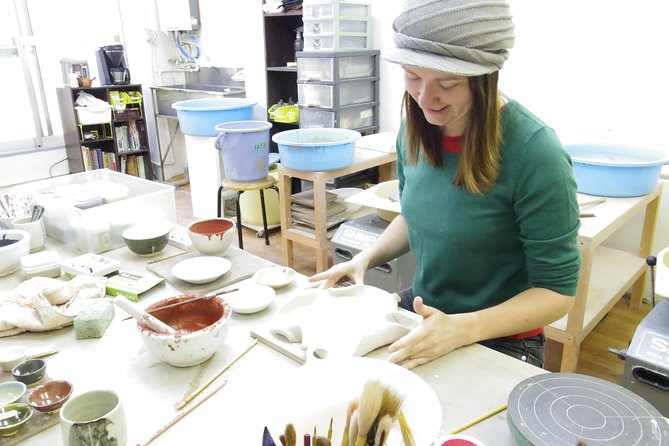
- Make two or three pieces in about one hour: You can try plates, cups, bowls, and other simple forms during the introductory session.
- Patient instruction suits beginners: Ruth, Vicki, Stephen, Hoshi, and other teachers have been praised for calm demonstrations and hands-on help.
- Choose your own shapes and colors: After making your pieces, you select which works to keep for firing and choose their colors.
- Your pottery takes about one month: The studio handles the firing and finishing after class, rather than handing you a completed object at the end.
- Extra charges matter: Firing is charged per selected piece, and EMS delivery is optional and separate from the $26.73 class fee.
- Central location near Tokyo Tower: The meeting point is in Shiba, Minato City, close to public transportation.
A quiet hour with clay in central Tokyo
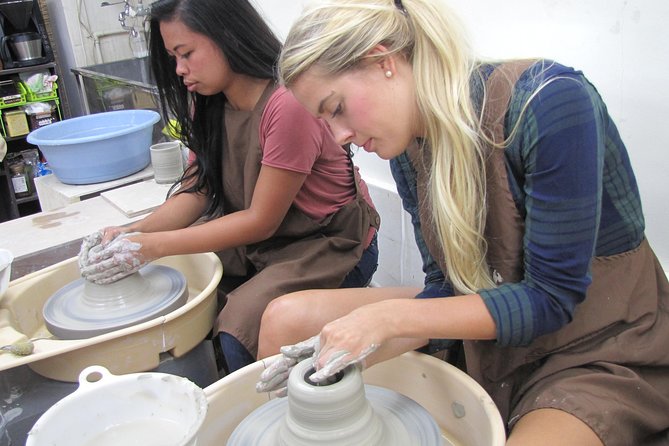
Tokyo can fill every minute with train rides, neon streets, temples, towers, and department stores. Pottery gives you a welcome change of pace. For one hour, your attention narrows to a lump of clay, a turning wheel, and the shape forming under your hands.
The studio is at Shimizu House, 3-29-11 Shiba, Minato City, Tokyo 105-0014. It is close to a Metro station and near Tokyo Tower, making it easy to pair with sightseeing in the area. The class ends where it begins, so you do not need to learn a second meeting point or arrange a separate ride afterward.
The setting appears to be one of the experience’s strongest points. It is described as peaceful, friendly, and comfortable, with mellow music and an atmosphere that helps you slow down. That matters in Tokyo, where a calm indoor activity can be as refreshing as another major attraction.
The class is designed as an introduction, not a full technical course. You will not become a pottery master in 60 minutes. You will, however, get a real feel for the basic process and a chance to discover whether working with clay suits you.
More Craft Workshops in Tokyo
- Tokyo Shinjuku Chopsticks Making Class
★ 5.0 · 1,763 reviews - Kintsugi Experience: Art of Golden Joinery in Tokyo
★ 5.0 · 467 reviews - Authentic Pure Gold Kintsugi Workshop with Master Taku in Tokyo
★ 5.0 · 217 reviews
What happens when you arrive
At the beginning, you complete an application form. This is practical rather than exciting, but it gets the studio’s records and firing choices in order before you start creating.
Next, the instructor gives a demonstration. This short example is important because pottery looks easier than it feels. The clay must be centered, supported, and shaped with steady pressure. A small movement can turn a future cup into a wobbly bowl, so watching the teacher first saves time.
The teaching style appears to be friendly and direct. You are shown the fundamentals, then given room to work independently. If you want help, the instructors step in to correct a shape, steady the clay, or suggest a way forward. That balance is better than a class where the teacher does everything for you.
Ruth has been singled out for patient, friendly instruction, while Vicki has been praised for demonstrating the basics of making a plate. Stephen has helped beginners understand how to throw clay and what happens after the class. Hoshi is described as an old-world pottery master who taught carefully and patiently.
Names and staff can change, but the pattern is clear: the class puts real emphasis on personal guidance. English support is available, and several instructors are described as speaking English well. You should still expect pottery vocabulary and hand signals to play a part, since the work itself is physical and easy to demonstrate.
Making your first plate, cup, or rice bowl
After the demonstration, you make around two or three works in the hour. The exact number depends on how quickly you learn and how much time you spend refining each shape. Some people have produced more small pieces, while first-time potters may prefer to focus on one or two objects.
You are not limited to a single souvenir design. The freedom to choose what you make is one of the class’s appealing features. You might aim for a plate, cup, or rice bowl, or simply follow the clay and see what shape develops.
Beginners should keep expectations sensible. Your first piece may lean, spread, or collapse. That is not a failure. It is part of learning how wet clay responds. The instructors can help repair or reshape a piece, but you still get to take part in the process rather than watching a professional make the object for you.
The class has also suited people with some previous pottery experience. If you have used a wheel before, you may spend less time learning the basics and more time experimenting with forms. The one-hour limit still keeps the session introductory, but experienced potters can use it as a light creative break.
The physical work is gentle but active. You use your hands constantly, and you need to follow the teacher’s instructions as the clay changes. The experience has been described as relaxing and even therapeutic, but it is not passive. You are making choices every few seconds.
Choosing colors and pieces to fire
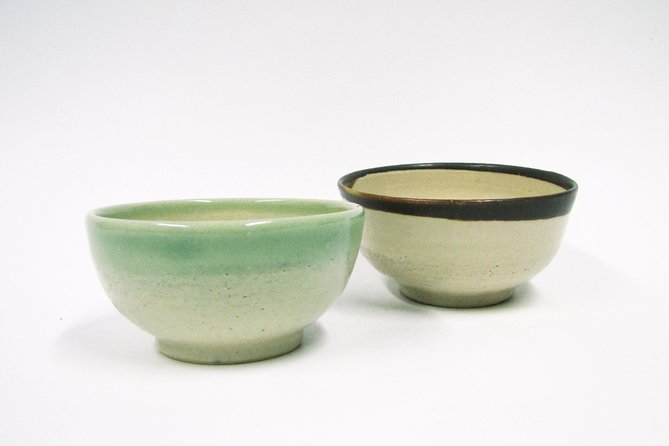
At the end of the making session, you choose which works you want to keep for firing. This is an important point in the process because the basic fee does not include firing each selected piece.
You also choose the colors. The available choices are not listed, so you should ask the staff about current glaze options and prices before making your final selection. Color choices can add to the cost, as one detailed account noted, so do not assume the advertised class price covers every finish.
This selection stage gives you a useful chance to be realistic. If a piece is badly cracked or has a shape you do not like, you do not have to pay to fire it. If you made several objects, you can select only the ones you value most.
The studio then handles the next stages. Your pieces need about one month to be prepared. That wait is part of the charm, but it can also be inconvenient. You will not leave Tokyo with a finished bowl in your luggage.
A completely different kind of day out in Tokyo:
- Mt Fuji and Hakone 1-Day Bus Tour Return by Bullet Train
★ 5.0 · 26,383 reviews - 1-Day Tokyo Bus Tour
★ 5.0 · 14,250 reviews - Tokyo: TOKYO SKYTREE® Admission ticket
★ 4.5 · 11,192 reviews - Tokyo: teamLab Planets TOKYO Digital Art Museum Entry Ticket
★ 4.6 · 9,779 reviews
The real price: $26.73 plus the pottery costs
At $26.73 per person, the introductory class is reasonably priced for a hands-on activity in central Tokyo. You are paying for the basic pottery trial class, instruction, studio time, and the chance to make your own objects.
The headline price is not the final cost if you want the pottery completed. You pay an additional firing fee for each work you choose to keep. Color or glaze charges may also apply. EMS shipping is optional, but it costs extra if you want the studio to send the pieces to you.
This pricing structure can still offer good value. You decide how many pieces to fire, so you have some control over the final bill. If the class produces three objects but you love only one, you can select just that one rather than paying for all of them.
Ask about the full cost before you finish the session. Confirm the firing fee per item, any color charge, and the delivery fee to your country. A low class price is useful only when you understand what it does and does not include.
Shipping needs extra care. The current notice asks anyone in Brazil to contact the studio before booking because customs rules have made delivery difficult. Shipping availability has also been reported as unavailable to the United States at times, so you should confirm the current position directly if you are based there. Do not assume every country can receive class-made pottery by EMS.
A personal class without the pressure
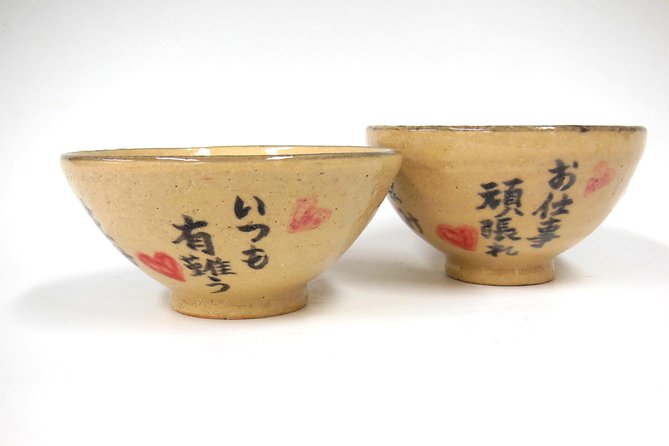
The advertised group size is small, with a maximum of 15 in the main description. Another piece of activity information gives a maximum of 25, so the stated limits are not fully consistent. I would confirm the expected group size when booking if personal attention is your main reason for going.
In practice, the teaching format is built around individual help. You receive a demonstration, work on your own pieces, and ask for assistance when needed. One account even described the session as effectively private, though you should not count on having the studio to yourself.
A smaller class is especially useful for pottery. Your hands, clay, and wheel are all moving at once, and a quick correction can prevent a piece from collapsing. The instructors have been praised for being attentive without taking over.
The atmosphere also makes this a good choice for a couple, a small group of friends, or a family. The class is described as suitable for children, although the supplied details do not give an age minimum. If you are booking for a child, ask the studio about age requirements and whether the wheel work is suitable.
Service animals are allowed, and the studio is near public transportation. Most people can participate, but anyone with specific mobility or hand-use concerns should check the setup before booking.
Why the Japanese setting adds value
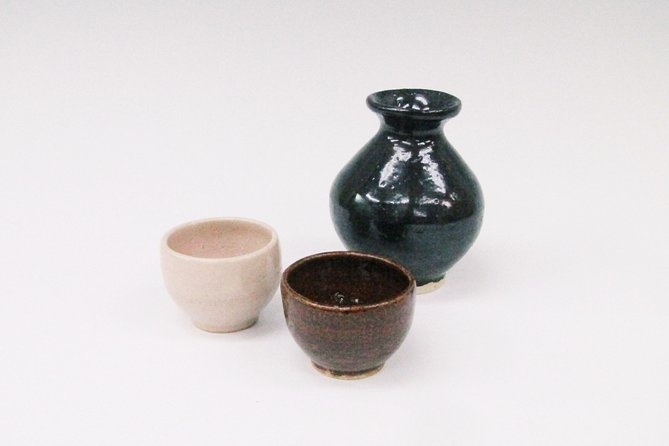
Pottery is not simply a craft activity in Japan. It connects with everyday dining, tea culture, regional kilns, seasonal decoration, and the careful appreciation of imperfect handmade objects. A short class cannot cover all of that, but it gives you a physical introduction.
You learn by handling the material rather than only looking at finished ceramics in a shop or museum. A handmade rice bowl feels different after you have tried to raise its walls. A simple cup becomes more interesting when you know how easily its rim can lose shape.
The instructor also provides a link to Japanese arts and pottery making. The supplied details do not promise a formal lecture on ceramic history, so do not book this expecting a museum-style lesson. The cultural value comes mainly through the process, the teacher’s guidance, and the object you create.
One nice touch is the local connection around the studio. An instructor recommended a nearby pottery supply shop to one participant. That suggests the class can serve as a starting point if you want to continue working with clay after you return home.
Waiting one month for the finished souvenir
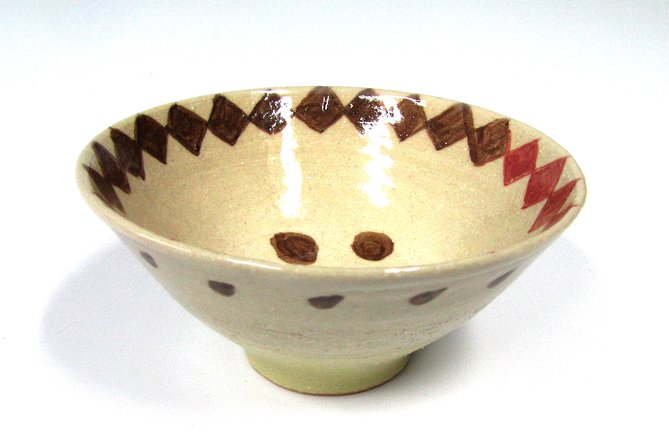
The delayed finish is both a strength and a weakness. On the positive side, you do not need to rush through glazing, firing, and packing during your Tokyo visit. The studio can complete the technical work while you continue your holiday.
On the other hand, you need patience. The stated preparation time is about one month, and the final pieces require either shipping or another way to receive them. If your trip ends tomorrow, you will not be able to carry the finished pottery home immediately.
Shipping also introduces risk and cost. Ceramics need careful packing, and international delivery depends on customs rules in the destination country. Brazil is specifically flagged as difficult at present, and other countries may have their own restrictions.
Before class, decide what you will do with the pottery. You can ask about EMS shipping, check whether delivery to your country is currently possible, and clarify the time frame. If delivery is not available, ask whether another collection arrangement exists. Do not leave this question until the final five minutes.
Who will get the most from this class
I would choose this class if you want an activity that is creative, calm, and different from ordinary sightseeing. It suits a first-time potter who wants friendly guidance without committing to a long course.
It is also a good fit for anyone who values handmade souvenirs. You create the shape yourself, choose the works for firing, and select colors. That makes the final object more personal than a shop purchase, even if the finished piece has a few charming flaws.
Families and couples may enjoy the shared experience, especially when each person chooses a different form. Friends can compare plates, cups, and bowls without the class becoming a competition.
People with pottery experience can join too, but I would keep expectations in check. The session lasts about one hour and is presented as a trial class. If you want detailed wheel training, repeated practice, or advanced glazing, you will need a longer course.
The class may not suit someone with a very tight budget once firing and shipping are added. It may also frustrate you if you need a finished souvenir before leaving Japan. The basic fee is attractive, but the complete cost depends on your choices.
Booking, cancellation, and useful planning tips
Confirmation is provided when you book, and the mobile ticket makes it easier to keep the booking details on your phone. The studio is near public transportation, but allow enough time to find the exact address in Shiba.
Free cancellation is available up to 24 hours before the local start time. Cancellations or changes made less than 24 hours before the experience are not refunded or accepted.
I would contact the studio before booking if you need international shipping, especially from Brazil or the United States. I would also ask about the current group size, firing price, color charges, and any age guidance for children.
Plan a nearby Tokyo Tower visit for before or after class. The pottery session itself ends at the studio, so the surrounding Minato area gives you an easy way to add more sightseeing without crossing the city.
Should you book the Japanese Pottery Class?
Yes, if you want a modestly priced, hands-on Tokyo activity and you are happy to wait for your pottery. The strongest reasons to go are the patient instruction, peaceful studio, freedom to choose your forms, and the chance to make a souvenir with your own hands.
Book with care if you are counting every yen or need to take the finished work home that day. The $26.73 fee is only the starting point, and firing, color, and EMS delivery can change the total.
For most beginners, I think the class offers a good balance of instruction and freedom. Confirm the extra charges and shipping destination first, then enjoy the hour. A slightly uneven rice bowl made by you will always tell a better Tokyo story than another factory-made magnet.
FAQ
Where is the Japanese pottery class held?
The meeting point is Shimizu House, 3-29-11 Shiba, Minato City, Tokyo 105-0014. It is near public transportation and close to Tokyo Tower.
How long does the pottery class last?
The class lasts approximately one hour.
How much does the basic class cost?
The listed basic price is $26.73 per person.
Does the basic fee include firing?
No. The firing fee is charged separately for each selected work.
Is shipping included?
No. EMS shipping is optional and costs extra.
When will the pottery be ready?
The studio says it takes about one month to prepare the works after the class.
How many pottery pieces can I make?
The class instructions say you make about two or three works within one hour. The exact number can vary.
Can I choose the pottery colors?
Yes. After choosing the pieces you want fired, you choose the colors. Any related extra charges should be confirmed with the studio.
Is the class suitable for beginners?
Yes. The instructor demonstrates the process and helps you as you work. The class is presented as a pottery trial experience, and most people can participate.
Can I cancel for a full refund?
Yes, if you cancel at least 24 hours before the experience start time. Cancellations or changes made less than 24 hours before the local start time are not refunded or accepted.
Just added around Tokyo
- Tokyo 6hr Instagram Highlights Private Tour with Licensed Guide★ 5.0 · 38 reviews
- Tokyo Small Group Tour with Guide★ 4.5 · 38 reviews
- Tokyo Sumo Experience with Live Show & Audience Challenge★ 5.0 · 38 reviews
- Japanese Food Cooking Class in Asakusa, Tokyo★ 5.0 · 39 reviews
- Very popular in Harajuku♡Animal petting zoo★ 4.6 · 39 reviews
- Ramen Making from Scratch with Tokyo Mom(Vegan Option Available)★ 5.0 · 39 reviews
- Tokyo JDM Night: 600hp C63s AMG Edition 1 (Private)★ 4.9 · 39 reviews
- Tokyo: Kimono Rental inside Shinjuku Gyoen National Garden★ 4.9 · 39 reviews
Traditional Craft Workshops, compared.
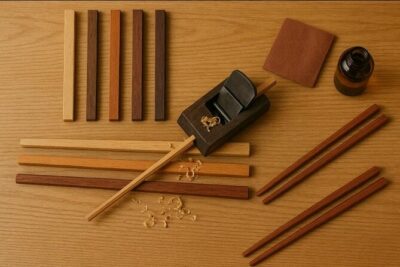
Chopsticks Making Workshop in Gion with Engraving Option
Read our review →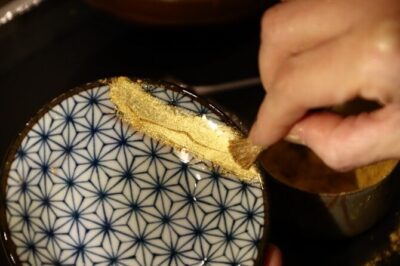
Kintsugi Experience: Art of Golden Joinery in Tokyo
Read our review →
Authentic knife making experience at a blacksmith in Kyoto
Read our review →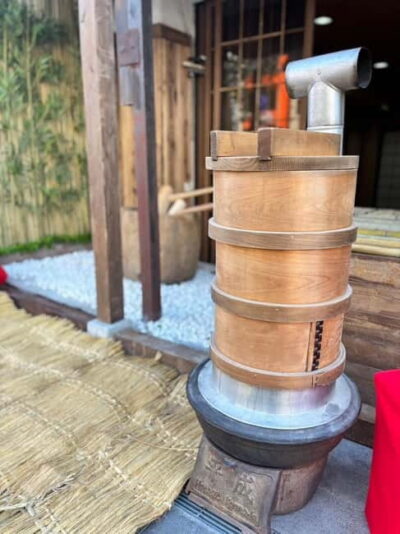
Traditional Mochi Pounding Experience with Tasting
Read our review →
Authentic Pure Gold Kintsugi Workshop with Master Taku in Tokyo
Read our review →
Roketsu dyeing experience: M course Roketsu Dyeing Experience
Read our review →Browse the lists this tour appears in