
Reviewed · ARASHIYAMA & BAMBOO GROVE TOURS
Kyoto Early Bird English Tour: Fushimi-Inari and Arashiyama
Kyoto rewards early risers. This small-group morning tour takes you to Fushimi Inari Shrine, Arashiyama’s bamboo forest, Tenryu-ji Temple, and Togetsukyo Bridge before the day reaches full speed. I especially like the early start, which helps with both crowds and summer heat, and the small group, advertised at a maximum of eight people in the additional details. The main drawback is that you must pay about ¥390 per person for transportation, and the short schedule leaves little time for wandering on your own.
The tour costs $96.83 per person and lasts about four to five hours. Guides including Vincent, Caleb, Hiro, Eri, Haruka, Jem, and Cade have earned praise for clear English, useful cultural context, good pacing, and help with Kyoto’s train system. Still, you should know that Tenryu-ji admission is described inconsistently in the supplied details, so confirm at booking whether the temple ticket is included.
In This Review
- Key points at a glance
- Why the early start matters in Kyoto
- Meeting at Kyoto Station and riding the trains
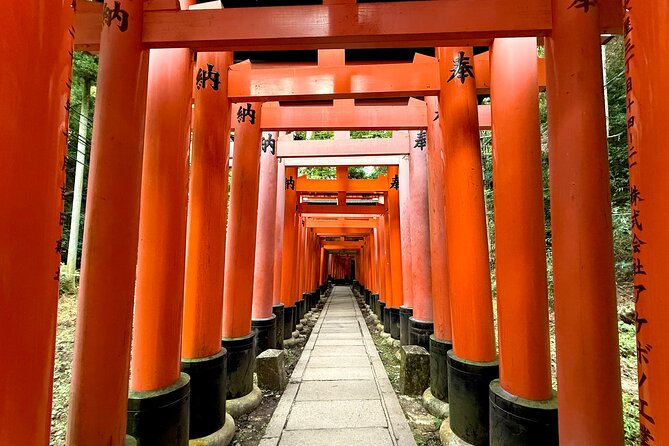
- Fushimi Inari’s red torii gates
- Arashiyama Bamboo Forest before midday
- Tenryu-ji and its Zen garden
- A short stop at Togetsukyo Bridge
- Small groups and guide quality
- Is $96.83 good value?
- Who should book this morning tour?
- Should you book it?
- FAQ
- How long does the Kyoto Early Bird English Tour last?
- Where does the tour begin?
- Where does the tour end?
- What sights are included?
- Is an English-speaking guide included?
- How large is the group?
- Is transportation included?
- Is food included?
- Is hotel pickup available?
- Is Tenryu-ji admission included?
- Can I cancel for a full refund?
Key points at a glance
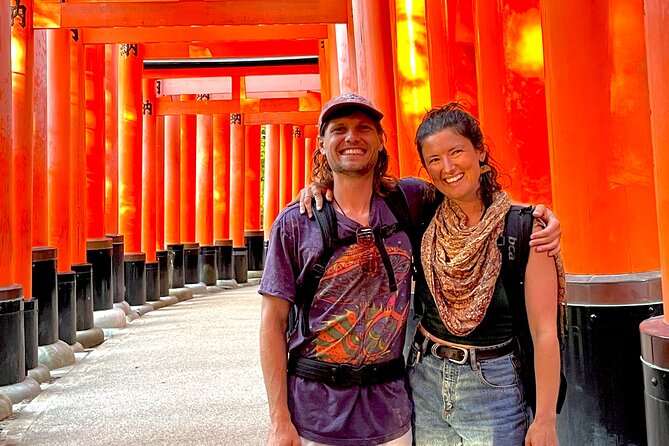
- Fushimi Inari before the crowds: Spend about 90 minutes among the famous red torii gates, with time for photos and a walk up Mount Inari.
- Arashiyama in the cool morning: The bamboo forest is far more pleasant before the busiest part of the day.
- Four major sights in one morning: The route includes Fushimi Inari, Bamboo Forest Street, Tenryu-ji Temple, and Togetsukyo Bridge.
- A genuinely small group: The tour is limited to a maximum of eight people in the additional information, though another description says nine.
- Public transportation is part of the experience: Your guide helps the group move between Kyoto’s sights, but the ¥390 transportation fee is extra.
- Strong guide feedback: Vincent, Caleb, Hiro, and other guides are praised for history, culture, navigation, humor, and thoughtful photos.
Why the early start matters in Kyoto
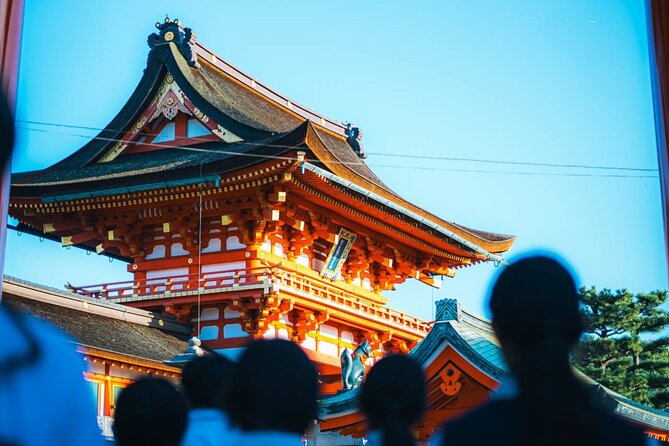
Fushimi Inari and Arashiyama are not obscure corners of Kyoto. They are two of the city’s most photographed sights, and both can become difficult places for quiet sightseeing later in the day.
The early departure is the central reason to book this tour. You get the visual drama of the torii gates and bamboo paths before the largest crowds arrive. Several tour participants found that the timing paid off, especially during hot weather and cherry blossom season. One group was already seeing crowds build as it left, a useful reminder that early does not mean empty all morning.
You should expect a brisk morning rather than a slow temple crawl. The total tour lasts about four to five hours, with roughly 90 minutes at Fushimi Inari, one hour in the bamboo forest, one hour at Tenryu-ji, and 15 minutes at the bridge. That schedule gives you a strong first look at Kyoto, but it does not leave much room for shopping, long meals, or extended hikes.
More Arashiyama and bamboo grove walks:
- Kyoto: Fushimi Inari, Kinkakuji, Bamboo Grove 1 Day Bus Tour
★ 4.8 · 4,316 reviews - Osaka/Kyoto:Kinkakuji,Arashiyama,FushimiInariShrine,NaraPark
★ 4.1 · 1,596 reviews - Kyoto/Osaka: Nara, Fushimi Inari Taisha, Arashiyama Bus Tour
★ 4.7 · 1,275 reviews
Meeting at Kyoto Station and riding the trains
The meeting point is the 7-Eleven Heart-In at the JR Kyoto Station Central Entrance, on Karasuma Street in the Shimogyo Ward. This is a practical location, but Kyoto Station is large enough that you should allow time to find the correct entrance and store.
One of the tour’s useful features is the guided movement through Kyoto’s public transportation system. You are not simply driven from one sight to another. The group uses trains, and several people appreciated having a guide handle directions and keep everyone moving. That can be worth a great deal if you have only one day in Kyoto or find Japanese train stations confusing.
The transportation charge is ¥390 per person and is not included in the listed price. At $96.83, that extra amount is not a major cost, but it should be made clear before you book. The value question is simple: if you are comfortable planning the trains and reading station signs, you can visit these places independently for less. If you want someone else to organize the route and explain what you are seeing, the added cost becomes easier to justify.
The tour ends back at the same Kyoto Station meeting point. There is no hotel pickup or drop-off, and food and drinks are not included.
Fushimi Inari’s red torii gates
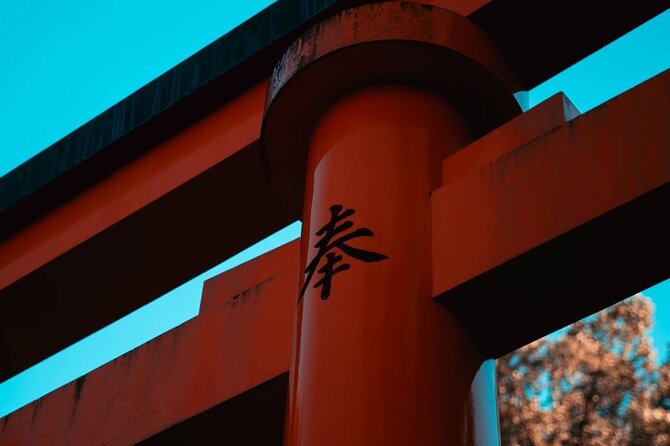
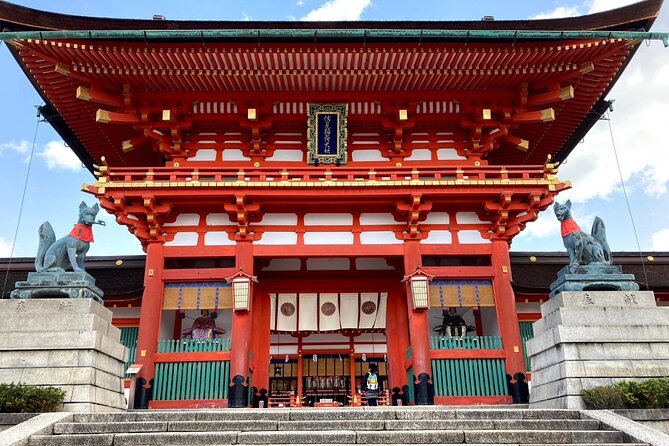
Fushimi Inari-taisha is the morning’s first major sight. Its long path of red-orange torii gates leads through the wooded slopes of Mount Inari. The gates create the image most people associate with the shrine, but the experience is more than a single photo stop.
You will have about 90 minutes here. That is enough to walk through the first sections of the torii path, hear about the shrine’s religious meaning and history, and take photographs before the route gets packed. It is not enough to complete every path on Mount Inari at a relaxed pace, so do not arrive expecting a full mountain hike.
This is where the guide can add real value. A good explanation helps you understand why the shrine has so many gates and how the site fits into Japanese religious life. Caleb is praised for explaining historical, cultural, and political subjects in clear English, while Hiro is praised for knowing strong photo locations away from the worst crowds.
The admission fee for Fushimi Inari is free. That helps offset the tour’s price, though the real benefit here is not entry savings. It is having an organized visit at an hour when the shrine is at its most manageable.
A practical warning: if collecting shrine stamps is important to you, check the opening hours before booking. One person arrived early enough to avoid crowds but found that the relevant temple or shrine counter was not yet open for a stamp. The tour can show you the grounds before services and counters begin, but early access may mean some facilities are unavailable.
Arashiyama Bamboo Forest before midday
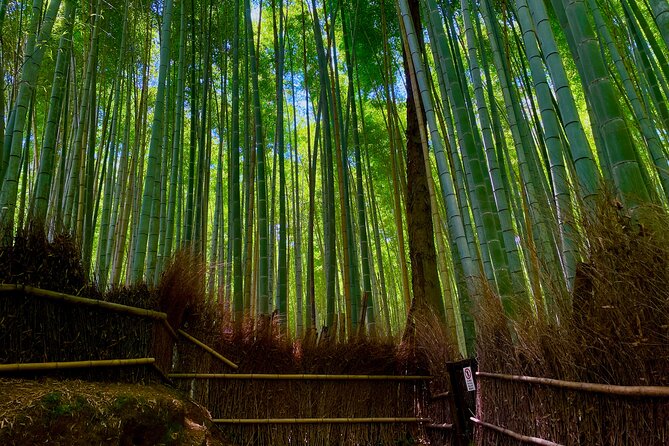
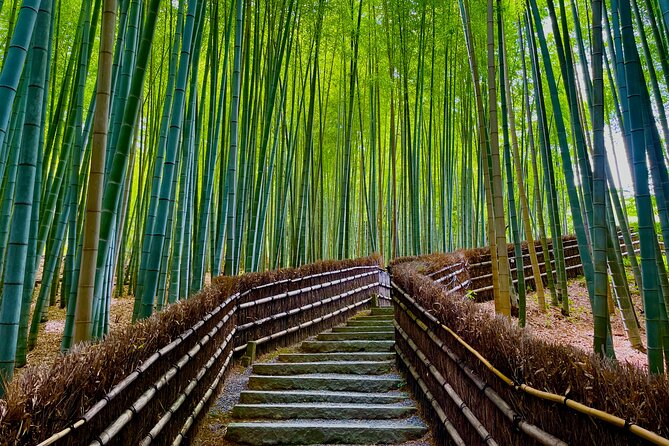
From Fushimi Inari, the tour continues to Arashiyama and Bamboo Forest Street. The bamboo grove is a narrow path lined with tall stalks that rise overhead, giving the route its famous enclosed feel.
The forest is visually striking, but it is also one of Kyoto’s most crowded photo spots. The early timing helps you enjoy the path with fewer people and less heat. Haruka is specifically praised for taking good pictures, and other guides are noted for finding better angles away from the heaviest foot traffic.
You receive about one hour here. That works well for walking the main route and taking photos, but it is a limited visit if you also want to explore the wider Arashiyama district. The schedule does not appear to include long stops for shops, cafés, gardens, or side streets.
That tradeoff is important. I would choose this tour if your priority is seeing the famous bamboo grove and nearby sights in one efficient morning. I would visit independently if you want to linger, browse, or combine the forest with a longer walk around Arashiyama.
A few more Kyoto experiences worth weighing up
- PERFECT KYOTO 1-Day Bus Tour
★ 5.0 · 13,518 reviews - Kyoto: Tea Ceremony in a Traditional Tea House in Kiyomizu
★ 4.9 · 3,519 reviews - Kyoto Geisha Walking Tour: Gion District & Hidden Gems
★ 4.7 · 3,273 reviews - Kyoto: Tea Ceremony Ju-An at Jotokuji Temple
★ 4.9 · 3,207 reviews
Tenryu-ji and its Zen garden
Tenryu-ji Temple is the most substantial cultural stop in Arashiyama. It is a UNESCO World Heritage site known for its Zen garden and views toward the surrounding mountains. The garden gives the morning a quieter rhythm after the movement through the bamboo grove.
The planned visit lasts about one hour. That is enough to appreciate the garden and temple grounds, listen to an explanation, and take photographs. It is not a deep architectural study, and visitors who want to examine every hall or garden detail may wish to return later.
The supplied details conflict on admission. One section says the Tenryu-ji admission fee is included, while another itinerary line says admission is not included. Do not assume either version is correct without checking the final booking information. This is the one cost detail I would clarify before paying.
Tenryu-ji also shows why a guide can matter beyond navigation. The garden may look simple at first glance, but a guide can point out how its design frames water, rocks, trees, and the hills beyond. The strongest guide comments praise this kind of context, with information described as balanced rather than overwhelming.
A short stop at Togetsukyo Bridge
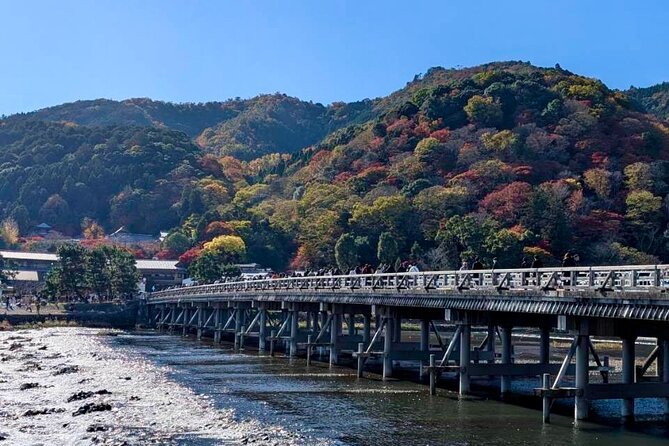
The final stop is Togetsukyo Bridge, a historic bridge across the Katsura River. Its name means Moon Crossing Bridge, and the current structure dates from 1934, although the original bridge goes back to the Heian Period.
You have about 15 minutes here. Think of it as a photo and orientation stop, not a full riverside visit. The bridge gives you a different view of Arashiyama after the enclosed bamboo paths and temple garden. If you want to sit by the river, explore nearby streets, or look for food, you will need to continue on your own after the tour returns to Kyoto Station.
Small groups and guide quality
The small-group format is one of the tour’s strongest features. The stated maximum is eight people in the additional information, while the overview describes a maximum of nine. Either way, this is much more personal than a large coach excursion.
A small group makes it easier to hear explanations, ask questions, stay together on train platforms, and stop for photos without creating a traffic jam. It also lets the guide adjust the pace. One family with a six-year-old found the experience easy to manage, while another group praised the guide for keeping things moving on a very hot day.
Guide quality appears to be a major part of the experience. Vincent is repeatedly praised for his friendly manner, clear historical explanations, navigation help, prompt communication, and attention to taking photos. Caleb receives similar praise for humor, cultural knowledge, and clear instructions. Hiro is noted for enthusiasm, strong photo spots, and a well-planned route. Eri, Jem, Haruka, and Cade also receive warm comments for friendliness, information, organization, and family care.
There is one less positive point to consider. One person had an unpleasant issue with the guide’s personal hygiene. That appears to be an isolated complaint, but it is fair to mention when assessing a highly personal small-group experience.
Is $96.83 good value?
At $96.83 per person, this is not a budget sightseeing option. The major sights themselves are inexpensive or free, and you can reach them independently using Kyoto’s trains. You also pay ¥390 per person for transportation, and food is not included.
The value comes from four things:
- Getting to the most crowded sights early
- Having an English-speaking guide
- Moving between distant parts of Kyoto without planning the route yourself
- Keeping the group small
If you are confident using public transportation and comfortable researching shrine and temple customs, you can save money by going alone. You will also have more freedom to hike Mount Inari, stay longer in Arashiyama, and return to Tenryu-ji for a stamp if needed.
I see stronger value for first-time visitors, solo visitors, families, and people with only one day in Kyoto. The guide’s help with trains alone can reduce stress, and the short format gives you a useful introduction without consuming the entire day.
The tour is also a good fit for photographers. The early hour, smaller group, and guide suggestions can make it easier to get clean images at the torii gates and bamboo forest. Just keep your expectations realistic: popular Kyoto sights are rarely private for long.
Who should book this morning tour?
I would recommend it if you want an efficient introduction to Kyoto’s best-known sights and prefer cultural explanation over independent research. Families may appreciate the support with trains and the flexible attention of a small group. Solo visitors may also value having someone take photos and help with directions.
It suits people who can walk for several hours and are willing to start early. The route includes shrine paths, temple grounds, and movement between stations, so comfortable shoes are sensible. In hot or rainy weather, dress for the conditions. One person found that rain reduced crowds, but also stressed the need to check the forecast and prepare properly.
I would hesitate if you dislike early mornings, want a long Mount Inari hike, or plan to spend most of the day shopping and eating in Arashiyama. You can certainly see the same sights on your own for less money, with greater control over the pace.
Cancellation is free if you cancel at least 24 hours before the start time. Changes or cancellations made within 24 hours are not accepted for a refund.
Should you book it?
Book this tour if beating Kyoto’s crowds matters more to you than saving money. The early schedule, small group, public transportation support, and strong guide feedback make it a practical way to cover four major sights in one morning.
Skip it if you already know Kyoto’s train system, prefer long independent visits, or want to climb far up Mount Inari. Before booking, confirm the group-size limit, the ¥390 transportation charge, and the conflicting Tenryu-ji admission information. For many first-time visitors, the convenience and early access make the price reasonable, especially during hot weather, cherry blossom season, or a short Kyoto stay.
FAQ
How long does the Kyoto Early Bird English Tour last?
The tour lasts approximately four to five hours.
Where does the tour begin?
It begins at the 7-Eleven Heart-In inside or near the JR Kyoto Station Central Entrance area, at the address provided for the meeting point.
Where does the tour end?
The tour ends back at the Kyoto Station meeting point.
What sights are included?
The route includes Fushimi Inari-taisha Shrine, Arashiyama Bamboo Forest, Tenryu-ji Temple, and Togetsukyo Bridge.
Is an English-speaking guide included?
Yes. An English-speaking guide is included.
How large is the group?
The additional information lists a maximum of eight travelers. Another description says the group can have up to nine people, so confirm the exact limit when booking.
Is transportation included?
No. Transportation costs ¥390 per person and are listed separately from the tour price.
Is food included?
No. Food and drinks are not included.
Is hotel pickup available?
No. Hotel pickup and drop-off are not included. You must reach the Kyoto Station meeting point.
Is Tenryu-ji admission included?
The supplied details conflict. One section says the admission fee is included, while another says the ticket is not included. Confirm this before booking.
Can I cancel for a full refund?
Yes, if you cancel at least 24 hours before the experience start time. Cancellations made less than 24 hours before the start time are not refunded.
Just added around Kyoto
- Kyoto: Gion Night Walking Tour with Geisha Insight★ 5.0 · 39 reviews
- Kyoto: Private Customizable Day Trip by Car★ 5.0 · 38 reviews
- Kyoto: Full Day Bike Tour★ 4.9 · 39 reviews
- Private Japanese Calligraphy in Kyoto – Learn Shodō with a Master★ 5.0 · 39 reviews
- Experience a tea ceremony in an authentic tearoom, in Kyoto!★ 4.5 · 41 reviews
- Kyoto: Gion Evening Walk with Hidden Gems, Geisha & Sake★ 5.0 · 41 reviews
- Kyoto Private Photo Shoot & Tour by SnapKyoto★ 5.0 · 41 reviews
- The Way of Tea: Kyoto Crafts, Hidden Temples & Wabi-Sabi Walk★ 5.0 · 41 reviews
Arashiyama & Bamboo Grove Tours, compared.
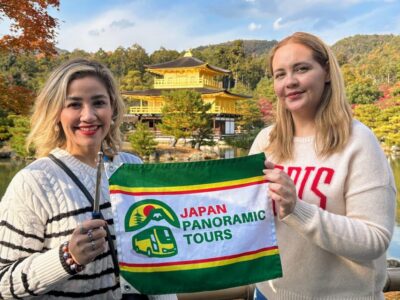
Fushimi Inari, Kinkakuji, Bamboo Grove 1 Day Bus Tour
Read our review →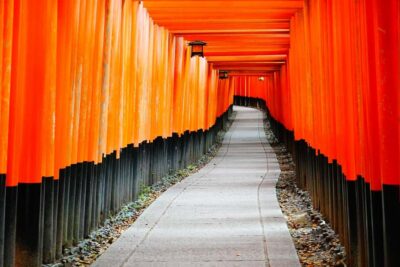
Osaka/Kyoto:Kinkakuji,Arashiyama,FushimiInariShrine,NaraPark
Read our review →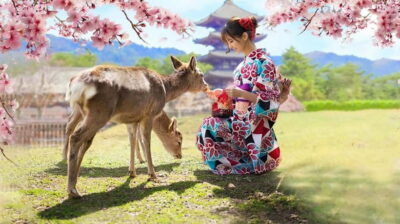
Kyoto/Osaka: Nara, Fushimi Inari Taisha, Arashiyama Bus Tour
Read our review →
Kyoto Arashiyama Walking Tour: Bamboo, Monkeys, Gardens & Secrets
Read our review →
Arashiyama Bamboo, Temple, Monkeys, or Secret Sake Brewery
Read our review →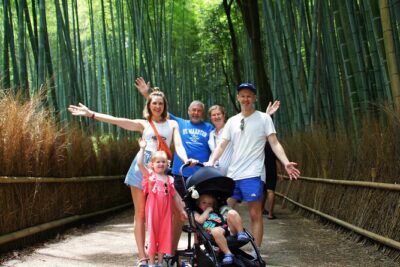
Arashiyama Bamboo Forest, Monkeys, Matcha & Temple Tour
Read our review →
Osaka/Kyoto: Arashiyama, Nara & Fushimi Inari Shrine w/Lunch
Read our review →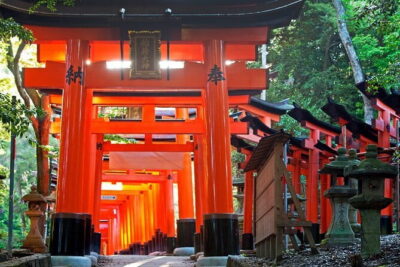
Nijo, Kinkaku-ji, Arashiyama, Kiyomizu & Fushimi Inari
Read our review →Browse the lists this tour appears in