
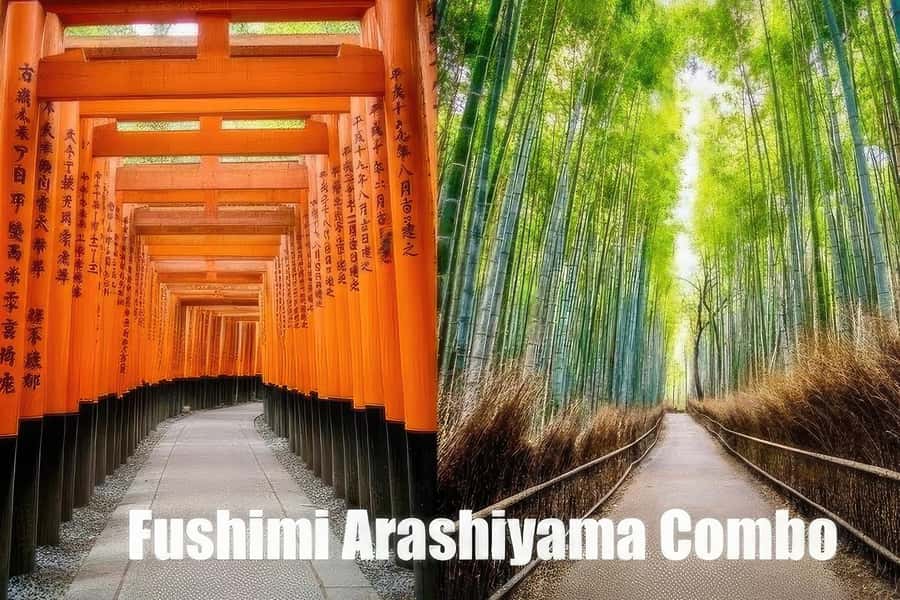
Reviewed · ARASHIYAMA & BAMBOO GROVE TOURS
Kyoto: Fushimi, Arashiyama – Bamboo, Monkey, Torii & Secrets
Kyoto packs its biggest sights into one walk. This English-language tour links the red torii gates of Fushimi Inari with Arashiyama’s bamboo, temples, river views, and monkey park, while a local guide helps you find quieter lanes and better photo spots. I especially like the mix of sacred places and outdoor activity. You get far more than a quick stop at the bamboo grove.
I also like the personal touch from guides such as Aron, Teri, Max, and Mari, who have helped with photos, adjusted the pace, shared local stories, and pointed out food and shopping stops. The main caution is simple: this is a serious walking day, with a steep climb to the monkeys, heat exposure, and crowds at the most famous sights. Train fares and food are extra, too.
In This Review
- Key points before you book
- Starting beneath Fushimi Inari’s red gates
- Moving from sacred mountain to Arashiyama
- The bamboo grove, with a quieter route when possible
- Tenryuji’s garden and the calm after the crowds
- Crossing Togetsukyo, Kyoto’s Moon Crossing Bridge
- Climbing to Monkey Park
- The guides make the long route easier
- Food, breaks, and surviving the five-hour walk
- Is $88 a fair price?
- Who should book this Kyoto walk?
- Should you book it?
- FAQ
- Where does the tour start and finish?
- Are train fares included?
- Are food and drinks included?
- How difficult is the walking?
- Is the tour offered in English?
- Can one person book the tour?
Key points before you book
- Two major Kyoto areas in one day: Start at Fushimi Inari, then continue to Arashiyama for bamboo, temples, the bridge, river views, and monkeys.
- A real uphill walk: The climb to Monkey Park rises about 525 feet and can feel tough in hot or wet weather.
- Entry fees are covered: Monkey Park, Tenryuji Garden, and the Fushimi Inari visit are included in the $88 price.
- Guides add practical help: Guides have taken photos, suggested lunch spots, offered sake or snack tastings, and explained local customs.
- Expect crowds at the famous sights: The bamboo grove and temple area can be packed, even when your guide leads you through quieter side streets.
- Best for active sightseers: Comfortable shoes, cash, rain gear when needed, and a willingness to walk are essential.
Starting beneath Fushimi Inari’s red gates
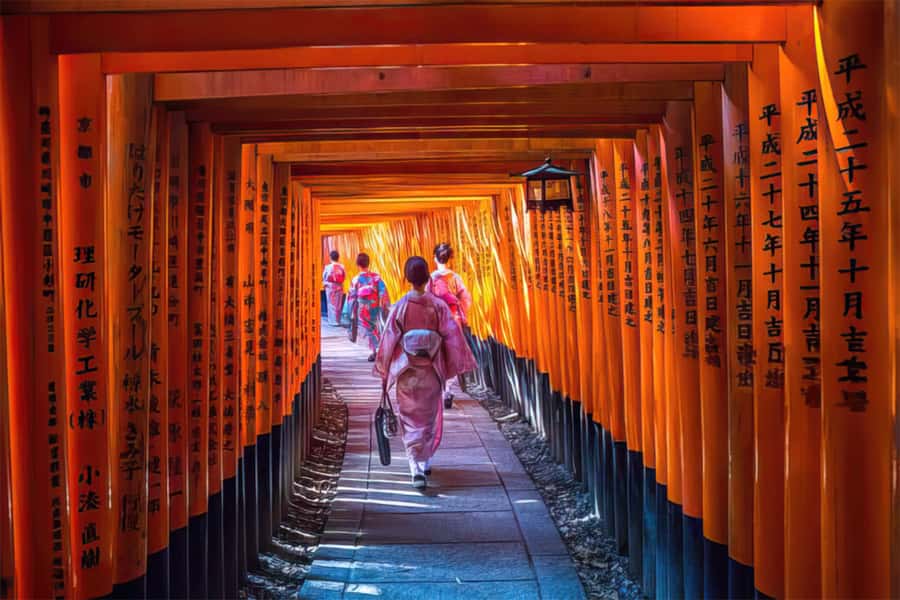
The tour begins in front of the gates of Inari Station, which makes the meeting point easy to find. You do not need to navigate a complicated hotel pickup or search for a tour bus. Just remember that your train ride to the starting point is not included.
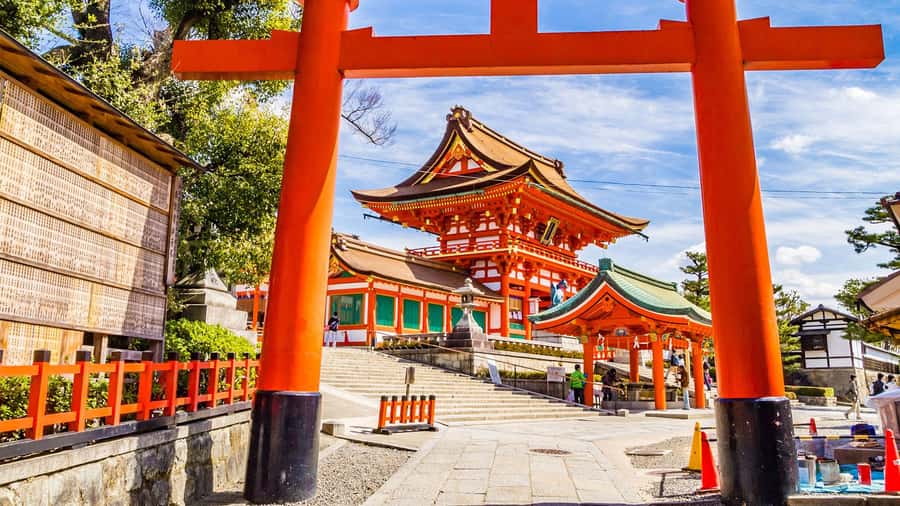
Fushimi Inari Taisha is one of Kyoto’s most recognizable sights, known for its long corridors of vermilion torii gates. Each gate marks a donation, and together they form a striking path up Mount Inari. The color, repetition, and changing light make this one of the best places in Kyoto for photographs.
The route is not just a flat walk through a gate-lined corridor. You climb Mount Inari, and the number of people tends to thin as you go higher. The tour description promises the red gates and a climb, but your exact walking time at Fushimi Inari may depend on the group’s pace and the day’s conditions.
Your guide’s role matters here. Without context, it is easy to see Fushimi Inari as a beautiful series of gates and move on. A good guide can explain the shrine’s cultural meaning, point out smaller shrines, and help you understand why foxes appear so often in Inari worship.
More Arashiyama and bamboo grove walks:
- Kyoto: Fushimi Inari, Kinkakuji, Bamboo Grove 1 Day Bus Tour
★ 4.8 · 4,316 reviews - Osaka/Kyoto:Kinkakuji,Arashiyama,FushimiInariShrine,NaraPark
★ 4.1 · 1,596 reviews - Kyoto/Osaka: Nara, Fushimi Inari Taisha, Arashiyama Bus Tour
★ 4.7 · 1,275 reviews
Moving from sacred mountain to Arashiyama
After Fushimi Inari, the tour heads to Arashiyama. Train fees are paid separately, so bring cash or another accepted way to cover local transport. The experience does not include pickup and drop-off, and it ends back at the original meeting point.
That transport arrangement keeps the price lower than a private vehicle tour, but it means you need to follow the group and allow room in your budget for the trains. The guide handles the sightseeing flow, while you handle the simple point-to-point transport.
The full outing takes about five hours according to the tour details and guest feedback. That is a lot of ground for one half-day, especially because both Fushimi Inari and Arashiyama involve walking. Guides have been praised for keeping a steady pace and allowing cooling stops in hot weather, which is important for older visitors and anyone unused to Kyoto’s summer heat.
The bamboo grove, with a quieter route when possible
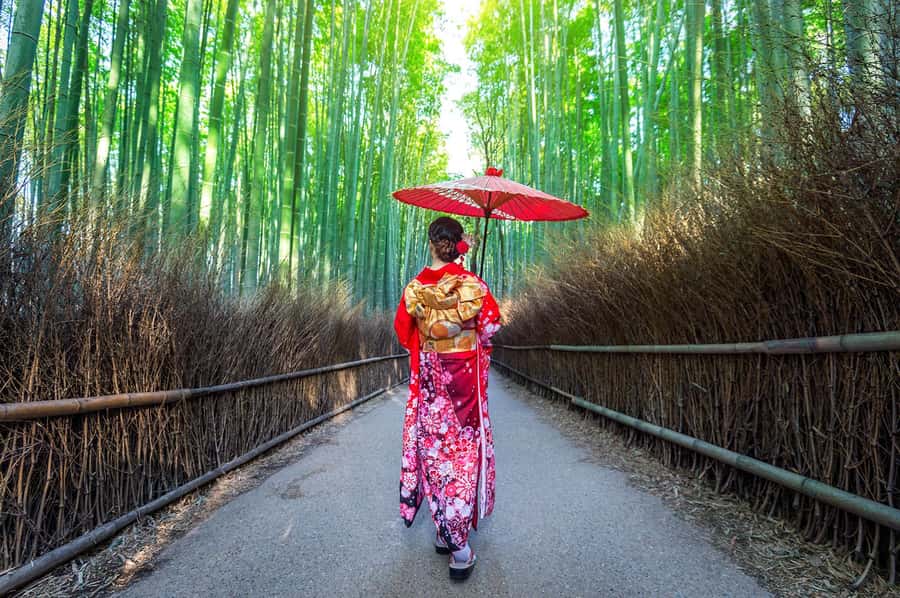
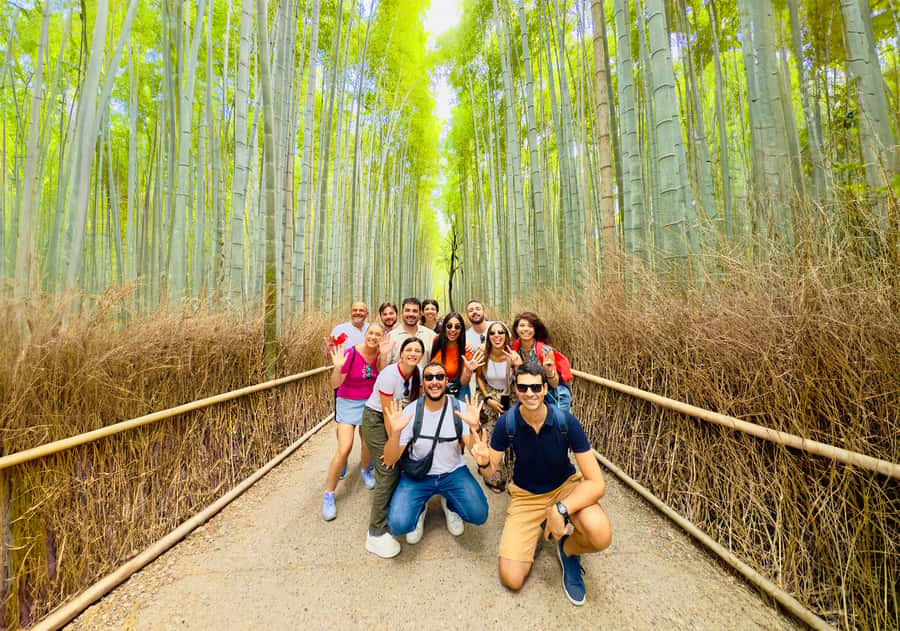
Arashiyama’s Bamboo Grove is one of Kyoto’s signature sights. Tall bamboo stalks rise on both sides of the path, creating a narrow corridor of green and filtered light. When the breeze moves through the leaves, the sound is soft and calming.
The famous section can also be crowded. That is the clearest drawback of this stop. You may have to share the path with many other people, and getting a clean photograph can take patience. One guide, Marie, was praised for keeping the experience enjoyable despite the sheer number of people.
The useful part of this tour is that the bamboo grove is not treated as the whole Arashiyama experience. Guides have led groups through less crowded streets and side paths, showing photo locations beyond the main walkway. You still see the iconic bamboo, but you also get a better feel for the surrounding area.
I would not book this tour expecting solitude in the bamboo forest. I would book it if you want help making the most of a crowded place, finding additional viewpoints, and moving on before the grove becomes the only thing you remember.
Tenryuji’s garden and the calm after the crowds
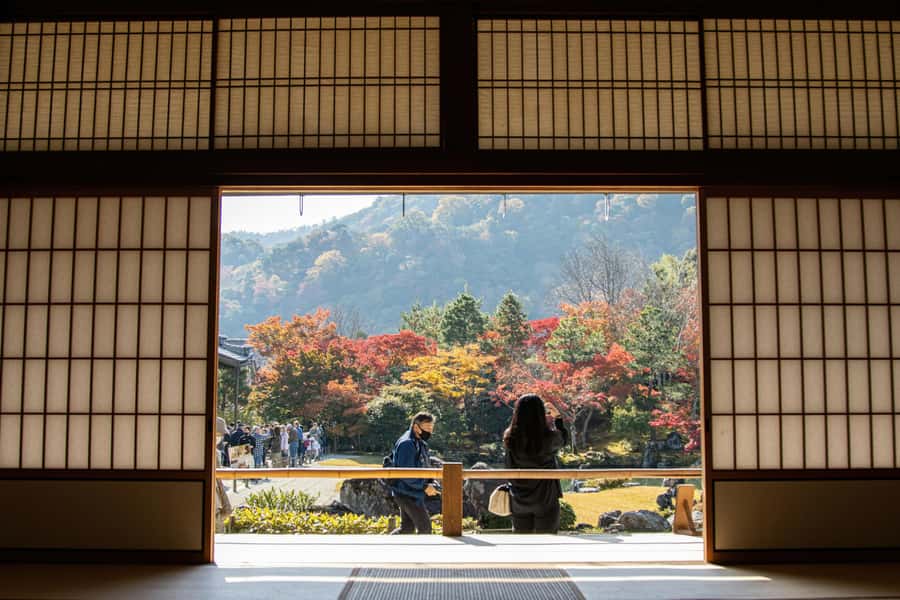
Tenryuji Temple offers a welcome change of pace. Its garden is included in the tour price and is known for carefully arranged ponds, trees, stones, and views toward the surrounding hills. This is a place to slow down and notice how Zen garden design uses space, balance, and borrowed scenery.
The garden gives the tour cultural depth. Fushimi Inari is energetic and visually bold, while Tenryuji asks for a quieter kind of attention. You are not simply checking off another attraction. You are seeing two different expressions of Japanese religious and artistic tradition in the same day.
The temple grounds also provide strong photo opportunities. Guides have helped visitors find good angles and offered explanations about the site rather than rushing everyone through. If you enjoy gardens, architecture, or photography, this may be the most restful part of the route.
Keep in mind that the tour is still moving on a schedule. You should not expect a long private meditation session or unlimited time at every garden feature. The benefit is that admission and orientation are handled for you, with enough structure to see the main highlights.
A few more Kyoto experiences worth weighing up
- PERFECT KYOTO 1-Day Bus Tour
★ 5.0 · 13,518 reviews - Kyoto: Tea Ceremony in a Traditional Tea House in Kiyomizu
★ 4.9 · 3,519 reviews - Kyoto Geisha Walking Tour: Gion District & Hidden Gems
★ 4.7 · 3,273 reviews - Kyoto: Tea Ceremony Ju-An at Jotokuji Temple
★ 4.9 · 3,207 reviews
Crossing Togetsukyo, Kyoto’s Moon Crossing Bridge
Togetsukyo Bridge crosses the river at the heart of Arashiyama. Its name is often translated as Moon Crossing Bridge, and the setting is especially attractive when viewed from the riverbanks or nearby streets.
The bridge is more than a quick crossing between stops. It helps connect the different moods of Arashiyama: wooded hills, flowing water, temple grounds, food stalls, and traditional streets. Guides have taken groups to bridges, ponds, rivers, and viewpoints around the area, making the walk feel broader than a direct route between the bamboo grove and Monkey Park.
This is also a useful point for photographs. You can frame the bridge with the river and hills, though the exact view depends on the season, weather, and crowds. Rain can add atmosphere, but it also makes the walking paths slippery and less comfortable.
Climbing to Monkey Park
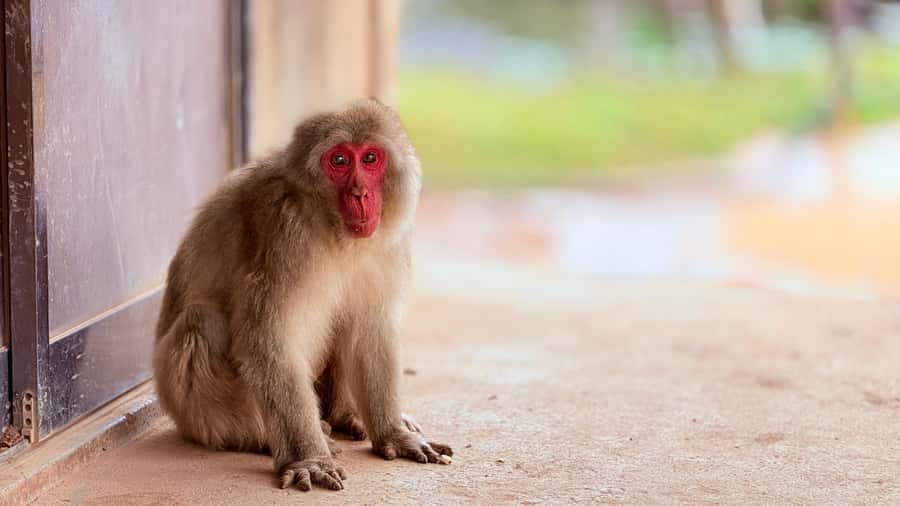
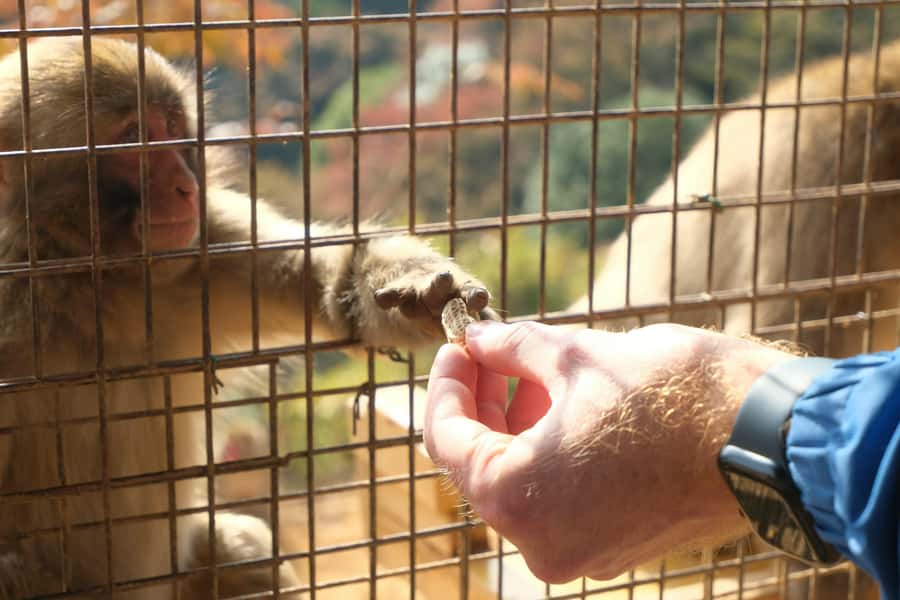
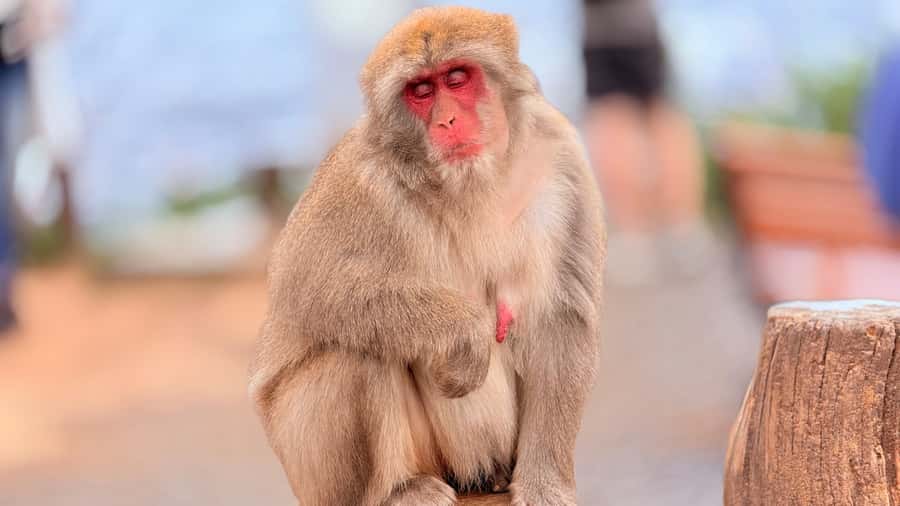
The Monkey Park is the tour’s most active stop. After crossing the river, you climb uphill to an area where wild monkeys roam freely. Entry is included, and you can feed the monkeys under the park’s rules.
The climb is steep enough to deserve serious attention. The route rises about 525 feet, and one review specifically described it as energizing but well worth the effort. If you have knee problems, poor balance, or limited stamina, this may be the part that decides whether the tour suits you.
At the top, the reward is twofold. You see the monkeys in a natural outdoor setting, and you get broad views across Kyoto. The animals are entertaining, but you should treat them as wild creatures rather than pets. Listen to the guide and follow the park’s instructions when feeding them.
This stop works well for families with older children, active couples, photographers, and anyone who wants a little wildlife with their temples. It is less suitable for people who need level paths, wheelchairs, non-folding strollers, or frequent seated breaks. Electric wheelchairs are also not permitted.
The guides make the long route easier
The strongest feature of this experience is the guide service. Aron appears repeatedly in the feedback, with praise for his humor, local explanations, photo help, food suggestions, and easygoing professionalism. He has also offered small extras such as sake tasting, pecan chocolate, iPhone photo tips, and advice on shopping.
Teri has been praised for taking a personal interest in each person, finding good photo angles, and keeping the group moving without making anyone feel hurried. Max has made a point of stopping to let people cool down, while Mari and Tim have also been praised for their friendly approach and local insight.
Guide quality can vary from one departure to another, but the repeated pattern is clear: this tour is worth more when you use the guide actively. Ask questions. Request a photo when you want one. Tell the guide if the heat or hills are slowing you down.
English ability has been described positively, and the activity is offered in English. It is a small-group experience, though the exact group size is not specified. That format should give you more interaction than a large bus tour, while still keeping the cost below a fully private guide.
Food, breaks, and surviving the five-hour walk
Food and drinks are not included, but the route includes access to a small food area with several places to eat. That detail matters because five hours of walking can create a serious appetite, especially after the climb to Monkey Park.
Bring cash. It is listed as an important item, and it is useful for train fares, snacks, drinks, and any optional purchases. You should not assume that every food stop or small vendor accepts the payment method you normally use at home.
Wear comfortable shoes with good grip. A rainy day can still be enjoyable, but you need proper rain gear and shoes that can handle wet paths. In hot weather, carry water, use sun protection, and take the cooling pauses offered by the guide.
The tour does not suit people with mobility impairments or wheelchair users. Baby strollers, baby carriages, and non-folding wheelchairs are not allowed. A folding stroller is also listed among the prohibited items, so families with very young children should check the restrictions carefully before booking.
Is $88 a fair price?
At $88 per person, the tour offers reasonable value if you want to combine several major sights without planning the route yourself. Entry to Monkey Park and Tenryuji Garden is included, as is the guide. You also receive the benefit of someone who knows how to connect Fushimi Inari and Arashiyama in one outing.
The price does not cover trains, food, or drinks. Those costs are not unusual, but they mean the advertised price is not your complete spending total. You should also consider the value of your time. Kyoto’s transport and sightseeing routes can be confusing on a first visit, and a guide can save you from losing part of the day.
A self-guided visit may cost less, especially if you already know Kyoto well and are happy to research the trains and temple entries. The tour makes more sense if you want cultural explanations, help with photographs, quiet side streets, and a clear plan.
The strongest value comes from the local guidance, not simply from the tickets. If your assigned guide is as helpful as Aron, Teri, Max, or Mari have been, the experience can turn a demanding route into a much smoother day.
Who should book this Kyoto walk?
You should consider this tour if you want Kyoto’s major sights in one tightly organized outing. It suits first-time visitors, active couples, small groups, photographers, and anyone who prefers hearing stories instead of reading signs alone.
It is also a good choice if you are nervous about finding the best spots in Arashiyama. The guide can help with photographs, recommend food, explain local life, and lead you through quieter streets between the headline attractions.
You should think twice if you dislike crowds, steep paths, hot weather, or fixed group pacing. The bamboo grove can be packed, and Monkey Park requires a noticeable uphill climb. This is not a gentle sightseeing stroll.
Solo bookings are possible, but at least two people must be booked for the tour to operate. If only one person books, the activity may be canceled, with rescheduling or a full refund offered. You can cancel up to 24 hours in advance for a full refund, and the reserve-now, pay-later option may help if your schedule is still changing.
Should you book it?
Book this tour if you want Fushimi Inari, Arashiyama, Tenryuji, Togetsukyo Bridge, and Monkey Park tied together by an English-speaking local guide. The combination is broad, active, and visually rewarding, with enough side paths and local touches to feel more personal than a simple checklist tour.
Skip it if you need an accessible route or prefer slow, independent visits. For everyone else, the $88 price is fair when you value saved planning time, included entries, photo help, and local explanations. Bring good shoes, cash, water, and patience for crowds. If Aron, Teri, Max, or Mari is leading your group, you may get the kind of extra care that makes this ambitious Kyoto day especially memorable.
FAQ
Where does the tour start and finish?
It starts in front of the gates of Inari Station. The activity ends back at the meeting point.
Are train fares included?
No. Train fees are not included, so you need to budget separately for transportation between the tour areas.
Are food and drinks included?
No. Food and drinks are not included. The route does include access to a small food area with several places to eat.
How difficult is the walking?
The tour involves substantial walking, including a climb to Monkey Park that rises about 525 feet. Comfortable shoes are essential, and the activity is not suitable for people with mobility impairments or wheelchair users.
Is the tour offered in English?
Yes. The tour is offered in English with a bilingual local guide.
Can one person book the tour?
Solo travelers can book, but a minimum of two guests is required for the tour to operate. If only one guest books, the tour may be canceled, with rescheduling or a full refund offered.
Just added around Kyoto
- Kyoto: Gion Night Walking Tour with Geisha Insight★ 5.0 · 39 reviews
- Kyoto: Private Customizable Day Trip by Car★ 5.0 · 38 reviews
- Kyoto: Full Day Bike Tour★ 4.9 · 39 reviews
- Private Japanese Calligraphy in Kyoto – Learn Shodō with a Master★ 5.0 · 39 reviews
- Experience a tea ceremony in an authentic tearoom, in Kyoto!★ 4.5 · 41 reviews
- Kyoto: Gion Evening Walk with Hidden Gems, Geisha & Sake★ 5.0 · 41 reviews
- Kyoto Private Photo Shoot & Tour by SnapKyoto★ 5.0 · 41 reviews
- The Way of Tea: Kyoto Crafts, Hidden Temples & Wabi-Sabi Walk★ 5.0 · 41 reviews
Arashiyama & Bamboo Grove Tours, compared.
Fushimi Inari, Kinkakuji, Bamboo Grove 1 Day Bus Tour
Read our review →
Osaka/Kyoto:Kinkakuji,Arashiyama,FushimiInariShrine,NaraPark
Read our review →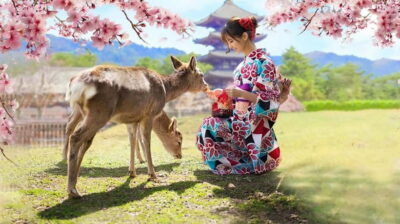
Kyoto/Osaka: Nara, Fushimi Inari Taisha, Arashiyama Bus Tour
Read our review →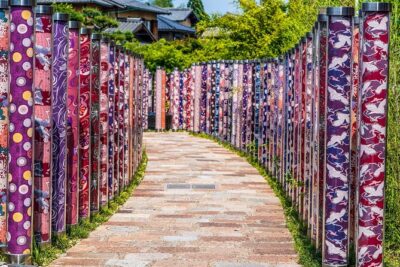
Kyoto Arashiyama Walking Tour: Bamboo, Monkeys, Gardens & Secrets
Read our review →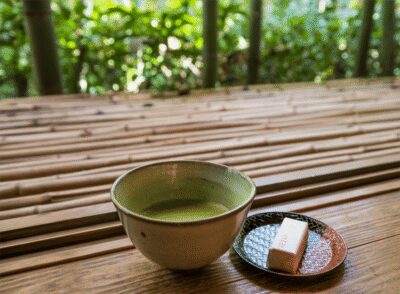
Arashiyama Bamboo, Temple, Monkeys, or Secret Sake Brewery
Read our review →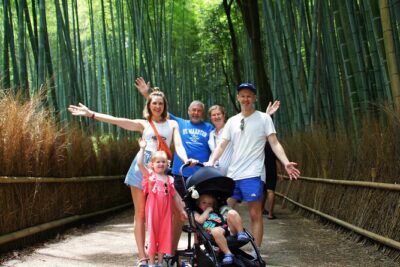
Arashiyama Bamboo Forest, Monkeys, Matcha & Temple Tour
Read our review →
Osaka/Kyoto: Arashiyama, Nara & Fushimi Inari Shrine w/Lunch
Read our review →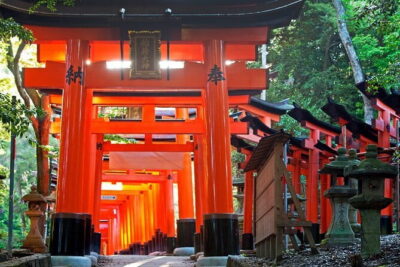
Nijo, Kinkaku-ji, Arashiyama, Kiyomizu & Fushimi Inari
Read our review →Browse the lists this tour appears in