
Reviewed · TEMPLE & SHRINE TOURS
Kyoto: Fushimi Inari Shrine Walking Tour
Fushimi Inari tells its story in orange gates. This two-hour evening walk gives you more than a quick photo stop, pairing the shrine’s famous torii route with explanations of Inari worship, fox statues, rituals, and mountain paths. I like the small group limit of 10 and the way the guide handles both culture and navigation. I also like the 6:00 pm start, when the shrine can begin to feel calmer than it does at midday.
The main trade-off is the climb. You will be walking uphill on scenic forest trails, and the evening timing does not guarantee empty paths. At $39.64 per person, the tour makes the most sense if you want context and local guidance, not simply a fast look at the gates.
In This Review
- Key points at a glance
- Why Fushimi Inari deserves a guided walk
- Meeting at 6:00 pm near the shrine
- Through the torii gates and into Inari worship
- The uphill trail and Kyoto views
- What the guide adds to the experience
- Is $39.64 a fair price?
- The evening timing, crowds, and atmosphere
- What the two hours really include
- Who will enjoy this tour most
- Booking flexibility and small practical details
- Should you book this Fushimi Inari walk?
- FAQ
- How long is the Fushimi Inari walking tour?
- What time does the tour start?
- Where does the tour meet?
- Where does the tour end?
- Is admission to Fushimi Inari Taisha included?
- Is the tour conducted in English?
- How many people can join the tour?
- Are food and drinks included?
- Are tips required?
- Can I cancel for a full refund?
Key points at a glance
- Fox statues have a story: Learn why foxes are linked with Inari and how that symbolism appears around the shrine.
- A mountain walk, not just a photo stop: The route includes forest trails and panoramic views as you gain height.
- Small groups help: A maximum of 10 people makes it easier to hear the guide and stay together.
- 6:00 pm changes the mood: The evening start offers a different feel from the bright, crowded middle of the day.
- Culture comes with the scenery: The walk covers shrine rituals, traditional practices, and the meaning of the torii gates.
- Two hours keeps it manageable: You get a focused introduction without giving up an entire day in Kyoto.
Why Fushimi Inari deserves a guided walk
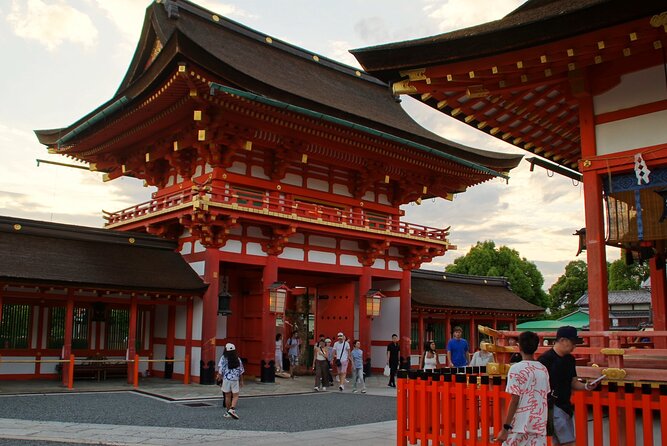
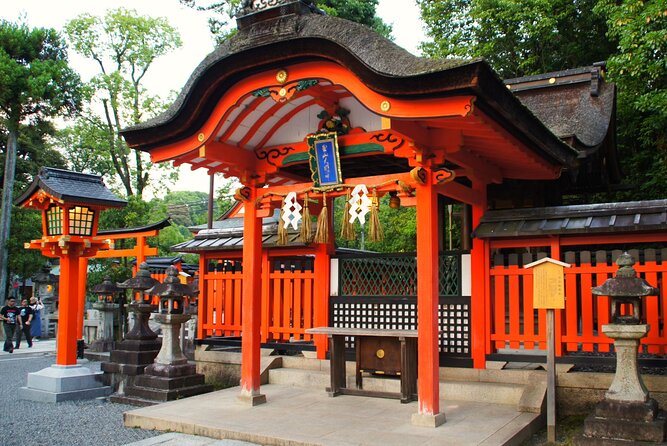
Fushimi Inari Taisha is one of Kyoto’s most recognizable sights, but its orange torii gates can be hard to understand on your own. The gates are not simply decoration. They mark a sacred route through the wooded mountain and connect the shrine to Inari worship.
A guide helps turn a striking view into a meaningful place. You can learn about the fox deity associated with Inari, notice the symbolism around the complex, and understand what is happening when people perform shrine rituals nearby. Without that context, it is easy to walk through the gates, take a few photographs, and miss the ideas behind them.
I especially like the focus on details that are easy to overlook. The tour includes explanations of fox statues, shrine customs, and traditional practices. That gives the walk a stronger cultural purpose than a basic sightseeing stroll.
The route also reaches beyond the busiest first stretch. The description promises scenic mountain trails and panoramic views of Kyoto, while several comments point to quieter paths and reflection spots. That matters because Fushimi Inari can feel crowded at its most famous entrance, yet the atmosphere may change as you continue uphill.
More Temple & Shrine Tours in Kyoto
- Kyoto: Fushimi Inari, Kinkakuji, Bamboo Grove 1 Day Bus Tour
★ 4.8 · 4,316 reviews - Kyoto: Tea Ceremony in a Traditional Tea House in Kiyomizu
★ 4.9 · 3,519 reviews - Kyoto: Tea Ceremony Ju-An at Jotokuji Temple
★ 4.9 · 3,207 reviews
Meeting at 6:00 pm near the shrine
The tour begins at the Daily Yamazaki Fushimi Inari Shrine, at 93 Fukakusa Inarionmaecho, in Fushimi Ward. The meeting point is near public transportation, which makes it practical to reach before the start time.
Give yourself enough time to find the convenience store and check the exact meeting place. A late arrival could be awkward on a walking tour, since the group will be moving through the shrine rather than waiting in one fixed room.
The 6:00 pm start is one of the most useful details here. You get a cooler, later outing after a day of sightseeing, and the shrine may feel more reflective as daylight fades. Still, do not treat the start time as a promise of solitude. The area is popular, and one comment specifically noted that the evening tour was busy.
At the end, you return to the same meeting point. That makes the plan simple, especially if you do not want to work out a second pickup location in an unfamiliar part of Kyoto.
Through the torii gates and into Inari worship
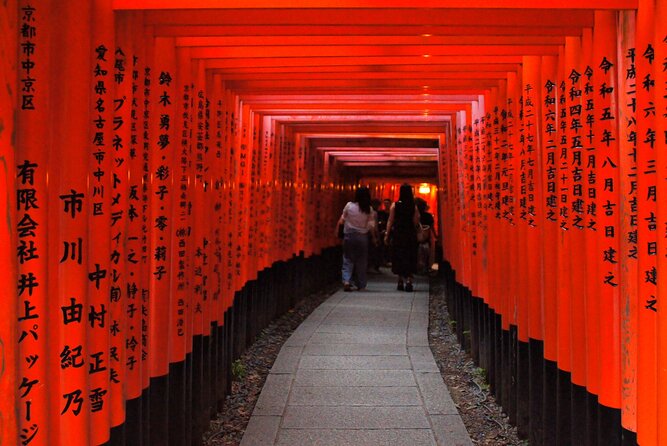
The walk begins at Fushimi Inari Taisha, the shrine dedicated to Inari. The most famous feature is the long succession of orange-red torii gates, which wind uphill through the forest.
The first section is usually the part most people recognize from photographs. It can be striking, but it is also the place where crowds gather. A guide earns the fee here by helping you keep moving while explaining what you are seeing.
You will hear about the religious meaning of the shrine and the customs connected with entering and using the sacred grounds. The experience is not only a history talk. The guide is also expected to explain rituals taking place around you, so you can observe respectfully rather than guess what each gesture means.
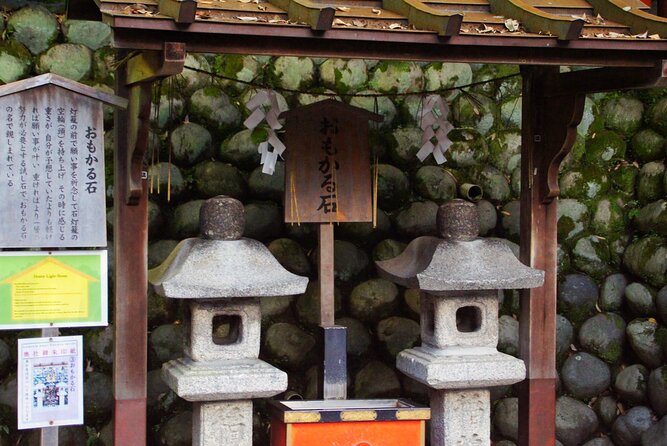
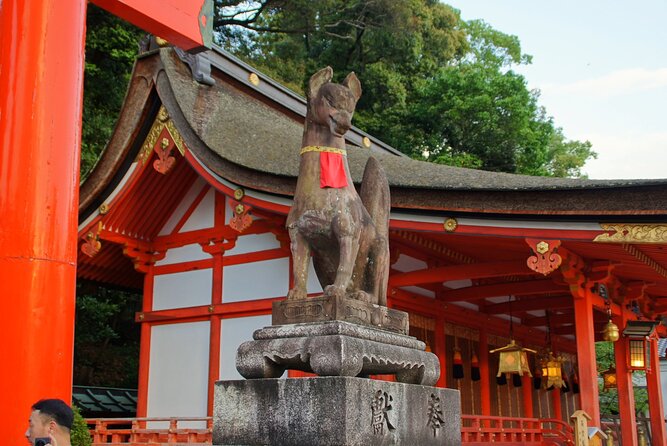
The fox connection is another strong part of the tour. Inari is linked with foxes, and fox statues appear throughout the shrine grounds. The guide can give those figures a role in the larger story, making them more than repeated stone decorations.
I like this part for first-time visitors who want a clear introduction to Japanese shrine culture. You do not need prior knowledge, and the explanations can help you notice small features that would otherwise blend into the scenery.
The uphill trail and Kyoto views
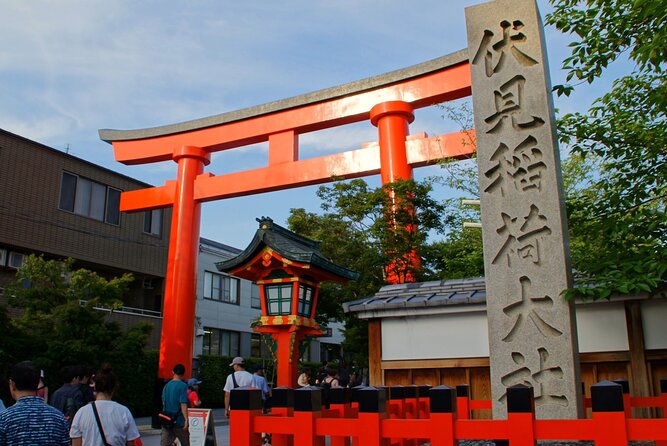
After the lower shrine area, the tour continues along forested mountain paths. This is where the experience shifts from an urban sightseeing stop to a short hike.
The walking is not presented as a flat stroll. Several comments praise the mountain setting and the views, while one directly warns that it is quite a climb. You should expect uneven effort as the route gains height, even though the tour lasts only about two hours.
The reward is a different side of Fushimi Inari. The trees and gates create a quieter setting, and the route can offer places suited to reflection and photography. Panoramic views of Kyoto add a useful sense of place: you see the city from above rather than only passing through its streets.
The guide can also help with pacing. A well-led small group is easier to keep together on a rising trail, and the supplied feedback repeatedly praises the pace. That is important here. Too fast, and you miss the explanations. Too slow, and a two-hour outing becomes tiring.
You should still wear comfortable shoes and bring water for yourself. Food and drinks are not included, and no refreshments are supplied as part of the tour. That is a minor point, but it matters more once the route turns uphill.
More Walking Tours in Kyoto
- Kyoto Geisha Walking Tour: Gion District & Hidden Gems
★ 4.7 · 3,273 reviews - Kyoto: Gion Magical Night Walking Tour with Geisha Trivia
★ 4.9 · 2,393 reviews - Kyoto: Gion Geisha District Walking Tour – Stories of Geisha
★ 4.7 · 2,187 reviews - Night Walk in Gion: Kyoto’s Geisha District
★ 4.5 · 2,003 reviews
What the guide adds to the experience
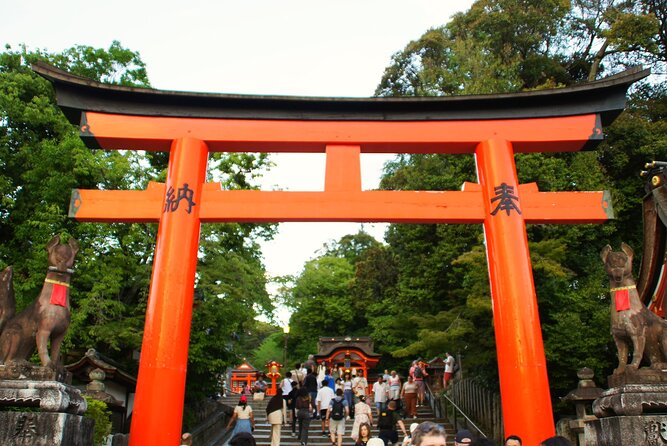
The strongest praise centers on the guide’s explanations, friendliness, and ability to connect rituals with the setting. The guide is described as answering questions, sharing local insights, and pointing out areas many people miss.
That personal contact is the reason to book this tour instead of walking the shrine alone. You can certainly see the torii gates without help. What you cannot easily reproduce is a local explanation of why the gates are there, how Inari worship works, or what the fox imagery means.
The guide also helps with practical navigation. Fushimi Inari’s route can feel repetitive at first, and it is easy to wonder if you have seen the best parts or taken a wrong turn. Having someone else lead you lets you concentrate on the shrine and the mountain rather than your phone map.
The maximum group size is 10. That is small enough for the guide to answer questions and explain rituals without shouting to a large crowd. It also reduces the risk of losing the group in a busy section of the gates.
The experience is conducted in English, so the value depends partly on your interest in listening and asking questions. If you only want photographs, the explanations may feel like extra time. If you want the place to make sense, they are the heart of the outing.
Is $39.64 a fair price?
At $39.64 per person, this is not a cheap way to see Fushimi Inari. The shrine itself is listed with included admission, and the attraction is accessible without booking a tour. The price is paying mainly for the English-speaking guide, navigation, cultural interpretation, and small-group format.
That can be good value if you are visiting Kyoto for the first time or have limited time. Two hours gives you a focused visit, and you do not need to plan a route through the shrine yourself. The included entry and mobile ticket also keep the booking process simple.
The value is weaker for independent walkers who enjoy researching shrine customs in advance and do not mind finding their own way. You can spend longer at the gates, stop whenever you like, and choose your own pace without paying a guide fee.
I would see the price as reasonable for a cultural introduction, especially if the guide provides the personal attention promised by the group limit. It is less convincing if you view Fushimi Inari only as a scenic photo location.
The evening timing, crowds, and atmosphere
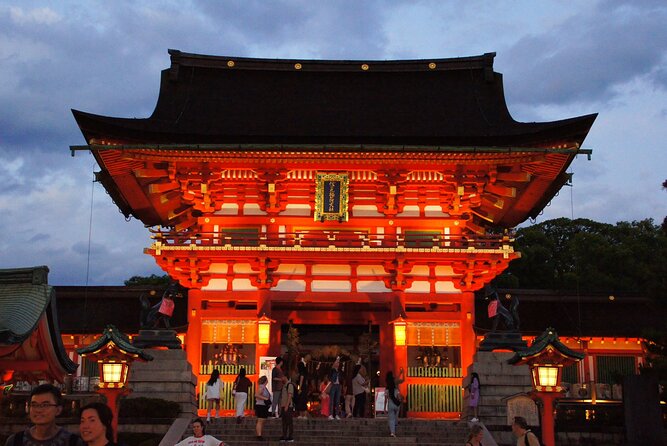
An evening visit has clear advantages. The light can be softer, the forest may feel more peaceful, and the tour fits neatly after other daytime plans. Several comments describe the route as serene, magical, or reflective, particularly on the quieter paths.
But the timing has limits. The tour begins at 6:00 pm, and the shrine can still be busy. One direct assessment calls the evening outing busy despite the excellent guidance. You should book it for the evening mood, not because you expect to have every gate to yourself.
The changing light may also affect photographs. That is not necessarily a problem, but you should keep your expectations practical. The tour’s main strength is interpretation and atmosphere, not a guaranteed set of empty picture spots.
The guide’s timing within the route can help. The supplied comments praise the ability to find less crowded areas and good places for reflection. That kind of local judgment is useful in a popular shrine, where the best experience often depends on where you pause and when you move on.
What the two hours really include
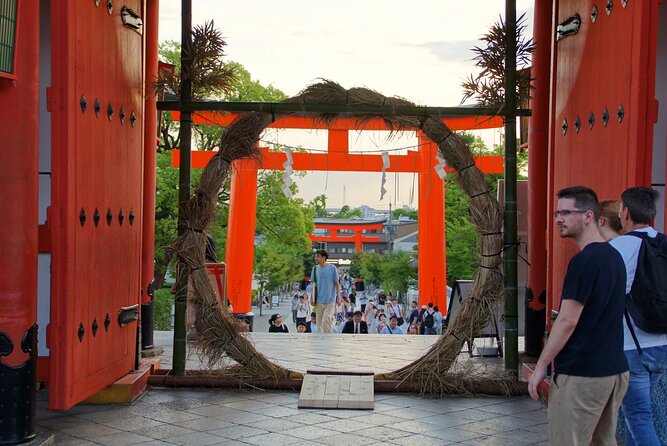
The stated duration is approximately two hours, and the whole activity centers on Fushimi Inari Taisha. You are not being transported between several Kyoto sights.
That focused plan is a benefit. You spend your time on the shrine grounds, the torii route, the fox symbolism, the rituals, and the uphill trail. There is no need to rush between unrelated stops.
It also means the tour cannot cover every part of the mountain. Fushimi Inari is a large shrine complex with a long route, while this experience is limited to about two hours. The guide will select a practical section rather than offer an exhaustive hike.
The end point is back at the meeting point. This makes the outing easy to combine with a nearby meal or another evening plan, though food and drinks are your responsibility.
Who will enjoy this tour most
I would recommend it most strongly to first-time Kyoto visitors who want cultural context without committing to a full-day excursion. It also suits people who prefer a guide for navigation, or who want to ask questions while seeing the shrine rather than reading about it later.
It is a good match for:
- People interested in Japanese shrine rituals and religious customs
- Visitors who want to understand Inari and the fox symbolism
- Photographers who also care about stories and setting
- Anyone comfortable with a moderate uphill walk
- Solo visitors or couples who prefer a small guided group
- People with only an evening available for Fushimi Inari
You may want to skip it if you dislike group pacing, want a completely private visit, or plan to spend several hours hiking the mountain at your own speed. It is also not the best choice if you want a food-focused experience, since nothing to eat or drink is included.
The activity states that most people can participate, but it does not provide a detailed accessibility description. If uphill walking or forest trails are a concern, ask the provider before booking.
Booking flexibility and small practical details
Confirmation is provided when you book, and the ticket is available on your mobile device. That is handy for a short evening activity, since you do not need to print paperwork.
Free cancellation is available up to 24 hours before the start time for a full refund. Cancellations or changes made less than 24 hours before the local start time are not accepted for a refund.
Tips are optional. Food and drinks are not included, so plan those separately. The tour is run by Traveling Kyoto and has a maximum of 10 participants.
The experience has a 5 out of 5 rating from 72 reviews, with 100 percent recommending it. The most consistent praise is not simply for the scenery. It is for the guide’s friendly manner, clear explanations, good pacing, local stories, and ability to show quieter parts of the shrine.
Should you book this Fushimi Inari walk?
Book it if you want Fushimi Inari to feel like a sacred place, not just a line of orange gates. The guide, small group, fox stories, ritual explanations, and mountain views give the $39.64 price a clear purpose.
Skip it if you are happy to explore independently and prefer complete control over your time. For most first-time visitors who want an informed two-hour evening walk, this is a strong choice, with the uphill climb and possible crowds as the main things to keep in mind.
FAQ
How long is the Fushimi Inari walking tour?
The tour lasts approximately two hours.
What time does the tour start?
The tour starts daily at 6:00 pm.
Where does the tour meet?
The meeting point is Daily Yamazaki Fushimi Inari Shrine, 93 Fukakusa Inarionmaecho, Fushimi Ward, Kyoto, 612-0881, Japan.
Where does the tour end?
The activity ends back at the meeting point.
Is admission to Fushimi Inari Taisha included?
Yes. Entry or admission to Fushimi Inari Taisha Shrine is included.
Is the tour conducted in English?
Yes. An English-speaking guide is included.
How many people can join the tour?
The group has a maximum of 10 participants.
Are food and drinks included?
No. Food and drinks are not included.
Are tips required?
No. Tips are optional.
Can I cancel for a full refund?
Yes, if you cancel at least 24 hours before the experience start time. Cancellations made less than 24 hours before the start time are not refunded.
Just added around Kyoto
- Kyoto: Private Customizable Day Trip by Car★ 5.0 · 38 reviews
- Kyoto: Gion Night Walking Tour with Geisha Insight★ 5.0 · 39 reviews
- Kyoto: Full Day Bike Tour★ 4.9 · 39 reviews
- Private Japanese Calligraphy in Kyoto – Learn Shodō with a Master★ 5.0 · 39 reviews
- Experience a tea ceremony in an authentic tearoom, in Kyoto!★ 4.5 · 41 reviews
- Kyoto: Gion Evening Walk with Hidden Gems, Geisha & Sake★ 5.0 · 41 reviews
- Kyoto Private Photo Shoot & Tour by SnapKyoto★ 5.0 · 41 reviews
- The Way of Tea: Kyoto Crafts, Hidden Temples & Wabi-Sabi Walk★ 5.0 · 41 reviews
Temple & Shrine Tours, compared.

Fushimi Inari, Kinkakuji, Bamboo Grove 1 Day Bus Tour
Read our review →
Tea Ceremony in a Traditional Tea House in Kiyomizu
Read our review →

Meiji Shrine, Asakusa, Skytree Bus Tour and Cruise
Read our review →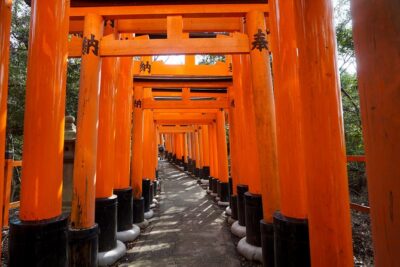
Fushimi Inari Hidden Hiking Tour (Private Option Available)
Read our review →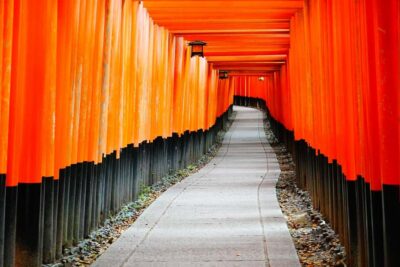
Osaka/Kyoto:Kinkakuji,Arashiyama,FushimiInariShrine,NaraPark
Read our review →
Asakusa Walking Tour with Sensoji Temple Visit
Read our review →
Nikko: Kegon Falls, Lake Chuzenji & Toshogu Temple
Read our review →Browse the lists this tour appears in