
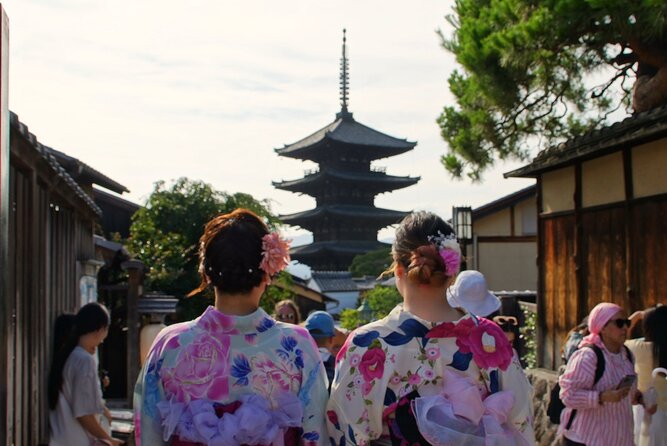
Reviewed · GEISHA & GION DISTRICT TOURS
Kyoto: Gion and Geisha District Walking Tour
Gion reveals itself one lantern at a time. This two-hour walk links Yasaka Shrine, Maruyama Park, Ninenzaka, and Hanamikoji Street, giving you a focused look at Kyoto’s old entertainment quarter rather than a rushed tour of the whole city. I like the small maximum of 10 people, and I like that an English-speaking guide explains the customs and stories behind the streets.
The price, $22.55 per person, is reasonable for a guided introduction to one of Kyoto’s most atmospheric areas. The main consideration is pace: six stops fit into roughly two hours, so some visits are brief, and the tour can tell you where you might spot geisha, but it cannot promise a sighting.
In This Review
- Key points to know before booking
- Why a guided walk helps in Gion
- Starting at Yasaka Shrine
- A quiet pause in Maruyama Park
- Nene-no-Michi and the old Kyoto streetscape
- Walking down Ninenzaka and Sannenzaka
- The unusual tradition at Yasui-Konpiragu
- Hanamikoji Street and the heart of Gion
- What the storytelling adds
- Is $22.55 good value?
- Timing, transport, and practical preparation
- Who should book this Gion walk?
- Should you book the Gion and Geisha District Walking Tour?
- FAQ
- How much does the Kyoto Gion and Geisha District Walking Tour cost?
- How long does the walking tour last?
- What is the maximum group size?
- Where does the tour start?
- Where does the tour end?
- Which places are included in the route?
- Is admission to the sights included?
- Is a guide included?
- Can I cancel for a full refund?
Key points to know before booking

- Small groups of up to 10 people make it easier to hear the guide and ask questions.
- Six historic stops include Yasaka Shrine, Maruyama Park, Nene-no-Michi, Ninenzaka, Yasui-Konpiragu, and Hanamikoji Street.
- Geisha culture is explained with context, including traditional entertainment, tea houses, and maiko training.
- The route mixes famous lanes with quieter corners, so you see more than the standard postcard views.
- The tour costs $22.55 and lasts about two hours, a useful price for a first look at Gion.
- Free cancellation is available up to 24 hours before departure, which gives you some booking flexibility.
Why a guided walk helps in Gion
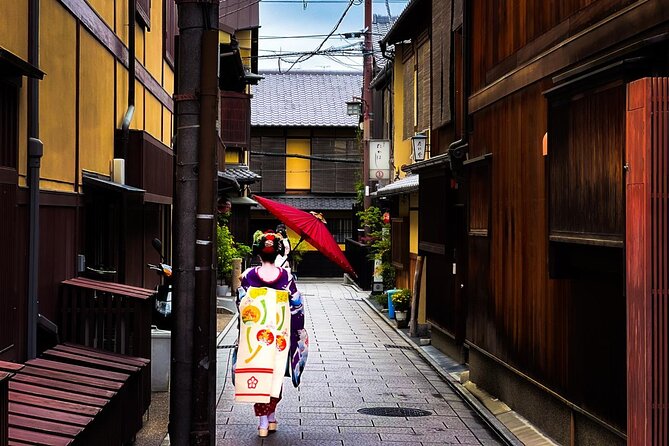
Gion looks easy to explore on a map. In practice, its appeal is in small details: the design of a wooden townhouse, a discreet tea house entrance, a shrine custom, or a story tied to a narrow lane. Without context, you may simply photograph pretty buildings and move on.
A good guide gives those details meaning. The tour focuses on the world of geisha, known in Kyoto as geiko, along with maiko training, traditional arts, tea ceremonies, and the customs of the old entertainment district. You also hear stories connected to samurai and local legends.
That focus is useful because Gion is not a museum district frozen in the past. It remains a working neighborhood with private businesses and residents. A guide can help you understand what you are seeing without treating the area like a stage set.
The small-group format matters here. With no more than 10 people, you should have a better chance of hearing explanations in narrow lanes and getting a direct answer when something catches your eye. The strongest praise for the experience centers on guides who are friendly, clear, and good storytellers.
Several guide names appear in the feedback, including Sam, Shin, Amy, Tim, Maria, and Naoya. Amy is praised for making history and culture easy to follow. Maria is noted for sending helpful information before the walk and finding shade during hot weather. Naoya is remembered for bringing the geisha stories to life during an evening walk.
Guide quality can vary from one departure to another, but the overall rating is 5 out of 5 from 204 reviews, with 100 percent recommending the experience. That is a strong sign that the human part of the tour is its main asset.
More Walking Tours in Kyoto
- Kyoto Geisha Walking Tour: Gion District & Hidden Gems
★ 4.7 · 3,273 reviews - Kyoto: Gion Magical Night Walking Tour with Geisha Trivia
★ 4.9 · 2,393 reviews - Kyoto: Gion Geisha District Walking Tour – Stories of Geisha
★ 4.7 · 2,187 reviews
Starting at Yasaka Shrine
The meeting point is Starbucks Coffee at the Kyoto Gion Hotel, 555 Gionmachi Minamigawa, in Kyoto’s Higashiyama Ward. The walk begins with about 20 minutes at Yasaka Shrine, and admission is free.
Yasaka Shrine is a fitting place to start. It sits between Gion and Higashiyama and connects the religious side of Kyoto with the entertainment district nearby. The vermilion gate and lantern-lit paths give you an immediate sense of the visual style that continues throughout the walk.
Your guide can explain shrine rituals and the role of the site in local celebrations. That background adds value because later streets and customs make more sense when you have first seen the religious setting that shaped this part of the city.
Twenty minutes is enough for an introduction, a few photographs, and an explanation of the main features. It is not enough for a slow, detailed visit to every corner, so you should treat this as a starting point rather than a full shrine tour.
A quiet pause in Maruyama Park
The next stop is Maruyama Park, with about 10 minutes set aside for the visit. As Kyoto’s oldest public park, it offers a change of mood after the shrine paths and city streets.
The park is known for seasonal beauty, especially its famous weeping cherry trees. The tour uses the setting to discuss seasonal celebrations and Japanese cultural traditions. That is one of the walk’s better balances: you are not only moving from one historic building to the next, but also seeing how nature and ceremony fit into Kyoto life.
Ten minutes is a short stop, particularly during cherry blossom season or when the park is especially attractive. Still, it gives you time to pause, listen, and take photographs before returning to the lanes of Higashiyama.
Nene-no-Michi and the old Kyoto streetscape
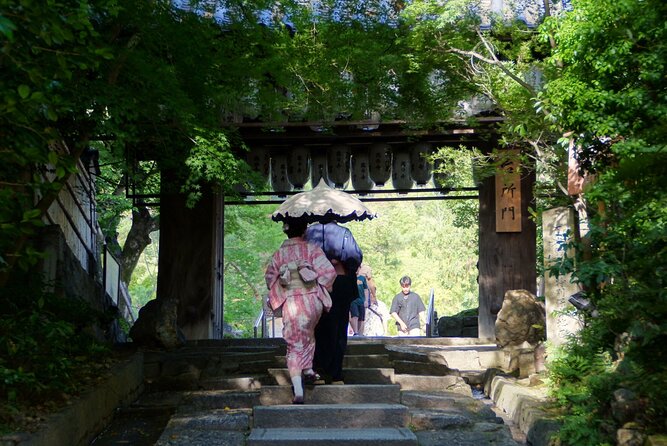
Nene-no-Michi receives roughly 10 minutes. This picturesque lane is named after Nene, the wife of samurai warlord Toyotomi Hideyoshi.
The street is lined with preserved wooden buildings, small shops, and tea houses. The guide’s explanations are especially useful here because the architecture can be easy to overlook. You may notice the shape of a doorway or the arrangement of a wooden facade without understanding its connection to traditional Kyoto.
The lane feels more intimate than a major shopping street. That makes it one of the pleasant parts of the route, although a short stop means you may not have much time to browse. The purpose here is to understand the character of the street, not to shop your way through it.
Stories about samurai and local figures add another layer. Rather than presenting Kyoto as one long sequence of temples, the tour shows how political power, religion, hospitality, and entertainment all overlapped in this area.
More geisha district walks in Kyoto:
- Best of Kyoto: Gion, Geisha, Pagodas & Cobblestones
★ 4.9 · 2,058 reviews - Night Walk in Gion: Kyoto’s Geisha District
★ 4.5 · 2,003 reviews - Kyoto Night Foodie Tour in Gion (9+ dishes + 6 Sake tastings)
★ 5.0 · 1,762 reviews - Kyoto Gion Geisha District Walking Tour – The Stories of Geisha
★ 5.0 · 1,441 reviews
Walking down Ninenzaka and Sannenzaka
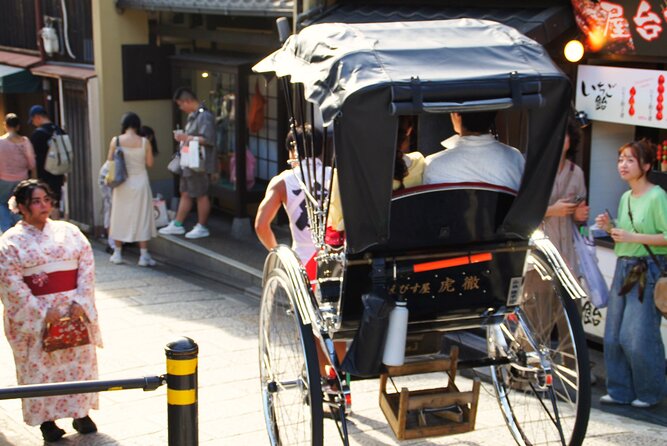
The tour then reaches the Ninenzaka and Sannenzaka area for about 15 minutes. These stone-paved slopes are among the best-known old streets in Kyoto, with wooden buildings, craft shops, and traditional storefronts.
This is the section that may feel most like a postcard. It is also where the walk’s value depends heavily on timing and guide commentary. The preserved streets are attractive on their own, but stories about how the area looked and functioned in earlier centuries make the scene more than a photo stop.
You should wear comfortable shoes. The route includes slopes and stone paving, and the tour covers several areas on foot within two hours. The provided information says most people can participate, but it does not promise a flat route or a special arrangement for mobility needs.
The 15-minute stop is enough to see the street and hear its main stories. If you want extensive shopping or careful photography, you may want to return independently after the tour.
The unusual tradition at Yasui-Konpiragu
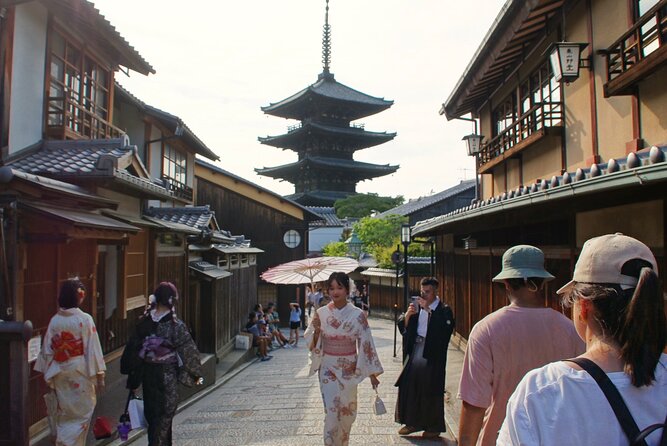
Yasui-Konpiragu is scheduled for about 10 minutes and offers one of the most distinctive moments on the route. The shrine is known for its Power Stone archway.
People crawl through the opening to pray for strong relationships or to break ties with the past. It is an unusual custom, and the guide can explain both the ritual and its meaning in a way that makes it approachable rather than mysterious.
The feedback especially praises the way guides connect old customs with modern life. That is important here. You do not need to share the same beliefs to appreciate the emotional reason people visit the shrine.
The stop is brief, but it is memorable because it is less familiar than the major Gion streets. It also gives the walk a welcome change of subject after the architecture and geisha-related explanations.
Hanamikoji Street and the heart of Gion
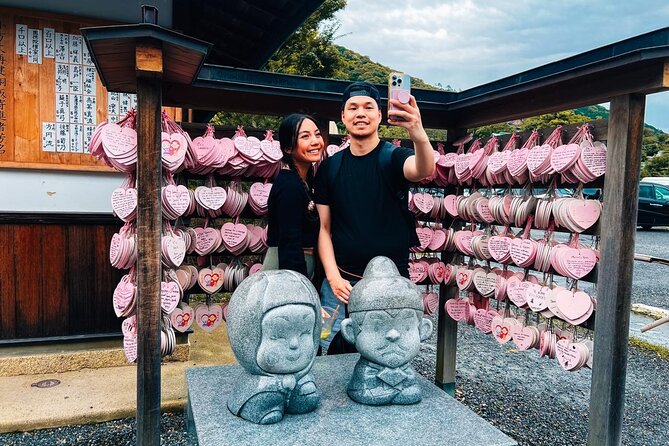
The final major stop is Hanamikoji Street, with about 15 minutes devoted to it. This is the core of Gion, lined with preserved machiya townhouses, traditional tea houses, and lanterns.
Here, the tour’s main theme comes together. Your guide can explain the geiko and maiko world, traditional entertainment customs, and the role of tea houses. You also receive practical advice about places where you might spot geisha.
It is important to set realistic expectations. A tip about where to look is useful, but a sighting is never guaranteed. You should also remember that geiko and maiko are working people, not performers available for street photographs. The best approach is to observe respectfully and follow local rules.
Hanamikoji is particularly atmospheric in the evening, when the lanterns begin to glow. One piece of feedback calls nighttime Gion something special, and that is easy to understand. The softer light suits the wooden facades and narrow lanes, though a daytime departure may make signs and architectural details easier to see.
The stop is not long enough to explore every side street. Think of it as a guided orientation. Afterward, you will know which parts deserve a slower return visit.
What the storytelling adds
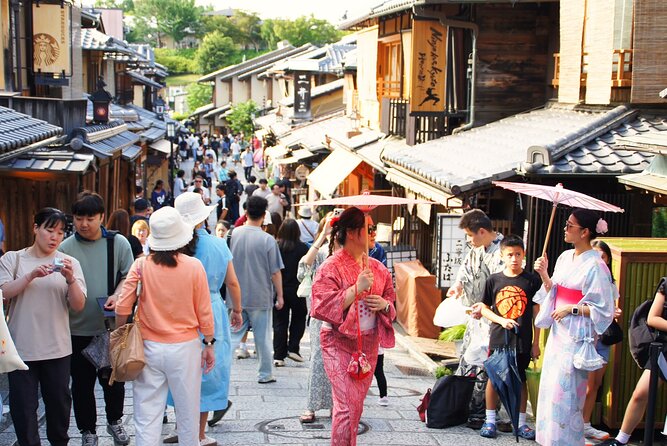
The most praised part of this experience is not a particular building. It is the storytelling.
Guides are credited with explaining shrine rituals clearly, making samurai traditions easy to follow, and sharing local legends that give each alley a sense of place. One especially useful detail is the explanation of maiko training, which helps you understand that geisha culture involves years of study and traditional arts rather than simply colorful clothing and makeup.
The guide also points out architectural features you might miss alone. That is a practical benefit. You may leave with a better eye for machiya design, tea house entrances, lanterns, and the way old streets are arranged.
The quality of the walk depends on how much you enjoy listening. If you prefer to wander independently and stop whenever you like, the schedule may feel restrictive. If you want the background that turns scenery into culture, the guide earns the $22.55 price.
Is $22.55 good value?
At $22.55 per person, this is an affordable guided experience in Kyoto. Every stop listed is free to enter, so you are paying for the guide, route planning, local explanation, and the convenience of seeing several connected areas in one outing.
The value is strongest for first-time visitors. In two hours, you receive an organized introduction to Gion, learn the basics of geisha culture, and get ideas for places to revisit. You also avoid spending your first hour in the district wondering which lanes matter.
The price is less compelling if you already know Gion well or have spent time studying its history. In that case, the short stops may repeat information you have already learned.
No gratuity is included, though tips are optional. The tour ends back at the original meeting point, which makes it easy to continue exploring the neighborhood afterward.
Timing, transport, and practical preparation
The tour lasts approximately two hours and is near public transportation. A mobile ticket is provided, and confirmation is received at booking.
Because the route links several outdoor sites, prepare for ordinary walking conditions rather than a seated sightseeing experience. Comfortable shoes are a smart choice, especially for the stone-paved slopes around Ninenzaka and Sannenzaka.
Weather can affect comfort. Maria’s effort to keep the group in the shade during hot conditions is a useful reminder that summer walks may feel demanding. A hat, water, and light clothing would make sense in hot weather, though these items are not listed as tour inclusions.
The meeting point is specific, but you should allow enough time to find the Kyoto Gion Hotel and the Starbucks on its first floor. The tour returns there, so you do not need to arrange a separate pickup at the end.
Who should book this Gion walk?
I would recommend it most strongly to first-time Kyoto visitors who want a clear introduction to Gion without committing to a full-day tour. It also suits anyone curious about geisha culture but unsure how to approach the subject respectfully.
It works well for people who enjoy history, architecture, shrine customs, traditional arts, and short walks with regular stops. The small group is a good fit if you want the chance to ask questions without joining a large crowd.
Families and older participants may find the two-hour length manageable, but the route includes slopes and stone paving. Most people can participate, yet anyone with mobility concerns should consider the walking surface before booking.
Photography lovers will appreciate the lanterns, wooden buildings, shrines, and old lanes. Still, the schedule does not allow unlimited time at each viewpoint. If photography is your main goal, use the tour to learn the area, then return on your own.
Should you book the Gion and Geisha District Walking Tour?
Book it if you want context, local stories, and a sensible first route through Gion. The $22.55 price is fair, the group is capped at 10, and the combination of Yasaka Shrine, old lanes, shrines, and Hanamikoji Street gives you a useful introduction in about two hours.
Do not book it expecting guaranteed geisha sightings or a slow photographic tour. The stops are short, and the walk covers a lot of ground.
For most first-time visitors, I would book it early in the Kyoto stay, then use the guide’s suggestions to return to your favorite streets later. Free cancellation up to 24 hours before the start also makes advance planning less risky.
FAQ
How much does the Kyoto Gion and Geisha District Walking Tour cost?
The tour costs $22.55 per person.
How long does the walking tour last?
The experience lasts approximately two hours.
What is the maximum group size?
The tour allows a maximum of 10 participants.
Where does the tour start?
It starts at Starbucks Coffee at the Kyoto Gion Hotel, 555 Gionmachi Minamigawa, Higashiyama Ward, Kyoto, 605-0074.
Where does the tour end?
The tour ends back at the original meeting point.
Which places are included in the route?
The route includes Yasaka Shrine, Maruyama Park, Nene-no-Michi, Ninenzaka and Sannenzaka, Yasui-Konpiragu, and Hanamikoji Street.
Is admission to the sights included?
Entry to Gion and Hanamikoji Street is included. The listed stops have free admission.
Is a guide included?
Yes. An English-speaking guide is included.
Can I cancel for a full refund?
Yes. You can cancel at least 24 hours before the experience start time for a full refund. Cancellations or changes made within 24 hours are not refunded or accepted.
Just added around Kyoto
- Kyoto: Private Customizable Day Trip by Car★ 5.0 · 38 reviews
- Kyoto: Gion Night Walking Tour with Geisha Insight★ 5.0 · 39 reviews
- Kyoto: Full Day Bike Tour★ 4.9 · 39 reviews
- Private Japanese Calligraphy in Kyoto – Learn Shodō with a Master★ 5.0 · 39 reviews
- Experience a tea ceremony in an authentic tearoom, in Kyoto!★ 4.5 · 41 reviews
- Kyoto: Gion Evening Walk with Hidden Gems, Geisha & Sake★ 5.0 · 41 reviews
- Kyoto Private Photo Shoot & Tour by SnapKyoto★ 5.0 · 41 reviews
- The Way of Tea: Kyoto Crafts, Hidden Temples & Wabi-Sabi Walk★ 5.0 · 41 reviews
Geisha & Gion District Tours, compared.
Kyoto Geisha Walking Tour: Gion District & Hidden Gems
Read our review →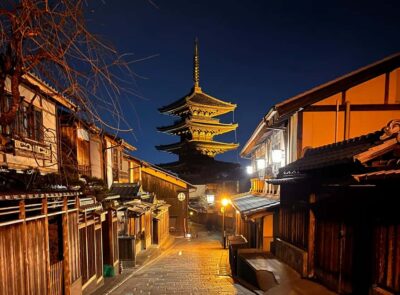
Gion Magical Night Walking Tour with Geisha Trivia
Read our review →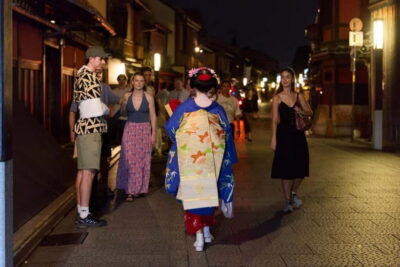
Gion Geisha District Walking Tour – Stories of Geisha
Read our review →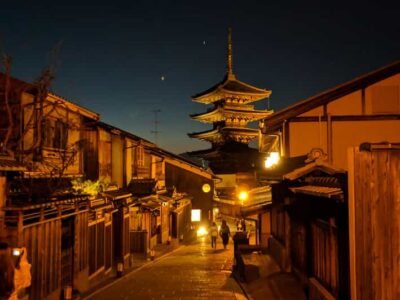
Best of Kyoto: Gion, Geisha, Pagodas & Cobblestones
Read our review →

Kyoto Night Foodie Tour in Gion (9+ dishes + 6 Sake tastings)
Read our review →
Kyoto Gion Geisha District Walking Tour – The Stories of Geisha
Read our review →
Kyoto Gion: 2-Hour Geisha Culture & History Walking Tour
Read our review →Browse the lists this tour appears in