
Reviewed · GEISHA & GION DISTRICT TOURS
Kyoto: Gion & Geisha District Night Time Walking Tour
Kyoto looks different after dark. This two-hour walk pairs Gion’s lantern-lit lanes with Yasaka Shrine, Nene no Michi, Ninenzaka, and the traditions of geiko and maiko. I like the route’s strong mix of sacred places and old streets, and I especially like the English-speaking guides, who explain what you are seeing rather than simply pointing at it.
At $20 per person, this is an easy way to get your bearings in one of Kyoto’s most famous neighborhoods. Guides such as Majo, Pedro, Wilber, and Yuvia have been praised for clear explanations, friendly conversation, photo help, and restaurant suggestions. The main drawback is that you will walk on stone lanes and slopes, and the tour is not suitable for wheelchair users.
In This Review
- Key things to know before you book
- Starting beside Yasaka Shrine
- Gion after sunset
- Yasaka Shrine and Kyoto’s festival life
- Maruyama Park and a quieter pause
- Nene no Michi and old Higashiyama
- Ninenzaka’s famous slope
- The Power Stone at Yasui-Konpiragu Shrine
- Hanamikoji Street and the world of geiko
- What the $20 price delivers
- Timing, weather, and walking comfort
- Who should take this Gion walk?
- Should you book it?
- FAQ
- How much does the Kyoto Gion night walking tour cost?
- How long does the tour last?
- What language is the tour conducted in?
- Where is the meeting point?
- Is the tour suitable for wheelchair users?
- Can I cancel for a full refund?
Key things to know before you book
- The evening timing matters: Gion is often quieter at night, and the reduced crowds can make the old streets easier to appreciate.
- The route covers several classic sights: You visit Yasaka Shrine, Maruyama Park, Nene no Michi, Ninenzaka, Yasui-Konpiragu Shrine, and Hanamikoji Street.
- The cultural explanation is the real value: Your guide discusses Kyoto’s festivals, shrine customs, wooden townhouses, and the work of geiko and maiko.
- You may see geiko or maiko, but there is no guarantee: One tour group saw several geisha, while another saw one only briefly.
- Photos are included: Guides have helped solo visitors and couples get pictures without relying on selfies.
- Dress for the weather: December visitors found the night cold, so warm clothing is a sensible addition.
Starting beside Yasaka Shrine
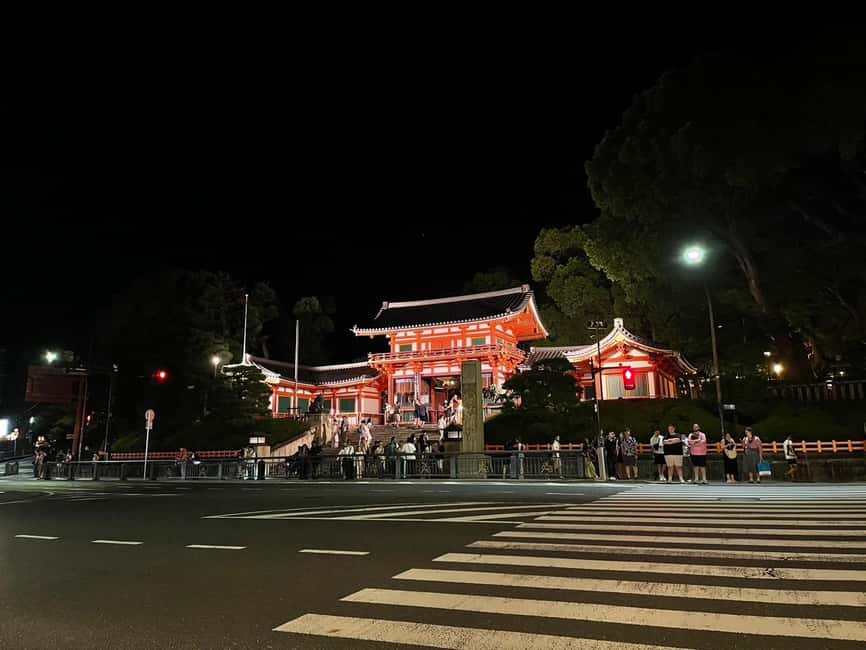
The meeting point is in front of Starbucks next to Kyoto Gion Hotel, at 35.0036732, 135.7760837. It is within walking distance of the Western Tower Gate entrance to Yasaka Shrine, so you begin close to the action rather than spending part of the tour getting across town.
That simple meeting point has real value in Kyoto, where narrow streets and several shrines can make a first visit confusing. You can use the map coordinates if your phone is struggling with the area, and arriving a little early gives you time to locate the group without rushing.
The experience lasts two hours and returns to the same Starbucks. That makes it easy to fit before dinner, after a day of sightseeing, or at the beginning of your stay when you want an introduction to Gion.
The tour is conducted in English with a live guide. Past guides have included Majo, Pedro, Nay, Wilber, Yuvia, Bell, Sam, Jason, Nayeen, and Amy. The strongest praise has gone to guides who make time for questions and adjust the conversation to the group. One couple even felt they had received a private outing at the price of a group walk.
More Walking Tours in Kyoto
- Kyoto Geisha Walking Tour: Gion District & Hidden Gems
★ 4.7 · 3,273 reviews - Kyoto: Gion Magical Night Walking Tour with Geisha Trivia
★ 4.9 · 2,393 reviews - Kyoto: Gion Geisha District Walking Tour – Stories of Geisha
★ 4.7 · 2,187 reviews
Gion after sunset
The walk begins with a guided look at Gion for about 30 minutes. This is the part of Kyoto most closely linked with geisha culture, but the word geisha can hide more than it explains.
In Kyoto, geisha are commonly called geiko, while apprentices are called maiko. Their work involves music, dance, conversation, dress, and years of formal training. The wooden teahouses of Gion are not ordinary bars or restaurants, and access to this world is private and carefully managed.
That context helps you read the street properly. A lantern, a closed wooden entrance, or a woman hurrying between appointments can mean something different from what you first assume. Your guide can explain the customs without turning the district into a stage set.
This is also where you should keep your manners in mind. If you see a geiko or maiko, give her space and do not treat the street like a photo shoot. The chance to see one is pleasant, but the tour’s value does not depend on a sighting.
Several people on this walk happened to see geisha, including one group that saw a few of them. Another saw one only briefly. That difference is useful to understand: the tour introduces you to the setting and culture, but it cannot promise a particular encounter.
Yasaka Shrine and Kyoto’s festival life
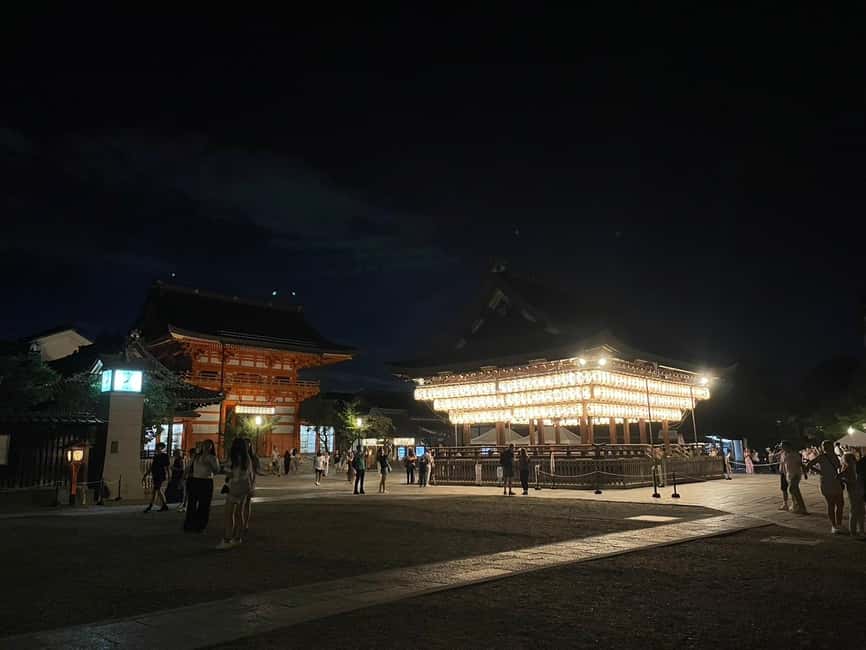
The route then spends about 20 minutes at Yasaka Shrine, one of Kyoto’s most important spiritual landmarks. The shrine is tied closely to the city’s festivals, and the guide explains its place in local life as well as its connection with Gion.
A shrine visit can be easy to rush. You walk through a gate, look at a building, take a picture, and move on. Here, the guide gives you a reason to pause and understand the site’s religious role.
Yasaka Shrine also helps connect the different parts of the tour. Gion is not only a district of restaurants and teahouses. It grew around worship, seasonal events, traditional arts, and the steady movement of people through Kyoto’s eastern quarter.
The pace should suit you if you prefer explanation in small portions. The guide-led stop is long enough to cover the main points without turning the evening into a lecture. If you have detailed questions about Japanese history or shrine customs, the guides have been praised for answering them clearly.
Maruyama Park and a quieter pause
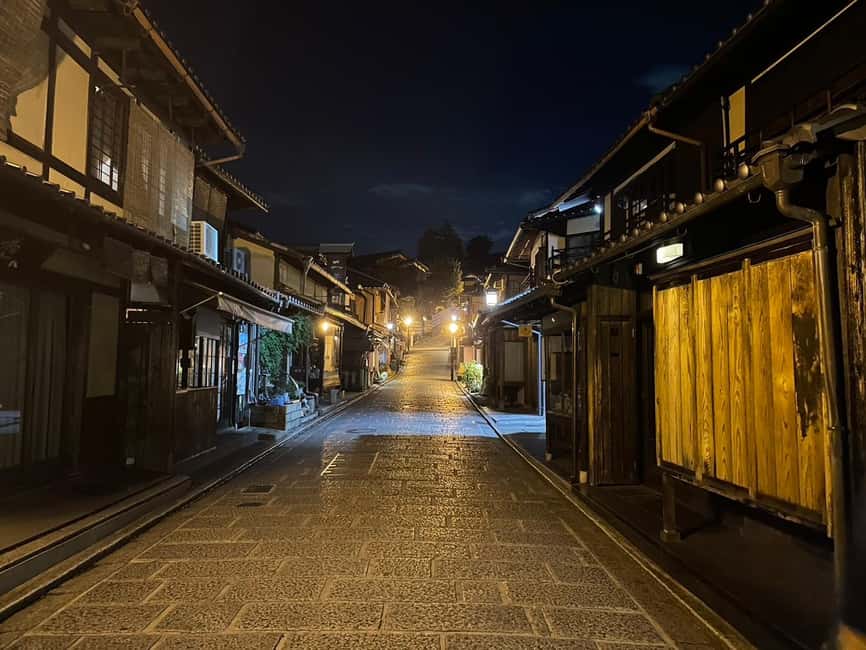
Maruyama Park provides a change of pace after the shrine and town streets. It is Kyoto’s oldest public garden, and the tour uses this green open area as a calmer part of the route.
At night, you will not experience the park in the same way you would during daylight or cherry blossom season. Still, it gives the walk some breathing room. You can slow down, listen to the guide, and notice how quickly Kyoto shifts from narrow lanes to open space.
The park is also useful as a setting for understanding Kyoto’s seasonal character. The tour description presents it as a place to appreciate the city’s natural grace, rather than as a stop packed with monuments. That is a good reason to avoid expecting nonstop sightseeing.
More geisha district walks in Kyoto:
- Best of Kyoto: Gion, Geisha, Pagodas & Cobblestones
★ 4.9 · 2,058 reviews - Night Walk in Gion: Kyoto’s Geisha District
★ 4.5 · 2,003 reviews - Kyoto Night Foodie Tour in Gion (9+ dishes + 6 Sake tastings)
★ 5.0 · 1,762 reviews - Kyoto Gion Geisha District Walking Tour – The Stories of Geisha
★ 5.0 · 1,441 reviews
Nene no Michi and old Higashiyama
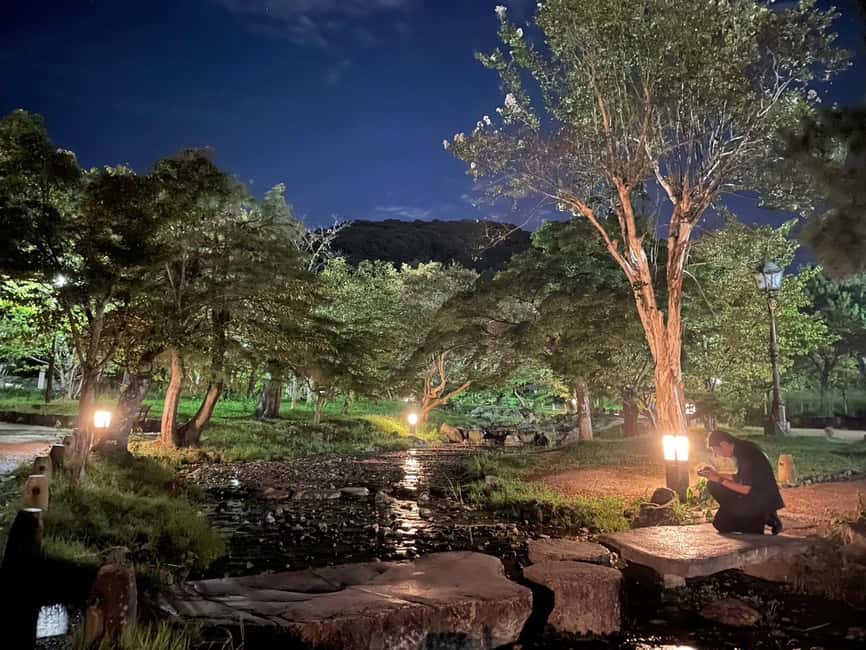
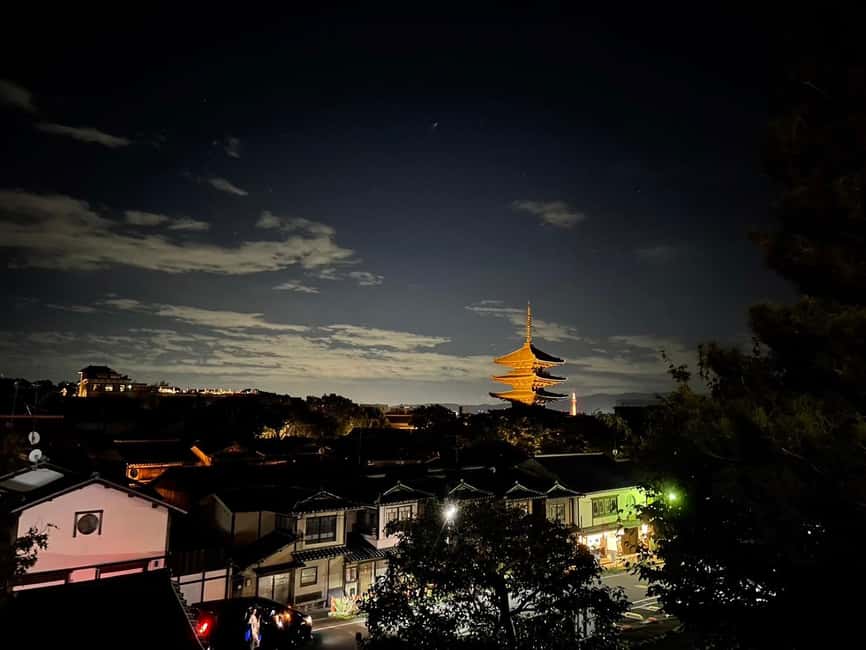
The group continues along Nene no Michi, a stone-paved lane named for Nene, the wife of samurai leader Toyotomi Hideyoshi. The lane runs through the Higashiyama area and is lined with traditional townhouses, teahouses, and small artisan shops.
This is one of the prettiest sections of the walk. The stone surface, wooden fronts, and restrained lighting create a strong sense of old Kyoto. Your guide’s comments add useful detail because the lane itself does not provide much written information.
I particularly like guided walks here because you might otherwise admire the architecture without understanding its purpose. A townhouse, teahouse, or shop can look like a pleasant old building, but the guide helps connect the streetscape to the people and trades that shaped the district.
There is a practical catch. Stone paving is not the easiest surface for every walker, and the route includes slopes. Wear comfortable shoes with a firm grip, especially if the weather is wet. This is not a strenuous hike, but it is a walking tour, not a quick shuttle between photo stops.
Ninenzaka’s famous slope
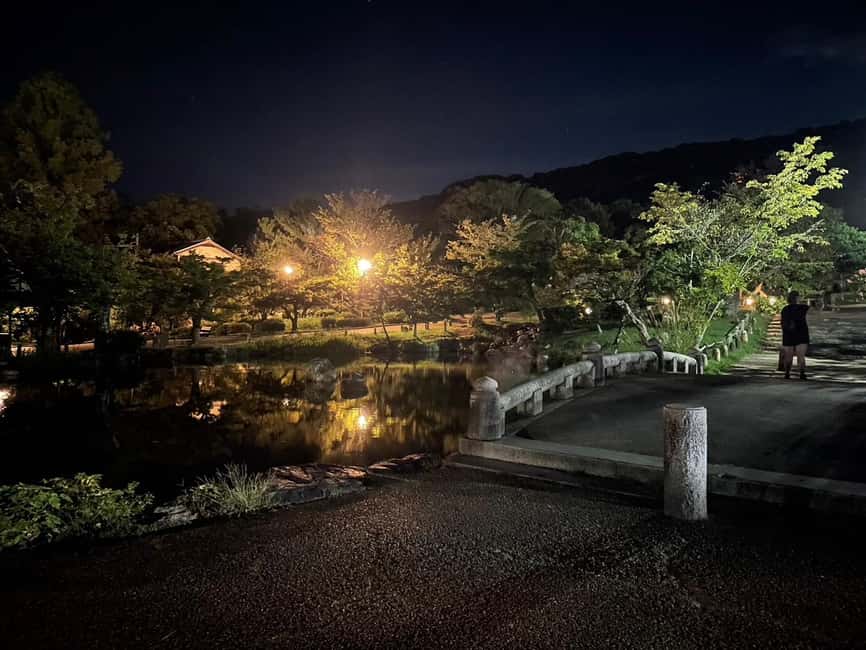
About 20 minutes are set aside for Ninenzaka, one of Higashiyama’s most recognizable lanes. Historic wooden buildings and small storefronts climb the slope, creating the classic Kyoto scene many people hope to see.
At night, the atmosphere can be more enjoyable than the daytime crush. The streets are not guaranteed to be empty, but several people have valued the evening timing because the crowds were lighter. That gives you a better chance to look up at the buildings rather than spend the whole walk avoiding other groups.
Ninenzaka is also a place where a guide saves time. You can take in the main view, hear the local stories, and continue with the group instead of trying to work out the best route alone.
The short stop means you should not expect a long shopping break. If you want to browse every storefront, return during the day. On this tour, Ninenzaka is part of a wider cultural walk, so the priority is atmosphere, context, and keeping the route moving.
The Power Stone at Yasui-Konpiragu Shrine
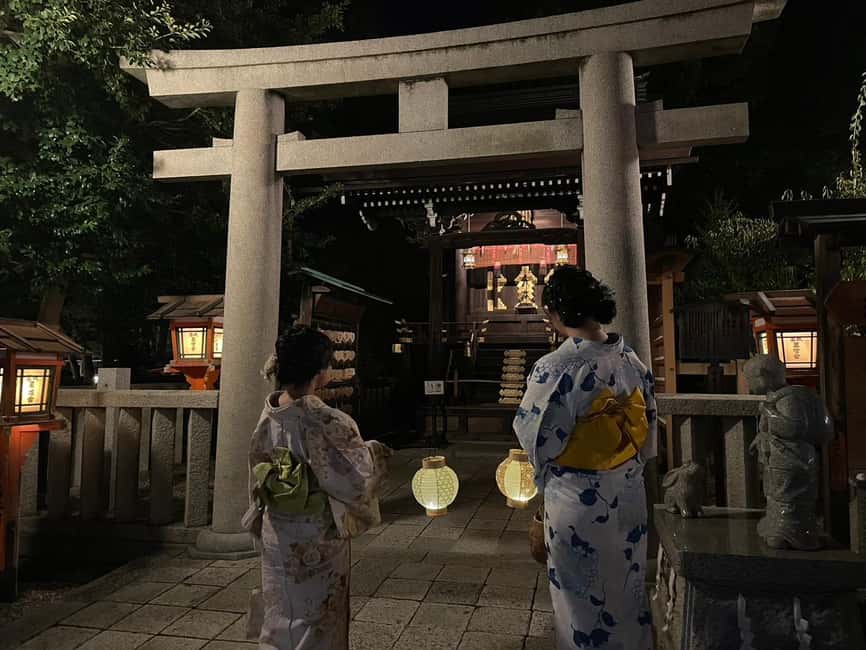
The route includes Yasui-Konpiragu Shrine, known for its symbolic Power Stone archway. The custom is unusual and memorable: people crawl through the opening to pray for strong relationships or to leave unwanted ties behind.
This ritual gives the tour a more personal side. Many shrine visits involve observing from a respectful distance, but here you learn about a physical act that represents a personal hope or decision.
You should listen carefully to the guide before taking part, since the meaning of the ritual matters as much as the act itself. The stop is not just an odd photo opportunity. It shows how religious practice in Japan can use simple objects and movements to express difficult human concerns.
The supplied route gives this shrine its own 30-minute guided section, although the numbered itinerary does not name that stop directly. The full experience description places Yasui-Konpiragu and Hanamikoji within the walking route, so you should expect the final part of the tour to include both the shrine tradition and Gion’s teahouse streets.
Hanamikoji Street and the world of geiko
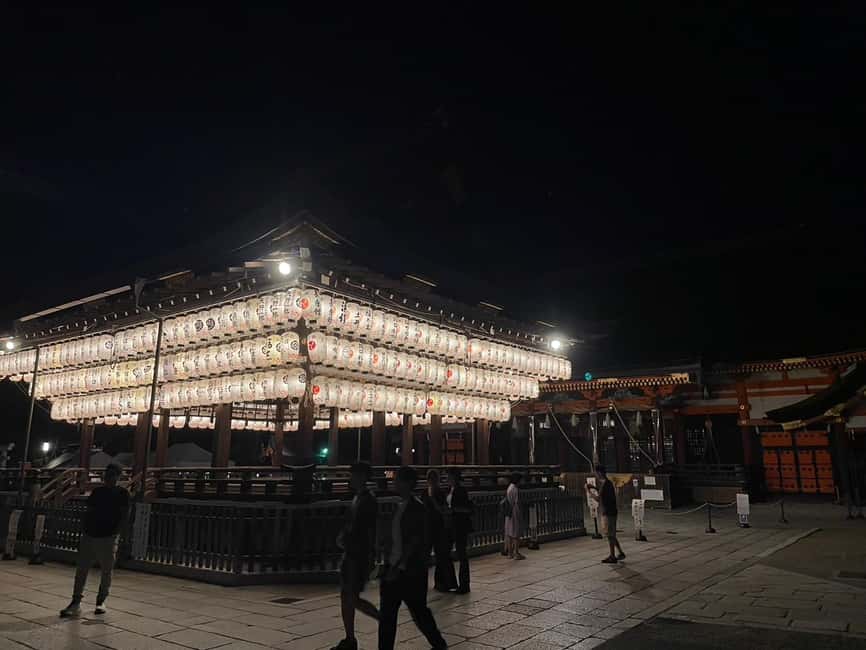
Hanamikoji Street is the heart of Gion and one of the most important parts of the evening. Rows of preserved wooden teahouses still host Kyoto’s geiko, making this more than a pretty old street.
Your guide explains the lives and training of geiko and maiko, along with the artistry that supports their work. This may include music, dance, social skills, costumes, and the long process required to enter the profession. The point is not to reduce them to a tourist spectacle, but to help you understand the discipline behind the public image.
This is where the tour earns much of its $20 price. You can walk through Hanamikoji alone, but the street will not explain itself. A guide adds the background that signs and storefronts usually leave out.
You also get practical advice about behavior. Keep your voice low, stay out of entrances, and do not block the narrow lane for photographs. The district remains part of a living neighborhood, not a museum built for sightseeing.
Several guides have been praised for making this section personal and easy to follow. Majo was singled out for a cheerful style and clear explanations, while Pedro and Majo were praised for making the evening friendly and engaging. Wilber received strong praise for his command of Japanese history and for communicating in clear native English. Those details matter if you want to ask questions rather than simply listen.
What the $20 price delivers
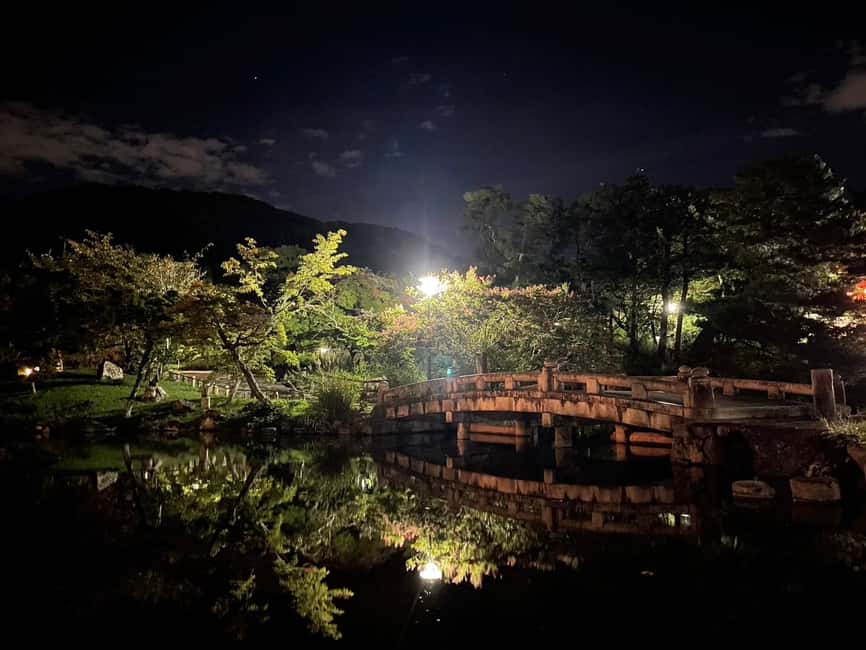
At $20 per person, the tour is good value if you want orientation and cultural context. You receive two hours with an English-speaking guide, historical explanations at Yasaka Shrine, the full walking route, and photos taken during the tour.
The photo help is a small feature with a big benefit for solo visitors. One solo participant especially appreciated having pictures that were not selfies, and couples have also praised guides for taking photos along the way.
The value is strongest for a first visit. If you already know Gion well and have read extensively about geiko culture, you may prefer to wander independently. But even then, the evening route links several places that are easy to miss, including Yasui-Konpiragu Shrine.
The tour does not include a meal, transport, entrance tickets, or a geisha performance. That keeps the price low, but you should not book it expecting a show or a reserved seat inside a teahouse.
Timing, weather, and walking comfort
Night is the key feature here. Gion’s narrow lanes and traditional facades can feel more atmospheric under evening lights, and the lighter crowds make it easier to focus on the guide.
The tradeoff is temperature. December participants found the evening cold, so bring warm layers. The tour runs outdoors for two hours, and there is no indication that the route is designed around long indoor breaks.
Comfortable shoes matter more than smart clothes. You will walk on traditional paths, stone-paved lanes, and a sloping section at Ninenzaka. The activity is not suitable for wheelchair users, and anyone with limited mobility should consider the surface and route before booking.
The pace appears friendly rather than rushed. Groups have sometimes been small enough to feel almost private, though you should not assume every departure will have only two people. A small group makes it easier to hear stories, ask questions, and get help with photos.
Who should take this Gion walk?
I would choose this tour for a first or second night in Kyoto, especially if you want a clear introduction to Gion without spending much. It suits people who enjoy history, local customs, traditional architecture, and a guide who can answer questions along the way.
It also works well for solo visitors, couples, and anyone who wants help with photos. Guides have been praised for being warm, funny, and willing to suggest places to eat after the walk.
Families and older walkers should think about the stone lanes and slopes. The route is manageable for many people, but it is not wheelchair accessible and may be less comfortable for anyone who dislikes uneven ground.
You should also book with sensible expectations about geisha sightings. Seeing a geiko or maiko would be a memorable bonus, but the tour is worthwhile even when the streets remain quiet. The cultural explanation, shrines, lanes, and architecture carry the evening.
Should you book it?
Book this walk if you want a low-cost, well explained introduction to Gion at night. The route covers the major sights, but its best feature is the human explanation supplied by guides such as Majo, Pedro, Wilber, and Yuvia.
Skip it if you want a private performance, extensive shopping time, or a fully accessible route. For most first-time visitors who can walk comfortably, $20 is a fair price for two hours of Kyoto history, shrine customs, traditional streets, and practical help seeing Gion with respect.
Free cancellation is available up to 24 hours before the tour, and you can reserve now and pay later. Check the available start times, dress warmly in colder months, and meet at the Starbucks beside Kyoto Gion Hotel with comfortable shoes.
FAQ
How much does the Kyoto Gion night walking tour cost?
The tour costs $20 per person.
How long does the tour last?
The walking tour lasts two hours and returns to the Starbucks beside Kyoto Gion Hotel.
What language is the tour conducted in?
The live tour guide speaks English.
Where is the meeting point?
The group meets in front of Starbucks located next to Kyoto Gion Hotel. The meeting point is within walking distance of Yasaka Shrine’s Western Tower Gate entrance.
Is the tour suitable for wheelchair users?
No. The tour is not suitable for wheelchair users.
Can I cancel for a full refund?
Yes. You can cancel up to 24 hours in advance for a full refund. You can also reserve now and pay later.
Just added around Kyoto
- Kyoto: Private Customizable Day Trip by Car★ 5.0 · 38 reviews
- Kyoto: Gion Night Walking Tour with Geisha Insight★ 5.0 · 39 reviews
- Kyoto: Full Day Bike Tour★ 4.9 · 39 reviews
- Private Japanese Calligraphy in Kyoto – Learn Shodō with a Master★ 5.0 · 39 reviews
- Experience a tea ceremony in an authentic tearoom, in Kyoto!★ 4.5 · 41 reviews
- Kyoto: Gion Evening Walk with Hidden Gems, Geisha & Sake★ 5.0 · 41 reviews
- Kyoto Private Photo Shoot & Tour by SnapKyoto★ 5.0 · 41 reviews
- The Way of Tea: Kyoto Crafts, Hidden Temples & Wabi-Sabi Walk★ 5.0 · 41 reviews
Geisha & Gion District Tours, compared.
Kyoto Geisha Walking Tour: Gion District & Hidden Gems
Read our review →
Gion Magical Night Walking Tour with Geisha Trivia
Read our review →
Gion Geisha District Walking Tour – Stories of Geisha
Read our review →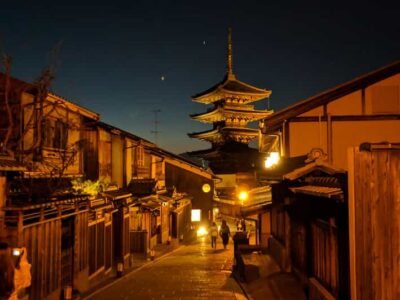
Best of Kyoto: Gion, Geisha, Pagodas & Cobblestones
Read our review →
Kyoto Night Foodie Tour in Gion (9+ dishes + 6 Sake tastings)
Read our review →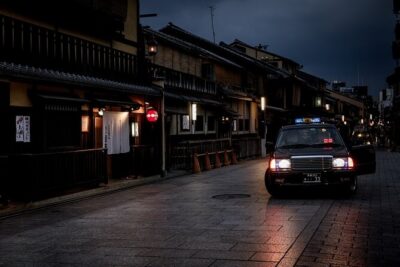
Kyoto Gion Geisha District Walking Tour – The Stories of Geisha
Read our review →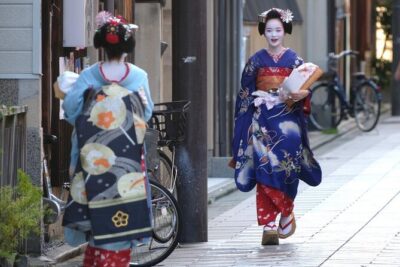
Kyoto Gion: 2-Hour Geisha Culture & History Walking Tour
Read our review →Browse the lists this tour appears in