
Reviewed · GEISHA & GION DISTRICT TOURS
Kyoto: Gion Hidden Gems & Geisha Culture Tour
Gion changes after dark. This $23 walking tour gives you a smart introduction to Kyoto’s famous geisha district, moving from willow-lined Shirakawa Canal to quiet lanes, old shrines, wooden townhouses, and Hanamikoji Street. I like the mix of famous sights and less-visited corners, and I like that local guides such as Uta, Dan, Mai, Takumi, and Wajid add cultural context rather than simply pointing out buildings.
The main consideration is pace. Two hours covers a lot of ground, and one detailed account describes the walk as quick so the group can reach every stop. You will also be outdoors in changing weather, and the tour is not suitable for wheelchair users or people with mobility impairments.
In This Review
- Key points to know before you book
- Why this short Gion walk works well
- Meeting beside Shijo Bridge
- Shirakawa Canal and Gion’s quieter face
- Tatsumi-jinja and the first taste of old Kyoto
- Yasaka Shrine and the city’s larger scale
- Ninenzaka, Hōkan-ji, and classic Kyoto views
- Yasui Kompira-Gu and a more personal shrine visit
- Hanamikoji Street and the geisha tradition
- The guides are a major part of the value
- How difficult is the two-hour route?
- Choosing the best time for your walk
- Who should book this Gion experience?
- Should you book the Gion Hidden Gems and Geisha Culture Tour?
- FAQ
- How long does the Gion tour last?
- How much does the tour cost?
- Is the tour conducted in English?
- Where does the tour meet?
- Can I see a geisha on the tour?
- What should I bring?
- Is photography allowed?
- Is the tour suitable for wheelchair users?
Key points to know before you book
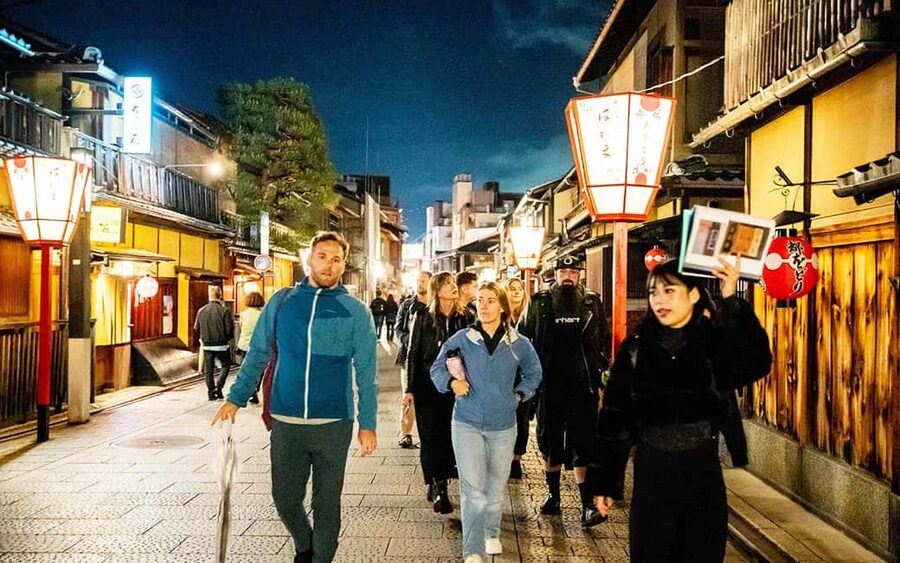
- Gion Shirakawa sets the mood: Willow trees, a narrow canal, stone paths, and traditional tea houses make this one of Kyoto’s most photogenic starts.
- You visit several important shrines: Tatsumi-jinja, Yasaka Shrine, and Yasui Kompira-Gu each add a different layer to the walk.
- The route reaches Ninenzaka and Hōkan-ji: These historic streets and the famous temple pagoda give you classic Kyoto views.
- Geisha sightings are possible, not guaranteed: The walk ends near Hanamikoji Street, where you may see a geisha or maiko heading to an evening appointment.
- Guides add practical value: Several guides, including Uta, Dan, Takumi, Mai, and Wajid, are praised for clear English, patient answers, restaurant suggestions, and good pacing.
- Evening departures can be calmer: The later tours may find fewer people in Gion, with a more atmospheric feel after the busiest daytime hours.
Why this short Gion walk works well
Gion is easy to admire and surprisingly easy to misunderstand. You can stroll past wooden facades, stone lanes, and tea houses without knowing what you are seeing or how the district functions. This tour gives those streets a story.
The route lasts two hours and costs $23 per person. That is a reasonable price for a live English-speaking guide who connects several separate areas into one walk. You are not paying for entry to a major attraction or a meal. You are paying for orientation, explanations, and the chance to notice details you could easily miss alone.
I see this as an especially useful first-day activity in Kyoto. It introduces the eastern side of the city and finishes near places where you may want to continue walking or find dinner. A restaurant list from one guide was particularly useful, and several guides offered suggestions for eating after the walk.
The tour does not promise a private meeting with a geisha. The wording is more realistic: you have a chance to spot one near Hanamikoji Street. That distinction matters. Geisha and maiko are working professionals, not performers waiting for photographs, so treat any sighting as a bonus and give people space.
More Hidden Gem Tours in Kyoto
- Kyoto Geisha Walking Tour: Gion District & Hidden Gems
★ 4.7 · 3,273 reviews - Private Kyoto Tour with a Local, Highlights & Hidden Gems, Personalised
★ 5.0 · 1,543 reviews - Arashiyama Bamboo Forest & Hidden Gems Bike Tour (Early Bird)
★ 5.0 · 613 reviews
Meeting beside Shijo Bridge
The starting point is the McDonald’s Shijo Ohashi store at 105-1 Hashimoto-cho, Shimogyo-ku, Kyoto-shi. Look for a guide holding a sign marked Local Guide Stars beside the restaurant.
The front of the McDonald’s can be crowded, so the meeting instruction points you to the side. Arrive ready to walk rather than expecting a long check-in process. Comfortable shoes are important, and water is sensible, particularly in warm or humid weather.
The route is on foot from beginning to end. There is no sightseeing bus or transfer between stops. That is part of the value, because Gion’s appeal lies in its narrow streets and small changes in atmosphere, but it also means you should be prepared for uneven or tiring walking.
Shirakawa Canal and Gion’s quieter face
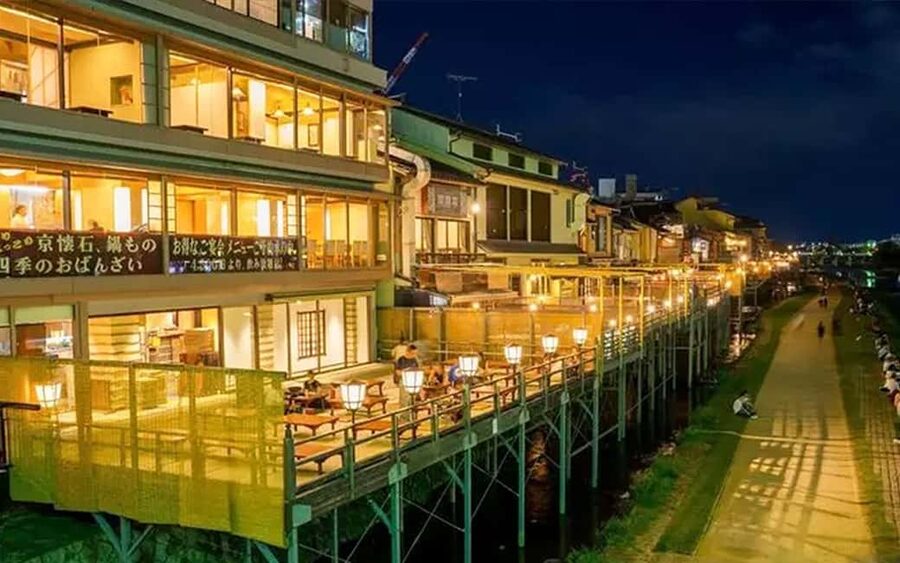
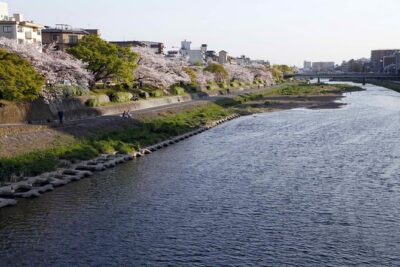
The walk begins around Gion Shirakawa, where the canal runs beside willow trees, traditional tea houses, and stone-paved paths. This is the kind of Kyoto scene that needs a little time to appreciate, but the tour gives you only a short introduction before moving on.
Your guide can help explain why this area feels different from a normal shopping street. The architecture, canal, and subdued lanes create a strong sense of place. It is also an excellent early photo stop, especially if you enjoy details such as wooden fronts, bridges, and reflections on the water.
The timing affects this part of the walk. Daytime brings clearer views and more activity. Evening can make the area feel quieter, and several accounts praised late walks because the crowds had thinned. On the other hand, low light can make photography harder, and the guide’s explanations matter more than your camera.
Tatsumi-jinja and the first taste of old Kyoto
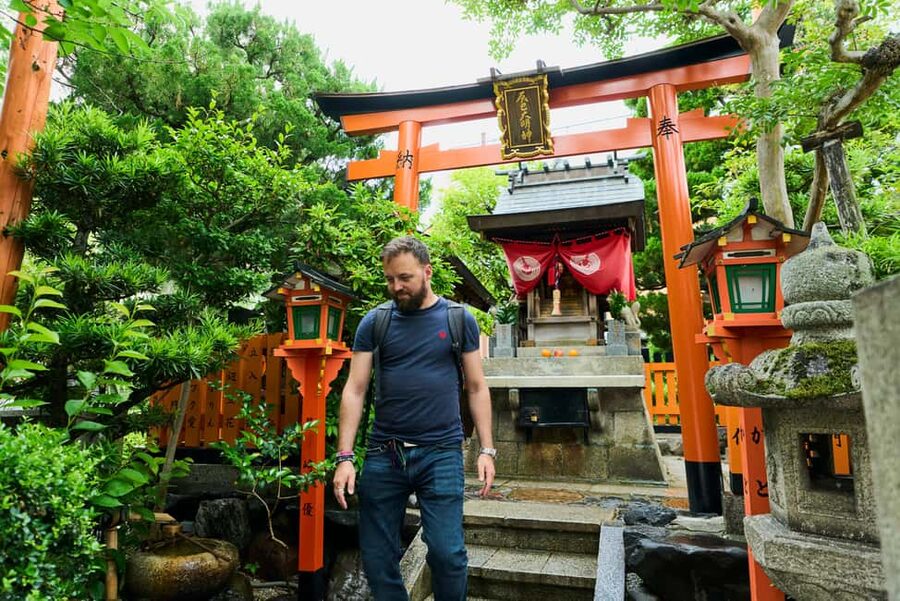
Tatsumi-jinja is one of the smaller shrine visits on the route. Its importance here is not size. It gives you a compact, traditional setting where the guide can explain the religious and cultural details that are easy to pass without noticing.
This is also where the walking format works well. You move through the district rather than stopping only at major monuments. The guide can point out changes in the streetscape, traditional buildings, and the relationship between shrines and the surrounding neighborhood.
You should expect brief visits rather than long periods for independent exploration. The tour has several more stops ahead, so it is designed to give you context and visual highlights, not a slow, extended shrine visit.
More geisha district walks in Kyoto:
- Kyoto: Gion Magical Night Walking Tour with Geisha Trivia
★ 4.9 · 2,393 reviews - Kyoto: Gion Geisha District Walking Tour – Stories of Geisha
★ 4.7 · 2,187 reviews - Best of Kyoto: Gion, Geisha, Pagodas & Cobblestones
★ 4.9 · 2,058 reviews - Night Walk in Gion: Kyoto’s Geisha District
★ 4.5 · 2,003 reviews
Yasaka Shrine and the city’s larger scale
Yasaka Shrine offers a broader setting and helps balance the smaller lanes of Gion. You visit with the guide, stop for photographs, and hear about the site as part of Kyoto’s cultural life.
The shrine is one of the more substantial points on the route, so it may feel like a change of scale after Shirakawa and Tatsumi-jinja. Your guide’s explanation is the key benefit. Names, rituals, and Japanese terms can otherwise pass quickly, but guides such as Wajid and Kenta were praised for explaining words and cultural ideas in clear English.
If this is your first Kyoto visit, Yasaka Shrine gives you a useful reference point for understanding where Gion fits within the city. It also makes the tour more than a stroll through attractive streets. You are getting a basic framework for the area’s religious and social traditions.
Ninenzaka, Hōkan-ji, and classic Kyoto views
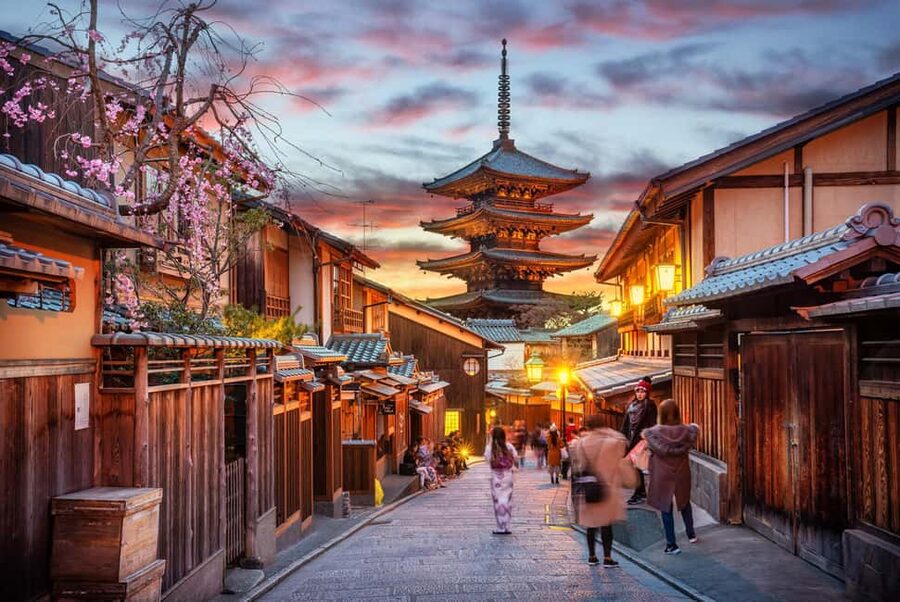
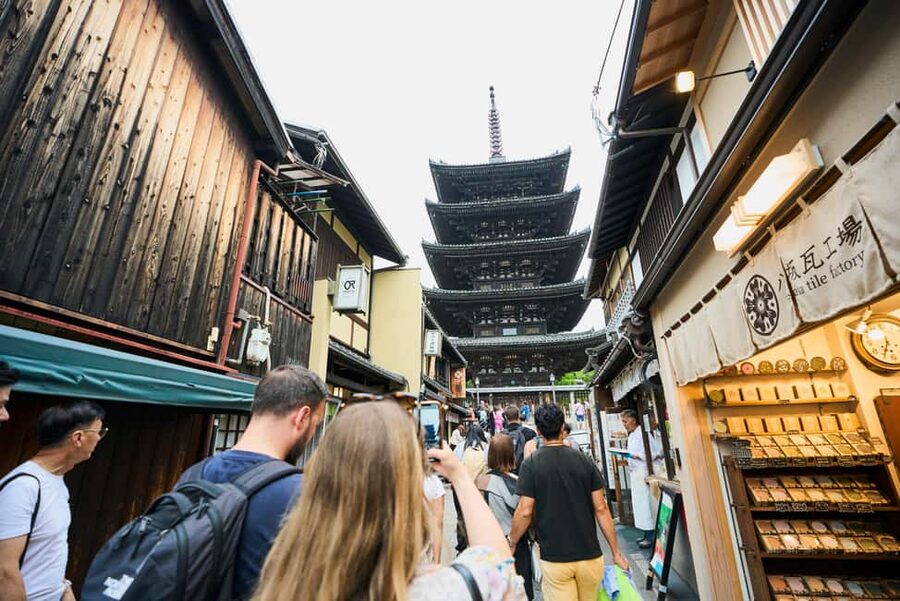
The route then heads toward Ninenzaka and Hōkan-ji Temple. These are among the most recognizable parts of the walk, with traditional streets and the distinctive pagoda often associated with Kyoto photographs.
Ninenzaka is attractive because the street itself is part of the sight. Sloping lanes, wooden buildings, and old-style shop fronts create a memorable setting. Hōkan-ji adds a strong architectural focal point, giving you a clear reason to stop and take photographs.
This section can also be the most crowded, depending on the departure time. Evening may bring relief from the daytime flow, but you should not expect every lane to be empty. The guide helps by leading you through the area and explaining what you are seeing, though you may have limited time to browse shops or linger for photographs.
The route description also refers to quiet backstreets and Edo-period wooden townhouses. These details are important. The appeal is not only the famous pagoda view. You also get glimpses of the older residential character that survives between major sightseeing routes.
Yasui Kompira-Gu and a more personal shrine visit

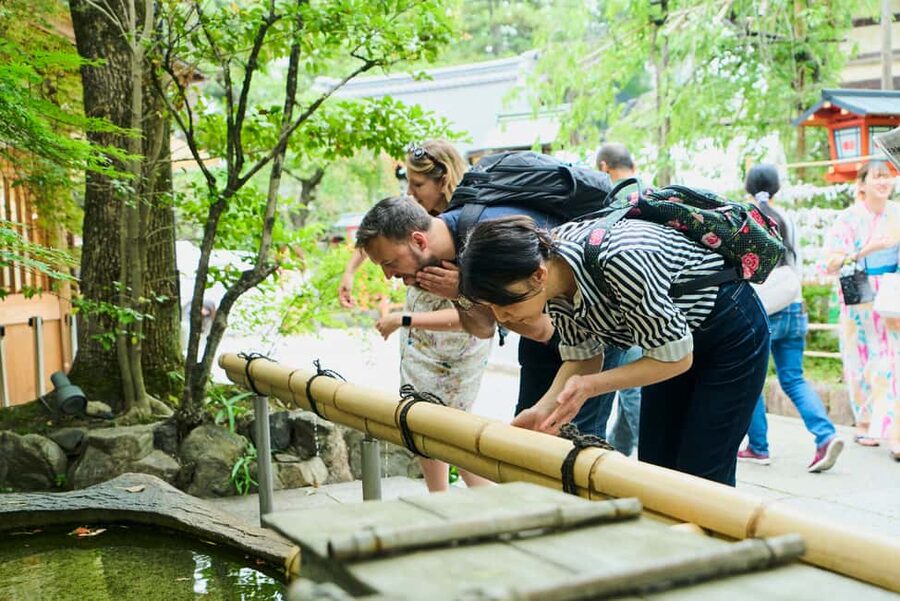
Yasui Kompira-Gu is another shrine visit, and it gives the walk a different tone from the larger Yasaka Shrine. The guide can explain the site while you look around and take photographs.
Because the tour includes several religious places, it helps to listen closely to the explanations rather than treating each stop as another quick photo opportunity. The value comes from comparing the scale, setting, and role of each shrine.
Photography is allowed, but flash photography is not permitted inside temples. Follow the guide’s instructions and watch for signs at each religious site. This is a cultural visit, so respectful behavior matters as much as getting the right picture.
Hanamikoji Street and the geisha tradition
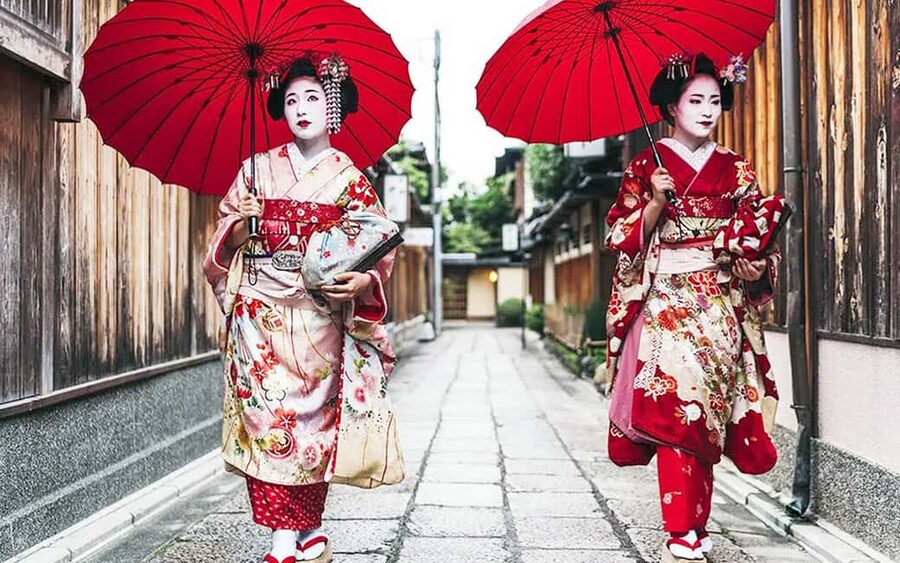
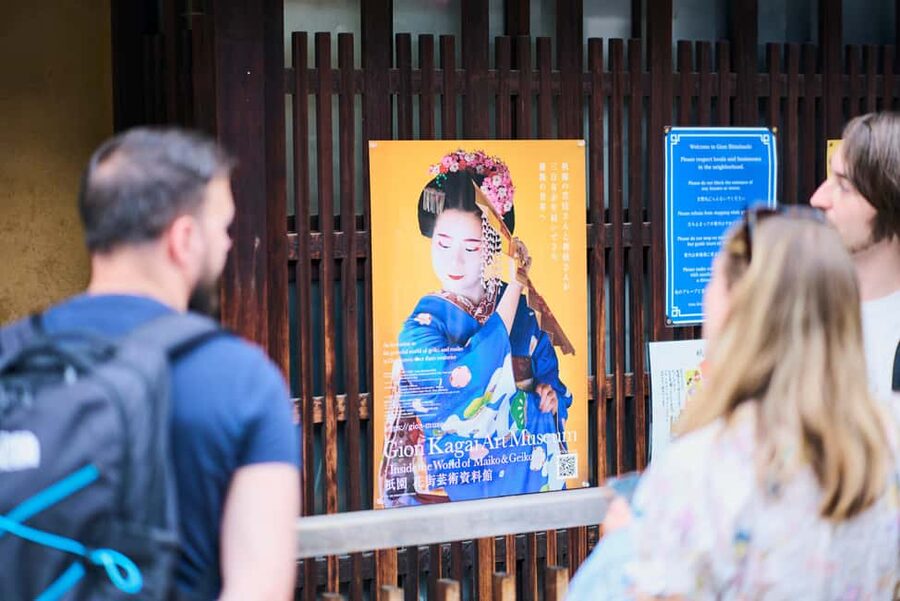
The final stop is Hanamikoji-dori, the center of Gion’s geisha district. This is where the tour turns most directly to geisha culture, including the demanding training, graceful dances, kimono craftsmanship, and elaborate hairstyles associated with geisha and maiko.
A good guide makes this subject more thoughtful than a simple search for a costumed person. You learn that the visible elegance comes from years of training and careful preparation. The details about dress, hair, and performance help you understand why a brief street sighting cannot tell the whole story.
You may see a geisha or maiko on the way to an evening engagement. Some tour participants did see one, and a few saw both. Still, no guide can promise this. The more dependable reward is learning how the district works and seeing the streets where this traditional culture remains active.
Please keep your camera respectful. Do not use flash, and do not block a person’s path. Gion has faced problems with intrusive photography, so a considerate approach is essential. You are visiting a working neighborhood, not a theme park.
The guides are a major part of the value
The strongest feature of this tour is the guiding. Across the available feedback, names such as Uta, Dan, Mai, Takumi, Wajid, Alex, Noa, Kenta, and Oliver receive warm praise for making the walk clear, friendly, and engaging.
Uta appears especially often in the comments, with praise for her cultural explanations, warmth, energy, and ability to work well with children. One family with eight and ten-year-old children found her particularly good with younger participants. Alex was praised for bringing Gion’s history and spirit to life, while Dan was noted for detailed explanations and useful restaurant recommendations.
Wajid received praise for excellent English and for breaking down Japanese terms. Takumi was appreciated for keeping a large group involved and explaining the world of geiko and maiko with respect for tradition. Noa was also praised for setting a comfortable pace and waiting until everyone had caught up before beginning his explanations.
Guides will vary, of course. That is normal with a local walking tour. The consistent strength is the format: a live English guide who can answer questions and adjust explanations as you walk.
How difficult is the two-hour route?
This is an active urban walk. You need comfortable shoes, water, sunscreen, and weather protection. The tour runs in rain, so bring an umbrella or raincoat rather than assuming poor weather will cancel it.
The route includes stone-paved paths, narrow lanes, slopes, and a number of stops. It is not suitable for wheelchair users or people with mobility impairments. If you have minor walking concerns, consider contacting the provider before booking, since the information supplied does not describe rest stops, step-free access, or the exact walking distance.
The pace deserves attention. One account found it quick but necessary to reach all the stops within two hours. Other accounts praised an ideal pace and a guide who waited for everyone. This suggests that the experience can feel comfortable with a considerate guide, but you should still expect steady movement.
Warm weather may make the walk harder. One person enjoyed the tour despite humidity, while another found bad weather affected the experience. Kyoto’s summer conditions can be demanding, so a later start, water, and sun protection are sensible choices.
Choosing the best time for your walk
The tour offers different starting times, subject to availability. An evening or late-night departure has a clear atmospheric advantage. Gion’s lanes can feel calmer once daytime sightseeing crowds have gone, and the district takes on a more mysterious quality under evening light.
A later tour also gives you a better chance of seeing geisha or maiko heading to evening engagements, although that remains uncertain. You may find photography less convenient after dark, and rain can have a greater effect on comfort and visibility.
A daytime departure is practical if you want clearer views and easier photography. It may also fit better with a packed Kyoto schedule. I would choose the evening option if your main interest is Gion’s traditional atmosphere, and a daytime slot if you want to study architectural details and take photos.
Who should book this Gion experience?
I recommend it for first-time Kyoto visitors who want a clear introduction without committing to a long excursion. It also suits you if you enjoy local stories, traditional architecture, shrines, and walking through neighborhoods rather than moving only between major attractions.
Families can consider it, especially if children are comfortable walking. The positive feedback about Uta working with children is useful, but the steady pace and religious stops may not suit every child.
It is less suitable if you want a slow photography walk, extensive shopping time, or guaranteed access to geisha performances. It also is not the right choice for anyone who needs wheelchair access or has significant mobility limitations.
The flexible booking terms help if your Kyoto schedule is uncertain. You can reserve and pay later, and cancellation is available up to 24 hours before the tour for a full refund. Check the available starting times before you plan dinner or another evening activity.
Should you book the Gion Hidden Gems and Geisha Culture Tour?
Book it if you want a compact, well-guided introduction to Gion for $23. The route combines Shirakawa Canal, three shrines, Ninenzaka, Hōkan-ji, Yasui Kompira-Gu, old townhouses, and Hanamikoji Street in only two hours.
I would not book it mainly to chase a geisha sighting. That may happen, but it cannot be guaranteed. Book it for the cultural explanation, the quiet lanes you might miss alone, and the practical guidance on food and Kyoto neighborhoods.
Choose comfortable shoes, bring water and rain protection, and consider an evening departure. If you can keep a steady walking pace and approach geisha culture respectfully, this is a strong-value way to get your bearings in one of Kyoto’s most distinctive districts.
FAQ
How long does the Gion tour last?
The tour lasts two hours.
How much does the tour cost?
The price is $23 per person.
Is the tour conducted in English?
Yes. The tour includes a live English-speaking local guide.
Where does the tour meet?
Meet beside the McDonald’s Shijo Ohashi store at 105-1 Hashimoto-cho, Shimogyo-ku, Kyoto-shi, Kyoto. Look for a guide holding a Local Guide Stars sign.
Can I see a geisha on the tour?
You may see a geisha or maiko near Hanamikoji Street, but a sighting is not guaranteed.
What should I bring?
Bring comfortable walking shoes, water, sunscreen, and an umbrella or raincoat if rain is possible.
Is photography allowed?
Yes, photography is allowed. Flash photography is not permitted inside temples.
Is the tour suitable for wheelchair users?
No. The tour is not suitable for wheelchair users or people with mobility impairments.
Just added around Kyoto
- Kyoto: Private Customizable Day Trip by Car★ 5.0 · 38 reviews
- Kyoto: Gion Night Walking Tour with Geisha Insight★ 5.0 · 39 reviews
- Kyoto: Full Day Bike Tour★ 4.9 · 39 reviews
- Private Japanese Calligraphy in Kyoto – Learn Shodō with a Master★ 5.0 · 39 reviews
- Experience a tea ceremony in an authentic tearoom, in Kyoto!★ 4.5 · 41 reviews
- Kyoto: Gion Evening Walk with Hidden Gems, Geisha & Sake★ 5.0 · 41 reviews
- Kyoto Private Photo Shoot & Tour by SnapKyoto★ 5.0 · 41 reviews
- The Way of Tea: Kyoto Crafts, Hidden Temples & Wabi-Sabi Walk★ 5.0 · 41 reviews
Geisha & Gion District Tours, compared.
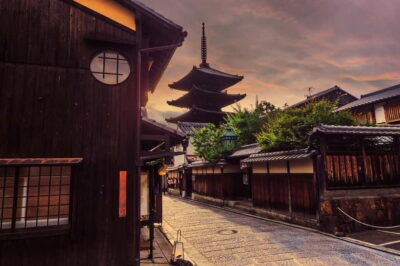
Kyoto Geisha Walking Tour: Gion District & Hidden Gems
Read our review →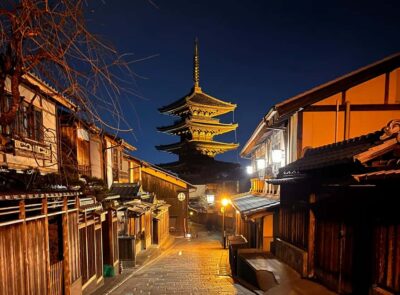
Gion Magical Night Walking Tour with Geisha Trivia
Read our review →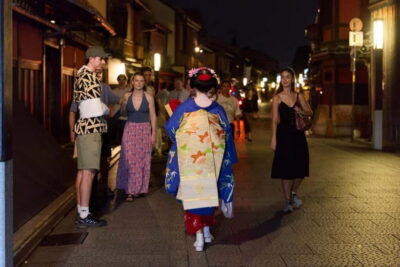
Gion Geisha District Walking Tour – Stories of Geisha
Read our review →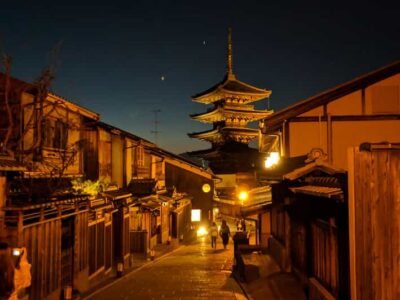
Best of Kyoto: Gion, Geisha, Pagodas & Cobblestones
Read our review →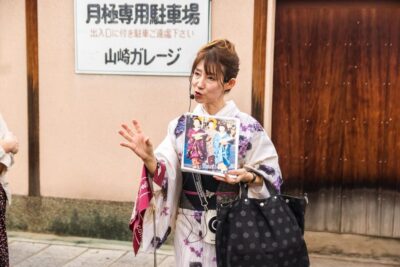
Kyoto Night Foodie Tour in Gion (9+ dishes + 6 Sake tastings)
Read our review →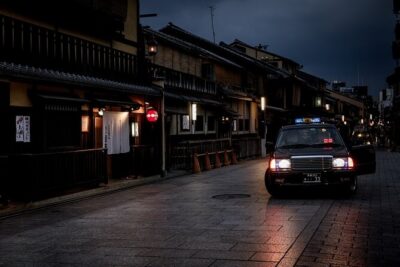
Kyoto Gion Geisha District Walking Tour – The Stories of Geisha
Read our review →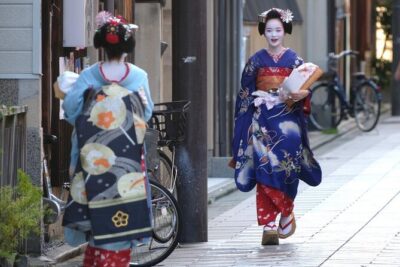
Kyoto Gion: 2-Hour Geisha Culture & History Walking Tour
Read our review →Browse the lists this tour appears in