
Reviewed · GEISHA & GION DISTRICT TOURS
Kyoto: Gion Sunset Walking Tour with Local Guide
Kyoto looks different after dark. This three-hour walk takes you through Gion as lanterns come on, restaurants open their doors, and the old streets grow wonderfully atmospheric. I especially like the small group limit of nine people and the way the route mixes famous sights with quieter lanes, temples, and shrines. The included local snack is another welcome touch.
The $22 price is easy to justify if you want a quick introduction to Kyoto’s culture without giving up a whole day. I also like that you can book at short notice, which helps when rain, jet lag, or changing plans rearrange your schedule. The main drawback is simple: you will walk for nearly three hours, often on uneven streets, so this is not a good pick if you have mobility, heart, respiratory, or pregnancy-related concerns.
In This Review
- Key points at a glance
- Why an evening walk works so well in Gion
- Starting at Kyoto Kawaramachi Garden
- From Minami-za to Hanamikoji Street
- Quieter lanes and lesser-known religious sites
- Maruyama Park and Yasaka Shrine
- The snack break and the value of a short pause
- Pontocho and the finish at Sanjo Bridge
- The guides make the difference
- Who should book this walk?
- Is $22 good value?
- Should you book it?
- FAQ
- How long does the Kyoto Gion Sunset Walking Tour last?
- Where does the tour start?
- How will I identify the guide?
- Where does the tour finish?
- Is transportation included?
- Is food included?
- How much time is allowed for the snack?
- Can I see a geiko or maiko?
- What languages are available?
- How large is the group?
- What should I bring?
- Can I cancel the booking?
Key points at a glance
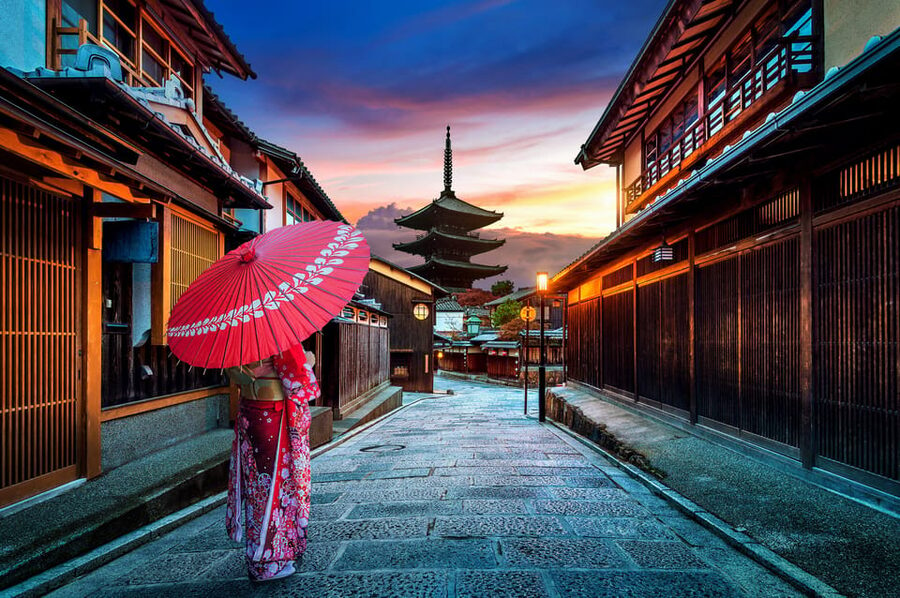
- Gion after sunset: See Hanamikoji Street, Yasaka Shrine, Maruyama Park, and Pontocho as lanterns and evening lights change the mood.
- A useful cultural introduction: Guides explain geiko and maiko customs, Japanese religion, local architecture, and everyday etiquette.
- Small groups matter: Groups can be limited to nine, making it easier to ask questions and keep a comfortable pace.
- A snack is included: Allowance is described as up to 1,000 yen per person, with the actual choice depending on the stop.
- A flexible three-hour plan: The walk begins near Kyoto Kawaramachi Garden and finishes at Sanjo Bridge.
- Geiko sightings are possible, not promised: If you see one, keep your distance, avoid blocking the way, and do not treat a working person like a street attraction.
Why an evening walk works so well in Gion
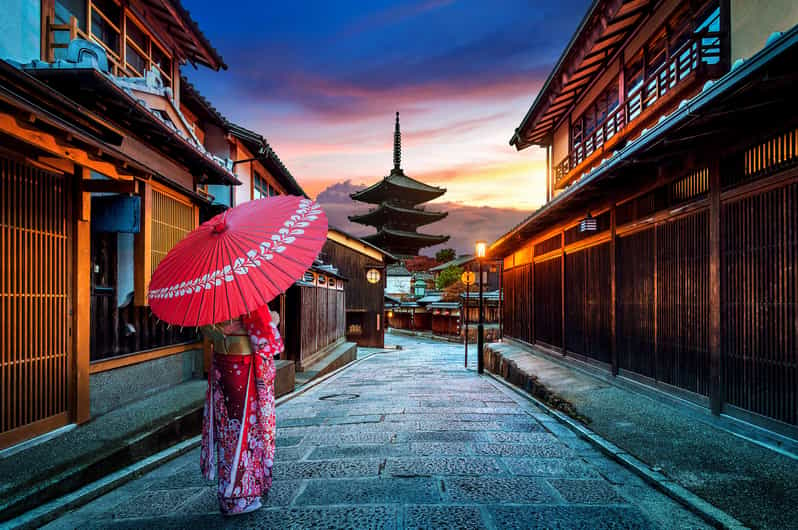
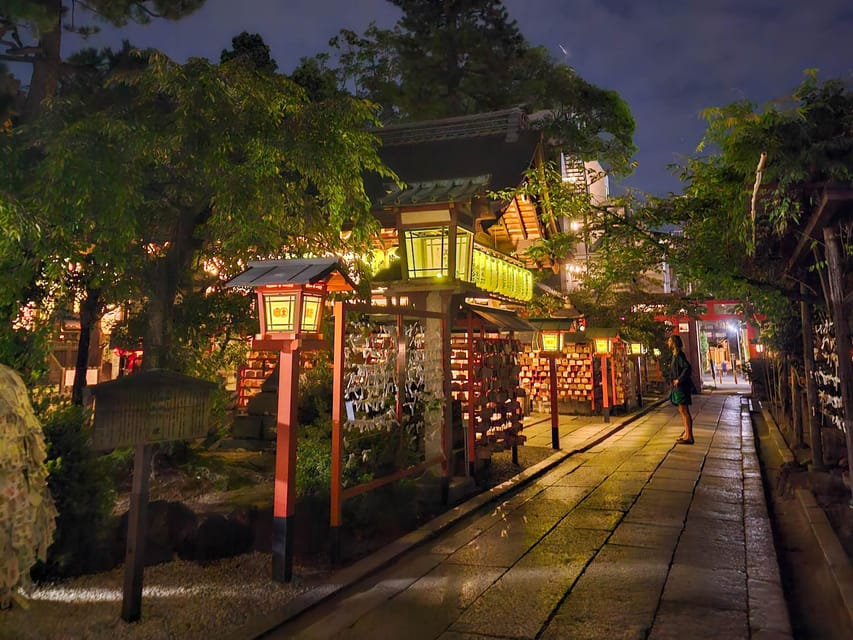
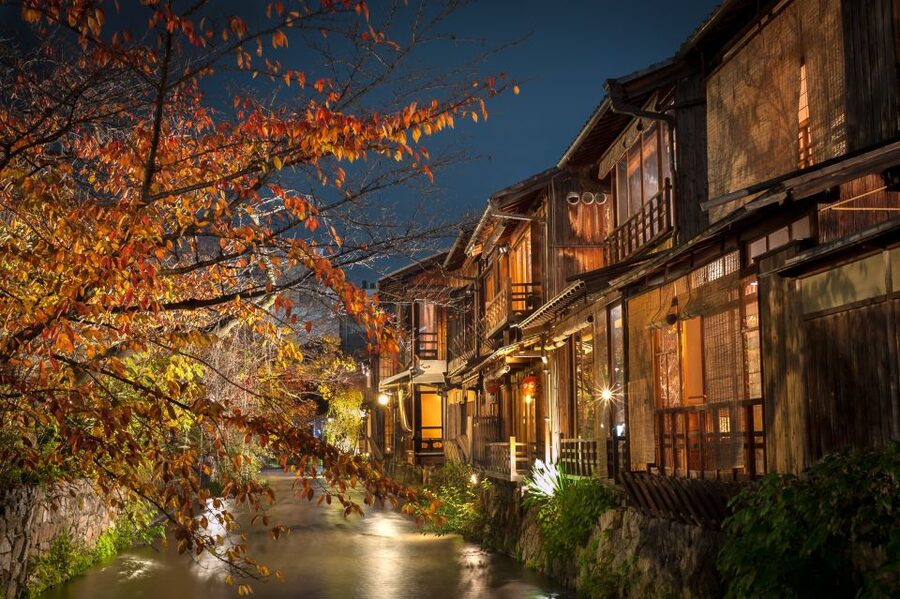
Gion is worth seeing in daylight, but sunset gives the district a different character. Wooden facades, paper lanterns, narrow lanes, elegant restaurants, and small bars begin to glow. The setting feels less like a museum and more like a working neighborhood with a long memory.
This is also the right time to learn about geiko and maiko. The terms refer to entertainers trained in traditional arts, with maiko being apprentices. You may see one heading to an engagement, but the sighting is never guaranteed. The value of the tour should come from the streets, stories, and cultural context, not from chasing a photograph.
I like this distinction. A guide can explain what you are seeing and how to behave, while you get to enjoy the evening without turning the experience into a hunt for geisha sightings.
The timing also suits a first night in Kyoto. You get a compact orientation to central areas, then finish near Sanjo Bridge, where you can continue on your own or return to your accommodation. It is a practical way to use an evening when you have only a few free hours.
More Walking Tours in Kyoto
- Kyoto Geisha Walking Tour: Gion District & Hidden Gems
★ 4.7 · 3,273 reviews - Kyoto: Gion Magical Night Walking Tour with Geisha Trivia
★ 4.9 · 2,393 reviews - Kyoto: Gion Geisha District Walking Tour – Stories of Geisha
★ 4.7 · 2,187 reviews
Starting at Kyoto Kawaramachi Garden
The meeting point is at the corner of Kyoto Kawaramachi Garden, in front of the large black world map. Your guide should be wearing a TripGuru shirt or holding a TripGuru sign.
Arrive at least 10 minutes early. The guide waits no more than 10 minutes before moving on, and missing the start would be especially frustrating because the group continues on foot. Give yourself extra time if you are crossing central Kyoto during a busy period. Navigation apps can underestimate delays caused by traffic.
The opening point is convenient for an evening in central Kyoto, but it can be busy and visually confusing. Look specifically for the black world map rather than relying only on the name of the shopping complex. Comfortable shoes are essential, and carrying some cash is sensible for anything beyond the included snack.
The tour is offered in English, Spanish, and French. You can book a private-feeling small group experience, with no more than nine people when that option is available. That size is large enough for a social atmosphere but small enough for questions and eye contact.
From Minami-za to Hanamikoji Street
The walk passes Kyoto Minami-za, the city’s famous kabuki theater, for about 10 minutes. You do not spend the evening inside the theater, but the stop helps place Gion within Kyoto’s performing arts tradition.
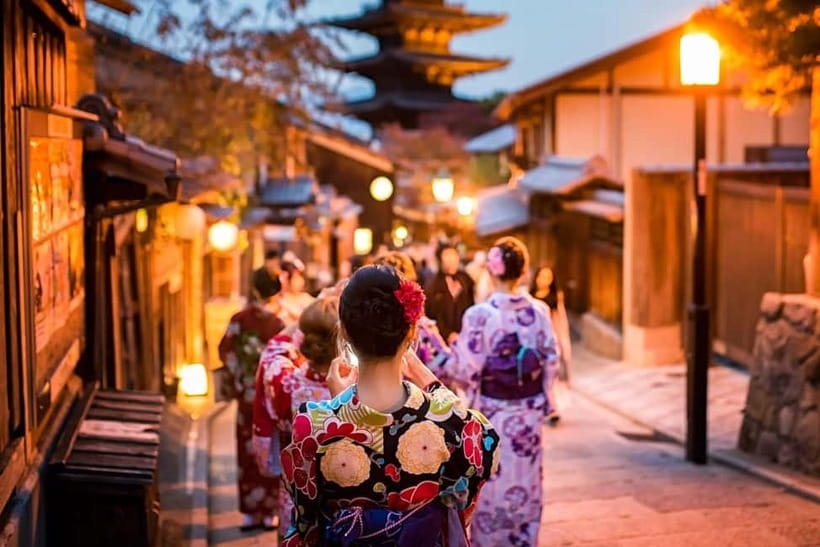
From there, the route reaches Hanamikoji Street, one of the best-preserved traditional streets in the district. Expect around 30 minutes of guided sightseeing here. This is one of the tour’s strongest sections because the architecture is easy to appreciate, yet the customs behind it are not always obvious to someone walking alone.
Your guide may point out details of wooden buildings, entrances, lanes, and the relationship between public streets and private establishments. You will also hear about the world of geiko and maiko, including the difference between an apprentice and a fully trained entertainer.
Hanamikoji can be popular, so patience helps. The street is not a stage set built only for visitors. Keep voices low, avoid stepping into doorways, and respect signs asking people not to enter or photograph certain areas. A guide is useful here because good behavior is part of understanding the place.
Several guides have been praised for making this section feel personal. Jasmine is often singled out for clear explanations and a warm manner. Naoki, who is from the area, has also been noted for answering detailed questions about local life. If you are interested in how the district works beyond its postcard appearance, ask questions rather than simply following the group.
Quieter lanes and lesser-known religious sites
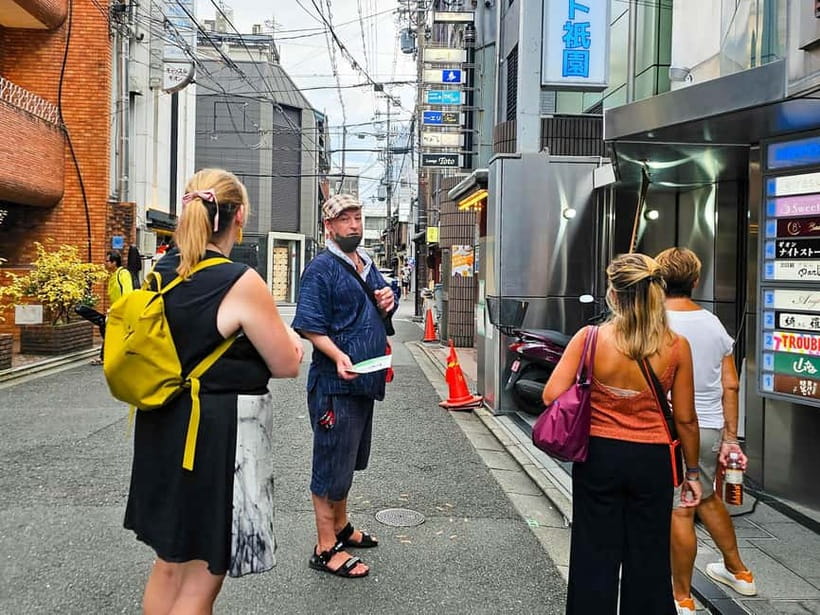
After Hanamikoji, the route continues through traditional backstreets and includes another 30-minute guided segment with scenic views along the way. The exact stop names are not specified, so you should think of this part as an exploratory walk rather than a tightly defined monument visit.
That flexibility is a plus. A good local guide can respond to the group, point out a lane you might otherwise miss, and explain small details that would not appear on a standard sightseeing checklist. Several guides, including Raphael, Vincent, Alex, and Katz, have received praise for sharing local perspective and answering questions about Kyoto culture.
The tradeoff is that the pace and emphasis may differ from one guide to another. This is a guided orientation, not a formal lecture with identical wording every night. Some groups may spend more time on religion, others on Gion’s entertainment culture or daily customs.
You will visit offbeat temples and shrines along the way, but the supplied schedule does not identify every one by name. That means you should book this for the overall atmosphere and explanation rather than for a particular obscure temple. The setting is likely to be most rewarding if you enjoy walking, listening, and noticing small features of the old streets.
More geisha district walks in Kyoto:
- Best of Kyoto: Gion, Geisha, Pagodas & Cobblestones
★ 4.9 · 2,058 reviews - Night Walk in Gion: Kyoto’s Geisha District
★ 4.5 · 2,003 reviews - Kyoto Night Foodie Tour in Gion (9+ dishes + 6 Sake tastings)
★ 5.0 · 1,762 reviews - Kyoto Gion Geisha District Walking Tour – The Stories of Geisha
★ 5.0 · 1,441 reviews
Maruyama Park and Yasaka Shrine
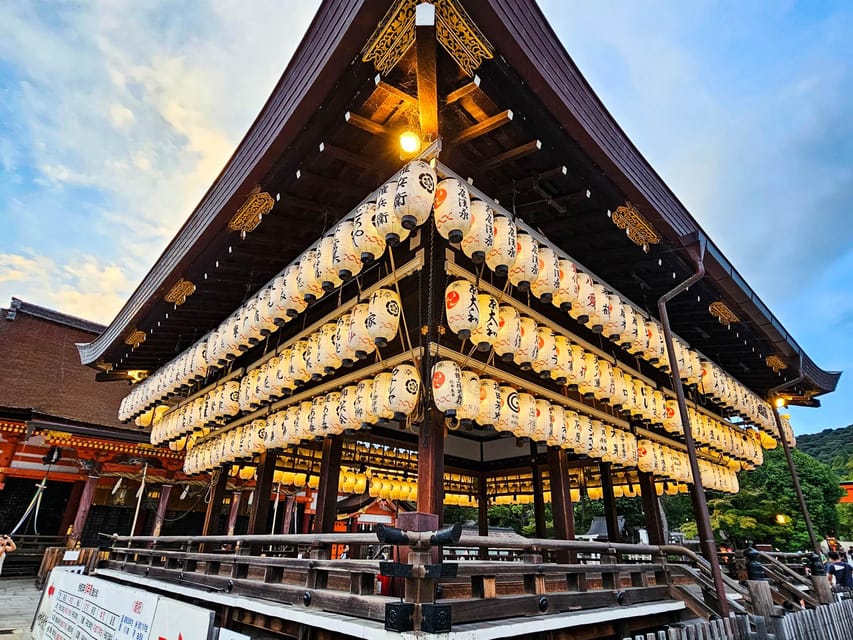
Maruyama Park receives about 15 minutes of guided sightseeing. It offers a pause from the denser lanes and gives the group room to take in the evening surroundings. The tour describes scenic views along the route, and this section helps break up the walking with a more open setting.
Next comes Yasaka Shrine, also called Gion Shrine, with about 20 minutes for sightseeing and explanation. This is one of the most important stops for understanding the connection between religion, neighborhood life, and Gion’s identity.
Your guide can help you read the site beyond its bright gates and attractive photo spots. You may learn about Japanese religious customs, shrine details, and the way sacred places fit into the city. Atsushi has been praised for explaining Japanese religion and the small details many people miss. Other guides have also made this stop a chance to discuss customs rather than simply point out a building.
At night, temples and shrines can feel especially memorable because lighting changes your attention. You are less likely to rush from one sign to the next. Still, do not expect a long formal visit or an in-depth religious study. Twenty minutes gives you a useful introduction, not mastery of Japanese belief.
The snack break and the value of a short pause
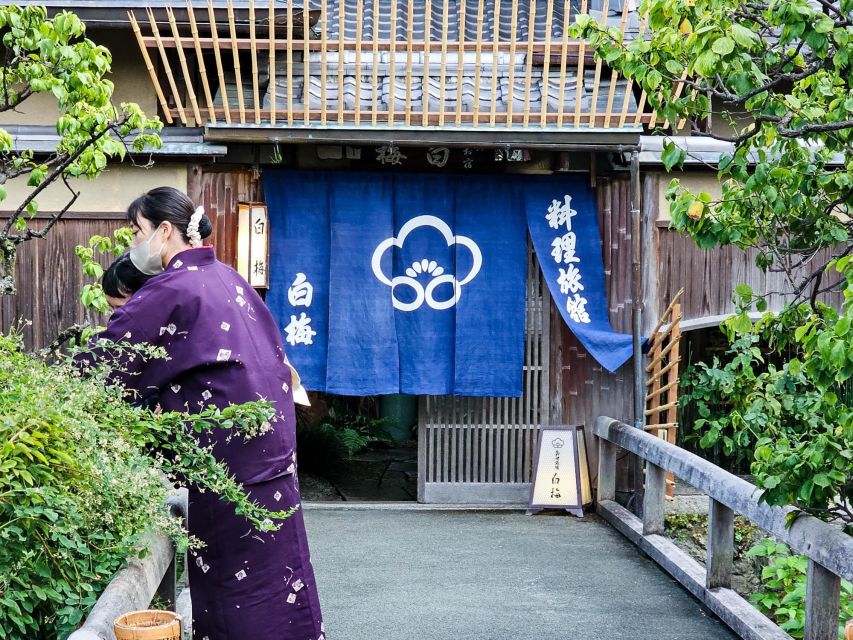
The tour includes about 20 minutes for a local snack. The stated allowance is up to 1,000 yen per person, and drinks or larger meals are not included.
This is a modest inclusion, but I consider it useful. Three hours on foot is long enough for hunger to distract you, especially in colder months. A snack gives you a chance to sit or slow down, compare notes with the group, and try something local without committing to a full restaurant meal.
The stop may take place at a cafe or another local food spot. One account describes choosing a snack and drink at a local supermarket, while another mentions matcha and a cafe with lovely views. Since the precise food stop can vary, do not book this expecting a particular dessert or beverage.
Bring cash. The included allowance may cover a small item, but any extra food or drink is your responsibility. If you have allergies or dietary restrictions, ask the guide what choices are available before selecting something.
The pause also improves the rhythm of the evening. The route contains several 20 to 30-minute walking and sightseeing sections, so a short break keeps the tour from becoming one long stream of standing and walking.
Pontocho and the finish at Sanjo Bridge
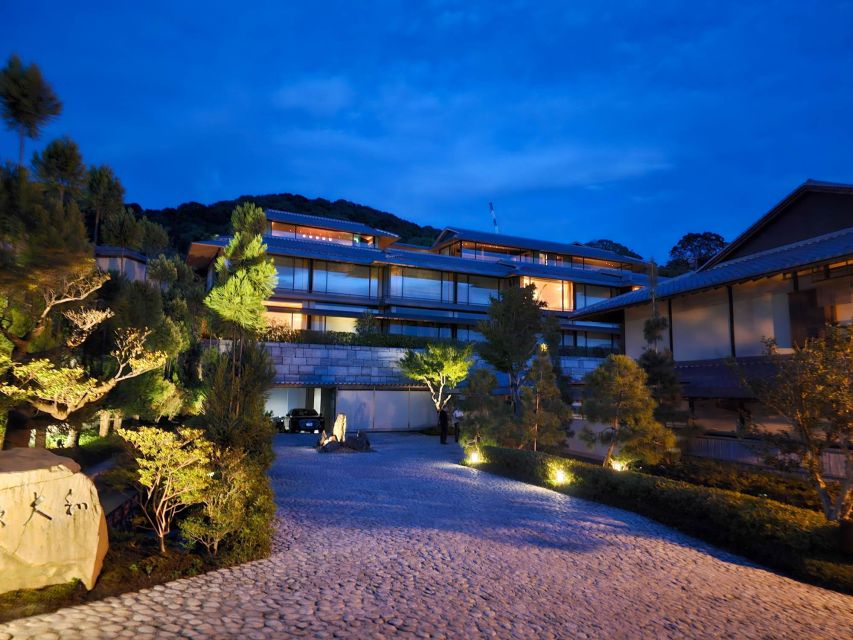
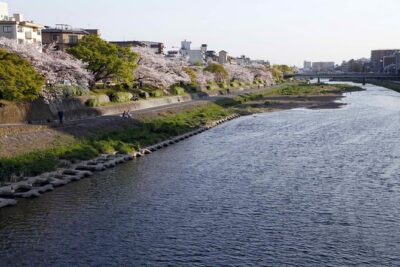
The final major area is Pontocho, with roughly 20 minutes of guided sightseeing. This narrow district is known for restaurants, bars, and evening atmosphere beside the Kamo River. It offers a useful contrast with Hanamikoji: both feel traditional, but Pontocho is closely tied to dining and nightlife.
Your guide may explain how the area relates to Kyoto’s evening culture and point out details you could easily pass without noticing. The tour ends at Sanjo Bridge, a helpful central location rather than an isolated drop-off point.
There is no hotel pickup or return transport. You walk from the starting point to the finish, then make your own way onward. That is part of why the tour stays affordable, but it also means you should check your route home before setting out.
Finishing at Sanjo Bridge gives you options. You can continue exploring, find dinner, or use public transport, depending on your plans. The tour does not include a meal, so I would reserve a restaurant separately if you want a full dinner after the walk.
The guides make the difference
The strongest feature here is the guide. The route is appealing, but Gion becomes much more rewarding when someone can explain what you are looking at and answer questions in plain English or another offered language.
Jasmine is repeatedly praised for being friendly, clear, flexible, and able to adjust to the group. Raphael has been appreciated for his thoughtful pacing, including taking extra care with an older couple. Vincent is known for explaining Gion, Japanese culture, religion, and geiko traditions with enthusiasm. Katz has been valued for being born and raised in the area, while Alex has received praise for detailed answers and an engaging personality.
These names are useful examples, not a promise that you can select a particular guide. The experience can vary with the person leading it. Still, the pattern is encouraging: guides are expected to explain, listen, and adjust rather than deliver a rigid speech.
A small group improves this further. With up to nine people, you can usually hear the guide more easily and ask about topics that interest you. It also makes photo stops and street crossings less awkward than they can be with a large crowd.
Who should book this walk?
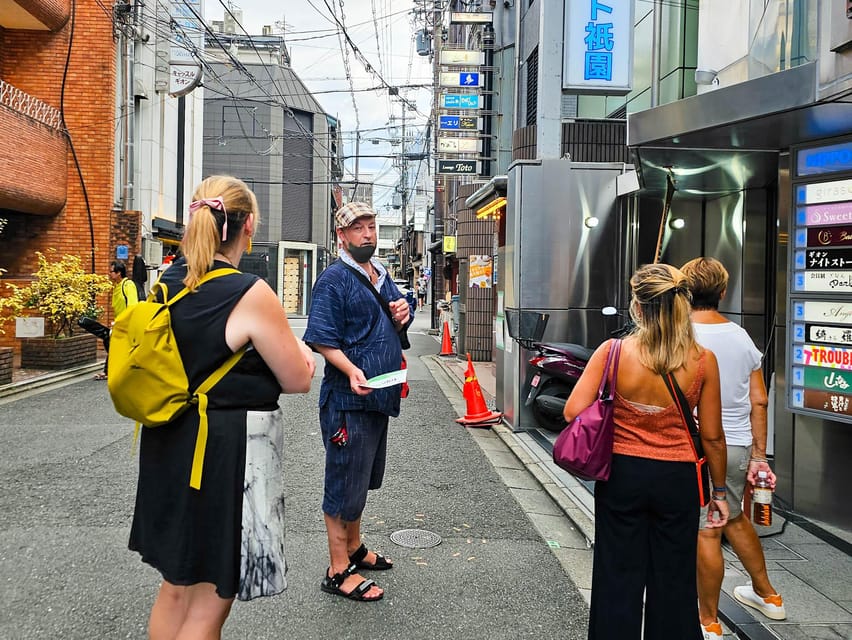
I would choose this tour if you have one evening in Kyoto and want a quick cultural introduction. It is particularly useful at the beginning of your stay, since the route helps you understand Gion, Pontocho, central Kyoto, and the local customs you will encounter elsewhere.
It also suits people who already walked through Gion alone but felt they were missing the point. One guest had visited the same area independently and still found many details after joining a guided walk. That is the key benefit: the guide adds meaning, not just directions.
This is less suitable if you want a slow photographic tour, a formal religious tour, or a guaranteed geisha encounter. It is also not appropriate for pregnant people or those with mobility, heart, or respiratory problems, according to the activity restrictions.
Rain does not necessarily ruin the evening. One guide adjusted the plan during a very wet night and included a cafe with pleasant views. Even so, pack for the weather and wear shoes that remain comfortable for a long walk.
Is $22 good value?
At $22 per person, this is a strong value for a three-hour guided walk in one of Kyoto’s most sought-after districts. You are paying for a local guide, a small-group format, cultural explanation, and a snack, without paying for transport or a full meal.
The price works best if you would otherwise wander Gion without context. It is less compelling if you already have a private guide, know the district well, or prefer exploring completely alone.
Flexible booking helps. Same-day and last-minute reservations are accepted when spaces remain, and you can reserve now and pay later. Cancellation is free up to 24 hours before the activity for a full refund. Check the available starting time carefully, since the tour is built around sunset and evening light.
Should you book it?
Book this Gion walk if you want lantern-lit streets, useful cultural background, and a friendly guide in a compact evening plan. The best reason to go is not the possibility of seeing a geiko or maiko. It is the chance to understand the district respectfully and notice details you would probably miss alone.
Skip it if three hours of walking sounds tiring or if you need a fully accessible experience. For most first-time visitors with comfortable shoes and a free evening, $22 buys a well-paced introduction to Gion, Yasaka Shrine, Maruyama Park, and Pontocho without taking over your Kyoto schedule.
FAQ
How long does the Kyoto Gion Sunset Walking Tour last?
The tour lasts three hours and includes guided walking, sightseeing stops, scenic views, and a local snack break.
Where does the tour start?
It starts at the corner of Kyoto Kawaramachi Garden, in front of the large black world map.
How will I identify the guide?
The guide will be wearing a TripGuru shirt or holding a TripGuru sign.
Where does the tour finish?
The walk finishes at Sanjo Bridge.
Is transportation included?
No. This is a walking tour, and hotel pickup and drop-off are not included.
Is food included?
A local snack is included. Full meals, additional drinks, and personal expenses are not included.
How much time is allowed for the snack?
The snack stop takes about 20 minutes. The stated allowance is up to 1,000 yen per person.
Can I see a geiko or maiko?
You might see one traveling to an engagement, but sightings are not guaranteed.
What languages are available?
The tour can be offered in English, Spanish, or French.
How large is the group?
The small-group option allows no more than nine people.
What should I bring?
Bring comfortable walking shoes, a camera, and cash.
Can I cancel the booking?
You can cancel up to 24 hours in advance for a full refund. You can also reserve now and pay later, subject to the available booking terms.
Just added around Kyoto
- Kyoto: Gion Night Walking Tour with Geisha Insight★ 5.0 · 39 reviews
- Kyoto: Private Customizable Day Trip by Car★ 5.0 · 38 reviews
- Kyoto: Full Day Bike Tour★ 4.9 · 39 reviews
- Private Japanese Calligraphy in Kyoto – Learn Shodō with a Master★ 5.0 · 39 reviews
- Kyoto: Gion Evening Walk with Hidden Gems, Geisha & Sake★ 5.0 · 41 reviews
- Experience a tea ceremony in an authentic tearoom, in Kyoto!★ 4.5 · 41 reviews
- Kyoto Private Photo Shoot & Tour by SnapKyoto★ 5.0 · 41 reviews
- The Way of Tea: Kyoto Crafts, Hidden Temples & Wabi-Sabi Walk★ 5.0 · 41 reviews
Geisha & Gion District Tours, compared.
Kyoto Geisha Walking Tour: Gion District & Hidden Gems
Read our review →
Gion Magical Night Walking Tour with Geisha Trivia
Read our review →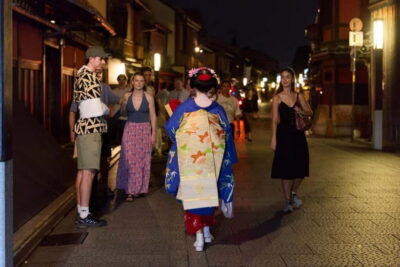
Gion Geisha District Walking Tour – Stories of Geisha
Read our review →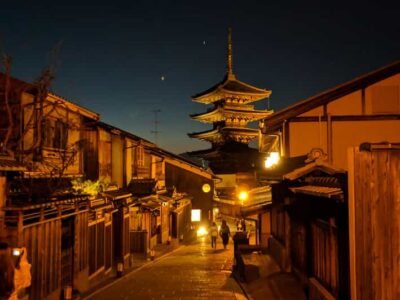
Best of Kyoto: Gion, Geisha, Pagodas & Cobblestones
Read our review →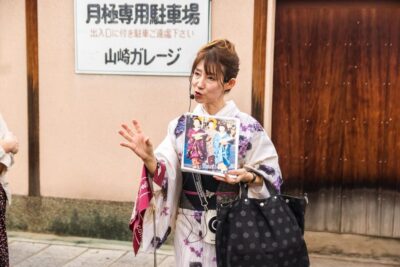
Kyoto Night Foodie Tour in Gion (9+ dishes + 6 Sake tastings)
Read our review →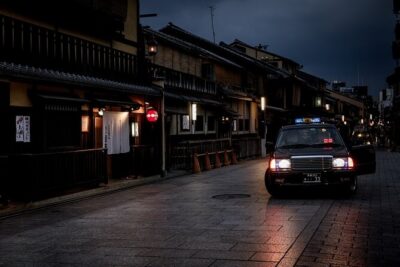
Kyoto Gion Geisha District Walking Tour – The Stories of Geisha
Read our review →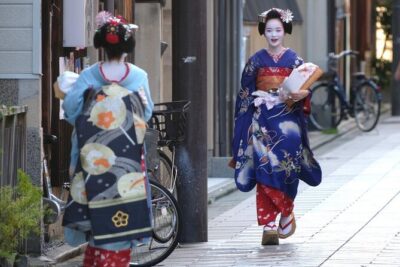
Kyoto Gion: 2-Hour Geisha Culture & History Walking Tour
Read our review →Browse the lists this tour appears in