
Reviewed · FOOD & DRINK
Kyoto: Local Food Tasting Tour at the Nishiki Market
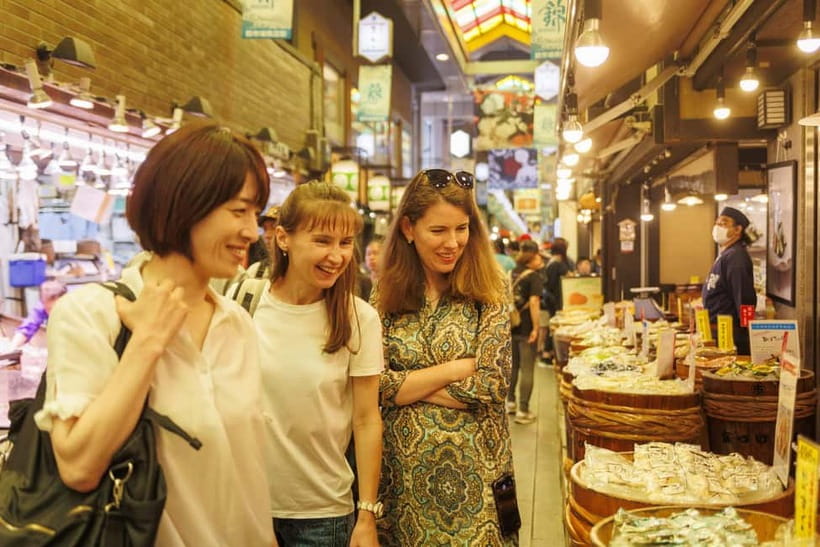
Come hungry and leave curious. This small-group food walk takes you through Nishiki Market, Kyoto’s 400-year-old food arcade, with a local guide to explain what you are seeing, tasting, and probably missing on your own. You sample five Kyoto specialties, including yuba, obanzai, hamo tempura, and wagyu steak skewers, then continue through nearby shrines and shopping streets.
I especially like the limited group size of six, which makes it easier to ask questions and keep together in the narrow market lanes. I also like the mix of eating and culture: guides such as Ayu, Takuma, Toshi, Miho, and Saki have been praised for explaining Japanese customs, suggesting other places to visit, and helping first-time visitors feel at ease. The main drawback is important: the tour cannot accommodate vegetarian, halal, kosher, gluten-free, or allergy-related diets.
In This Review
- Key points to know before booking
- Why Nishiki Market works so well for a first food tour
- The five Kyoto specialties you are likely to taste
- Walking through a 400-year-old market
- Nishiki-Tenmangu Shrine adds a welcome pause
- Shinkyogoku and Teramachi: Kyoto after the tastings
- What the guides do especially well
- Is $78 a fair price?
- The optional tea ceremony after the market
- Who should book this Kyoto food tour?
- Should you book the Nishiki Market food tour?
- FAQ
- How long does the Nishiki Market food tour last?
- How many people are in the group?
- What foods are included?
- Is this a full lunch?
- Can dietary restrictions be accommodated?
- Is the tea ceremony included?
- What should I bring?
Key points to know before booking
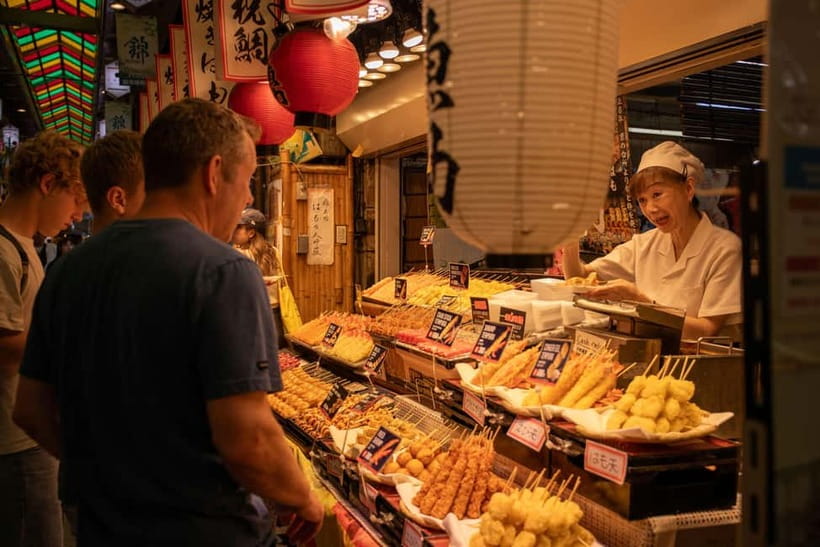
- Five local tastings are included: Expect yuba, Kyoto-style obanzai home cooking, hamo tempura, wagyu steak skewers, and additional small bites such as crackers, local seasonings, and flavored honey.
- Nishiki Market is the main event: You walk through a 400-year-old market with about 130 food stalls, but this is a tasting tour rather than a full restaurant meal.
- The group is capped at six people: That is a real advantage in a crowded market, especially when you want to ask about unfamiliar ingredients.
- The route continues beyond the market: Nishiki-Tenmangu Shrine, Shinkyogoku Shopping Arcade, Teramachi Street, and another less obvious stop add history and local atmosphere.
- The guide makes the difference: Past guides including Yume, Hide, Annie, Nagisa, Yasuko, and Kentaro were praised for warmth, clear English, and practical Kyoto advice.
- A tea ceremony can be added: The optional 90-minute session includes kimono dressing, a tea master, explanations of the ceremony, and time for photographs.
Why Nishiki Market works so well for a first food tour
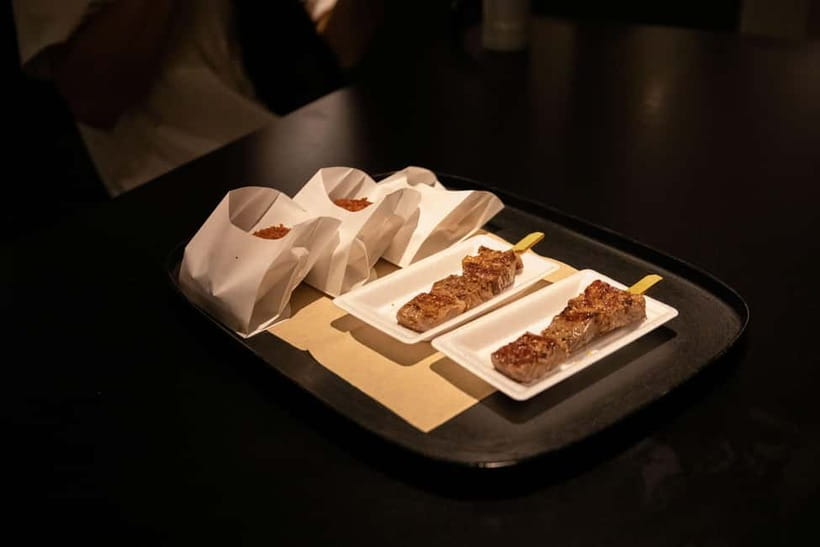
Nishiki Market is often called Kyoto’s Kitchen, and the nickname makes sense once you enter the long covered shopping lane. Its stalls sell far more than quick snacks. You may see pickles, tofu products, seafood, sweets, seasonings, prepared dishes, and ingredients used in everyday Kyoto cooking.
The sheer range can be a problem. You may not know which shop is worth stopping at, how much to order, or what an unfamiliar item is supposed to taste like. Some foods are easy to recognize, but others can look mysterious even if you have already eaten Japanese food elsewhere.
That is where the guide earns the fee. Instead of spending your first hour wandering past dozens of stalls, you move with a local who has already chosen several stops. The guide explains the food in plain terms, points out customs around eating, and gives you a reason to pause at particular shops.
The group size matters here. A maximum of six people is small enough for a guide to hear your questions and watch the pace. Several people described having tours with only two to four participants, and some groups ended up with a private-feeling experience. That is especially useful if this is your first day in Kyoto and you are still finding your footing.
Do not expect a long, seated lunch. The food comes in samples at different stops, so you are tasting your way through the market while walking and talking. I see this as a strength for curious eaters, but you may want a proper meal later if you arrive very hungry.
More Food Tours in Kyoto
- Kyoto Night Foodie Tour in Gion (9+ dishes + 6 Sake tastings)
★ 5.0 · 1,762 reviews - 3-Hour Kyoto Insider Sake Brewery Tour with Tastings & Pairings
★ 5.0 · 917 reviews - Arashiyama Bamboo, Temple, Monkeys, or Secret Sake Brewery
★ 4.8 · 886 reviews
The five Kyoto specialties you are likely to taste
The included food selection gives you a good introduction to Kyoto cooking because it does not focus only on familiar sushi or ramen. You get a blend of home-style food, seasonal ingredients, prepared snacks, and higher-end flavors.
Yuba, or tofu skin, is one of the more distinctive tastes. It is associated with Kyoto cuisine and may be completely new to you. One person who normally would not have ordered it alone found the chance to sample it especially worthwhile. That is the point of this tour: a small portion lets you try something unusual without committing to a full serving.
Obanzai refers to local home cooking. This helps broaden the picture of Kyoto food beyond market treats. You are not just sampling flashy street food. You are also learning about the simple dishes people associate with everyday cooking in the region.
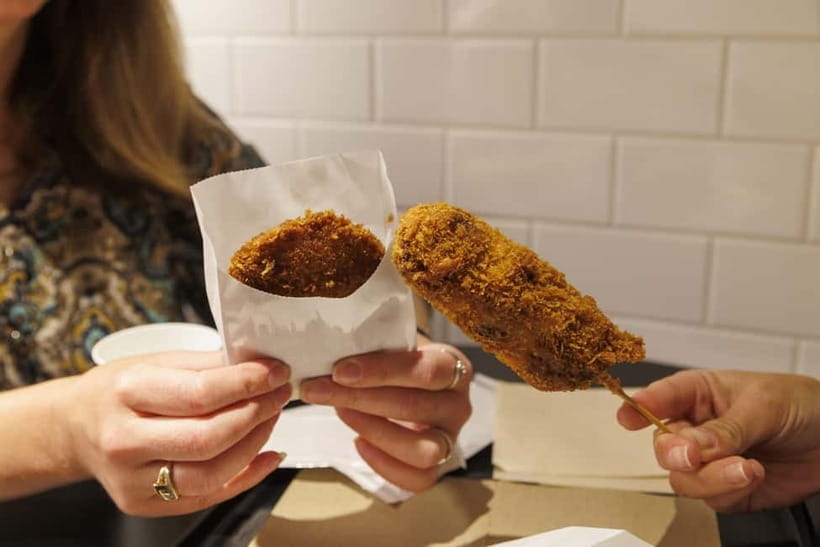
Hamo tempura is another key tasting. Hamo is a type of conger eel used in Kyoto cuisine, and the tempura preparation gives it an approachable form. It was singled out by past participants as a delicious surprise. If you are cautious with unfamiliar seafood, having the guide explain the dish before you taste it makes the experience less intimidating.
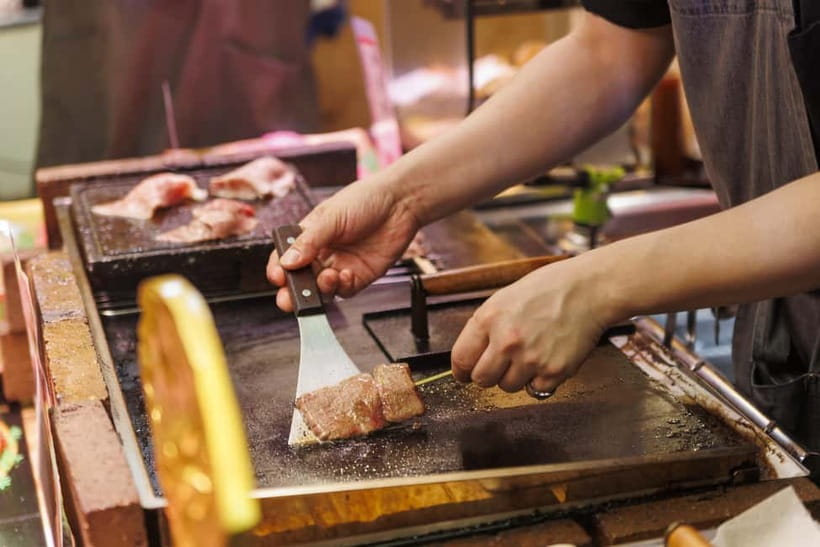
Wagyu steak skewers provide a familiar reference point, though the skewer format keeps the serving small. This is useful because the tour balances foods you may already recognize with bites you probably would not find by accident.
The remaining samples can include Kyoto seasonings, crackers, Japanese-flavored honey, and other market foods. The exact selection may vary, so do not treat the published list as a guaranteed menu for every date. The focus is on trying several small tastes rather than receiving a fixed restaurant-style course.
Bring an open mind, but do not feel pressured to enjoy everything. A good guide can explain a food and encourage you, as Annie did for one participant, while still keeping the mood relaxed. The tour is designed to make new flavors easier to approach, not to turn lunch into a test.
Walking through a 400-year-old market
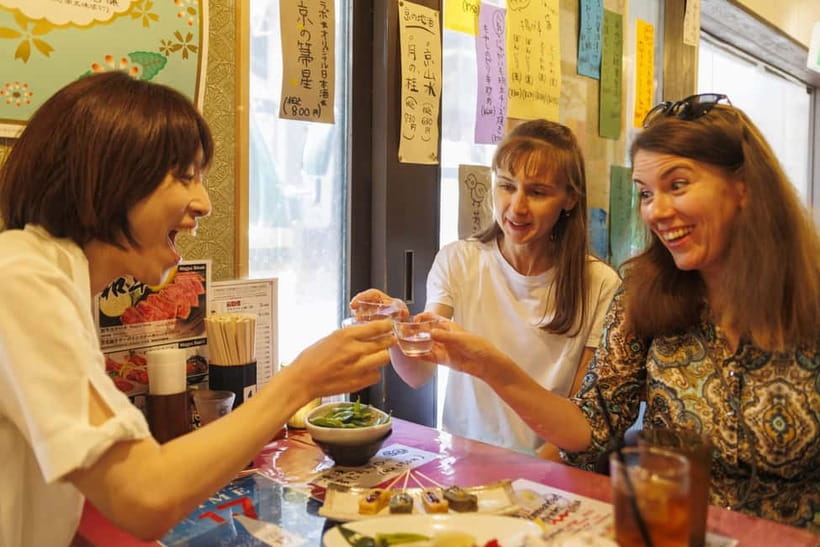
The Nishiki Market portion lasts about 90 minutes according to the planned route. That sounds short until you account for crowded lanes, food stops, questions, and the constant temptation to look into another shop.
The market’s age gives the walk useful context. This is not simply a modern food hall built for sightseeing. Your guide connects the stalls and products with Kyoto’s food customs, local traditions, and daily life. Past participants particularly valued learning why certain foods are sold there and how Japanese cooking differs from one area to another.
You will want comfortable shoes. The route is on foot, and the full outing includes several shopping districts after Nishiki Market. Rain gear is also sensible because the experience continues outdoors between covered areas and nearby sights.
Large bags and luggage are not allowed. That rule is practical in narrow, crowded spaces, but it means you should plan to leave your suitcase elsewhere before meeting the group.
The market can feel crowded, especially when several groups are moving through at once. Miho was praised for keeping a calm pace and helping people navigate the crush. That kind of practical guidance is more valuable than it sounds. You can concentrate on the food instead of worrying about losing the group.
Nishiki-Tenmangu Shrine adds a welcome pause
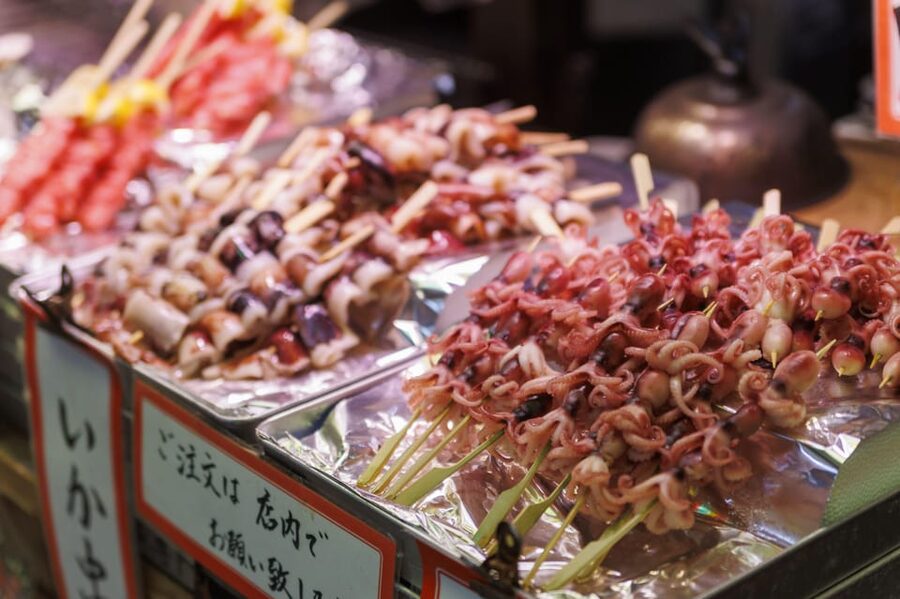
After the market, the walk includes about 10 minutes at Nishiki-Tenmangu Shrine. The shrine gives the tour a change of rhythm after the food stalls and offers a chance to connect Kyoto’s street life with its religious traditions.
The stop is brief, so you should not expect a long shrine visit or an extensive religious lesson. Still, several people appreciated having shrines included rather than spending the entire three hours eating. Guides have used these moments to explain customs, local history, and the meaning of the places along the route.
If you have questions about Japanese shrine etiquette, this is a good time to ask. The guide can provide context as you move through the area, rather than leaving you to guess what you are seeing.
More Market Tours in Kyoto
- Nishiki Market Brunch Walking Tour (7 Tastings + Brunch)
★ 5.0 · 1,355 reviews - Kyoto Nishiki Market Food and Culture Walking Tour
★ 5.0 · 412 reviews - Kyoto: Nishiki Market Tea Ceremony with Koto Performance
★ 4.8 · 294 reviews - Kyoto: Nishiki Market Brunch Walking Tour-7 Tastings+Brunch
★ 4.8 · 197 reviews
Shinkyogoku and Teramachi: Kyoto after the tastings
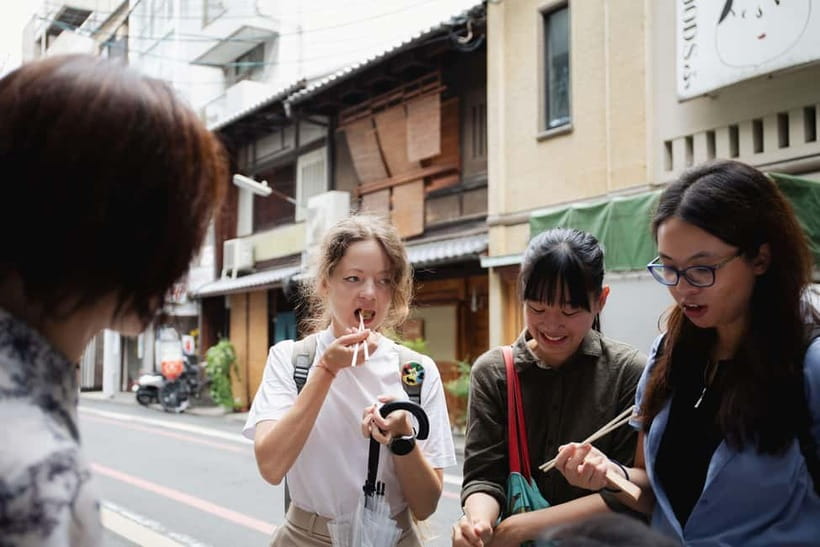
The route continues into Shinkyogoku Shopping Arcade for roughly 45 minutes, followed by about 30 minutes around Teramachi Street Shopping District. These sections make the outing feel like more than a market crawl.
Shinkyogoku brings you into Kyoto’s shopping scene. You may browse shops and notice how the arcade differs from Nishiki’s food stalls. The time is guided, but it also includes shopping and sightseeing, so you can ask for suggestions or note places to return to later.
Teramachi adds another layer of city life. The arcades and streets around Nishiki are close together, yet each area has its own feel. A guide can point out useful stops and explain how the districts fit into central Kyoto.
The itinerary also includes a shorter stop described as a less obvious local point of interest. The exact place is not specified, so you should think of this as an extra guided pause rather than a major named attraction. It may be the kind of stop you would walk past without knowing why it matters.
The route is well suited to your first day in Kyoto. You get food, shopping streets, a shrine, and practical orientation in one outing. Guides have also suggested other places to visit afterward, including advice tailored to the rest of the day.
What the guides do especially well
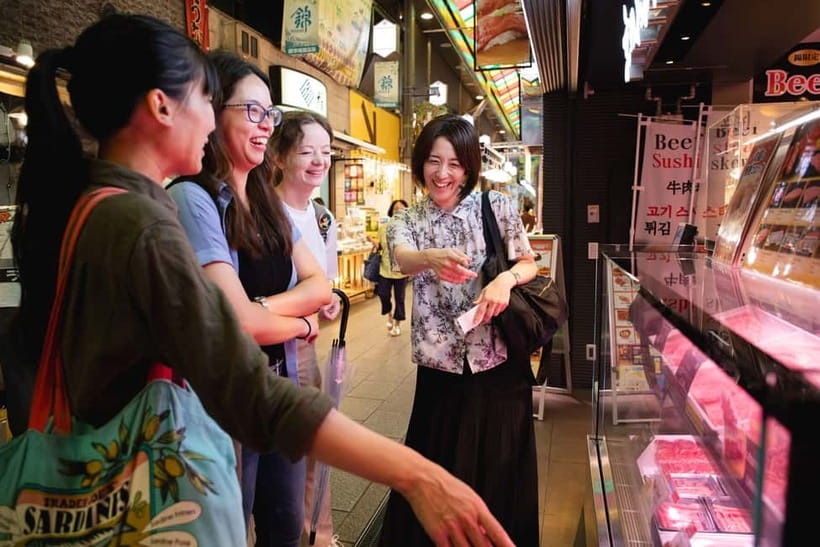
The strongest part of this experience is the human element. The food matters, but the guide determines how much you get from it.
Several guides have been praised for combining food knowledge with wider cultural explanation. Takuma, for example, was valued for his restaurant experience and his ability to explain both Japanese cuisine and the history of products sold in the market. Saki was praised for noticing what the group liked and finding good versions of those foods.
That personal attention is easier with six people or fewer. You can ask why a dish is served in a certain way, how a seasoning is used, or what a shrine custom means. Guides such as Toshi, Yume, Ayu, and Satomi were also praised for friendliness, clear explanations, and patience.
The English-language quality appears to be a strong point. Takuma was specifically praised for excellent English, while other guides were described as easy to understand and happy to answer questions. The experience will still vary somewhat by guide, as any small-group tour does, but the pattern is encouraging.
One practical warning: make sure you confirm the meeting point carefully. There are three possible starting locations, and one person found the meeting instructions confusing. A guide waited and helped, but you should still allow time to locate the correct spot.
Is $78 a fair price?
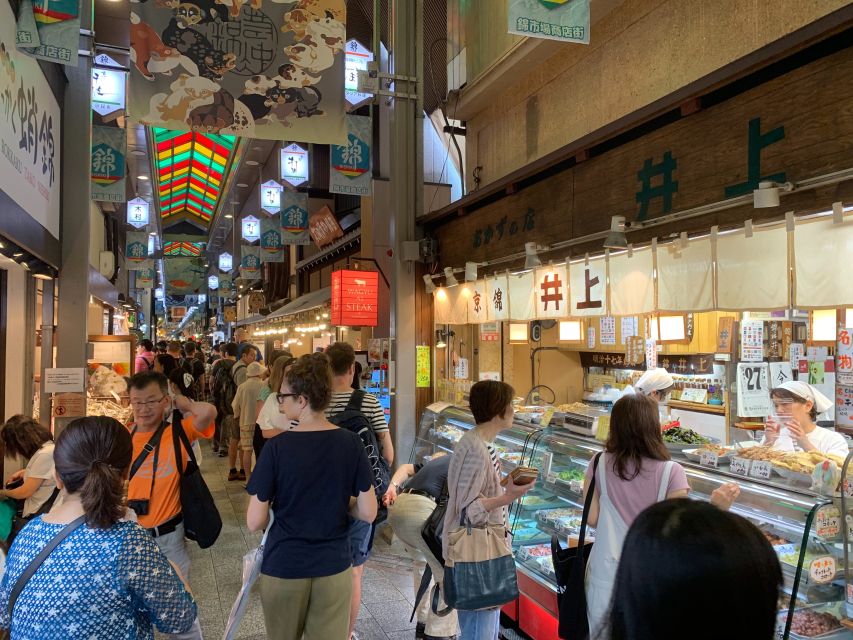
At $78 per person, this is not the cheapest way to eat at Nishiki Market. You could buy snacks on your own for less, especially if you are comfortable reading menus, comparing stalls, and deciding what to try.
The value comes from the guidance and the range. Five selected foods, several additional tastings, explanations of Kyoto food traditions, and a three-hour walk add up to more than a simple snack budget. You are also paying to avoid the uncertainty of choosing among about 130 stalls.
The price makes the most sense if you are new to Kyoto, enjoy asking questions, or want to try foods you would not order alone. It is less compelling if you already know Nishiki Market well, speak Japanese comfortably, or prefer to browse at your own speed.
The advertised duration is three hours, though the complete route can take closer to three and a half hours depending on the pace and group. One older account described an even longer outing, but you should plan around the stated duration rather than assume extra time.
The optional tea ceremony after the market
You can choose an add-on tea ceremony that begins at 2:00 PM. It is held near Nishiki Market, but you must make your own way from the food tour to the tea ceremony venue.
The session lasts 90 minutes. It begins with professional kimono dressing, followed by a traditional tea ceremony led by a tea master. You learn the meaning of the movements and gestures, then have time for commemorative photographs in a traditional setting.
This is a useful addition if you want a more formal cultural activity after the informal market walk. It also changes the shape of the day, so check the start time carefully before booking. The tea ceremony is not simply an extension of the food walk. It is a separate experience at another venue.
Who should book this Kyoto food tour?
I would recommend it to first-time Kyoto visitors, solo visitors, couples, families with older children, and anyone who feels overwhelmed by Japanese market food. One family included an 11-year-old who enjoyed trying new dishes, and another group of adults and tweens appreciated the patient pace.
It also works well for people who want culture with their food. You are not spending three hours rushing from one sample to another. You visit a shrine, walk through shopping districts, and hear about Japanese customs along the way.
I would not choose it if you need strict dietary control. The operator says it cannot accommodate vegetarian, halal, kosher, gluten-free, or allergy-related requests. It is also unsuitable for wheelchair users and people with mobility impairments, and the walking route requires comfortable shoes.
Cancellation is flexible up to 24 hours before the start for a full refund, and you can reserve now and pay later. The meeting point varies by booking option, so check that detail before setting out.
Should you book the Nishiki Market food tour?
Book it if you want a friendly introduction to Kyoto food without having to decode every stall yourself. The combination of five tastings, a small group, nearby shrines, shopping arcades, and an English-speaking local guide gives you a useful first look at central Kyoto.
The best reason to go is not simply the wagyu or hamo. It is the confidence you gain afterward. Several people returned to Nishiki Market alone because the guide had shown them how to approach the food and the shops.
Skip it if you already know Nishiki Market well, want a full sit-down meal, or have dietary restrictions the tour cannot handle. For most curious first-time visitors, though, $78 buys a pleasant introduction to Kyoto’s food culture and a head start on exploring the city independently.
FAQ
How long does the Nishiki Market food tour last?
The advertised duration is three hours, with availability shown by starting time. The planned walking route totals about 165 minutes of stops, and the complete experience may take around three to three and a half hours depending on the group and walking pace.
How many people are in the group?
The tour is limited to six participants, making it a small-group walking experience. Some bookings may have fewer people.
What foods are included?
The included tastings feature yuba, obanzai local home cooking, hamo tempura, wagyu steak skewers, and other local bites. Additional samples can include Kyoto seasonings, crackers, and Japanese-flavored honey.
Is this a full lunch?
No. The experience is built around several food tastings while walking through Nishiki Market and nearby areas. You may want to plan another meal if you need a full sit-down lunch.
Can dietary restrictions be accommodated?
No. The tour cannot accommodate vegetarian, halal, kosher, gluten-free, or allergy-related dietary requests.
Is the tea ceremony included?
It is included only if you select the tea ceremony option when booking. The 90-minute ceremony begins at 2:00 PM near Nishiki Market, and you must travel to the venue yourself after the food tour.
What should I bring?
Wear comfortable shoes and bring rain gear. Pets, luggage, and large bags are not allowed.
More Shopping Tours in Kyoto
- Kyoto: Nishiki Market and Depachika Food Tour with a Local
★ 4.7 · 76 reviews - Kyoto: Nishiki Market Tour with a Local Foodie & Tastings
★ 4.5 · 67 reviews - Nishiki Market Lunch Tour
★ 5.0 · 47 reviews - Nishiki Market Food Tour with Cooking Class
★ 4.9 · 42 reviews
Just added around Kyoto
- Kyoto: Gion Night Walking Tour with Geisha Insight★ 5.0 · 39 reviews
- Kyoto: Private Customizable Day Trip by Car★ 5.0 · 38 reviews
- Kyoto: Full Day Bike Tour★ 4.9 · 39 reviews
- Private Japanese Calligraphy in Kyoto – Learn Shodō with a Master★ 5.0 · 39 reviews
- Experience a tea ceremony in an authentic tearoom, in Kyoto!★ 4.5 · 41 reviews
- Kyoto: Gion Evening Walk with Hidden Gems, Geisha & Sake★ 5.0 · 41 reviews
- Kyoto Private Photo Shoot & Tour by SnapKyoto★ 5.0 · 41 reviews
- The Way of Tea: Kyoto Crafts, Hidden Temples & Wabi-Sabi Walk★ 5.0 · 41 reviews
Food & Drink, compared.
Shinjuku Food Tour (13 Dishes at 4 Local Eateries)
Read our review →
Tokyo Tsukiji Fish Market Food and Culture Walking Tour
Read our review →
Shinsekai Food Tour with 13-15 Dishes at 5 Eateries
Read our review →
Osaka Food Tour: 13 Dishes at 5 Local Eateries
Read our review →
Shinjuku Food Tour (15 Dishes and 4 Eateries)
Read our review →
Best of Shinjuku: Izakaya Food Tour (4 Stops, 14+ Tastings)
Read our review →
Kyoto Night Foodie Tour in Gion (9+ dishes + 6 Sake tastings)
Read our review →
Hungry Osaka Street Food Tour:15 Tastings & 3 Drinks with a Local
Read our review →Browse the lists this tour appears in