
Reviewed · GEISHA & GION DISTRICT TOURS
Kyoto: Meet the Geisha Maiko with Gion Walking Tour
Gion keeps its best stories behind closed doors. This Kyoto tour pairs a 70 to 80 minute walk through Gion with an intimate visit to a private ochaya, or traditional teahouse venue, where you meet a maiko and a former geiko. I love the combination of street-level context and personal conversation, and I especially like that the visit includes a live performance, questions, and photographs rather than a quick staged encounter.
The other strong point is the guiding. Guides such as Mika, Naomi, Takuma, Tom, Chiko, Ayako, and Eric have been praised for clear English, local knowledge, and patient interpreting. My main caution is timing: the advertised duration is 3 to 5 hours, and the performance itself may last less than five minutes, with much of the remaining time devoted to conversation. That is valuable, but you should not book this expecting a full evening show.
In This Review
- Key points to know before booking
- Why this Kyoto experience feels different
- Starting in Gion, with two meeting-point choices
- Shirakawa Canal: a gentle introduction to Gion
- Tatsumi-jinja Shrine and Hanamikoji Street
- Gion Corner and Kenninji Temple
- Miyagawasuji leads to the private meeting
- The maiko performance and question period
- Photos, etiquette, and cultural respect
- Is the $106 price fair?
- The guides shape the experience
- Who should book this Gion tour?
- Practical tips for a smoother visit
- FAQ
- How long does the Kyoto maiko and Gion tour last?
- What is included in the experience?
- Can I take photos or videos?
- Do I need to bring anything special?
- Is the tour accessible to wheelchair users?
- Can children join the experience?
- Should you book it?
Key points to know before booking
- The private teahouse meeting is the main event: You meet a working maiko and a former geiko in a setting generally closed to casual visitors.
- The performance is short but meaningful: Expect one or two traditional dances, followed by a longer question-and-answer session.
- The Gion walk adds useful context: Shirakawa Canal, Tatsumi-jinja Shrine, Hanamikoji Street, Gion Corner, Kenninji Temple, and Miyagawasuji help explain where this traditional culture takes place.
- Photography has strict limits: Photos and video are allowed only during the performance and designated photo session. Ask the maiko directly before posting any image online, and do not post video.
- Bring socks: You must wear socks inside the performance venue, and the second-floor room is reached by stairs.
- The optional kimono choice changes the meeting plan: After dressing, you walk about three minutes from the rental shop to the Izumo-no-Okuni statue, where the guide meets you.
Why this Kyoto experience feels different
Kyoto offers plenty of cultural shows, but the geisha world is not something you can simply wander into. Traditional teahouses often operate through private introductions and membership arrangements, which is why the chance to enter an ochaya-style venue matters.
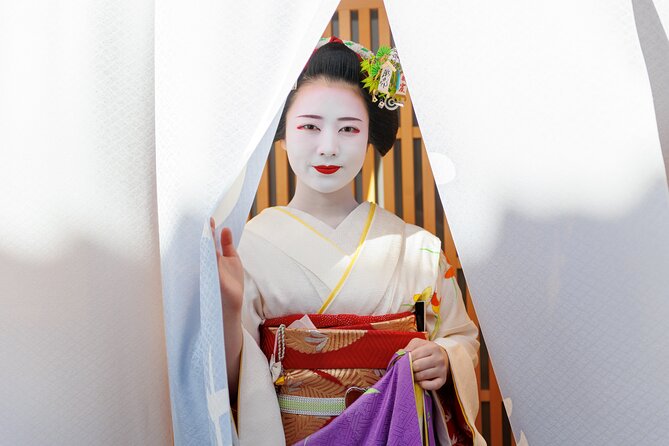
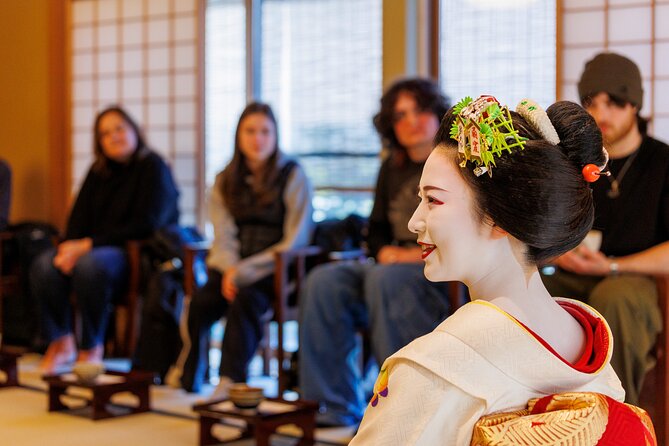
Here, you are not only watching a performer from across a large theater. You see a maiko arrive in formal dress, watch her dance at close range, and have time to ask about her life and training through the guide. A former geiko and the venue owner add another point of view, giving you a sense of how the tradition is taught, maintained, and experienced by people who have lived within it.
I also appreciate the balance between observation and conversation. The makeup, kimono, hairstyle, music, and dance are striking, but the questions afterward give those details meaning. You can ask about daily life, the path from maiko to geiko, and the customs behind the performance.
The experience has earned a 4.8 rating from 371 bookings, and the praise is remarkably consistent. The most admired elements are the maiko’s performance, the friendly guides, and the chance to speak with both a maiko and a former geiko. Those are the parts that justify the price.
More Walking Tours in Kyoto
- Kyoto Geisha Walking Tour: Gion District & Hidden Gems
★ 4.7 · 3,273 reviews - Kyoto: Gion Magical Night Walking Tour with Geisha Trivia
★ 4.9 · 2,393 reviews - Kyoto: Gion Geisha District Walking Tour – Stories of Geisha
★ 4.7 · 2,187 reviews
Starting in Gion, with two meeting-point choices
You have two possible starting locations: the statue of Izumo-no-Okuni, near the Gion-Shijo area, or the Wargo Kyoto Kimono Rental Gion-Shijo store if you select the kimono option.
Read your confirmation carefully because the exact meeting point depends on the option you choose. If you rent a kimono, you change at the shop and then make the short walk to the Izumo-no-Okuni statue by yourself. The guide waits there, so allow a few extra minutes and do not assume the group begins inside the rental store.
The kimono option can add fun and color to the walk and photo session. One visitor particularly enjoyed being dressed traditionally while learning about maiko and geiko life. Still, a kimono is not required for the core experience, and you should choose it because you want the clothing experience, not because you think it is necessary for entry.
Shirakawa Canal: a gentle introduction to Gion
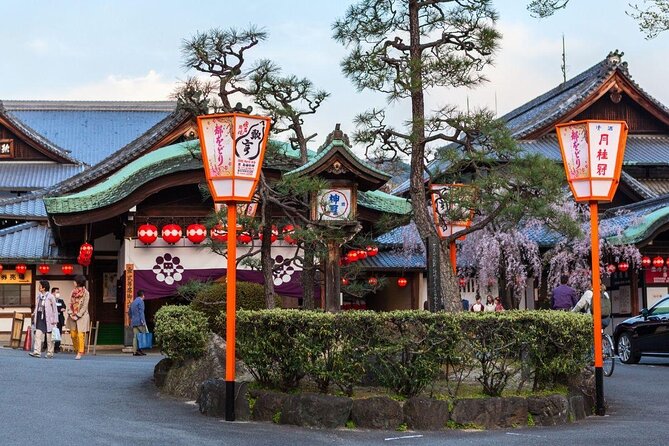
The walk begins around the Shirakawa Canal, one of the prettiest parts of Gion. The waterway, narrow streets, wooden facades, and quiet atmosphere give you an immediate sense of the district’s older character.
Your guide uses this first section to explain the difference between maiko and geiko and to place their work within Kyoto’s entertainment districts. This is a useful start because many visitors use the two terms interchangeably, while the tour focuses on the stages and traditions behind them.
The walk lasts about 30 minutes at this point. Wear comfortable shoes, especially if you are also dressed in a kimono. In summer, the heat can make the walk tiring. One person specifically wished for a café break on a very hot day, so bring water and plan for the weather.
Tatsumi-jinja Shrine and Hanamikoji Street
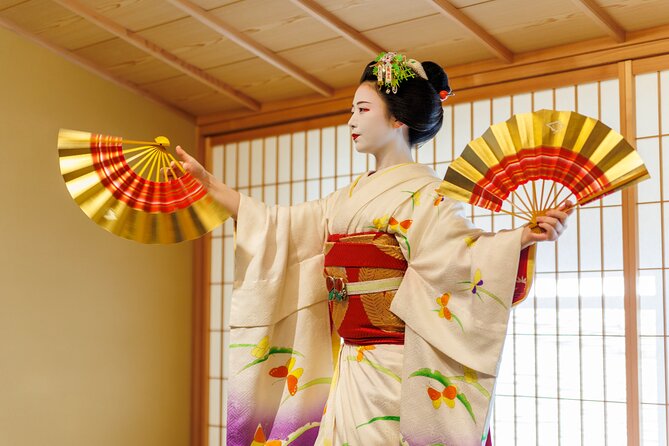
The stop at Tatsumi-jinja Shrine is brief, about five minutes. It is not a long shrine visit, but it adds a small spiritual pause to the route and helps show how religious sites and entertainment streets sit close together in central Kyoto.
Next comes Hanamikoji Street, where the guide spends about 10 minutes. This is one of Gion’s best-known lanes, with traditional-looking buildings and a strong connection to the district’s public image. Your guide can explain what you are seeing and point out the difference between streets designed for visitors and the less visible places where performers live and work.
The walk is not meant to replace a full Gion sightseeing day. It gives you a compact introduction before the private meeting. If you have already taken another Gion walk, some information may feel familiar, although the guide may explain the subject from a more direct geisha-focused angle.
More geisha district walks in Kyoto:
- Best of Kyoto: Gion, Geisha, Pagodas & Cobblestones
★ 4.9 · 2,058 reviews - Night Walk in Gion: Kyoto’s Geisha District
★ 4.5 · 2,003 reviews - Kyoto Night Foodie Tour in Gion (9+ dishes + 6 Sake tastings)
★ 5.0 · 1,762 reviews - Kyoto Gion Geisha District Walking Tour – The Stories of Geisha
★ 5.0 · 1,441 reviews
Gion Corner and Kenninji Temple
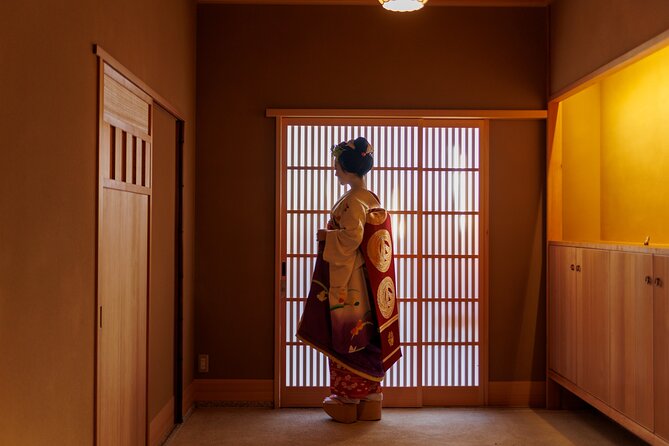
Gion Corner appears as another guided stop, followed by Kenninji Temple. The temple visit includes sightseeing, a photo stop, and about 15 minutes of explanation.
Keep your expectations measured here. The temple is part of the route, but this is not a full temple tour with extensive time inside. One person found the brief look disappointing after expecting a more complete visit. If Kenninji is high on your Kyoto list, visit it separately when you have time to explore at a slower pace.
That said, the stop works well as part of the larger route. The guide connects the temple, traditional streets, and performing arts districts, helping you see Gion as more than a collection of picturesque lanes. The value is in the connection between places, not in checking off Kenninji as a major sightseeing stop.
Miyagawasuji leads to the private meeting
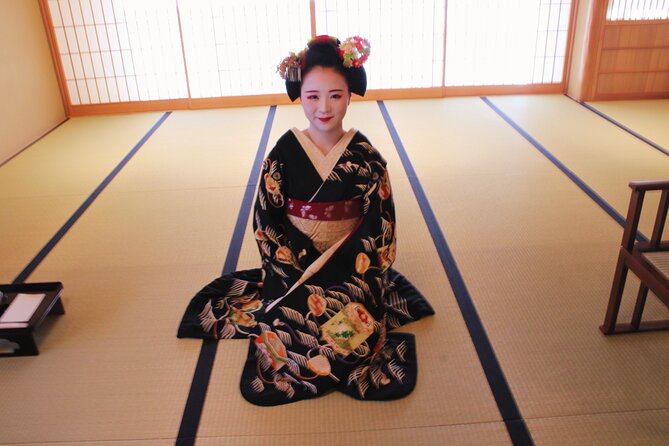
The walking portion ends at Miyagawasuji, another of Kyoto’s traditional flower districts. Here the tone changes. You leave the public streets and enter the private venue for about 90 minutes.
The room is on the second floor of an exclusive private house, and you can reach it only by stairs. This makes the experience unsuitable for wheelchair users and people with mobility impairments. Children under 10 are also not allowed.
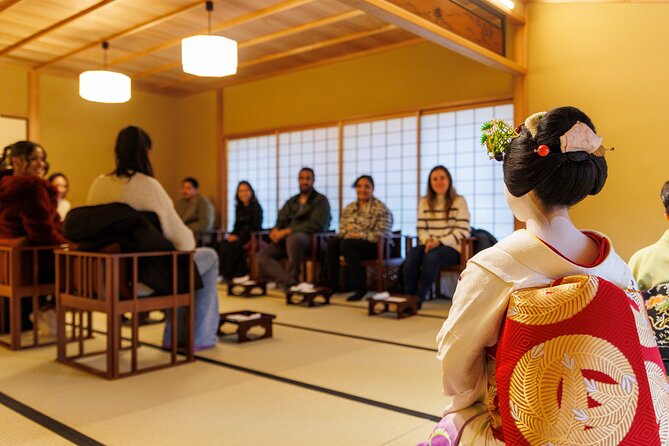
Inside, the atmosphere is much more personal than a theater performance. You meet a maiko and a former geiko, with the venue owner also taking part in the conversation. Depending on the session, the exchange can include explanations of the house, the performers’ lives, and the customs surrounding their work.
The venue is a shoes-off setting, so socks are mandatory. On rainy days, do not arrive in wet socks or wet clothing. Use an umbrella during the walk and give yourself time to dry off or change if needed.
The maiko performance and question period
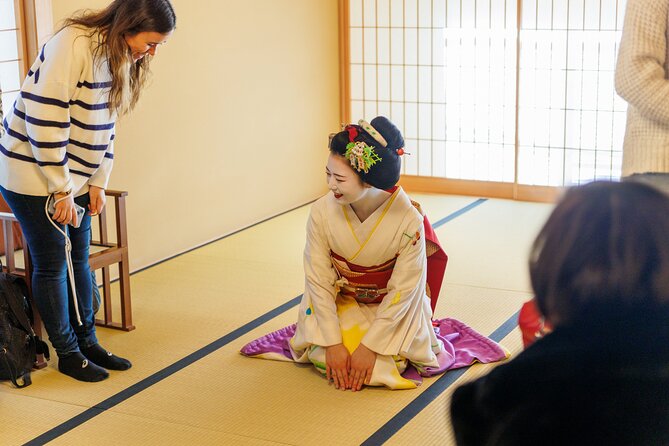
The live performance includes one or two dances. This is the visual centerpiece of the experience, and it can be surprisingly powerful because you are close enough to notice the controlled movement, formal posture, costume, and careful use of space.
Keep the length in mind. The dance may take less than five minutes, particularly if there is one performance. The rest of the 90-minute meeting is built around conversation and questions. I see this as a strength if you want understanding rather than a quick photo opportunity, but it may disappoint you if you expect a long stage program.
The former geiko and venue owner help fill out the picture. A guide translates questions and answers, which is important because the quality of the exchange depends heavily on interpretation. English ability varies by guide, but several guides have been praised for translating carefully and explaining cultural points in a clear, calm way. Tom, for example, has been singled out for fluency in English, German, and Japanese, while Mika and Naomi have been praised for warmth and patience.
The Q&A is where the tour becomes more than a performance. You can ask about training, the distinction between maiko and geiko, the customs of the district, and the performers’ experiences. Do not treat the session like a celebrity interview. Thoughtful, respectful questions work best.
Photos, etiquette, and cultural respect
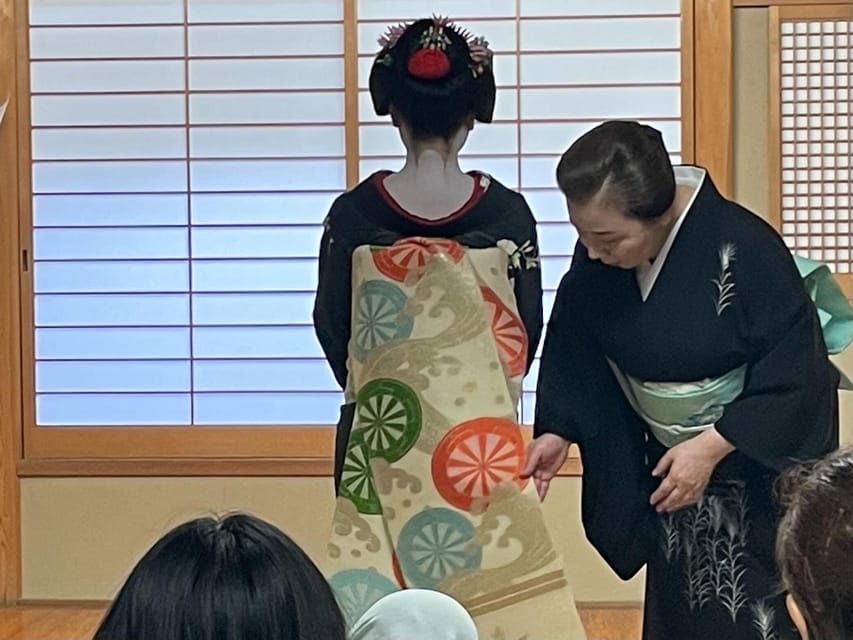
Photography and video are allowed only during the performance and the photo session. Keep your camera away during the conversation unless the guide says the photo period has begun.
You may take a personal photo with the maiko, which is one of the included features. If you are wearing a kimono, the guide can help you find a flattering position and angle. Still, ask directly before uploading any photograph online. You may not upload video at all.
This rule matters because the setting is private and the performers are working. The tour gives you access, but access does not remove the need for restraint. Put the camera down during the conversation, listen closely, and let the performance happen without constant phone screens in the room.
Is the $106 price fair?
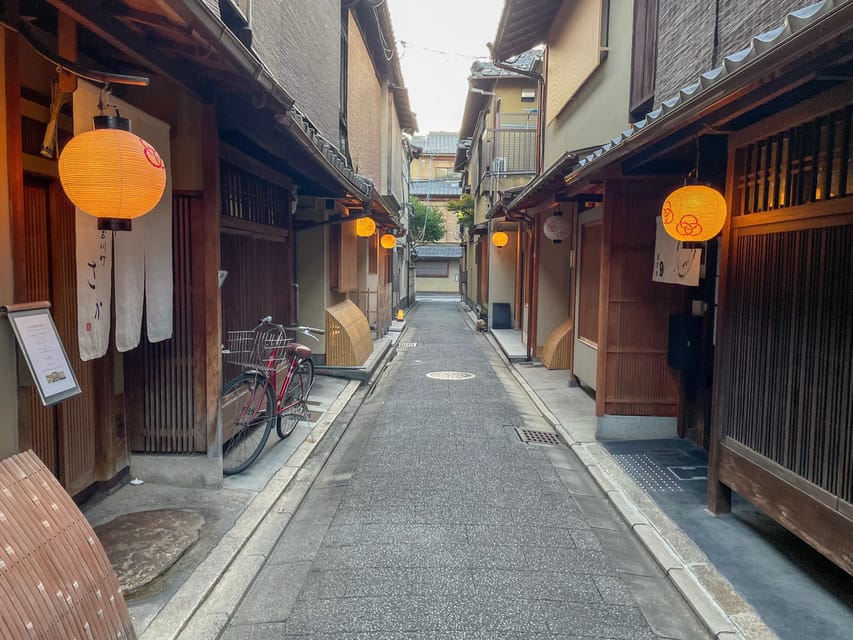
At $106 per person, this is not a cheap walking tour. You are paying for a local English-speaking guide, roughly 70 to 80 minutes of walking, entry to a private venue, a live performance, a long conversation, a Q&A, and a photo session.
The price makes sense if you value access and interpretation. A standard Gion walk can show you the streets, but it cannot normally get you into a private teahouse to meet a maiko and former geiko. The performance alone is brief, so the value rests on the full meeting and the rarity of the setting.
Small groups improve the experience. A group of seven was described as especially comfortable, since everyone had a chance to see the dance and ask questions. Group size can vary, so check the option when booking if an intimate setting is important to you.
The duration is listed as 3 to 5 hours. That broad range is worth taking seriously. The walk, transition, conversation, and photo session can run longer than expected, and one person nearly became anxious about catching a train because the activity ended later than anticipated. Do not schedule a tight bullet train departure immediately afterward.
Free cancellation up to 24 hours before the start and the option to reserve now and pay later make the booking less risky. However, organizer-related cancellations do not cover incidental hotel or train costs, so keep your wider schedule flexible.
The guides shape the experience
The route is useful, but the guide is the person who makes it work. You need someone who can explain Kyoto without turning every stop into a lecture, manage the group through busy streets, and translate personal answers accurately.
Several guides receive especially warm praise. Mika is described as gentle, patient, and helpful in hot weather. Naomi is praised for storytelling and strong English. Takuma brings energy and enthusiasm, while Tom is valued for his language skills and careful translation. Chiko, Ayako, Eric, Yuko, and Ellie are also praised for clear explanations and friendly manner.
Because this is an English tour, explanations may vary slightly from one guide to another. That is normal in a cultural experience built around conversation. The strongest guides appear to be those who encourage questions and give enough background without dominating the meeting.
Who should book this Gion tour?
I recommend it most strongly if you have a genuine interest in Japanese performing arts, Kyoto’s traditional districts, or the real lives behind the geisha image. It is also a good choice if you want a cultural experience that feels less predictable than visiting a major temple or watching a large stage show.
You should book with realistic expectations. The walking tour is relatively short, Kenninji is only a brief stop, and the dance may be under five minutes. The heart of the activity is the conversation afterward.
This tour is less suitable if you dislike stairs, cannot walk comfortably for more than an hour, need wheelchair access, or must catch a train at a fixed time. It is also not suitable for children under 10.
Practical tips for a smoother visit
- Bring clean, dry socks, even if you are wearing shoes for the walk.
- Wear comfortable footwear unless you choose the kimono option.
- Carry an umbrella in uncertain weather. The activity runs rain or shine.
- Avoid wet clothes and socks at the private venue.
- Prepare two or three respectful questions in advance.
- Allow extra time beyond the shortest advertised duration.
- Ask before posting any maiko photograph online.
- Do not record video for online use.
- If you choose the kimono option, follow the separate meeting instructions after changing.
- Treat the private house as someone’s workplace, not a photo studio.
FAQ
How long does the Kyoto maiko and Gion tour last?
The activity lasts about 3 to 5 hours. The Gion walk takes roughly 70 to 80 minutes, and the meeting with the maiko and former geiko takes about 90 minutes. The total time can run longer than expected on some days.
What is included in the experience?
The price includes an English-speaking local guide, the Gion walking tour, the private maiko meeting, one or two live dances, conversation with a maiko and venue owner, a Q&A session, and a photo session with the maiko.
Can I take photos or videos?
Photography and video are allowed only during the performance and the photo session. Ask the maiko directly before uploading photographs online. Videos cannot be uploaded online.
Do I need to bring anything special?
You must bring or wear socks because socks are required at the performance venue. On rainy days, arrive with dry socks and dry clothing, and use an umbrella during the walk.
Is the tour accessible to wheelchair users?
No. The private performance takes place on the second floor of a private house and is accessible only by stairs. The experience is not suitable for wheelchair users or people with mobility impairments.
Can children join the experience?
Children under 10 are not allowed to participate. The activity is intended for older children and adults who can manage the walking route and follow the venue’s etiquette rules.
Should you book it?
Book this tour if you want a rare, personal look at Kyoto’s geisha tradition and are happy to spend more time talking than watching. The brief dance is beautiful, but the real value comes from entering a private venue, hearing firsthand stories, and asking questions through a skilled guide.
Skip it if you want a long theatrical performance, a full Kenninji Temple visit, or a tightly timed half-day outing. For the right audience, though, the combination of Gion streets, careful interpretation, and direct contact with a maiko and former geiko makes this one of Kyoto’s more memorable cultural experiences.
Just added around Kyoto
- Kyoto: Gion Night Walking Tour with Geisha Insight★ 5.0 · 39 reviews
- Kyoto: Private Customizable Day Trip by Car★ 5.0 · 38 reviews
- Kyoto: Full Day Bike Tour★ 4.9 · 39 reviews
- Private Japanese Calligraphy in Kyoto – Learn Shodō with a Master★ 5.0 · 39 reviews
- Kyoto: Gion Evening Walk with Hidden Gems, Geisha & Sake★ 5.0 · 41 reviews
- Experience a tea ceremony in an authentic tearoom, in Kyoto!★ 4.5 · 41 reviews
- Kyoto Private Photo Shoot & Tour by SnapKyoto★ 5.0 · 41 reviews
- The Way of Tea: Kyoto Crafts, Hidden Temples & Wabi-Sabi Walk★ 5.0 · 41 reviews
Geisha & Gion District Tours, compared.
Kyoto Geisha Walking Tour: Gion District & Hidden Gems
Read our review →
Gion Magical Night Walking Tour with Geisha Trivia
Read our review →
Gion Geisha District Walking Tour – Stories of Geisha
Read our review →
Best of Kyoto: Gion, Geisha, Pagodas & Cobblestones
Read our review →
Kyoto Night Foodie Tour in Gion (9+ dishes + 6 Sake tastings)
Read our review →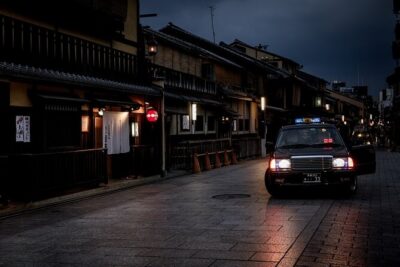
Kyoto Gion Geisha District Walking Tour – The Stories of Geisha
Read our review →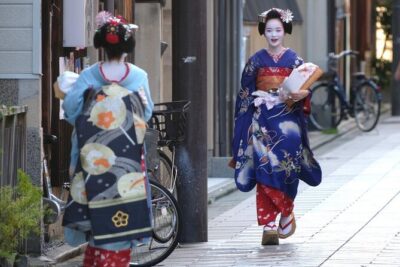
Kyoto Gion: 2-Hour Geisha Culture & History Walking Tour
Read our review →Browse the lists this tour appears in