
Reviewed · WALKING TOURS
Nagasaki: Private Walking Tour with a Local
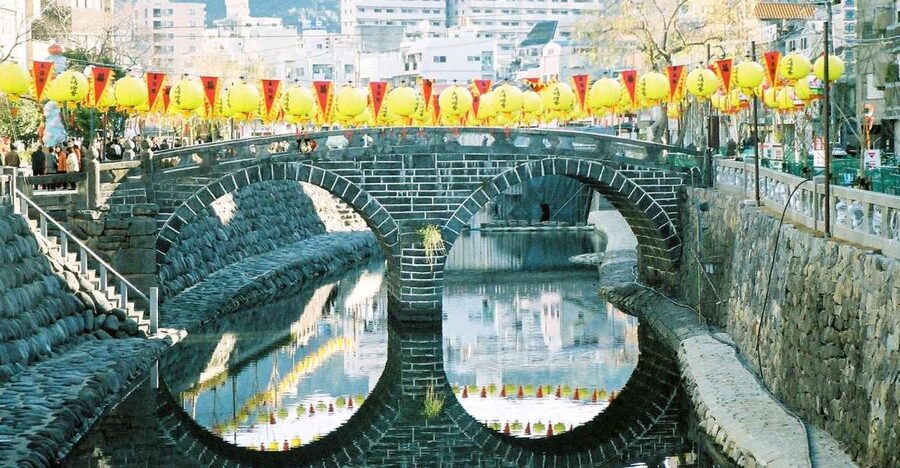
Nagasaki rewards curious walkers. This private tour lets you shape the day around your interests, from the Atomic Bomb Museum and Peace Park to quiet cafés, local food, or less familiar corners. I like the one-to-one format and the way your guide can meet you at a hotel, landmark, café, or another central spot. I also like that guides such as Yuki, Suniff, Masaaki, and Senyo have added personal stories rather than simply reciting facts.
The main drawback is also the tour’s defining feature: there is no fixed route. If you want a polished, preplanned sightseeing circuit, you may need to do some homework first or tell your guide clearly what you want to see. The experience is best when you arrive with a few priorities and remain open to local suggestions.
In This Review
- Key points at a glance
- A private introduction to Nagasaki
- Meeting your guide in central Nagasaki
- Atomic Bomb Museum and Peace Park
- Dejima, trams, and the city’s wider story
- The ropeway and scenic views
- Food, cafés, shopping, and everyday Nagasaki
- Guides who make the difference
- How much time do you need?
- Is $82 a fair price?
- Who will enjoy this private walk?
- Practical tips for getting the best day
- Should you book it?
- FAQ
- How long does the Nagasaki private walking tour last?
- Where can the guide meet me?
- Is the tour private?
- Is transportation included?
- Are attraction entrance fees included?
- Is the tour suitable for children and wheelchair users?
Key points at a glance
- A private route shaped around you: Choose history, food, shopping, street life, scenic views, or a mix.
- Strong help with Nagasaki’s difficult history: Guides can take you to the Atomic Bomb Museum and Peace Park and explain the sites in human terms.
- Useful for cruise passengers: Guides have met visitors at the cruise terminal and adapted plans when ships docked elsewhere.
- Three to six hours of flexible time: A shorter outing can cover key sights, while a longer one allows for food, shopping, and public transport.
- Local advice you can use afterward: Expect tips on restaurants, cafés, shopping areas, routes, and how to spend the rest of your day.
- A walking tour with extra costs: Admission, meals, drinks, taxis, trams, and other transport are not included.
A private introduction to Nagasaki
Nagasaki is not a city I would approach with a rigid checklist. Its story reaches from international trade and Christian influence to wartime memory, hillside views, and everyday neighborhoods. The city’s sights are spread out enough that a little local guidance can save time and help you understand what you are seeing.
This tour gives you a local guide for three to six hours. You can arrive with a clear wish list, a half-formed idea, or no plan at all. Your guide may focus on major landmarks, show you a favorite café, explain street art, suggest a seafood restaurant, or help you work out the best way to continue on your own.
That flexibility matters most for repeat visitors and people with special interests. A first-time visitor can ask for the essential sights. A history-minded visitor can request the Atomic Bomb Museum and Peace Park. Someone who has already seen those places can ask for neighborhood walks, food, shopping, or scenic views instead.
The experience is private, so you are not adjusting your pace to a large group. You can stop for questions, spend longer at a place that matters to you, or change direction when the weather, your energy, or your curiosity calls for it.
More walking tours in Japan:
- Kyoto Geisha Walking Tour: Gion District & Hidden Gems
★ 4.7 · 3,273 reviews - Tokyo Tsukiji Fish Market Food and Culture Walking Tour
★ 5.0 · 3,184 reviews - Kyoto: Gion Magical Night Walking Tour with Geisha Trivia
★ 4.9 · 2,393 reviews
Meeting your guide in central Nagasaki
The meeting point can be arranged at a preferred location near the city center. The stated options include the Statue of Dr. Sun Yat-sen, Umeya Shōkichi and Toku, and the Nagasaki Atomic Bomb Museum. A hotel, well-known landmark, or quiet café may also work if it is in or near the center.
For cruise passengers, confirm the meeting point carefully before the day begins. One guide met a visitor at the cruise terminal, which made the start much easier. Another tour was altered after the ship docked in Sasebo instead of Nagasaki, with the guide changing the plan to fit the new port.
That kind of flexibility is valuable, but it is not a reason to skip communication. Send your arrival details, your available hours, and any must-see places before you meet. If you need to return to a ship or train, say so at the start. Your guide can then build a sensible route instead of trying to squeeze in too much.
Atomic Bomb Museum and Peace Park
For many visitors, Nagasaki’s central purpose is to understand the atomic bombing and its human cost. The Atomic Bomb Museum and Peace Park offer the city’s most important places for that subject, and several guides have included both during a three-hour visit.
These stops need time and care. A quick photo stop may be enough for one person, while another may want to read displays, ask questions, and pause in Peace Park. Tell your guide how much time you want inside the museum. Admission is not included, and if you ask your guide to enter an attraction with you, you must cover the guide’s admission as well.
The benefit of having a local beside you is not just historical information. The subject can be difficult to process, and a guide can help connect the sites to Nagasaki today. Senyo was praised for his explanation of the city’s wartime history and the meaning of the museum and Peace Park. Masaaki also helped explain things that would have been harder to understand while navigating alone.
Do not assume this will be a formal academic lecture. The quality depends on the individual guide and on the questions you bring. One older assessment suggested that some guides would benefit from more shared background material and suggested routes. That is useful advice. If historical detail is your main reason for booking, ask in advance for a guide comfortable with that subject and request the museum and Peace Park specifically.
Dejima, trams, and the city’s wider story
Nagasaki’s history is not limited to the twentieth century. The city was a major point of contact between Japan and the outside world, and Dejima is one of the places you might include when asking for an international history route.
One guide combined the Atomic Bomb Museum and Peace Park with a tram ride to Dejima, then offered suggestions for the rest of the afternoon. That is a good example of how this experience can work. You are not simply walking from one landmark to another. You can use local transport when it saves time, then return to walking for streets, views, cafés, or shopping.
Public transport and taxis are not included, so plan to pay as you go. One guide was willing to balance walking with trams and taxis, which is helpful in a city where slopes and distance can affect your energy. Ask your guide to explain the transport choices before setting off, especially if you have limited time.
The tour remains a walking experience, and comfortable shoes are a must. The guide can adjust the pace, but the description confirms that some walking is expected. Wheelchair access is available, though you should discuss the route and any transport needs before booking.
A few more Japan experiences worth weighing up
- Nagasaki Full-Day Private Tour with Government-Licensed Guide
★ 5.0 · 66 reviews - Nagasaki Half-Day Private Tour with Government-Licensed Guide
★ 5.0 · 53 reviews - Visit Gunkanjima Island (Battleship Island) in Nagasaki
★ 4.0 · 32 reviews
The ropeway and scenic views
The Nagasaki Ropeway can add a scenic side to a serious history visit. Masaaki included it during a three-hour tour along with the Atomic Bomb Museum and Peace Park. The ropeway offers views across the city, making it a useful contrast to the museums and memorial spaces.
Because the ropeway is an optional activity, its cost is not included. Ask about admission and timing before adding it. In a short tour, a ride may reduce the time available for museum exhibits or neighborhood walking. In a longer six-hour plan, it can fit more comfortably alongside other stops.
Scenic views are also mentioned as part of the walk, but the exact outlooks depend on the route your guide creates. Nagasaki’s hills can make a view worthwhile, though they can also make an unplanned walking route tiring. If you prefer level streets or need frequent breaks, say so clearly.
Food, cafés, shopping, and everyday Nagasaki
The most appealing part of this tour may be what happens between the headline sights. Your guide can point out a courtyard café, recommend a restaurant, suggest where to shop, or show you streets you might not find on your own.
One visitor especially enjoyed the lunch stop, describing it as excellent. Another guide took a group to an authentic Japanese seafood restaurant. These examples show the value of asking for food advice, but they do not promise a particular restaurant or meal. Food and drinks are your responsibility, and the guide may suggest places rather than include dining as part of the price.
If you are unsure what to request, tell your guide what you normally enjoy. You might ask for seafood, casual local food, coffee, sweets, a market, or places suitable for children. You can also ask for help choosing a restaurant for later, after the tour ends.
Shopping advice can be just as practical. A local may help you find a useful area, explain what a shop is known for, or point out a place worth revisiting. The experience is not designed as a dedicated shopping tour, so be specific if retail is one of your main goals.
Guides who make the difference
The guide is the product here. The strongest experiences come from people who prepare well, communicate clearly, and treat the walk as a conversation rather than a performance.
Yuki received repeated praise for careful planning, good communication, flexibility, and personal stories. She adjusted routes to suit different interests and showed less familiar parts of Nagasaki. Suniff was praised for adding his own experiences and enthusiasm for his hometown. Senyo was valued for his history explanations and friendly manner.
Other guides named in the feedback include Masaaki, Muhammad, Jun, Rem, Ren, Gloria, Luis, and Meg. The range of experiences suggests a useful point: Lokafy guides are individuals, not a single standardized voice. English is the listed tour language, and several guides were praised for communicating well in English.
You should contact the provider with your interests before the tour. Mention your preferred pace, mobility needs, arrival point, cruise deadline, food interests, and any places you have already visited. This gives the guide something to work with and reduces the risk of spending the whole opening conversation deciding what to do.
How much time do you need?
The tour lasts three to six hours, and the right length depends on your plan.
A three-hour outing can work well for a focused route. You might choose the Atomic Bomb Museum and Peace Park, add Dejima, or combine one major historical area with a short food or neighborhood stop. Masaaki’s three-hour tour included the museum, Peace Park, and the ropeway, showing that a compact route can cover several important places, though entrance and transport time will affect the pace.
Four to five hours gives you more breathing room. You can stop for lunch, use a tram or taxi, and ask your guide to add local streets or shopping. Six hours suits visitors who want a broad introduction or who are arriving without a firm plan.
Do not treat six hours as a challenge to collect as many sights as possible. Nagasaki’s history deserves pauses, and a long route with too many transport changes can feel rushed. I would rather choose two major priorities and leave room for conversation than race through five places.
Is $82 a fair price?
At $82 per person, this is not the cheapest way to see Nagasaki. You still pay for admissions, food, drinks, optional activities, and local transport. For a solo visitor, the price may feel high compared with using a tram and guidebook.
The value improves when two or more people share the experience, since you are paying for a private guide rather than a fixed group departure. You are also buying time saved, route advice, help with transport, and the chance to ask questions throughout the walk.
The tour makes the most sense if you have limited time, are visiting from a cruise ship, want help with the city’s difficult history, or care more about personal attention than a fixed sightseeing list. It is less compelling if you already know Nagasaki well, prefer to explore alone, or want a specialist historian with a guaranteed lecture format.
Remember to budget for extras. Museum admission, the guide’s admission when entering attractions with you, trams, taxis, meals, drinks, and optional activities all sit outside the advertised price.
Who will enjoy this private walk?
I would recommend this tour to first-time visitors who want to get their bearings quickly. A local can help you understand the city’s layout and give you ideas for the rest of your stay.
It also suits repeat visitors who want a different angle. Ask for cafés, street art, local neighborhoods, shopping, food, or personal stories instead of repeating the standard sights.
Families may appreciate the private pace, and children under three join free. Children from three to twelve receive a 50 percent discount. Still, tell the guide the children’s ages and your preferred walking pace so the route can be adjusted.
Cruise passengers are another strong match. A guide can meet you at the terminal or a central location, work around your return time, and help when port plans change. Just confirm the port and meeting point in writing.
The tour may not suit you if you want a fully scripted itinerary, guaranteed attraction access, or a specialist guide with a fixed academic background. The independent format gives you freedom, but it also asks you to take part in planning.
Practical tips for getting the best day
Before booking, make a short list of three things:
- Your top two sights
- One food, café, shopping, or neighborhood interest
- Your latest possible finish time
Send that list to the guide. If you have no plan, ask for a suggested route rather than waiting for the guide to invent the whole day on the spot. One early assessment made this exact point: some people need more direction because they do not yet know Nagasaki.
Wear comfortable shoes and bring enough time for hills, pauses, and transport. If you want the Atomic Bomb Museum, Peace Park, Dejima, or the ropeway, say so early. Admission and optional activity costs are extra.
The tour is wheelchair accessible, but accessibility depends on the route and the transport used. Discuss this ahead of time. You can request a specific starting time, and free cancellation is available up to 24 hours before the tour.
Should you book it?
Book this private Nagasaki walk if you want a flexible introduction, personal conversation, and practical help using the city. It is especially useful for cruise passengers, first-time visitors, families, and people who want both major sights and local suggestions.
I would book it with a clear request, not a blank slate. Ask for the places that matter most, then let the guide add the cafés, food stops, stories, and streets that give the day its character. The 4.7 rating from 79 reviews reflects strong satisfaction, but the experience depends on your individual guide and how well you communicate.
If you want a fixed, highly structured history tour, choose another format. If you want Nagasaki shaped around your questions, your pace, and your appetite, this is a useful and personal way to begin.
FAQ
How long does the Nagasaki private walking tour last?
The tour lasts between three and six hours. You can check available starting times and request a specific time.
Where can the guide meet me?
Pickup is included when the meeting point is in or near central Nagasaki. This may be your hotel, an iconic landmark, a quiet café, or another preferred location. Listed meeting options include the Statue of Dr. Sun Yat-sen, Umeya Shōkichi and Toku, and the Nagasaki Atomic Bomb Museum.
Is the tour private?
Yes. It is a private group experience with a customized walking route and no fixed itinerary.
Is transportation included?
No. Local transportation, including any trams or taxis used during the day, is not included. Your guide may help you balance walking with public transport or taxis.
Are attraction entrance fees included?
No. Entrance fees are separate. If you want your guide to enter an attraction with you, you must also pay the guide’s admission fee.
Is the tour suitable for children and wheelchair users?
The tour is wheelchair accessible. Children under three join free, and children aged three to twelve receive a 50 percent discount. Comfortable shoes are recommended because this is a walking tour.
Just added around Japan
- Kanazawa private half day/Photoshoot by professional photographer★ 5.0 · 38 reviews
- Osaka Food Tour with 10 Classic Japanese Tastings & Drinks★ 5.0 · 38 reviews
- Osaka: Highlights & Hidden Gems Private Walking Tour★ 4.7 · 38 reviews
- Tokyo Small Group Tour with Guide★ 4.5 · 38 reviews
- Tokyo 6hr Instagram Highlights Private Tour with Licensed Guide★ 5.0 · 38 reviews
- From Tokyo: Kamakura Private Customize Tour by Luxury Van★ 4.6 · 38 reviews
- Tokyo Sumo Experience with Live Show & Audience Challenge★ 5.0 · 38 reviews
- Kyoto: Private Customizable Day Trip by Car★ 5.0 · 38 reviews
Walking Tours, compared.
Kyoto Geisha Walking Tour: Gion District & Hidden Gems
Read our review →
Tokyo Tsukiji Fish Market Food and Culture Walking Tour
Read our review →
Gion Magical Night Walking Tour with Geisha Trivia
Read our review →
Imperial Palace and Shogun Historical Walking Tour
Read our review →
Gion Geisha District Walking Tour – Stories of Geisha
Read our review →
Shinjuku Local Bar and Izakaya Guided Walking Tour
Read our review →
Browse the lists this tour appears in