
Reviewed · WALKING TOURS
Nostalgic Osaka walk, totally different from Dotonbori
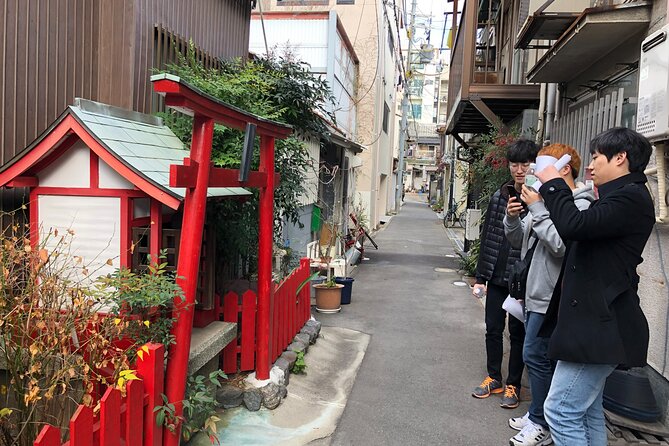
Osaka has a quieter face. I like the Karahori neighborhood’s old machiya houses and the chance to see working shops, from a tatami maker to a bonito store. I also like the small group, capped at six, which gives guide Chieko room to answer questions. The main drawback is simple: this is a walking tour with some uphill and downhill stretches, so it may feel tiring in hot weather.
This two-hour outing costs $36.13 per person and runs in the morning or afternoon. I’d choose it early in your Osaka stay, since Chieko can point you toward more local shops, cafés, and sights. Just arrive on time: after 15 minutes, you cannot join.
In This Review
- Key points
- Why Karahori makes a better contrast to Dotonbori
- The tatami lesson at Inoue Seijosho
- One hour along Karahori Shopping Street
- Renovated houses and useful souvenirs
- Bonito, chocolate, and the pleasure of small shops
- The old moat wall and the final café
- Chieko’s personal style makes the difference
- Who will enjoy this Osaka walk?
- Is $36.13 a fair price?
- Timing, booking, and small practical matters
- Should you book the Karahori walk?
- FAQ
- How long does the Nostalgic Osaka walk last?
- Where does the tour start?
- Where does the tour end?
- Can I choose a morning or afternoon departure?
- How many people can join the tour?
- Is food included?
- Are coffee and tea included?
- What is included in the price?
- What happens if I arrive more than 15 minutes late?
Key points
- Karahori instead of Dotonbori: Explore quiet lanes, old houses, and a local shopping street within walking distance of central Osaka.
- A working tatami shop: See traditional floor-mat materials and machinery at Inoue Seijosho.
- Small-group guidance: The tour accepts no more than six people, a useful size for narrow lanes and personal questions.
- Local shopping with character: Browse renovated machiya buildings, specialty food shops, chocolates, and souvenirs not aimed at airport crowds.
- Osaka’s old moat remains: Look for an original moat wall beside a small alley café, with stonework said to date from the 15th century.
- A social, neighborhood feel: Chieko greets local shopkeepers and takes care not to disturb residents on the quieter lanes.
Why Karahori makes a better contrast to Dotonbori
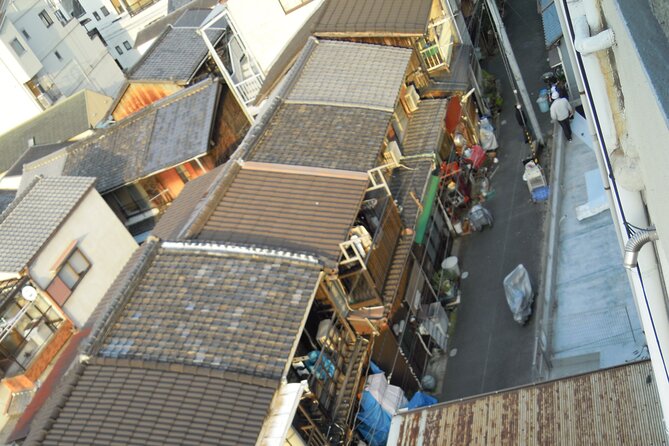
Dotonbori is Osaka at full volume: bright signs, famous food, crowds, and canalside photo stops. Karahori offers a slower look at the city, with narrow lanes, old wooden homes, small stores, and the ordinary routines of a neighborhood where people still live.
That contrast is the point of this tour. You are not simply moving between famous landmarks. You are learning how Osaka’s older streets fit together, how the terrain hints at its past, and how historic houses have been adapted for modern businesses.
The meeting point is at 6-chōme-2-24 Tanimachi in Chuo Ward. From there, the walk remains close to the city center, but the mood changes quickly. You may pass through small lanes where grandparents still live, so you are asked to keep your voice down and avoid disturbing residents.
I appreciate that instruction. A neighborhood is not a theme park, and the best part of Karahori is its everyday quality. This walk works best when you treat the streets as a living community, not a backdrop for photographs.
More Walking Tours in Osaka
- Osaka: Hotspots & Hidden Gems Walking Tour Private or Group
★ 4.9 · 1,300 reviews - Osaka Local Foodie Walking Tour in Dotonbori and Shinsekai
★ 5.0 · 985 reviews - Osaka Bar Hopping Night Walking Tour in Namba (3 bars, 6 tastes)
★ 5.0 · 958 reviews
The tatami lesson at Inoue Seijosho
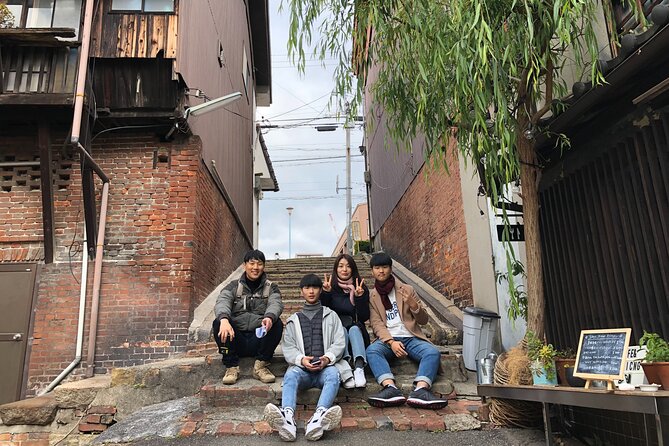
The first stop, Inoue Seijosho, gives the tour a useful starting point. Here you can see how tatami mats are made, examine the materials, and look at the machinery used by the shop master.
Tatami is one of those familiar Japanese details that many visitors recognize without understanding. A short visit to a working shop helps connect the object to the craft behind it. The stop lasts about 10 minutes, and there is no admission charge.
Do not expect a long workshop or a hands-on class. This is a brief demonstration and explanation. Its value comes from seeing a real local business rather than a performance designed only for sightseers.
For me, this kind of stop helps explain why a neighborhood walk can offer more than a list of photo spots. You gain a small piece of practical cultural knowledge, then carry it with you as you continue through the old district.
One hour along Karahori Shopping Street
The longest part of the outing is Karahori Shopping Street, where you spend about an hour. This is a local shopping area, not a souvenir market built around international visitors.
You can expect small shops serving daily needs, along with old houses and machiya buildings that are more than a century old. Some have been repaired and put to new use. Others retain a worn, residential feel. That mixture gives the area its character.
Chieko’s role matters here. Walking alone, you might notice an attractive doorway or a quiet lane, but you would not necessarily understand what you are seeing. She explains the neighborhood, points out older structures, and helps you notice how the streets reveal layers of Osaka’s past.
The route can include alleys, slight climbs, and descents. One person described the walk as a lot of walking, with occasional uphill and downhill sections. That is fair warning, especially if you have already spent several days covering Osaka on foot.
Wear comfortable shoes and keep your pace reasonable. The tour lasts around two hours, but the stops and conversations make it feel less like a march than a neighborhood stroll. Still, anyone looking for a seated sightseeing experience should choose another activity.
Renovated houses and useful souvenirs
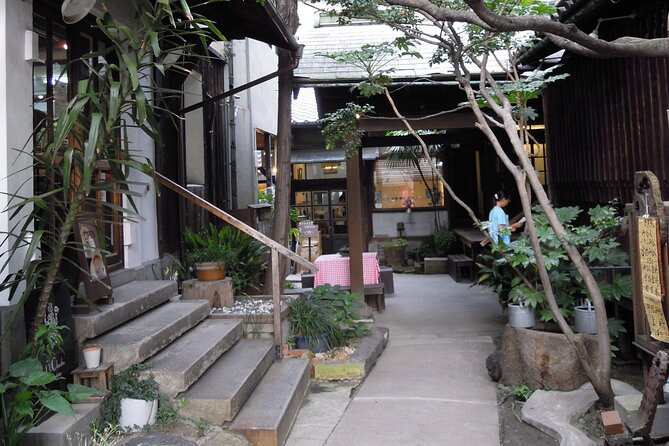
Karahori’s appeal is not limited to old buildings. The tour also shows how traditional homes have become small commercial spaces.
At クーデリーカフェ, a café in a renovated old house, you can browse items that are not the usual airport-shop purchases. The visit lasts around 15 minutes. Food and drinks are not included, so you pay for anything you decide to buy.
This is a good place to ask Chieko for suggestions. The tour is designed to leave room for questions about Osaka life, local products, and other places to visit. If you see something that catches your eye, you can also ask about its use or background.
Len, the Karahori Residence Refurbished Commercial Complex, offers another look at the same idea. A traditional house has been converted into a collection of shops, with distinctive gift possibilities. The 10-minute stop is short, but it shows how an old building can remain part of the neighborhood rather than being cleared away.
I like these stops because they connect preservation with daily use. You are not looking at an empty historic shell. You are seeing old structures adapted for cafés, retail, and small businesses.
A completely different kind of day out in Osaka:
- Osaka Go Karting Tour with Funny Costume
★ 5.0 · 2,658 reviews - Osaka Castle: Museum and Tower Entry Ticket
★ 4.5 · 2,380 reviews - Osaka: Shinsekai Food Tour with 13-15 Dishes at 5 Eateries
★ 4.8 · 2,204 reviews - Osaka Food Tour: 13 Dishes at 5 Local Eateries
★ 5.0 · 2,149 reviews
Bonito, chocolate, and the pleasure of small shops
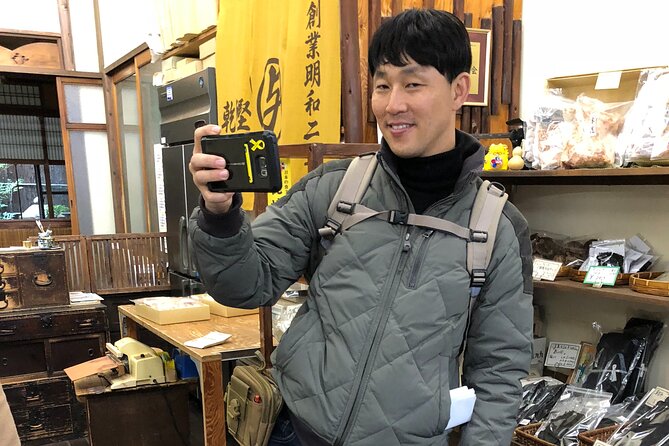
The tour includes several short visits that make the walk more flavorful.
Maruyo-shoten is a bonito shop established in 1765, with more than 250 years of history. The visit lasts about five minutes, giving you a quick introduction to what authentic bonito is. It is not a full food tasting or meal, but it offers useful context for an ingredient that appears in many Japanese dishes.
Chocolatier Ek Chuah, Karahori Kura Main Shop, adds a completely different note. The guide considers it one of Osaka’s best chocolate shops, and the stop takes around five minutes. If you want to buy something, purchases are your responsibility.
These stops are brief by design. You should not expect a food tour with generous samples or a sit-down lunch. Instead, you get a series of introductions to local businesses, with time to return later if one interests you.
Meals, coffee, and tea are not included. That can be a minor drawback if you expect the tour price to cover refreshments. It is also useful flexibility: you decide what you want to eat and buy, rather than paying for a fixed food package.
The old moat wall and the final café
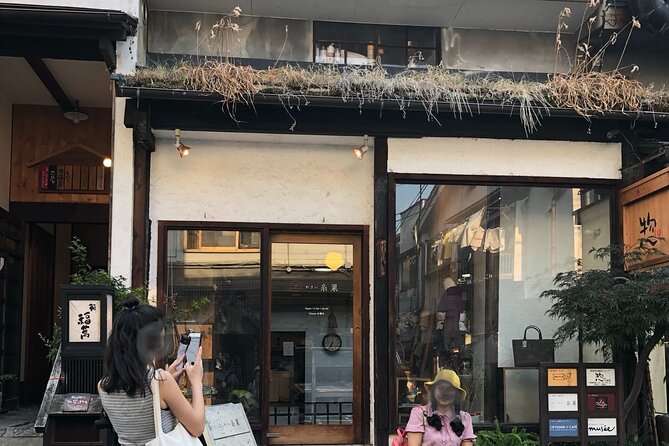
Near the end, the route reaches a small café tucked into an alley. Beside it, you can see part of an original Osaka Castle moat wall, with remains dating from the 15th century.
This is one of the most memorable details of the walk because it is easy to miss. The wall is not presented as a grand monument with a large entrance or formal exhibit. It sits beside a modest local setting, which makes the connection between Osaka’s past and present feel especially close.
The stop also reinforces the guide’s larger theme: the city’s older structure survives in fragments. Terrain, walls, house layouts, and narrow passages all offer clues. With Chieko pointing them out, you get a clearer sense of what the district was and how it changed.
Again, café purchases are not included. The tour ends back at the original meeting point, so you can decide afterward whether to stay in Karahori, continue sightseeing, or return to your hotel.
Chieko’s personal style makes the difference
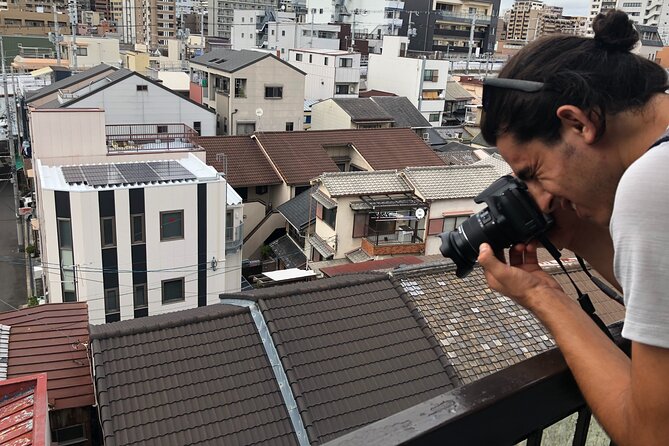
The guide, Chieko, receives especially warm praise for her friendly manner, local knowledge, and care with the neighborhood. She is described as polite, enthusiastic about Karahori, and happy to explain everyday life, culture, and historical details.
That personal connection is central to the experience. Chieko does not only lead you from one address to the next. She greets local shopkeepers, maintains good relationships in the area, and introduces you without treating residents as part of a show.
She may also adjust the walk to your interests. One group that loved cats received extra cat-related information and stops. That suggests a flexible guide, though you should still understand that the route is centered on Karahori and its shops rather than being a fully custom private tour.
The maximum group size is six. That is a strong feature for this route. Narrow lanes are easier to manage, and you have a better chance to ask questions than you would in a large walking group.
The tour is also a good setting for conversation. People have used the time to ask about Japanese culture, local life, and history, and some have practiced Japanese with Chieko and shop owners. You should come prepared to participate. The less you treat this as a passive sightseeing circuit, the more you are likely to get from it.
Who will enjoy this Osaka walk?
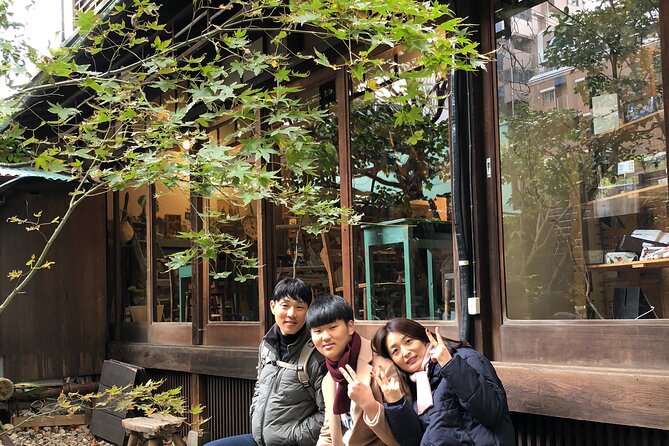
I would recommend the tour to you if you have already seen, or plan to see, Osaka’s major entertainment districts and want a different mood. It suits people interested in architecture, local commerce, neighborhood history, traditional crafts, and small independent shops.
It is also useful for repeat visitors. If you have been to Osaka before, Karahori can give you a fresh area to explore without sending you far from the center.
Families and older visitors can participate, since most people can join and service animals are allowed. The important qualification is mobility. The walk includes narrow paths and some uneven-feeling changes in level, with uphill and downhill sections. The activity is not described as wheelchair accessible, so anyone with mobility concerns should confirm suitability before booking.
I would not pick this tour if your main goal is Osaka food sampling. You may find appealing shops and cafés, but meals, coffee, tea, and purchases cost extra. Nor is it ideal if you want major attractions, long museum visits, or a fast checklist of landmarks.
Is $36.13 a fair price?
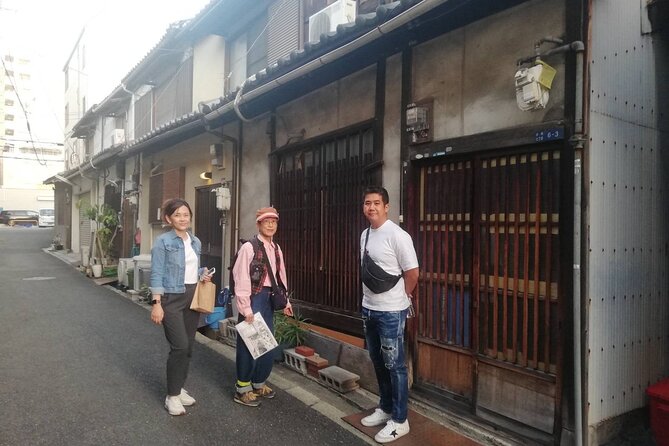
At $36.13 per person, the value rests on the guide rather than admission tickets. Every listed stop is free to enter, and bottled water is included. You are paying for two hours of local interpretation, route planning, neighborhood access, and introductions that would be difficult to arrange on your own.
That is a reasonable trade for a small group of no more than six. If Chieko helps you find one shop, café, or side street you would otherwise miss, the walk can also improve the rest of your Osaka visit.
The price is less compelling if you only want to wander. Karahori can be explored independently, and this tour does not include a substantial meal, tastings, or entrance to a major attraction.
I see it as a good-value orientation walk, especially when booked near the start of your stay. It gives you local context and practical ideas for where to return later.
Timing, booking, and small practical matters
You can choose a morning or afternoon departure, which makes it easier to fit around Osaka Castle, shopping, or other plans. Since the walk depends on good weather, poor conditions may lead to a new date or a full refund.
Confirmation arrives when you book, and the ticket is mobile. The activity is often reserved about 24 days ahead, so I would not leave it until the last minute if your Osaka dates are fixed.
Arrive at the Tanimachi meeting point early. A delay of more than 15 minutes means you cannot join, since the guide needs to respect the schedule of the rest of the group.
Free cancellation is available until 24 hours before the start time. Inside that window, refunds and changes are not accepted. The same 24-hour rule is based on local Osaka time, so check the clock carefully if you are booking from another time zone.
Should you book the Karahori walk?
Book it if you want old Osaka, local shops, and a personal guide instead of another pass through Dotonbori. The tatami workshop, 1765 bonito shop, renovated machiya buildings, small cafés, and surviving moat wall give the walk a clear sense of place.
I would especially choose it for a first or second day in Osaka, when Chieko’s recommendations can shape the rest of your visit. It is also a smart pick for repeat visitors who have already covered the standard sights.
Skip it if you dislike walking, need a fully accessible route, or expect included food and drink. For everyone else, the $36.13 price buys something Osaka’s bright center cannot: time in a real neighborhood, guided by someone who cares about the people who live there.
FAQ
How long does the Nostalgic Osaka walk last?
The experience lasts approximately two hours.
Where does the tour start?
It starts at 6-chōme-2-24 Tanimachi, Chuo Ward, Osaka, 542-0012, Japan.
Where does the tour end?
The activity ends back at the meeting point.
Can I choose a morning or afternoon departure?
Yes. The tour offers morning and afternoon options.
How many people can join the tour?
The maximum group size is six travelers.
Is food included?
No. Meals are not included. You pay separately for anything you choose to buy at local shops or cafés.
Are coffee and tea included?
No. Coffee and tea must be purchased separately if you want them.
What is included in the price?
Bottled water is included. The listed stops have no admission charge.
What happens if I arrive more than 15 minutes late?
You cannot join the trip if you are more than 15 minutes late. This rule helps respect the schedule of the other people in the group.
Just added around Osaka
- Osaka Japanese Cooking And Matcha Class near Osaka Castle★ 5.0 · 22 reviews
- Osaka Sushi Miso soup Adventure: A Journey of Exotic Flavors★ 5.0 · 22 reviews
- Osaka: Mino Forest Walk and Giant Waterfall with Local Lunch★ 5.0 · 22 reviews
- Ramen-Making Experience in the Osaka Castle Area with Souvenir★ 5.0 · 22 reviews
- Himeji Castle and Akashi Kaikyo Bridge Walking Tour from Osaka★ 4.5 · 22 reviews
- Osaka Morning Tour: Shitennoji Temple, Shinsekai &Doutonbori★ 5.0 · 23 reviews
- Osaka Dotonbori Daytime Food Tour★ 5.0 · 24 reviews
- Osaka Private Half-Day Tour with a Local – Secrets & Highlights★ 5.0 · 24 reviews
Walking Tours, compared.
Kyoto Geisha Walking Tour: Gion District & Hidden Gems
Read our review →
Tokyo Tsukiji Fish Market Food and Culture Walking Tour
Read our review →
Gion Magical Night Walking Tour with Geisha Trivia
Read our review →
Imperial Palace and Shogun Historical Walking Tour
Read our review →
Gion Geisha District Walking Tour – Stories of Geisha
Read our review →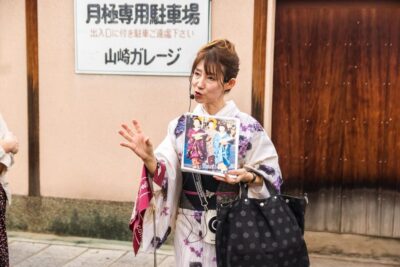

Shinjuku Local Bar and Izakaya Guided Walking Tour
Read our review →
Browse the lists this tour appears in