
Reviewed · SUMO EXPERIENCES
November Sumo Tournament tour in Fukuoka (Tickets Included)
Sumo makes an ordinary afternoon feel ceremonial. This Fukuoka tour gives you a ticket to one of Japan’s most distinctive sporting events, plus clear explanations of the rituals, rules, and wrestlers. I like that the guide stays available during the bouts, and I like that your admission is handled for you during a tournament when tickets can sell quickly. The main concern is seating: your ticket is a 3F Chair A or B seat, and some seats are near the back.
You meet at Fukuoka Kokusai Center at 2:15 PM for a 2:30 PM departure. Guides such as Yuko, Masa, Asa, and Tam Tam have earned especially warm praise for their enthusiasm and care, though meeting instructions have caused stress for some people. Bring cash for food, beer, and merchandise, and arrive early because the group leaves promptly at 2:30 PM.
In This Review
- Key points to know before booking
- Why Fukuoka’s November tournament is worth seeing
- Meeting at Fukuoka Kokusai Center at 2:15 PM
- The pre-match explanation makes sumo easier to follow
- Watching the dohyo-iri and afternoon bouts
- 3F Chair A and B seats: the biggest point to understand
- Beer, yakitori, and the relaxed side of the afternoon
- Is $261 good value for this sumo experience?
- Who will enjoy this most?
- Practical preparation for a smoother afternoon
- Should you book this November sumo tour?
- FAQ
- Where does the sumo tour meet?
- What time does the tour start?
- How long does the experience last?
- Are sumo tickets included?
- Can I choose my seat?
- Is food included?
- Can young children attend?
- Can I bring a stroller or large luggage?
- What is the cancellation policy?
Key points to know before booking
- November is Fukuoka’s sumo month: The city hosts one of six official 15-day tournaments held each year.
- The main action comes later: Lower-ranked matches begin at 8 AM, but stronger wrestlers appear from about 3:30 PM, making this afternoon tour well timed.
- Tickets are included: You receive a 3F Chair A or B seat, selected by the operator rather than by you.
- English guidance adds context: The guide explains sumo customs, history, rules, and the wrestlers during the event.
- Food and drink are extra: You can buy beer, yakitori, and other items inside, then eat and drink at your seat.
- The group can reach 15 people: That is manageable, but personal attention may vary.
Why Fukuoka’s November tournament is worth seeing
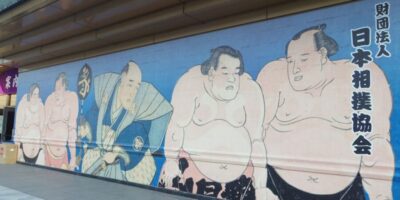
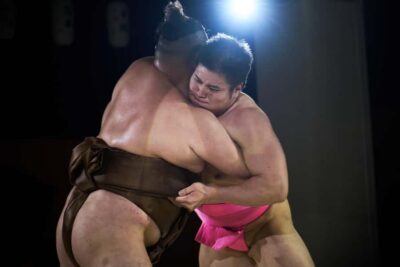
Sumo is not simply two large men pushing one another out of a circle. The bout is brief, but everything around it matters: the ring-entering ceremony, the salt, the stamping, the intense stare, and the disciplined silence before the clash.
Fukuoka hosts the November tournament, one of six major tournaments held in Japan each year. Tokyo has three, while Osaka, Nagoya, and Fukuoka each host one. Each tournament runs for 15 days, so your visit becomes part of a major national sporting calendar rather than a staged cultural demonstration.
I especially like the timing of this experience. The tournament begins at 8 AM with lower-ranked wrestlers, but this tour meets in the afternoon. The ring-entering ceremony for the stronger wrestlers takes place at about 3:30 PM, and the most important bouts follow until the tournament ends at 6 PM.
That means you get the liveliest portion without committing your entire day to the stadium. You still see real competition, but you avoid an early start that may be difficult after sightseeing or a long train journey.
More sumo experiences in Japan:
- Tokyo: Sumo Show Experience with Chicken Hot Pot and a Photo
★ 4.8 · 6,678 reviews - Tokyo: Sumo Show and Dining Experience
★ 4.8 · 2,742 reviews - the SUMO show
★ 5.0 · 1,960 reviews
Meeting at Fukuoka Kokusai Center at 2:15 PM
The meeting point is Fukuoka Kokusai Center, 2-2 Chikkōhonmachi, Hakata Ward. The activity ends back at the same point, which keeps the plan simple.
Pay close attention to the time. The published start time is 2:30 PM, and the group leaves at that exact time. I would aim to be at the center by 2:15 PM, not merely walking into the area at 2:30. A missed meeting can mean missing the guide, the introduction, or part of the tournament.
Finding the correct person has been a weak spot for some participants. The guide has been described as wearing a red jacket and holding a green board, but you should still read the meeting instructions carefully and keep your phone available. Several people found the pickup details less clear than they expected, and confusion is particularly unpleasant when you are standing outside a large venue in an unfamiliar city.
The group size is capped at 15, although some past departures appear to have felt larger. A group of this size is not intimate, but it is small enough for questions if the guide organizes the explanation well.
The pre-match explanation makes sumo easier to follow
Before entering the stadium, your English-speaking guide explains what sumo is, how the sport developed, and how the bouts work. This briefing matters because sumo can look confusing if you do not know what to watch.
You will learn to recognize the difference between a ritual and the actual contest. The wrestlers do not simply walk in and start fighting. The ceremony helps establish the formal mood of the arena, and the guide can point out details that are easy to miss when you are seeing sumo live for the first time.
The strongest guides have been praised for explaining the wrestlers, their reputations, and the customs surrounding the sport. Yuko is singled out for making the experience memorable, while Masa is praised for answering questions throughout the afternoon. Asa’s enthusiasm and attention helped turn a first-time viewing into something more engaging, and Tam Tam was especially admired for explaining how sumo is as much ritual as sport.
That personal guidance is the main reason to consider this tour instead of simply buying a ticket and taking your seat. If you already understand sumo well, the added commentary may feel less important. If you are new to the sport, it can change the event from a series of short clashes into a performance with structure and meaning.
One point deserves caution. The amount of explanation may depend on the guide and the size of the group. Some people found the pre-match briefing limited and wanted more background before the bouts began. The operator has also introduced an audio guide approach for explanations inside the stadium, alongside the live guide. That may help you follow the commentary when the group is spread out or the arena is noisy.
Watching the dohyo-iri and afternoon bouts
The afternoon builds toward the dohyo-iri, the ring-entering ceremony for the higher-ranked wrestlers. This begins around 3:30 PM, so you should be settling into your seat as the event grows in importance.
The atmosphere is serious and highly traditional. Even if you know little about sumo, you can appreciate the contrast between the slow ceremony and the sudden force of the bouts. The matches themselves may be short, but the tension before each one gives the afternoon its shape.
A guide can help you understand what happened after a bout, who won, and why a particular wrestler matters. This is useful because the action can be over before you have worked out what you saw. You can ask questions during the matches, although you should also respect the concentration of people around you.
Sumo is a live sporting event, not a theatrical show designed around foreign spectators. That is part of its appeal. The crowd, the rituals, and the changing energy in the hall give you a direct look at a sport that remains closely tied to Japanese tradition.
The tournament finishes at 6 PM. The tour is described as approximately three hours and 30 minutes, while the main listed activity is about three hours. Plan on being occupied from the 2:15 meeting through the end of the event, rather than relying on the shorter figure when arranging dinner or another booking.
A few more Japan experiences worth weighing up
- Mt. Aso & Takachiho Gorge Tour with Optional Boat Ride
★ 4.7 · 222 reviews - Fukuoka: Takachiho Gorge & Scenic Railway One Day Tour
★ 4.8 · 178 reviews - Private Fukuoka Tour with a Local, Highlights & Hidden Gems 100% Personalised
★ 5.0 · 143 reviews - Fukuoka Your Way: 100% Customisable Private Tour with Local Guide
★ 5.0 · 83 reviews
3F Chair A and B seats: the biggest point to understand
Your ticket is a 3F Chair A or B seat, assigned by the operator. You cannot choose the section or seat, and the guide hands you the ticket on the tour date.
This detail should shape your expectations. You are getting a proper stadium seat, not a guaranteed close view of the dohyo. Some people have found themselves in the last row or what they considered the nosebleed section. Others enjoyed the event despite being far from the action, but the small chair seats and distance disappointed people who expected a premium location.
Read the current seat description carefully before paying. Some past bookings apparently created confusion over S-class seating, while the current information specifies 3F Chair A or B. Do not assume that paying for a guided experience means you will sit near the ring.
The seating issue does not make the tournament itself less worthwhile, but it affects the value of the package. If your priority is the closest possible view, this may not be the right option. If you mainly want a reliable way into the sold-out tournament and help understanding what you see, a higher seat can still work.
Groups who book together may be seated together, but that should not be treated as a promise unless the operator confirms it. One group of eight was accommodated together, which is encouraging for families or friends, but assigned seating remains part of the arrangement.
Beer, yakitori, and the relaxed side of the afternoon
You are free to buy food and drinks inside the stadium. Beer and yakitori are specifically mentioned, and you can eat and drink at your seat. Food and drinks are not included in the $261 price.
Bring cash, especially if you want to buy beer, grilled skewers, souvenirs, or merchandise. This small preparation can make the afternoon more comfortable, since you will not need to leave your seat to find something to eat.
The casual food adds a pleasant contrast to the formal action. You can watch a traditional ceremony, then enjoy a skewer and a drink while the bouts continue. That is part of the appeal of Japanese sporting events: the experience is both serious and social.
You may also bring your own food and drink into the arena, according to the practical advice provided for this experience. Keep your area tidy, and remember that the venue is shared with people who have come to watch closely.
Large luggage cannot be taken up to the seats. If you are carrying suitcases, arrange storage before the event. Baby strollers can be stored in a designated place inside the stadium, but they cannot be brought to the seating area.
Is $261 good value for this sumo experience?
At $261, this is not a budget way to see sumo. The price covers admission and the guide, but not food or drinks. Its value depends on what matters most to you.
The strongest case for booking is access. Official tournament tickets can sell out quickly, especially for popular days. This tour removes the uncertainty of trying to buy a ticket yourself, then adds an English explanation during the event.
The weaker case is the seat. Since you receive a 3F Chair A or B ticket and cannot choose it, part of the price may buy convenience rather than a better physical view. If the official ticket value is important to you, compare the current face value, available seat categories, and other ticket options before booking.
I would pay the premium if this is your only realistic chance to attend the November tournament and you want help making sense of it. I would hesitate if you are comfortable researching the rules yourself and care strongly about sitting close to the ring.
The guide is the key value-added feature. A warm, well-prepared guide can make the afternoon feel personal and informative. A large group or rushed explanation reduces that benefit, so your expectations should match the group-tour format.
Who will enjoy this most?
This experience suits a first-time sumo spectator who wants structure. You do not need prior knowledge of the sport, and the guide can explain the rules, customs, and wrestlers as you watch.
It also suits someone who tried and failed to secure official tickets. The included admission is useful when the tournament has sold out, and the fixed meeting point makes the day easier to manage.
Families can participate, with an important age rule. Children aged four and above need their own tickets. Children aged three and under can enter free, but they do not receive their own seat and must sit on an adult’s lap. Tell the operator in advance if you are bringing a child aged three or younger.
Most people can take part, and the venue is near public transportation. Still, the long afternoon in a fixed chair and the distance from the ring may not suit anyone who needs a more flexible or premium seating setup.
Practical preparation for a smoother afternoon
Keep these points in mind:
- Arrive before 2:30 PM, ideally at the stated 2:15 PM meeting time.
- Confirm how to identify the guide and where to wait at Fukuoka Kokusai Center.
- Bring cash for beer, yakitori, snacks, and merchandise.
- Expect a 3F Chair A or B seat, not a seat you select yourself.
- Leave large luggage elsewhere.
- Tell the operator ahead of time about a child aged three or younger.
- Do not schedule another activity too soon after 6 PM.
- Treat the arena respectfully, especially during ceremonies and explanations.
Cancellation is free if you cancel at least 24 hours before the local start time. Cancellations or changes within 24 hours are not refunded or accepted.
Should you book this November sumo tour?
I would book it if you want a straightforward introduction to live sumo and cannot secure a ticket through the official channel. The afternoon timing is sensible, the included admission removes a major obstacle, and a strong guide such as Yuko, Masa, Asa, or Tam Tam can make the rules and rituals click.
I would not book it expecting luxury seating or a private lesson. The 3F Chair A or B location may be far from the dohyo, the group can reach 15 people, and the quality of the experience depends heavily on clear meeting instructions and the guide assigned that day.
For a first visit, the combination of access and explanation is useful. Just treat the guide as the value, the ticket as assigned, and the view as a gamble. With those expectations, this can be one of the most memorable sporting afternoons of your Japan trip.
FAQ
Where does the sumo tour meet?
The meeting point is Fukuoka Kokusai Center at 2-2 Chikkōhonmachi, Hakata Ward, Fukuoka, 812-0021, Japan.
What time does the tour start?
The stated start time is 2:30 PM. You are asked to meet at Fukuoka Kokusai Center at 2:15 PM, and the group leaves at 2:30 PM sharp.
How long does the experience last?
The experience lasts approximately three hours and 30 minutes. The tournament portion runs through the afternoon and finishes at about 6 PM.
Are sumo tickets included?
Yes. Admission is included, and you receive a 3F Chair A or B seat ticket from the guide on the tour date.
Can I choose my seat?
No. Seats are assigned, and you cannot choose the seat or seat section. The stated ticket type is 3F Chair A or B.
Is food included?
No. Food and drinks are not included. You can buy items such as beer and yakitori inside the stadium and eat or drink at your seat.
Can young children attend?
Children aged three and under can enter free, but they do not have their own seat and must sit on an adult’s lap. Children aged four and above need their own tickets.
Can I bring a stroller or large luggage?
Baby strollers can be stored in a designated area inside the stadium, but they cannot be taken to the seats. Large luggage cannot be brought to the seating area.
What is the cancellation policy?
You can receive a full refund if you cancel at least 24 hours before the experience’s local start time. Cancellations or changes made within 24 hours are not refunded or accepted.
Just added around Japan
- Kanazawa private half day/Photoshoot by professional photographer★ 5.0 · 38 reviews
- Osaka Food Tour with 10 Classic Japanese Tastings & Drinks★ 5.0 · 38 reviews
- Osaka: Highlights & Hidden Gems Private Walking Tour★ 4.7 · 38 reviews
- Tokyo Small Group Tour with Guide★ 4.5 · 38 reviews
- Tokyo 6hr Instagram Highlights Private Tour with Licensed Guide★ 5.0 · 38 reviews
- From Tokyo: Kamakura Private Customize Tour by Luxury Van★ 4.6 · 38 reviews
- Tokyo Sumo Experience with Live Show & Audience Challenge★ 5.0 · 38 reviews
- Kyoto: Private Customizable Day Trip by Car★ 5.0 · 38 reviews
Sumo Experiences, compared.
Tokyo Shinjuku Sumo Show & Experience with Photo
Read our review →
Sumo Show & Experience w/ Optional Kimono & Hot Pot
Read our review →
Authentic Sumo Experience in Tokyo: Enter the Sanctuary
Read our review →
Luxury Sumo Show Experience & Japanese cuisine & Drink
Read our review →Browse the lists this tour appears in