
Reviewed · TICKETS
Osaka: Abeno Harukas 300 Observatory E-Ticket
Osaka looks best from above. Abeno Harukas 300 gives you a fast glass-roof elevator ride, broad views toward Osaka Castle, Osaka Bay, Kyoto, and Kobe, plus a pleasant open-air floor. I like the day-to-night flexibility and the chance to pair the observatory with the Art Museum, shops, and restaurants in the same building. The main drawback is crowding around the best photo spots, especially after dark.
The ticket costs about $3.40 per person, which makes it an easy addition to a day in Osaka’s Tennoji district. I also like the small touches, such as on-site stamps and the nighttime light show with music. Bring your passport or ID, and plan carefully if you need to complete registration by 10:15, since late arrivals may not be admitted.
In This Review
- Key points to know before you go
- Arriving in Tennoji and finding Abeno Harukas
- The glass-roof elevator to the 60th floor
- The 60th-floor panorama over Osaka
- The 58th-floor open-air plaza
- Night views, music, and the light show
- The Art Museum on the 16th floor
- Is the $3.40 ticket good value?
- Who should visit Abeno Harukas 300?
- Practical timing for a smoother visit
- Should you book Abeno Harukas 300?
- FAQ
- Where is Abeno Harukas 300 Observatory?
- How much does admission cost?
- How long is the ticket valid?
- What are the operating hours?
- What do I need to bring?
- Are children under four admitted free?
- Can I bring food or drinks onto the viewing floors?
- Is hotel pickup or drop-off included?
- Can people with vertigo or epilepsy take part?
- What happens if I arrive late?
Key points to know before you go
The 60th-floor glass deck is the main event: You get a wide city panorama from one of Osaka’s best-known skyscrapers.
The 58th floor gives you fresh air: Its open-air plaza and gardens offer a break from the enclosed viewing levels.
Night brings lights and music: The observatory adds a light show after dark, and the city below takes on a different character.
You can make it a larger outing: The 16th-floor Art Museum, shops, exhibits, hotels, and restaurants are all part of the building complex.
The price is remarkably low: At about $3.40, this is one of the easier Osaka viewpoints to fit into a tight budget.
Photo crowds can affect the visit: Some viewing sections may be closed for events, and seats can fill quickly.
Arriving in Tennoji and finding Abeno Harukas
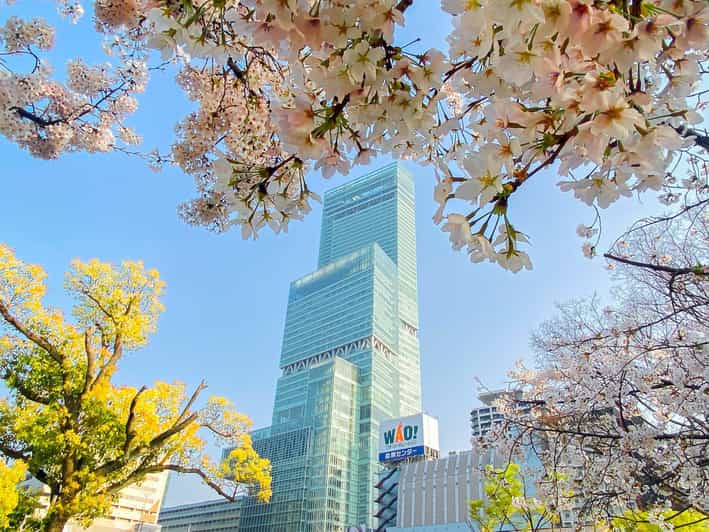
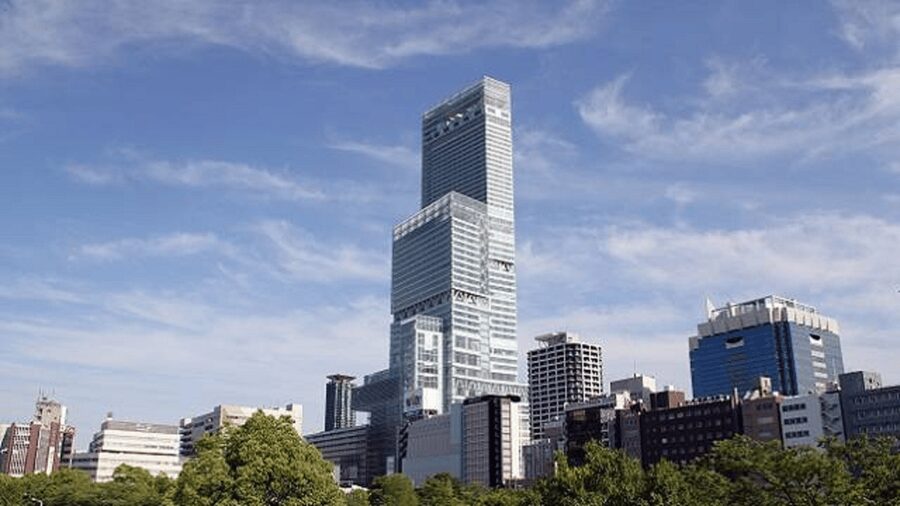
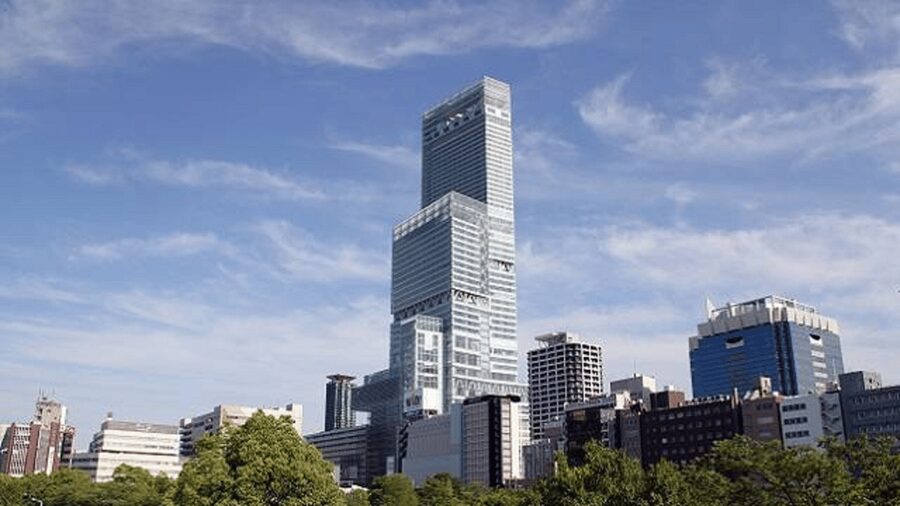
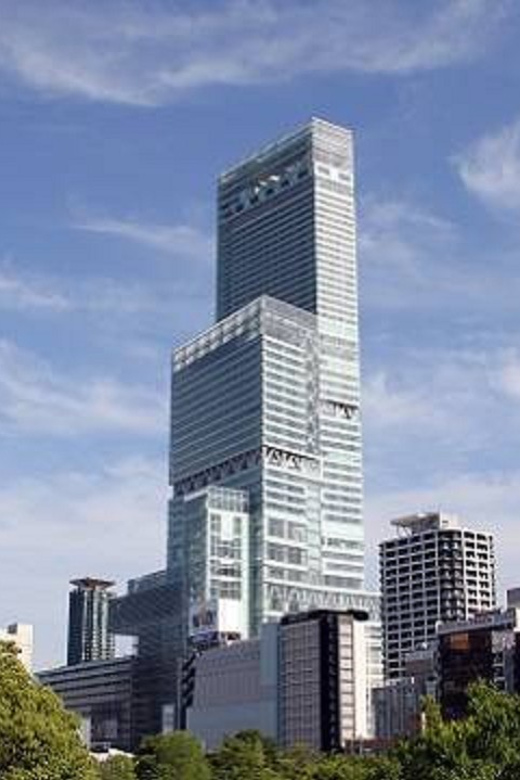
Abeno Harukas is in Osaka’s Tennoji district, a useful area to combine with other sightseeing. The observatory sits inside the city’s iconic skyscraper, so you are not heading to a separate hilltop or distant lookout. That makes the visit simple to add before dinner, after shopping, or as an evening stop.
The listed coordinates are 34.6463062, 135.5133091. Once inside the building, follow signs for the Abeno Harukas 300 Observatory. The experience is designed around a vertical route, so your first major moment comes quickly: the ride upward.
Your ticket is valid for one day, but you still need to check the available starting times before booking. The stated opening hours are 9:00 AM to 10:00 PM, with last admission at 9:30 PM. Maintenance or other special circumstances can change those hours, so it is wise to check the schedule on the day you plan to visit.
A few more Osaka experiences worth weighing up
- Osaka Go Karting Tour with Funny Costume
★ 5.0 · 2,658 reviews - Osaka Castle: Museum and Tower Entry Ticket
★ 4.5 · 2,380 reviews - Osaka: Shinsekai Food Tour with 13-15 Dishes at 5 Eateries
★ 4.8 · 2,204 reviews
The glass-roof elevator to the 60th floor
The elevator ride is part of the fun rather than a dull transfer. You travel swiftly upward inside a glass-roof elevator, giving the ascent a more memorable feel than a standard lift ride. The higher you go, the more Osaka opens beneath you.
After entering the observation deck, go to the information counter on the 60th floor. The instructions say registration must be completed by 10:15, and late arrivals may not be allowed to join. That makes timing important. I would avoid arriving at the last possible moment, especially if you are unfamiliar with the building.
You should bring a passport or other ID card. Children under four enter free, but they must be accompanied by an adult. The site is not suitable for people with vertigo or epilepsy, so consider the height, glass surfaces, and visual movement before choosing this activity.
The 60th-floor panorama over Osaka
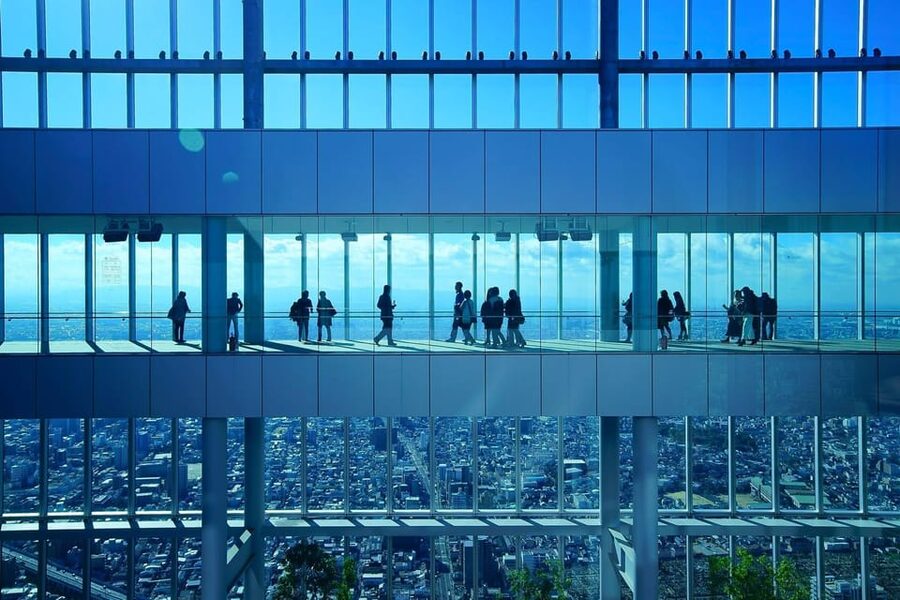
The 60th floor is where you get the clearest sense of the observatory’s height. The glass viewing deck lets you look across Osaka in several directions, with possible views toward Osaka Castle, Osaka Bay, Kyoto, and Kobe. On a clear day, the reach of the view is the chief reason to come.
I like viewpoints that help you understand a city’s shape, and this one gives you that chance. You can see Osaka as a broad urban center rather than a collection of separate streets and neighborhoods. The view also changes with the weather, light, and time of day, so a morning visit and a night visit would feel quite different.
The deck is not a quiet private lookout. People naturally stop to take pictures, and the most popular corners can become crowded. One practical comment from a recent German visitor was that some people block particular photo areas for a long time. Some viewing points may also be closed for special activities.
Seats are available, but they can fill quickly. If sitting matters to you, do not assume a chair will be waiting. The observatory works best when you are happy to walk around, take in the view from several angles, and wait briefly for a clear photo position.
Food and drinks are prohibited on the 59th and 60th floors. That rule keeps the highest viewing areas tidy, but it also means you should not bring a snack upstairs for a long stay. For food, use the Sky Garden 300 Restaurant on the 58th floor.
The 58th-floor open-air plaza
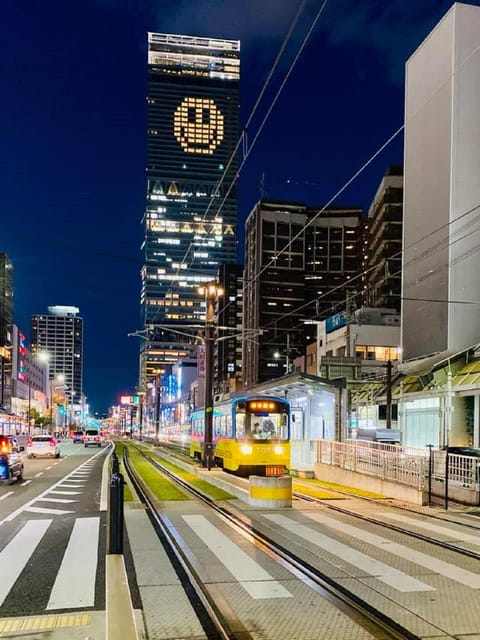
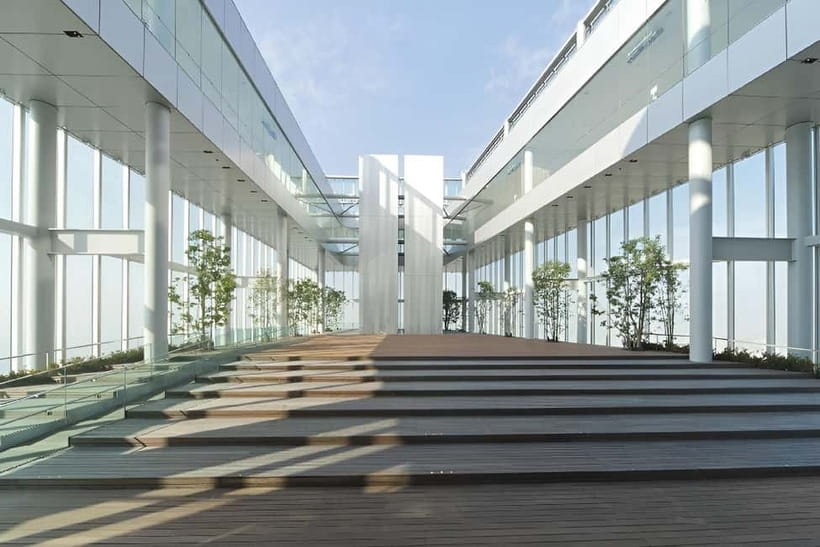
The 58th floor changes the mood. Instead of looking through glass from the highest enclosed deck, you can step into an open-air outdoor plaza with gardens. It offers fresh air and a calmer pause between city views.
This floor is useful if you find that the 60th-floor deck feels too enclosed. It also gives you a different angle on the building’s height. The plaza is not just a passage to the restaurant. It is one of the observatory’s more relaxing spaces, especially if you want to sit for a while and look out without constantly framing a photograph.
The Sky Garden 300 Restaurant is also here. Food and drinks are not included in the ticket, so any meal adds to your cost. Still, dining on the 58th floor can turn a short viewpoint visit into a more complete evening outing. You can enjoy the view, take a break, and avoid carrying food into the restricted upper floors.
The information provided does not specify the restaurant menu or prices, so I would treat it as an optional extra rather than build your budget around a particular meal. The ticket itself remains inexpensive, but restaurant spending can change the total cost.
A completely different kind of day out in Osaka:
- Osaka Food Tour: 13 Dishes at 5 Local Eateries
★ 5.0 · 2,149 reviews - Hungry Osaka Street Food Tour:15 Tastings & 3 Drinks with a Local
★ 5.0 · 1,727 reviews - Osaka: teamLab Botanical Garden Entry Ticket
★ 4.5 · 1,710 reviews - Osaka: Tea Ceremony Experience
★ 4.9 · 1,426 reviews
Night views, music, and the light show
Night is the strongest choice if you want atmosphere. Osaka’s lights spread below the tower, and the observatory adds a light show paired with music. That combination gives the visit more than a simple look over rooftops.
A recent Australian booking described the night view as amazing, while a German visitor felt the view was worth seeing by day but best at night. I would agree with that practical split: daytime helps you identify distant sights such as Osaka Castle, Kyoto, Kobe, and Osaka Bay, while nighttime gives you the most dramatic visual effect.
The tradeoff is crowd size. After dark, more people want the same photographs, and seats disappear fast. Some parts of the viewing area may be closed for events or special activities. If you want a quieter experience, arriving earlier in the operating day may be better. If you want the light show and the brightest city view, accept that you may need patience.
The observatory operates until 10:00 PM, with last admission at 9:30 PM. That gives you a wide evening window, but you should still allow enough time to enter, complete any required registration, and enjoy the floors without rushing.
The Art Museum on the 16th floor
The Art Museum on the 16th floor gives you a useful reason to spend more time in the building. It is a separate cultural stop from the observatory, with departments and exhibits to explore. The supplied details do not state whether every museum exhibition is included in the observatory ticket, so check admission arrangements if the museum is a major part of your plan.
I like this pairing because it keeps the day from becoming only a quick elevator ride and a few photographs. You can look at Osaka from above, then spend time with art and exhibitions at a lower level. That mix works well in poor weather, when the distant views may be less clear but the indoor attractions remain worthwhile.
The building also includes shops, hotels, and other exhibits. You can browse at your own pace rather than treating the observatory as a fixed guided tour. At the same time, the activity does not include hotel pickup, drop-off, food, or drinks, so you are responsible for arranging your own route and extras.
Is the $3.40 ticket good value?
Yes, for most people, the price is excellent. At about $3.40 per person, admission costs little compared with many major city towers. You receive access to a high observation deck, an open-air plaza, and the city panorama. Even a short visit can feel worthwhile at that price.
The value is strongest if you already plan to be in Tennoji. You can visit the observatory, explore the building, consider the Art Museum, and stop for food without spending time crossing Osaka to reach another attraction. The one-day validity also gives you flexibility around your schedule.
The ticket is less of a complete bargain if you expect a quiet, private viewing experience or a full guided tour. There is no guide named in the supplied information, and the activity is primarily admission to the observatory. You are paying for access and views, not personal interpretation.
Remember that meals and drinks cost extra. You also need to manage your own transport, and the ticket is non-refundable. That last point matters most if weather, illness, or a changing schedule could affect your plans.
Who should visit Abeno Harukas 300?
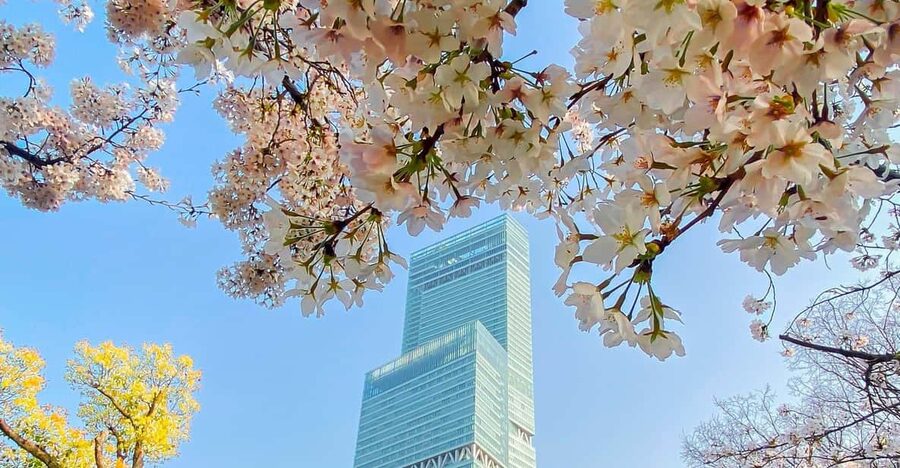
I would recommend it to first-time visitors who want a quick visual introduction to Osaka. It is also a good choice for photographers, couples looking for a night stop, families with older children, and anyone who enjoys combining architecture, views, food, and art in one building.
Families with very young children can bring them, since children under four enter free with an adult. You should still consider the height and glass viewing areas if a child is uneasy around high places.
The activity is not a good fit for anyone with vertigo or epilepsy, as clearly stated in the safety information. It may also disappoint people who dislike crowds or need guaranteed seating. At peak times, the best photo spots can be occupied, and seats may not be available.
Practical timing for a smoother visit
For daylight views, choose an earlier time and give yourself room to look toward Osaka Castle, Osaka Bay, Kyoto, and Kobe. Clear conditions will matter, although no weather guarantee is provided. Daylight is also useful if you want to study the city’s layout.
For the strongest atmosphere, choose an evening time that allows you to be there after dark. This is when the city lights and music-linked light show matter most. Plan for more people, slower movement near photo points, and limited seating.
A practical plan could look like this:
Arrive in Tennoji with your passport or ID ready.
Enter the observatory and complete registration at the 60th-floor information counter.
Spend time on the glass viewing deck.
Move to the 58th-floor open-air plaza and consider the Sky Garden 300 Restaurant.
Visit the Art Museum on the 16th floor if its exhibits suit your schedule.
Browse shops and other building attractions before leaving.
The exact order can change, but the key is to protect your registration time first. Do not assume that a ticket valid for one day means you can arrive at any late hour without checking availability.
Should you book Abeno Harukas 300?
Book it if you want big Osaka views for very little money, especially if you can visit at night and do not mind crowds around the best photo areas. The glass-roof elevator, 60th-floor deck, 58th-floor plaza, music and light show, and nearby Art Museum give you more variety than a single lookout.
Skip it if you have serious vertigo, epilepsy, or a strong dislike of enclosed high viewing decks. Also skip it if your schedule is too uncertain for a non-refundable ticket or if you cannot meet the stated registration requirement.
For most visitors, I would choose an evening slot, arrive early enough to avoid a registration problem, and keep the Art Museum or a meal on the 58th floor as optional add-ons. At $3.40, the observatory does not need to occupy half your day to earn its place in your Osaka plans.
FAQ
Where is Abeno Harukas 300 Observatory?
It is in Osaka’s Tennoji district on Honshu, Japan. The listed coordinates are 34.6463062, 135.5133091.
How much does admission cost?
The stated price is $3.40 per person.
How long is the ticket valid?
The ticket is valid for one day. You should check availability for the available starting times.
What are the operating hours?
The stated operating hours are 9:00 AM to 10:00 PM. Last admission is at 9:30 PM, although maintenance or other special circumstances can change the hours.
What do I need to bring?
Bring your passport or an ID card.
Are children under four admitted free?
Yes. Children under four enter free, but they must be accompanied by an adult.
Can I bring food or drinks onto the viewing floors?
No. Food and drinks are prohibited on the 59th and 60th floors. The Sky Garden 300 Restaurant on the 58th floor is the suggested place to dine.
Is hotel pickup or drop-off included?
No. Hotel pickup and drop-off are not included.
Can people with vertigo or epilepsy take part?
The activity is not suitable for people with vertigo or epilepsy.
What happens if I arrive late?
You must complete registration at the information counter on the 60th floor by 10:15. Late arrivals may not be allowed to join the activity.
Just added around Osaka
- Osaka Food Tour with 10 Classic Japanese Tastings & Drinks★ 5.0 · 38 reviews
- Osaka: Highlights & Hidden Gems Private Walking Tour★ 4.7 · 38 reviews
- Kyoto private tour (Shore excursion available from Osaka or Kobe port)★ 5.0 · 39 reviews
- Osaka Private Day Trip – Enjoy Your First-Time Visit to Osaka!★ 5.0 · 39 reviews
- Kyoto & Nara & Uji: Full Day Sightseeing Tour from Osaka or Kyoto★ 4.5 · 39 reviews
- Authentic SUSHI Course Cooking Class★ 5.0 · 39 reviews
- Osaka: Mind & Spirit Balance Temple Reiki Healing★ 5.0 · 41 reviews
- Osaka Afternoon Walking Tour with Osaka River Cruise★ 3.5 · 42 reviews
Tickets, compared.
teamLab Planets TOKYO Digital Art Museum Entry Ticket
Read our review →
Japanese Dance Cabaret Theater Asakusa-Kaguwa Ticket
Read our review →
Browse the lists this tour appears in