
Reviewed · FOOD & DRINK
Osaka: Guided Food Tour with 12 Dishes at 4 Local Eateries
Osaka rewards curious eaters. This 150-minute walking tour brings you beyond the obvious Dotonbori signs and into local restaurants, sake bars, and street-food stops where you can try 12 Japanese dishes in one evening. I especially like the wide food range, from fresh fish and grilled skewers to okonomiyaki and traditional sweets. I also like the friendly guides, including Mao, Spike, Ukyo, Kenta, and Nao, who add food advice and local stories along the way.
The main consideration is that the restaurants and dishes change by day. That keeps the experience fresh, but you cannot count on a particular specialty at every departure. The tour includes two drinks, though one account described receiving three, so bring cash for extras and expect the exact menu to vary.
In This Review
- Five things to know before you go
- Starting under the Dotonbori lights
- Four stops, one useful food lesson
- First stop: a local restaurant and the opening dishes
- Second stop: a local bar with izakaya-style food
- Third stop: Michelin Guide street food
- Fourth stop: okonomiyaki and a sweet finish
- What the guides add beyond the food
- How much food do you really get?
- Is $73 a fair price?
- Who will enjoy this Osaka evening most?
- Timing, weather, and simple planning tips
- Final decision: book it for food, company, and guidance
- FAQ
- Where does the Osaka food tour meet?
- Where does the tour end?
- How long does the experience last?
- How many dishes and drinks are included?
- Are the dishes the same every day?
- Can people under 20 join?
- Is the tour available in English and wheelchair accessible?
Five things to know before you go
- Twelve tastings in 150 minutes: You get a broad introduction to Japanese food without spending an entire day at the table.
- Three food settings: The route uses local restaurants, a bar, and a street-food stop rather than one fixed dining room.
- Dotonbori beyond the neon: The meeting point is central, but the evening includes places you might not choose on your own.
- Guides shape the experience: Mao, Spike, Ukyo, and other English-speaking guides explain how to eat the dishes and offer ideas for the rest of your Osaka visit.
- Small-group social energy: The format works well for solo visitors and couples who enjoy sharing plates and conversation with people from several countries.
- Bring cash: The included food and drinks cover the main experience, but additional orders must be paid in cash.
Starting under the Dotonbori lights
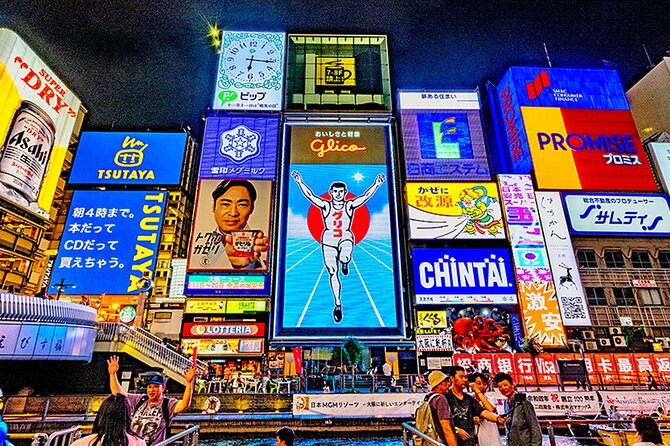
The meeting point is in front of the Don Quijote Dotonbori Midosuji Store. Look for the Local Guide Stars sign. This is a sensible place to begin because Dotonbori is easy to reach and hard to miss, though the crowds, bright signs, and constant movement can make meeting someone slightly hectic.
I would arrive a few minutes early and stand directly in front of the store rather than waiting inside. The guide needs to gather the group before the walking begins, and a clear view of the sign will save you from wandering around the canal area looking for the right person.
The route ends back at the same Don Quijote store. That makes the tour easy to fit into an evening plan. You can continue exploring Dotonbori afterward, return to your hotel, or use the area as a transport and shopping base.
Wear comfortable shoes. The tour includes walking between several stops, and you will be moving through busy streets rather than sitting in one place for the whole 150 minutes. A camera is useful too, especially around Dotonbori, where food displays and giant illuminated signs are part of the setting.
More Food Tours in Osaka
- Osaka: Shinsekai Food Tour with 13-15 Dishes at 5 Eateries
★ 4.8 · 2,204 reviews - Osaka Food Tour: 13 Dishes at 5 Local Eateries
★ 5.0 · 2,149 reviews - Hungry Osaka Street Food Tour:15 Tastings & 3 Drinks with a Local
★ 5.0 · 1,727 reviews
Four stops, one useful food lesson
The appeal here is not simply eating 12 portions. It is learning how Osaka’s food culture changes from restaurant to restaurant. A guide can explain what is on the plate, how locals eat it, and where a dish fits into daily life. That turns unfamiliar food into something you can order again later.
The order of stops can vary, but the experience is built around a local restaurant, a local bar, a street-food or restaurant stop, and a final dining location. You should expect a relaxed progression rather than a formal tasting menu.
First stop: a local restaurant and the opening dishes
The first restaurant gives you a comfortable introduction to the evening. The food may include fresh fish, grilled items, regional snacks, or other Japanese dishes selected for variety. Because the menu changes, this is not the place to arrive with a fixed expectation of one famous specialty.
I like starting with a restaurant rather than immediately lining up at a street stall. You have time to meet the guide and the rest of the group, ask questions, and settle into the rhythm of sharing dishes. If Japanese dining customs are new to you, this is also a good moment to ask how to use a sauce, whether a dish should be eaten hot or cold, and what to try first.
The food is intended to be generous. Several accounts describe leaving very full, so avoid booking a large dinner immediately afterward. The tour is closer to a full evening meal than a light snack crawl.
Second stop: a local bar with izakaya-style food
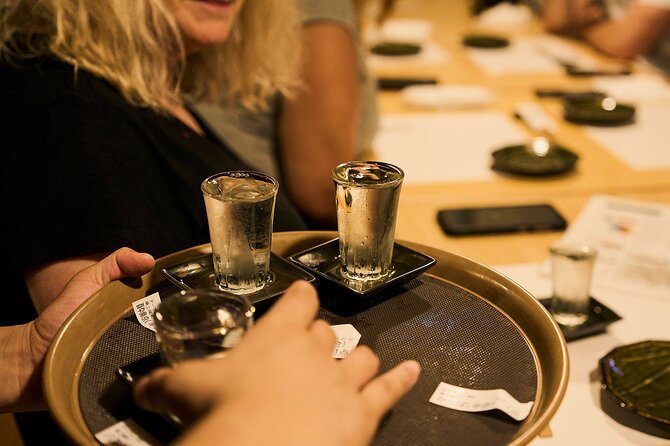
The bar stop adds a different mood. This is where the tour can feel most like a night out in Osaka rather than a sightseeing walk with food attached. Izakaya-style dishes may include sashimi, fried chicken, skewers, and other small plates designed to share.
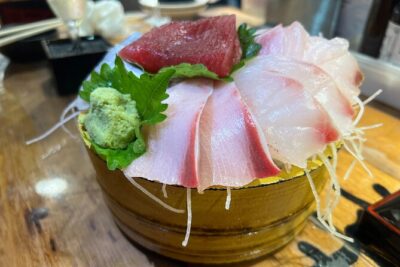
Fresh sashimi, fried chicken, and sake were particular highlights for one evening, and that combination gives you a good sense of the range involved. The point is contrast: delicate raw fish beside crisp fried food, with a drink that may be unfamiliar to first-time sake drinkers.
Two drinks are included. The available choices can include beer, cocktails, wine, spirits, tea, coffee, or other listed options, depending on the stop and the evening. If you are under 20, you may join the tour but cannot drink alcohol. Ask the guide for a nonalcoholic option rather than assuming every included drink must be alcoholic.
The bar is also one of the strongest parts of the social experience. Shared dishes make conversation easy, and solo visitors have a natural way to meet people without forcing small talk. The group may be larger or smaller on a given night. A small group can feel personal, while a very small booking can become almost like dinner with a local guide. If you prefer meeting other people, a larger departure may suit you better.
A completely different kind of day out in Osaka:
- Osaka Go Karting Tour with Funny Costume
★ 5.0 · 2,658 reviews - Osaka Castle: Museum and Tower Entry Ticket
★ 4.5 · 2,380 reviews - Osaka: teamLab Botanical Garden Entry Ticket
★ 4.5 · 1,710 reviews - Osaka: Tea Ceremony Experience
★ 4.9 · 1,426 reviews
Third stop: Michelin Guide street food
The street-food portion gives the tour its Osaka flavor. The city is famous for casual eating, and a stop at a stand or compact vendor helps you see how food works in everyday public life. Takoyaki is one example that has appeared on the route, and the tour can feature street food recognized by the Michelin Guide.
Do not expect a long seated meal here. Street food is about quick service, hot portions, and eating in a lively public setting. Your guide can explain the dish and the best way to handle it, which matters with foods served piping hot and covered in sauces or toppings.
The trade-off is comfort. Dotonbori can be crowded, and street stalls may not offer much room to stand. Rain can also affect the walk. One evening included heavy rain, but the group waited under cover and continued afterward. That is worth knowing if you visit during an unsettled season: the tour can carry on, but you should bring weather protection and keep your plans flexible.
Fourth stop: okonomiyaki and a sweet finish
The final restaurant brings the food crawl back to a more substantial dish. Osaka-style okonomiyaki is a natural finish, and one account singled out the okonomiyaki as a memorable part of the evening.
Okonomiyaki is often described as a savory Japanese pancake, but that simple label misses the fun of it. The dish brings together a filling base with toppings and sauce, and the Osaka style is strongly tied to the city’s casual food culture. Your guide can help you understand what you are eating and how it differs from other regional versions.
The final stop may also include a traditional sweet. Ending with dessert helps balance the salty dishes, fried food, fish, and grilled items earlier in the route. By this point, you will likely be full, so take smaller bites and enjoy the explanation instead of trying to rush through the last plate.
What the guides add beyond the food
The guides are central to the value of this experience. Mao is repeatedly praised for her warmth, clear explanations, and ability to offer useful recommendations for the rest of an Osaka visit. Spike brings energy and humor, while Ukyo, Kenta, Nao, Nako, Momo, Mary, Diego, and Nammi have also led departures.
Guide assignments can change, so you should not book on the assumption that one named guide will lead your date. The important point is the guide-led format. You are not just handed a list of dishes and left to guess what they are. The guide explains local food, shares background about Dotonbori, and can suggest other foods or sights to try later.
I particularly value the practical advice. A good guide can tell you what to order at an izakaya, how to approach unfamiliar dishes, and which foods are worth seeking out after the tour. That advice can save you from spending the rest of your trip in places chosen only for their giant signs.
The walking commentary also gives the evening some structure. You may pause at points along the route for short explanations about Osaka’s culture and local traditions. This is not a full city sightseeing tour, but it adds meaning to the streets between meals.
How much food do you really get?
The promise of 12 recommended Japanese dishes is the tour’s strongest selling point. You get enough variety to compare flavors rather than basing your view of Japanese food on one bowl of noodles or one plate of sushi.
The exact dishes differ by day. You might encounter fresh fish, skewers, fried food, takoyaki, okonomiyaki, sweets, and regional snacks, but the company does not provide one fixed menu. That is useful for repeat visitors and anyone open to surprise. It is less ideal if you have your heart set on one specific dish.
The portions appear designed for sampling, but the total amount is substantial. Eat a sensible breakfast and lunch if you take the tour in the evening. Arriving hungry is smart, but arriving after skipping all meals may make the final courses uncomfortable.
Food allergies and dietary needs deserve advance attention. One gluten-free participant was accommodated successfully, but the available information does not promise that every restriction can be handled at every stop. Tell the provider before booking and remind the guide at the meeting point. Do not rely on guessing ingredients in sauces, batter, or marinades.
Is $73 a fair price?
At $73 per person, this is not the cheapest way to eat in Osaka. You can buy individual street foods for far less. But that comparison misses the service included in the price: 12 dishes, two drinks, several stops, an English-speaking guide, ordering help, cultural explanation, and the time saved finding suitable places.
I see the value most clearly if you are new to Japanese cuisine. You can sample a broad selection without committing to full portions at unfamiliar restaurants. The guide also lowers the risk of choosing a place that looks appealing but offers little help in English.
The price is less attractive if you already know Osaka’s food districts well, speak Japanese, and enjoy choosing restaurants independently. You may prefer to spend $73 on several self-guided meals over two days. For a first Osaka visit, though, the tour can function as both dinner and orientation.
The food quantity matters too. With 12 dishes included, the price covers more than a short tasting walk. Just remember that anything beyond the included food and drinks costs extra and must be paid in cash.
Who will enjoy this Osaka evening most?
I would recommend this experience to first-time visitors who want a friendly introduction to Japanese food without a formal cooking class. It also suits solo visitors, couples, and small groups who enjoy talking while they eat.
It is a particularly good match for you if:
- You want to try many dishes in one evening.
- You prefer local restaurants to heavily promoted tourist spots.
- You want a guide to explain unfamiliar food and customs.
- You enjoy small-group conversation.
- You want practical suggestions for the rest of your Osaka stay.
- You are comfortable walking through busy streets and changing venues.
It may not suit you if you need a fixed menu, dislike shared plates, or want a quiet, slow dinner. The route is social and active. You will be eating at several locations, not settling into one restaurant for three hours.
Families can join, but anyone under 20 cannot consume alcohol. Wheelchair access is listed as available, though the route includes multiple venues and street sections, so it is sensible to confirm the precise route and restaurant access before booking.
Timing, weather, and simple planning tips
The tour lasts 150 minutes, and starting times depend on availability. An evening departure makes sense because the bars and food districts are part of the experience, but check the exact start time when you reserve.
Leave room in your schedule after the tour. You may want to keep exploring Dotonbori, but you probably will not want another full meal. The route returns to the starting point, which makes onward plans easy.
A few simple choices will improve the night:
- Bring cash for extra orders.
- Wear shoes suitable for walking and standing.
- Bring a camera, but keep it ready for quick street-food stops.
- Tell the provider about dietary needs before arrival.
- Bring an umbrella or light rain protection if the forecast looks uncertain.
- Arrive early enough to find the Local Guide Stars sign.
- Do not schedule a major dinner afterward.
The tour allows free cancellation up to 24 hours before the start time, and you can reserve now while paying later. That flexibility helps if your Osaka plans are still shifting.
Final decision: book it for food, company, and guidance
I would book this tour early in an Osaka visit, not at the end. The 12 dishes give you a useful first look at the city’s food culture, and the guide’s recommendations can shape the meals you choose afterward.
The strongest reasons to book are the variety, generous amount of food, local-style venues, and warm guide-led atmosphere. The main compromises are the changing menu, possible crowds, walking between stops, and the fact that $73 costs more than eating independently.
Book it if you want a social night with plenty to taste and someone to explain what is happening. Skip it if you already have a carefully planned Osaka food itinerary or require a guaranteed menu. For most first-time visitors who want to eat widely and confidently, it is a practical and enjoyable introduction to Osaka’s table.
FAQ
Where does the Osaka food tour meet?
Meet in front of the Don Quijote Dotonbori Midosuji Store. Look for the Local Guide Stars sign.
Where does the tour end?
The tour returns to the Don Quijote Dotonbori Midosuji Store, the same place where it begins.
How long does the experience last?
The tour lasts 150 minutes, or two and a half hours. Starting times depend on availability.
How many dishes and drinks are included?
The experience includes 12 recommended Japanese dishes and two drinks. Additional orders are not included and must be paid for in cash.
Are the dishes the same every day?
No. The restaurants and dishes can change depending on the day, so the exact food selection is not fixed.
Can people under 20 join?
Yes. Participants under 20 may join the tour, but they are not allowed to consume alcohol.
Is the tour available in English and wheelchair accessible?
Yes. The tour is conducted in English with a live guide, and wheelchair accessibility is listed as available.
Just added around Osaka
- Osaka Food Tour with 10 Classic Japanese Tastings & Drinks★ 5.0 · 38 reviews
- Osaka: Highlights & Hidden Gems Private Walking Tour★ 4.7 · 38 reviews
- Kyoto private tour (Shore excursion available from Osaka or Kobe port)★ 5.0 · 39 reviews
- Osaka Private Day Trip – Enjoy Your First-Time Visit to Osaka!★ 5.0 · 39 reviews
- Kyoto & Nara & Uji: Full Day Sightseeing Tour from Osaka or Kyoto★ 4.5 · 39 reviews
- Authentic SUSHI Course Cooking Class★ 5.0 · 39 reviews
- Osaka: Mind & Spirit Balance Temple Reiki Healing★ 5.0 · 41 reviews
- Osaka: Gluten-Free Ramen and Gyoza Cooking Class★ 5.0 · 42 reviews
Food & Drink, compared.
Shinjuku Food Tour (13 Dishes at 4 Local Eateries)
Read our review →
Tokyo Tsukiji Fish Market Food and Culture Walking Tour
Read our review →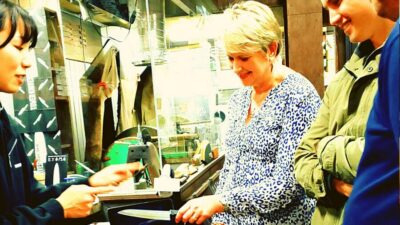
Shinsekai Food Tour with 13-15 Dishes at 5 Eateries
Read our review →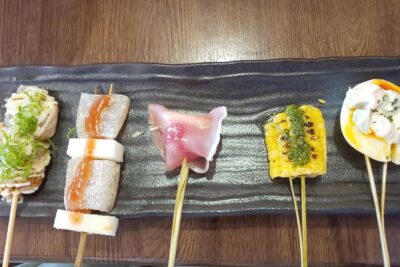
Osaka Food Tour: 13 Dishes at 5 Local Eateries
Read our review →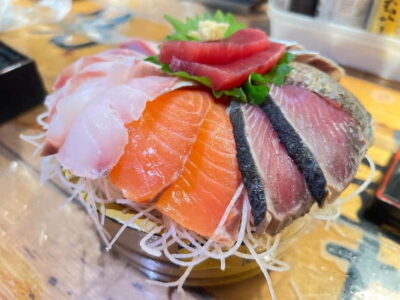
Shinjuku Food Tour (15 Dishes and 4 Eateries)
Read our review →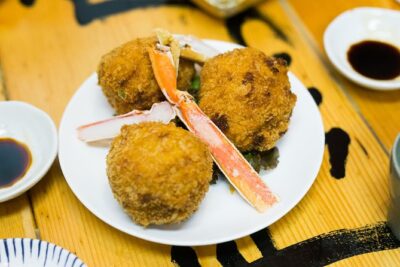
Best of Shinjuku: Izakaya Food Tour (4 Stops, 14+ Tastings)
Read our review →
Kyoto Night Foodie Tour in Gion (9+ dishes + 6 Sake tastings)
Read our review →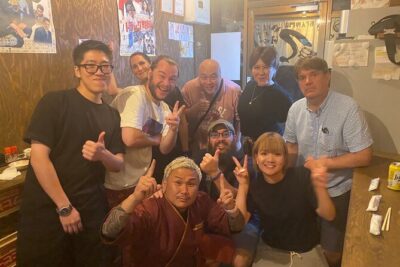
Hungry Osaka Street Food Tour:15 Tastings & 3 Drinks with a Local
Read our review →Browse the lists this tour appears in