
Reviewed · MOUNT FUJI TOURS
Ramen Cooking Class at Lake Kawaguchiko (Short Course)
Make noodles, then meet Fuji. This one-hour class in Fujikawaguchiko gives you a hands-on way to experience Japanese food, not just eat it. I like making the noodles from scratch and choosing your own soup seasoning. I also like that the class ends with a bowl you actually cooked yourself, served with a view of Mt. Fuji when conditions allow.
The main consideration is time. At about 60 minutes, this is a compact activity rather than a long cooking workshop. You also pay extra for drinks, and visibility of Mt. Fuji can never be promised.
The English-speaking instructors add a friendly touch. Mae is praised for enthusiastic, one-on-one help, while Kimmy and Hiro are noted for being kind and helpful. A group certificate and souvenir bandana give the short session a cheerful finish.
In This Review
- Key points to know before booking
- Why this Kawaguchiko ramen class is worth your time
- Starting at the Fuji Activity Reservation Center
- Kneading, rolling, and cutting the ramen dough
- Choosing a tare for your soup
- Boiling fresh noodles in the noodle cooker
- Adding chashu and finishing your bowl
- A bandana and certificate to take home
- Who will enjoy this one-hour activity
- Timing, transport, and booking advice
- Should you book the Kawaguchiko ramen class?
- FAQ
- How long does the ramen cooking class last?
- Where does the class begin and end?
- Is transportation included?
- Is the class taught in English?
- What do I make during the class?
- Is chashu included as a topping?
- Do I receive a souvenir?
- Can I cancel for a refund?
Key points to know before booking
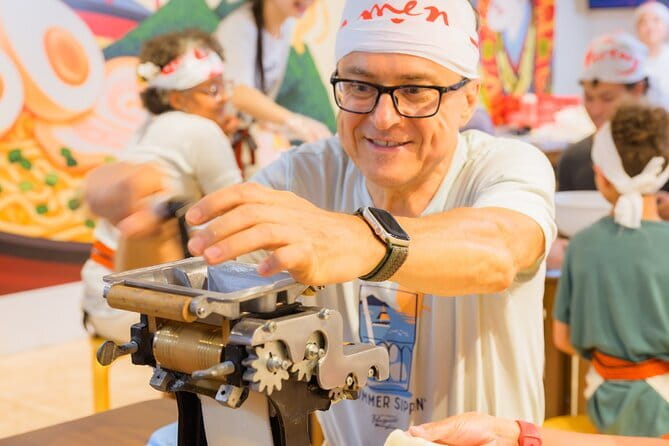
- Fresh noodles made by hand: You knead dough, roll it out, and cut it with a noodle-making machine.
- Your broth, your choice: You select a tare, or soup seasoning, instead of receiving one fixed flavor.
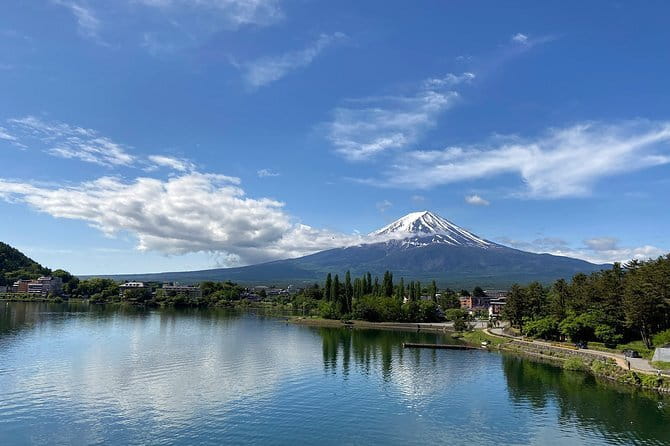
- Mt. Fuji at the table: The finished ramen is enjoyed with a view of Japan’s most famous mountain when weather and visibility cooperate.
- One-hour format: The class fits neatly into a busy Kawaguchiko day, but it moves at a steady pace.
- Small classes can feel personal: The maximum is 20 people, while one 5 p.m. class had only two participants and offered one-on-one instruction.
- A useful little souvenir: Each participant receives an original bandana, and each group receives a completion certificate.
Why this Kawaguchiko ramen class is worth your time
Kawaguchiko is known for its views of Mt. Fuji, but the area can also become a parade of photo stops. This class gives you something active to do between sightseeing outings. You handle the dough, make decisions about flavor, cook the noodles, and sit down to eat the result.
That hands-on work matters. A bowl of ramen can look simple when it arrives at a restaurant, but this activity shows you some of the steps hidden behind the finished dish. You get a brief lesson in texture, timing, seasoning, and presentation without committing half a day to a formal cooking school.
I especially like the balance between instruction and eating. You are not simply watching a demonstration, and you are not left to figure out every step alone. The English-speaking instructor guides the process, which makes the class suitable for visitors who do not speak Japanese.
At $39.14 per person, the value depends on what you want from your Kawaguchiko schedule. The fee covers the ingredients, food tasting, local taxes, instruction, the ramen-making equipment, and a bandana. Since you make and eat the meal during the session, the price is reasonable for a food activity, though it is not the cheapest way to have lunch or dinner.
You should also remember that drinks are not included. If you are comparing this with a restaurant meal, add that cost to your plans. If you are comparing it with a souvenir-focused activity, the bandana gives you something practical to take home, rather than just a photograph.
More ways to see Mount Fuji:
- Mt Fuji and Hakone 1-Day Bus Tour Return by Bullet Train
★ 5.0 · 26,383 reviews - Mt Fuji & Hakone Cruise, Drum Show Bullet Train 1 Day from Tokyo
★ 4.0 · 7,413 reviews - Tokyo Mt Fuji 5th St & Hakone Cruise Bus Tour w/Bullet Train
★ 4.4 · 5,024 reviews
Starting at the Fuji Activity Reservation Center
The class begins at the Fuji Activity Reservation Center, located at 3487-15 Funatsu, Fujikawaguchiko, Minamitsuru District, Yamanashi 401-0301, Japan. The meeting point is near public transportation, which helps if you are building the class into a day around Lake Kawaguchi.
You should allow enough time to find the center before the start. The activity lasts only about an hour, so arriving late could cut into the part you paid to enjoy. The session also returns to the same meeting point, making it easy to continue with your plans afterward.
The location is useful for a flexible itinerary. You can place the class before or after other activities around Fujikawaguchiko rather than arranging a separate transfer. Private transportation is not included, so you are responsible for getting to the starting point.
The schedule can shape the mood of the experience. A 5 p.m. class worked well for a couple who had the room to themselves, but the important point is that class size can vary. The maximum is 20 people. You might receive close individual help in a small group, or you might share the instruction with a fuller class.
Kneading, rolling, and cutting the ramen dough
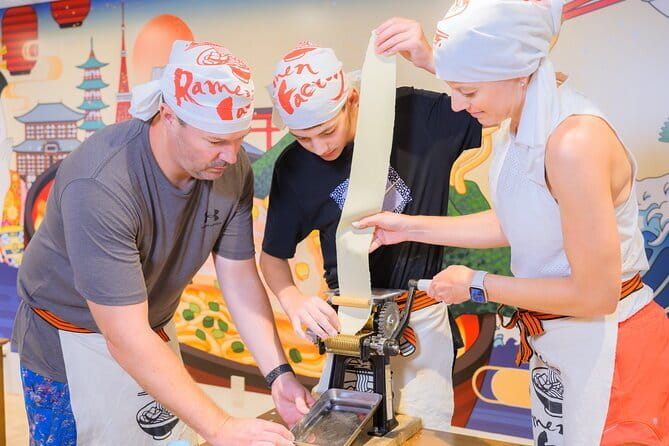
The first major step is making the noodles. You knead the dough, roll it out, and then cut it with a noodle-making machine. This is the most tactile part of the experience, and it gives you a clear role from the start.
The machine helps turn the rolled dough into noodles with a more even shape. You do not need to bring equipment or ingredients. Everything required for your ramen is supplied, which keeps the activity simple for first-time cooks.
I like this stage because it connects the food to the place in a direct way. You are not just being told how noodles are made. You are handling the dough and watching it change before it reaches the pot.
The short format means you should expect guided participation, not an advanced lesson in noodle craft. The class has enough time for you to perform the key actions, but not for a long discussion of regional ramen styles or flour types. That is a fair trade for visitors who want a practical activity that fits into a packed day.
The instructor’s help is important here. Mae is described as enthusiastic and helpful, while Kimmy and Hiro are praised for being kind and supportive. That personal guidance can make the difference between feeling rushed and feeling confident, especially if you have never made noodles before.
Choosing a tare for your soup
Once the noodles are ready, you choose your tare, the seasoning base that shapes the broth. This choice gives the meal a personal angle. You are not making an identical bowl to everyone else in the room.
The information provided does not list the exact tare choices or explain how many options are available. You should therefore expect a selection, but not assume a particular flavor, spice level, or dietary formula. If you have allergies or food restrictions, tell the provider in advance.
This is one of the best features for couples, families, or friends with different tastes. Each person can select a preferred seasoning rather than agreeing on one fixed bowl. It also makes the class feel more like cooking than assembling a preset meal.
Still, the tare is one part of the ramen, not a full menu of custom choices. The experience lists soup-base selection and topping customization, but it does not promise alternative noodles, vegetarian broth, vegan ingredients, or a special allergy-free menu. Ask ahead if those details matter to you.
More ramen tours in Japan:
- Ramen Cooking Class at Ramen Factory in Kyoto
★ 5.0 · 1,937 reviews - Eat and Drink Like a Local: Tokyo Ueno Food Tour-Taverns&Ramen
★ 5.0 · 957 reviews - Ramen & Gyoza Cooking Class in Tokyo with Local Supermarket Visit
★ 5.0 · 823 reviews - Kyoto: Ramen Cooking Class at a Ramen Factory with Souvenir
★ 4.9 · 532 reviews
Boiling fresh noodles in the noodle cooker
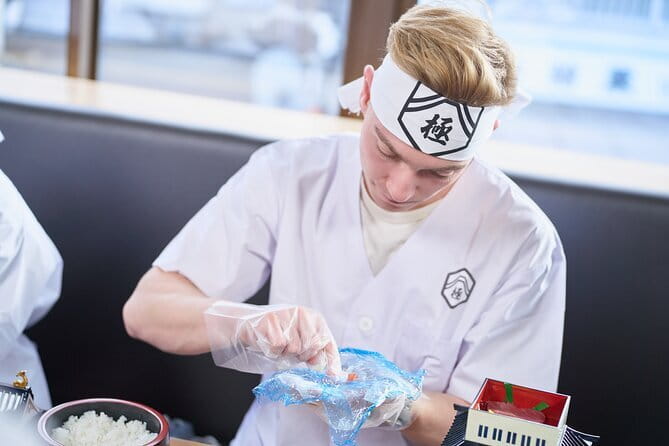
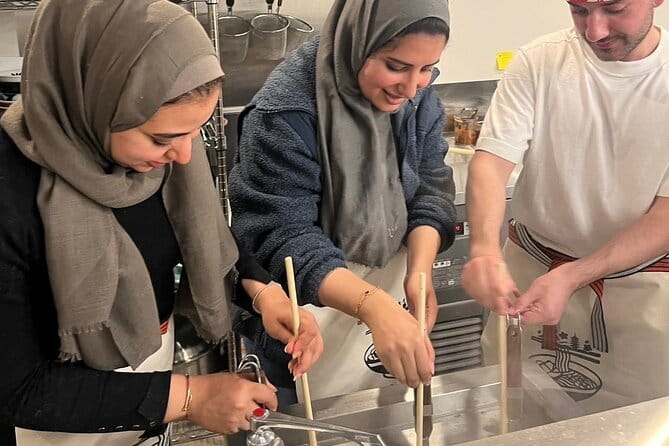
The next step is boiling your noodles in a real noodle cooker. This is where timing becomes important. Fresh noodles can change texture quickly, so the instructor’s directions help you cook them properly.
You get to see the process from dough to finished noodle, rather than receiving a bowl prepared entirely by someone else. That makes the final tasting more satisfying, even if your noodles are not perfectly uniform.
The class includes the food tasting, so there is no separate restaurant stop built into the activity. Once the noodles are cooked, you move toward finishing your bowl. Since drinks are excluded, plan to buy one separately if you want something with your meal.
The one-hour length keeps the activity approachable. You can fit it into a morning, afternoon, or early evening plan without sacrificing an entire day. The tradeoff is that there is little room for lingering. If you prefer long meals and extended instruction, this may feel brisk.
Adding chashu and finishing your bowl
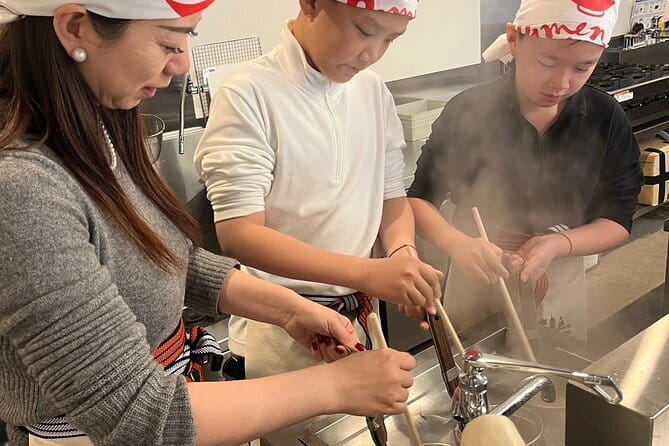
After boiling, you add toppings to your ramen. Chashu is included among the topping choices, and the customization lets you make the bowl your own before sitting down to eat it.
The supplied details do not specify every topping or the full range of available ingredients. You should treat chashu as a featured option, not assume that every possible ramen garnish will be offered. If you need to avoid a particular ingredient, contact the provider before arrival.
This final assembly is a small step, but it gives the class a satisfying sense of completion. You have kneaded the dough, shaped the noodles, selected the tare, cooked the noodles, and added toppings. The bowl reflects your choices.
Then comes the best part: eating your ramen with a view of Mt. Fuji. The setting adds real appeal, though mountain views depend on weather and visibility. On a clear day, the meal can connect two very Japanese pleasures, handmade noodles and Fuji scenery. On a cloudy day, the cooking remains the main reason to book.
A bandana and certificate to take home
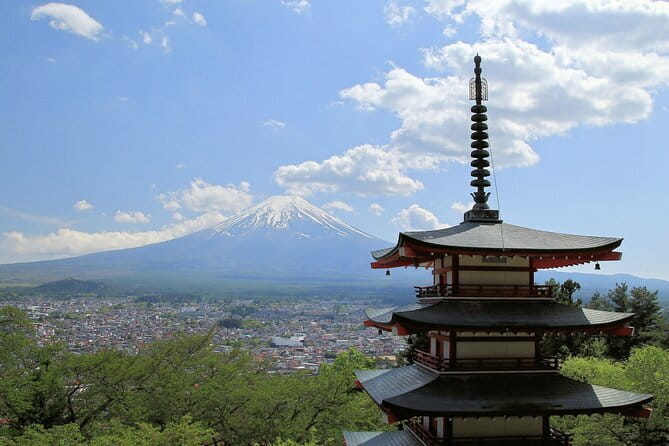
The class ends with a certificate presentation. Each group receives one official certificate of completion, so a couple or family should not expect one certificate per person.
Every participant receives an original bandana. This is a useful souvenir because it is small, light, and connected to the activity. It also gives children and first-time cooks a tangible reminder of the class.
The bandana was a particular hit with people who took the class, and it adds value without making the experience feel like a shopping stop. You receive it as part of the activity rather than being encouraged to buy something afterward.
The certificate is more playful than essential, but that is part of the charm. If you are looking for a formal culinary qualification, this is not it. If you want a fun record of a short Japanese food experience, it works well.
Who will enjoy this one-hour activity
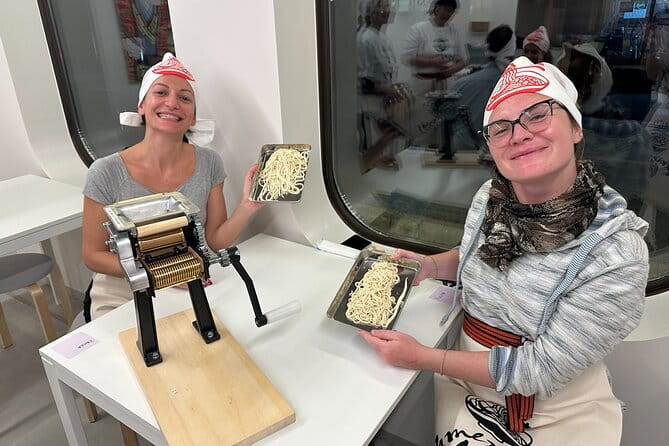
I would recommend the class to several types of visitors:
- First-time visitors to Japan: You get a simple introduction to ramen preparation with English-language help.
- Couples: The shared process works well for a relaxed activity, and a quiet class may provide one-on-one instruction.
- Families: Kneading, cutting, boiling, and topping give children clear tasks, though the provided details do not specify a minimum age.
- Food lovers with limited time: The one-hour schedule leaves room for other Kawaguchiko plans.
- Visitors seeking a Fuji-area memory: You combine a local food activity with the possibility of a mountain view.
I would be more cautious if you want a long, technical cooking course. You may also want to ask detailed questions before booking if you follow a strict diet, since only general allergy and dietary-restriction arrangements are described.
The group maximum of 20 is worth noting. A full class may feel less personal than the two-person 5 p.m. session that received individual instruction from Mae. If close guidance matters to you, ask about expected group size or choose a time that may be quieter.
Timing, transport, and booking advice
This is a mobile-ticket experience, and confirmation is received at the time of booking. The activity begins and ends at the Fuji Activity Reservation Center, with no private transportation included.
It is booked an average of 34 days in advance. That does not guarantee every session sells out, but it is a useful planning signal. If your Kawaguchiko dates are fixed, booking ahead is sensible, especially if you want a particular time such as the 5 p.m. session.
The cancellation terms are forgiving if your plans change early. You can cancel at least 24 hours before the local start time for a full refund. Within 24 hours, you receive no refund, and late changes are not accepted.
Tell the provider about allergies or dietary restrictions before the class. Do not wait until you are standing at the table, since the class needs advance notice to consider your needs.
Should you book the Kawaguchiko ramen class?
Book it if you want a short, friendly food activity that gives you real participation, a meal, English-language instruction, and a souvenir for $39.14. The strongest reasons are the noodle-making process, the choice of tare, the chance to eat beside a Fuji view, and the warm instruction reported from Mae, Kimmy, and Hiro.
Skip it if your priority is a full-length culinary course, included drinks, or guaranteed clear mountain scenery. The class moves quickly, and the exact tare and topping choices are not listed.
For most visitors with an open hour in Fujikawaguchiko, I think it is a good-value addition to a Fuji-area itinerary. Just arrive ready to cook, share the space with as many as 20 people, and remember that the mountain may choose its own schedule.
FAQ
How long does the ramen cooking class last?
The activity lasts approximately one hour.
Where does the class begin and end?
It begins and ends at the Fuji Activity Reservation Center at 3487-15 Funatsu, Fujikawaguchiko, Minamitsuru District, Yamanashi 401-0301, Japan.
Is transportation included?
Private transportation is not included. The meeting point is near public transportation.
Is the class taught in English?
Yes. An English-speaking instructor is included.
What do I make during the class?
You knead the dough, roll it, cut the noodles with a noodle-making machine, choose a tare, boil the noodles, and add toppings.
Is chashu included as a topping?
Chashu is listed among the available ramen toppings.
Do I receive a souvenir?
Yes. Every participant receives an original bandana. Each group also receives one official certificate of completion.
Can I cancel for a refund?
You can cancel at least 24 hours before the experience start time for a full refund. Cancellations or changes made within 24 hours are not refunded or accepted.
More Cooking Classes in Japan
- Kyoto: Ramen, Gyoza, and Onigiri Cooking Class
★ 5.0 · 445 reviews - Kyoto: Japanese Washoku Bento Small Group Cooking Class
★ 5.0 · 380 reviews - Osaka: Ramen and Gyoza Cooking Class in Dotonbori
★ 5.0 · 378 reviews - Tokyo: Easy Ramen Cooking Experience in Kabukicho, Shinjuku
★ 4.6 · 321 reviews
Just added around Japan
- Kanazawa private half day/Photoshoot by professional photographer★ 5.0 · 38 reviews
- Osaka Food Tour with 10 Classic Japanese Tastings & Drinks★ 5.0 · 38 reviews
- Osaka: Highlights & Hidden Gems Private Walking Tour★ 4.7 · 38 reviews
- Tokyo Small Group Tour with Guide★ 4.5 · 38 reviews
- Tokyo 6hr Instagram Highlights Private Tour with Licensed Guide★ 5.0 · 38 reviews
- Tokyo Sumo Experience with Live Show & Audience Challenge★ 5.0 · 38 reviews
- From Tokyo: Kamakura Private Customize Tour by Luxury Van★ 4.6 · 38 reviews
- Kyoto: Private Customizable Day Trip by Car★ 5.0 · 38 reviews
Mount Fuji Tours, compared.
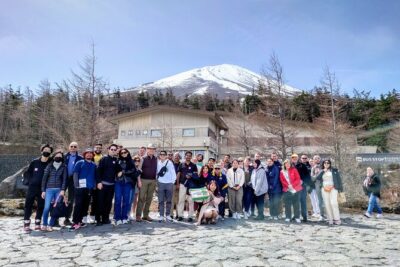
Mt Fuji and Hakone 1-Day Bus Tour Return by Bullet Train
Read our review →
Mt Fuji & Hakone Cruise, Drum Show Bullet Train 1 Day from Tokyo
Read our review →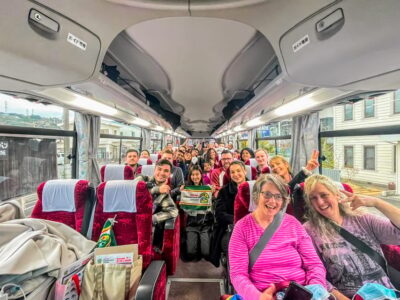
Tokyo Mt Fuji 5th St & Hakone Cruise Bus Tour w/Bullet Train
Read our review →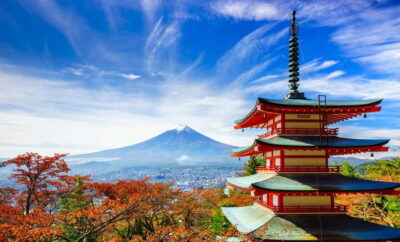
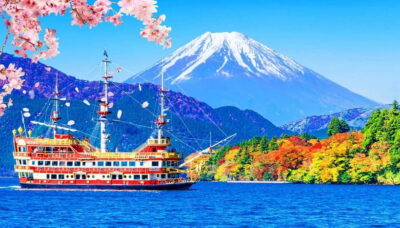
Mt. Fuji Tour, Hakone Ropeway, Owakudani, Lake Ashi
Read our review →
Mt.Fuji,Kawaguchiko Oishi Park,Arakurayama Sengen Park
Read our review →
Mt. Fuji 5th Station & Hakone Cruise 1-Day Bus Tour
Read our review →
Mt Fuji Top 5 Spots Day Tour: Arakurayama Park,Oshino Hakkai
Read our review →Browse the lists this tour appears in