
Reviewed · SAMURAI & NINJA EXPERIENCES
Samurai Ninja Museum Asakusa: Kid-Friendly Ninja Training
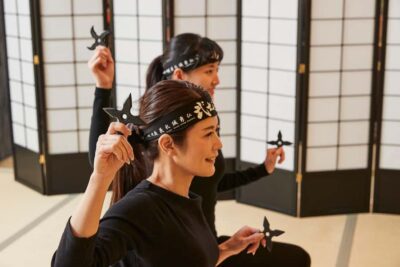
Ninja clothes make Tokyo history playful. At the Samurai Ninja Museum in Asakusa, you can dress in a full ninja outfit, learn basic ninja skills, and take part in activities that keep children involved rather than simply watching a display. I especially like the costume photo session and the mix of shuriken throwing, blowgun practice, and a treasure hunt. The main drawback is the price: at $56 per person, this is a short activity, and one parent felt it was expensive for a 5-year-old.
The English-speaking guides are another strong point. Koki receives special praise for clear explanations and a friendly manner, while another guide was called amazing by a family from the United States. The 75-minute format is easy to fit into a day of sightseeing, though children under 3 may enter the venue but cannot join the ninja training.
In This Review
- Key points to know before booking
- Starting the experience in a full ninja outfit
- Learning the ninja spirit without a long lecture
- Throwing ninja stars in a friendly contest
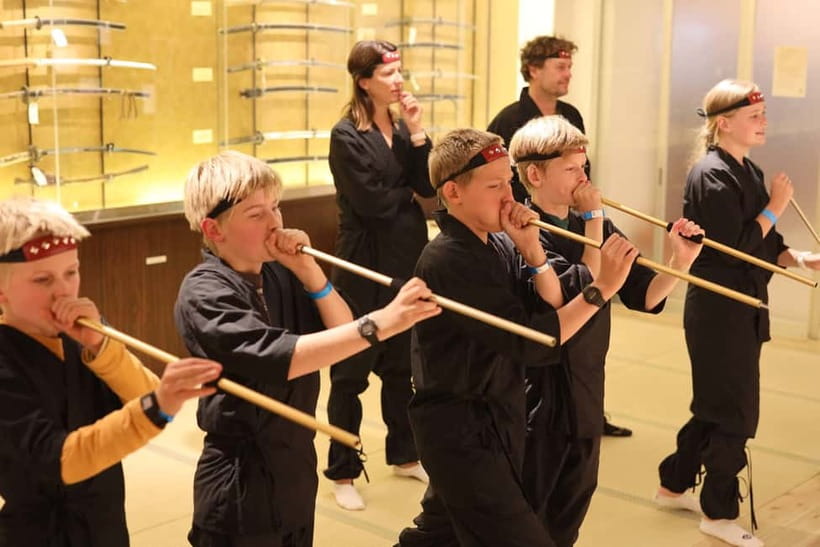
- Trying the ninja blowgun
- Following a ninja treasure hunt through the museum
- How the 75 minutes fits into an Asakusa day
- Is $56 per person a fair price?
- Who will enjoy this most?
- What I would keep in mind before you go
- Should you book the Samurai Ninja Museum experience?
- FAQ
- Where is the Samurai Ninja Museum experience located?
- How long does the ninja experience last?
- How much does the experience cost?
- Is the activity conducted in English?
- What activities are included?
- Can children under 3 participate?
- Can I cancel for a full refund?
Key points to know before booking
- Full ninja outfit: You dress for the part, making the activity more memorable and giving you a good photo opportunity.
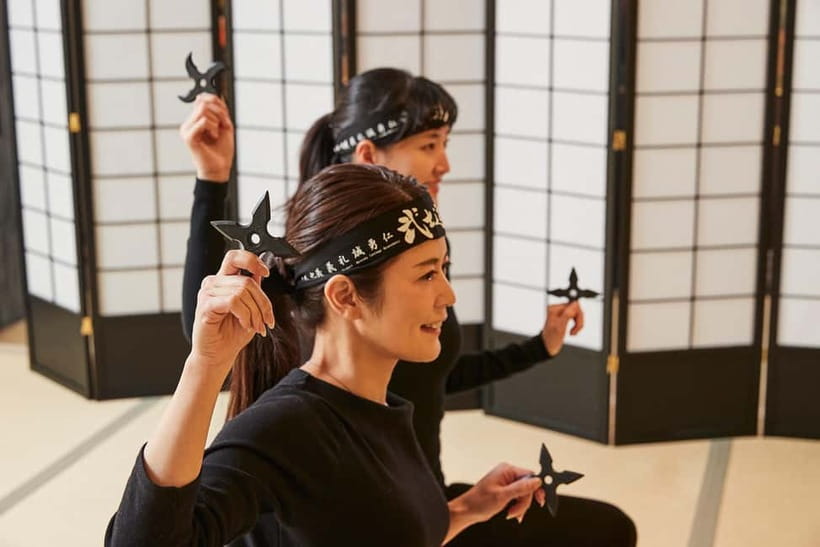
- Shuriken throwing contest: You practice with ninja stars in a friendly competition that adds a clear goal to the session.
- Blowgun practice: You get to try a ninja blowgun, one of the more unusual hands-on parts of the visit.
- Treasure hunt for children: The hunt gives younger participants something active to do while learning about ninja skills.
- English guidance: The session is led in English, with Koki praised for being friendly and explaining things well.
- Small-group setting: Booking information describes the activity as limited to five participants, although the venue lists a maximum of 20 people for the activity.
Starting the experience in a full ninja outfit
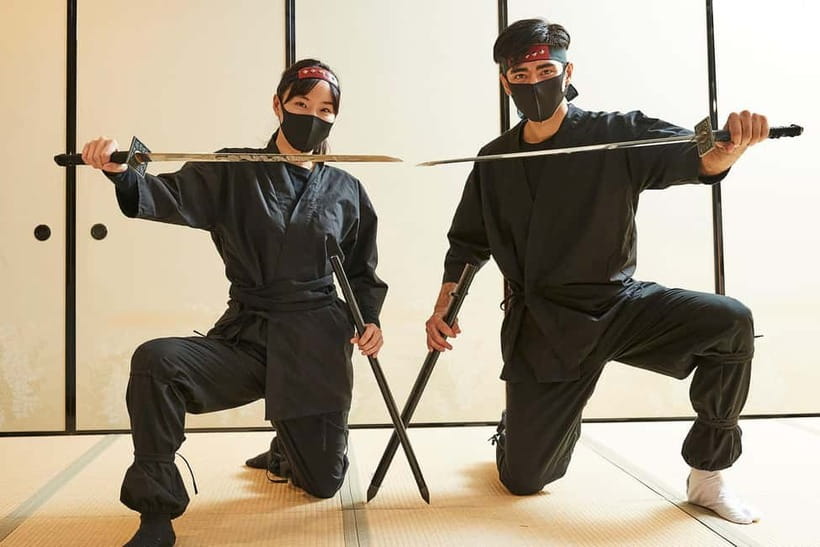
The costume is the first big shift from ordinary sightseeing to play. You put on a full ninja outfit, then enter the activity ready to act the part. For children, this matters. A museum visit can lose their attention quickly, but clothing gives them an immediate role.
I like that the outfit is not treated as a minor photo prop. It becomes part of the lesson and the games. You are not simply looking at ninja equipment behind glass. You are using the costume to take part in a short, guided experience.
The photo shoot is included, so you do not need to decide if an extra photo package is worth paying for. Families should have a chance to capture the moment in costume, which can be one of the best souvenirs from the visit. The supplied information does not specify how many photos you receive or whether they are digital, so check the current details when booking.
The costume also creates a practical point to consider. Children may be excited to dress up, but some may need help getting comfortable before the activities begin. Since the whole session lasts 75 minutes, the outfit portion is part of a fairly compact schedule rather than a long theatrical program.
More Museum Visits in Tokyo
- Tokyo: teamLab Planets TOKYO Digital Art Museum Entry Ticket
★ 4.6 · 9,779 reviews - Tokyo: Samurai Ninja Museum Guided tour and Experience
★ 4.6 · 1,010 reviews - Ninja Experience (Family Friendly) at Samurai Ninja Museum TOKYO
★ 5.0 · 441 reviews
Learning the ninja spirit without a long lecture
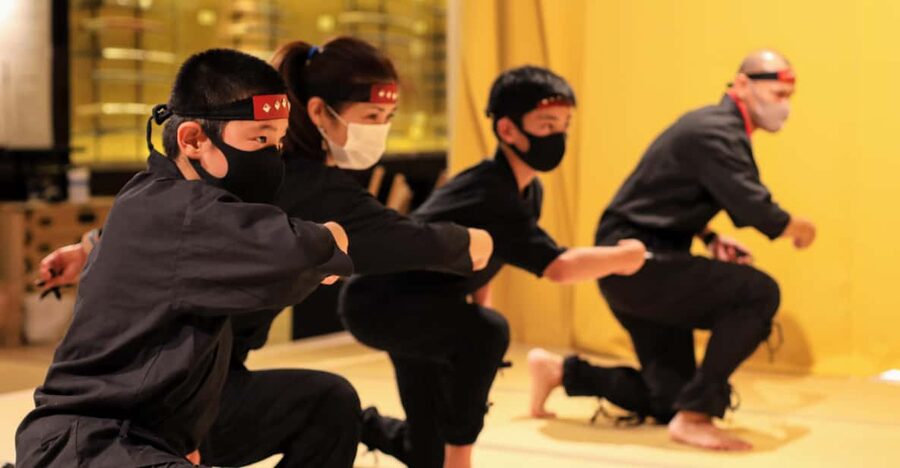
The experience is designed around participation. You learn about ninja techniques and the ninja spirit through guided activities, rather than sitting through a lengthy history talk. That approach suits families who want a cultural activity with movement and play.
The complimentary Samurai and Ninja Museum tour adds context to the training. The museum uses interactive exhibits, giving you a chance to connect the games with Japan’s samurai and ninja traditions. The supplied details do not list each exhibit, so I would treat this as a short introduction rather than a full museum study session.
That balance is useful in Tokyo. You can get a taste of Japanese history, then let children test their focus and coordination. The activity does not pretend to turn anyone into a real martial artist. Its value is in making historical themes approachable and memorable.
The English-speaking guide is important here. Clear instructions make the activities easier for children and for adults who are unfamiliar with the equipment. Koki is singled out for being friendly and explaining things well, and another visitor described the instructor as amazing. Those comments point to the guide as a major part of the experience, not just someone who keeps the schedule moving.
Throwing ninja stars in a friendly contest
The shuriken activity is likely to be the highlight for many children. You learn how to handle ninja stars, then take part in a throwing competition. The contest gives the session a little energy and makes the skill practice feel like a game.
I like this format because it gives you a simple target. You can focus on listening to the guide, trying the technique, and seeing how your throw compares with other people in the group. The competitive element is light enough for a family activity, but it still gives children a reason to pay attention.
Do not book this expecting a serious weapons-training course. The available information describes a fun cultural experience, not advanced instruction or a formal martial arts lesson. The best attitude is to enjoy the novelty, follow safety directions, and accept that accuracy may take a back seat to laughter.
The group size can affect this part of the visit. The experience is described as a small group limited to five participants, which should allow more direct instruction and less waiting. At the same time, the venue information gives a maximum of 20 participants, so the exact group arrangement is worth confirming if a very intimate session matters to you.
Trying the ninja blowgun
Blowgun practice gives the activity a different rhythm from shuriken throwing. Instead of throwing, you work on breath and precision with a ninja blowgun. It is a simple change, but it keeps the experience from feeling like one repeated game.
This is also a good activity for children who may not enjoy throwing contests. Some kids will prefer the quiet concentration of aiming and blowing. Others will enjoy switching between the two skills. You get variety without needing a long session.
The guide’s instructions matter here, especially for younger children. The provided information confirms that you use a ninja blowgun, but it does not describe the exact targets, equipment, or safety rules. Follow the staff directions closely and keep expectations realistic. This is a themed cultural activity, not a weapons course.
The blowgun also helps explain why the session works well for mixed ages. Adults can join in rather than standing at the edge with a camera. If you are visiting with children, I would plan to take part yourself. Your interest can make the activity feel like a shared family memory instead of something arranged only for the youngest person.
More Samurai & Ninja Experiences in Tokyo
- Tokyo: Samurai Restaurant Show Ticket with 2 Drinks
★ 4.5 · 1,307 reviews - Tokyo: Samurai Sword & Archery Class from Samurai Descendant
★ 5.0 · 603 reviews - Best Samurai Experience in Tokyo
★ 5.0 · 458 reviews - Tokyo: Samurai Entertainment Night Show in Kanda Shrine
★ 4.6 · 417 reviews
Following a ninja treasure hunt through the museum
The treasure hunt is specifically noted as an activity children enjoy. It adds a small mission to the visit and helps hold attention during the museum portion. Instead of simply moving from one display to another, children have a reason to look, listen, and keep going.
A treasure hunt can be especially helpful after the excitement of dressing up. The costume creates the character, while the hunt gives that character a task. Together, the activities turn the museum visit into a short story: dress like a ninja, learn the secrets, find the treasure, and test your skills.
The details do not say how long the hunt lasts or what the prize involves. I would not assume that it is a large-scale search or a separate souvenir. Think of it as a child-friendly activity within the museum experience.
For parents, this is one of the strongest reasons to consider the tour. You get a cultural stop that does not depend on children quietly reading labels for an hour. The hunt keeps the visit active while still placing it inside a museum setting.
How the 75 minutes fits into an Asakusa day
Seventy-five minutes is a useful length for a family schedule. It is long enough for costumes, explanations, museum time, the treasure hunt, star throwing, blowgun practice, and photos, but short enough to leave room for other Asakusa sights.
I would place this activity between larger sightseeing stops rather than build an entire day around it. The supplied details give the location as Asakusa, but they do not provide a specific meeting point or walking directions. Check the exact address and start time before setting out.
The compact duration also limits the depth of the museum visit. If you want a detailed examination of samurai and ninja history, this may feel brief. If you want a hands-on introduction that children can manage, 75 minutes is a sensible compromise.
Starting times vary, so you need to check availability for your chosen date. English is the listed tour language. That makes the activity a practical choice for families who want instructions and explanations without relying on translation.
Is $56 per person a fair price?
At $56 per person, this is not a cheap museum entry. The price needs to cover more than looking at exhibits, since it includes the entrance ticket, ninja treasure hunt, photo shoot, costume experience, instruction, shuriken throwing, and blowgun practice.
I think the value depends on your group. For a child who loves ninja stories and enjoys dressing up, the cost may feel reasonable because the visit combines several activities in one booking. You are paying for a guided experience and participation, not just admission.
For adults who are mainly interested in historical displays, the price may be harder to justify. The session lasts 75 minutes, and the museum component is paired with games. One parent described the experience as cute and said their 5-year-old enjoyed it, but felt it was overpriced. That is a fair warning for families watching their budget.
The small-group description improves the value if the session really is limited to five people. More direct time with the guide can make the instruction feel personal. Since another part of the information gives a maximum of 20 participants, I would confirm the expected group size before booking if that detail affects your decision.
Who will enjoy this most?
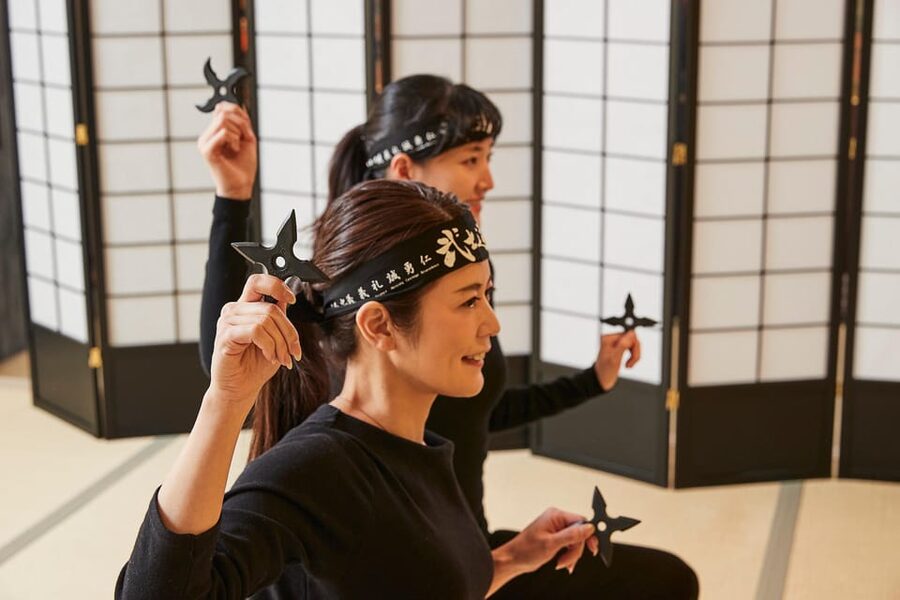
This experience is best for families with children who enjoy costumes, simple competitions, and active learning. A 5-year-old has already enjoyed the format, though each child’s attention span and comfort with new activities will differ.
It also suits adults who want a light cultural experience in Tokyo. You do not need prior knowledge of ninja traditions, and the English guide helps explain what you are doing. The activity is playful, but it still gives you an introduction to samurai and ninja themes through the museum and demonstrations.
Children under 3 cannot join the ninja experience, though they can enter the venue. That rule matters for families with toddlers. An adult may need to remain with a young child who is present but not participating.
The venue is listed as wheelchair accessible, which removes one common barrier for visitors with mobility needs. The information does not explain the accessibility of each individual activity, such as the costume area or throwing stations, so ask the provider about your exact needs before arrival.
What I would keep in mind before you go
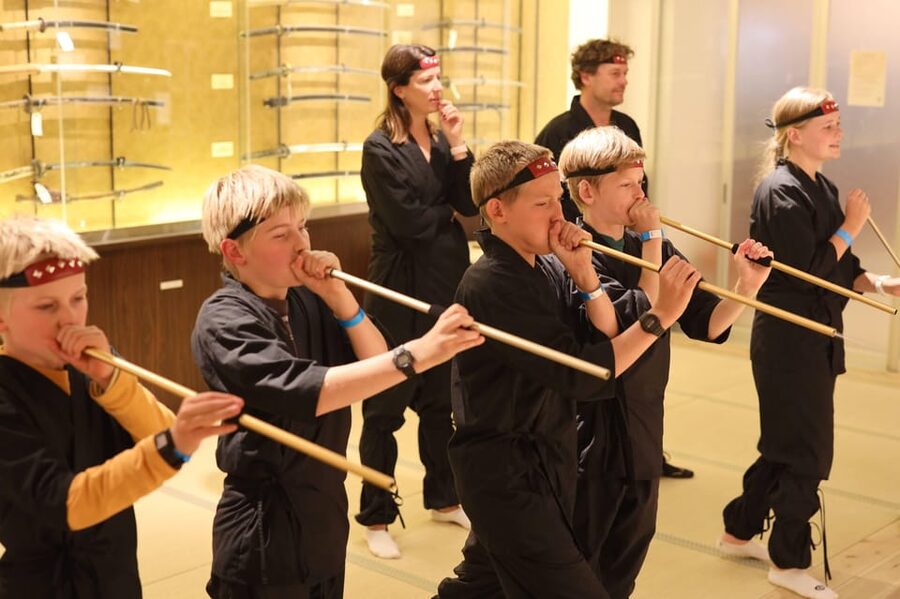
Wear something that makes changing into the ninja outfit easy. The activity requires movement, throwing, and blowgun practice, so comfort matters more than dressing for a formal museum visit.
Plan for photographs. The photo shoot is included, and the costume is one of the clearest memory-making parts of the session. If you are visiting with children, decide in advance who will handle phones or cameras so everyone can enjoy the activities.
Listen closely to the guide’s instructions. The shuriken and blowgun activities are meant to be fun, but they still require care and attention. The praise for Koki and the other instructor suggests that the quality of the explanation can make a real difference.
Finally, keep the scale of the experience in mind. This is a short, playful introduction to ninja culture. It is not a full history course, a long museum visit, or professional martial arts training.
Should you book the Samurai Ninja Museum experience?
I would book this for a family looking for a memorable break from Tokyo’s temples, shopping, and train rides. The full outfit, treasure hunt, star throwing, blowgun practice, and photo shoot give children several ways to stay involved, while the museum tour adds a cultural reason to visit.
I would hesitate if $56 feels high for a 75-minute activity or if your main goal is a detailed historical museum. Before paying, confirm the group size and current session details, especially because the information gives both a small-group limit of five and a venue maximum of 20.
For the right family, the value is not in the length of the visit. It is in having one lively, shared activity that everyone can remember after the sightseeing day is over.
FAQ
Where is the Samurai Ninja Museum experience located?
The experience is located in Asakusa, Tokyo, on Honshu, Japan.
How long does the ninja experience last?
The activity lasts 75 minutes.
How much does the experience cost?
The listed price is $56 per person.
Is the activity conducted in English?
Yes. The live tour guide and listed tour language are English.
What activities are included?
The experience includes a full ninja outfit, ninja instruction, a ninja treasure hunt, ninja star throwing, ninja blowgun practice, a photo shoot, and entry to the Samurai and Ninja Museum.
Can children under 3 participate?
Children under 3 cannot join the ninja experience, but they can enter the venue.
Can I cancel for a full refund?
Yes. You can cancel up to 24 hours in advance for a full refund.
Just added around Tokyo
- Tokyo 6hr Instagram Highlights Private Tour with Licensed Guide★ 5.0 · 38 reviews
- Tokyo Small Group Tour with Guide★ 4.5 · 38 reviews
- Tokyo Sumo Experience with Live Show & Audience Challenge★ 5.0 · 38 reviews
- Japanese Food Cooking Class in Asakusa, Tokyo★ 5.0 · 39 reviews
- Very popular in Harajuku♡Animal petting zoo★ 4.6 · 39 reviews
- Ramen Making from Scratch with Tokyo Mom(Vegan Option Available)★ 5.0 · 39 reviews
- Tokyo JDM Night: 600hp C63s AMG Edition 1 (Private)★ 4.9 · 39 reviews
- Tokyo: Kimono Rental inside Shinjuku Gyoen National Garden★ 4.9 · 39 reviews
Samurai & Ninja Experiences, compared.
Samurai Ninja Museum Guided tour and Experience
Read our review →
Kendo and Samurai Experience with Uniform and Gear
Read our review →
Samurai Sword Class by Experts in Traditional Arts
Read our review →
Skip the lines Basic Ticket at SAMURAI NINJA MUSEUM KYOTO
Read our review →
Samurai Sword & Archery Class from Samurai Descendant
Read our review →
Browse the lists this tour appears in