
Reviewed · WORKSHOPS
Shinjuku Tokyo: Authentic Japanese Home-Style Culinary Class
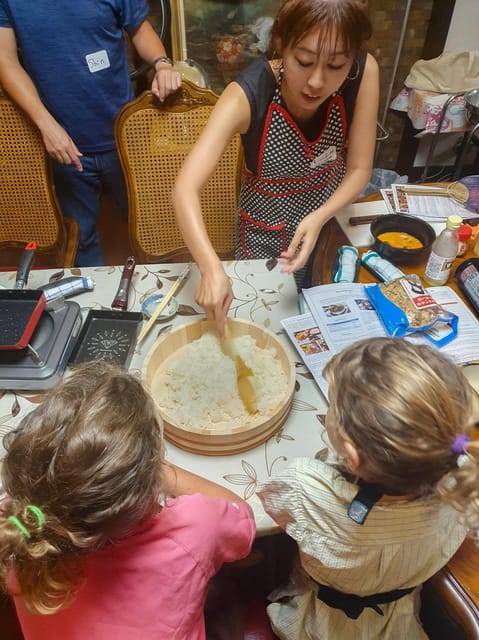
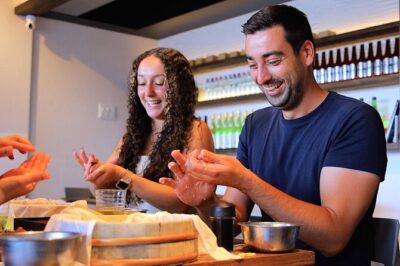
Tokyo tastes better when you cook it. This 150-minute class near Shinjuku gives you hands-on practice with familiar Japanese dishes, from okonomiyaki and yakisoba to gyoza, sushi, teriyaki, and takoyaki. I especially like the choice of menus and the chance to learn food you can actually recreate at home. I also like that the instructors, including Kana, Kayo, Lulu, Chieko, and Miyuki, explain ingredients and cooking methods in English rather than simply demonstrating them.
The main consideration is menu flexibility. You can select from four menus when your group is the only booking that day, but a shared class may limit that choice. You also receive the exact kitchen address only after booking, so allow time to read the arrival instructions carefully.
In This Review
- Key points to know before booking
- Why this class works so well in central Tokyo
- Choosing between four Japanese menus
- Menu A: Okonomiyaki and yakisoba
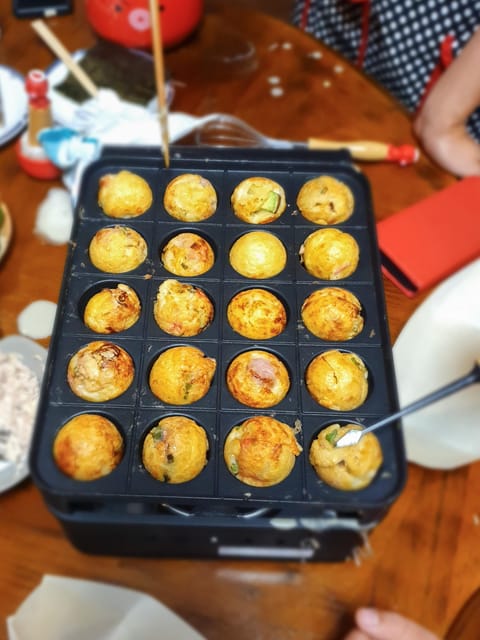
- Menu B: Gyoza and takoyaki
- Menu C: Rolled sushi and teriyaki
- Menu D: Traditional gozen set
- A requested menu
- What the 150 minutes are like
- The teaching style and English support
- Dietary needs, allergies, and menu changes
- What is included for the $88 price
- Arrival details and useful planning advice
- Who should book this cooking class?
- Should you book the Shinjuku Japanese cooking class?
- FAQ
- Where is the cooking class held?
- How long does the activity last?
- Which menus can I choose?
- Can I request a vegetarian or vegan menu?
- Is the class taught in English?
- What is included in the price?
Key points to know before booking
- Four practical menus: Pick between okonomiyaki and yakisoba, gyoza and takoyaki, rolled sushi and teriyaki, or a traditional gozen meal.
- A full meal is included: You cook several dishes, then sit down and eat what you made together.
- Good for families: Children have taken part successfully, with activities adapted for ages seven to twelve.
- Dietary requests are discussed in advance: Vegetarian, vegan, allergy-related, and other menu requests may be accommodated.
- Convenient central location: The kitchen is in or around Shinjuku, though the exact address arrives after booking.
- Strong value at $88: Ingredients, cooking equipment, drinking water, instruction, and all taxes are included.
Why this class works so well in central Tokyo
Shinjuku can feel like a city-sized food court, with ramen shops, department-store basements, izakaya, and convenience stores competing for your attention. This class offers a different way to understand Japanese food. Instead of only ordering a finished dish, you learn how several everyday meals are built.
That matters because Japanese home cooking is often less mysterious than restaurant presentation suggests. You learn how cabbage, noodles, batter, sauces, rice, soup, meat, and fish fit together. The result is not a formal fine-dining lesson. It is a friendly introduction to food that Japanese families might actually prepare.
The location is also practical. The kitchen is in or around Shinjuku, in central Tokyo, so you do not need to spend a large part of your day crossing the city. The exact address is sent after booking, and one person had trouble finding the correct entrance after an address led to the wrong part of the building. Follow the arrival message closely, and contact the organizer if anything is unclear.
The class lasts two and a half hours. That is long enough to prepare several dishes without turning the activity into an all-day commitment. It also leaves room for conversation, questions, eating, and a little cultural explanation.
A few more Tokyo experiences worth weighing up
- Sushi Making Tokyo Roll and Authentic Japanese Sushi Class
★ 5.0 · 3,971 reviews - Tokyo: Roll and Authentic Sushi Making Class in Asakusa
★ 4.9 · 1,957 reviews - Tokyo Shinjuku Chopsticks Making Class
★ 5.0 · 1,763 reviews
Choosing between four Japanese menus
Your menu choice shapes the whole experience. Each option focuses on a different part of Japanese cooking, so I would choose based on what you want to learn, not just what sounds familiar.
Menu A: Okonomiyaki and yakisoba
This is a good choice if you want the lively, casual side of Japanese food. Okonomiyaki combines batter, chopped cabbage, and other ingredients on a teppan grill, then receives sauces and toppings. Yakisoba uses stir-fried noodles, vegetables, and often pork or seafood, finished with a sweet and savory sauce.
The appeal here is texture and timing. You learn how to manage a soft cabbage pancake while also stir-frying noodles and vegetables. These dishes are popular in Japan and use ingredients that can often be found outside the country, making this one of the most useful menus for home cooks.
A side dish completes the meal. Since the menu contains two substantial main dishes, expect a filling lunch.
Menu B: Gyoza and takoyaki
This menu is especially fun for families and anyone who likes food with a playful cooking process. The gyoza are pan-fried until crisp, while takoyaki are cooked in a special molded pan and turned as they set.
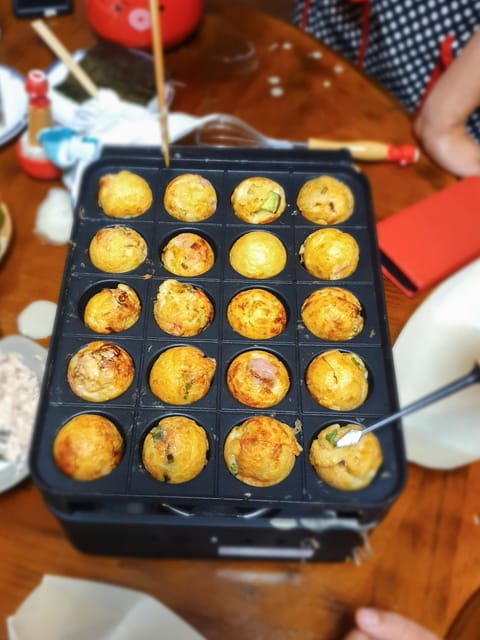
Takoyaki is closely associated with Osaka and summer festivals, so making it yourself gives you a taste of Japanese street-food culture. The turning technique can take a little practice, but that is part of the attraction. You are not simply watching a chef prepare a plate. You are handling the food and learning how the shape develops.
The menu also includes side dishes. One visitor specifically enjoyed making takoyaki because it was not something they expected to have a chance to prepare at home in the United States. Vegetarian adjustments have also been made for this menu.
A completely different kind of day out in Tokyo:
- Mt Fuji and Hakone 1-Day Bus Tour Return by Bullet Train
★ 5.0 · 26,383 reviews - 1-Day Tokyo Bus Tour
★ 5.0 · 14,250 reviews - Tokyo: TOKYO SKYTREE® Admission ticket
★ 4.5 · 11,192 reviews - Tokyo: teamLab Planets TOKYO Digital Art Museum Entry Ticket
★ 4.6 · 9,779 reviews
Menu C: Rolled sushi and teriyaki
Choose this menu if sushi-making is high on your Tokyo wish list. You roll and cut your own sushi pieces, then pair them with yellowtail fish or chicken teriyaki, side dishes, and miso soup.
This is a useful introduction because rolling sushi looks simple until you try to keep the filling balanced and the roll firm. The instructor can guide you through the process, and you finish with food you can try again at home. One past participant specifically noted that they felt ready to make sushi and miso soup after the lesson.
The choice between yellowtail and chicken gives you some flexibility. If you have allergies or avoid certain foods, raise the issue before the class rather than waiting until the cooking begins.
Menu D: Traditional gozen set
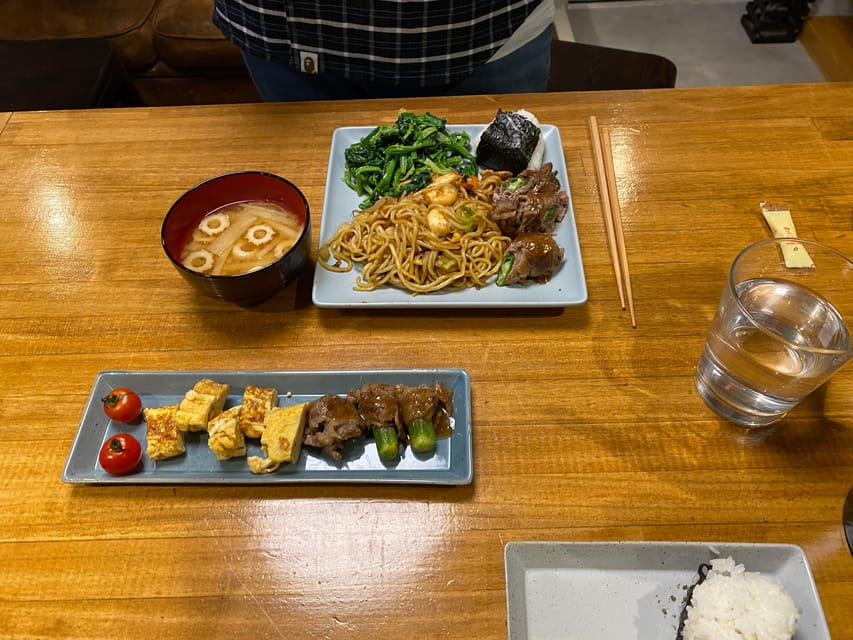
The gozen menu is the best pick if you want a broad look at a Japanese home-cooked meal. It includes a meat plate, fish plate, side dish, miso soup, and an onigiri rice ball.
Instead of concentrating on one cooking style, you work with several components. This helps you understand how a Japanese meal can balance rice, soup, protein, and small side dishes. It is less about one dramatic technique and more about putting together a rounded table.
The gozen menu can also be adjusted in some cases. One family chose this option and requested chicken teriyaki, which the instructor accommodated. That is a useful example of why you should discuss preferences early.
A requested menu
A fifth option may be possible if you have a particular dish in mind. You can send a request and discuss the menu with the instructor.
This is not an unlimited promise that any dish can be prepared. The final plan depends on the ingredients, the class setup, and the instructor. Still, it is worth asking if none of the standard menus suits your diet or interests.
What the 150 minutes are like
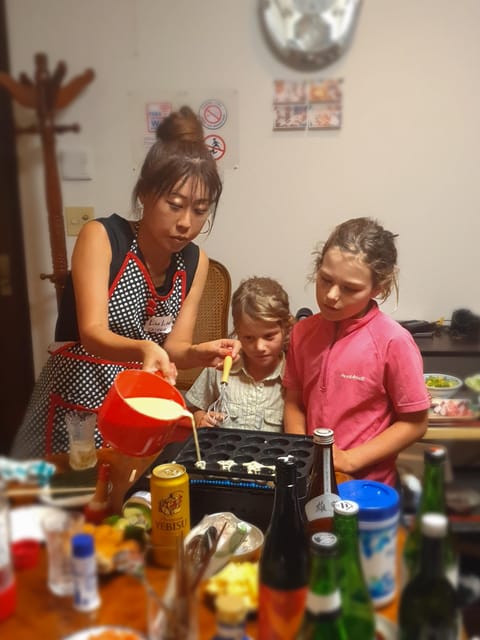
The class begins with prepared ingredients and an introduction to the selected dishes. Since the ingredients are arranged in advance, you can spend more time cooking and less time waiting for shopping or basic preparation.
The instructor explains the ingredients, methods, and cultural background as you work. Several instructors have been praised for clear English, patience, warmth, and useful explanations. Kana has answered many questions about Japanese cooking, while Chieko has explained traditional recipes and techniques. Miyuki has been described as both funny and helpful, and Lulu has shared recipes and local food suggestions alongside the lesson.
The amount of hands-on work can vary. Some people report a very interactive class where everyone takes part. One experienced cook would have preferred to do more cooking instead of watching the instructor prepare certain parts. If you want maximum time at the cutting board or stove, say so at the beginning.
That small caveat is worth noting. This is an instructional meal, not a professional kitchen apprenticeship. The instructor may step in to demonstrate, organize, or finish a technique so that the meal comes together on time.
After the cooking, you sit down and eat the dishes you prepared. The portions appear generous. One participant said the meal kept them full for much of the day, even though they arrived hungry. Plan your schedule accordingly, especially if you have a major dinner reservation later.
The teaching style and English support
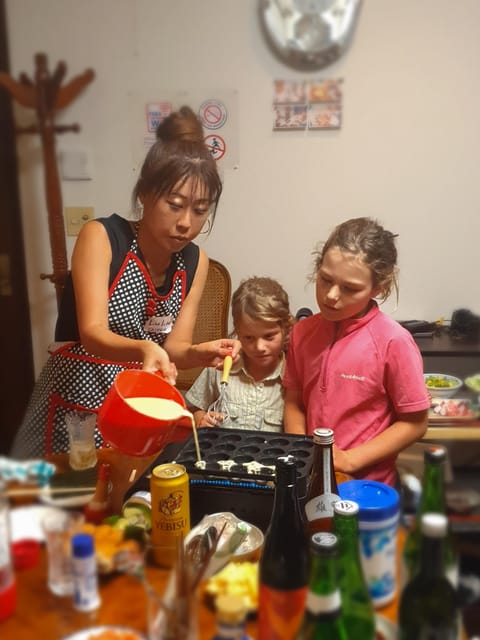
The instructors are a major part of the experience. The class is taught in English, and the feedback about communication is consistently strong. You should still expect different teaching personalities because the class may be led by Kana, Kayo, Lulu, Chieko, Miyuki, Mika, Aki, Erica, or another member of the team.
The best part is the combination of cooking instruction and cultural context. You learn not only how to mix, roll, fry, or grill, but also how ingredients are used and why dishes fit into Japanese eating habits. Mika, for example, has explained different Japanese ingredients and their uses in practical terms.
The atmosphere is personal. Some bookings have worked like private classes, particularly when a small party was the only group attending. That makes it easier to ask questions about substitutions, techniques, and Japanese food customs. A shared class may offer more social energy, but the menu choice may be less flexible.
Families have had good results here. A group with four children between seven and twelve found the activity accessible, and another family included a teenager who wanted to learn more about cooking. The class gives children real jobs without requiring them to sit through a long lecture.
Dietary needs, allergies, and menu changes
The provider asks you to share food allergies in advance. This is important because Japanese cooking can include fish, seafood, meat, soy, wheat, and prepared sauces. Do not assume a dish is suitable simply because it looks familiar.
Vegetarian guests have been accommodated, and menu adjustments have been made for special requests. Vegan options are also listed as a possibility. The practical advice is simple: state your restrictions clearly when booking, then confirm them again in the pre-class communication.
The class may be able to adjust a menu, but the supplied information does not promise that every allergy or diet can be handled. If your needs are serious, ask what ingredients will be used and what substitutions are possible before you commit.
What is included for the $88 price
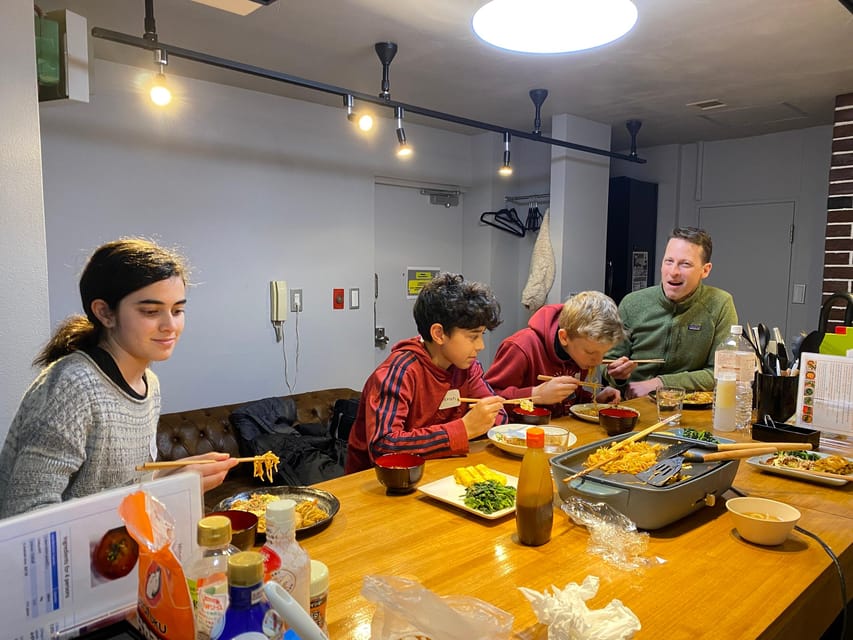
At $88 per person, this is not the cheapest meal-related activity in Tokyo. The price makes more sense when you count what is bundled into the session: ingredients, cooking tools, drinking water, instruction, the meal, and all fees and taxes.
You also receive practical value that a restaurant meal cannot provide. You leave with methods you can repeat, and several participants received recipes afterward. One person even bought a pan after the class so they could make the dishes again at home.
The value is strongest if you are interested in Japanese food beyond taking photographs of it. You are paying for a meal, but also for two and a half hours of guidance and the chance to ask questions. It is less compelling if you only want a quick lunch or dislike participating in meal preparation.
The class can also replace a separate lunch. Since you eat what you prepare, the total cost is easier to justify for a visitor who wants both food and an activity. Just remember that private transportation is not included.
Arrival details and useful planning advice
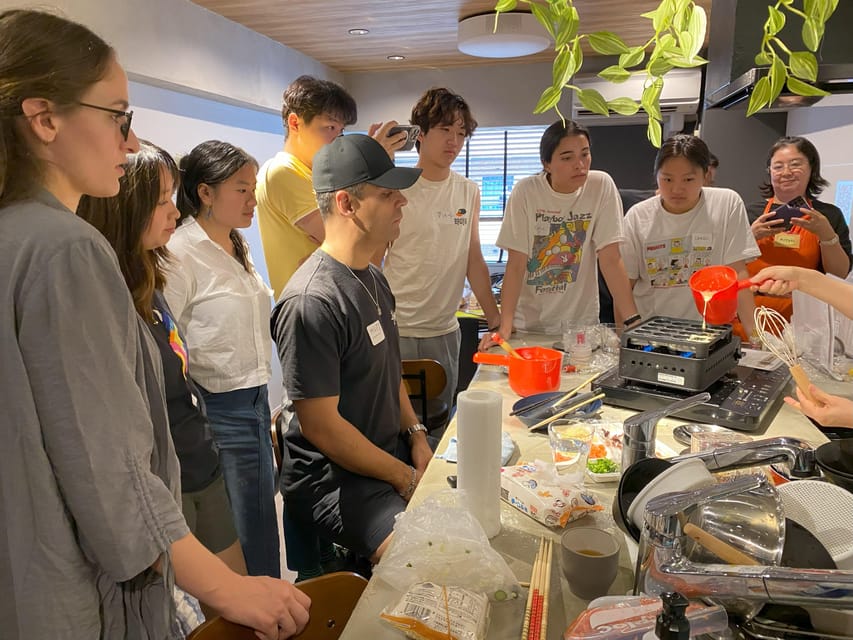
You will receive the exact kitchen address after booking. Since the activity is held in a studio in or around Shinjuku rather than at one universally stated meeting point, do not rely on a general map pin alone.
Read the organizer’s message carefully. One person arrived late after finding the wrong building entrance, while another group received clear directions and photographs that made the kitchen easier to locate from Shinjuku Station. If you cannot find the entrance, contact the organizer rather than wandering around the neighborhood.
The class has starting times based on availability. It is wise to avoid booking it too close to a train departure, museum reservation, or restaurant booking. The cooking and meal are designed to take the full 150 minutes, and you will want a little extra time for arrival.
Cancellation is flexible up to 24 hours before the activity for a full refund. You can also reserve and pay later, which helps if your Tokyo schedule is still changing.
Who should book this cooking class?
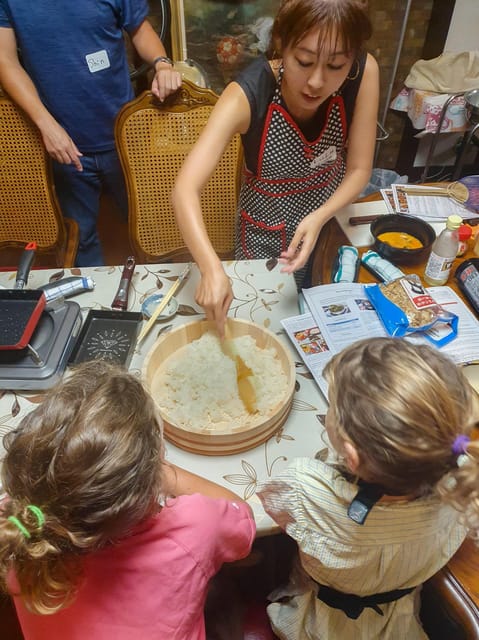
I would recommend it most strongly to:
- First-time visitors who want a friendly introduction to Japanese food
- Families with children who enjoy practical activities
- Couples looking for a shared experience beyond sightseeing
- Home cooks who want repeatable recipes and techniques
- Vegetarian or vegan visitors who are willing to discuss menu changes in advance
- Anyone staying near Shinjuku who wants a central, time-efficient activity
It is also a good rainy-day plan. The class gives you a warm indoor activity and a substantial meal without requiring a long journey.
I would be more cautious if you want to spend every minute cooking independently. The instructor may demonstrate or take over parts of the preparation, and the balance between watching and doing can vary. I would also ask about the menu before booking if you have strict dietary limits.
Should you book the Shinjuku Japanese cooking class?
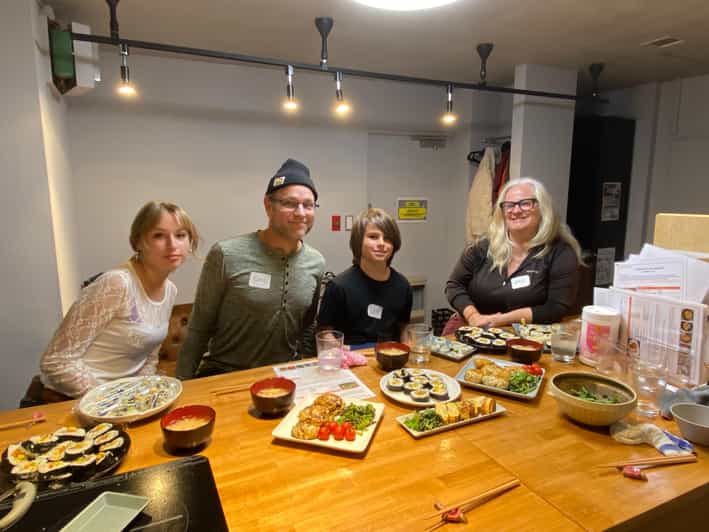
Yes, if you want to understand Japanese food by preparing it yourself. The strongest reasons to book are the friendly English instruction, generous food, useful recipes, central location, and menu range. The consistently high score of 4.9 from 125 ratings also fits the pattern of praise for the instructors, clear explanations, and personal attention.
Choose Menu B for the most playful family activity, Menu C for sushi and miso soup, Menu A for casual grill and noodle dishes, or Menu D for a balanced Japanese meal. Contact the provider early about allergies, vegan or vegetarian needs, and any requested menu.
For $88, I think the class offers good value when you treat it as both lunch and a practical cultural lesson. You will not just leave full. You may also leave ready to make okonomiyaki, gyoza, sushi, miso soup, or teriyaki in your own kitchen.
FAQ
Where is the cooking class held?
It is held at a kitchen studio in or around Shinjuku, Tokyo. The exact address is provided after booking, so wait for the organizer’s message and check the arrival instructions carefully.
How long does the activity last?
The class lasts 150 minutes, or two and a half hours. This includes cooking the dishes and eating the meal together.
Which menus can I choose?
The standard choices are okonomiyaki and yakisoba, gyoza and takoyaki, rolled sushi with teriyaki, and a traditional gozen set. You may also request a different menu for discussion with the provider.
Can I request a vegetarian or vegan menu?
Dietary preferences, including vegetarian and vegan requests, can be discussed with the provider. Tell the organizer about your needs in advance so the menu and available options can be reviewed.
Is the class taught in English?
Yes. The instructor language is English.
What is included in the price?
The price includes cooking tools, ingredients, drinking water, all fees and taxes, instruction, and the meal prepared during the class. Private transportation is not included.
Just added around Tokyo
- Tokyo 6hr Instagram Highlights Private Tour with Licensed Guide★ 5.0 · 38 reviews
- Tokyo Small Group Tour with Guide★ 4.5 · 38 reviews
- Tokyo Sumo Experience with Live Show & Audience Challenge★ 5.0 · 38 reviews
- Japanese Food Cooking Class in Asakusa, Tokyo★ 5.0 · 39 reviews
- Very popular in Harajuku♡Animal petting zoo★ 4.6 · 39 reviews
- Ramen Making from Scratch with Tokyo Mom(Vegan Option Available)★ 5.0 · 39 reviews
- Tokyo JDM Night: 600hp C63s AMG Edition 1 (Private)★ 4.9 · 39 reviews
- Tokyo: Kimono Rental inside Shinjuku Gyoen National Garden★ 4.9 · 39 reviews
Workshops, compared.
Sushi Making Tokyo Roll and Authentic Japanese Sushi Class
Read our review →

Roll and Authentic Sushi Making Class in Asakusa
Read our review →
Ramen Cooking Class at Ramen Factory in Kyoto
Read our review →
Sushi Making Class in a Happi Coat near a Famous Spot
Read our review →
Sushi Making Osaka Roll and Authentic Japanese Sushi Class
Read our review →Browse the lists this tour appears in