
Reviewed · WORKSHOPS
Tokyo: Chopstick Making Workshop with Artisan
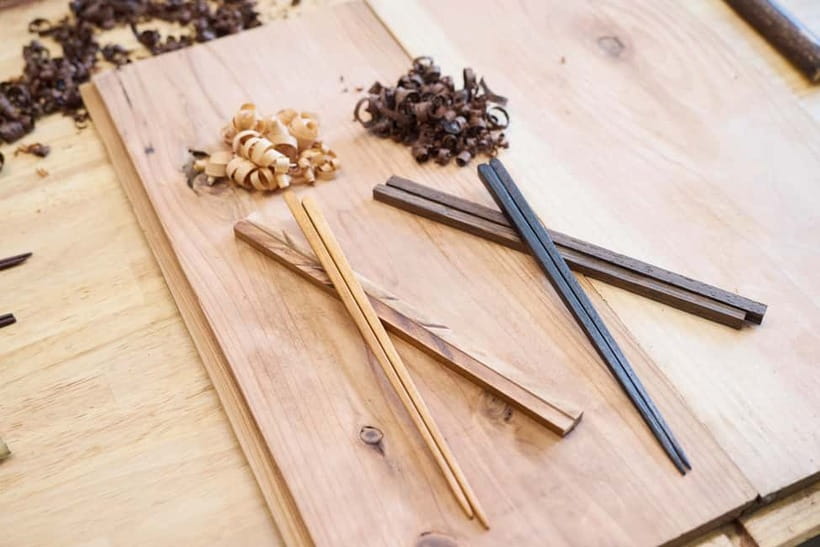
Make a souvenir you can actually use. This one-hour workshop in Tokyo’s Taito district lets you shape wooden chopsticks with traditional tools, then take home a pair made by your own hands. I like the clear, beginner-friendly process and the fact that the finished item is useful, not just decorative.
I also like the small-group setting, which gives you time to ask questions and get help from the English-speaking staff. Guides including Yuki, Angie, Chihiro, Kaana, and Victoria have been praised for their patience and friendly instruction. The main drawback is timing: with up to 10 people and only an hour, the session can feel rushed when groups begin at different times.
- Choose your wood: Three wood types are included, with more than 10 options available overall. Higher-grade woods cost extra.
- Use traditional hand tools: You shape, smooth, and finish the chopsticks yourself under close guidance.
- Learn the meaning behind the meal: The workshop explains why chopsticks matter in Japanese daily life and culture.
- Take home a personal gift: Your finished chopsticks are wrapped beautifully and can be engraved for an additional ¥1,000.
- Good for mixed ages: A family of five, ranging from age 8 to 42, found the activity enjoyable and manageable.
- Plan your hour carefully: The work can take about 30 minutes for a quick hand, but most people should allow the full hour.
In This Review
- A Quiet Hour in Tokyo’s Taito Craft District
- Choosing Wood Before the Work Begins
- Shaping Chopsticks With Traditional Tools
- Smoothing the Surface and Finding Your Finish
- What the Chopsticks Mean in Japanese Culture
- Engraving and Wrapping Your Finished Pair
- How the Small Group Changes the Experience
- Who Will Enjoy This Workshop Most
- Is $16 Good Value in Tokyo?
- Practical Details Before You Book
- Should You Book the Chopstick Workshop?
- FAQ
- How long does the chopstick-making workshop last?
- How much does the workshop cost?
- Can I choose the wood for my chopsticks?
- Is engraving included?
- What languages are available?
- Is the activity suitable for wheelchair users?
A Quiet Hour in Tokyo’s Taito Craft District
Tokyo can be noisy, bright, and wonderfully relentless. This workshop offers a useful change of pace. At Hashiyuki Chopsticks Shop & Workshop, you step into a working craft setting in Taito-ku, one of the city’s older areas, and spend an hour making something practical.
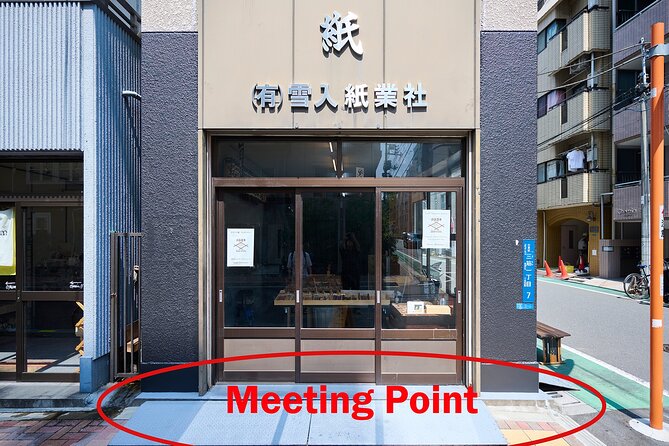
The meeting point is 1-7-1 Misuji, Taito-ku, Tokyo. The Japanese name shown at the location is 雪入紙業社, or Yukiirishigyosya. If you use a map app, the coordinates are 35.7032168, 139.7853879, which can help you find the shop without guesswork.
I like the setting because the activity connects you with a side of Tokyo that is easy to miss. You are not simply buying a pair of chopsticks from a shelf. You are learning how a simple everyday object is shaped, balanced, and finished.
The workshop is wheelchair accessible, and the group is limited to 10 people. That is a useful size for an activity involving tools and individual help, although the room can feel busy when all places are filled.
Choosing Wood Before the Work Begins
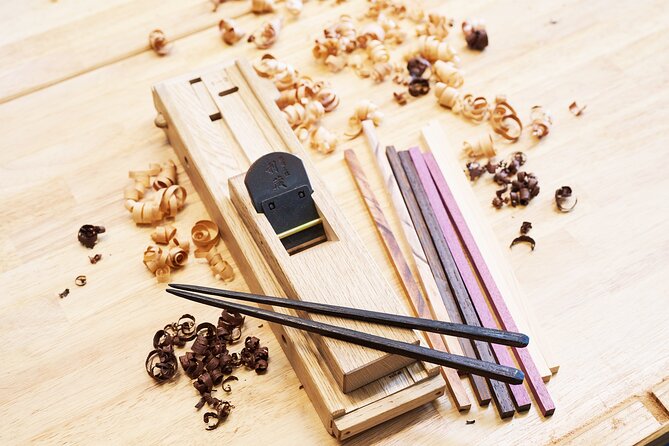
The first important choice is your wood. Three types are included in the basic price, while more than 10 types are available in total. Higher-grade woods require an extra payment, so ask about the price before choosing one if you want to keep your spending close to the advertised $16.
This choice gives the session more personality than a standard craft class. You can think about color, grain, feel, and the kind of gift you want to make. The supplied information does not specify the exact woods, so the staff will be your best guide when you arrive.
I would pay attention to how each piece feels in your hand. Chopsticks are small, but comfort matters. You are making a utensil, not just a souvenir, and the final shape should feel natural to you.
The basic price includes the workshop, tools, materials, and your personalized chopsticks. That makes $16 a fair price for a one-hour hands-on activity in Tokyo, especially since you leave with an item you can use at home.
A few more Tokyo experiences worth weighing up
- Sushi Making Tokyo Roll and Authentic Japanese Sushi Class
★ 5.0 · 3,971 reviews - Tokyo: Roll and Authentic Sushi Making Class in Asakusa
★ 4.9 · 1,957 reviews - Tokyo Shinjuku Chopsticks Making Class
★ 5.0 · 1,763 reviews
Shaping Chopsticks With Traditional Tools
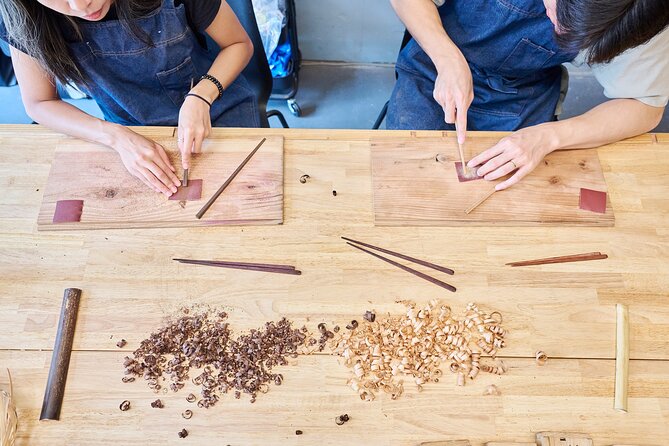
Once you choose your wood, the practical work begins. You learn how to shave the material, shape the sticks, and keep the pair even. The instructors show you how to hold and use the tools, then watch your progress and correct mistakes when needed.
Several participants specifically appreciated the simple instructions. That matters here because you do not need previous woodworking experience. The process is designed for beginners, and the staff can step in if your chopsticks begin to take an unexpected turn.
You should still expect to pay attention. The work is easy to start but requires care if you want two chopsticks that match. It is not difficult in a stressful way, but it is more involved than painting a ready-made object.
The best part is the steady, hands-on rhythm. You shave a little, check the shape, and continue. The activity gives you something to focus on while still leaving room for conversation. One guide even offered a ramen recommendation after the class, a small but useful touch if you are deciding where to eat next.
Smoothing the Surface and Finding Your Finish
After shaping comes sanding and smoothing. This is where the rough wooden pieces begin to feel like finished utensils. The staff can explain the difference between wood types and suggest ways to get a cleaner result.
I would not rush this stage. A quick finish may get you out the door sooner, but the smoothing work affects how the chopsticks feel in your hand. One person found that the entire process took about an hour, while someone with a quicker hand could finish in around 30 minutes.
That difference explains the mixed advice about timing. The official duration is one hour, and it is enough for most people. Still, the session can feel tight if you want to work slowly, ask many questions, or make careful adjustments.
The class works best when you accept that handmade means slightly imperfect. Your pair may not look factory-made, and that is part of the point. Small differences show that you made them yourself.
What the Chopsticks Mean in Japanese Culture
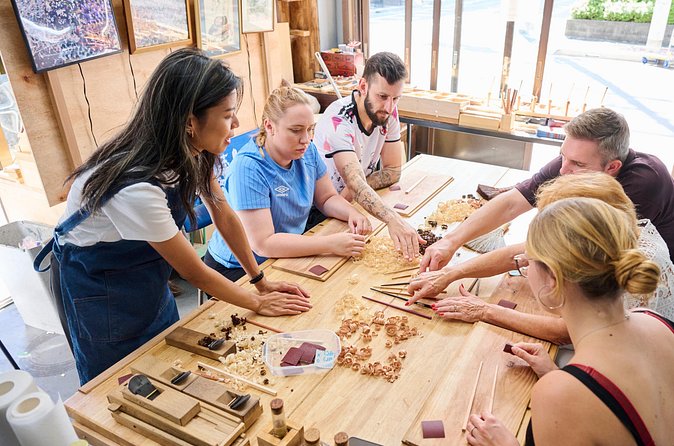
The workshop is not only about tools. You also learn about the cultural role of chopsticks in Japan and gain a better sense of why this everyday object deserves careful design.
Chopsticks are used at nearly every Japanese meal, so their shape and finish are not random. The class gives you a chance to look at an ordinary item with more care. You begin to notice the balance between function and appearance, and you understand why wood choice and smooth edges matter.
This cultural explanation adds value to the activity. Without it, the session would still be a pleasant craft class. With it, your finished chopsticks carry a little more meaning when you use them at home or give them away.
The experience also suits people who want a break from major Tokyo sights. You still learn something about Japan, but through an object found in daily life rather than through a formal museum visit or a long lecture.
A completely different kind of day out in Tokyo:
- Mt Fuji and Hakone 1-Day Bus Tour Return by Bullet Train
★ 5.0 · 26,383 reviews - 1-Day Tokyo Bus Tour
★ 5.0 · 14,250 reviews - Tokyo: TOKYO SKYTREE® Admission ticket
★ 4.5 · 11,192 reviews - Tokyo: teamLab Planets TOKYO Digital Art Museum Entry Ticket
★ 4.6 · 9,779 reviews
Engraving and Wrapping Your Finished Pair
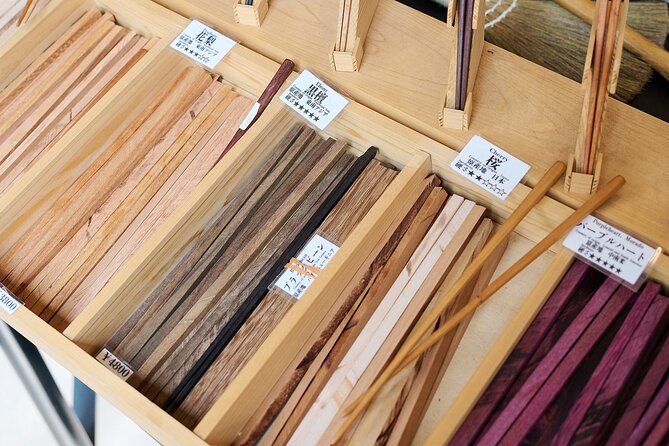
At the end, your chopsticks are personalized and wrapped for you to take home. The wrapping makes the result feel ready for gifting, especially if you are making a pair for a partner, parent, friend, or child.
Engraving is not included in the $16 price. The additional cost mentioned by a participant is ¥1,000. If you want names or another personal mark added, ask about the exact design and payment before the final stage.
I think engraving can be worth the extra cost when the chopsticks are a gift. One person had a best friend’s name engraved and planned to give the finished pair as a present. Another specifically praised the quality of the engraving.
If you are making chopsticks for yourself, you may prefer to skip the extra charge. The handmade shape and wood already make the souvenir personal. The choice depends on your budget and how important the added mark is to you.
How the Small Group Changes the Experience
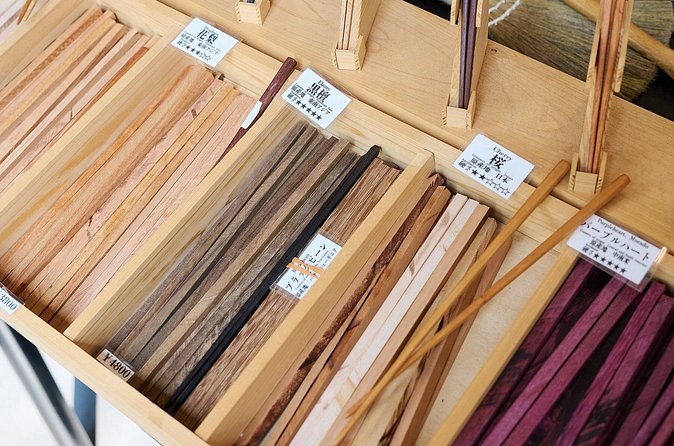
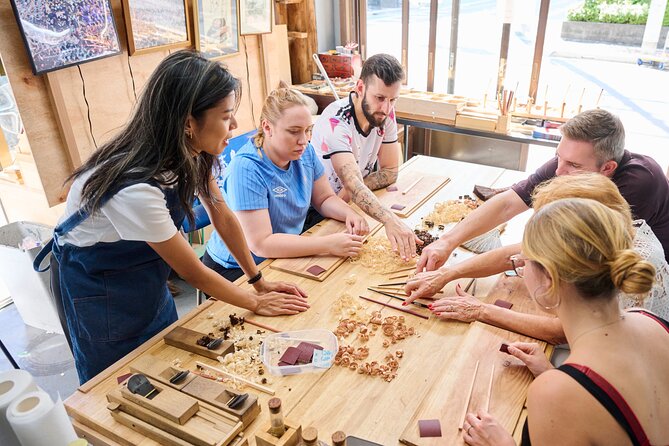
The maximum group size is 10, and that is generally a strength. You are not lost in a large class, and the instructors can show you how to fix uneven shaping or other mistakes.
The English-speaking staff are a major advantage for international visitors. Guides named in participant feedback include Yuki, Angie, Chihiro, Kaana, Victoria, Tomo, and Anthony. The repeated praise is not only for their English, but also for their warmth, patience, and willingness to keep helping while people worked.
The group format can vary. One booking had only two people at a 9 a.m. session, and the staff still ran the workshop for that small number. That is good news if you prefer a quieter class.
There is one practical caution. A full group of about 10, with people starting at slightly different times, can put pressure on the two instructors. One participant felt rushed because the staff had to move around a small room and quickly repeat demonstrations.
I would book the class with a calm attitude rather than expecting a long, leisurely woodworking lesson. If you want more time for careful shaping, arrive ready to begin and keep your questions focused. If you are choosing between time slots, the morning may not always feel as relaxed, based on one participant’s experience, so check availability and consider what suits your schedule.
Who Will Enjoy This Workshop Most
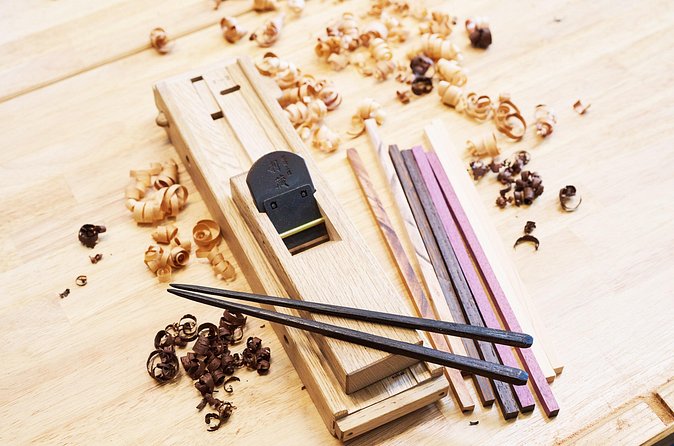
This is a strong choice for first-time craft participants. The tools and steps are explained clearly, and help is available when your shape needs fixing. You do not need to know anything about woodworking before arriving.
It also works well for families. A family group ranging in age from 8 to 42 enjoyed the activity together, which suggests that older children can take part with adult support. The class gives everyone a shared task without requiring athletic ability or a long attention span.
Couples and friends can make matching pairs or create gifts for people at home. Solo participants can also fit in comfortably. One person enjoyed the quiet making process and received useful Tokyo tips from the staff along the way.
I would be less enthusiastic for someone who wants a polished, high-end craft lesson with lots of time for fine detail. The class is short, the room may be compact, and the process has a practical workshop feel. That is part of its charm, but it also sets a limit on how slowly you can work.
Is $16 Good Value in Tokyo?
At $16 per person, the workshop is priced below many longer craft activities, yet it includes the materials, equipment, instruction, and finished chopsticks. You also receive a souvenir that has a clear connection to Japan and a story behind it.
The value is strongest if you actually plan to use the chopsticks. A handmade utensil is more useful than another small decorative item, and the wrapping makes it easy to carry home as a gift.
You should budget extra for premium wood or engraving. The basic package includes three wood choices, but higher-grade options cost more, and engraving costs an additional ¥1,000 according to the experience details shared by a participant.
Even with one extra, the total can remain reasonable. Just decide before the class if your priority is a simple handmade pair or a more polished gift with upgraded wood and a name.
The free cancellation period is up to 24 hours before the activity for a full refund. You can also reserve now and pay later, which helps if your Tokyo schedule is still changing.
Practical Details Before You Book
The class lasts one hour, with starting times available according to the date you choose. I would protect the full hour in your schedule rather than planning an immediate appointment afterward.
Instruction is offered in English and Japanese. The English-speaking staff have been praised for explaining shaving, sanding, wood differences, and corrections in a direct way.
The meeting point is:
- Hashiyuki Chopsticks Shop & Workshop
- 1-7-1 Misuji, Taito-ku, Tokyo
- Japanese name: 雪入紙業社, Yukiirishigyosya
- Coordinates: 35.7032168, 139.7853879
All tools and materials are provided. You do not need to bring craft equipment, and the chopsticks are ready to take home on the same day.
The activity is wheelchair accessible. The group limit is 10 people, but the working area may feel close when the class is full, so keep the small-room setting in mind if space is important to you.
Should You Book the Chopstick Workshop?
I would book this experience if you want a modestly priced, hands-on souvenir and a quiet hour away from Tokyo’s busiest sights. The best reasons are the patient staff, simple instructions, small group, and the pleasure of eating with something you made yourself.
Book it especially if you are traveling with family, want a personal gift, or enjoy practical crafts. The activity is also a good fit for a solo visit because the guides make an effort to talk with participants and offer help beyond the basic instructions.
Skip it if you dislike short, structured workshops or want a slow woodworking session with extensive design options. A full group can feel rushed, and premium wood or engraving will increase the cost.
For most people, though, $16 buys more than an hour of activity. It buys a useful object, a small lesson in Japanese craftsmanship, and a souvenir with a story that begins in a Taito workshop and continues every time you use the chopsticks.
FAQ
How long does the chopstick-making workshop last?
The workshop lasts one hour. Someone who works quickly may finish in about 30 minutes, but you should allow the full hour for shaping, sanding, finishing, and instruction.
How much does the workshop cost?
The listed price is $16 per person. Three wood types are included, while higher-grade woods cost extra.
Can I choose the wood for my chopsticks?
Yes. You can choose from more than 10 types of wood overall. Three choices are included in the basic price, and other higher-grade options require an additional fee.
Is engraving included?
No. Engraving costs extra. The additional price mentioned for engraving is ¥1,000.
What languages are available?
The instructors provide guidance in English and Japanese. English-speaking staff are available during the workshop.
Is the activity suitable for wheelchair users?
Yes. The activity is listed as wheelchair accessible.
Just added around Tokyo
- Tokyo 6hr Instagram Highlights Private Tour with Licensed Guide★ 5.0 · 38 reviews
- Tokyo Small Group Tour with Guide★ 4.5 · 38 reviews
- Tokyo Sumo Experience with Live Show & Audience Challenge★ 5.0 · 38 reviews
- Japanese Food Cooking Class in Asakusa, Tokyo★ 5.0 · 39 reviews
- Very popular in Harajuku♡Animal petting zoo★ 4.6 · 39 reviews
- Ramen Making from Scratch with Tokyo Mom(Vegan Option Available)★ 5.0 · 39 reviews
- Tokyo JDM Night: 600hp C63s AMG Edition 1 (Private)★ 4.9 · 39 reviews
- Tokyo: Kimono Rental inside Shinjuku Gyoen National Garden★ 4.9 · 39 reviews
Workshops, compared.
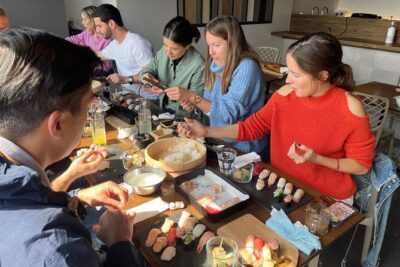
Sushi Making Tokyo Roll and Authentic Japanese Sushi Class
Read our review →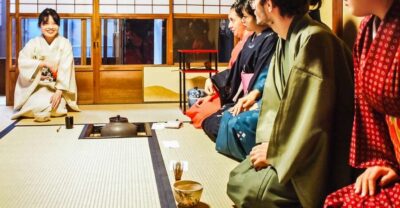

Roll and Authentic Sushi Making Class in Asakusa
Read our review →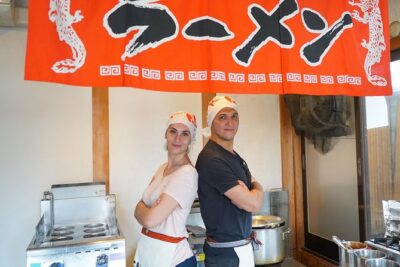
Ramen Cooking Class at Ramen Factory in Kyoto
Read our review →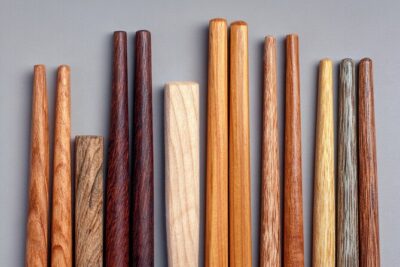
Sushi Making Class in a Happi Coat near a Famous Spot
Read our review →
Sushi Making Osaka Roll and Authentic Japanese Sushi Class
Read our review →Browse the lists this tour appears in