
Reviewed · WORKSHOPS
Tokyo Chopstick Making Workshop with Artisan
Make a souvenir you can actually use. This hands-on chopstick workshop puts you to work with wood, traditional tools, and guidance from a local artisan. I like the useful final product, and I like that you can choose from several types of wood and add engraving. The main point to consider is the physical effort: planing can feel like an arm workout, especially with harder wood.
The workshop lasts about an hour on paper, but some people have needed closer to two hours to finish. That flexible pace is helpful, yet you should not book it as a tight stop between two major Tokyo sights. The small setting, with no more than 10 participants, means you can usually get personal help from staff such as Angie, Kaana, Sakura, or Rasmus.
In This Review
- Key points at a glance
- Why making chopsticks beats buying another souvenir
- Finding the workshop in Tokyo’s craft quarter
- Choosing wood that matches your patience
- Shaping the chopsticks with traditional tools
- Smoothing, finishing, and adding your name
- What the one-hour schedule really means
- How much value do you get for $26.53?
- Who will enjoy this most
- Six practical tips for a better finished pair
- Should you book the Tokyo chopstick workshop?
- FAQ
- Where does the chopstick workshop take place?
- How long does the experience last?
- Can beginners participate?
- How many people can join?
- Are wood selection and engraving included in the price?
- Can I cancel for a full refund?
Key points at a glance
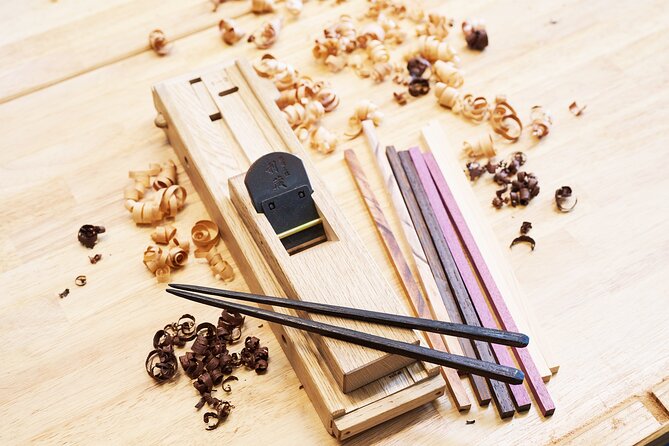
- You make a practical souvenir: Shape a real pair of wooden chopsticks that you can use at home or give as a gift.
- Choose your wood carefully: Several wood types are available, but more prized options cost extra.
- Planing takes effort: If you have never worked with wood, an easier timber may be the smarter choice.
- Personal touches cost extra: Engraving is available for an additional fee and gives the finished pair a special mark.
- Small groups help beginners: The workshop accepts a maximum of 10 people, allowing staff to offer hands-on guidance.
- Convenient Taito location: The meeting point at 1-chōme-7-1 Misuji is near public transportation and in a long-established craft area.
Why making chopsticks beats buying another souvenir
Tokyo shops are full of attractive gifts, but most are finished before you walk through the door. Here, you take home something connected to your own time in Japan. The pair may not have the perfect factory finish of an expensive shop-bought set, but that is part of the appeal. You shaped it, smoothed it, and chose its materials.
I especially like the practical nature of the souvenir. A small trinket can disappear into a drawer. Chopsticks have a job. Every time you use them, you have a reason to remember the afternoon in Tokyo.
The activity also offers a welcome change of pace. After temples, department stores, train stations, and crowded sightseeing streets, sitting down with a piece of wood gives you something simple to focus on. It is creative without requiring artistic talent, and the staff are there to show you what to do.
The cultural side is lighter than a full museum visit or a formal lecture. You learn about the importance of chopsticks in Japanese life while working on your own pair. One fair criticism is that some people want more background on the history of chopstick-making. If cultural explanation is your main goal, this may feel brief. If you want to learn by doing, it hits the mark.
A few more Tokyo experiences worth weighing up
- Sushi Making Tokyo Roll and Authentic Japanese Sushi Class
★ 5.0 · 3,971 reviews - Tokyo: Roll and Authentic Sushi Making Class in Asakusa
★ 4.9 · 1,957 reviews - Tokyo Shinjuku Chopsticks Making Class
★ 5.0 · 1,763 reviews
Finding the workshop in Tokyo’s craft quarter
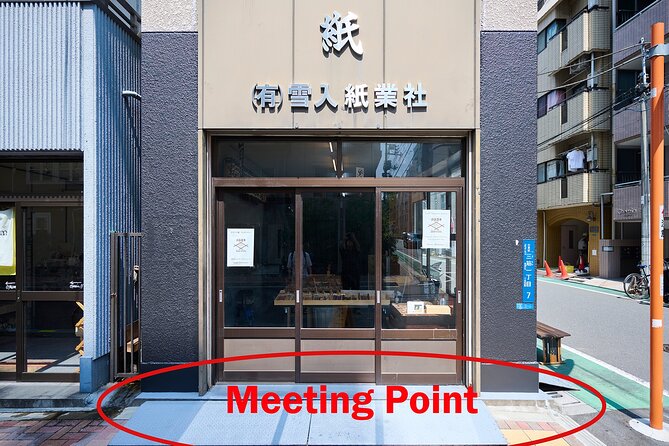
You meet at 1-chōme-7-1 Misuji, Taito City, Tokyo 111-0055. The site is near public transportation and located in one of Tokyo’s long-standing craft neighborhoods. This matters because the workshop feels tied to the character of the area rather than dropped into a purpose-built tourist venue.
The meeting point is also useful for planning the rest of your day. One person found it walkable to Ryogoku Kokugikan, the famous sumo arena. That makes the chopstick class a possible companion to a sumo-related visit or an outing around eastern Tokyo, though you should allow enough time for the class to run long.
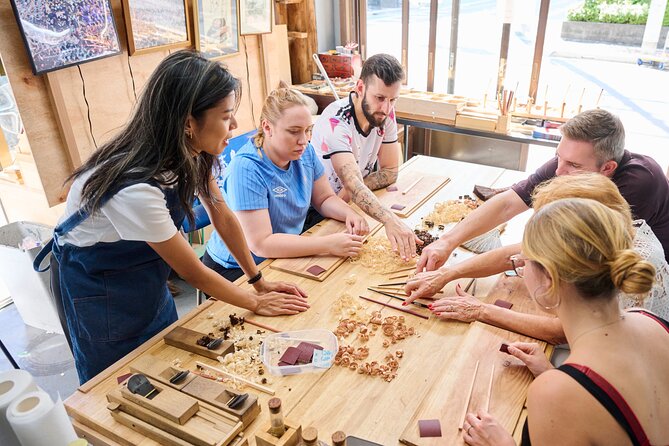
The room itself is described as small, with space for up to 10 people. That is not the place for a large, noisy group activity. It does mean you are likely to work close to the instructor and receive help when the wood refuses to behave.
Arrive with the meeting point saved on your phone. The mobile ticket is convenient, and confirmation arrives when you book. Since the experience ends where it begins, you do not need to arrange a separate pickup or find your way to another neighborhood afterward.
Choosing wood that matches your patience
The first important decision is the wood. You can choose among different types, and the more expensive choices require an extra payment. That gives you control over the price and appearance, but it also means the advertised cost is a starting point rather than a guaranteed final total.
At $26.53 per person, the basic price is reasonable for a short craft session and a finished item to take home. It becomes a better deal if you value activities over shopping and want something personal. You should budget more if you want premium wood or engraving.
Wood choice is not only about looks. A harder piece can take more effort to plane and shape. If you have never planed wood before, I would choose an easier option unless you specifically want the challenge. One person found the work tiring, while another said the effort was worthwhile because of the final result.
That is good advice for children, older adults, and anyone with limited hand or arm strength. The workshop is beginner-friendly in instruction, but beginner-friendly does not mean effortless. You are still handling wood and doing the physical work yourself.
Shaping the chopsticks with traditional tools
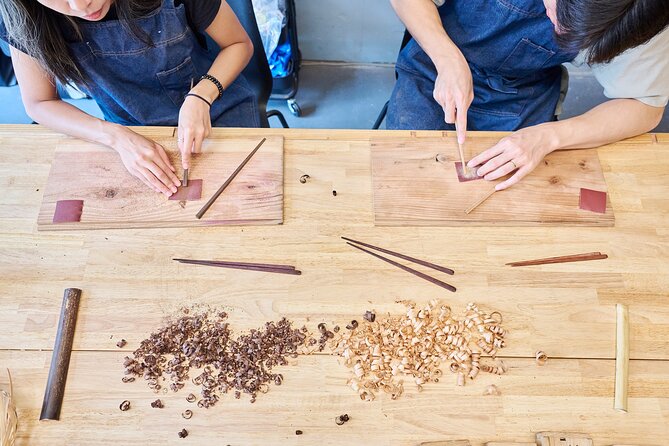
Once you have selected the wood, the workshop moves into the main task: shaping the chopsticks. You work the wood with traditional tools, removing material until the pieces begin to resemble a usable pair.
This is the part where patience pays off. Chopsticks look simple, but a matching pair needs attention to length, shape, balance, and smoothness. The staff guide you through the process, so you are not left to guess which section to work next.
You will shape the wood, smooth the surface, and refine the ends. The process is hands-on from start to finish. It is not a demonstration where you watch an artisan complete the important part while you make a token adjustment.
The small group size helps here. With a maximum of 10 people, an instructor can look at your work and offer corrections. Kaana received especially warm praise for making the activity enjoyable for a family, while Angie was described as welcoming and helpful at every step. Sakura and Rasmus were also singled out for clear assistance.
The physical side should be part of your expectations. Planing can be repetitive, and you may feel it in your arms if you are not accustomed to the motion. That is not a flaw in the workshop, but it is a reason to avoid scheduling it immediately before an ambitious walking tour if you want fresh energy.
A completely different kind of day out in Tokyo:
- Mt Fuji and Hakone 1-Day Bus Tour Return by Bullet Train
★ 5.0 · 26,383 reviews - 1-Day Tokyo Bus Tour
★ 5.0 · 14,250 reviews - Tokyo: TOKYO SKYTREE® Admission ticket
★ 4.5 · 11,192 reviews - Tokyo: teamLab Planets TOKYO Digital Art Museum Entry Ticket
★ 4.6 · 9,779 reviews
Smoothing, finishing, and adding your name
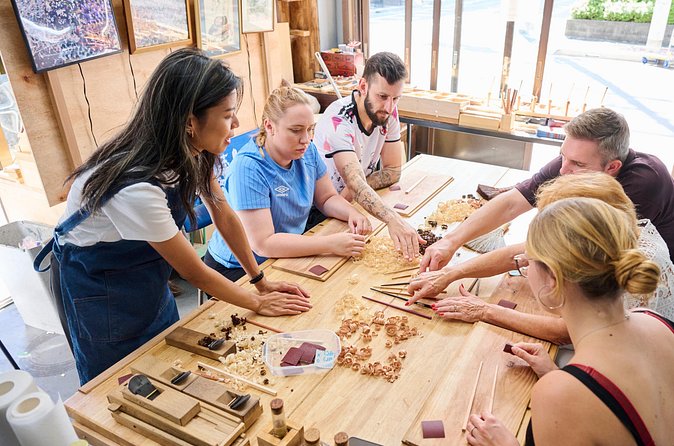
After the main shaping is complete, you smooth the surface and work toward the final finish. This stage is satisfying because the rough piece gradually becomes something you would be happy to put on a dinner table.
The quality of your result will depend partly on how carefully you work. Staff can teach and assist, but they cannot do every stroke for you. Take your time, check the shape of both chopsticks, and ask for help if one piece begins to look different from the other.
Engraving is an optional extra. It is a nice choice if you are making the pair as a gift or want a clear reminder of your Tokyo visit. The additional cost may be worth it for a one-of-a-kind keepsake, but it is not essential to the workshop.
At the end, the chopsticks are wrapped beautifully. You can use them yourself or give them away as a thoughtful present. That wrapping also makes them easier to pack than many fragile Japanese crafts, although you should still protect them inside your luggage.
What the one-hour schedule really means
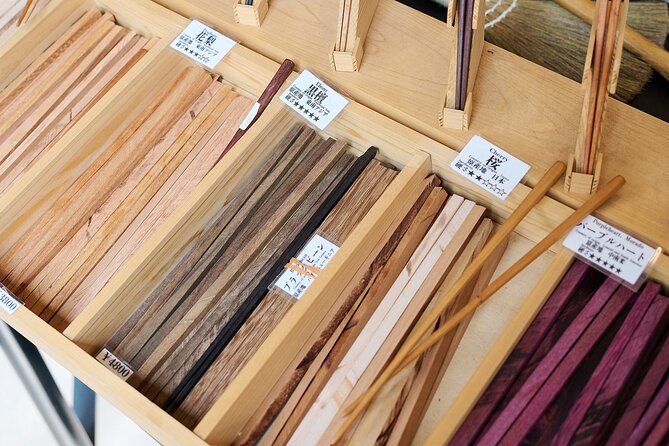
The stated duration is approximately one hour. For some people, that will be enough. Others have taken closer to two hours, particularly when they worked carefully or needed more time to finish.
I would treat one hour as the planned session length, not a hard promise that you will be out the door at exactly 60 minutes. The fact that the class is not rushed is a plus for beginners. One person specifically appreciated having time to complete the project without pressure.
That flexibility creates a planning tradeoff. The workshop works well as a relaxed part of a day in Taito or near Ryogoku. It is less suitable if you have a train reservation, restaurant booking, or timed attraction immediately afterward.
Families can also make good use of the short format. A 10- or 12-year-old may find it engaging because there is a visible result at the end, and the task is active rather than purely instructional. Parents should still be ready to help children follow tool directions and maintain patience during the repetitive shaping work.
Solo participants and couples should fit comfortably into the format. The activity also works for friends who want a quieter shared experience instead of another food tour or shopping stop.
How much value do you get for $26.53?
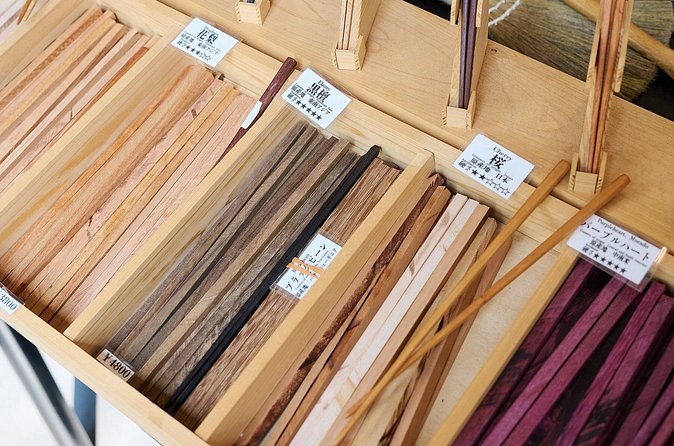
The base price is attractive because it combines instruction, materials, workshop time, and a take-home souvenir. You are paying for an activity as well as an object, which makes the cost easier to justify than buying ordinary chopsticks in a department store.
The strongest value comes from the personal work involved. A finished pair from a shop may be cheaper, especially if you do not choose premium wood or engraving. But it will not carry the same memory or story.
Keep the possible add-ons in mind. Nicer wood costs extra, and engraving also costs extra. The workshop remains affordable if you stay with the standard options, but the final bill can rise when you choose the most attractive material and personalization.
The experience is also booked frequently, with more than 10 bookings reported in one week, and it has a 99 percent recommendation rate from 466 reviews. Those figures suggest strong demand and satisfaction, though they should not replace your own judgment about the physical work and limited cultural history.
Free cancellation is available if you cancel at least 24 hours before the start time. Cancellations or changes made inside that window are not accepted for a refund, so keep the local Tokyo cut-off time in mind.
Who will enjoy this most
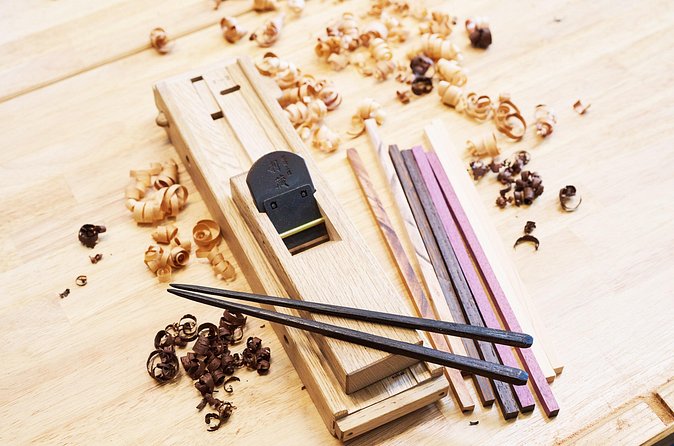
I would recommend this workshop to you if you like making things, want a useful Japanese souvenir, or prefer small local activities to large sightseeing programs. It is also a good choice for families with children old enough to follow instructions and for couples looking for a shared project.
It suits a rainy or unsettled day particularly well. One person chose it after changing plans because the weather looked poor for a day trip, then paired it with a sushi-making class. The one-hour format gives you a flexible indoor option without taking over your entire day.
You may want to skip it if you dislike repetitive hand work or want a polished souvenir with no effort. You should also think twice if you have limited arm strength, because the planing can be tiring.
For serious craft fans, the workshop offers an appealing introduction but not a long masterclass. The session focuses on making your own pair, not on an extended technical study of Japanese woodworking. The explanation of chopstick history may also feel short if that is your main interest.
Six practical tips for a better finished pair
- Choose the easier wood if you are new to planing. A beautiful hard wood may demand more effort than you expect.
- Ask before selecting premium materials. The extra cost is optional, so decide how much the appearance matters to you.
- Consider engraving before you begin. It adds a personal touch, especially for a gift, but costs more.
- Leave space after the class. The workshop is listed at about one hour, but some sessions take closer to two.
- Build it into an eastern Tokyo day. The Misuji location is near public transportation and within walking distance of Ryogoku Kokugikan.
- Bring patience, not artistic skill. Staff guide beginners through the process, and the end result does not depend on being naturally crafty.
Should you book the Tokyo chopstick workshop?
Book it if you want a personal souvenir, enjoy simple hands-on work, and can spare a little schedule flexibility. At $26.53, it offers a fair blend of instruction, local craft, and a useful object, especially when you keep the standard wood and skip optional extras.
I would not book it solely for a detailed lesson in Japanese history. The cultural explanation is present, but the workshop’s real strength is the act of making. Choose easier wood if you want a relaxed session, allow up to two hours, and consider engraving if the chopsticks are a gift.
For families, couples, solo visitors, and anyone seeking a break from Tokyo’s usual sights, this is an easy activity to recommend. You leave with more than a souvenir: you leave with a small story you helped make.
FAQ
Where does the chopstick workshop take place?
The meeting point is 1-chōme-7-1 Misuji, Taito City, Tokyo 111-0055, Japan. It is near public transportation in a traditional craft neighborhood.
How long does the experience last?
The listed duration is approximately one hour. Some people have taken closer to two hours to complete their chopsticks, so leave extra time afterward.
Can beginners participate?
Yes. The workshop is designed for beginners, and staff guide you through shaping, smoothing, and finishing the chopsticks.
How many people can join?
The activity has a maximum of 10 participants.
Are wood selection and engraving included in the price?
Different wood options are available, but nicer woods cost extra. Engraving is also available for an additional fee.
Can I cancel for a full refund?
Yes. You can receive a full refund if you cancel at least 24 hours before the experience start time. Changes or cancellations made less than 24 hours before the start time are not accepted for a refund.
Just added around Tokyo
- Tokyo 6hr Instagram Highlights Private Tour with Licensed Guide★ 5.0 · 38 reviews
- Tokyo Small Group Tour with Guide★ 4.5 · 38 reviews
- Tokyo Sumo Experience with Live Show & Audience Challenge★ 5.0 · 38 reviews
- Japanese Food Cooking Class in Asakusa, Tokyo★ 5.0 · 39 reviews
- Very popular in Harajuku♡Animal petting zoo★ 4.6 · 39 reviews
- Ramen Making from Scratch with Tokyo Mom(Vegan Option Available)★ 5.0 · 39 reviews
- Tokyo JDM Night: 600hp C63s AMG Edition 1 (Private)★ 4.9 · 39 reviews
- Tokyo: Kimono Rental inside Shinjuku Gyoen National Garden★ 4.9 · 39 reviews
Workshops, compared.
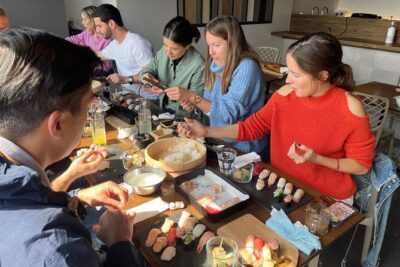
Sushi Making Tokyo Roll and Authentic Japanese Sushi Class
Read our review →

Roll and Authentic Sushi Making Class in Asakusa
Read our review →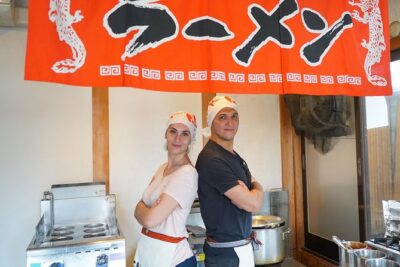
Ramen Cooking Class at Ramen Factory in Kyoto
Read our review →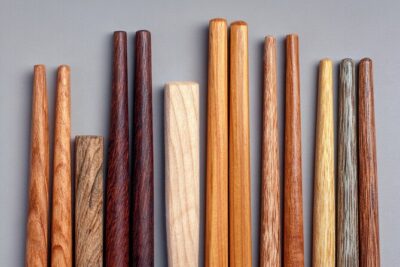
Sushi Making Class in a Happi Coat near a Famous Spot
Read our review →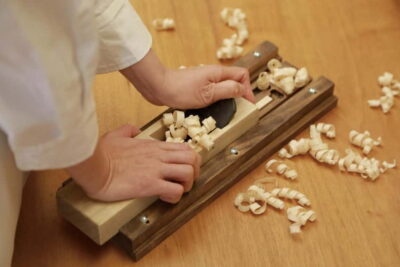
Sushi Making Osaka Roll and Authentic Japanese Sushi Class
Read our review →Browse the lists this tour appears in