
Reviewed · WORKSHOPS
Tokyo: Chopstick-Making Workshop
Small tools, warm wood, useful souvenir. Tokyo’s chopstick-making workshop gives you an easy, hands-on hour with wood, sandpaper, a hand plane, and a little help from English-speaking instructors. You choose the wood and length, shape the chopsticks yourself, then finish them with natural oil.
I like the low price and the fact that you leave with something you made, not just another shop-bought trinket. I also like the calm pace: instructors such as Koji, Mimi, and Masa are praised for patient, clear guidance, even when a beginner makes a mistake. The main drawback is practical: the entrance to the Shinjuku building can be hard to spot, and some of the more unusual woods cost extra.
In This Review
- Key points at a glance
- Why this small Tokyo workshop is worth your time
- Finding the workshop on the Shinjuku West Square Building’s 10th floor
- Choosing wood, length, and the look of your chopsticks
- Using the hand plane to create the basic shape
- Sanding turns rough wood into a comfortable utensil
- Natural oil and optional engraving complete the pair
- English-speaking instructors make the process easy
- Who will enjoy this one-hour activity most
- Is $6 good value for a Tokyo souvenir?
- Timing, cancellations, and useful planning advice
- Should you book the Tokyo chopstick-making workshop?
- FAQ
- How long does the Tokyo chopstick-making workshop last?
- How much does the workshop cost?
- Where does the workshop meet?
- Is transportation included?
- Can beginners take part?
- Is the workshop available in English?
- Can I engrave my name on the chopsticks?
- Is the workshop wheelchair accessible?
Key points at a glance
- Choose your own wood: Pick from several types with different colors, grain, and feel. The first two options are included, while some special woods require an added fee.
- Shape the chopsticks by hand: A hand plane lets you remove wood and form the basic shape while the pieces are held securely in place.
- A souvenir with your name on it: Optional engraving is available in Japanese, English, or your own language.
- Beginner-friendly instruction: English-speaking staff guide you through carving, sanding, oiling, and finishing.
- A one-hour break from city noise: The work is simple and repetitive in a pleasant way, making it a good pause after sightseeing.
- Excellent value: At $6 per person, it is one of Tokyo’s least expensive creative activities, though premium wood and optional extras may increase the final cost.
Why this small Tokyo workshop is worth your time
Tokyo offers endless shopping, but much of what you bring home was made somewhere else. This workshop gives you a different kind of souvenir: a pair of chopsticks shaped by your own hands, with the small irregularities that prove they were not mass-produced.
The activity is based on a simple idea. You start with prepared wooden blanks rather than a rough log, then shape, smooth, and oil them. That makes the process manageable in one hour and suitable for people who have never used woodworking tools.
I especially like the balance between instruction and personal choice. You are not simply following a fixed craft demonstration. You decide whether your chopsticks should be short or long, light or dark, plain or engraved. The finished pair reflects your taste, even though the basic steps are carefully guided.
The workshop has earned a 4.9 rating from 348 ratings, with repeated praise for staff members including Koji, Mimi, Masa, Shu, Kiwa, Jen, and Lucy. That matters here because the tools are simple, but using a hand plane for the first time still benefits from a calm explanation and a watchful instructor.
A few more Tokyo experiences worth weighing up
- Sushi Making Tokyo Roll and Authentic Japanese Sushi Class
★ 5.0 · 3,971 reviews - Tokyo: Roll and Authentic Sushi Making Class in Asakusa
★ 4.9 · 1,957 reviews - Tokyo Shinjuku Chopsticks Making Class
★ 5.0 · 1,763 reviews
Finding the workshop on the Shinjuku West Square Building’s 10th floor
The meeting point is the Shinjuku West Square Building, 10th floor, at 35.6959774, 139.6984349. Transportation is not included, so you need to make your own way to the building.
Allow a little extra time to locate the entrance. One participant specifically found it difficult to find, and this is the sort of small nuisance that can turn a relaxed craft session into a rushed arrival. Look for the building name and confirm that you are entering the correct office or commercial tower before heading upstairs.
Once you reach the 10th floor, the workshop is designed to welcome both international customers and Japanese participants. English-speaking staff are available throughout the activity, so you do not need woodworking experience or Japanese language ability to take part.
The venue is listed as wheelchair accessible. The activity lasts one hour, although one participant said the staff allowed extra time when needed. Treat the hour as the planned length rather than a guarantee that every session will run longer.
Choosing wood, length, and the look of your chopsticks
The first creative decision is the wood. You can select from several varieties, each with its own color, grain, and character. The available choices may include pale, medium, and darker tones, with an especially unusual purple option mentioned by one participant.
A useful detail is that not every wood option carries the same price. The first two types are included in the basic fee, while other varieties may require an additional payment. Ask about the price before choosing a premium wood, especially if you are trying to keep the activity close to its advertised $6 cost.
You also select the length. Shorter chopsticks can suit smaller hands, while longer ones may feel more natural if that is what you normally use. The freedom to choose length makes the finished item more personal than a standard pair selected from a shelf.
Take a moment to compare the grain before you begin. At this stage, the wood may look plain, but sanding and oiling bring out the pattern. A darker piece may show a strong grain, while a lighter piece can be a better choice if you want an engraving or image to remain easy to see.
Using the hand plane to create the basic shape
After choosing your materials, you place the wooden pieces on a stand. The hand plane is used to shave away thin layers and turn the blanks into chopsticks.
This is the most hands-on stage, but it is not presented as difficult work. Your instructor shows you the direction and pressure to use, then stays available while you work. Koji is repeatedly praised for guiding people through each step, while Masa is noted for explaining the process clearly and patiently.
You should not rush this part. The goal is not to remove as much wood as possible. It is to create two pieces that feel comfortable and reasonably even. Small differences are part of the charm, but careless carving can leave one chopstick noticeably thinner than the other.
The instructors are also willing to help when something goes wrong. One participant was allowed to start again after making a mistake and ended up with an extra special chopstick. That does not mean every session includes a free replacement, but it does show the practical tone of the workshop. The staff are there to help you succeed, not to watch you struggle in silence.
The motion becomes surprisingly calming. You are doing one small task repeatedly, with the grain of the wood and the pressure of the tool providing immediate feedback. After a busy day in Shinjuku, this is a pleasant change from screens, crowds, and crossing streets.
A completely different kind of day out in Tokyo:
- Mt Fuji and Hakone 1-Day Bus Tour Return by Bullet Train
★ 5.0 · 26,383 reviews - 1-Day Tokyo Bus Tour
★ 5.0 · 14,250 reviews - Tokyo: TOKYO SKYTREE® Admission ticket
★ 4.5 · 11,192 reviews - Tokyo: teamLab Planets TOKYO Digital Art Museum Entry Ticket
★ 4.6 · 9,779 reviews
Sanding turns rough wood into a comfortable utensil
Once the chopsticks have their shape, you smooth them with sandpaper. This step removes rough patches from the surface and rounds the edges so the pieces feel better in your hand.
Sanding is less dramatic than carving, but it may be the part that most affects the final result. You can decide how smooth you want the surface and pay extra attention to the ends and edges. It is also where the wood begins to feel like a finished object rather than a craft project.
You may notice that the process is easy to follow but still leaves room for care. If you sand too lightly, the chopsticks can retain rough areas. If you work patiently, the surface becomes soft and pleasant to touch.
One participant described the work as meditative, and that is a fair description of the rhythm. You are not learning a difficult professional technique in an hour, but you are learning how a few basic steps can change a raw piece into a useful object.
Natural oil and optional engraving complete the pair
The final standard step is applying natural oil. This protects the wood and gives it a soft, polished appearance while bringing out the grain and color you selected at the beginning.
The oil is important because it changes the visual finish. A plain wooden pair can look much more attractive once the grain is enhanced. It also gives the chopsticks a finished feel, rather than leaving them looking like unfinished blanks.
You can add an optional name engraving in Japanese, English, or another native language. Japanese characters make a particularly fitting souvenir, but you can also use your own name or language if that feels more personal.
Light-colored wood may work best if you want the engraving to be easy to see. One participant also received an image engraving on a sufficiently pale piece. Ask the staff what is possible for your selected wood before you commit to a design.
The workshop is not primarily a carving or decorative knife class. One participant wanted to create a more elaborate pattern and found that the venue did not have the right knives for that purpose, though staff provided other knives and scissors. Keep your expectations realistic: this is a guided chopstick-making session with engraving, not a full woodcarving course.
English-speaking instructors make the process easy
The strongest part of the activity is the staff support. English-speaking instructors explain the steps, demonstrate the tools, and help you adjust your technique. Names praised in recent sessions include Koji, Mimi, Masa, Shu, Kiwa, Jen, Lucy, Yuki, and Fu.
That personal help is useful for families and first-time craft workers. A nine-year-old was able to follow the process, and several people describe the activity as suitable for couples, groups, and solo participants.
The tone also seems friendly rather than formal. Instructors have helped with food and sightseeing suggestions, chatted with participants, and encouraged people when their chopsticks turned out uneven. That adds a small social element without taking over the craft itself.
You may work alongside other international customers and Japanese participants. If you enjoy meeting people while making something simple, that can add to the appeal. If you prefer a private lesson, this may not be the right format, since the room can include several other people.
Who will enjoy this one-hour activity most
I would recommend this workshop to you if you want a short activity with a clear result. It works particularly well during a busy Tokyo itinerary because it does not require a full morning or afternoon.
It suits:
- Families: The process is simple, guided, and accessible to children who can follow instructions.
- Couples and friends: You can compare wood choices and end up with matching or deliberately different pairs.
- Solo visitors: The staff provide enough support to keep the session comfortable, even if you arrive alone.
- First-time craft workers: No previous woodworking skill is required.
- Souvenir hunters: You take home a practical item with a personal connection to Japan.
- Anyone needing a slower hour: Sanding and oiling offer a quiet break after a day on foot.
It may be less suitable if you want a serious traditional woodworking lesson, a long creative session, or a large finished object. The hour is focused and approachable, not technically advanced.
Is $6 good value for a Tokyo souvenir?
Yes, the base price is unusually low for a hands-on Tokyo activity. You receive the wood, carving and shaping, sanding, and natural oil application for $6 per person. You also leave with a pair of chopsticks that can be used at home.
The value is stronger because the activity includes both the making and the object. You are not paying only for a demonstration, and you are not buying a souvenir with no connection to your trip. The finished chopsticks carry your choice of wood, length, finish, and possibly engraving.
Budget carefully for optional extras. Some of the more distinctive woods cost additional money, and engraving is listed as optional. If price matters most, choose from the included wood types and confirm any add-on charges before starting.
At this price, small limitations are easy to forgive. You may not produce perfectly matched professional chopsticks, and elaborate decorative carving is not the main focus. The point is the process and the personal result.
Timing, cancellations, and useful planning advice
The planned duration is one hour, with starting times based on availability. You can cancel up to 24 hours in advance for a full refund, and the reserve-now, pay-later option lets you keep your plans flexible.
Book a time that gives you enough breathing room before your next reservation. The building entrance may take a few extra minutes to locate, and rushing into a handcraft session is no fun.
No meals or transportation are included. Plan food separately and use the activity as a stop within a Shinjuku day rather than expecting a larger tour program around it.
The workshop is wheelchair accessible. If you have a specific access need, it is still sensible to confirm the details when booking, but the published information indicates that wheelchair users can take part.
Should you book the Tokyo chopstick-making workshop?
Book it if you want an inexpensive, beginner-friendly activity that gives you a real souvenir and a quiet change of pace. The English-speaking staff, especially instructors such as Koji, Mimi, and Masa, receive strong praise for patience and clear help.
Choose the basic wood if you want to keep the cost at $6, or ask about the special varieties if color and grain matter more than price. Arrive early enough to find the Shinjuku West Square Building entrance, and think about your preferred length and engraving before you begin.
I would skip it only if you are looking for advanced woodworking or a private, highly detailed craft lesson. For most people, this is a smart one-hour addition to a Tokyo schedule: inexpensive, easy to understand, and personal in a way that a typical souvenir cannot match.
FAQ
How long does the Tokyo chopstick-making workshop last?
The planned duration is one hour. One participant reported being allowed extra time when needed, but you should plan around the stated one-hour schedule.
How much does the workshop cost?
The listed price is $6 per person. Some wood choices and optional engraving may cost extra.
Where does the workshop meet?
The meeting point is the 10th floor of the Shinjuku West Square Building in Tokyo. The coordinates are 35.6959774, 139.6984349.
Is transportation included?
No. Transportation to the venue is not included.
Can beginners take part?
Yes. The activity is suitable for beginners, and English-speaking staff assist you throughout the process.
Is the workshop available in English?
Yes. The live tour guide and workshop staff provide English-language assistance.
Can I engrave my name on the chopsticks?
Yes. Optional engraving is available in Japanese or your native language. Light-colored wood may also allow picture engraving.
Is the workshop wheelchair accessible?
Yes. The activity is listed as wheelchair accessible.
Just added around Tokyo
- Tokyo 6hr Instagram Highlights Private Tour with Licensed Guide★ 5.0 · 38 reviews
- Tokyo Small Group Tour with Guide★ 4.5 · 38 reviews
- Tokyo Sumo Experience with Live Show & Audience Challenge★ 5.0 · 38 reviews
- Japanese Food Cooking Class in Asakusa, Tokyo★ 5.0 · 39 reviews
- Very popular in Harajuku♡Animal petting zoo★ 4.6 · 39 reviews
- Ramen Making from Scratch with Tokyo Mom(Vegan Option Available)★ 5.0 · 39 reviews
- Tokyo JDM Night: 600hp C63s AMG Edition 1 (Private)★ 4.9 · 39 reviews
- Tokyo: Kimono Rental inside Shinjuku Gyoen National Garden★ 4.9 · 39 reviews
Workshops, compared.
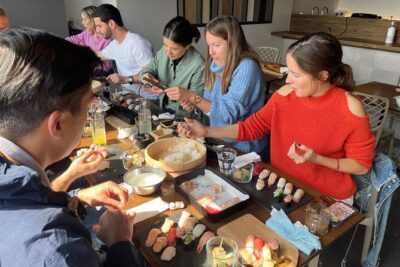
Sushi Making Tokyo Roll and Authentic Japanese Sushi Class
Read our review →

Roll and Authentic Sushi Making Class in Asakusa
Read our review →
Ramen Cooking Class at Ramen Factory in Kyoto
Read our review →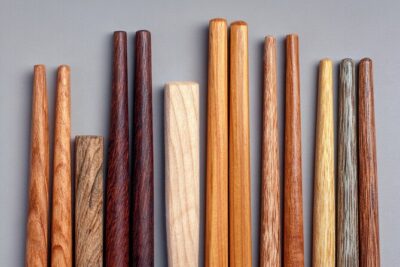
Sushi Making Class in a Happi Coat near a Famous Spot
Read our review →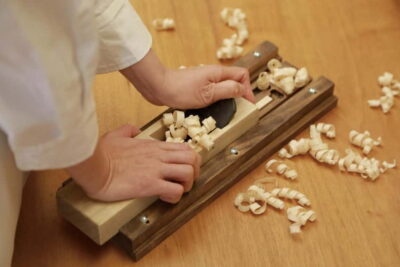
Sushi Making Osaka Roll and Authentic Japanese Sushi Class
Read our review →Browse the lists this tour appears in