
Reviewed · WORKSHOPS
Tokyo: Gameboy Mod Workshop at Akihabara
Your souvenir can be a working console. This two-hour Akihabara workshop lets you choose a Game Boy DMG-01, pick its shell, buttons, and parts, then take it apart and rebuild it with patient help. I especially like the hands-on format and the chance to leave with a useful keepsake, not another trinket. The main drawback is the $360 price, which is a serious spend for two hours.
I also like the tiny group size, limited to four people, and the warm enthusiasm of the team. Guides including Gabi, Franz, and Shio-san bring the old Nintendo story to life, and you do not need electronics experience to take part. Just note that the workshop is on the second floor of the Wakita Building, with no elevator or escalator.
In This Review
- Key points at a glance
- What happens during the two-hour Akihabara workshop
- The opening lesson covers Nintendo’s handheld story
- Choosing your shell, buttons, screen, and colors
- Taking apart the Game Boy without fear
- Testing the finished console and choosing games
- Is $360 fair for two hours?
- Why the small group matters
- Practical limits you should know before booking
- Who will enjoy this Game Boy build most?
- My verdict on this Akihabara experience
- FAQ
- Where is the Game Boy Mod Workshop held?
- How long does the workshop last?
- How much does the workshop cost?
- What kind of Game Boy do you build?
- What can I customize?
- Do I need electronics or Game Boy experience?
- What languages are available?
- Is the workshop wheelchair accessible?
Key points at a glance
- Choose nearly every visible detail: Pick the shell color, button colors, power switch, screen surround, and other supplied parts.
- Build a real working console: You disassemble and rebuild a Game Boy, with staff checking the finished unit before you take it home.
- Small groups make a difference: With a maximum of four participants, help is close by throughout the process.
- More than a repair class: The session begins with an introduction to Nintendo handhelds and the development of portable gaming.
- A practical Akihabara souvenir: You leave with a personalized Game Boy and can buy additional retro games at the workshop.
- Best for retro fans and curious beginners: The staff adjust their help to your level, from first-timer to experienced tinkerer.
What happens during the two-hour Akihabara workshop
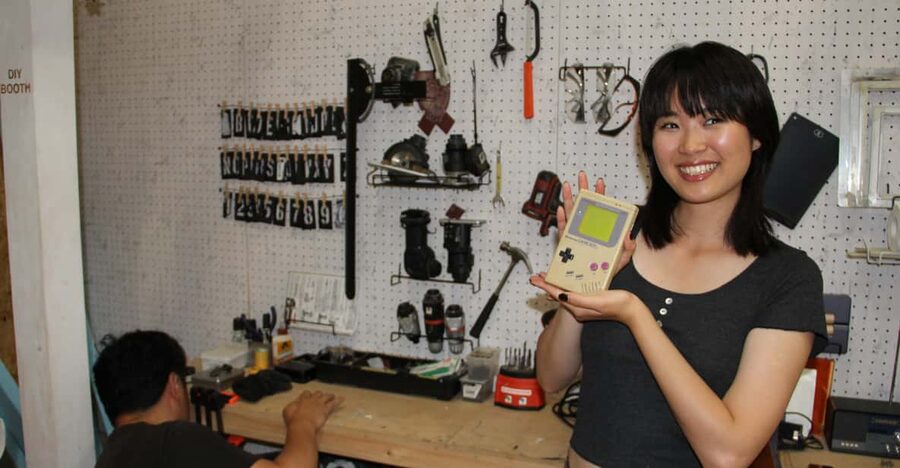
The workshop takes place in Akihabara, Tokyo’s famous district for electronics, arcades, anime, manga, and video games. You follow the address to the second floor of the Wakita Building, then settle into a small work area with the tools, parts, and guidance needed for the session.
The format is direct and friendly. You are not simply watching someone modify a console while you take photos. You make the choices, handle the parts, and take part in the rebuild. That makes the final Game Boy feel personal in a way a shop-bought console usually does not.
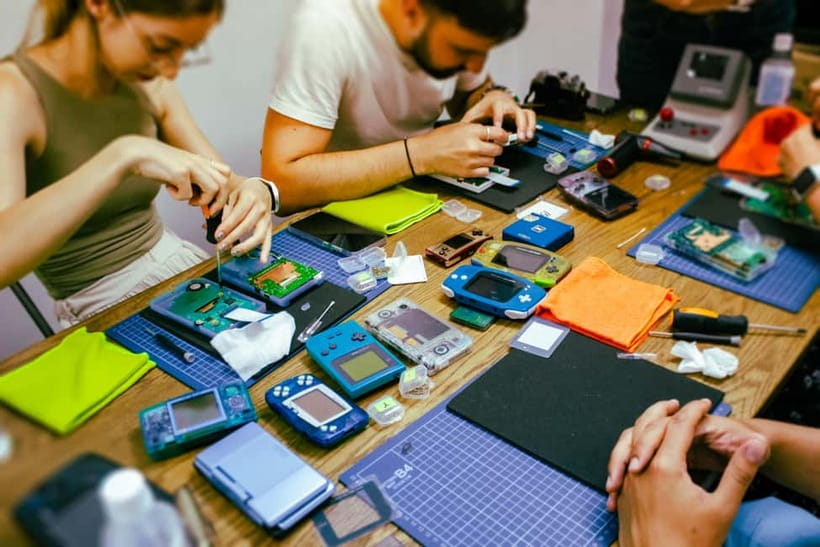
The group is capped at four participants. This matters because small electronics work can become frustrating when instructions are rushed or help is far away. Here, the staff can check your progress and step in quickly if something feels uncertain.
The workshop is conducted in English and Japanese. Guides such as Gabi, Franz, and Shio-san have been praised for their energy, patience, and clear explanations. Their approach suits mixed groups well, since one person may be a lifelong Nintendo fan while another is opening a Game Boy for the first time.
More anime and Akihabara tours:
- Official Street Go-Kart Tour – Akihabara
★ 5.0 · 1,578 reviews - Tokyo Go Kart: Asakusa, Skytree, and Akihabara **IDP MUST**
★ 5.0 · 988 reviews - Tokyo Studio Ghibli Museum and Ghibli Film Appreciation Tour
★ 4.5 · 421 reviews
The opening lesson covers Nintendo’s handheld story
The session starts with background on the Game Boy and other portable consoles. This is not just filler before the practical work begins. It gives you a sense of why this chunky, gray handheld mattered.
You may see different Nintendo handhelds up close, including rare items from the team’s collection. The presentation covers the development of handheld gaming and the Game Boy’s place within it. The subject is especially enjoyable because the staff are active enthusiasts, not people reading a short script before moving on to the next group.
I like this opening because it changes the way you look at the device on your workbench. The Game Boy was simple by modern standards, but its design helped make portable gaming accessible to a huge audience. Learning about its hardware and influence gives the rebuild some context.
This section also works well for parents introducing the console to children. A 13-year-old participant was able to work through the process with close help, while children aged 10 and 13 were reported to have enjoyed the workshop. The adults in a family group can also play retro games, learn along with the builders, and take part in the relaxed atmosphere.
Choosing your shell, buttons, screen, and colors
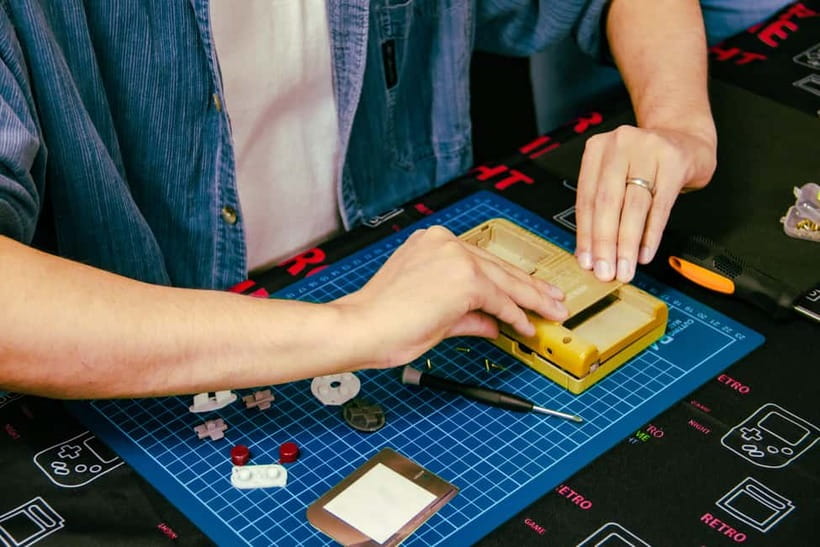
After the introduction, you begin making design decisions. The basic idea is simple: take an original-style Game Boy DMG-01 and personalize it with supplied parts.
You can choose the color of the outer shell, the buttons, the power switch, and the screen surround. The available selection is broad enough to create a traditional-looking machine or something much more unusual. One participant made a special mixed-color version rather than matching every part.
This is one of the most enjoyable parts, but it may take longer than you expect. Having many choices sounds easy until you are comparing several shades and button combinations. The good news is that the workshop is not designed to rush you. Staff give you time to decide and can help you think through the look you want.
You might prefer a classic gray body with familiar dark buttons. You might choose bright colors that look nothing like the console you remember from childhood. Either approach works. The point is to make a device that feels like yours, rather than recreate one exact model.
The finished unit also includes an improved backlit screen and newer internal technology, according to the details shared by participants. That makes a major practical difference. You get the character of an old Game Boy with a screen that is easier to use than the original display.
Taking apart the Game Boy without fear
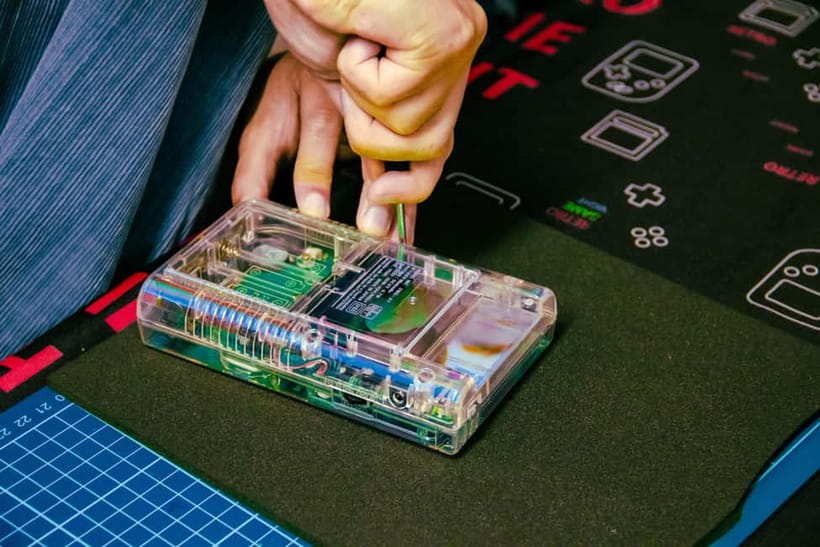
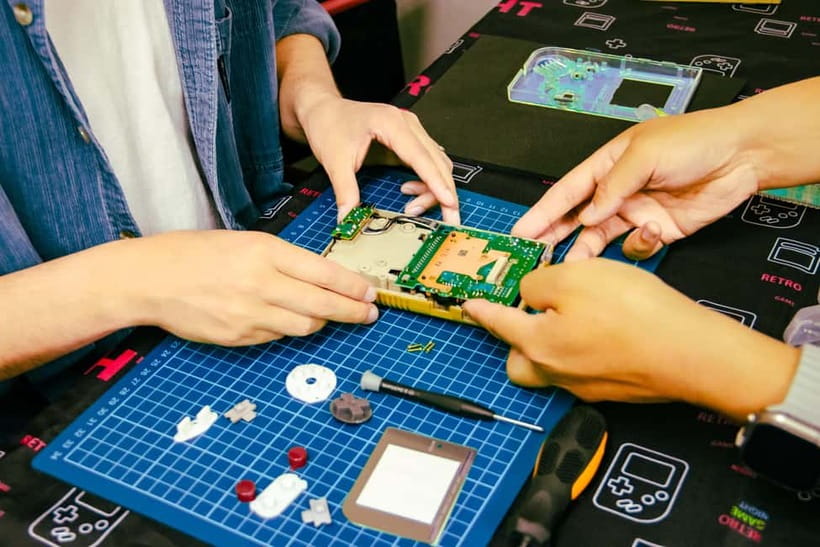
The heart of the class is the disassembly and rebuild. You work with the original hardware and useful parts, then fit the modernized board, new frame, buttons, screen components, and other supporting materials.
If you have never opened electronics before, do not assume this is beyond you. The staff explain each stage clearly and remain nearby to help. They also double-check the work, which is reassuring when a small screw, connector, or button needs to sit in exactly the right place.
The process has enough substance to feel like real making, but you are not left to struggle alone. That balance is important. A workshop that did everything for you would feel like a demonstration. A class with no assistance could turn into two hours of stress. This one aims for the middle ground.
You should still expect to concentrate. The activity involves small parts, careful handling, and following instructions. If you want to relax without using your hands, this is not the right Akihabara stop. If you like building, fixing, design, or old technology, the work is the reason to book.
The staff can explain the technical side at different levels. Beginners can ask basic questions without embarrassment. More experienced participants can discuss modifications and hardware in greater detail. That flexibility is one of the strongest parts of the workshop.
A few more Tokyo experiences worth weighing up
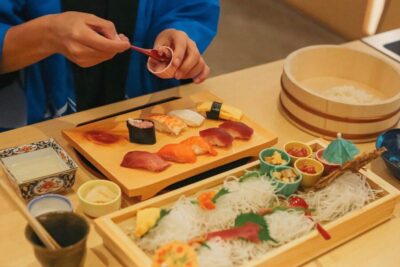
- Sushi Making Tokyo Roll and Authentic Japanese Sushi Class
★ 5.0 · 3,971 reviews - Tokyo: Roll and Authentic Sushi Making Class in Asakusa
★ 4.9 · 1,957 reviews - Tokyo Shinjuku Chopsticks Making Class
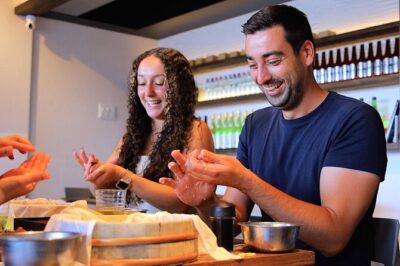
★ 5.0 · 1,763 reviews - Tokyo: Sushi Making Class in a Happi Coat near a Famous Spot
★ 4.9 · 1,377 reviews
Testing the finished console and choosing games
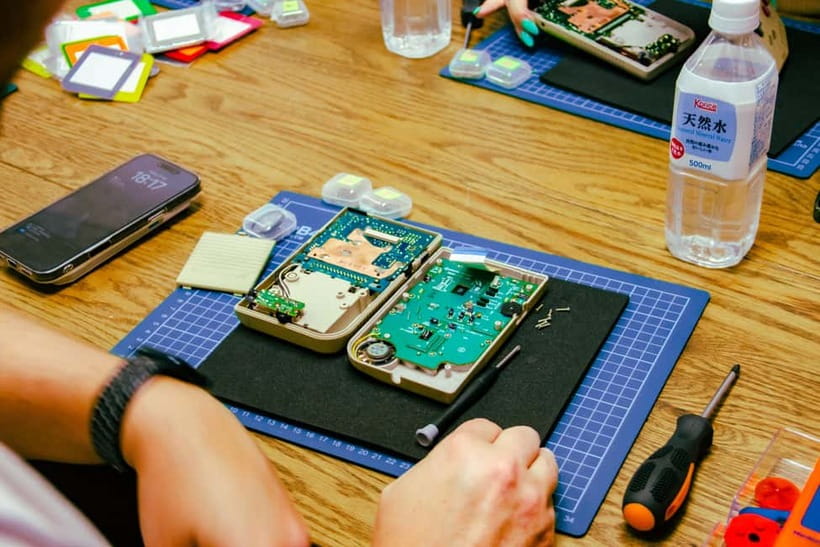
At the end, the team checks that your Game Boy works. This final step matters because your souvenir is meant to be played, not just displayed.
You can bring home the completed machine and use it with Game Boy games. The workshop also offers a selection of retro games to try and buy, including Japanese and international titles. Some participants picked up familiar classics such as Tetris, Mario, Kirby, and Dr. Mario.
The activity includes a 1,000-yen game, according to the information provided for the session. You are also able to purchase additional games if you want more than the included title. That is convenient in Akihabara, where hunting through shops for compatible games can take time, and the workshop gives you a chance to test your new console before choosing more software.
Several participants found the game prices fair compared with other Akihabara stores. One direct comparison put certain titles at roughly 40 percent less than prices seen at Super Potato. Prices can change, so I would not treat that as a guarantee, but the workshop can be a sensible place to start your retro-game shopping.
A protective case is also provided, according to one detailed account. It helps keep the newly assembled console safe in your luggage and gives you a way to display it at home.
Is $360 fair for two hours?
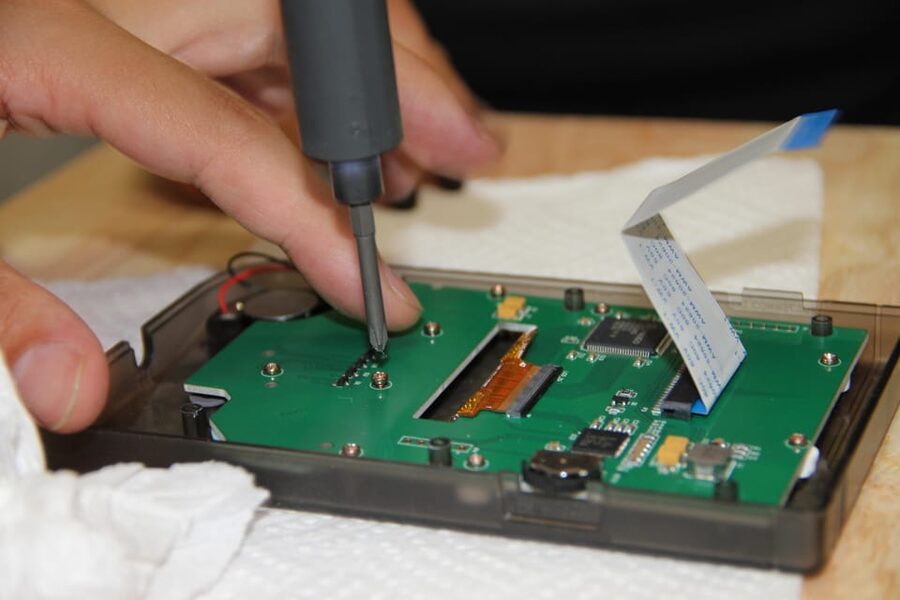
At $360 per person, this is not a casual add-on for a day of sightseeing. You are paying for the console, upgraded parts, workshop access, instruction, assistance, and the finished custom device. Admissions and the activity itself are included, and multilingual staff guide the build.
The price makes more sense if you value the console as both a functioning object and a personal souvenir. Buying an old Game Boy in Akihabara would likely cost less, but it would not give you the design choices, the workshop, the history lesson, or the satisfaction of assembling it yourself.
The included upgraded screen and modernized internal technology also add value. You are not simply receiving a dusty secondhand handheld in a new color. You are taking home a personalized machine intended for regular play.
Still, I would be honest about the trade-off. If you only want to own a Game Boy and do not care about customization or the building process, the price may feel high. If your budget is tight, you may prefer to browse Akihabara shops and buy a console and games separately.
The value is strongest for a birthday gift, anniversary activity, family experience, or major Japan trip treat. One person booked the class as a gift for a partner who grew up playing Game Boy, and the personal connection made the workshop especially effective as a present.
Why the small group matters
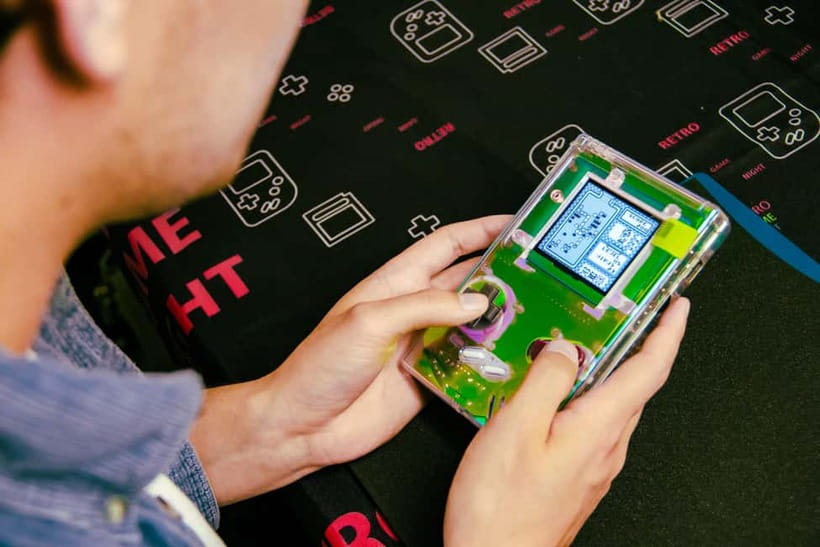
A four-person maximum gives this class a more personal feel than a large tourist activity. Everyone has room to choose parts, ask questions, and work at a reasonable pace.
It also lets the staff respond to different skill levels. You can ask about the Game Boy’s design, the changes to the screen, or the steps in the rebuild. A child can receive close guidance, while an adult with electronics experience can ask more technical questions.
The atmosphere is another important part of the value. The staff are described as friendly, energetic, and genuinely fond of gaming. That enthusiasm helps turn a technical class into a social activity, especially when several people are building at the same time.
You can book alone or with a small group. A solo booking should work well if you enjoy meeting people around a shared interest. Couples and families may find it especially rewarding when two people build consoles together and compare their color choices.
Practical limits you should know before booking
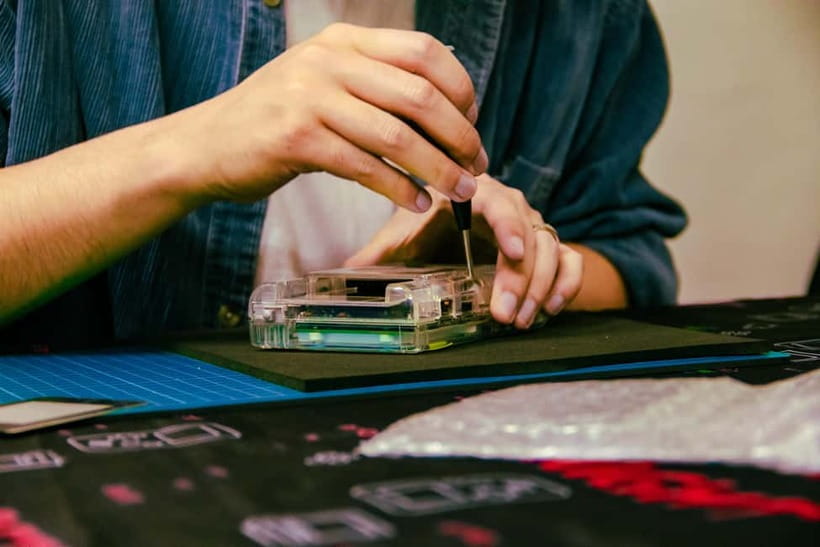
The workshop lasts two hours, so the schedule is focused. You get the introduction, design time, assembly, help, and testing, but you should not expect a long free-play session afterward.
The meeting point is on the second floor of the Wakita Building. There are no elevators or escalators, so you need to be comfortable using stairs. The activity is not wheelchair accessible.
The workshop is offered in English and Japanese. If you are booking for a mixed-language group, the multilingual staff should make the activity easier to follow, but the stated instruction languages are English and Japanese.
The class has limited places because the group is small. It is wise to decide early if the workshop is one of the main experiences you want in Akihabara. Free cancellation is available up to 24 hours before the activity for a full refund, and the reserve-now, pay-later option can help if your Tokyo schedule is still shifting.
Who will enjoy this Game Boy build most?
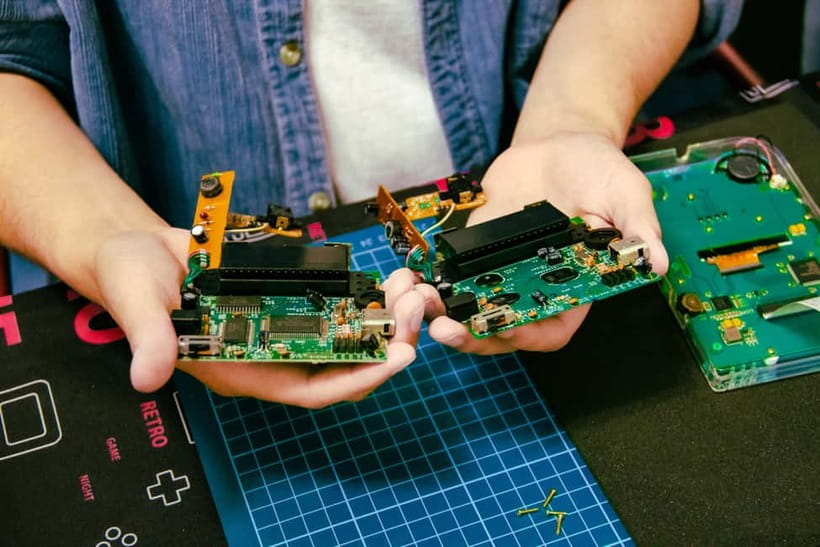
I would put retro gaming fans at the top of the list. If you remember playing Tetris on a family Game Boy, the workshop gives that nostalgia a useful new form.
It also suits people interested in electronics, industrial design, repair, and Japanese pop culture. You do not need prior Game Boy knowledge, and the instruction is designed to support beginners.
Families should consider it, especially with older children and teenagers who enjoy hands-on activities. The console is recognizable, the history section adds educational value, and the final product gives the child something to keep using.
Couples can make different versions and leave with matching or contrasting consoles. It also works as a gift, since the result is more personal than a standard purchase.
I would be less likely to recommend it to someone who wants a cheap souvenir, dislikes careful handiwork, or has no interest in playing retro games. The class is friendly, but it is still a focused workshop, not simply a shopping stop.
My verdict on this Akihabara experience
I would recommend booking the Game Boy Mod Workshop if you want a Tokyo memory you can keep using. The strongest features are the tiny class size, the broad color choices, the patient help, the backlit screen, and the chance to understand what you are building.
The staff’s enthusiasm is a big part of the appeal. Gabi, Franz, Shio-san, and the rest of the team help create a welcoming setting for beginners and serious Nintendo fans alike. You get a short lesson in handheld gaming, a practical build, and the chance to buy games before leaving.
The $360 price deserves careful thought. It is expensive for a two-hour activity, but it includes a customized, functioning Game Boy and all the instruction and parts needed to make it. For a collector, a lifelong Nintendo fan, or someone seeking a special gift, that can be fair value.
Book it if the making matters as much as the finished console. Skip it if you only want the lowest-cost way to buy a used Game Boy in Akihabara.
FAQ
Where is the Game Boy Mod Workshop held?
The workshop is held on the second floor of the Wakita Building in Akihabara, Tokyo. You should follow the provided address to locate the meeting point.
How long does the workshop last?
The activity lasts two hours.
How much does the workshop cost?
The listed price is $360 per person.
What kind of Game Boy do you build?
You personalize a vintage Game Boy DMG-01 with supplied parts.
What can I customize?
You can choose the shell color, buttons, screen surround, power switch, and other available parts. The workshop also includes screen and internal upgrades.
Do I need electronics or Game Boy experience?
No. The staff guide beginners through the process and can also provide more detailed help for participants with previous experience.
What languages are available?
Instruction is available in English and Japanese.
Is the workshop wheelchair accessible?
No. The workshop is on the second floor, and the building has no elevator or escalator.
Just added around Tokyo
- Tokyo 6hr Instagram Highlights Private Tour with Licensed Guide★ 5.0 · 38 reviews
- Tokyo Small Group Tour with Guide★ 4.5 · 38 reviews
- Tokyo Sumo Experience with Live Show & Audience Challenge★ 5.0 · 38 reviews
- Japanese Food Cooking Class in Asakusa, Tokyo★ 5.0 · 39 reviews
- Very popular in Harajuku♡Animal petting zoo★ 4.6 · 39 reviews
- Ramen Making from Scratch with Tokyo Mom(Vegan Option Available)★ 5.0 · 39 reviews
- Tokyo JDM Night: 600hp C63s AMG Edition 1 (Private)★ 4.9 · 39 reviews
- Tokyo: Kimono Rental inside Shinjuku Gyoen National Garden★ 4.9 · 39 reviews
Workshops, compared.
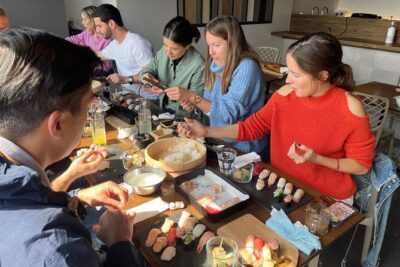
Sushi Making Tokyo Roll and Authentic Japanese Sushi Class
Read our review →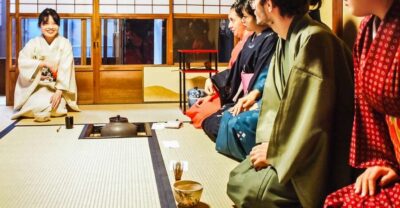

Roll and Authentic Sushi Making Class in Asakusa
Read our review →
Ramen Cooking Class at Ramen Factory in Kyoto
Read our review →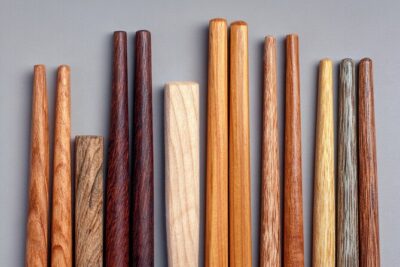
Sushi Making Class in a Happi Coat near a Famous Spot
Read our review →
Sushi Making Osaka Roll and Authentic Japanese Sushi Class
Read our review →Browse the lists this tour appears in