
Reviewed · WORKSHOPS
Tokyo/Ikebukuro Manga drawing workshop by pro-Manga artists
Make your own manga in Tokyo. This two-hour workshop in Ikebukuro gives you more than a quick sketch class: you learn character design, panel layout, story structure, and manga techniques from a professional Japanese manga artist. I especially like the small groups of no more than eight people, which leave room for questions, and the choice of beginner, intermediate, or advanced courses. The main consideration is the price, $114 per person, which makes the class best for people who want a hands-on cultural activity rather than a cheap casual pastime.
I also like that you leave with a finished creation, a clear file, and three original postcards. The central Ikebukuro location makes it easy to pair the workshop with sightseeing before or after class, though the two-hour format means you will get an introduction and guided project, not a full professional art course.
In This Review
- Key points at a glance
- Why this Ikebukuro class is worth your time
- Arriving at Manga Dojo Tokyo in Higashiikebukuro
- Choosing the right course level
- Learning the building blocks of manga
- Turning a Tokyo memory into a comic
- Drawing a chibi-style original character
- Working with real manga materials
- How the professional instruction shapes the experience
- What you take home after the lesson
- Planning the rest of your Ikebukuro day
- Who should book this manga workshop?
- My verdict on the $114 price
- Should you book it?
- FAQ
- Where does the manga drawing workshop take place?
- How long does the experience last?
- Does the activity begin and end at the same location?
- How many people can join the class?
- Are different course levels available?
- Is the workshop taught by a professional manga artist?
- Is English guidance included?
- Are drawing materials provided?
- What souvenirs do participants receive?
- Can I cancel for a full refund?
- Is food or bottled water included?
Key points at a glance
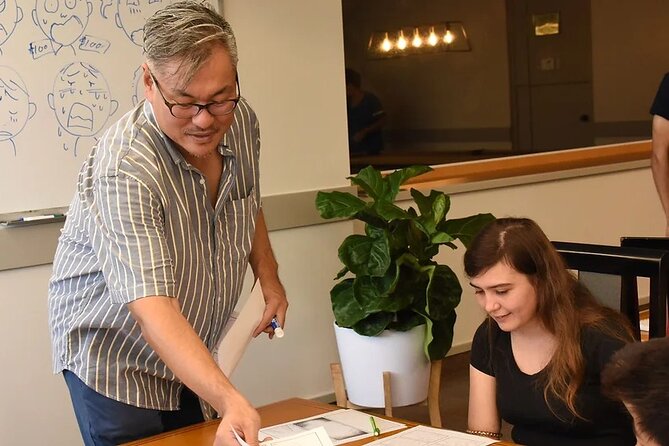
- Three skill levels: Choose beginner, intermediate, or advanced instruction so the class can fit your drawing experience.
- Professional manga guidance: Learn character creation and manga techniques from a Japanese manga artist.
- A small class of up to eight: You have a better chance to ask questions and receive help than in a large art lesson.
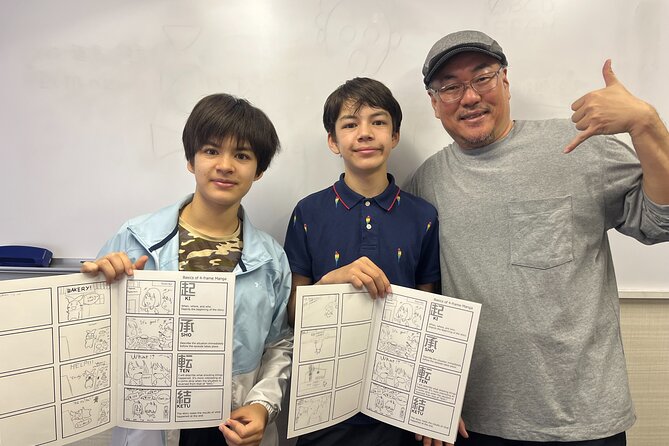
- More than character sketching: The class covers story structure, panel layout, character design, and chibi-style drawing.
- A useful Tokyo souvenir: Take home your original work, a Manga Dojo Tokyo clear file, and three postcards.
- Convenient Ikebukuro base: The class begins and ends at Manga Dojo Tokyo, near public transportation.
Why this Ikebukuro class is worth your time
Tokyo offers endless chances to buy manga, anime figures, and character goods. This class gives you a chance to understand how manga is made, using the same broad visual language that shapes so much of Japanese pop culture.
I like activities that ask you to do something rather than simply look at something. Here, you are not just hearing about manga. You are working with comic paper, pens, ink, and screen tones while building an original piece of your own.
The class is also a good break from Tokyo sightseeing. Two hours at a drawing table can be a welcome change after crowded stations, long walks, and busy shopping streets. You will still be learning about Japan, but in a relaxed and creative setting.
The price requires some thought. At $114, this is not an impulse activity for everyone. You are paying for professional instruction, supplied art materials, a small group, and several take-home souvenirs. If you only want to draw a quick cartoon, the cost may feel high. If manga is a serious interest, or if you want a personal memory that you made yourself, the value is much clearer.
More anime and Akihabara tours:
- Official Street Go-Kart Tour – Akihabara
★ 5.0 · 1,578 reviews - Tokyo Go Kart: Asakusa, Skytree, and Akihabara **IDP MUST**
★ 5.0 · 988 reviews - Tokyo Studio Ghibli Museum and Ghibli Film Appreciation Tour
★ 4.5 · 421 reviews
Arriving at Manga Dojo Tokyo in Higashiikebukuro
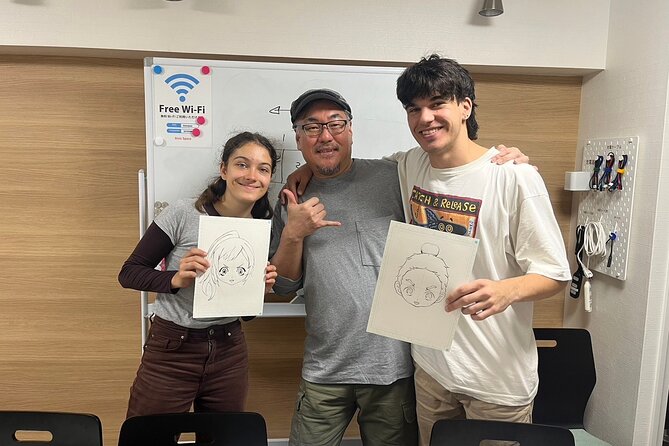
The meeting point is Manga Dojo Tokyo, at 602 Sansho Building, 1-31-6 Higashiikebukuro, Toshima City, Tokyo 170-0013. The activity begins and ends there, and the location is near public transportation.
That fixed meeting point keeps the experience simple. You do not need to follow a guide through several parts of the city, and you can plan a separate Ikebukuro outing around the lesson. I suggest allowing enough time to find the building before the start, since the address includes a specific building and room number.
A mobile ticket is available, which is handy if you are moving around Tokyo with your phone rather than carrying printed paperwork. Confirmation arrives within 48 hours of booking, subject to availability, so I would not treat the reservation as final until you receive that confirmation.
The class has a maximum of eight participants. That number matters. A drawing lesson can become frustrating if you have to wait a long time for help, especially when you are learning unfamiliar techniques. A small group gives the professional artist more room to answer questions and adjust the guidance to different abilities.
Choosing the right course level
You choose among beginner, intermediate, and advanced courses. Picking the right level is one of the most important decisions you make when booking.
The beginner course suits someone who has little or no drawing experience. You can expect the lesson to focus on basic shapes, character construction, and the steps needed to create a simple manga-style image. If you are coming with a child or younger family member, the course level should match that person’s ability rather than the most experienced person in the group.
The intermediate course makes more sense if you already understand basic drawing but want help with manga-specific methods. You may be ready to work on character design, expressions, composition, and the way images fit into a comic page.
The advanced course is for aspiring artists or people who already draw regularly. The information provided does not promise a professional portfolio review or career coaching, so you should think of it as a focused workshop rather than formal art-school training. Still, the chance to ask a professional manga artist questions can be valuable at this level.
If your group has mixed abilities, the class can still work. One person may be new to drawing while another already has experience. A five-star account of the experience specifically praised the way the lesson involved both a practiced drawer and a complete beginner. The important step is to select a course that fits each participant as closely as possible.
Learning the building blocks of manga
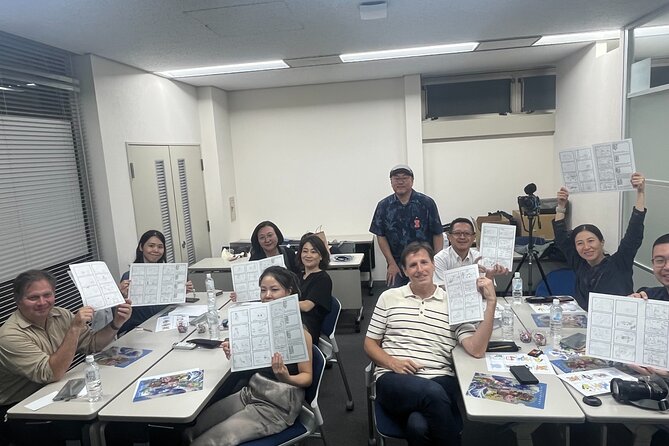
The workshop teaches the full path of manga creation in a compact format. That includes story structure, panel layout, and character design.
Story structure may be the most useful part for people who already know how to draw. Good manga is not simply a collection of attractive characters. The order of scenes, the movement from panel to panel, and the choice of what to show all shape how the reader understands the story.
Panel layout also gives you a new way to think about a page. A character drawing can look fine by itself, but manga asks you to place drawings into a sequence. The class helps connect individual images with a broader comic idea.
Character creation gives the lesson a clear, practical focus. Rather than trying to master every part of manga at once, you work toward an original character and a finished piece. That goal keeps the class approachable for beginners while still giving experienced artists something to build on.
A few more Tokyo experiences worth weighing up
- Sushi Making Tokyo Roll and Authentic Japanese Sushi Class
★ 5.0 · 3,971 reviews - Tokyo: Roll and Authentic Sushi Making Class in Asakusa
★ 4.9 · 1,957 reviews - Tokyo Shinjuku Chopsticks Making Class
★ 5.0 · 1,763 reviews - Tokyo: Sushi Making Class in a Happi Coat near a Famous Spot
★ 4.9 · 1,377 reviews
Turning a Tokyo memory into a comic
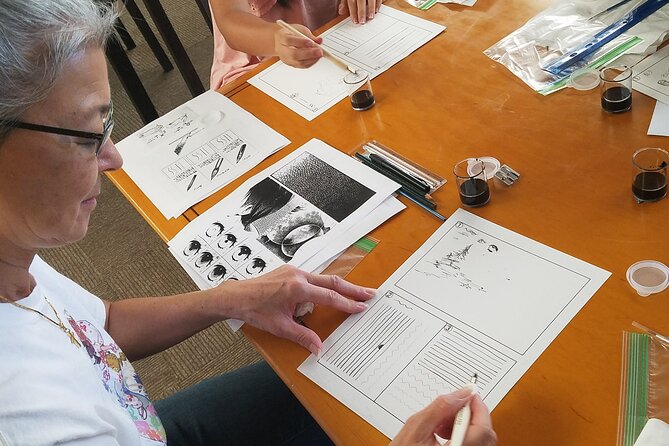
One course option focuses on turning travel memories into manga. This is a clever way to connect the art lesson with your time in Japan.
Instead of producing a generic character with no personal meaning, you can use a travel episode as the basis for your work. The supplied details do not specify exactly which episode or scene you will draw, so the final subject depends on your chosen course and the direction of the lesson. The idea itself makes the finished page more personal.
This option may suit you if you want a souvenir that records a moment from your trip in your own style. A purchased postcard shows Tokyo as someone else imagined it. Your manga can preserve a memory that belongs to you, even if the drawing is simple.
The two-hour limit is worth keeping in mind. You will not have unlimited time to develop a long story. A short scene, character moment, or compact travel episode is likely a better fit than an ambitious multi-page comic.
Drawing a chibi-style original character
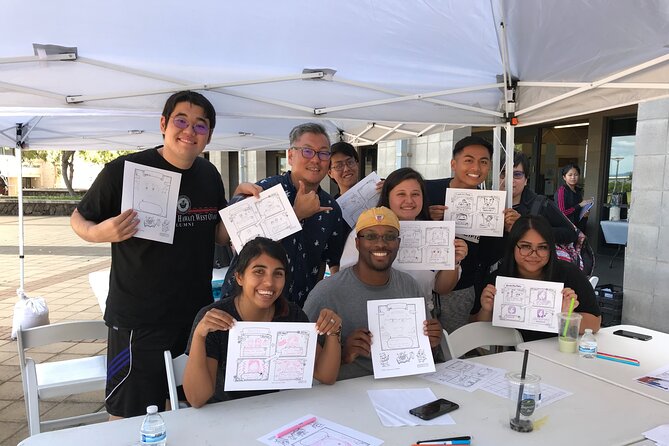
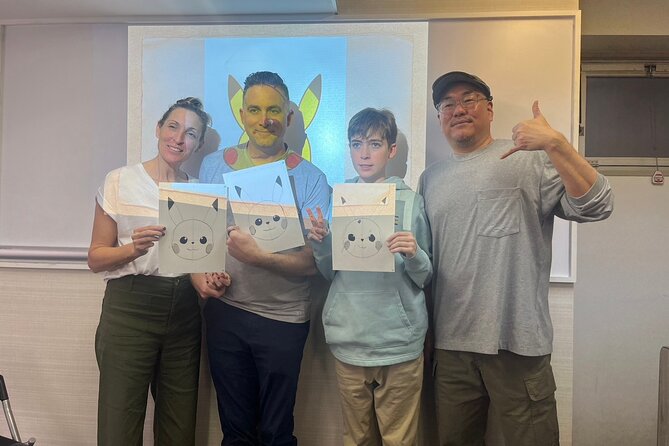
The workshop also teaches chibi-style character drawing. Chibi characters use exaggerated, simplified forms, making them a friendly entry point for people who feel nervous about drawing.
You use reference samples and combine different elements to create a unique character. This approach gives you structure without forcing every person to copy the same finished design. You can study the examples, then make choices about the character’s appearance.
I like this part for families and mixed groups because it offers a clear creative task. You do not need to arrive with a fully formed idea. Reference material helps you get started, while the final combination can still feel personal.
The class is not only about producing a technically perfect image. One detailed response praised the exercises for helping a participant lose their hesitation about drawing. That is an important benefit. A good workshop should make you more willing to pick up a pen, not leave you worried that every line must be professional.
Working with real manga materials
The equipment is included. You receive comic paper, pens, ink, and screen tones for the drawing process.
Screen tones are a particularly useful detail for anyone curious about traditional manga production. They help add shading and visual texture to a comic page, and they make the lesson feel different from an ordinary pencil sketch session.
You do not need to pack an art kit or buy supplies before arriving. That makes the workshop easier to fit into a Tokyo itinerary, especially if you are traveling light.
The supplies also add value to the fixed price. A lower-cost art activity might provide only paper and a pencil. Here, the included materials support a more recognizable manga workflow, even though the class lasts only about two hours.
How the professional instruction shapes the experience
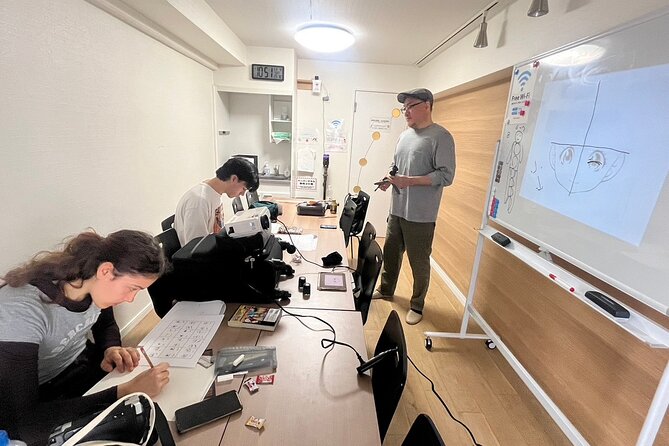
The workshop is taught by a professional Japanese manga artist, with English guidance available. That combination is central to the experience. You are learning a creative form from someone connected to the culture rather than following a general online tutorial in your hotel room.
The class is designed to be interactive. You have opportunities to ask questions, and the small group makes those questions easier to handle. One five-star response praised the step-by-step teaching and the feeling that there were no limits to what you could draw and achieve.
That kind of encouragement can matter as much as the technical instruction. Beginners often stop themselves before they begin because they assume they are not artistic enough. The class appears designed to lower that barrier while still giving experienced participants room to work at a higher level.
The English guide is useful, but the supplied information does not specify the full language range or the exact teaching format. If a participant has limited English, you should confirm language needs before booking.
What you take home after the lesson
Your main souvenir is your own manga creation. That is more personal than another mass-produced Tokyo item, and it gives you something to show friends or keep with your travel photos.
You also receive a Manga Dojo Tokyo original clear file and a set of three postcards. The clear file is practical for protecting your artwork, while the postcards offer an easy way to share a small piece of the experience.
These extras help explain the price, though they should not be the main reason you book. The real value lies in the instruction and the chance to make something yourself. If you are only interested in souvenirs, Tokyo offers cheaper options. If you want a memory tied to an activity, the package makes more sense.
Planning the rest of your Ikebukuro day
Because the class starts and ends at the same central location, you can use it as one part of a wider day in Tokyo. You can explore Ikebukuro before the lesson, attend the workshop, and continue sightseeing afterward.
The experience itself does not include food or bottled water. Plan your refreshments separately, especially if you are visiting with children. Snacks are not provided, so you should not expect a café-style class.
Group discounts may be available, which can improve the value for families or friends booking together. The exact discount amount is not provided, so check the current price before you commit.
Free cancellation is available when you cancel at least 24 hours before the start time. Changes or cancellations inside that 24-hour window are not accepted for a refund. Since confirmation is subject to availability, I would make your plans only after the booking is confirmed.
Who should book this manga workshop?
I would recommend this class to several types of visitors:
- Manga and anime fans who want to understand the creative process
- First-time artists looking for friendly, guided instruction
- Experienced drawers who want professional input during a short Tokyo visit
- Families or friends with different drawing abilities
- People seeking a personal souvenir rather than another shop purchase
- Anyone wanting a creative break from sightseeing
It may be less suitable if you want a long, technical course with extensive practice time. Two hours can teach useful methods and produce a finished creation, but it cannot cover every part of professional manga work.
The price may also discourage people looking for the least expensive activity in Ikebukuro. I see it as a special-interest experience. The more interested you are in manga, drawing, or Japanese pop culture, the more likely you are to feel that the cost is justified.
My verdict on the $114 price
At $114 per person, the workshop sits in the premium range for a two-hour activity. Still, the price includes all drawing equipment, professional instruction, English guidance, a small group capped at eight, and several souvenirs.
I would judge the value by asking one simple question: do you want to make something, or do you only want to see something? If you want a quick attraction with minimal cost, this is probably not the right pick. If you want hands-on instruction and a personal piece of art, the price becomes easier to defend.
The strong 4.9 rating from 65 reviews and 97 percent recommendation mark suggest that the class delivers well for its intended audience. The most praised points are the step-by-step teaching, the fun atmosphere, and the way the artist can involve both beginners and experienced drawers.
Should you book it?
Book this workshop if manga interests you and you want a creative Tokyo memory that you make with your own hands. Choose the course level carefully, allow time to find Manga Dojo Tokyo in Higashiikebukuro, and keep your expectations focused on a lively two-hour introduction rather than professional certification.
I would especially choose it for a small family group or friends with mixed drawing abilities. The class size, flexible skill levels, supplied materials, and take-home artwork make it more meaningful than a standard sightseeing stop. Skip it only if the $114 price feels too high for a short lesson or if you want a full-day art course.
FAQ
Where does the manga drawing workshop take place?
The workshop takes place at Manga Dojo Tokyo, 602 Sansho Building, 1-31-6 Higashiikebukuro, Toshima City, Tokyo 170-0013, Japan.
How long does the experience last?
The workshop lasts approximately two hours.
Does the activity begin and end at the same location?
Yes. The activity ends back at the Manga Dojo Tokyo meeting point.
How many people can join the class?
The maximum group size is eight participants.
Are different course levels available?
Yes. You can choose from beginner, intermediate, and advanced courses.
Is the workshop taught by a professional manga artist?
Yes. The class is taught by a professional Japanese manga artist.
Is English guidance included?
Yes. English guidance is included.
Are drawing materials provided?
Yes. The equipment includes screen tones, ink, pens, and comic paper.
What souvenirs do participants receive?
You receive a Manga Dojo Tokyo original clear file and a set of three postcards, in addition to your own manga creation.
Can I cancel for a full refund?
Yes, if you cancel at least 24 hours before the experience start time. Cancellations or changes made less than 24 hours before the start time are not refunded or accepted.
Is food or bottled water included?
No. Bottled water and snacks are not included.
Just added around Tokyo
- Tokyo Small Group Tour with Guide★ 4.5 · 38 reviews
- Tokyo 6hr Instagram Highlights Private Tour with Licensed Guide★ 5.0 · 38 reviews
- Tokyo Sumo Experience with Live Show & Audience Challenge★ 5.0 · 38 reviews
- Very popular in Harajuku♡Animal petting zoo★ 4.6 · 39 reviews
- Japanese Food Cooking Class in Asakusa, Tokyo★ 5.0 · 39 reviews
- Ramen Making from Scratch with Tokyo Mom(Vegan Option Available)★ 5.0 · 39 reviews
- Tokyo: Kimono Rental inside Shinjuku Gyoen National Garden★ 4.9 · 39 reviews
- Tokyo JDM Night: 600hp C63s AMG Edition 1 (Private)★ 4.9 · 39 reviews
Workshops, compared.
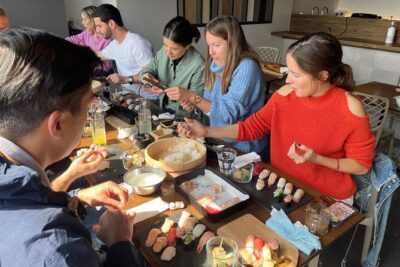
Sushi Making Tokyo Roll and Authentic Japanese Sushi Class
Read our review →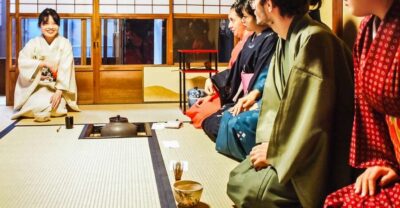

Roll and Authentic Sushi Making Class in Asakusa
Read our review →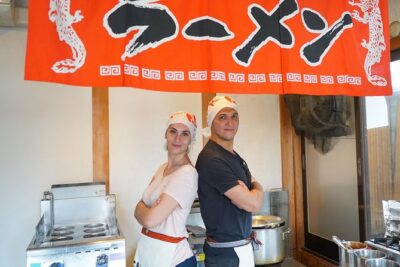
Ramen Cooking Class at Ramen Factory in Kyoto
Read our review →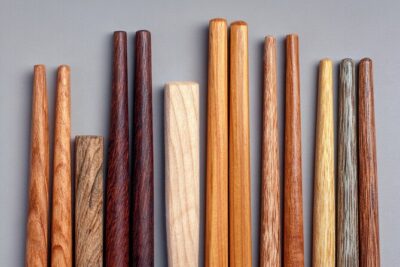
Sushi Making Class in a Happi Coat near a Famous Spot
Read our review →
Sushi Making Osaka Roll and Authentic Japanese Sushi Class
Read our review →Browse the lists this tour appears in