
Reviewed · MARTIAL ARTS EXPERIENCES
Tokyo: Karate Experience with Former All-Japan Champion
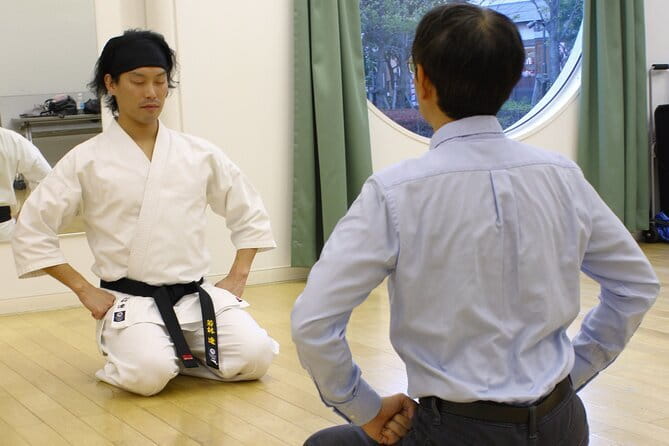
Trade temples for a fighting stance. This Tokyo karate lesson gives you a direct, active way to meet Japanese culture, led by Ryo, a qualified Kyokushin black belt and former All-Japan champion. I especially like the careful opening with bowing and breathing, plus the steady move from basic punches and kicks to pad work and non-contact sparring. The main consideration is that a 60 to 90 minute class can only introduce karate, not fully teach it.
I also like how well Ryo adjusts the session for different ages and skill levels. Children, complete beginners, and experienced martial artists have all found useful work here, with clear English explanations and patient corrections. Check the booking option closely, though, because the karate uniform is tied to the private 90-minute session with a gi, and one participant arrived expecting a uniform that was not included in their chosen option.
In This Review
- Key points at a glance
- Why this karate lesson feels different from a tourist photo stop
- Starting with the bow, breathing, and proper manners
- Stretching that prepares your whole body
- Learning punches, blocks, and kicks in small pieces
- Non-contact kumite puts the techniques together
- Pad work adds the workout you came for
- Ryo’s teaching style suits families and serious students
- The Asakusa setting adds a useful cultural layer
- Is $58 a fair price for 60 to 90 minutes?
- Who should book this karate experience?
- Practical planning before you go
- Should you book it?
- FAQ
- How long does the karate experience last?
- How much does the experience cost?
- Who teaches the karate class?
- Does Ryo have competition experience?
- Is the class suitable for complete beginners?
- Can children participate?
- Is the karate uniform included?
- Is sparring full contact?
- What languages are available?
Key points at a glance
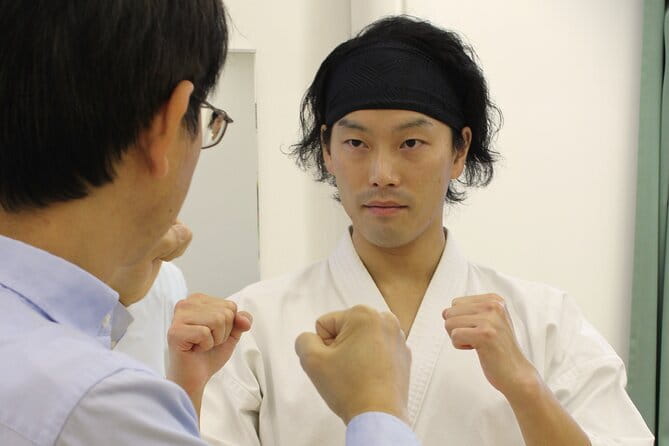
- Train with a real competitor: Ryo placed third at the 2013 Kyokushin World Union World Karate Championship and became an All-Japan champion in the Kyokushinkan International division.
- Begin with manners: You learn how to bow, breathe from the belly, and settle your mind before throwing a punch.
- Build skills step by step: Punches, blocks, kicks, and defensive movements are broken into small sections before you put them together.
- Practice safely: Kumite concepts are taught without physical contact, followed by pad work for a more energetic finish.
- Good for mixed abilities: Ryo adapts the lesson for beginners, children, and martial artists from styles such as Shotokan, Goju Ryu, Tae Kwon Do, Muay Thai, and Kenpo.
- A practical Tokyo price: At $58 per person, the class is a reasonable choice if you want an active cultural experience instead of another sightseeing stop.
Why this karate lesson feels different from a tourist photo stop
Tokyo offers plenty of cultural activities that ask you to watch, taste, or pose. This one asks you to move. You bow, stretch, listen, repeat, and make corrections with your body. That simple change makes the session feel more personal.
The class also gives you a glimpse of karate as a discipline, not just a collection of dramatic kicks. The opening manners matter. In karate, you start with a bow and end with a bow. That ritual frames the lesson with respect and helps explain why focus and control are valued as much as force.
Ryo brings serious experience without making the class feel stiff. He has practiced Kyokushin Karate for 20 years, has taught since 2010, and earned his second Dan black belt in 2020. His competition record includes third place at the 2013 KWU World Karate Championship in Bulgaria and an All-Japan championship in the under-80-kilogram Kyokushinkan International division.
That background matters most if you already train. You can ask about differences between Kyokushin and your own style, and the lesson has enough substance to make those comparisons worthwhile. But you do not need martial arts experience to enjoy it.
More Martial Arts Experiences in Tokyo
- Tokyo: Samurai Sword & Archery Class from Samurai Descendant
★ 5.0 · 603 reviews - Tokyo:Samurai sword and archery class from a samurai descendant
★ 5.0 · 121 reviews - Tokyo 2-Hour Genuine Samurai Experience: Kendo in Japan
★ 5.0 · 112 reviews
Starting with the bow, breathing, and proper manners
The class opens with the bow, or rei. Ryo explains how to perform it and why it belongs at both ends of a karate session. This is a small lesson, but it sets the tone. You are not simply being shown how to hit pads. You are being introduced to the behavior expected in a dojo.
Next comes breathing from the belly. The aim is better focus and a calmer mind. Do not expect a long meditation session. It is a short, practical introduction to controlling your breath before physical work begins.
I like this opening because it gives the activity a cultural center. Without it, the session could feel like a generic kickboxing workout. With it, you get a clearer sense of karate manners and discipline.
It is also useful for nervous beginners. You have a moment to listen, copy the instructor, and settle into the room before the more athletic part begins. Parents may appreciate this start for children, since it provides structure before the punches and kicks arrive.
Stretching that prepares your whole body
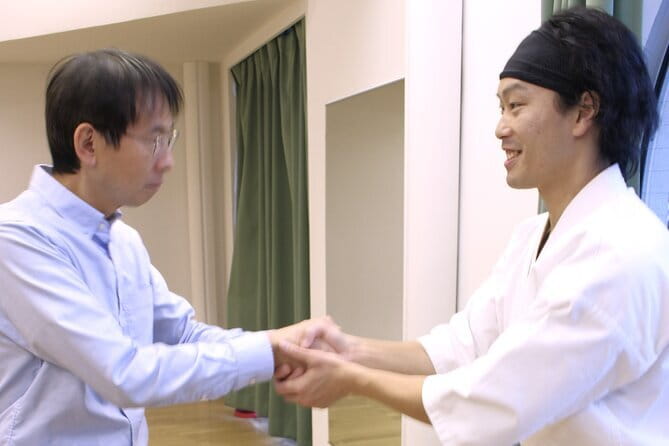
The warm-up works through the major areas used in karate. You stretch the legs, hip joints, shoulder blades, and chest. This preparation is not filler. Karate techniques ask for balance, hip movement, shoulder control, and enough flexibility to kick without forcing the joint.
You should expect an active session, even before the technique work starts. The stretching helps you move more comfortably and reduces the chance of trying a kick with cold muscles. If you have limited flexibility, Ryo can adjust the pace and level of movement.
This is one point where you should be realistic. A short class will not transform your flexibility. It does, however, give you a useful warm-up and a taste of the muscle groups karate uses. Wear clothing that lets you move freely unless you have booked the option that includes a gi.
The uniform detail deserves attention. The included karate uniform is specifically connected to the PRIVATE/90min Session with Karate Gi option. A participant who selected a 90-minute class without that option had to bring workout clothes instead. Read the exact choice before paying, especially if wearing a gi is part of your Japan experience.
Learning punches, blocks, and kicks in small pieces
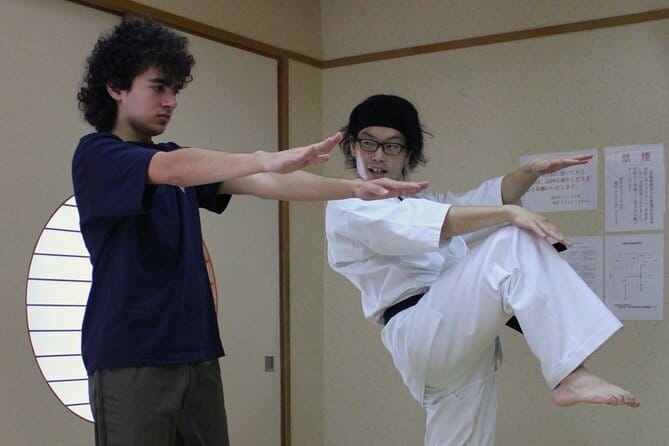
Once you are warm, Ryo teaches the basic stance and core techniques. You work on punches, blocks, and kicks. Instead of showing a fast combination and expecting you to copy it, he breaks each technique into several movements.
That step-by-step method is helpful. You can pay attention to foot position, hip movement, hand placement, and timing one piece at a time. Ryo also watches your form and offers corrections when needed. This close attention is especially useful in a private class or a small group, where the instruction can follow your ability rather than an average pace.
For a complete beginner, this keeps the lesson from becoming confusing. You leave with a basic sense of how karate generates power from a stable stance, rather than simply flailing at a target. For an experienced martial artist, the slower method gives you time to notice technical differences.
Those differences are part of the appeal. Participants with Shotokan, Goju Ryu, Tae Kwon Do, Muay Thai, Kenpo, and other backgrounds have found the Kyokushin approach interesting. The point is not to prove one style is better. It is to see how stance, kicking, blocking, and attack patterns change from one tradition to another.
You should not expect a full grading lesson or a formal belt test. The value is in the focused introduction and in Ryo’s corrections. In 60 to 90 minutes, you get a useful foundation, not a complete karate curriculum.
A completely different kind of day out in Tokyo:
- Mt Fuji and Hakone 1-Day Bus Tour Return by Bullet Train
★ 5.0 · 26,383 reviews - 1-Day Tokyo Bus Tour
★ 5.0 · 14,250 reviews - Tokyo: TOKYO SKYTREE® Admission ticket
★ 4.5 · 11,192 reviews - Tokyo: teamLab Planets TOKYO Digital Art Museum Entry Ticket
★ 4.6 · 9,779 reviews
Non-contact kumite puts the techniques together
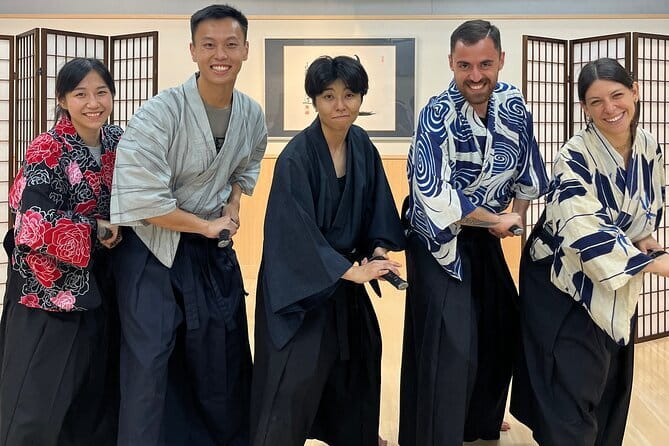
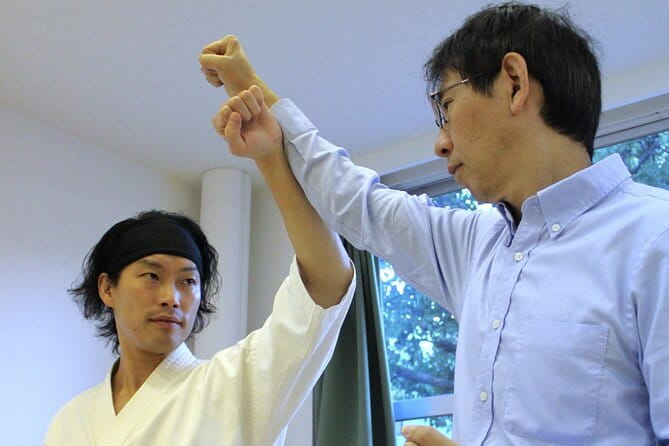
The session then moves toward kumite, or sparring. Here, the practice is non-contact. You learn how to respond to attacks such as punches, front kicks, and low kicks, using defensive movements and counter techniques.
This is a smart format for a mixed group. A child, first-timer, or person with no sparring background can practice timing and distance without taking a hit. At the same time, someone with experience can concentrate on precision, positioning, and efficient movement.
Ryo demonstrates the attacks and explains the defensive response. The focus is on the essence of sparring rather than an uncontrolled fight. You learn where to place your hands, how to move, and how to answer an attack with control.
The non-contact rule is an important expectation to set. Kyokushin is known as full-contact karate, but this particular lesson does not put you into a full-contact bout. If you want a hard fight, you may find the activity too gentle. If you want to understand sparring without risking injury, the format is a strong fit.
Pad work adds the workout you came for
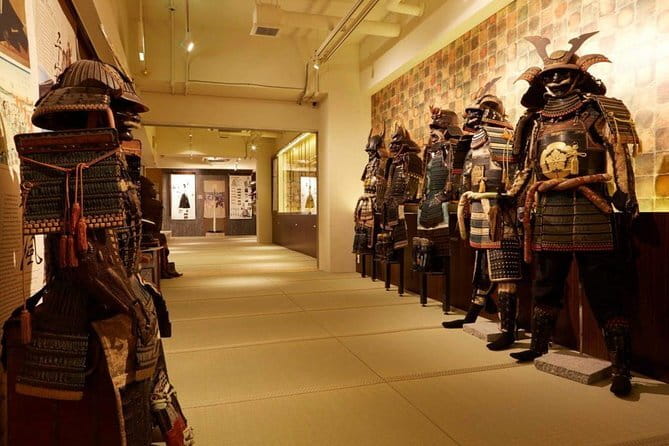
Punching and kicking pads give the lesson its most physical section. After working through form and defense, you can put the movements into a target. The pads provide resistance and sound, which makes your technique feel more real without asking you to strike another person.
This is also where the class becomes a proper workout. You will use your legs, hips, core, shoulders, and arms. One parent described the lesson as a real workout for a teenage son who already studied karate, while several younger participants finished by punching and kicking pads with growing confidence.
Do not confuse the pad work with a contest. Accuracy and control matter more than hitting as hard as possible. Ryo’s teaching centers on efficiency and precision, so listen for his corrections rather than chasing power.
A short class can still leave you warm and tired, particularly if you are new to martial arts. Bring suitable exercise clothing if your booking does not include the gi, and consider this when planning the rest of your day.
Ryo’s teaching style suits families and serious students
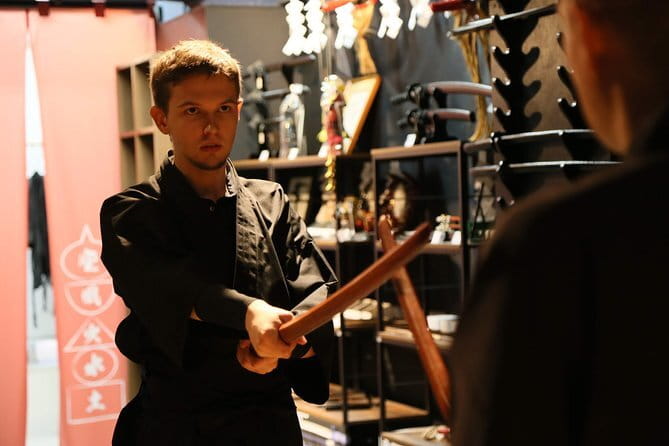
The strongest part of this experience is Ryo’s teaching. He explains clearly, demonstrates techniques, and pays close attention to how you move. His English is strong enough for detailed instruction, and Japanese is also available.
That combination has helped the class work for families. An eight-year-old and a ten-year-old were able to follow the lesson even though their parents worried that English might be a barrier. A 10-year-old Tae Kwon Do student also began nervously and ended up working confidently with the pads and non-contact exercises.
Teenagers get something from it, too. A 14-year-old described the session as a memorable experience, while a 15-year-old with 18 months of Kenpo training received a serious lesson rather than a staged tourist activity.
You can also book it for a mixed-ability group. Ryo can slow down for a beginner while giving an experienced participant more detail. That is not always easy in sports classes, but the small-group format makes it more practical.
The class is not only for children or novices. A Shotokan black belt found the differences between styles especially interesting, and a student with Muay Thai experience enjoyed comparing the two martial arts. If you have years of training, tell Ryo about your background so he can make the comparison more useful.
The Asakusa setting adds a useful cultural layer
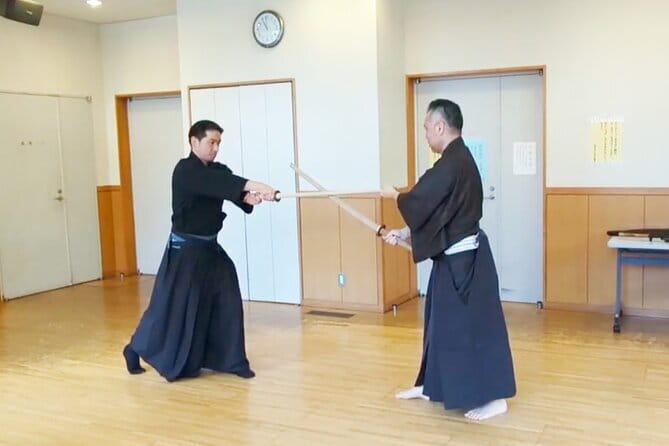
The class takes place in central Asakusa, an accessible part of Tokyo. One participant described training inside a martial arts store, which added a fun touch to the experience. The exact meeting point can vary by booking option, so check your confirmation carefully.
Asakusa is a good neighborhood for this kind of activity. You can pair the lesson with other sightseeing in the area, giving your day a nice change of pace. Start with temples and streets, then spend an hour working on stance and movement. It is a more active way to connect with Japan than simply buying a souvenir.
The setting may not resemble a large traditional dojo. If you expect an ornate training hall, you could be surprised. The reported martial arts store setting is less formal, but it may also feel more approachable for a first visit.
That tradeoff works for me. You get an authentic lesson from a working instructor without needing to commit to a long-term dojo membership or navigate a Japanese-only class.
Is $58 a fair price for 60 to 90 minutes?
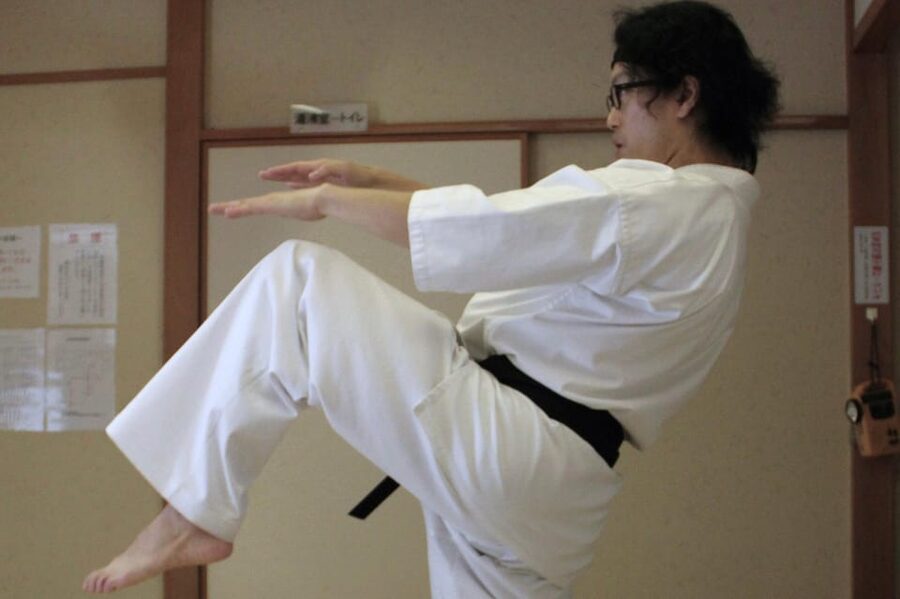
At $58 per person, this is not the cheapest workout in Tokyo. You are paying for more than exercise, though. The price includes an interactive lesson, instruction from a decorated Japanese black belt, kata demonstrations, punching and kicking pads, and a bottle of water.
The value improves if you have a genuine interest in martial arts. A basic fitness class might cost less, but it would not give you the same cultural explanation, bowing practice, technical comparisons, or access to Ryo’s competition experience.
The 90-minute private option is likely the better value for families, couples, or students who want more individual correction. It also offers the option to include the karate gi. A shorter session can work well if your schedule is tight, but you will have less time for technique, sparring practice, and pads.
Small groups also make sense for the price. You are not paying for a large demonstration where the instructor barely sees you. Ryo’s teaching style depends on watching movements and making adjustments, so a smaller class helps you get more from the hour.
Flexible booking adds some practical value. You can reserve now and pay later, and cancellation is free up to 24 hours before the activity for a full refund. Starting times vary, so check availability around your Tokyo plans.
Who should book this karate experience?
I would recommend it most strongly to four types of people:
- First-time visitors to karate: You get manners, breathing, stretching, basic techniques, and controlled sparring without needing prior training.
- Families with active children: The instructor has experience teaching children and can make the class understandable and encouraging.
- Martial artists visiting Japan: You can compare Kyokushin with Shotokan, Goju Ryu, Tae Kwon Do, Muay Thai, Kenpo, or another style.
- Culture-minded visitors who want to participate: The bowing, breathing, and disciplined practice offer more than a quick photo in a costume.
You may want to skip it if you dislike structured physical activity or have no interest in martial arts. You should also avoid treating it as a full-contact Kyokushin bout. The sparring is deliberately non-contact, and the class is built for safety and mixed abilities.
People with past training should keep an open mind. The techniques may not match your usual style, and that is part of the lesson. A black belt from another tradition can still find value in the differences, while a beginner can focus on the clear basics.
Practical planning before you go
Book the exact session that matches your needs. If the gi matters to you, choose the private 90-minute session with karate uniform included. Otherwise, plan to bring workout clothes, based on the experience of a participant who found that their selected 90-minute option did not provide a gi.
Allow enough time to reach the meeting point in Asakusa, since it may change by option. The activity lasts one hour to 90 minutes, and starting times depend on availability.
You do not need to speak Japanese. Instruction is offered in English and Japanese, and Ryo has been praised for making explanations easy to follow. Still, listen carefully and copy the demonstrations. Karate technique is physical, and a clear spoken explanation only goes so far until your feet and hands begin working together.
Finally, expect to sweat. The stretching, repeated techniques, pad work, and defensive practice make this an active appointment. It fits best before a relaxed evening, not immediately before a formal dinner in your best clothes.
Should you book it?
Yes, if you want an active Tokyo experience with real instruction and a clear cultural connection. Ryo combines serious Kyokushin credentials with patience, humor, and the ability to teach children, beginners, and experienced martial artists in the same general format.
Book the 90-minute private session if you want the most individual attention or a karate gi. Choose a shorter or small-group option if you mainly want a taste of karate during a busy Tokyo visit. At $58, it is good value for anyone who would rather learn, move, and meet an instructor than spend another hour watching Japan from the sidelines.
FAQ
How long does the karate experience last?
The activity lasts between one hour and 90 minutes. Available starting times depend on the date and option selected.
How much does the experience cost?
The listed price is $58 per person.
Who teaches the karate class?
The instructor is Ryo, a Japanese Kyokushin Karate black belt. He has practiced Kyokushin for 20 years, taught since 2010, and passed the second Dan black belt promotion exam in 2020.
Does Ryo have competition experience?
Yes. Ryo placed third at the 2013 Kyokushin World Union World Karate Championship in Bulgaria and became an All-Japan champion in the Kyokushinkan International under-80-kilogram division.
Is the class suitable for complete beginners?
Yes. The lesson is designed for beginners as well as people with previous karate experience. Techniques are broken into several movements and taught step by step.
Can children participate?
Yes. Ryo has taught children and adults, and children aged eight, ten, 14, and 15 have taken part in lessons described in the supplied experience details.
Is the karate uniform included?
A karate uniform is included with the option named PRIVATE/90min Session with Karate Gi. Check the exact option before booking, since a uniform may not be included in another 90-minute choice.
Is sparring full contact?
No. The kumite section teaches sparring ideas without physical contact. You practice responses to punches, front kicks, and low kicks without taking part in a full-contact fight.
What languages are available?
The instructor teaches in English and Japanese.
Just added around Tokyo
- Tokyo 6hr Instagram Highlights Private Tour with Licensed Guide★ 5.0 · 38 reviews
- Tokyo Small Group Tour with Guide★ 4.5 · 38 reviews
- Tokyo Sumo Experience with Live Show & Audience Challenge★ 5.0 · 38 reviews
- Japanese Food Cooking Class in Asakusa, Tokyo★ 5.0 · 39 reviews
- Very popular in Harajuku♡Animal petting zoo★ 4.6 · 39 reviews
- Ramen Making from Scratch with Tokyo Mom(Vegan Option Available)★ 5.0 · 39 reviews
- Tokyo JDM Night: 600hp C63s AMG Edition 1 (Private)★ 4.9 · 39 reviews
- Tokyo: Kimono Rental inside Shinjuku Gyoen National Garden★ 4.9 · 39 reviews
Martial Arts Experiences, compared.
Kendo and Samurai Experience with Uniform and Gear
Read our review →
Samurai Sword & Archery Class from Samurai Descendant
Read our review →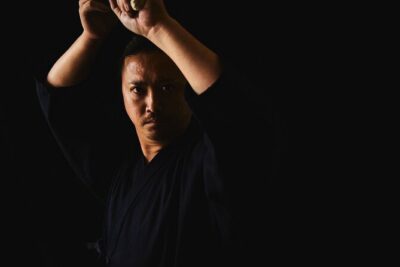
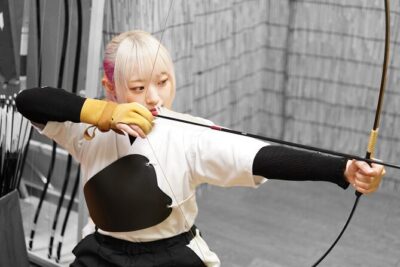
Japanesel Archery Experience HIROSHIMA CASTLE SHARAKU
Read our review →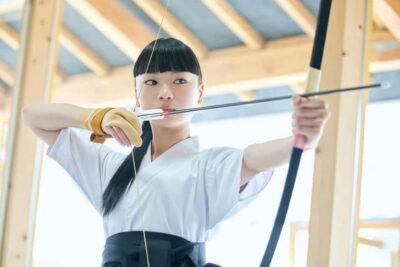
Japanese Archery Workshop with Experienced Instructor
Read our review →
Samurai sword and archery class from a samurai descendant
Read our review →
Tokyo 2-Hour Genuine Samurai Experience: Kendo in Japan
Read our review →Browse the lists this tour appears in