
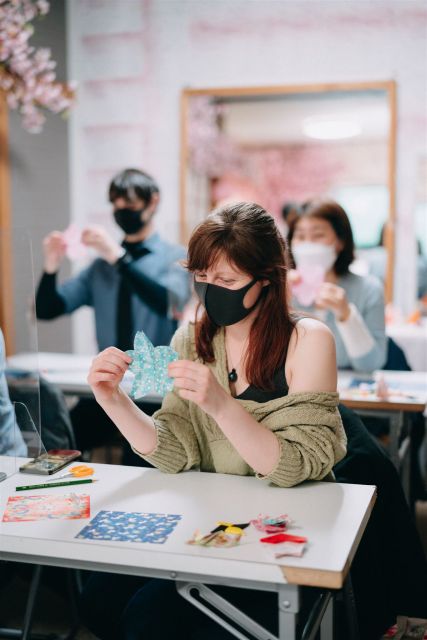
Reviewed · TRADITIONAL CRAFT WORKSHOPS
Tokyo: Learn Traditional Origami with a Local
Paper becomes a small piece of Japan. In 90 minutes, Tokyo native Manami Watanabe guides you through three to five classical origami shapes while explaining the customs, stories, and symbolism behind them. I like the calm, hands-on pace, and I also like that you choose your own designs and paper rather than simply copying a fixed demonstration. The main consideration is that this is designed mainly for beginners, so experienced folders may find the patterns too easy.
Manami has practiced origami since she was three, and that long connection gives the class a personal feel. She is especially patient with children and first-time folders, taking care with tricky creases and encouraging questions. At $58 per person, the experience is not the cheapest 90 minutes in Tokyo, but the individual instruction, materials, cultural explanation, and finished keepsakes make it a fair choice for people who want more than a quick craft activity.
In This Review
- Five things to know before you fold
- What this Tokyo origami class feels like
- Meeting Manami in East Tokyo
- Choosing your first three to five shapes
- Selecting traditional and modern Japanese paper
- A 90-minute lesson, fold by fold
- Why the cultural stories matter
- Finding FEEEP Shinjuku Higashi-guchi
- Is $58 a fair price for 90 minutes?
- Who will enjoy this class most?
- Practical strengths and small drawbacks
- Should you book Manami’s origami workshop?
- FAQ
- How long does the origami experience last?
- How much does the experience cost?
- How many origami shapes can I make?
- Is the class suitable for beginners?
- Can experienced origami folders request harder designs?
- What materials are included?
- Where is the meeting point?
- Is the activity wheelchair accessible?
Five things to know before you fold
- Manami has practiced since age three: Her teaching connects folding techniques with family stories, Japanese customs, and the meaning of each shape.
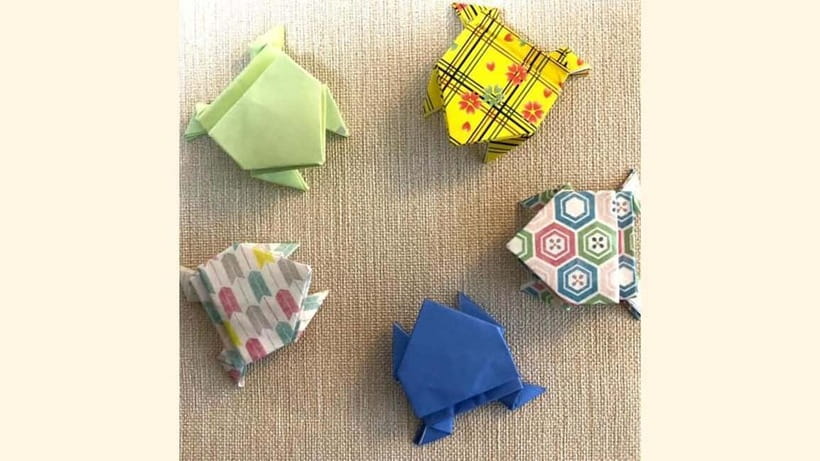
- You choose three to five designs: Options can include cranes, frogs, lotus flowers, boxes, balloons, samurai helmets, and other beginner-friendly forms.
- Traditional paper is part of the fun: You can select from decorative traditional and modern papers for each creation.
- The class suits mixed-age groups: Families, couples, solo visitors, and larger groups can take part, with patient help for children.
- The meeting point is in central Shinjuku: FEEEP Shinjuku Higashi-guchi is close to Shinjuku-sanchome and reachable from the east side of JR Shinjuku Station.
What this Tokyo origami class feels like
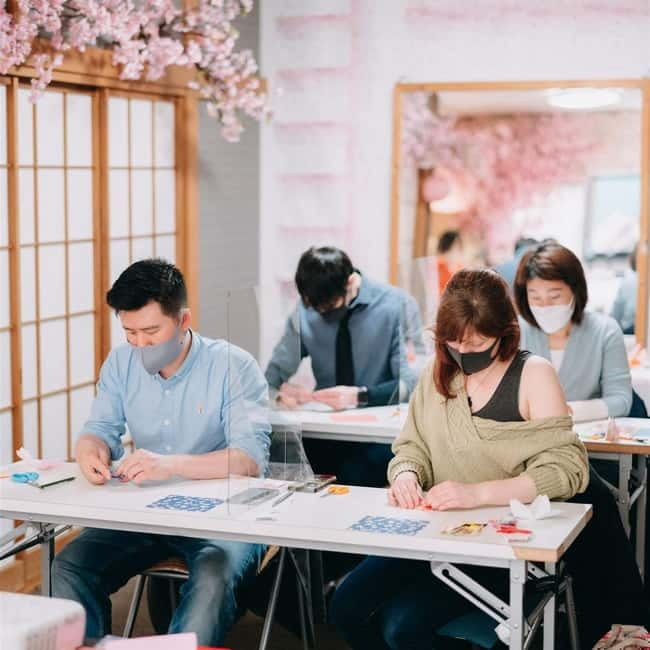
This is a quiet counterpoint to Tokyo’s bright signs, packed trains, and constant motion. You sit down with a square sheet of paper, listen to a short explanation, and work through each fold at a human pace. The activity is simple, but it asks you to slow down and pay attention.
I like that the class does not treat origami as a party trick. Manami explains why certain shapes matter, where they fit into Japanese culture, and how the basic folds connect one figure to another. You are not only learning how to make a crane or a jumping frog. You are learning why these shapes have remained meaningful.
The tone is friendly rather than formal. You can ask for help at any time, and Manami demonstrates each step before you try it. That matters because origami instructions in books or diagrams can become confusing very quickly. A single crease in the wrong place can send the whole shape wandering off course.
More Craft Workshops in Tokyo
- Tokyo Shinjuku Chopsticks Making Class
★ 5.0 · 1,763 reviews - Kintsugi Experience: Art of Golden Joinery in Tokyo
★ 5.0 · 467 reviews - Authentic Pure Gold Kintsugi Workshop with Master Taku in Tokyo
★ 5.0 · 217 reviews
Meeting Manami in East Tokyo
Manami comes from East Tokyo and has folded paper since childhood. Her long experience shows most clearly in the way she helps without taking over. If your fold is crooked, she can show you how to improve it gently, then let you finish the piece yourself.
That teaching style has been especially useful for families. An eight-year-old can work alongside adults, with Manami slowing down and offering extra help when needed. Older children have also enjoyed the activity, and adults do not need to feel self-conscious if their first crane looks more like a crumpled bird.
The class is taught in English. You can expect clear demonstrations and conversation about Japanese culture and the background of the designs. The session can work well for a solo visitor, too. One person may receive close, almost private instruction if the group is small, while couples and families can compare their finished pieces as they go.
Choosing your first three to five shapes

At the beginning, Manami shows designs at different skill levels. You then choose the patterns that appeal to you. This gives the class a little flexibility, even though the available choices cannot be changed or specially customized on site.
The number of pieces depends on your pace. Three shapes is a realistic expectation, while faster folders may finish four or five. Several people have completed a crane, a frog, a box, and a lotus flower in one session. Other possible choices include a samurai helmet, an open box, a balloon, or a jumping frog.
Each design offers something different:
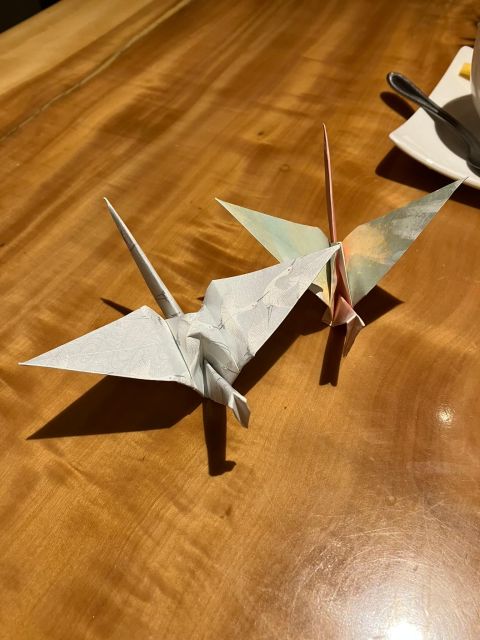
- The crane: The best-known choice, with strong associations in Japan and plenty of meaning to discuss.
- The jumping frog: A playful option that gives you a finished object with movement.
- The lotus flower: More decorative and satisfying once the layers open.
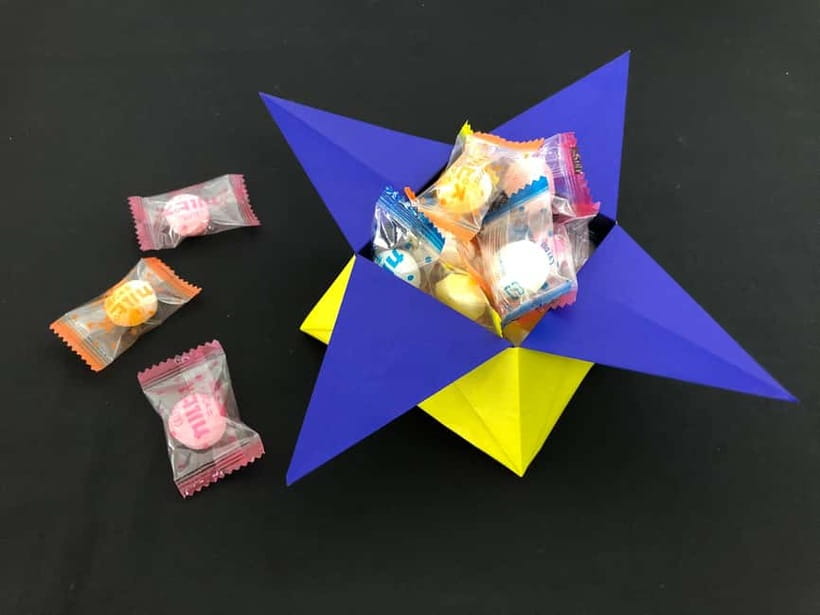
- The box: Practical and useful for learning how folded paper can become a container.
- The samurai helmet: A fun family choice with a clear visual result.
- The balloon: A gentler starting point for someone who has never tried origami.
The beginner focus is both a strength and a limitation. If you have only folded paper a few times, the step-by-step format will feel reassuring. If you already make complex animals, modular forms, or large figures, you may want a more advanced workshop. This class is about confidence, culture, and careful technique rather than difficult paper engineering.
Selecting traditional and modern Japanese paper
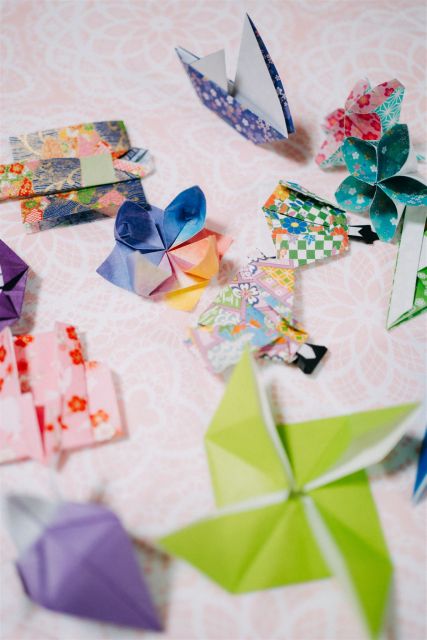
The paper selection adds real pleasure to the class. You choose a sheet for each shape from traditional and modern designs, so the finished pieces do not all look alike.
Patterned paper can make a simple figure feel special. A crane in a bold print has a different character from one made with a quiet traditional design. Choosing paper also gives you a short creative decision before the technical work begins.
The materials are included in the price. You receive origami paper, scissors, pens, a small bag for carrying your creations, water, and snacks. You do not need to pack craft supplies or worry about protecting your finished pieces in your luggage.
The small bag is a useful touch. Origami can crease or collapse if it is pushed into a suitcase, so having a separate place for your work helps you get the pieces home in good shape. Finished cranes and flowers can later serve as simple reminders of your time in Japan.
A completely different kind of day out in Tokyo:
- Mt Fuji and Hakone 1-Day Bus Tour Return by Bullet Train
★ 5.0 · 26,383 reviews - 1-Day Tokyo Bus Tour
★ 5.0 · 14,250 reviews - Tokyo: TOKYO SKYTREE® Admission ticket
★ 4.5 · 11,192 reviews - Tokyo: teamLab Planets TOKYO Digital Art Museum Entry Ticket
★ 4.6 · 9,779 reviews
A 90-minute lesson, fold by fold
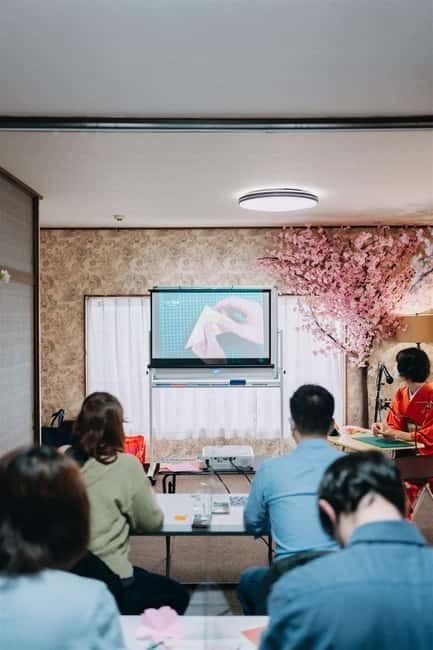
The class follows a clear rhythm. Manami first introduces the available designs and gives you a chance to choose. She then explains the basic approach and works through the first shape one fold at a time.
You watch a demonstration, copy the fold, and pause while the rest of the group catches up. This is not a speed contest. If you lose track, you can stop and ask for help before moving on.
Once the first form is complete, Manami explains its background and meaning. The cultural stories give the activity more weight and help you remember the shape. A crane is not just a series of angles and creases. It carries associations that make the finished object more memorable.
The later designs often feel easier because you begin to recognize the basic structure. One useful lesson from the class is that many figures build on a small number of foundation folds. Once you understand those patterns, you can begin to see how a box, flower, animal, or decorative form develops from the same starting point.
The class ends with finished pieces, photos, and a chance to pack your work. You can take selfies with the shapes and share them with friends or family. The final result is modest but satisfying: you have made something with your own hands and can carry it home.
Why the cultural stories matter
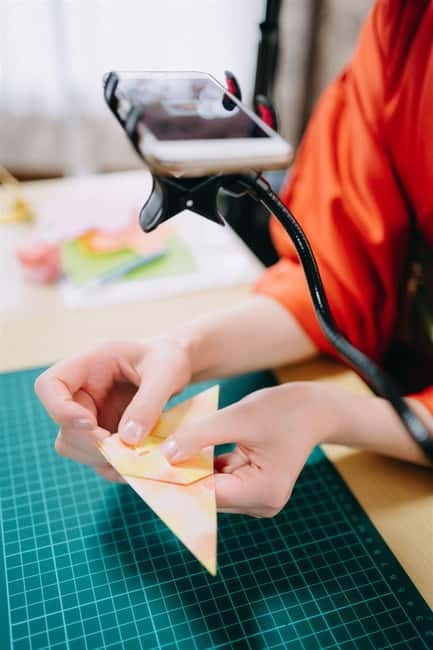
Origami is easy to reduce to a children’s craft. Manami gives it more context without turning the class into a lecture.
She talks about the stories and meanings connected with the shapes, including the cultural importance of the crane. She also shares memories from her family and childhood, which makes the subject feel lived-in rather than memorized.
That personal element is one of the strongest reasons to book this class. You can find folding diagrams online for free, but a diagram cannot tell you why a figure matters in Japan or correct your crease as you make it. It also cannot respond when your child gets stuck or when you want to understand the cultural idea behind a shape.
The conversation extends beyond paper. You may talk about Japanese customs, family traditions, and the place origami holds in everyday life. The result is a small cultural exchange wrapped around a practical lesson.
Finding FEEEP Shinjuku Higashi-guchi
The meeting point is FEEEP Shinjuku Higashi-guchi, at Shinseido Building, 5F, Shinjuku 3-29-11, Shinjuku-ku. The nearest station is Shinjuku-sanchome, served by metro lines M09, F13, and S02.
You can also reach it from the east gate of JR Shinjuku Station. Give yourself time to find the building. Shinjuku has a famously confusing street layout, and it is easy to come out of the wrong station exit or walk past the entrance.
FEEEP is a shared workspace divided into meeting booths. The entrance is locked, so message Manami once you reach the fifth floor. This is not a traditional craft studio with a large street-facing sign, so following the meeting instructions matters.
There is no train-station pickup. You are responsible for getting to the building, but the central location makes this manageable if you are already exploring Shinjuku or nearby neighborhoods.
Is $58 a fair price for 90 minutes?
At $58 per person, this is a paid workshop rather than a cheap filler activity. The value comes from the combination of one-to-one attention, English instruction, cultural explanation, paper choices, craft materials, snacks, water, and the finished pieces you take away.
The price makes the most sense if you want a personal encounter with Japanese culture. You are paying for a teacher who has practiced since early childhood, not simply for a pile of square paper. You also avoid the frustration of learning from a book or video when a fold does not make sense.
The cost may feel high if your only goal is to learn one simple crane. It may also feel less worthwhile for an experienced origami artist who can already make beginner forms without help. For everyone else, especially families or visitors who want a calm indoor activity, the session offers a clear result within a short time.
Free cancellation is available up to 24 hours before the activity, and you can reserve now and pay later. Starting times vary, so you need to check availability when booking.
Who will enjoy this class most?
I would choose this experience for:
- First-time origami folders who want patient instruction.
- Couples looking for a quiet shared activity.
- Families with children aged seven and above.
- Solo visitors who enjoy conversation and hands-on learning.
- People interested in Japanese customs, symbolism, and traditional arts.
- Anyone who wants a small, lightweight souvenir made during the trip.
The class is less suited to advanced origami artists seeking complex models or customized patterns. The designs are mainly selected for beginners, and the available options cannot be tailored on site.
Children under seven require advance notice because the venue must be changed. You should also contact the provider in advance if someone in your group is elderly or needs special care. The activity is wheelchair accessible, but these details should be arranged before you arrive.
Practical strengths and small drawbacks
The strongest part of the experience is Manami herself. Her patience is mentioned again and again in the feedback, and that quality matters more here than flashy surroundings. Origami depends on small movements and exact folds, so a calm teacher can make the difference between pride and paper-related despair.
The class also works well across ages. Adults can learn alongside children, and the range of designs lets each person choose something comfortable. You may not all finish at the same time, but the step-by-step format helps keep the group together.
The main drawback is the beginner level. You should not expect an advanced studio course or a chance to request unusual figures on the spot. The meeting space is also a shared workspace, not a grand cultural venue, so the appeal comes from the teaching and the conversation rather than the room itself.
The 90-minute duration is well judged. It is long enough to make several pieces and hear their stories, but short enough to fit between sightseeing plans. Still, you should arrive ready to focus. Folding three to five shapes carefully takes the full session.
Should you book Manami’s origami workshop?
Book it if you want a personal, low-key activity that connects a simple craft with Japanese culture. Manami’s patient teaching, childhood experience, paper selection, and stories give the class more substance than a basic souvenir-making stop.
Families should find it especially rewarding, provided children are seven or older and the provider is told about any special care needs. Couples and solo visitors will appreciate the relaxed pace and conversation. If you already make advanced origami, spend your $58 elsewhere unless you mainly want the cultural background and a meeting with a dedicated local teacher.
For most beginners, this is a good way to spend an afternoon or morning in Tokyo. You leave with several handmade pieces, a better sense of why those shapes matter, and a skill you can continue at home.
FAQ
How long does the origami experience last?
The class lasts 90 minutes.
How much does the experience cost?
The price is $58 per person.
How many origami shapes can I make?
You can expect to make three to five shapes, depending on your pace and the designs you choose.
Is the class suitable for beginners?
Yes. The designs and instruction are mainly intended for people who are new to origami.
Can experienced origami folders request harder designs?
The class is focused mainly on beginners, and the available origami options cannot be customized on site. Experienced folders may find the designs too easy.
What materials are included?
Origami paper, scissors, pens, small bags for carrying your work, water, and snacks are included.
Where is the meeting point?
The meeting point is FEEEP Shinjuku Higashi-guchi, Shinseido Building, 5F, Shinjuku 3-29-11, Shinjuku-ku, Tokyo. The nearest station is Shinjuku-sanchome, and the location can also be reached from the east gate of JR Shinjuku Station.
Is the activity wheelchair accessible?
Yes, the activity is wheelchair accessible. You should contact the provider in advance if your group includes children under seven, elderly people, or anyone who needs special care, since the venue may need to change.
Just added around Tokyo
- Tokyo 6hr Instagram Highlights Private Tour with Licensed Guide★ 5.0 · 38 reviews
- Tokyo Small Group Tour with Guide★ 4.5 · 38 reviews
- Tokyo Sumo Experience with Live Show & Audience Challenge★ 5.0 · 38 reviews
- Japanese Food Cooking Class in Asakusa, Tokyo★ 5.0 · 39 reviews
- Very popular in Harajuku♡Animal petting zoo★ 4.6 · 39 reviews
- Ramen Making from Scratch with Tokyo Mom(Vegan Option Available)★ 5.0 · 39 reviews
- Tokyo: Kimono Rental inside Shinjuku Gyoen National Garden★ 4.9 · 39 reviews
- Tokyo JDM Night: 600hp C63s AMG Edition 1 (Private)★ 4.9 · 39 reviews
Traditional Craft Workshops, compared.
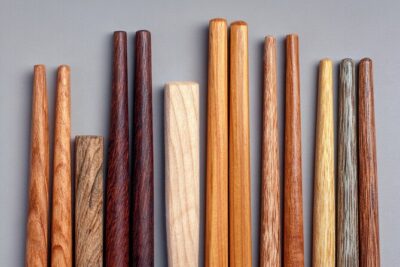
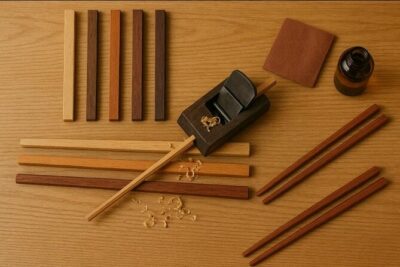
Chopsticks Making Workshop in Gion with Engraving Option
Read our review →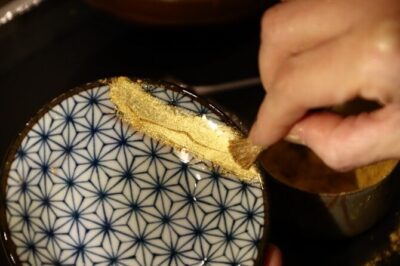
Kintsugi Experience: Art of Golden Joinery in Tokyo
Read our review →
Authentic knife making experience at a blacksmith in Kyoto
Read our review →
Traditional Mochi Pounding Experience with Tasting
Read our review →
Authentic Pure Gold Kintsugi Workshop with Master Taku in Tokyo
Read our review →
Roketsu dyeing experience: M course Roketsu Dyeing Experience
Read our review →Browse the lists this tour appears in