
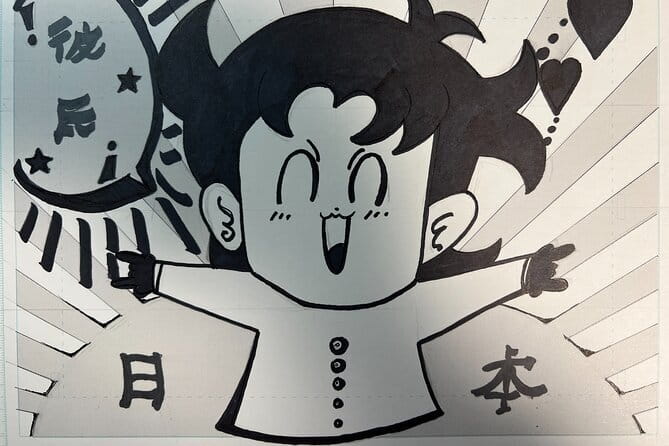
Reviewed · WORKSHOPS
Tokyo Manga Drawing Experience Pro Artist Workshop & MangaHistory
Make your own manga in Tokyo. This three-hour workshop pairs a short introduction to manga history with patient, hands-on instruction from a professional artist. I like the chance to use traditional drawing tools and take home a finished piece, and I like the small class size, capped at six people. The main thing to consider is the $100 price, which is fair for close instruction but high if you only want a quick souvenir activity.
You do not need drawing experience, and the workshop provides every tool, plus drinks and snacks. The staff are praised for being friendly, courteous, and clear when demonstrating each stage. You can draw a favorite character or invent your own, but your final result will depend on how much time you spend developing the idea.
In This Review
- Key points before you book
- Starting in Hiroo with tools already waiting
- The opening lesson: manga history before manga technique
- Choosing your character, pose, or original story
- Pencil, ink, shading: following the traditional sequence
- Why the small group matters
- What the $100 price really covers
- Picking a morning, afternoon, or evening class
- Who will enjoy this workshop most
- Booking, cancellation, and useful planning notes
- Should you book the Tokyo manga workshop?
- FAQ
- Where does the manga workshop start?
- Where does the activity end?
- How long does the workshop last?
- How many people can join the class?
- Do I need previous drawing experience?
- Are drawing tools and materials included?
- Can I cancel for a full refund?
Key points before you book
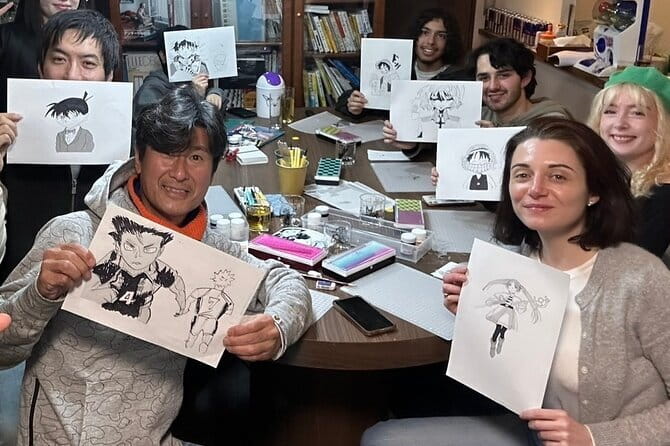
- A six-person maximum keeps the lesson personal: You should have room to ask questions and get help from the artist.
- The class follows real manga-making steps: You move from pencil sketching to inking, shading, and adding depth.
- Manga culture comes before the drawing lesson: You learn about major artists, famous works, and the development of manga.
- All skill levels are welcome: The instructor demonstrates how to use the tools and guides beginners through each stage.
- You choose the creative direction: Draw an original character, build a short story idea, or work from a favorite character.
- The finished art goes home with you: It is a personal souvenir rather than a factory-made Tokyo keepsake.
Starting in Hiroo with tools already waiting
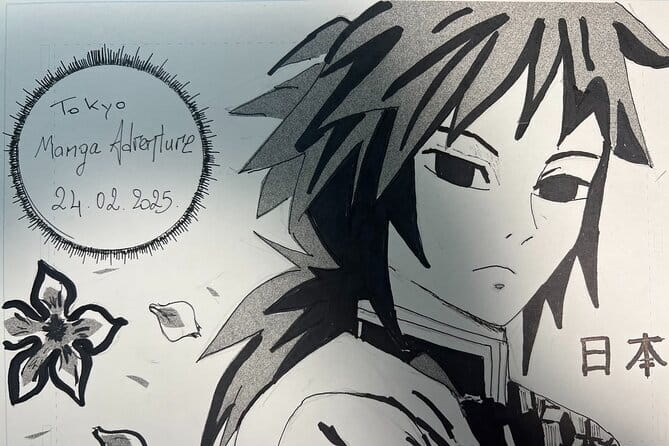
The meeting point is outside Lawson at 1-chōme-16-3 Hiroo, Shibuya, Tokyo 150-0012. The activity returns to this same point at the end, so you are not left figuring out a second location after class.
This part of Tokyo is served by public transportation, but the supplied details do not specify the exact station, walking time, or room name. I would check the confirmation carefully before setting out, especially if your class is in the morning or evening. The meeting point is a convenience store, so it should be easy to identify once you are in the right area.
You can arrive without art supplies. The workshop provides the drawing tools and materials, which matters more than it may sound. Buying the right pens, paper, and shading tools on your own would take time, and you might not know which tools belong to each stage of the process.
Drinks and snacks are included, adding a small comfort during a three-hour seated activity. You still need to arrange your own transportation to and from Hiroo because private transport is not part of the experience.
More anime and Akihabara tours:
- Official Street Go-Kart Tour – Akihabara
★ 5.0 · 1,578 reviews - Tokyo Go Kart: Asakusa, Skytree, and Akihabara **IDP MUST**
★ 5.0 · 988 reviews - Tokyo Studio Ghibli Museum and Ghibli Film Appreciation Tour
★ 4.5 · 421 reviews
The opening lesson: manga history before manga technique
The workshop begins with an overview of manga and its history. You learn about famous artists and notable works before picking up a pencil. That opening gives the drawing session some context, showing that manga is more than a visual style made of large eyes, dramatic expressions, and speed lines.
The historical introduction also helps you understand why the tools and methods matter. Manga artists often combine clear line work, expressive faces, strong poses, and carefully controlled shading. Seeing those ideas explained before you draw makes the later exercises easier to follow.
The exact length of the history portion is not specified, so you should not expect a full museum-style lecture. The focus is practical: a friendly introduction to manga culture followed by a lesson that gets you making art. If you want a long academic discussion of Japanese publishing or a tour of manga landmarks, this is not that kind of experience.
Still, this beginning is useful for first-time visitors. You get a little cultural background without giving up most of the class to talk. The workshop’s best balance is its move from explanation to practice.
Choosing your character, pose, or original story
Once the introduction is complete, you begin shaping your own idea. You can draw a character you already like, create an original figure, or work from a simple story concept. This choice makes the workshop flexible for both dedicated manga fans and people who simply want to try something new in Tokyo.
If you arrive with a favorite character in mind, you can focus on capturing its recognizable expression and shape. If you prefer to create something from scratch, the instructor can help you think through the character and story. The supplied information does not promise a finished multi-panel comic, so plan on creating a drawing or a piece of manga artwork rather than a full graphic story.
The instructor helps with composition, expressions, and poses. These are valuable points for beginners because they affect whether a drawing feels lively or stiff. A face can be technically neat but still lack feeling, while a simple pose can make a character seem active and believable.
I would keep your first idea manageable. A single character with a clear expression is likely to fit the three-hour format better than an elaborate scene with several figures. You will have more time to learn the tools and improve the finish instead of rushing to complete an over-ambitious design.
Pencil, ink, shading: following the traditional sequence
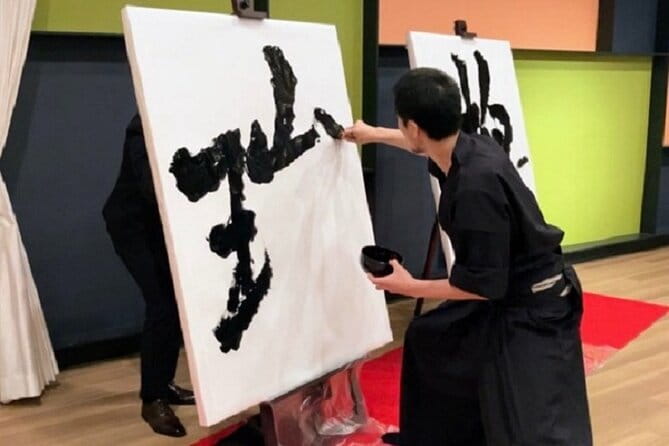
The practical lesson follows the usual stages of manga creation. You begin with pencil sketching, then move to inking, followed by shading and work that adds depth. The professional artist stays nearby to offer guidance and answer questions as you go.
Starting in pencil gives you a chance to test proportions and placement before committing to dark lines. This is especially helpful if you are new to character drawing. The instructor can point out adjustments while the image is still easy to change.
Inking is where the drawing begins to look more like finished manga art. You get to try the professional tools rather than only watching a demonstration. One of the most praised parts of the class is the step-by-step explanation of how to use these tools, so do not hesitate to ask questions if a pen or technique feels unfamiliar.
Shading adds weight and depth. Even a simple character can look more finished once darker areas, shadows, and contrast are in place. The workshop teaches you the basic process without expecting you to arrive with polished skills.
The word professional here describes the tools and the instructor’s guidance, not a promise that every beginner will produce publication-ready artwork. You will get support, but the finished quality will still reflect your own practice. That is part of the appeal. Your souvenir shows what you made during the lesson, not something selected from a shop shelf.
A few more Tokyo experiences worth weighing up
- Sushi Making Tokyo Roll and Authentic Japanese Sushi Class
★ 5.0 · 3,971 reviews - Tokyo: Roll and Authentic Sushi Making Class in Asakusa
★ 4.9 · 1,957 reviews - Tokyo Shinjuku Chopsticks Making Class
★ 5.0 · 1,763 reviews - Tokyo: Sushi Making Class in a Happi Coat near a Famous Spot
★ 4.9 · 1,377 reviews
Why the small group matters
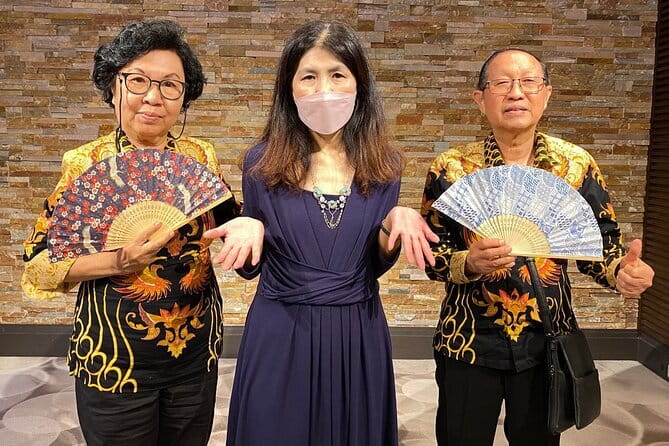
The class allows a maximum of six participants. That is a meaningful advantage for a drawing lesson because people work at different speeds and often need help at different moments.
In a large class, you might wait while an instructor moves from table to table. Here, the format should make it easier to ask about a difficult expression, a shaky ink line, or a shading choice while you are still working on it. The available comments also point to a friendly team that gives a clear overview and answers questions along the way.
A small class does not mean private instruction. You share the artist’s attention with up to five other people, and the amount of individual help can vary depending on the group. Even so, the cap offers a better chance for personal feedback than a crowded craft activity.
This setup also suits companions with different skill levels. One person can work on a favorite character while another creates an original design. You do not need to be the most experienced artist in the room to take part.
The activity is rated 5 out of 5 from 62 reviews, with 100 percent recommending it. That strong response lines up with the most consistent praise: friendly staff, careful instruction, and a useful introduction to manga culture. You should still choose it for the format, not just the rating. A class is most rewarding when you want to draw, ask questions, and spend several hours on one piece.
What the $100 price really covers
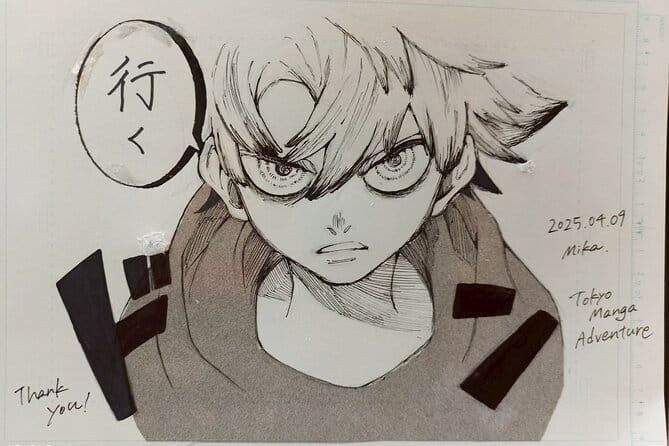
At $100 per person, this is not a cheap drop-in craft activity. The price includes a three-hour session, the required drawing materials, drinks and snacks, and instruction from a professional manga artist in a group limited to six people.
I see the value in the personal teaching. You are not simply borrowing supplies and following a printed sheet. You receive an overview of manga, learn how the tools work, develop a character or story idea, and complete several stages of a drawing with help available.
The cost makes more sense if you are a manga fan, an art student, or someone who wants a hands-on cultural activity rather than another photograph. It is also a good choice if you value a souvenir that carries your own effort and decisions.
The price is harder to justify if you only want ten minutes of entertainment or are mainly looking for a low-cost family activity. Three hours is a real time commitment, and the final work may be simple if you are starting from zero. You are paying for instruction and access to the process, not for guaranteed artistic results.
Picking a morning, afternoon, or evening class
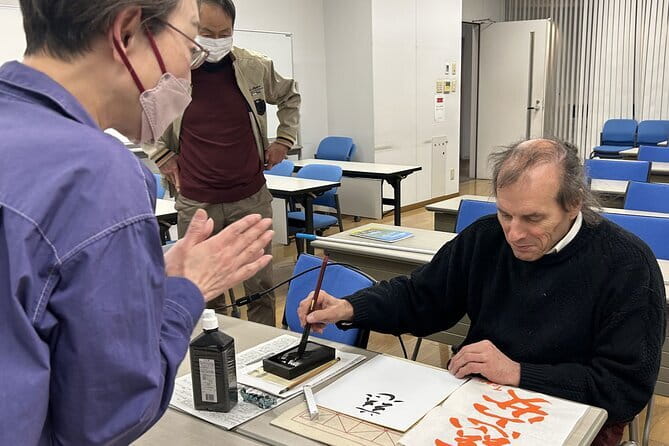
You can choose a morning, afternoon, or evening session. That flexibility helps you fit the workshop into a Tokyo schedule, though the exact start times are not provided.
A morning class could work well if you want a calm creative activity before sightseeing. An afternoon session may give you a useful break after visiting another part of the city. An evening class can suit you if you prefer to keep daylight hours open.
Think about your energy level. Drawing requires concentration, and you may enjoy the lesson more when you are not rushing from another appointment. I would leave enough time to reach Hiroo, locate the meeting point, and settle in before the class begins.
The activity lasts about three hours and ends back at the meeting point. There is no private transportation, so build your return trip into your plans. The fixed start and end point make the workshop easier to manage than an activity spread across several Tokyo locations.
Who will enjoy this workshop most
This experience fits manga fans, curious beginners, and anyone who wants to make something by hand in Tokyo. You do not need previous drawing experience, and the step-by-step format gives you a clear path from a blank page to a finished piece.
It can also work well for friends or family members who want a shared activity but do not all have the same art skills. Each person can choose a different character or idea while receiving help with the same core techniques.
You may want to skip it if you dislike seated creative work, prefer passive sightseeing, or want a polished souvenir without doing the drawing yourself. The class asks you to participate for the full three hours. That is its strength, but it is also the main commitment.
Most people can participate, according to the activity information. Specific details about room accessibility, seating, or accommodations are not provided, so contact the provider if you have needs that could affect your participation.
Booking, cancellation, and useful planning notes
The experience is often booked about 28 days ahead, so I would reserve early if you need a particular morning, afternoon, or evening session. Confirmation is normally sent at booking. Reservations made within one day of the activity are confirmed as soon as possible, subject to availability.
Free cancellation is available when you cancel at least 24 hours before the start time. Cancellations made inside that window are not refunded, and late changes are not accepted. The cut-off follows Tokyo local time, so check the time difference if you are arranging the class from abroad.
The provider is JAPAN TRIP GUIDE. Bring enthusiasm rather than equipment. Since all drawing tools and materials are supplied, your most useful preparation is deciding whether you want to draw a favorite character or start with an original idea.
Should you book the Tokyo manga workshop?
Book it if you want a personal, hands-on way to connect with Japanese manga culture. The six-person limit, friendly instruction, professional tools, and finished artwork give the $100 fee a reasonable purpose. The high rating and full recommendation rate also support the idea that the teaching style is a major part of the appeal.
Think twice if your budget is tight or you want a short activity with little concentration. Three hours is long for a casual souvenir stop, and your final drawing will depend on your own skill and effort.
For the right person, this is a memorable Tokyo keepsake: not just manga art purchased in a shop, but a piece you planned, sketched, inked, and shaded yourself.
FAQ
Where does the manga workshop start?
The workshop starts at Lawson, 1-chōme-16-3 Hiroo, Shibuya, Tokyo 150-0012, Japan.
Where does the activity end?
The activity ends back at the meeting point in Hiroo.
How long does the workshop last?
The workshop lasts approximately three hours.
How many people can join the class?
The activity has a maximum of six participants.
Do I need previous drawing experience?
No. Beginners are welcome, and the instructor provides guidance and instructions throughout the drawing process.
Are drawing tools and materials included?
Yes. All tools needed for drawing manga are provided. Drinks and snacks are also included.
Can I cancel for a full refund?
Yes, if you cancel at least 24 hours before the experience start time. Cancellations made less than 24 hours before the start time are not refunded.
Just added around Tokyo
- Tokyo 6hr Instagram Highlights Private Tour with Licensed Guide★ 5.0 · 38 reviews
- Tokyo Small Group Tour with Guide★ 4.5 · 38 reviews
- Tokyo Sumo Experience with Live Show & Audience Challenge★ 5.0 · 38 reviews
- Very popular in Harajuku♡Animal petting zoo★ 4.6 · 39 reviews
- Japanese Food Cooking Class in Asakusa, Tokyo★ 5.0 · 39 reviews
- Ramen Making from Scratch with Tokyo Mom(Vegan Option Available)★ 5.0 · 39 reviews
- Tokyo: Kimono Rental inside Shinjuku Gyoen National Garden★ 4.9 · 39 reviews
- Tokyo JDM Night: 600hp C63s AMG Edition 1 (Private)★ 4.9 · 39 reviews
Workshops, compared.
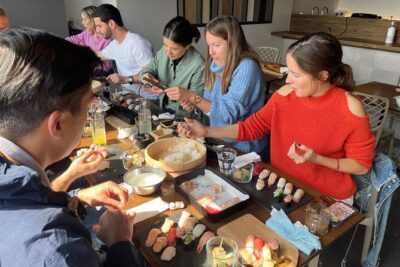
Sushi Making Tokyo Roll and Authentic Japanese Sushi Class
Read our review →

Roll and Authentic Sushi Making Class in Asakusa
Read our review →
Ramen Cooking Class at Ramen Factory in Kyoto
Read our review →

Sushi Making Class in a Happi Coat near a Famous Spot
Read our review →
Sushi Making Osaka Roll and Authentic Japanese Sushi Class
Read our review →Browse the lists this tour appears in