
Reviewed · WORKSHOPS
Tokyo: Shinjuku Chopstick Making Class
Small crafts make great souvenirs. This one lets you carve your own wooden chopsticks in a quiet Shinjuku workshop, using traditional Japanese tools and techniques rather than simply buying another boxed gift. I like the hands-on work and the friendly English-speaking instruction, especially from patient guides such as Koji, Mimi, Masa, Yuki, and Shu. I also like the price: at $12, it gives you a useful keepsake and a cultural activity without taking half a day.
The main consideration is the timing. The class is advertised as one hour, but one family finished in about 30 minutes, while the pace can vary with your wood choice and carving speed. Extra wood types and engraving cost more, too, so the basic price is not always the final price if you want a fancier pair.
In This Review
- Key things to know before you book
- Finding the workshop on Shinjuku’s 10th floor
- Choosing wood before the first shaving
- Learning the traditional tools and basic shape
- Smoothing the chopsticks and making them personal
- The cultural meaning behind an everyday utensil
- How long the one-hour session really takes
- What the $12 price really gets you
- The small-room atmosphere and possible drawbacks
- Who should book this Shinjuku activity?
- Should you book the Shinjuku chopstick class?
- FAQ
- Where is the Shinjuku chopstick making class held?
- How much does the activity cost?
- How long does the class last?
- Is the class taught in English?
- Are tools and materials included?
- Can I engrave my chopsticks?
- Is the activity suitable for children?
- Can I cancel or pay later?
Key things to know before you book
- Your souvenir begins as raw wood: You shape, smooth, and finish your own chopsticks instead of choosing a ready-made pair.
- Two wood types are included: Other wood choices may require an additional payment, and harder wood can take more effort.
- English instruction is provided: Guides such as Koji, Mimi, Masa, Yuki, and Shu are praised for clear explanations and patient help.
- Engraving is optional: A personalized name or message costs about 2,000 yen, according to recent customer information.
- The workshop is in central Shinjuku: Find the 10th floor of the Shinjuku West Building, near 617 Bar and the post office.
- Families can join in: Children as young as 8 have enjoyed the activity, though younger makers may need steady help.
Finding the workshop on Shinjuku’s 10th floor
The meeting point is the 10th floor of the Shinjuku West Building. Use the elevator rather than searching for a street-level shop. The building is near 617 Bar and close to the post office, with coordinates listed as 35.6959774, 139.6984349.
That address detail matters. Shinjuku is full of towers, signs, stations, and shops, so a workshop inside an ordinary office building can be easy to miss. I would save the building name and coordinates before leaving your hotel. Once inside, go directly to the 10th floor.
The room itself is not a grand craft museum. It is a compact working space, with several tables and seats arranged for instruction. That small scale works in its favor because the guide can keep an eye on your technique and step in when the wood starts to misbehave. At busy times, though, you may find the room a little crowded.
There is no ticket line to worry about. Still, arrive with enough time to find the building and elevator. This is one of those activities where being five minutes late can make the opening instructions harder to follow.
A few more Tokyo experiences worth weighing up
- Sushi Making Tokyo Roll and Authentic Japanese Sushi Class
★ 5.0 · 3,971 reviews - Tokyo: Roll and Authentic Sushi Making Class in Asakusa
★ 4.9 · 1,957 reviews - Tokyo Shinjuku Chopsticks Making Class
★ 5.0 · 1,763 reviews
Choosing wood before the first shaving
You begin by choosing from the wood offered with your booking. Two types of wood are included in the base price, giving you a real choice rather than a single standard blank. Other varieties may be available for an added fee.
Your choice affects the work. Softer wood is likely to feel easier for a first attempt, while a denser or more demanding type can require extra patience. One parent specifically warned that the wood choice can make the class harder, and another participant said the difficulty was greater than expected. That is useful advice, especially if you are working with children or want a purely restful hour.
Ask the instructor which included wood is easiest before committing. You do not need to prove anything with the most difficult option. A well-shaped pair made from the simpler wood is a better souvenir than a half-finished pair chosen for bragging rights.
The materials also give the class a tactile quality that a normal souvenir shop cannot match. You see the raw surface, feel the grain, and watch the shape change under your hands. The wood shavings become part of the experience, and some people have taken them home for potpourri or scented bath use. Check your country’s import rules first, since untreated wood may not be allowed across some borders.
Learning the traditional tools and basic shape
After the wood choice, the instructor explains how to hold and work the piece. The class uses traditional and authentic tools, and the focus is on controlled shaving rather than fast production.
The first stage is shaping. You remove small amounts of wood and work toward the long, narrow profile of a chopstick. It is simple to understand but takes care. Too much pressure can remove more material than you intended, while too little can make the work feel slow.
This is where the English-speaking staff make a real difference. Koji is repeatedly praised for being positive, patient, and clear. Mimi is noted for taking time with each step, helping people understand the directions, and taking photos for solo participants. Masa, Yuki, Shu, Fu, Mauro, Sayaka, and others are also described as attentive guides who correct mistakes without making beginners feel awkward.
I like that balance. You are doing the work yourself, but you are not left alone with a sharp tool and a block of wood. If your shaving goes off course, the instructor can show you how to adjust rather than simply fixing the piece for you.
The class is social without requiring you to arrive with a group. You can work beside friends or family, compare progress, and chat with other people at the tables. Solo visitors also have support, including help with taking pictures. The tone sounds relaxed and cooperative rather than competitive.
Smoothing the chopsticks and making them personal
Once the basic shape is ready, you smooth the surface. This stage is satisfying because rough edges give way to a cleaner, more finished feel.
Do not rush here. The final result depends on small details: keeping the pair similar in shape, checking for rough spots, and making the handles comfortable. Your chopsticks will be handmade, not factory-perfect, and that is part of their appeal. Small differences give them a personal character.
The workshop also allows personal choices in the finish. The exact options depend on what is offered during your session, but customers describe being able to create chopsticks in their own style. The result is practical, light, and easy to pack.
Optional engraving adds another layer. Names can be laser engraved for about 2,000 yen, and several families chose this to mark a Tokyo visit. It is not included in the $12 price, so ask about the charge before agreeing. I think engraving makes sense if the chopsticks are a gift or a special trip souvenir. If you are watching your budget, the handmade pair already has enough character without it.
A completely different kind of day out in Tokyo:
- Mt Fuji and Hakone 1-Day Bus Tour Return by Bullet Train
★ 5.0 · 26,383 reviews - 1-Day Tokyo Bus Tour
★ 5.0 · 14,250 reviews - Tokyo: TOKYO SKYTREE® Admission ticket
★ 4.5 · 11,192 reviews - Tokyo: teamLab Planets TOKYO Digital Art Museum Entry Ticket
★ 4.6 · 9,779 reviews
The cultural meaning behind an everyday utensil
The class is not only about making two pieces of wood. The instructor also explains the place of chopsticks in Japanese life and why this ordinary object deserves careful work.
That context gives the activity more weight. Chopsticks are used every day, yet their shape, balance, and finish affect how they feel at the table. By making your own, you gain a better sense of the skill behind an item most people pick up without a thought.
The setting helps, too. Shinjuku is known for fast movement and bright city energy, but this class slows your hands down. For many people, the repetitive shaving and smoothing feels calming after a long day of sightseeing or work.
I would not book this expecting a full lesson in Japanese woodworking. You have only about an hour, and the class is designed for an approachable introduction. But you do get a useful cultural explanation alongside a task you can complete and remember.
How long the one-hour session really takes
The listed duration is one hour, with starting times based on availability. That is a convenient length for a Tokyo schedule. You can fit it between sightseeing in Shinjuku, shopping, a meal, or an evening plan.
Allow for the possibility that your actual hands-on work may be shorter. One family of five finished in around 30 minutes, while other participants describe the class as a full hour. The difference likely comes from wood selection, carving speed, group size, and how much time you spend on finishing or engraving.
This variation is not necessarily a problem. If you work quickly, you may have a little spare time for photos or engraving. If you are careful, helping a child, or using harder wood, the hour can pass quickly.
The short format is particularly good for families. Children aged 8, 10, and 12 have enjoyed the process, and instructors are praised for patient encouragement. Younger children may need close supervision, especially during the shaving stage. The activity also suits couples, friends, and solo makers who want something quieter than another major attraction.
What the $12 price really gets you
At $12 per person, this is a strong value for central Tokyo. Your fee includes the workshop, English-speaking instruction, two wood choices, use of the traditional tools, and the chopsticks you make yourself.
The value is not only in the finished object. You are paying for guidance, materials, a cultural explanation, and an hour away from the usual sightseeing routine. A shop-bought pair might cost less or more depending on the design, but it would not come with the memory of shaping it yourself.
Keep the possible extras in mind. Premium wood choices may cost more, and engraving is about 2,000 yen. Those charges are easy to accept if you want a particular finish, but they should not surprise you at the end.
The booking terms are also friendly for uncertain plans. You can cancel up to 24 hours in advance for a full refund, and reserve now while paying later. Check the available starting times before booking, since the class lasts one hour and operates at set times.
The small-room atmosphere and possible drawbacks
The compact room creates a pleasant workshop mood. You are close enough to ask questions and see how other people approach the task. Guides often take photos, which helps solo visitors leave with more than a finished object.
The tradeoff is space. One participant found it a little crowded, and the room has multiple work tables packed into a relatively small area. If you need a broad, quiet studio or dislike sitting close to other people, this may feel less peaceful at a busy time.
The wood itself can also frustrate you. Grain does not always cooperate, and some types are harder to shape. That is not a flaw in the activity, but it means you should listen carefully to the instructions and accept that handmade work includes a few imperfect moments.
The strong satisfaction comes after those moments. Guides do not simply praise every attempt and walk away. They help when the wood resists, explain how to correct the shape, and keep the mood light. That patient support is the most consistently praised part of the experience.
Who should book this Shinjuku activity?
I would recommend it to families who want a short activity with a real result. Children can take part, and the finished chopsticks are more useful than many novelty souvenirs.
It also fits solo visitors. You can work independently, ask for help when needed, and request photos from the staff. Mimi in particular is praised for making solo participants feel included.
Couples and friends will enjoy the shared rhythm of carving and comparing designs. It is also a good first-day activity because it does not require a full day of energy, yet it gives you an early connection with Japanese craft.
You may want to skip it if you dislike hands-on work, want a polished luxury souvenir, or have no interest in spending part of your Tokyo visit making something. This is not a passive show. Your finished pair reflects your patience and technique.
Should you book the Shinjuku chopstick class?
Yes, if you want an affordable souvenir with a story attached. The $12 base price is hard to fault, the English guidance is strong, and the compact format fits neatly into a busy Tokyo itinerary.
Choose one of the included woods unless you specifically want a premium variety. Ask which option is easiest, take your time with the shaving, and decide about the 2,000-yen engraving only after seeing the finished chopsticks.
I would book this for families, solo visitors, and anyone who wants a calm break from Shinjuku’s fast pace. Just expect a small room, possible extra costs, and a session that may finish sooner than the advertised hour if you work quickly.
FAQ
Where is the Shinjuku chopstick making class held?
The meeting point is on the 10th floor of the Shinjuku West Building. It is near 617 Bar and close to the post office. The listed coordinates are 35.6959774, 139.6984349.
How much does the activity cost?
The listed price is $12 per person. Two wood types are included, while some other wood choices may require an extra payment.
How long does the class last?
The advertised duration is one hour. Some participants completed the hands-on portion in about 30 minutes, so the actual time can vary.
Is the class taught in English?
Yes. English-speaking staff provide the instruction, and English is the listed activity language.
Are tools and materials included?
Yes. The workshop includes the chopstick-making class, two included wood choices, and use of traditional and authentic tools.
Can I engrave my chopsticks?
Yes. Engraving is available for an additional charge. Recent activity information places the cost at about 2,000 yen.
Is the activity suitable for children?
Yes. Families with children aged 8, 10, and 12 have taken part successfully. Children may need help during the wood-shaving stages.
Can I cancel or pay later?
You can cancel up to 24 hours before the activity for a full refund. A reserve-now-and-pay-later option is also available.
Just added around Tokyo
- Tokyo 6hr Instagram Highlights Private Tour with Licensed Guide★ 5.0 · 38 reviews
- Tokyo Small Group Tour with Guide★ 4.5 · 38 reviews
- Tokyo Sumo Experience with Live Show & Audience Challenge★ 5.0 · 38 reviews
- Japanese Food Cooking Class in Asakusa, Tokyo★ 5.0 · 39 reviews
- Very popular in Harajuku♡Animal petting zoo★ 4.6 · 39 reviews
- Ramen Making from Scratch with Tokyo Mom(Vegan Option Available)★ 5.0 · 39 reviews
- Tokyo JDM Night: 600hp C63s AMG Edition 1 (Private)★ 4.9 · 39 reviews
- Tokyo: Kimono Rental inside Shinjuku Gyoen National Garden★ 4.9 · 39 reviews
Workshops, compared.
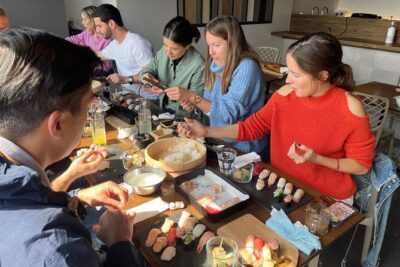
Sushi Making Tokyo Roll and Authentic Japanese Sushi Class
Read our review →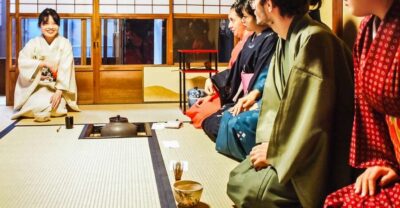

Roll and Authentic Sushi Making Class in Asakusa
Read our review →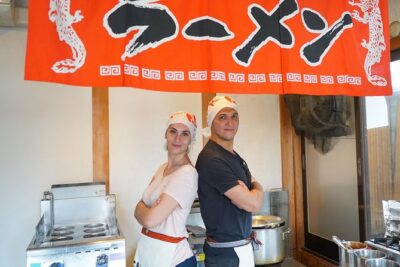
Ramen Cooking Class at Ramen Factory in Kyoto
Read our review →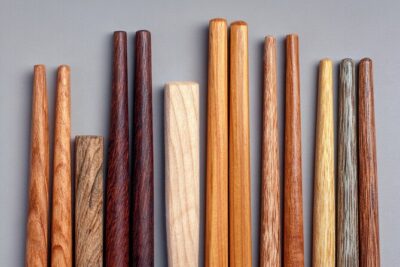
Sushi Making Class in a Happi Coat near a Famous Spot
Read our review →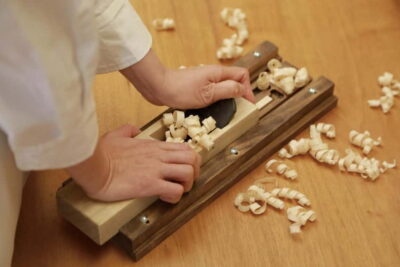
Sushi Making Osaka Roll and Authentic Japanese Sushi Class
Read our review →Browse the lists this tour appears in