
Reviewed · FOOD & DRINK
Umami Town Street Food Tour
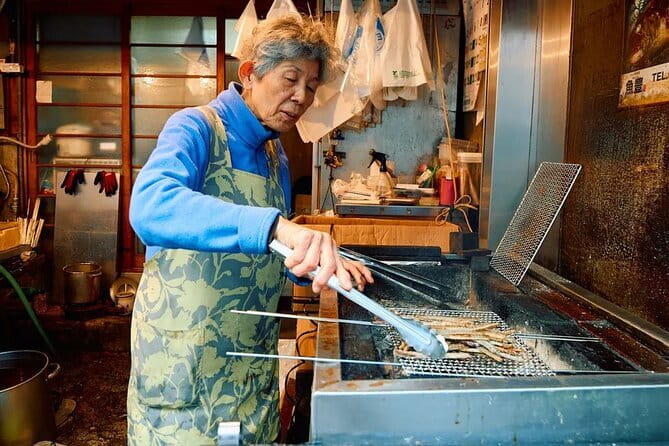
Osaka’s best lessons come with chopsticks. This five-hour food walk pairs classic dishes with neighborhood context, from Osaka Tenmangu Shrine to Kuromon Market and Dotonbori. I like the small maximum of seven people, which gives you room to ask questions, and I like that food, snacks, water, and alcoholic drinks are included. The main drawback is the $175 price, which is high for a walking tour unless you value careful food choices and personal guidance.
The 10 a.m. start also deserves a look. You will spend about five hours eating and walking, but the listed stops cover only part of that time, so the exact food route matters. Guides such as Miyo and Yuka have been praised for adjusting the day to suit families, allergies, food comfort levels, and special requests.
In This Review
- Key points to know before booking
- Why this food tour feels different from a quick Osaka snack crawl
- Osaka Tenmangu Shrine gives the meal a cultural beginning
- Kuromon Market puts Osaka’s Kitchen on the table
- Dotonbori delivers Osaka’s loudest food scene
- What you may eat, and what you should clarify
- The guides are a major part of the value
- Five hours, one station, and a fair look at the logistics
- Is $175 worth it for an Osaka food day?
- Who should book the Umami Town Street Food Tour?
- FAQ
- How long does the Umami Town Street Food Tour last?
- Where does the tour begin?
- What time does the tour start?
- Where does the tour end?
- What places are included on the route?
- Is food included in the price?
- Are drinks included?
- Is transportation included?
- How many people can join the tour?
- Can I cancel for a full refund?
Key points to know before booking
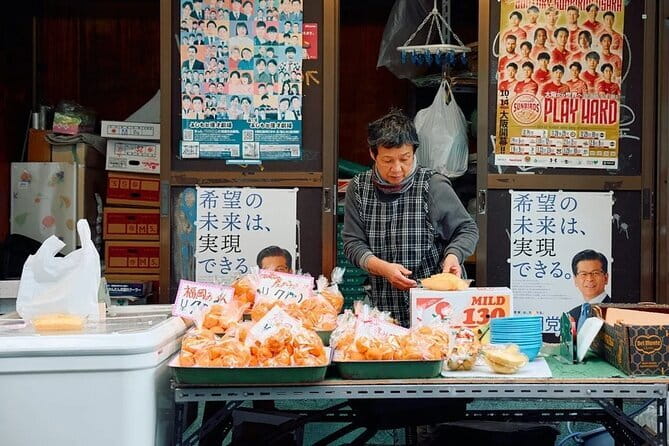
- Seven-person limit: A small group makes it easier to talk with your guide and move through busy Osaka streets.
- Umami is the theme: You learn how savory flavor works in dishes such as takoyaki and okonomiyaki, not just where to buy them.
- Three contrasting Osaka areas: The route links Osaka Tenmangu Shrine, Kuromon Market, and Dotonbori.
- Food is included: Dinner, snacks, bottled water, and alcoholic beverages are part of the price.
- Guide quality matters: Miyo and Yuka are praised for warmth, local advice, flexibility, and thoughtful planning.
- Return to the start: You meet at Minami-Morimachi Station and finish back there, with no private transport supplied.
Why this food tour feels different from a quick Osaka snack crawl
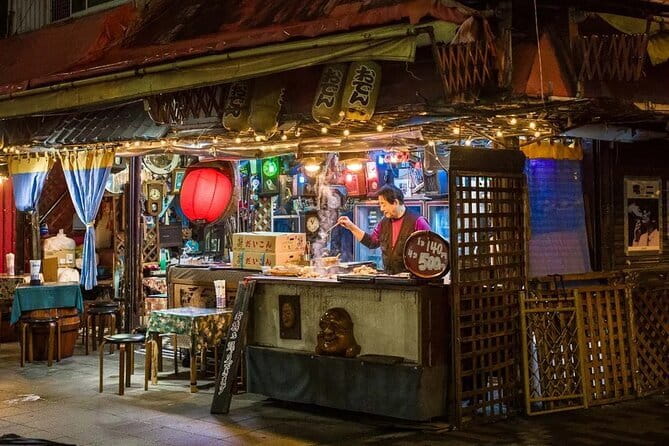
Osaka is famous for casual food, but eating well here is not simply a matter of following neon signs. The best part of this experience is the link between the dish in front of you and the local habits behind it.
You are introduced to the idea of umami, the savory quality that gives Japanese cooking much of its depth. The focus includes the ingredients and methods behind foods such as takoyaki and okonomiyaki. That gives the meal more shape than a string of tastings. You begin to understand why a small ball of batter, seafood, sauce, and toppings can be such a serious part of Osaka food culture.
I also like the scale of the tour. With no more than seven people, your guide can answer questions without turning the walk into a lecture. That matters in food shops and narrow streets, where a large group can feel clumsy and slow.
The experience is also more personal than a fixed march from one famous eatery to the next. Miyo has been praised for adapting the route, including helping a family with four children who had different levels of comfort with adventurous foods. Another guide, Yuka, has received strong praise for making people feel comfortable during a five to six hour food day.
That personal touch helps explain the price. You are paying for food, but also for judgment: which stops are worth your appetite, how to explain unfamiliar dishes, and how to make the day work for the people in the group.
More Food Tours in Osaka
- Osaka: Shinsekai Food Tour with 13-15 Dishes at 5 Eateries
★ 4.8 · 2,204 reviews - Osaka Food Tour: 13 Dishes at 5 Local Eateries
★ 5.0 · 2,149 reviews - Hungry Osaka Street Food Tour:15 Tastings & 3 Drinks with a Local
★ 5.0 · 1,727 reviews
Osaka Tenmangu Shrine gives the meal a cultural beginning
Your meeting point is Minami-Morimachi Station at 10 a.m. From there, the first listed stop is Osaka Tenmangu Shrine, with about an hour set aside.
The shrine is dedicated to Sugawara no Michizane, a scholar and political figure from the Heian period. He is honored as Tenjin, a spirit associated with learning, scholarship, and literature. That makes the shrine a useful opening to the day. Before the tour turns to food stalls and restaurant tables, you get a reminder that Osaka is not only a place to eat.
I appreciate this kind of start because it slows the pace. A food tour can become a succession of bites with little sense of place. The shrine gives you a setting in which your guide can explain something about local beliefs and the city’s cultural life.
The admission cost is free, and the stop is not presented as a long historical tour. You should expect an introduction rather than an exhaustive study of the shrine. If your main goal is to eat from the first minute, the opening may feel like a delay. If you like a little context with your lunch, it earns its place.
The shrine also helps spread the day beyond Osaka’s most photographed food district. You do not begin and end among giant signs and crowded restaurant fronts. That broader view is one of the tour’s better qualities.
Kuromon Market puts Osaka’s Kitchen on the table
The next listed stop is Kuromon Market, with around 30 minutes allocated to it. The market is known as Osaka’s Kitchen and offers seafood, meat, sushi, takoyaki, and other quick foods.
Thirty minutes is enough for a focused look, but not enough to inspect every stall. That is not necessarily a problem. Markets can overwhelm you with choices, prices, smells, and long displays of unfamiliar ingredients. A guide gives the stop purpose and helps you spend your appetite wisely.
You can expect the market portion to show the connection between fresh ingredients and the prepared foods Osaka is known for. Takoyaki makes particular sense here because it is both a street snack and a lesson in texture, batter, seafood, sauce, and toppings.
The short time is also worth keeping in mind. Do not treat Kuromon as a leisurely shopping visit. It is one piece of a longer food day, and you will have other stops ahead. If you want to browse slowly, buy gifts, or compare every food counter, you may wish you had more free time.
Still, I would rather see the market as part of a guided route than spend half a morning wandering without knowing what deserves attention. The point is not to conquer Kuromon. It is to taste and understand a small part of it before moving on.
Dotonbori delivers Osaka’s loudest food scene
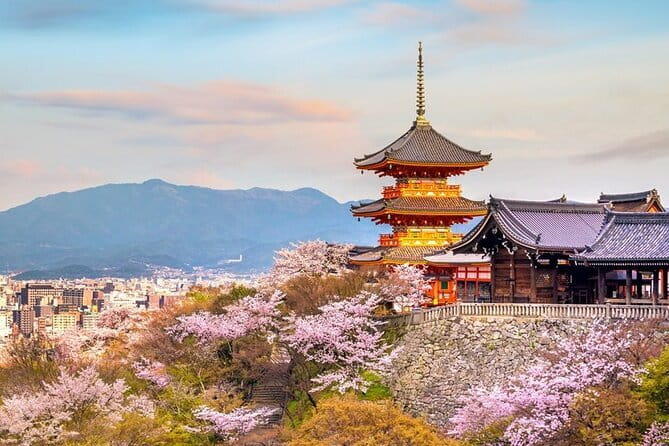
Dotonbori is listed for about an hour. This is Osaka at its most theatrical, with neon lights, oversized signs, and street food tied closely to the city’s public image.
The district is associated with takoyaki and okonomiyaki, two foods that help define Osaka’s casual dining culture. You learn about the ingredients that make them work, rather than simply grabbing a snack and moving along. That is especially useful if you have seen these dishes before but never understood the differences in batter, fillings, sauces, and toppings.
Dotonbori can be a sensory overload. The signs are large, the streets draw crowds, and the food choices seem endless. A small group and a local guide help you keep moving without wasting time on places chosen only for their appearance.
The itinerary names Dotonbori Tsuribori as the stop, while the description presents the area as the wider entertainment district. I would confirm the exact food locations with the provider before setting your expectations. The important point is that Dotonbori forms a major part of the route, not that you are guaranteed a particular restaurant or stall.
This is also where guide flexibility can make a difference. Miyo has been praised for making special efforts, including waiting in line ahead of time for a popular cheesecake. That detail tells you something practical: a good guide may shape the food day around timing and availability, but you should not assume every special item is automatically included.
A completely different kind of day out in Osaka:
- Osaka Go Karting Tour with Funny Costume
★ 5.0 · 2,658 reviews - Osaka Castle: Museum and Tower Entry Ticket
★ 4.5 · 2,380 reviews - Osaka: teamLab Botanical Garden Entry Ticket
★ 4.5 · 1,710 reviews - Osaka: Tea Ceremony Experience
★ 4.9 · 1,426 reviews
What you may eat, and what you should clarify

The published inclusions cover dinner, snacks, bottled water, and alcoholic beverages. The food examples connected with the experience include takoyaki, okonomiyaki, sushi, fugu, cheesecake, and other Osaka treats.
That is a wide range. Some foods are familiar and easy for first-time visitors. Others may feel more adventurous. Fugu, for example, is specifically mentioned in connection with one guide’s food route, but the available information does not promise that every departure includes it. The same applies to the cheesecake and any particular stall.
Ask about the expected menu before you arrive if you have strong preferences or restrictions. The guide team has been praised for handling food allergies and different comfort levels, which is encouraging, but you should still communicate your needs clearly during booking.
The tour is likely to suit an adventurous eater who wants variety without having to make every decision alone. It can also work for a family group, provided everyone understands that the day is built around Japanese food and walking. If you dislike seafood, unfamiliar textures, or shared food choices, the $175 cost may be harder to justify.
Alcoholic beverages are included, but you do not need to treat that as the main attraction. The useful value is the range of food and the explanations that connect the dishes. Bottled water is a welcome inclusion during a five-hour outing.
The guides are a major part of the value
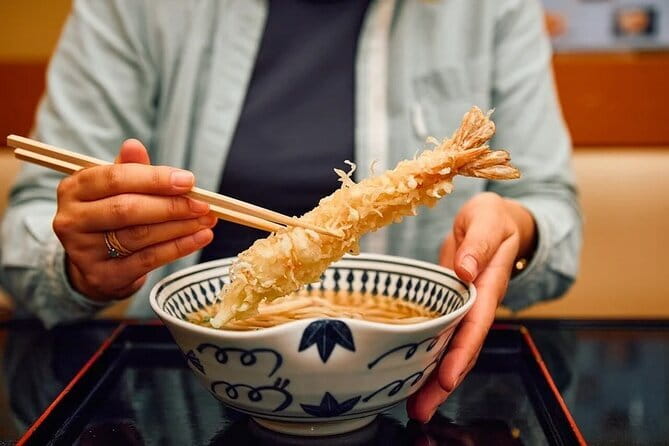
Food tours rise or fall on the person leading them. Here, the strongest praise centers on guides who bring warmth, preparation, and flexibility.
Miyo is repeatedly praised for her care and enthusiasm. She has tailored experiences for families, helped with allergies, shared local recommendations, and explained details beyond the obvious food stops. One particularly useful quality is her willingness to communicate before and after the tour, which can help you plan later meals in Osaka.
Yuka is also praised for creating a comfortable, enjoyable day and for guiding a route that included fugu, okonomiyaki, and other treats. The important lesson for you is not to expect a scripted performance. The best value comes when you ask questions and tell the guide what you want to understand.
The tour also seems suited to repeat visitors who want a more local food angle. You can ask for restaurant ideas, neighborhood suggestions, and places to return to after the tour. That advice may be more useful than one extra tasting, especially if Osaka is part of a longer Japan trip.
Of course, guide quality can vary by departure. No tour description can guarantee a particular person. Still, the emphasis on small groups and local recommendations gives this experience a better chance of feeling personal than a large food bus or a crowded group walk.
Five hours, one station, and a fair look at the logistics
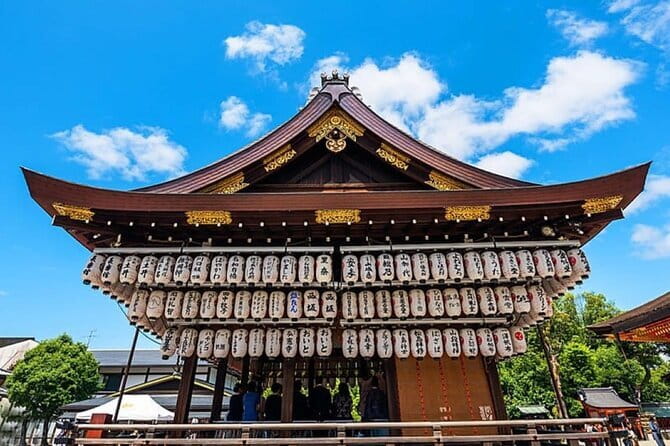
The tour lasts about five hours and starts at Minami-Morimachi Station. It ends back at the same meeting point. Private transportation is not included, so you should plan to use Osaka’s public transit or walk between areas with the group.
The meeting point is practical because it is near public transportation, but you should arrive with enough time to find the station exit and group. A mobile ticket makes access simple, though you still need your booking confirmation available.
The route includes an hour at Osaka Tenmangu Shrine, 30 minutes at Kuromon Market, and an hour in Dotonbori. The remaining time allows for walking, food stops, explanations, and the meal itself. Since the exact sequence and restaurant choices are not fully detailed, you should regard the route as a guided framework rather than a minute-by-minute schedule.
Most people can participate, but this is still a walking food experience. You should be ready for a long outing with several tastings. The group limit of seven helps, though it does not remove the need to manage your appetite and energy.
The start time is earlier than many people expect for a tour described as including dinner. That may mean the day’s food is spread over several hours rather than saved for one evening meal. Ask the provider how the meal timing works if you have an early breakfast, dietary limits, or plans immediately afterward.
Is $175 worth it for an Osaka food day?
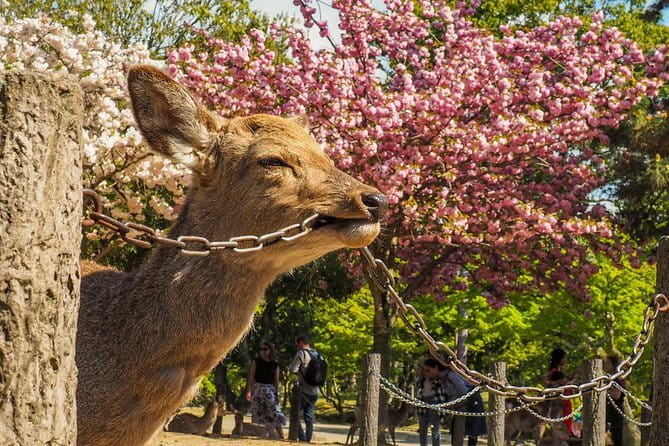
At $175 per person, this is not a bargain snack tour. You are paying more than you would for buying takoyaki, okonomiyaki, and market food on your own.
The case for the price is the combination of inclusions and guidance. Dinner, snacks, water, and alcoholic drinks reduce the extra spending during the day. More important, a guide can help you find quality food, explain what you are eating, navigate Osaka, and offer recommendations for the rest of your stay.
The small group also matters. A maximum of seven is close enough to a private-feeling outing without paying for a fully private tour. If you are nervous about ordering unfamiliar foods or wasting time in crowded districts, that support has real value.
The price is less attractive if you already know Osaka well, speak Japanese comfortably, or prefer to choose every restaurant yourself. It is also less appealing if you are mainly looking for a cheap way to eat famous street snacks.
I would consider it a good value for a first visit, a special occasion, or a family group that wants help handling different food preferences. I would be more cautious for a budget trip or for anyone who plans to spend most of the day sightseeing rather than eating.
Who should book the Umami Town Street Food Tour?
You should consider booking this tour if you want Osaka food explained as part of the city, not served as a checklist. It suits curious eaters, first-time visitors, small families, and people who enjoy asking a local guide what to do next.
It is especially useful if you want a gentle introduction to takoyaki, okonomiyaki, market food, and less familiar dishes such as fugu. The guides’ flexibility is another reason to choose it if your group includes children, mixed food preferences, or allergies.
You may want to skip it if you dislike organized schedules, want a fully private experience, or prefer to spend $175 on several independent meals. You should also check the expected menu and timing before committing, since specific dishes and stops may change.
Free cancellation is available until 24 hours before the start time. Cancellations or changes inside that window are not refunded or accepted, and a minimum group size applies. If the provider cancels because that minimum is not met, you are offered another date or experience, or a full refund.
FAQ
How long does the Umami Town Street Food Tour last?
The tour lasts approximately five hours.
Where does the tour begin?
It begins at Minami-Morimachi Station, at 2 Chome-1 Minamimorimachi, Kita Ward, Osaka, 530-0054, Japan.
What time does the tour start?
The start time is 10:00 a.m.
Where does the tour end?
The experience ends back at the meeting point.
What places are included on the route?
The listed stops are Osaka Tenmangu Shrine, Kuromon Market, and Dotonbori Tsuribori in the Dotonbori area.
Is food included in the price?
Yes. Dinner and snacks are included.
Are drinks included?
Yes. Bottled water and alcoholic beverages are included.
Is transportation included?
No. Private transportation is not included, so you move between stops with the group using the available public routes or on foot.
How many people can join the tour?
The activity has a maximum of seven travelers.
Can I cancel for a full refund?
Yes, if you cancel at least 24 hours before the experience start time. Cancellations made less than 24 hours in advance are not refunded.
Just added around Osaka
- Osaka Food Tour with 10 Classic Japanese Tastings & Drinks★ 5.0 · 38 reviews
- Osaka: Highlights & Hidden Gems Private Walking Tour★ 4.7 · 38 reviews
- Kyoto private tour (Shore excursion available from Osaka or Kobe port)★ 5.0 · 39 reviews
- Osaka Private Day Trip – Enjoy Your First-Time Visit to Osaka!★ 5.0 · 39 reviews
- Kyoto & Nara & Uji: Full Day Sightseeing Tour from Osaka or Kyoto★ 4.5 · 39 reviews
- Authentic SUSHI Course Cooking Class★ 5.0 · 39 reviews
- Osaka: Mind & Spirit Balance Temple Reiki Healing★ 5.0 · 41 reviews
- Osaka: Gluten-Free Ramen and Gyoza Cooking Class★ 5.0 · 42 reviews
Food & Drink, compared.
Shinjuku Food Tour (13 Dishes at 4 Local Eateries)
Read our review →
Tokyo Tsukiji Fish Market Food and Culture Walking Tour
Read our review →
Shinsekai Food Tour with 13-15 Dishes at 5 Eateries
Read our review →
Osaka Food Tour: 13 Dishes at 5 Local Eateries
Read our review →
Shinjuku Food Tour (15 Dishes and 4 Eateries)
Read our review →
Best of Shinjuku: Izakaya Food Tour (4 Stops, 14+ Tastings)
Read our review →
Kyoto Night Foodie Tour in Gion (9+ dishes + 6 Sake tastings)
Read our review →
Hungry Osaka Street Food Tour:15 Tastings & 3 Drinks with a Local
Read our review →Browse the lists this tour appears in