
Reviewed · ARASHIYAMA & BAMBOO GROVE TOURS
Bamboo LED Lantern Making Experience in Kyoto Arashiyama
Skip the forest crowds for a while. This three-hour Arashiyama experience pairs a guided walk through the famous bamboo grove with hands-on craft work in a family workshop. I like the small-group setting, with the booking details limiting the activity to six people, and I like that you leave with a useful handmade souvenir rather than another shop purchase. The main consideration is that the workshop uses fresh bamboo, which can be damp and needs careful drying after you get home.
You meet Noriko at Saga-Arashiyama Station at 2 p.m., walk through part of the bamboo forest, and then continue to her workshop. You can make an LED lantern, sake cup, sake bottle, teacup, or smartphone holder, although the lantern is the clear favorite. Families, couples, and hands-on makers will get the most from this afternoon, while anyone wanting a fast sightseeing stop may find the three-hour pace too slow.
In This Review
- Key points to know before booking
- Why this Arashiyama activity feels different
- Meeting at Saga-Arashiyama Station at 2 p.m.
- Walking through the bamboo forest with Noriko
- Entering the family workshop
- How the bamboo lantern is made
- What you take home
- Is $79.26 a fair price?
- Who will enjoy this most?
- Timing your afternoon in Arashiyama
- Final verdict: Should you book it?
- FAQ
- Where does the bamboo lantern activity begin?
- What time does the experience start?
- How long does the activity last?
- What can I make during the workshop?
- Are tools and materials included?
- Can I cancel for a full refund?
Key points to know before booking
- Noriko leads the walk and workshop: She explains bamboo, local culture, shrines, and the Arashiyama area in clear English.
- The group stays small: The maximum listed for the activity is six people, making instruction much more personal than a large craft class.
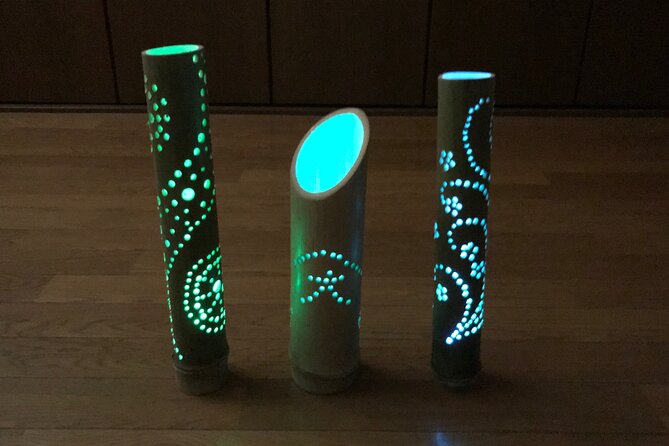
- You make a real keepsake: Choose your bamboo, select or adjust a pattern, drill the design, and take home your finished piece.
- The bamboo forest is part of the experience: You walk through part of the famous grove before leaving the busiest paths for a quieter neighborhood.
- Tools and materials are supplied: Cutting, drilling, and other workshop equipment are provided, with safety guidance before you begin.
- Plan for proper drying at home: Fresh green bamboo may retain moisture, so unpack and dry the lantern carefully rather than storing it tightly wrapped.
Why this Arashiyama activity feels different
Arashiyama is famous for one short stretch of bamboo forest. It is beautiful, but the path can feel more like a photo queue than a peaceful country walk. This activity gives you a reason to see the grove, then moves you beyond the standard sightseeing route.
I like that the bamboo is not just a backdrop. Noriko explains the plant itself and its place in local life before you work with it. That simple change in focus makes the forest more meaningful. You begin to notice the material, not just the tall green stalks overhead.
The afternoon also has a nice rhythm. You start outdoors, walk at an easy pace, and then settle into a quiet workshop. After a day of temples and crowded streets, working with your hands can feel calm and refreshingly ordinary.
The activity is led by Noriko, often with help from her husband. Her English is described as excellent, and she explains the process clearly. She also answers questions about Japanese culture, the area, shrines, and bamboo. That personal contact is a major part of the value here.
More Arashiyama and bamboo grove walks:
- Kyoto: Fushimi Inari, Kinkakuji, Bamboo Grove 1 Day Bus Tour
★ 4.8 · 4,316 reviews - Osaka/Kyoto:Kinkakuji,Arashiyama,FushimiInariShrine,NaraPark
★ 4.1 · 1,596 reviews - Kyoto/Osaka: Nara, Fushimi Inari Taisha, Arashiyama Bus Tour
★ 4.7 · 1,275 reviews
Meeting at Saga-Arashiyama Station at 2 p.m.
The meeting point is Saga-Arashiyama Station, at 11-1 Sagatenryuji Kurumamichicho, Ukyo Ward. You should arrive ready to begin at 2 p.m., since the experience starts with a walk rather than a classroom briefing.
Meeting at the station is useful. Arashiyama has several rail stops and plenty of paths, so beginning at a clear transport point removes some of the guesswork. The activity ends back at the same meeting point, which makes it easier to connect with the rest of your Kyoto plans.
Because the walk comes first, wear comfortable shoes. You do not need special equipment, and materials and workshop tools are supplied, but you will be on your feet before sitting down to craft.
The class is offered with a mobile ticket, and confirmation is provided at booking. If you need to cancel, you can receive a full refund when you cancel at least 24 hours before the local start time. Last-minute changes are not accepted, and the activity requires a minimum number of participants.
Walking through the bamboo forest with Noriko
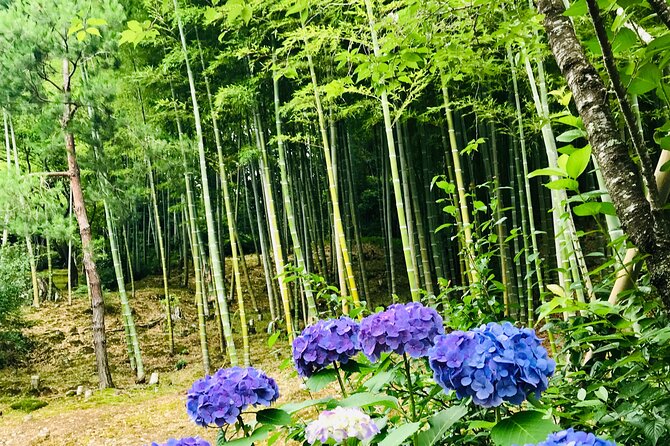
The first stop is the Bamboo Forest Trail. This is not simply a transfer to the workshop. Noriko takes you through part of the grove and explains the mysterious plant that defines Arashiyama.
The walk also includes the surrounding neighborhood and, according to the experience details, a shrine along the way. Several visitors appreciated learning about the area as they walked, rather than receiving only a short introduction once inside the workshop.
That approach matters because the bamboo grove can be a quick, crowded photo stop when visited alone. Here, you have a guide who connects the plant to the place. You may hear about the bamboo itself, local customs, nearby temples, and the area’s past. The result is a more thoughtful visit without turning the walk into a formal lecture.
The route is described as a walk through part of the forest, not a full hike across Arashiyama. If you want a long trek or a detailed tour of every major sight, this activity is not designed for that. Its purpose is to give context before the craft session.
The walk can also be adapted in practical ways. One seven-year-old participant joined the workshop without completing the forest walk because of an injured adult’s leg, and Noriko helped them reach the workshop. That does not promise a formal alternative route for every booking, but it suggests that it is worth contacting the provider if mobility is a concern.
Entering the family workshop
After the forest, you continue to Noriko’s workshop, located in her family home. The setting is one of the experience’s strongest features. You are not being moved through a commercial production line. You are welcomed into a working family space where Noriko and her husband help you make the item yourself.
The workshop is described as clean, bright, and comfortable. The small group size means you can ask questions without waiting for a large class to catch up. Noriko guides the process, while her husband helps with cutting and the machinery.
You begin by choosing the type of craft. The LED lantern is the main project, but the choices can include a sake cup, sake bottle, teacup, or smartphone holder. The exact selection may depend on the available materials and the class setup, so book this experience mainly for the bamboo craft itself rather than a guaranteed specific alternative item.
For the lantern, you choose a piece of bamboo and a design. Paper patterns are available, but you can alter them or create something more personal. One useful tip is to think about your design before the class if you want a truly individual pattern. Simple shapes work well, and you will have guidance if you prefer to follow a prepared template.
A few more Kyoto experiences worth weighing up
- PERFECT KYOTO 1-Day Bus Tour
★ 5.0 · 13,518 reviews - Kyoto: Tea Ceremony in a Traditional Tea House in Kiyomizu
★ 4.9 · 3,519 reviews - Kyoto Geisha Walking Tour: Gion District & Hidden Gems
★ 4.7 · 3,273 reviews - Kyoto: Tea Ceremony Ju-An at Jotokuji Temple
★ 4.9 · 3,207 reviews
How the bamboo lantern is made
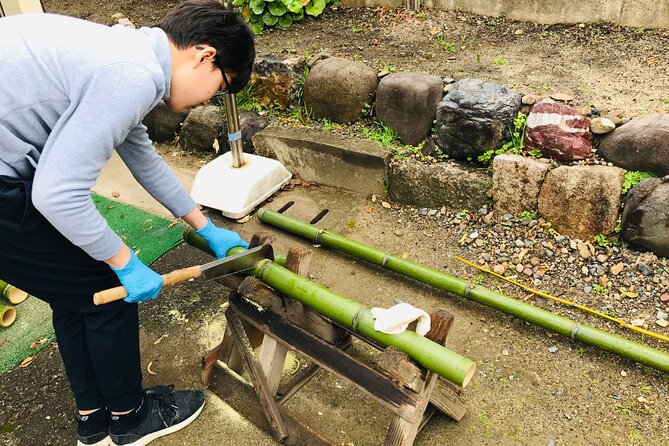
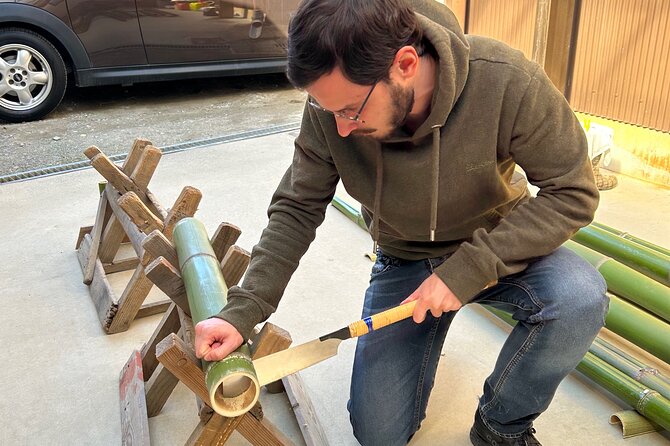
The craft process is simple enough for beginners but still feels like real making. Noriko and her husband explain how to handle the tools, and you receive practice before working on your chosen piece.
The bamboo is cut to size, then the paper design is placed on the surface. You use a drill to create the pattern, letting light pass through the holes once the lantern is finished. Reviews describe the drill presses as easy to use after instruction, but this is still a machine-based activity, so careful listening matters.
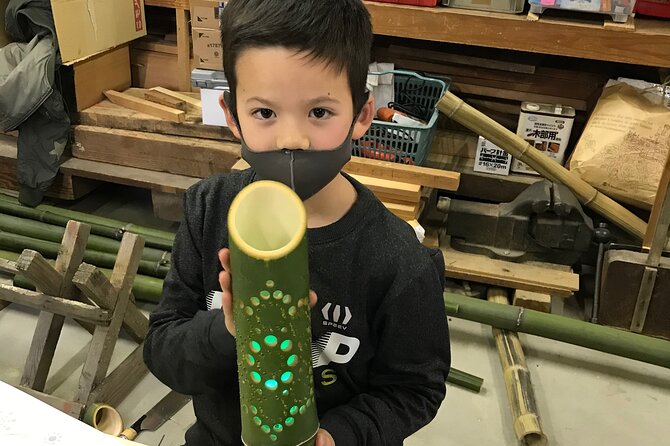
For children, adult help is built into the process. An 11-year-old participant used the machines after instruction, while a seven-year-old received close supervision from Noriko’s husband. Twin 11-year-olds were also supported patiently. I would consider this a strong family option, but children should be comfortable following safety directions and working with adult supervision.
You do not need previous craft experience. The instructions are described as easy to follow, and the hosts stay involved throughout the work. At the same time, you are not simply decorating a finished object. You choose the bamboo, transfer the design, and drill the openings yourself.
That distinction gives the souvenir its value. A lantern bought in a shop may be attractive, but this one carries the memory of a particular afternoon in Arashiyama. You can point to the pattern and remember making each opening.
The class may also include tea and snacks during a short break. This is a small touch, but it fits the friendly, home-based nature of the workshop.
What you take home
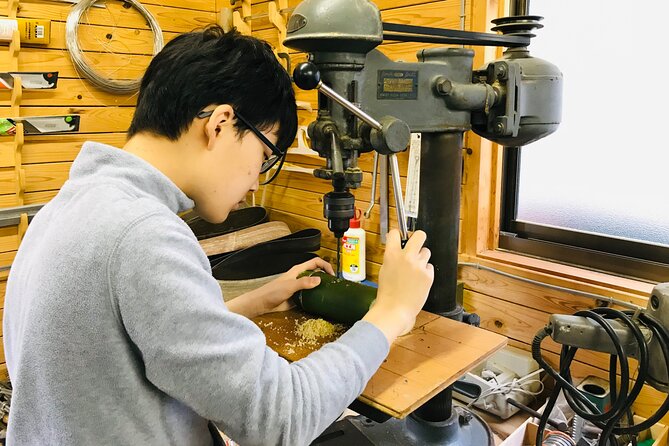
The finished bamboo lantern is intended as a working keepsake. You can place small lights inside it for soft mood lighting, giving the object a use beyond sitting on a shelf.
The lantern is wrapped for the journey, which is helpful when you are still carrying luggage through Japan or taking a flight home. There is one important care issue. Because the workshop may use fresh green bamboo, the material can still contain moisture when wrapped.
One person reported serious mold after the lantern remained enclosed. Noriko responded by apologizing, explaining the issue, and saying the workshop would improve its wrapping method. She also said that heated, dried bamboo was being introduced as a more stable and longer-lasting material.
This is the one practical weakness you should keep in mind. When you receive the lantern, ask about drying and storage. Once home, avoid leaving it sealed in bubble wrap or packed tightly in a damp place. Let it air out according to the instructor’s advice.
The mold problem appears to have been recognized and addressed, but it remains fair to ask which type of bamboo you are using. A little care can protect what is meant to be one of your most personal Kyoto souvenirs.
Is $79.26 a fair price?
At $79.26 per person, this is not a cheap craft lesson. It is also more than the cost of wandering through Arashiyama on your own. The value depends on what you want from the afternoon.
If you only want photographs of the bamboo grove, you can visit the area without booking a class. If you want a souvenir, you can buy a bamboo product in a shop for less. But this price includes a guided walk, local explanation, materials, use of tools and machines, instruction, and a finished item that you made yourself.
The small group improves the value. With a maximum of six people listed, you get more direct help than you would in a large workshop. That matters when you are drilling a pattern or deciding how to work around the bamboo’s natural shape.
The family setting also adds something that a standard tourist class may not offer. You meet local hosts, ask questions about the area, and spend time in a real workshop rather than a staged demonstration. For a couple or family looking for one meaningful activity in Kyoto, the cost is reasonable.
I would be less enthusiastic if you dislike craft work or need a packed schedule. Three hours is a substantial block of time, and the final object may not be flawless. Its charm comes from the fact that you made it, not from factory-level perfection.
Who will enjoy this most?
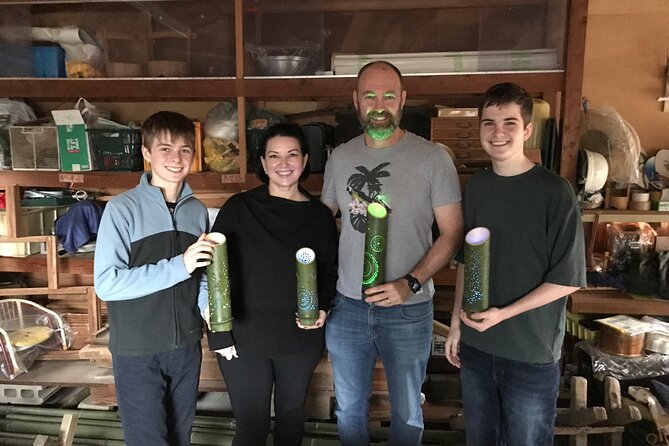
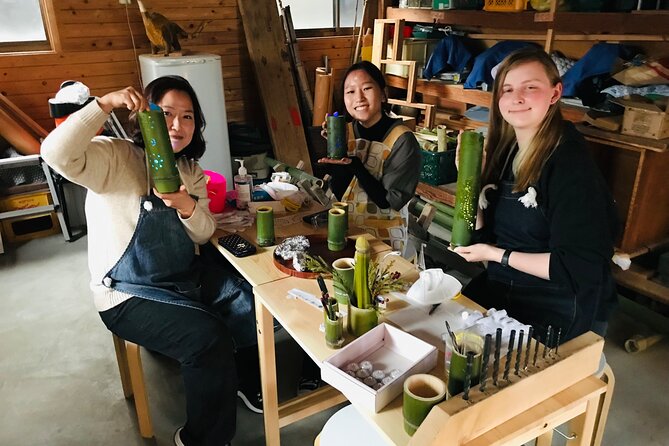
This activity is a good fit for families. Children as young as seven have taken part, and older children have been able to use the machines with instruction and close help. The hosts are patient, which makes the class less stressful for parents.
Couples can also make this a pleasant afternoon together. You can choose different designs, compare the finished lanterns, and return home with matching or complementary souvenirs.
Solo visitors may appreciate the easy conversation and personal instruction. The workshop gives you something social to do without requiring a large group tour.
Craft-minded people will get the most satisfaction. If you enjoy choosing materials, altering patterns, and seeing a project take shape, the class offers enough control to keep you involved.
You may want to skip it if you are mainly interested in sightseeing, dislike using tools, or have no room in your luggage for a handmade object. The activity is also less suitable for anyone who cannot safely participate in a supervised workshop, though service animals are allowed and most people can take part.
Timing your afternoon in Arashiyama
The 2 p.m. start works well as a second activity after morning sightseeing, but allow enough time to reach Saga-Arashiyama Station. The experience ends at the station, so you can continue with dinner or another Kyoto plan afterward.
Do not schedule a tight temple visit immediately after the workshop. The class lasts about three hours, and the forest walk, choosing materials, drilling, and finishing the lantern all take time. The relaxed pace is part of the appeal.
Arashiyama can be busy, especially around the main bamboo path. Meeting Noriko at the station and then moving through the forest and quieter neighborhood helps you spend less time trying to navigate on your own.
The activity is booked, on average, 16 days ahead. That suggests you should reserve early if the 2 p.m. time is important to your itinerary, especially for a family or a particular date.
Final verdict: Should you book it?
I would book this experience if you want more from Arashiyama than a quick walk and a photograph. The strongest reasons are the small class, Noriko’s warm guidance, the walk through the bamboo forest, and the chance to take home something you made with your own hands.
The fresh bamboo issue deserves practical care, but it is not a reason to dismiss the class. Ask about drying, unpack the lantern when you reach home, and treat it as a natural material rather than a finished factory product.
Book it for a family afternoon, a creative date, or a slower break from temple sightseeing. Skip it if your Kyoto schedule is already crowded or if you would rather spend the full day visiting sights. For the right person, this is not just a lantern class. It is a personal way to remember Arashiyama.
FAQ
Where does the bamboo lantern activity begin?
It begins at Saga-Arashiyama Station, located at 11-1 Sagatenryuji Kurumamicho, Ukyo Ward, Kyoto.
What time does the experience start?
The scheduled start time is 2 p.m.
How long does the activity last?
The experience lasts approximately three hours.
What can I make during the workshop?
Options can include an LED lantern, sake cup, sake bottle, teacup, or smartphone holder. The lantern is the main project described for the workshop.
Are tools and materials included?
Yes. Materials and the use of tools and machines are provided.
Can I cancel for a full refund?
Yes, if you cancel at least 24 hours before the local start time. Cancellations or changes made less than 24 hours before the start are not refunded or accepted.
Just added around Kyoto
- Kyoto Gion Walking Tour for First Time Visitors★ 5.0 · 37 reviews
- Kyoto: Gion Geisha District & Sake-in-Hand Walking Tour★ 5.0 · 37 reviews
- Tea Ceremony Experience in Traditional Kyoto Townhouse★ 5.0 · 38 reviews
- Kyoto: Private Customizable Day Trip by Car★ 5.0 · 38 reviews
- Kyoto: Gion Night Walking Tour with Geisha Insight★ 5.0 · 39 reviews
- Kyoto: Full Day Bike Tour★ 4.9 · 39 reviews
- Private Japanese Calligraphy in Kyoto – Learn Shodō with a Master★ 5.0 · 39 reviews
- Experience a tea ceremony in an authentic tearoom, in Kyoto!★ 4.5 · 41 reviews
Arashiyama & Bamboo Grove Tours, compared.

Fushimi Inari, Kinkakuji, Bamboo Grove 1 Day Bus Tour
Read our review →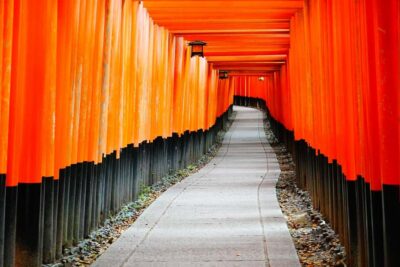
Osaka/Kyoto:Kinkakuji,Arashiyama,FushimiInariShrine,NaraPark
Read our review →
Kyoto/Osaka: Nara, Fushimi Inari Taisha, Arashiyama Bus Tour
Read our review →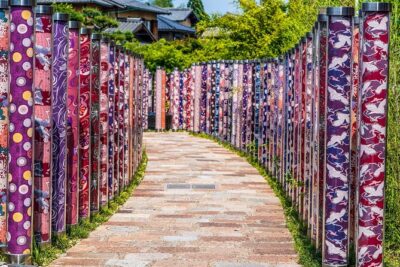
Kyoto Arashiyama Walking Tour: Bamboo, Monkeys, Gardens & Secrets
Read our review →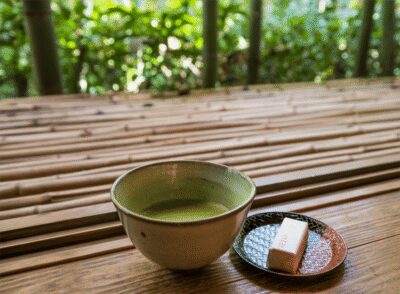
Arashiyama Bamboo, Temple, Monkeys, or Secret Sake Brewery
Read our review →
Arashiyama Bamboo Forest, Monkeys, Matcha & Temple Tour
Read our review →
Osaka/Kyoto: Arashiyama, Nara & Fushimi Inari Shrine w/Lunch
Read our review →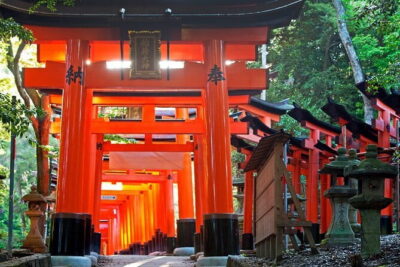
Nijo, Kinkaku-ji, Arashiyama, Kiyomizu & Fushimi Inari
Read our review →Browse the lists this tour appears in